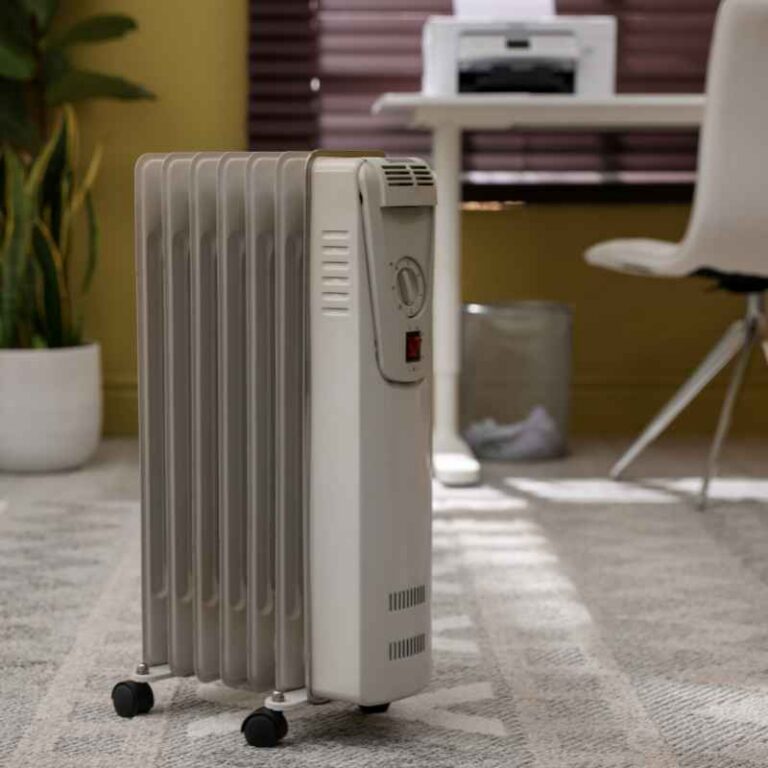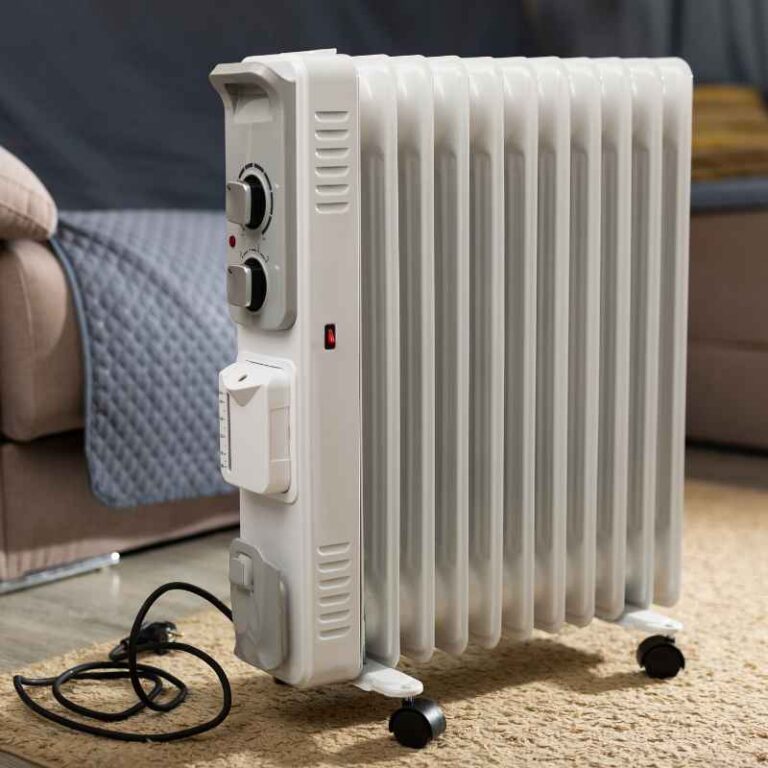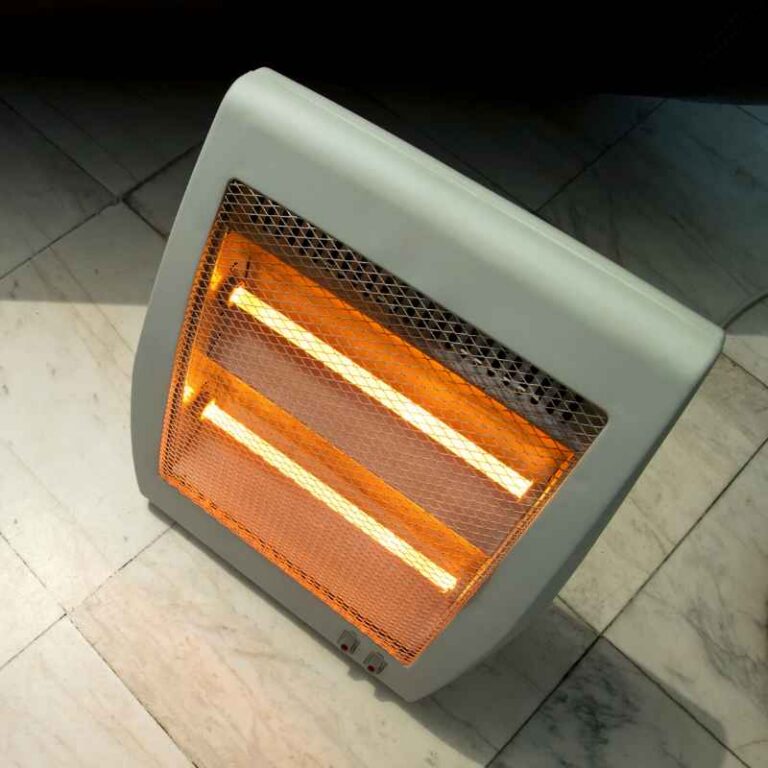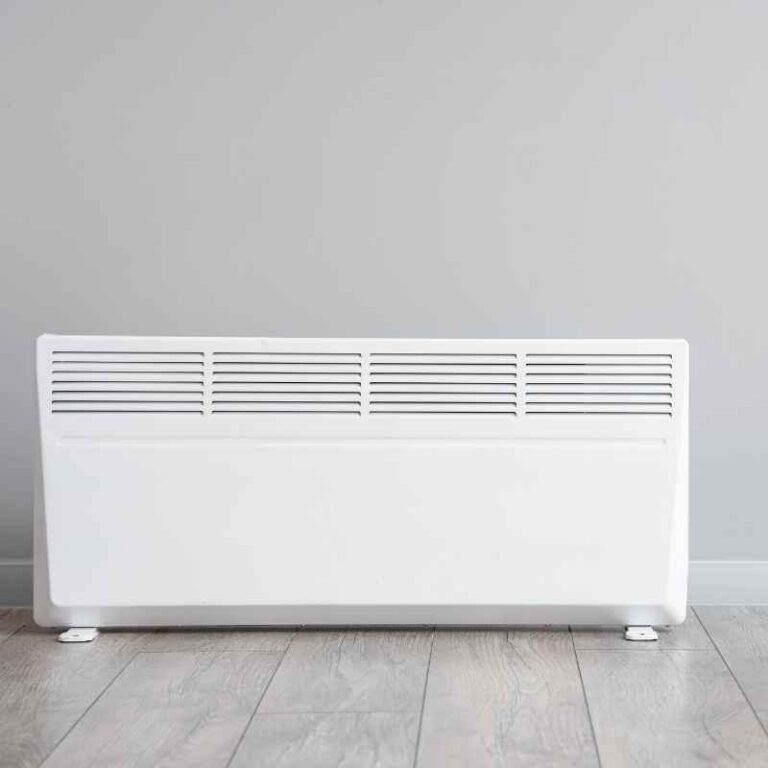
Can a Space Heater Overload or Melt an Outlet?
Yes. A 1,500-watt space heater draws about 12.5 amps on 120 volts, so it can overload a 15-amp circuit if anything else is running, and a loose or damaged outlet can overheat and melt before the breaker trips. This guide shows how to tell whether the problem is the outlet, the circuit load, or the heater setup, plus a simple stop-use checklist.
Why a space heater can heat an outlet
A space heater can warm the receptacle in two ways. The plug may fit tightly enough to carry the load safely, or it may sit loosely and heat the contact points at the outlet itself. Those are different problems, and the fix depends on which one you see.
How plug fit affects heat at the receptacle
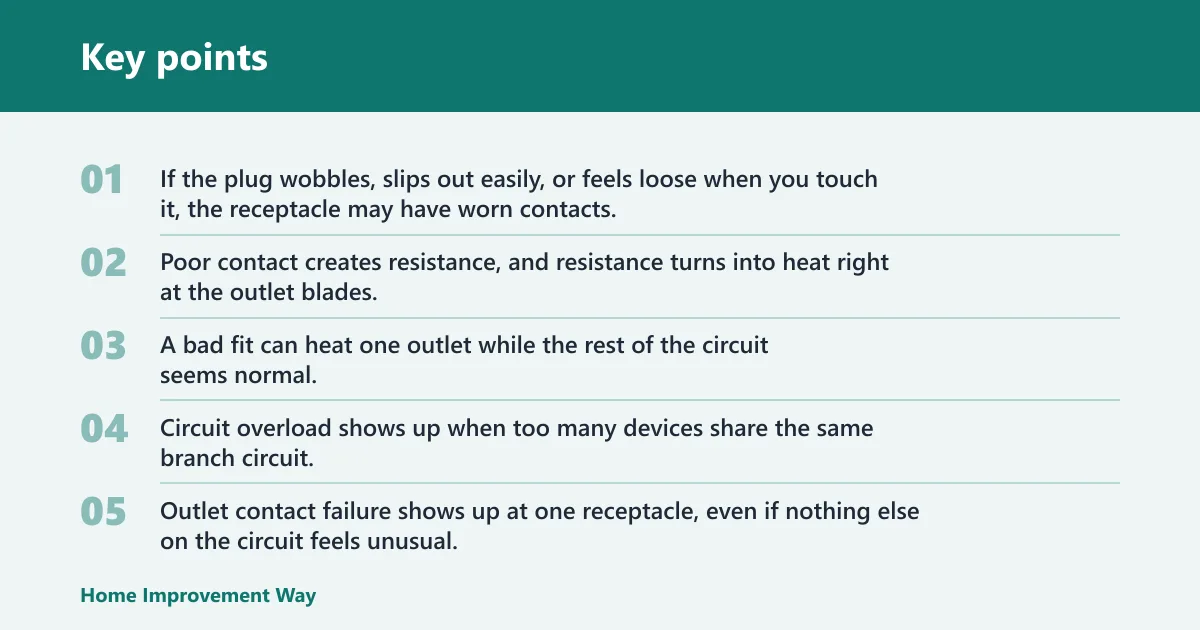
A wall outlet should hold the plug firmly. If the plug wobbles, slips out easily, or feels loose when you touch it, the receptacle may have worn contacts. Poor contact creates resistance, and resistance turns into heat right at the outlet blades.
That is why a hot plug does not always mean the circuit is overloaded. A bad fit can heat one outlet while the rest of the circuit seems normal.
How circuit load differs from outlet contact failure
Circuit overload shows up when too many devices share the same branch circuit. Outlet contact failure shows up at one receptacle, even if nothing else on the circuit feels unusual. A breaker trip points more toward overload or a circuit issue, while scorch marks, discoloration, or a burning smell point more toward the outlet itself.
Both problems are serious. Both can start a fire. Neither should be ignored.
Can a space heater overload a circuit?
Yes. A portable electric space heater often draws 1,000 to 1,500 watts, and the high setting is commonly 1,500 watts. On a 120-volt supply, 1,500 watts equals 12.5 amps. A standard 15-amp circuit should carry no more than 12 amps of continuous load, so a heater can leave very little room for anything else.
What 1,500 watts means on a 15-amp circuit
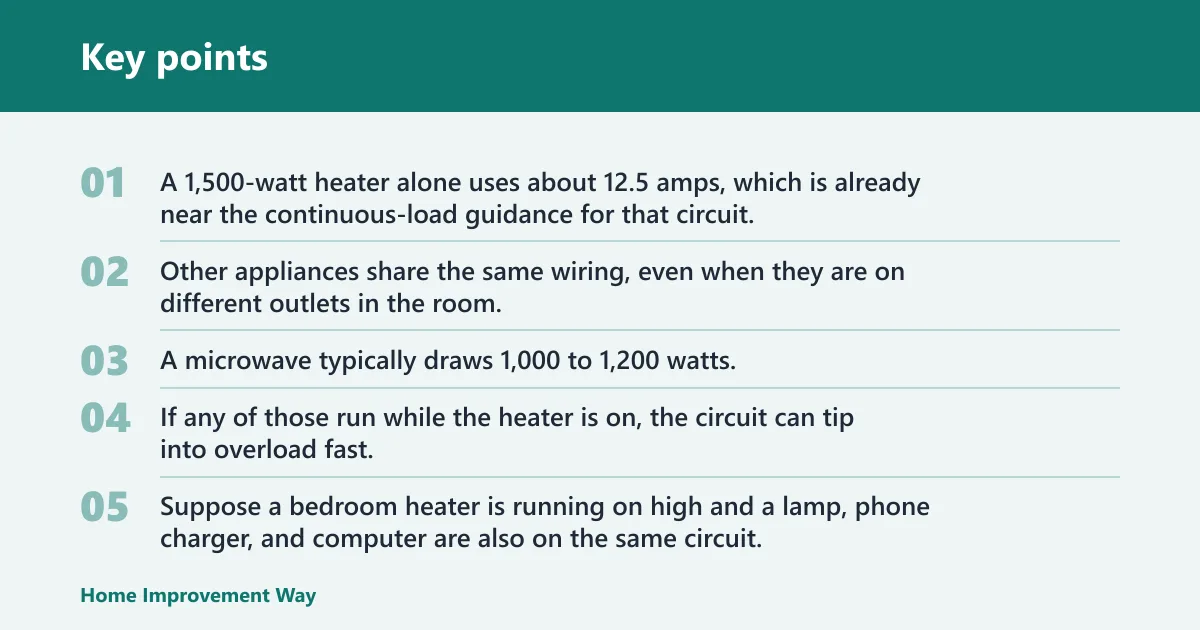
A 15-amp, 120-volt circuit can supply about 1,800 watts total, but that is not a comfortable target for hours of heater use. A 1,500-watt heater alone uses about 12.5 amps, which is already near the continuous-load guidance for that circuit.
That is why a heater on high is often borderline by itself and unsafe once other loads are added.
Why other devices on the same circuit matter
Other appliances share the same wiring, even when they are on different outlets in the room. A hair dryer can draw 1,800 watts. A microwave typically draws 1,000 to 1,200 watts. If any of those run while the heater is on, the circuit can tip into overload fast.
Suppose a bedroom heater is running on high and a lamp, phone charger, and computer are also on the same circuit. The breaker may trip because the total load is too high, even though the heater itself seems normal.
Hot plug or hot outlet?
| Symptom | Likely cause | Immediate action | Escalation step | Replace outlet or call electrician? |
|---|---|---|---|---|
| Plug feels warm after 30 minutes | Possible loose contacts or heavy load | Turn the heater off and unplug it | Check whether the plug fits firmly in another known-good outlet | Replace outlet if the fit is loose; call electrician if heating returns on a different outlet |
| Outlet face is hot to the touch | Outlet contact failure or overloaded circuit | Stop use at once | Do not plug the heater back in until the receptacle is inspected | Replace outlet if only one receptacle is affected; call electrician if heat appears at more than one outlet |
| Breaker trips when heater starts | Circuit overload or weak circuit protection | Reduce the load by turning off other devices | Run the heater only after the circuit is lighter | Call electrician if the breaker trips again on a lighter load |
| Outlet is discolored or scorched | Overheating at the receptacle | Stop using the outlet | Keep the heater unplugged there | Replace outlet and have the wiring checked if damage is visible |
| Plug wiggles in the receptacle | Worn outlet contacts | Do not continue running the heater there | Try a different outlet on another circuit | Replace outlet if the fit is loose; call electrician if the circuit has other symptoms too |
| Burning smell near the outlet | Overheated plastic, arcing, or damaged wiring | Shut the heater off and unplug it if safe | Keep the outlet out of service | Call electrician right away |
| Heater shuts off repeatedly | Overheat protection, tip-over switch, or unstable power | Move the heater, check placement, and remove other loads | If it happens again on a different circuit, stop use | Call electrician if the circuit also trips or the outlet is hot |
| Intermittent power to the heater | Loose plug, worn receptacle, or failing cord | Unplug the heater and inspect the cord and outlet | Do not keep jiggling the connection to keep it on | Replace outlet if the receptacle is worn; call electrician if the problem spreads to other outlets |
Load check: On a 15-amp circuit, a 1,500-watt heater already uses about 12.5 amps. If any other device is running on that circuit, the total can cross the continuous-load guidance quickly.
Can a space heater melt an outlet?
Yes. A space heater can melt an outlet when the receptacle is worn, loose, or damaged, even if the breaker never trips. Heat at the plug blades, scorch marks, discoloration, or a burning smell are signs of trouble at the outlet itself, not just a busy circuit.
Signs the receptacle is worn or damaged
Look for wobble, arcing marks, darkened plastic, or a plug that no longer feels snug. A wall outlet should hold the plug firmly, with no wobble. If the outlet feels hot after only 20 to 30 minutes, stop using it right away.
A common first-time mistake is to assume the heater is the only issue because the breaker stayed on. But outlet damage can build heat locally long before the breaker sees enough total load to trip.
Signs the heater load is too high for the circuit
If the outlet looks normal but the breaker trips, the problem is more likely circuit load than receptacle damage. That is especially true when a 1,500-watt heater shares the circuit with other devices. A microwave, lamp, TV, or charger can be enough to push a 15-amp circuit past a safe running load.
Can I use a heater on a power strip?
No. A space heater should not go on a power strip or surge protector. Nearly every heater manual says not to use a power strip, and surge protection does not stop the heating that comes from too much current. Use the heater only in a wall outlet that is in good condition.
Why power strips and surge protectors are the wrong fit
Power strips are made for electronics, not heating appliances. They add extra connection points, and each connection can warm up under heavy current. That makes the setup less safe, even if the strip looks heavy duty.
Heaters are commonly advised to be plugged directly into a wall outlet and not used with an extension cord.
Why extension cords add risk even when they are heavy-duty
An extension cord adds another connection and another place for resistance to build heat. Common gauges such as 12 gauge and 14 gauge still do not make the setup a good choice for a space heater, especially with continuous high-current use. The risk rises when the heater runs for hours.
Do not treat a heavy-duty cord as a fix for a weak outlet. It is not.
What to check before you run it again
Before you use the heater again, check the heater, the outlet, and the room setup together. Keep at least 3 feet of clearance around the heater, plug it directly into a wall outlet, and confirm that the outlet grips the plug firmly without wobble, heat, discoloration, or odor.
- Unplug and inspect. Look at the plug blades, cord, and receptacle for scorch marks, melted plastic, or a burnt smell. If any of those are present, stop using that outlet until it is repaired.
- Check the fit. Reinsert the plug once into a known-good wall outlet. It should fit firmly and stay in place without wobbling. Loose fit means the receptacle may be worn out.
- Clear the area. Keep at least 3 feet of space around the heater and remove curtains, bedding, paper, and furniture from the airflow path. This reduces the chance of the heater cycling harder or contacting combustibles.
- Verify safety features. Look for a tip-over switch and overheat protection on the heater itself, and check for a safety certification mark such as UL, ETL, or CSA. These features are useful, but they do not make a bad outlet or unsafe circuit acceptable.
- Reduce nearby loads. Turn off other heavy devices on the same circuit before you plug the heater in again. That matters most in bedrooms and offices, where lamps, chargers, computers, and televisions often share the same branch circuit.
Picture a bedroom where the heater runs on high beside a nightstand lamp and a phone charger. The plug stays cool at first, then turns warm after 30 minutes. That points more toward a worn receptacle or a connection problem than a simple comfort issue.
Say your older home has a loose outlet in the office and the heater shuts off when you tap the plug. Replace the outlet before using that room again for a heater. If the breaker also trips after you move the heater to a different outlet, the circuit needs a closer look.
When should I call an electrician about a heater outlet?
Call an electrician if the outlet is discolored, smells burnt, feels hot, or loses power intermittently. Also call if the breaker trips more than once after you reduce the load, or if several outlets on the same circuit seem affected. Those signs point to a wiring or circuit problem, not just a heater issue.
Bedrooms and offices need extra care
Bedrooms and offices often carry mixed loads on one circuit. That makes them poor places to assume a 1,500-watt heater is automatically fine. If the room already powers a computer, monitor, lamp, or charger, the margin on a 15-amp circuit gets small fast.
Older homes and worn receptacles
Older homes often have receptacles that no longer grip plugs well. If the outlet wobbles, runs hot, or shows discoloration, replace the receptacle before using a heater there again. Do not keep trying the same outlet and hoping the problem goes away.
Frequently asked questions
Why does the plug feel hot when the heater runs?
A hot plug often means the receptacle contacts are loose or worn, so current is heating the connection point. It can also happen when the circuit is loaded near its limit for a long stretch. If the plug gets hot after about 20 to 30 minutes, stop using that outlet.
Is it safe to use a space heater on a power strip?
No. A power strip or surge protector is not a safe match for a space heater. They are built for electronics, not heating appliances, and surge protection does not stop overload heating. Plug the heater directly into a wall outlet instead.
What should I do if the breaker trips when the heater is on?
Turn the heater off, reduce other loads on that circuit, and do not replace the breaker with a larger one. A breaker trip usually means the circuit is overloaded or stressed. If it trips again after the load is reduced, call an electrician.
Can a 1,500-watt space heater run on a 15-amp circuit?
Sometimes, but only with very little else on that circuit. A 1,500-watt heater uses about 12.5 amps by itself, and a standard 15-amp circuit should carry no more than 12 amps of continuous load. Add another device, and the margin disappears quickly.
Sponsored / affiliate links. As an Amazon Associate I earn from qualifying purchases. I may earn additional commission from eligible campaigns.
 MEGAWISE Portable Air Conditioner and Heater, 420W 110V Compact AC Unit with Remote Control, 1400W Cooling Capacity, 800W Heating, Dehumidifier, Fan, Sleep Timer, ChampagneAZEUS Portable AC and Heater Unit, 420W 110V Compact Air Conditioner for Tent RV Truck Cabin and Small Room, 1400W Cooling, 800W Heating, Remote Control, Dehumidifier, Sleep Timer, Champagne