Cadet Wall Heaters Vs Baseboard Electric: Real Savings?
When comparing Cadet wall heaters and electric baseboard heaters, the choice often comes down to specific needs like room size, desired heat distribution, installation cost, and long-term energy savings. While both use electricity, their design impacts how effectively they heat a space and how much energy they consume to maintain a comfortable temperature.
Understanding Electric Heating: How They Work
Electric heaters are pretty straightforward. They use a heating element, usually a wire or coil. When electricity flows through this element, it gets hot.
This heat then warms the air around it. The way this heat gets into your room is where baseboard and wall heaters differ.
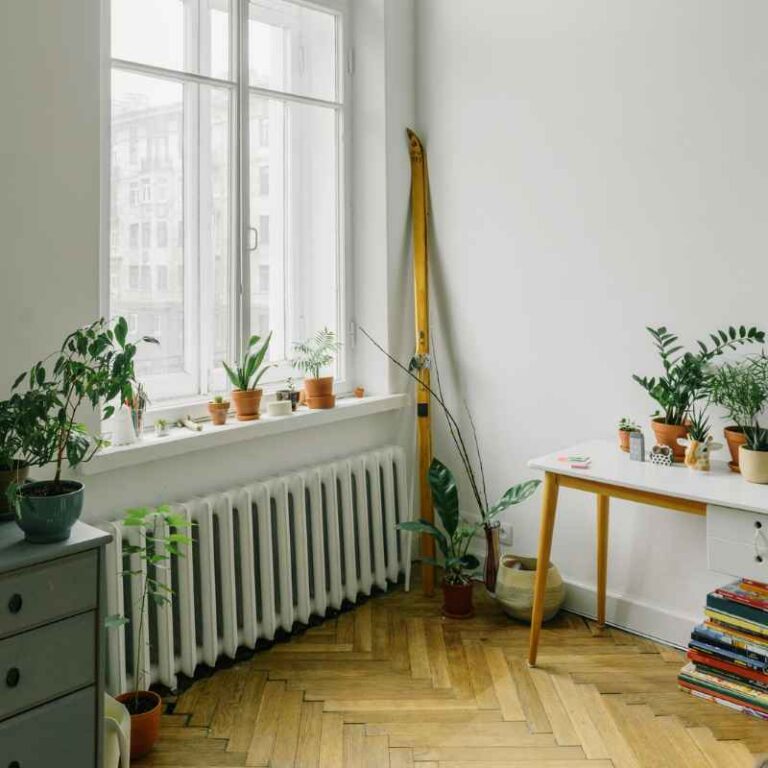
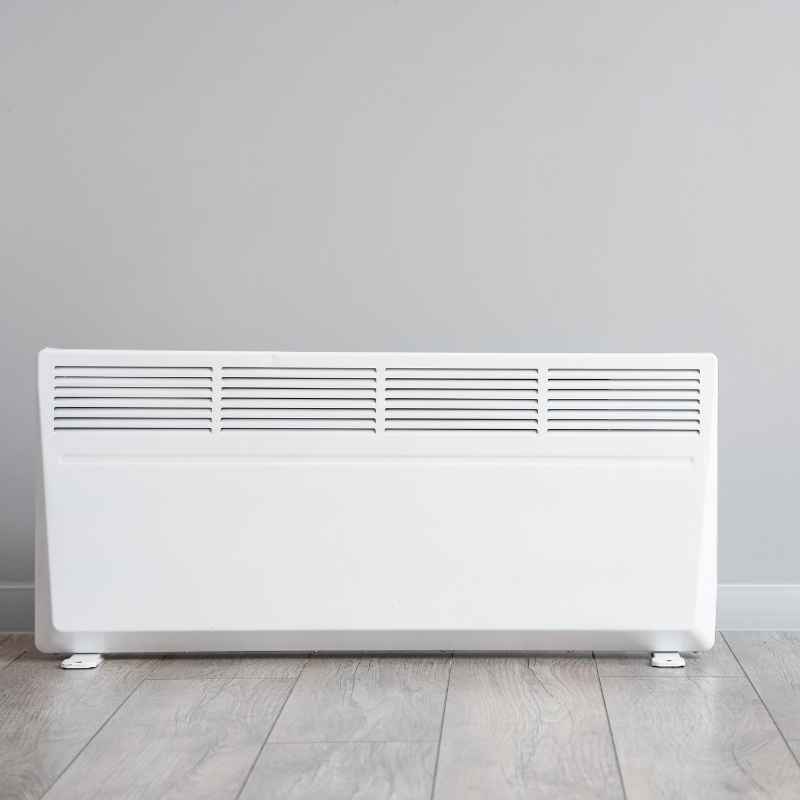
Baseboard heaters run along the bottom of your walls. They’re long and low. Warm air rises from them.
This creates a natural flow. Hot air goes up, cools down, and then sinks. This cooler air gets drawn back into the heater.
It’s a simple convection cycle.
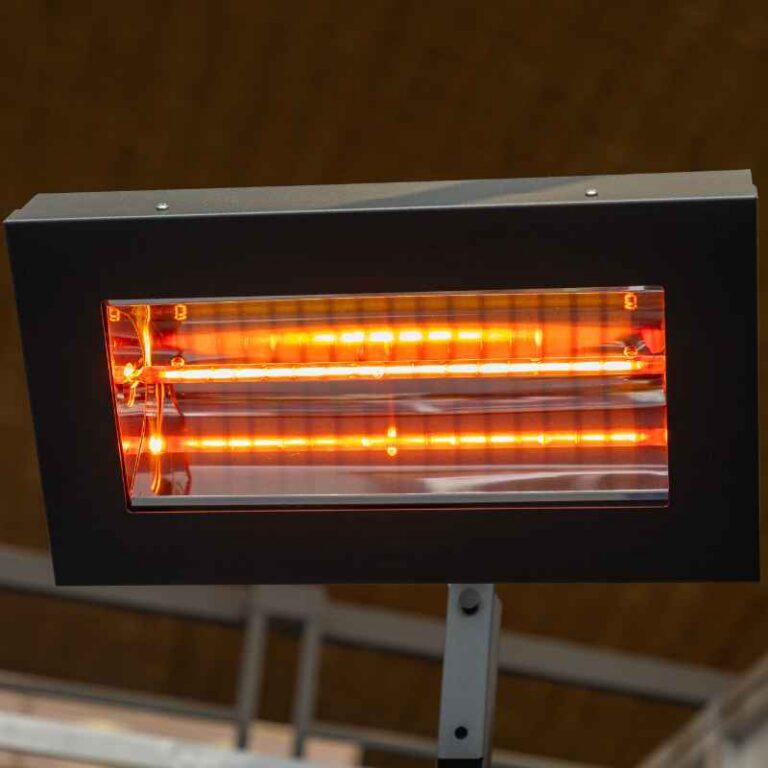
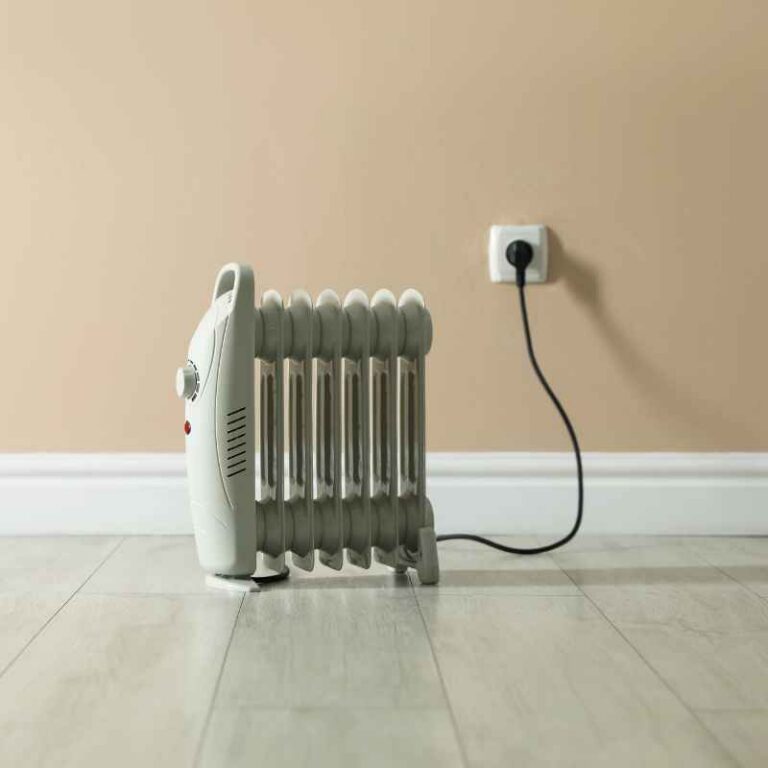
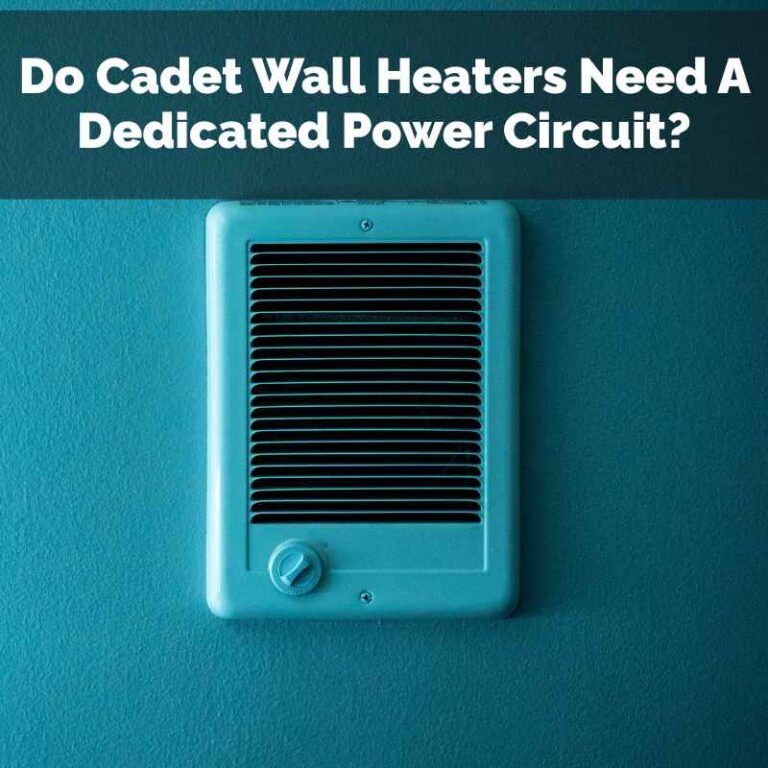
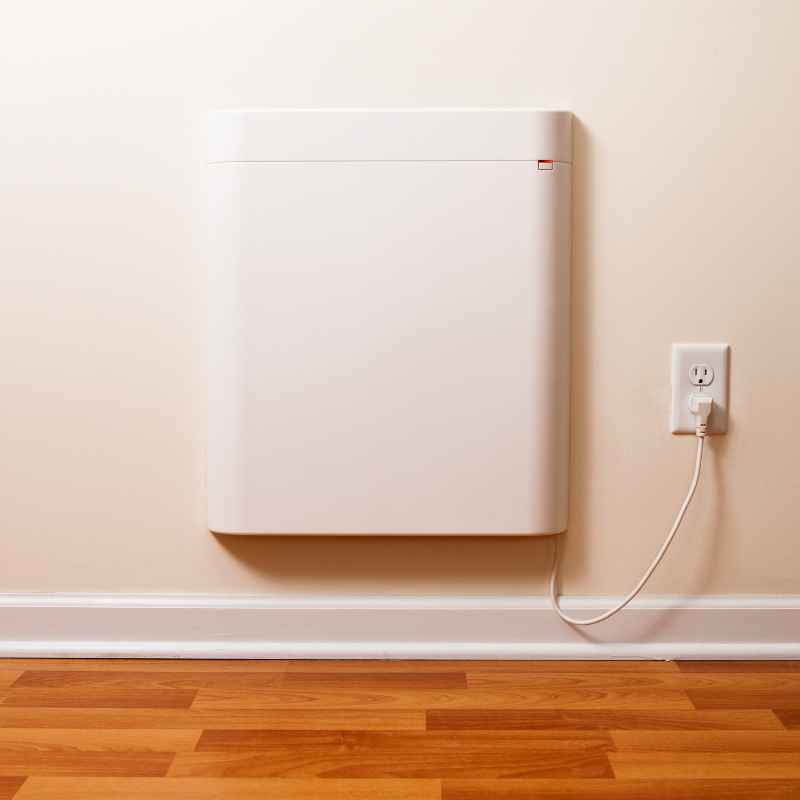
Cadet wall heaters are typically boxier. They mount higher on the wall. Many have a fan inside.
This fan blows air across the hot heating element. It then pushes the warm air out into the room. Some wall heaters also use convection, but the fan helps distribute heat faster and more evenly.
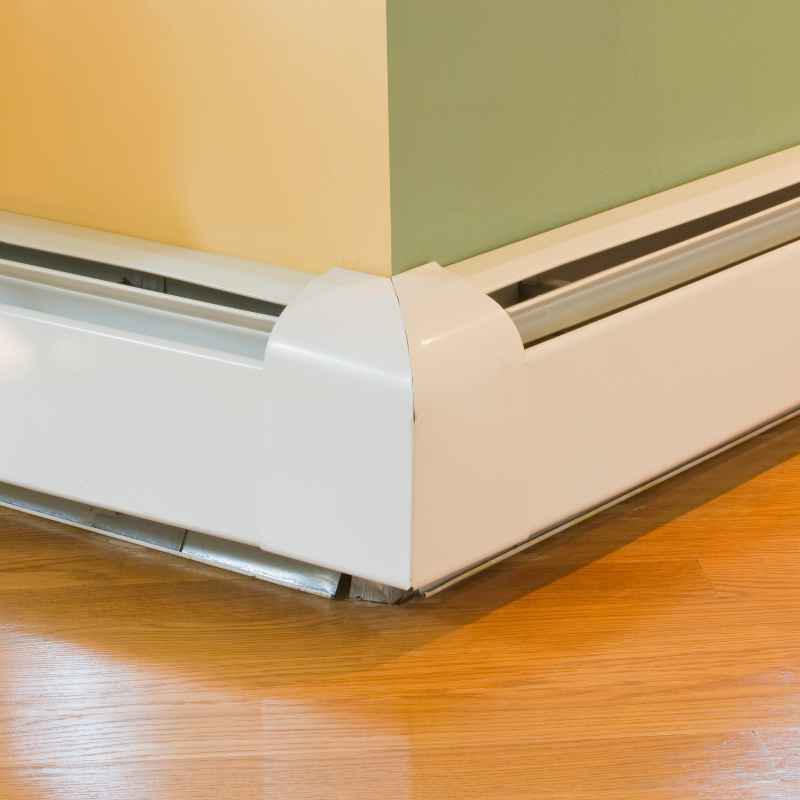
A Tale of Two Designs: Baseboard vs. Wall Heaters
The physical shape and placement of these heaters are their biggest differences. It’s not just about looks. It really changes how they heat your home.
Electric baseboard heaters are designed to run along the entire length of a room. They often sit under windows. This placement is smart.
It helps combat the cold air that comes in from the window. The heater warms this air before it can spread much into the room. This can make a room feel more consistently warm, especially near the outside walls.
However, baseboard heaters can sometimes be slow to heat a room. Because they rely on natural convection, it takes time for the warm air to circulate. Also, furniture placed too close can block the heat.
This means you might need a higher thermostat setting. This can lead to more energy use. They also take up wall space that you might want for furniture or decor.
Cadet wall heaters, on the other hand, are often more compact. They mount on the wall, usually about eye level or a bit higher. Many models have a fan.
This fan is a game-changer. It actively pushes warm air into the room. This means faster heating.
It also means the heat can reach further into the space.
The fan in many wall heaters helps distribute warm air more evenly. This can reduce cold spots. It can also mean you don’t need to turn the thermostat up as high to feel comfortable.
This could translate to energy savings. However, the fan can create a slight noise. For some people, this is a trade-off.
Some Cadet wall heaters are designed for zone heating. This means they are good for heating just one room. This is different from baseboard heaters which often run the length of a wall, sometimes connecting multiple rooms.
If you only need to heat a specific area, a wall heater can be more efficient.
I remember visiting a friend’s cabin. It was chilly in the main living area, but a small back bedroom stayed noticeably colder. They had baseboard heaters in the living room and a wall heater in the bedroom.
The wall heater in the bedroom heated it up much faster. It felt cozy in just 15 minutes. The living room, with its baseboards, took much longer to feel truly warm.
This showed me how the design really affects performance.
Energy Efficiency: The Big Question
This is where many people get confused. Both systems use electricity. Electricity is often seen as more expensive than gas.
So, how do you get efficiency?
Energy efficiency in electric heaters isn’t about how much heat they produce per unit of energy. All electric resistance heaters are about 100% efficient. They turn almost all the electricity they use into heat.
The difference comes in how well they deliver that heat to the space you want warmed.
The key is to use less energy to achieve the same comfort level. This is where factors like heat distribution, speed of heating, and smart controls come into play.
Baseboard heaters rely on natural convection. This is slow. It can lead to heat stratification.
This means warmer air rises to the ceiling. Cooler air stays near the floor. To feel warm down on the floor, you might need to make the whole room hotter.
This uses more energy than needed.
If furniture blocks the heat flow from baseboard heaters, the heat just bounces off. It doesn’t get into the room effectively. This wastes energy.
You’re heating the furniture or the wall behind it, not the air you breathe.
Cadet wall heaters with fans can be more efficient in how they deliver heat. The fan actively pushes warm air out. This helps mix the air in the room.
It reduces the warm air at the ceiling and cold air at the floor. This can mean you feel comfortable at a lower thermostat setting. Lower thermostat settings mean less energy used.
Faster heating also plays a role. If you only need to warm a room for a few hours a day, a heater that warms up quickly is better. It uses energy for a shorter period.
A slow heater might need to run longer to achieve the same comfort level.
Smart thermostats can also make a difference. Many modern wall heaters can be paired with programmable thermostats or even smart home systems. This allows you to set schedules.
You can reduce heating when you’re away or asleep. Baseboard heaters can also use thermostats, but the integration might be less seamless depending on the model.
Let’s look at a simple example. Imagine a 10×12 foot room. A baseboard heater might need to run for 30 minutes to feel warm.
A wall heater with a fan might achieve the same comfort in 15 minutes. If you only need that warmth for 2 hours a day, the wall heater uses its energy for a shorter total time. This can add up over a heating season.
Energy Efficiency Breakdown: Key Factors
Heat Delivery Speed: How quickly the heater warms the room air.
Air Circulation: How well the warm air mixes with cooler air.
Stratification: The tendency for warm air to rise, leaving cooler air low down.
Obstructions: Furniture or other items blocking heat flow.
Thermostat Control: The ability to precisely manage temperature and schedules.
Comfort and Heat Distribution
Beyond just the temperature number, how a heater makes you feel is crucial. This is all about how the heat is distributed.
Baseboard heaters provide a steady, gentle warmth. Because they run along the wall, they can create a warm barrier against cold windows. This can make rooms with large windows feel more comfortable.
The natural convection means the heat is usually quite quiet. There’s no fan noise.
However, the natural convection can lead to uneven heating. The area directly above the baseboard will be warmest. The ceiling will be warmest.
The floor can sometimes feel cool. If you have high ceilings, this can be a problem. A lot of heat might be wasted near the ceiling.
Cadet wall heaters with fans are often better at circulating air. The fan blows warm air outwards. This can mix the room air more effectively.
This often results in more even temperatures from floor to ceiling. It can also mean the heat reaches corners of the room more easily.
The downside of fan-forced heaters can be the air movement itself. Some people find the continuous air movement noticeable. It can sometimes dry out the air more.
It can also stir up dust if the unit isn’t cleaned regularly.
When choosing, think about the room itself. Is it long and narrow? A baseboard might work well along the long wall.
Is it a square room with a lot of furniture? A wall heater might be better to push heat around obstacles.
I helped my aunt pick out heaters for her older home. She has these beautiful, but drafty, bay windows. We opted for baseboard heaters along those windows.
They did a great job of keeping the immediate area warm. But in the center of the room, it still felt a little cool. So, we added a small Cadet wall heater on the opposite wall.
That fan really helped push the warmth across the room. It was the best of both worlds.
Consider the sound level too. If you’re putting a heater in a bedroom or a quiet office, the silent operation of a baseboard heater might be preferred. If it’s a living area where some background noise is okay, a fan-forced wall heater is a great choice.
Installation and Cost Factors
Let’s talk about putting these heaters in. The initial cost and the installation process are important. They can be quite different.
Electric baseboard heaters are often sold as a continuous unit. You can buy them in various lengths. Installation usually involves running a dedicated electrical circuit to the location of the heater.
Wires connect from the circuit breaker panel to a thermostat and then to the heater itself. If you’re replacing old units, it might be simpler. If you’re adding new ones, it requires running wires.
The cost of baseboard heaters themselves can vary. Basic models are quite affordable. High-end models with built-in thermostats can cost more.
Installation costs can also add up, especially if you need an electrician to run new circuits.
Cadet wall heaters are often smaller, individual units. They also require a dedicated electrical circuit. Installation is similar: run wires from the panel to the heater location.
Some wall heaters have a built-in thermostat. Others are controlled by a separate wall thermostat.
The upfront cost of a wall heater can be comparable to a baseboard heater of similar wattage. However, if you need multiple wall heaters for a room, the cost can increase. The complexity of wiring can also be a factor.
For a single room, a wall heater might be quicker to install than running a long baseboard.
When thinking about cost, look beyond just the purchase price. Consider the lifespan of the unit. Some heaters are built to last longer than others.
Also, think about repair costs. Are parts readily available? Are they easy to fix?
A point of caution: always use a qualified electrician for installation. Improper wiring is a fire hazard. It can also lead to higher energy bills if not done correctly.
The electrical code in your area will dictate how these heaters must be installed. This is often dictated by U.S. electrical codes.
Installation Comparison: Quick Look
- Baseboard Heaters: Run along walls, require wiring to thermostat and heater, can be long runs.
- Wall Heaters: Mounted on walls, require wiring to thermostat and heater, typically single units.
- Electrical Work: Both need dedicated circuits. Professional installation is recommended for safety and efficiency.
- Cost: Varies by brand, features, and wattage. Installation labor can be a significant part of the total cost.
When is a Baseboard Heater the Better Choice?
There are certain situations where electric baseboard heaters shine. They are a reliable and often cost-effective choice for specific needs.
Long, Narrow Rooms: If you have a room that is very long and narrow, like a hallway or a galley kitchen, baseboards can be ideal. Running them along the entire length provides a more even heat distribution in that elongated space. They heat the air along the perimeter.
Rooms with Large Windows: As mentioned, baseboard heaters are excellent for placing directly beneath windows. They create a warm air curtain. This barrier helps to counteract the cold downdraft that often comes from glass surfaces.
This makes sitting near the window much more comfortable.
Quiet Operation is Paramount: For spaces like bedrooms, nurseries, or quiet home offices where any fan noise is disruptive, the silent operation of a baseboard heater is a major advantage. They rely solely on natural convection for heat movement.
Minimal Furniture Obstructions: If the walls where you plan to install heaters are largely free of furniture, baseboards can work very efficiently. The heat can rise and circulate without being blocked. This allows the natural convection cycle to function as intended.
Budget Constraints (Initial): Sometimes, basic electric baseboard heaters are the most affordable option upfront. If you’re heating a whole house and need many units, the lower per-unit cost of basic baseboards can be appealing. However, remember to factor in long-term energy costs.
Adding Heat to Existing Structures: In older homes, especially those with finished walls and limited space for ductwork, baseboards are a common choice. They require less invasive installation compared to some other heating systems.
I recall a client who owned a small vacation rental cabin. It had simple rooms with minimal furniture but a lot of windows. We installed baseboard heaters in almost every room.
The natural warmth they provided was subtle but consistent. Guests often commented on how cozy the cabin felt, especially by the windows on cold nights. It was a perfect fit for that specific setup.
It’s also worth noting that newer baseboard models are more efficient than older ones. They might have better insulation or more refined heating elements. Even basic models have improved over the years.
When is a Cadet Wall Heater the Better Choice?
Cadet wall heaters, especially those with fans, offer distinct advantages in many modern homes. They excel in situations demanding speed and versatility.
Faster Heating is Needed: For rooms that are used intermittently or need to be heated quickly, a fan-forced wall heater is superior. You can enter a cold room and have it feel comfortable in minutes, not half an hour or more. This is great for home offices used for a few hours, or guest rooms.
Even Heat Distribution is a Priority: If you struggle with cold spots in a room or have high ceilings, the fan in a wall heater is a big help. It actively circulates the warm air. This mixes the room’s air more thoroughly.
This results in more consistent temperatures from floor to ceiling.
Rooms with Furniture or Obstructions: When furniture is placed against walls, or the room layout makes it hard for natural convection to work, a fan-forced wall heater is a better option. The fan can push heat around or over obstacles.
Zone Heating Specific Areas: If you only want to heat a particular room or area, a wall heater is often more practical. You can install one unit in the space that needs heat. This avoids heating entire walls or rooms that are not in use.
This is a key energy-saving strategy.
Modern Aesthetics: While subjective, many people find the cleaner lines of wall heaters more appealing than the long, bulky baseboard units. They can blend more seamlessly into a room’s design.
Better Airflow Control: Some wall heaters offer adjustable fan speeds. This allows you to tailor the heat output and airflow to your preference. You can have faster heating or a gentler circulation.
I worked with a family that had a basement family room. They used it a lot, but it was always the coldest part of the house. The basement had limited wall space.
We installed a couple of Cadet wall heaters strategically placed. The fans pushed warm air out into the open space. It transformed the room.
It went from a chilly afterthought to a cozy hangout spot. This was a direct result of the active heat distribution.
Think about how you use the space. If you need instant warmth or a consistently comfortable environment throughout the entire room, a wall heater is likely the better investment.
When to Choose Wall Heaters: At a Glance
- Need warmth quickly? Wall heaters with fans are fast.
- Worried about cold spots? Fans help distribute heat evenly.
- Room has lots of furniture? Fans can push heat around objects.
- Heating just one area? Wall heaters are good for zone heating.
- Want a modern look? Wall heaters often have cleaner designs.
Energy Savings: The Real-World Impact
So, which one saves you more money? It’s not as simple as picking one over the other. It depends on your home and how you use your heating.
Scenario 1: A Well-Insulated Home with Few Drafts
In a perfectly sealed and insulated home, both systems might perform similarly in terms of energy use. The key would then be the thermostat settings and usage habits. If you are diligent about turning down the heat when you are away or asleep, you will save energy regardless of the heater type.
Scenario 2: An Older Home with Drafty Windows
In a home with energy leaks, baseboard heaters placed under windows can offer a specific benefit by directly combating incoming cold air. However, if the rest of the room is still not warming evenly, you might still end up cranking the thermostat higher. A wall heater, with its fan, might be able to circulate warm air more effectively and reduce the need for extreme thermostat settings, potentially saving energy overall despite the fan using a small amount of electricity.
Scenario 3: Intermittent Room Use
If you only use certain rooms for a few hours a day, or only heat them at specific times, a faster-acting wall heater can be more energy-efficient. It heats the space quickly and then turns off. A slower baseboard heater might need to run longer to achieve the same level of comfort, using more energy in the process.
Scenario 4: Zone Heating Needs
If you only need to heat a small area of your home – perhaps a home office or a guest bedroom – installing a wall heater for that specific zone can be far more energy-efficient than trying to heat that area with a long baseboard that runs through unused spaces.
One key aspect of energy savings is avoiding wasted heat. Baseboard heaters can waste heat if furniture blocks them or if heat rises too high towards the ceiling without mixing. Wall heaters with fans can minimize this waste by circulating the air better.
I once analyzed the energy bills for a client who switched from old baseboard heaters to modern wall heaters in their living room. The room was large and had a lot of furniture. After the switch, they reported feeling warmer at a slightly lower thermostat setting.
Their electricity bills for that room showed a modest but consistent decrease over the winter months. It wasn’t a dramatic change, but it was noticeable. This was due to the improved heat distribution and faster heating.
Ultimately, the biggest factor in energy savings is often how you use your heating system. Smart thermostat use and proper insulation play a larger role than the type of electric heater alone.
Energy Savings Factors: What Matters Most
- Thermostat Settings: Lowering the temperature saves energy.
- Insulation Quality: A well-insulated home retains heat better.
- Drafts: Air leaks cause heat loss and wasted energy.
- Usage Habits: How often and for how long rooms are heated.
- Heat Distribution: Efficiently getting warmth to where you are.
Maintenance and Longevity
Both baseboard heaters and wall heaters are generally low-maintenance. However, a little care can extend their lifespan and ensure they operate efficiently.
Baseboard Heaters:
The most common maintenance task is cleaning. Dust and debris can accumulate inside the fins and around the heating element. This can reduce airflow and potentially become a fire hazard.
Periodically, you should turn off the power to the heater, remove the front cover (if possible), and use a vacuum cleaner with a brush attachment to clean the fins. A soft brush can also help dislodge dust. Ensure no water is used during cleaning.
Cadet Wall Heaters:
Wall heaters, especially those with fans, require similar cleaning. The fan blades can accumulate dust. The air intake and outlet grilles should be kept clear.
Turn off the power, use a vacuum with a brush attachment to clean the grilles and fan blades. For models with removable filters, clean or
General Checks:
For both types, periodically check the power cord (if applicable) and the connections at the thermostat. Look for any signs of damage or wear. Listen for any unusual sounds while the heater is operating.
If you notice any problems, it’s best to have a qualified technician inspect it. Over time, heating elements can degrade. Thermostats can also lose accuracy.
If a heater is very old, its efficiency might have decreased significantly.
Lifespan:
With proper maintenance, electric baseboard heaters can last 20 to 30 years or even longer. Fan-forced wall heaters might have a slightly shorter lifespan for the fan motor, typically around 15 to 20 years. However, the heating element itself is usually very durable.
Replacement parts are often available for many models, which can extend the life of the unit.
I once helped a neighbor troubleshoot a baseboard heater that wasn’t getting very warm. It was about 25 years old. We opened it up, and it was absolutely packed with dust.
After a thorough cleaning, it worked much better. It reminded me that even simple units need a little TLC. It’s amazing how much dust can build up over years, especially in older homes where air circulation might be less controlled.
When considering a purchase, look for brands that are known for durability and have good customer support. Cadet is a well-known brand in North America and generally has a reputation for building reliable heating products.
What This Means for Your Home
So, where does this leave you? It’s not a simple “this one is better.” The best choice depends entirely on your specific needs and your home’s layout.
For Consistent, Gentle Warmth in Specific Areas: If you have rooms that need steady, quiet heat, like bedrooms or rooms with large windows, baseboard heaters are often a great fit. They provide a comforting warmth that many people find very pleasant, especially if the room isn’t used constantly.
For Quick, Even Heating in Busy Spaces: If you need a room to warm up fast, or if you have a room with furniture that blocks airflow, a Cadet wall heater with a fan is usually the more effective choice. They transform cold spaces into usable areas much more quickly.
For Energy Savings:
If your main goal is saving energy, focus on how you heat. Use programmable thermostats to set back temperatures when not needed. Ensure your home is well-insulated and drafts are sealed.
Choose the heater type that best suits the room’s usage and layout. A wall heater might save energy in an office used for a few hours. A baseboard might be efficient in a bedroom used all night if it provides adequate comfort at a lower setting.
For Installation and Cost:
Consider the upfront cost of the units and the potential cost of electrical work. Long-term energy savings can outweigh a higher initial investment.
Think about your lifestyle. Do you walk into a cold room and want it warm now? Or do you prefer a slower, more constant background warmth?
This is a good indicator of which type might suit you better.
Quick Fixes & Tips for Electric Heating
While we aren’t giving direct repair advice, here are some general tips to help you get the most from your electric heaters, whether they are baseboards or wall units.
- Check Your Thermostat: Ensure your thermostat is working correctly. If it seems off, or the temperature in the room doesn’t match the setting, it might need calibration or replacement.
- Keep Vents Clear: For both types, never block the vents with furniture, curtains, or other objects. This is crucial for efficient heating and safety.
- Clean Regularly: Dust buildup reduces efficiency and can be a fire hazard. Vacuum them at least once a year, or more often if you have pets or allergies.
- Seal Drafts: Caulk around windows and doors. Use weather stripping. A well-sealed home holds heat better, meaning your heaters won’t have to work as hard.
- Use Fans Wisely: If you have a wall heater with a fan, ensure it’s set to an appropriate speed. Sometimes a lower fan speed is enough to distribute heat comfortably and quietly.
- Consider Smart Thermostats: These can significantly improve energy efficiency by allowing precise scheduling and remote control. They can be a great upgrade for either baseboard or wall heater systems.
- Understand Wattage: Make sure the wattage of your heater is appropriate for the room size. Too low a wattage, and it won’t heat the room. Too high, and it might overheat the space or be less efficient than needed.
Frequently Asked Questions
Are Cadet wall heaters more energy-efficient than baseboard heaters?
It depends on how they are used. Wall heaters with fans can heat a room faster and distribute heat more evenly, which may lead to energy savings if you only need heat for short periods or want more consistent temperatures. Baseboard heaters rely on natural convection and can be efficient in well-placed locations, but may lead to uneven heating or wasted energy if obstructed.
Which type of electric heater is better for a bedroom?
For bedrooms, quiet operation is often key. Electric baseboard heaters are silent as they use natural convection. Wall heaters with fans can be a bit noisy for some people.
If you prefer a completely silent room, baseboards are usually better. If faster heating or better air circulation is more important, a wall heater might still be suitable.
Can I install electric baseboard heaters under furniture?
No, you should never install electric baseboard heaters under furniture or cover them. This obstructs airflow, reduces heating efficiency, and can be a fire hazard. Always ensure there is clear space around baseboard heaters for heat to circulate properly.
How much electricity do Cadet wall heaters use compared to baseboards?
Both use electricity at roughly the same rate for the same wattage. For example, a 1500-watt heater will use 1500 watts whether it’s a wall unit or a baseboard. The difference in electricity usage comes from how efficiently each type delivers heat to the room and how long they need to run to achieve comfort.
Wall heaters with fans may use a small amount of extra electricity for the fan itself, but this is often offset by faster heating and better distribution.
What is the best placement for electric baseboard heaters?
The best placement for electric baseboard heaters is typically along the longest exterior wall of a room, and especially under windows. This placement helps to combat cold air coming from the outside and creates a warm air barrier, counteracting drafts and cold spots effectively.
Are fan-forced wall heaters noisy?
Fan-forced wall heaters can produce some noise. The level of noise varies by model. Some are designed to be very quiet, while others have a more noticeable fan sound.
If noise is a concern, look for models specifically advertised as quiet or with adjustable fan speeds. For entirely silent heating, baseboard heaters are usually preferred.
Conclusion
Choosing between Cadet wall heaters and electric baseboard heaters involves looking at your home’s specific needs. Baseboards offer quiet, gentle warmth perfect for windows and long walls. Wall heaters excel with fast, even heating using fans.
Neither is universally “better.” The right choice saves energy and keeps your home cozy all season long.
Sponsored / affiliate links. As an Amazon Associate I earn from qualifying purchases. I may earn additional commission from eligible campaigns.