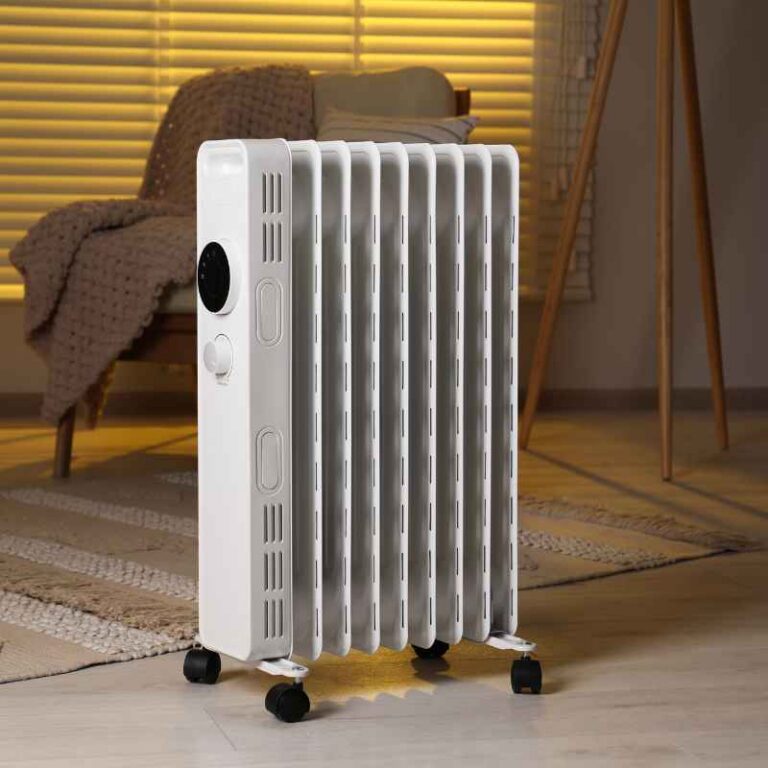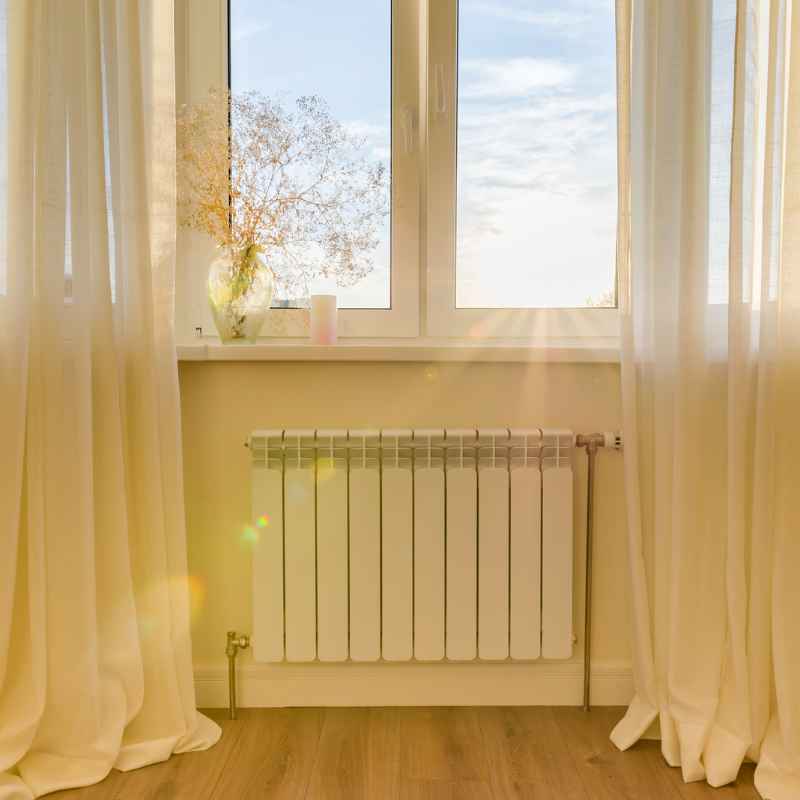
How To Size Cast Iron Radiators For A Hydronic Heating System
Sizing cast iron radiators means figuring out how much heat each one needs to produce. This heat comes from hot water flowing through them. The water moves from your boiler.
It then travels through pipes to the radiators. The radiators then release this heat into your rooms. This makes your house warm.
The goal is to match the radiator’s heat output to the room’s needs. Each room loses heat differently. Outdoors, the air might be cold.
Walls, windows, and roofs also let heat escape. You need a radiator that can replace this lost heat. It needs to do this just right.
Not too much, and not too little heat.
Why is Correct Sizing So Important?
Getting the size right is key for several reasons. First, it makes your home comfortable. A room that’s too cold is unpleasant.
A room that’s too hot wastes energy. It also makes the air dry. This can be bad for people with allergies.
Second, correct sizing saves you money. If radiators are too small, your boiler works harder. It runs longer trying to warm the space.
This uses more fuel. If radiators are too big, they might turn off too soon. Or they might cycle your boiler too often.
This is called short-cycling. It’s also not good for your boiler.
Third, it helps your heating system last longer. When the system works as it should, there’s less strain on parts. Boilers, pumps, and pipes all benefit.
They don’t have to work overtime. This means fewer repairs. It also means your system will serve you well for years.
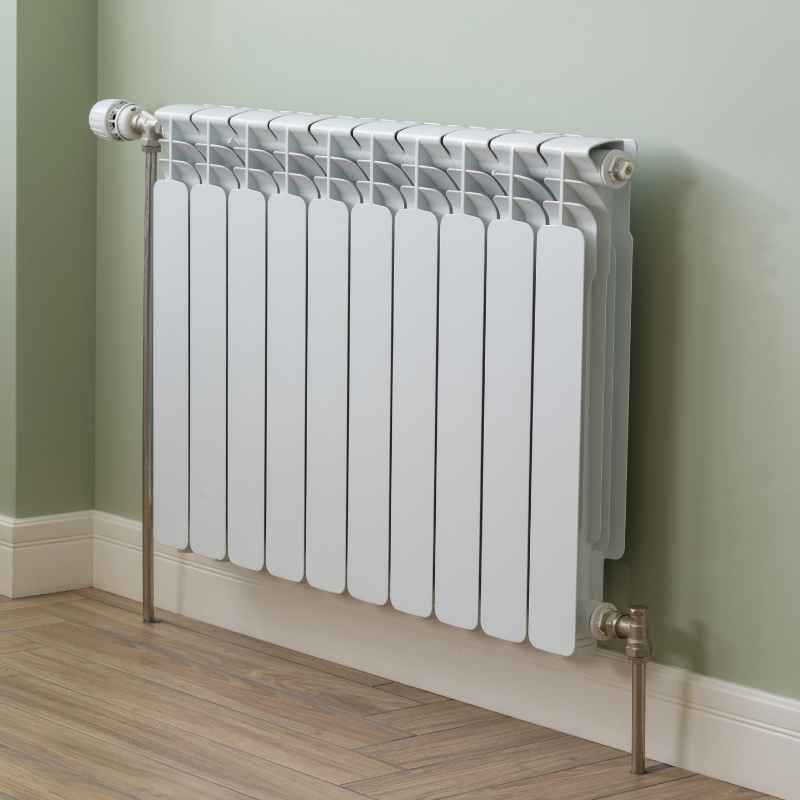
My Own Radiator Nightmare
I remember a house I was helping a friend with. They had just bought an old Victorian. It was beautiful, but the heating was a mess.
They had these huge, ornate cast iron radiators. But some rooms were always freezing. Other rooms felt like a sauna.
They thought the radiators were just old and broken. They were ready to rip them all out.
I went over on a chilly November day. The wind was howling outside. I could feel cold drafts even with the heating on.
In the living room, one large radiator was barely warm. The pipes leading to it felt almost hot. But the radiator itself was cool.
In a smaller study, a tiny radiator was almost too hot to touch. The air felt dry and stuffy.
It turned out someone had done some renovations. They’d moved walls. They’d added a new window.
But they hadn’t re-sized the radiators. They just put in what fit the space. They didn’t think about the room’s actual heat needs.
It was a classic case of guessing. It made their heating system inefficient. It also made their home uncomfortable.
We spent weeks correcting it. It was a big job. But the difference was amazing.
Their house felt like home.
Understanding Heat Loss: The First Step
To size a radiator, you first need to know how much heat a room loses. This is called heat loss. It’s measured in British Thermal Units per hour (BTU/hr).
Many factors affect heat loss. These include the size of the room. It also depends on the outside temperature.
And it depends on how well your house is insulated.
Think of your house like a leaky cup. Heat is the liquid. The colder it is outside, the faster the heat leaks out.
Insulation is like the cup’s walls. Better insulation means less heat escapes. Windows and doors are often the biggest leaks.
Old, single-pane windows lose a lot of heat.
Several things add to heat loss:
- Room Size: Bigger rooms need more heat.
- Wall Type: Brick walls lose more heat than insulated walls.
- Window Size and Type: Large, old windows lose a lot of heat.
- Doorways: Any door that opens to the outside is a leak point.
- Roof and Floor Insulation: Poor insulation up top or below lets heat escape.
- Outside Temperature: Colder climates mean higher heat loss.
- Air Leaks: Drafts around windows and doors let warm air out.
Experts use formulas to calculate this. These formulas look at all these factors. They give you a number for each room.
This number is the room’s BTU/hr heat loss. There are online calculators. Some HVAC professionals can do this for you.
It’s a crucial first step.
Quick Heat Loss Factors
Room Dimensions: Length x Width x Height.
Window Area: Total square feet of windows.
Wall Area: Total square feet of walls.
Insulation Levels: R-value of walls, attic, and floors.
Desired Indoor Temp: Usually 70°F (21°C).
Design Outdoor Temp: The coldest expected temperature for your area.
Understanding Radiator Output: BTUs Per Section
Cast iron radiators are rated by their heat output. This is also in BTU/hr. The output of a radiator depends on its design.
It depends on its size. It also depends on the water temperature flowing through it. And it depends on the room air temperature around it.
Radiators are often made of several sections. Each section adds to the total heat output. The manufacturer will list the BTU/hr output for each section.
This rating is usually given for a standard water temperature. This is often called the “mean water temperature”. A common standard is 170°F (77°C) mean water temperature.
The mean water temperature is the average of the water entering and leaving the radiator. Hotter water means more heat output. Cooler water means less heat output.
This is why your system’s design water temperature matters.
Different styles of cast iron radiators have different outputs. Older, chunkier radiators might put out more heat per section. Slimmer, more decorative ones might put out less.
It’s important to find the specs for the exact radiator model you are using.
Radiator Output Basics
BTU/hr per Section: The heat one section gives off.
Mean Water Temp: Average of hot water in and cooler water out.
Radiator Style: Older, larger radiators often have higher output.
Manufacturer Specs: Always check the official rating for your radiator.
The Sizing Calculation: Matching Needs to Output
Once you know a room’s heat loss (BTU/hr needed) and a radiator’s output (BTU/hr given), you can size it. The basic idea is simple: The total output of the radiators in a room must meet or exceed the room’s heat loss.
Here’s the general process:
- Calculate Heat Loss: Determine the BTU/hr needed for the room.
- Find Radiator Output: Get the BTU/hr per section for your chosen radiator. Make sure the rating uses a water temperature close to your system’s design.
- Divide: Divide the room’s heat loss by the BTU/hr per section. This tells you how many sections you need.
For example, if a room needs 8,000 BTU/hr, and each radiator section puts out 500 BTU/hr, you need 16 sections (8000 / 500 = 16). You can use one large radiator with 16 sections. Or you could use two radiators with 8 sections each.
Or four radiators with 4 sections each. Often, people mix radiator sizes.
It’s a good idea to add a small buffer. Maybe 10% extra. This helps if your heat loss calculation was a little low.
Or if your system doesn’t quite reach the target water temperature. So, for our 8,000 BTU/hr room, you might aim for about 8,800 BTU/hr of radiator output.
So, 8,800 BTU/hr divided by 500 BTU/hr per section is 17.6 sections. You’d round up to 18 sections to be safe.
Sizing Example
Room Heat Loss: 7,500 BTU/hr
Radiator Output: 450 BTU/hr per section
Sections Needed: 7,500 / 450 = 16.67 sections
Add 10% Buffer: 16.67 * 1.10 = 18.33 sections
Round Up: You would need approximately 19 sections for this room.
Adjusting for Real-World Factors
The simple calculation is a starting point. Many things can change the heat needed or the heat given. You need to adjust your numbers.
This makes sure your heating works best. It’s about making the radiators give the right amount of warmth for that specific spot.
Water Temperature: As mentioned, your system’s water temperature is vital. If your system runs hotter than the standard rating, you might get more heat. If it runs cooler, you get less.
You might need to adjust the BTU/hr output of the radiator. Many manufacturers provide charts. These show output at different water temperatures.
Always check these if your system differs from the standard.
Room Usage: How is the room used? A bedroom might not need to be as hot as a living room. You can sometimes use slightly fewer sections in these spaces.
But a bathroom might need to be warmer. You might need more. Think about how people live in the space.
Location of Radiator: Where you place the radiator matters. Putting it under a window helps counteract the cold air coming from the glass. This is a smart move.
It stops drafts from making the room feel cold. Placing it in a corner might distribute heat differently than along a wall.
Ceiling Height: Rooms with very high ceilings lose heat faster. Warm air rises. A tall room means more air to heat.
You might need to increase the BTU calculation for these spaces. Or use more radiator sections. It’s about the total volume of air.
Exposure: A room that has three outside walls will lose more heat than a room with one. North-facing rooms in the U.S. often get colder.
Consider these exposures. They play a big role in heat loss. The sun hitting south-facing walls can add some heat, too.
Fine-Tuning Your Sizing
System Water Temp: Adjust output based on your boiler’s typical water temp. Warmer system = higher output. Cooler system = lower output.
Room Function: Bedrooms might need less heat than living areas. Bathrooms often need more.
Window Placement: Radiators under windows are great for blocking cold drafts.
Tall Ceilings: Add extra heat calculations for rooms with high ceilings.
Wall Exposure: Rooms with more exterior walls lose more heat.
Radiator Styles and Their Impact
Cast iron radiators come in many styles. These styles aren’t just for looks. They affect how much heat they give off.
Older, more robust designs often have a higher BTU output per section. These were built when insulation was not as good.
Column Radiators: These are the classic ones. They have multiple vertical columns. They are often quite large.
The more columns, and the more sections, the more heat they produce. These are very efficient at heating a room.
Panel Radiators: These might look sleeker. But cast iron panel radiators are still substantial. They have flat surfaces with internal fins.
The fins increase the surface area. This helps transfer heat to the air.
Decorative Radiators: Some cast iron radiators are made with intricate patterns. Or they have unique shapes. While beautiful, the design might slightly affect their output compared to a plain column radiator of the same size.
The air flow around the decorative elements can change.
The Depth and Height: A radiator that is deeper or taller has more surface area. More surface area means it can give off more heat. So, a 5-column radiator will be hotter than a 3-column one.
A radiator that is 30 inches tall will be hotter than one that is 20 inches tall, all else being equal.
It’s really important to know the exact model you’re looking at. Look for its specifications. Don’t just guess based on how it looks.
The manufacturer’s data is your best guide.
Radiator Styles & Output
Traditional Column: Often higher output due to robust design and large surface area.
Panel Style: Fins increase surface area for better heat transfer.
Decorative Designs: May have slightly different output than plain styles; check specs.
Size Matters: Taller and deeper radiators generally produce more heat.
When is a Radiator “Oversized” or “Undersized”?
We’ve talked about making sure radiators are the right size. But what happens if they are too big or too small? Both situations cause problems.
It’s like wearing shoes that are too tight or too loose. Neither feels good.
Undersized Radiators: These are radiators that are too small for the room. They can’t put out enough heat. The room will struggle to reach the desired temperature.
The boiler will run for long periods. It might struggle to keep up. You might feel cold spots.
The radiator itself might feel only lukewarm, even when the system is running.
Oversized Radiators: These are radiators that are too big. They put out too much heat. The room will get hot very quickly.
The radiator might heat up fast, then shut off the boiler. The room then cools down, and the boiler turns back on. This constant on-and-off is short-cycling.
It’s bad for your boiler. It wastes energy. The air can also feel dry and uncomfortable.
The goal is a steady, comfortable warmth. Your heating system should run smoothly. Your boiler should have longer cycles.
This is more efficient. It’s better for the equipment. It keeps your home at an even temperature all day long.
The Problem with Bad Fits
Too Small (Undersized): Room stays cold, boiler runs constantly, inefficient.
Too Big (Oversized): Room gets too hot, boiler short-cycles, wastes energy, uncomfortable air.
Just Right: Steady warmth, efficient boiler use, comfortable home.
Can You Use Old Cast Iron Radiators?
Yes, you absolutely can use old cast iron radiators. They are built to last. Many have been working for decades.
They often have a beautiful look that new radiators can’t match. But there are things to consider.
Condition: First, check their condition. Are there any cracks or leaks? Old radiators can rust from the inside out.
Water damage can be an issue. A professional should inspect them. They can pressure test them.
This checks for leaks.
Output: The biggest challenge with old radiators is finding their exact output. Older radiators might not have clear manufacturer labels. Their design might be different from modern ones.
If you can’t find specs, you might need to estimate. Or you might have them tested. This is less precise than using new ones with known ratings.
System Compatibility: Ensure they work with your current or new hydronic system. Most will. But it’s worth checking pipe sizes and connections.
Cleaning and Refinishing: Old radiators often need cleaning. They might have old paint. Or rust.
You might want to strip them down. Then repaint them to match your décor. This is a big job.
But it can make them look stunning.
If you have access to old, good-quality cast iron radiators, they can be a great choice. They add character and provide excellent heat. Just do your homework on their condition and potential output.
What Does This Mean for My Home?
Understanding how to size cast iron radiators is about more than just picking a pretty piece of metal. It’s about creating a comfortable, efficient, and healthy living space. When radiators are sized correctly, your home feels balanced.
No more cold rooms or overheating.
Consistent Comfort: The biggest win is consistent warmth. Your home stays at the temperature you want. It feels cozy and welcoming all the time.
This is what good heating is all about.
Lower Energy Bills: An efficient system means less wasted energy. Your boiler doesn’t overwork. You’ll see this reflected in your monthly bills.
It’s good for your wallet and the environment.
Healthier Air: Properly sized radiators help maintain good indoor air quality. They avoid extreme dryness. They help prevent cold spots where mold might grow.
This means a healthier environment for everyone in the house.
System Longevity: When your heating system is balanced, its parts last longer. This saves you money on repairs and replacements down the road. It’s an investment in your home.
Simple Checks and When to Get Help
How can you do some quick checks? Look at your current radiators. Are some always colder than others?
Do some rooms take forever to warm up?
Feel the Radiators: On a cold day, touch your radiators. Are they all evenly warm? Or are some much hotter or colder?
This can signal a balancing issue. Or a sizing issue.
Observe Room Temperatures: Use a simple room thermometer. Check different rooms at the same time. Are there big differences?
This suggests some radiators might be too small or too big for their rooms.
Listen to Your Boiler: Is your boiler running constantly? Or cycling on and off very quickly? This can point to an undersized or oversized system.
It could be the radiators or the boiler itself.
When to Call a Pro: If you’re not sure about heat loss calculations, get help. An HVAC professional can perform a Manual J calculation. This is a detailed heat loss study.
If you’re planning a whole-house system. Or if you’re replacing many radiators. They can ensure everything is sized correctly from the start.
It’s worth the investment for peace of mind.
Quick Tips for Radiator Sizing
Here are some quick tips to keep in mind when thinking about radiator sizing:
- Know Your Room’s Heat Loss: This is the most important first step. Use online tools or hire an expert.
- Find Accurate BTU Output: Get the exact specs for the radiators you plan to use.
- Always Add a Buffer: Aim for a little more heat output than the calculated heat loss. 10% is a good starting point.
- Consider Water Temperature: If your system runs cooler or hotter than standard, adjust calculations.
- Place Radiators Wisely: Under windows is often best to fight drafts.
- Don’t Guess: Sizing is a science. Rely on data and calculations.
- Old Radiators? Check Condition: Ensure they are leak-free and structurally sound.
- Consult Professionals: For complex systems or if unsure, an HVAC expert is your best resource.
Frequently Asked Questions About Radiator Sizing
How do I calculate the heat loss for a room?
You can use online heat loss calculators. These ask for room dimensions, window sizes, wall types, and insulation levels. For precise calculations, especially for whole homes, consider a professional Manual J heat loss calculation.
What is the standard water temperature for radiator ratings?
Most radiator outputs are rated using a mean water temperature. A common standard is 170°F (77°C). This is the average of the hot supply water and the cooler return water.
Can I mix different types of cast iron radiators in one room?
Yes, you can mix them. However, you need to know the BTU output of each type. You then add up the total output of all radiators in the room to meet the room’s heat loss requirement.
What if my heat loss calculation shows a very low number?
A low heat loss likely means your home is very well-insulated. You may need smaller radiators or fewer sections than in an older, less insulated home. Always ensure the calculation is accurate for your specific home.
How do I adjust for unusually high ceilings?
High ceilings mean more air volume to heat. You should increase your calculated heat loss for that room. A common rule of thumb is to add 10-20% to the heat loss calculation for rooms with ceilings over 9 feet tall.
Are there any online tools that help with radiator sizing?
Yes, there are many online tools. Search for “hydronic radiator sizing calculator” or “BTU calculator for radiators.” Be sure to use reputable sources and understand the inputs required for accurate results.
Final Thoughts on Sizing
Sizing cast iron radiators might seem tricky at first. But it’s all about understanding the heat your room needs. Then, matching that with what the radiator can give.
Taking the time to do this right means a warmer home. It means lower bills. And it means a system that works smoothly for years.
Enjoy your cozy home!
Sponsored / affiliate links. As an Amazon Associate I earn from qualifying purchases. I may earn additional commission from eligible campaigns.
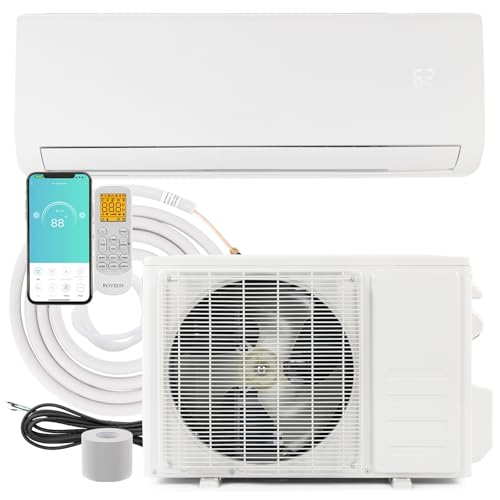 Bonnlo 18,000 BTU Ductless Mini Split AC/Heating System, 230 V / 20 SEER Split-System Wall Air Conditioner Pre-Charged Inverter Heat Pump with 16ft Installation KitBonnlo 12,000 BTU Ductless Mini Split AC/Heating System, 230 V / 21 SEER Split-System Wall Air Conditioner Pre-Charged Inverter Heat Pump with 16ft Installation Kit