How To Dispose Of Old Oil Filled Portable Radiator Heaters
It’s a common question that pops up when winter finally loosens its grip, or when a trusty old appliance finally gives up the ghost: what do you do with a disposal of old oil filled portable radiator heaters? These heaters are workhorses, quietly keeping us warm for years. But when they age or break, they can feel like a bit of a puzzle.
They’re not just any old lamp you can toss in the bin. There are specific ways to handle them to keep our planet safe. This guide will walk you through it, step-by-step, with simple language and clear advice.
Disposing of old oil-filled portable radiator heaters requires careful handling due to the oil inside and their electrical components. The best approach involves checking local recycling centers, hazardous waste collection sites, or appliance recycling programs, as these units are typically not suitable for regular trash pickup.
Understanding Your Oil-Filled Radiator Heater
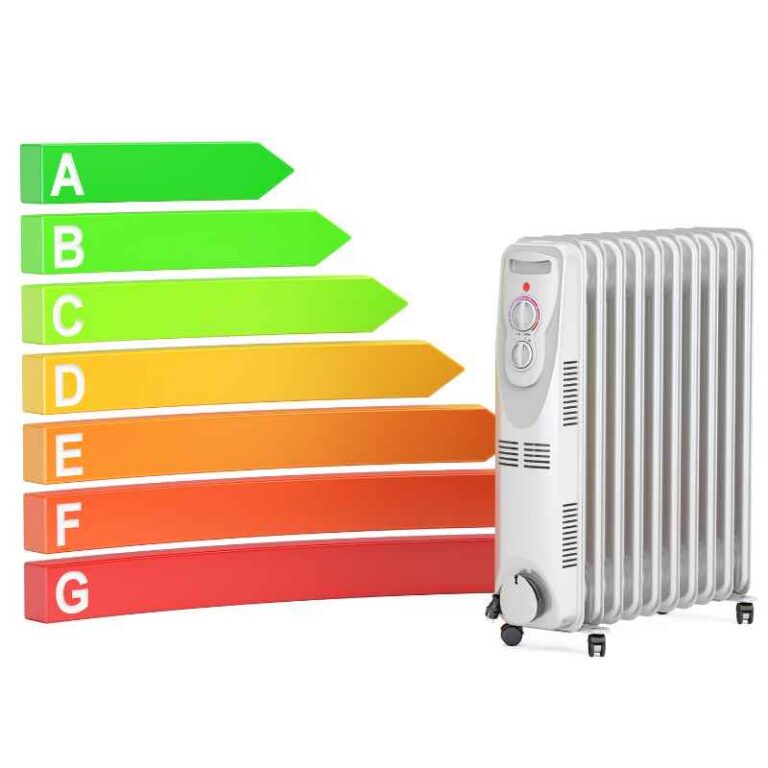
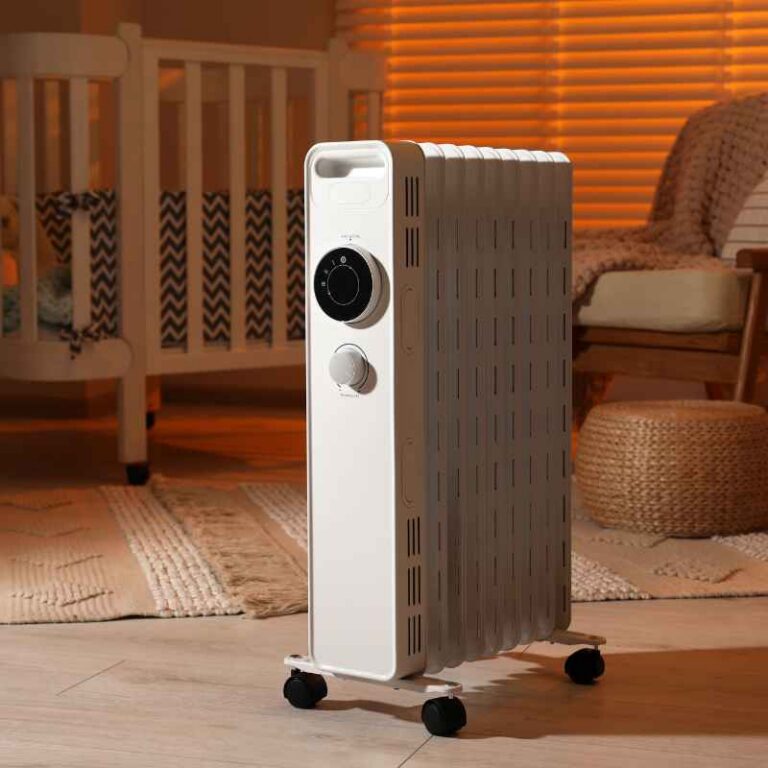
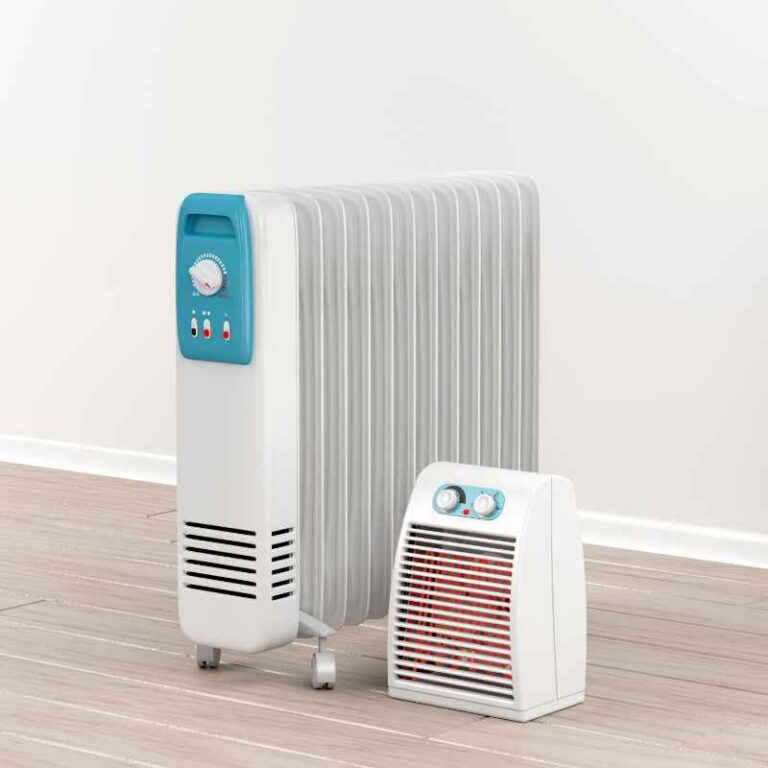
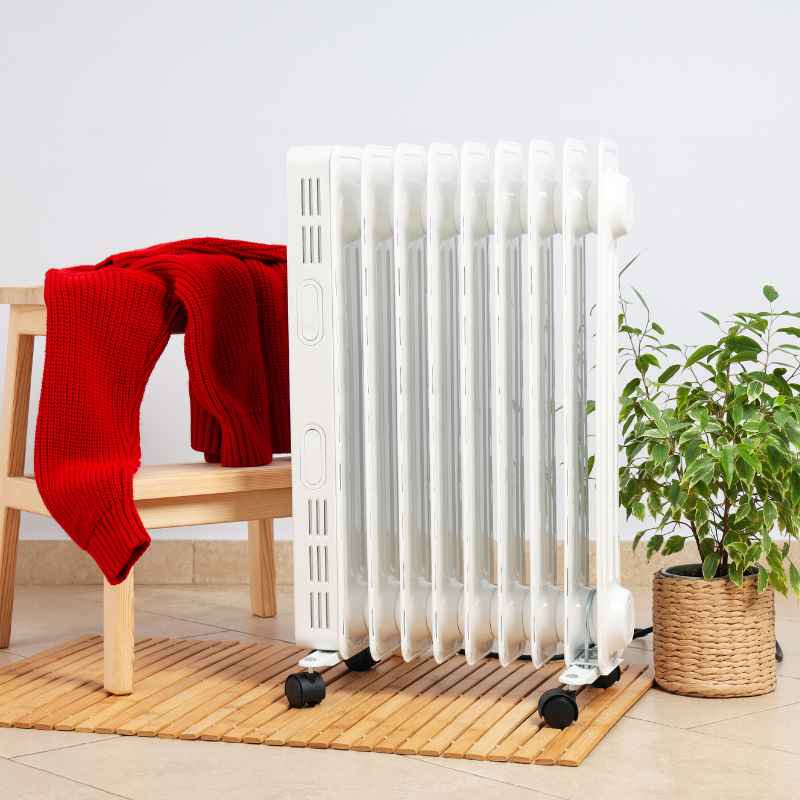
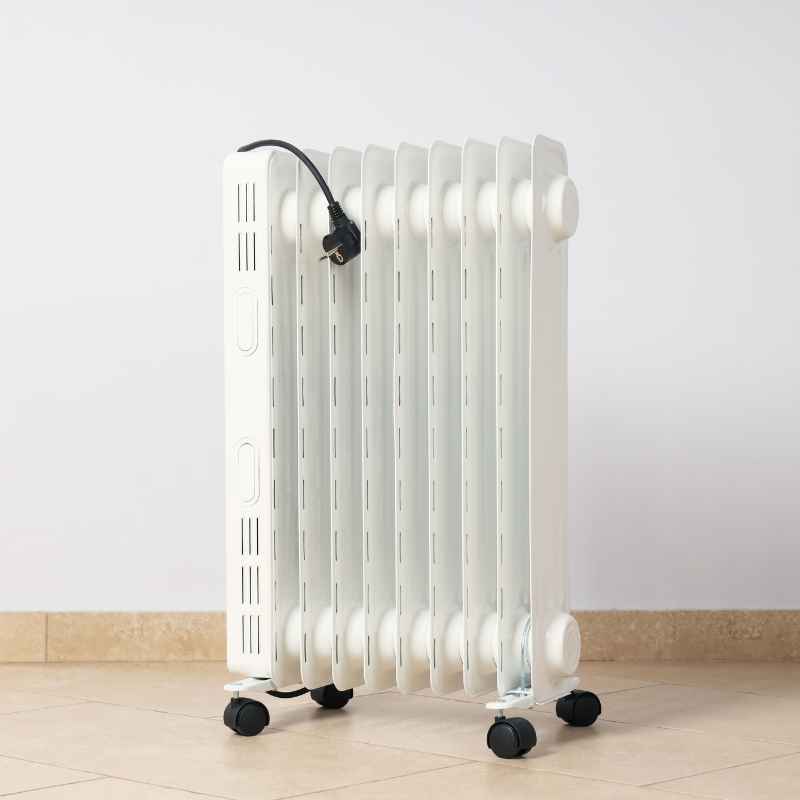
Before we talk about getting rid of your old heater, let’s quickly chat about what makes it tick. An oil-filled radiator heater is a type of electric heater. It works by heating a special diathermic oil inside its metal fins.
This oil then circulates, transferring heat to the metal. The fins release this warmth into the room. It’s a quiet and steady way to heat a space.
The oil inside is typically non-toxic and sealed within the unit. This means it’s not something you can easily drain out yourself. The heater also has electrical parts.
These include heating elements, thermostats, and power cords. Because of the oil and the electronics, these heaters are often treated differently than your average household junk.
Most people just want to know how to get it out of their hair. You might be upgrading to a new, more efficient model. Or maybe your old one just isn’t cutting it anymore.
Whatever the reason, tossing it in the regular trash is usually not the right way to go. It can cause problems for the environment and local landfills.
My Own Heater Horror Story
I remember one particularly chilly spring. My oldest oil-filled radiator heater, a bulky beige unit that had served me faithfully for nearly a decade, started making a faint hissing sound. It wasn’t just the usual gentle hum.
This sound felt… wrong. Then, I noticed a tiny dark stain on the floor beneath it. My heart sank.
I knew it was probably leaking oil.
Panic set in for a moment. What do I do with a leaking oil heater? I couldn’t just leave it there.
It was a potential mess waiting to happen. I started thinking about just shoving it into the garage bin. But then I paused.
I knew better. These things have oil. They have metal.
They have electrical bits. They don’t belong in a regular garbage truck.
I spent a good hour online, feeling a bit overwhelmed. There were so many different rules for different towns. It felt like a huge hassle.
Finally, after digging through local government websites and a few recycling forums, I found a solution. It involved a special drop-off event. It took a bit of effort, but knowing I was doing the right thing made it all worth it.
That experience taught me how important it is to know the proper way to handle these items.
Why Proper Disposal Matters
So, why all the fuss about how we get rid of these heaters? It boils down to protecting our environment and our communities. When you throw an oil-filled heater in the regular trash, it usually ends up in a landfill.
While the oil is generally considered non-toxic, it’s still a contained substance. If the unit breaks down further in the landfill, that oil could potentially leak out.
Landfills have systems to manage waste, but older or poorly managed sites might not be equipped for this. Also, these heaters contain metals like steel and aluminum. They also have electrical components.
These materials can often be recycled. When you throw them away, those valuable resources are lost forever.
Furthermore, improper disposal can sometimes lead to environmental contamination. While less common with sealed oil heaters compared to other appliances, it’s a risk we can easily avoid. Think of it this way: we buy these heaters to make our homes comfortable.
The least we can do is make sure their end-of-life is handled responsibly. It’s a small step that has a big impact.
Eco-Friendly Heater Disposal Checklist
Check Local Rules: Your town or city has specific guidelines. Start here.
Recycling Centers: Many accept small appliances.
Hazardous Waste Days: Perfect for items with oil or electronics.
Retailer Take-Back: Sometimes stores offer disposal with new purchases.
Donate (If Working): Give a functional heater a second life.
Finding Your Local Disposal Options
The absolute best place to start is your local government website. Look for departments related to public works, sanitation, or waste management. They will have the most accurate information for your specific area.
Search for terms like “appliance disposal,” “e-waste recycling,” or “household hazardous waste.”
Many cities and counties have designated drop-off locations for electronics and special waste. These are often called “e-waste recycling centers” or “household hazardous waste (HHW) facilities.” These places are equipped to handle items like your old heater safely. They know how to deal with the oil and the electrical parts.
You might also find information about special collection events. These are often held a few times a year. They make it easy for residents to bring various types of waste to a central location.
Keep an eye on your local news or community calendars for announcements.
Don’t forget to check with the stores where you might buy a new heater. Some larger appliance retailers have take-back programs. They might offer to dispose of your old unit when they deliver your new one.
This can be a very convenient option if available.
Appliance Recycling: What to Expect
What they take: Most centers take anything with a plug or battery.
How it works: You drop it off. They sort it for reuse or proper disposal.
Costs: Often free, but some may charge a small fee.
What to bring: Your old heater and proof of residency.
Can I Just Throw It in the Trash?
In most places, the answer is a firm no. Oil-filled radiator heaters are generally not considered regular household trash. There are several reasons for this:
- Oil Content: The sealed oil means it’s not just scrap metal. It’s a fluid-containing appliance.
- Electronics: The electrical components can contain materials that need special handling, like circuit boards.
- Landfill Impact: Landfills have limitations. They are not designed to safely process items with contained oils.
Throwing it away could also lead to fines in some municipalities. They have strict rules about what goes into the regular garbage. It’s always best to check first.
Even if your town is more lenient, it’s still not the most environmentally responsible choice. Recycling and proper disposal help conserve resources and prevent pollution.
Think about what happens in a landfill. Things get crushed. They get buried.
If a heater’s casing breaks, the oil could leak out. This oil can seep into the soil and groundwater. While the oil is usually safe, large amounts can be harmful.
It’s a risk we can easily avoid.
Myth vs. Reality: Heater Disposal
Myth: I can just put it by the curb on trash day.
Reality: Most areas classify these as special waste and won’t pick them up with regular trash.
Myth: The oil inside is dangerous and I need to drain it myself.
Reality: The oil is typically sealed and non-toxic. Attempting to drain it is unnecessary and can create a mess or exposure risk.
Myth: It’s just an old heater, no one will care.
Reality: Local waste management regulations exist to protect the environment and public health.
Recycling Centers and E-Waste Programs
This is often the best route. Many recycling centers are equipped to handle small appliances. They know how to safely dismantle them and separate the different materials.
Steel, aluminum, and copper can be recycled. The electrical components are also processed responsibly.
Look for terms like “e-waste” or “scrap metal recycling” when searching for facilities. You can usually find these by doing a quick online search for “appliance recycling near me.” Many websites will list what they accept and their operating hours.
Some centers might have a small fee for disposal, especially if it’s considered bulky waste. However, many offer free drop-off for common items like heaters. It’s always good to call ahead and confirm their policies and what they accept.
You want to make sure you don’t drive all the way there only to be turned away.
When you take it to a recycling center, they will usually have a designated area for appliances or e-waste. Just follow the signs and staff instructions. They are experts at sorting these items for proper processing.
It’s a clean and responsible way to say goodbye to your old heater.
Donating Working Heaters
If your old oil-filled radiator heater still works perfectly fine, consider donating it. Many charities, thrift stores, and community organizations are always in need of household items. A working heater can be a real lifesaver for someone who can’t afford a new one, especially as the weather starts to turn.
Before donating, give it a good cleaning. Make sure all the parts are there and it’s in safe working condition. You don’t want to pass on a problem!
Test it to ensure it heats up properly and doesn’t make any strange noises or smells.
Some places that accept donations include:
- Local thrift stores (e.g., Goodwill, Salvation Army)
- Habitat for Humanity ReStores
- Community shelters or outreach programs
- Churches or religious organizations
Always call the organization first to see if they are accepting donations of this type. They might have specific needs or guidelines. Donating a working appliance is a fantastic way to give it a second life and help someone else out.
It’s a win-win scenario!
What About Hazardous Waste Collection?
Some local authorities classify oil-filled heaters as household hazardous waste (HHW). This is because of the contained oil and the electrical components, which can sometimes contain small amounts of regulated materials. HHW programs are designed to collect and dispose of items that shouldn’t go in regular trash or recycling.
If your local waste management authority designates oil-filled heaters as HHW, you’ll need to find out about their collection schedule. This might be through:
- Permanent HHW drop-off sites
- Scheduled collection events
- Curbside pickup days for specific HHW items
It’s important to follow their instructions precisely. They might have specific packaging requirements or limits on the amount you can bring. This ensures the safety of the workers and the environment during transport and disposal.
Checking their official website or calling their hotline is the best way to get this information.
This method is particularly important if your heater is damaged or showing signs of leakage. In such cases, it’s definitely safer to treat it as a potentially hazardous item and use the HHW disposal route. It offers the highest level of protection for everyone involved.
Quick Scan: Disposal Options
| Option | Best For | How to Find |
|---|---|---|
| Local Recycling Center | Working or non-working heaters | Search “appliance recycling near me” |
| Hazardous Waste Collection | Damaged or leaking heaters | Check local government waste management site |
| Donation | Perfectly working heaters | Call local charities or thrift stores |
| Retailer Take-Back | Convenience when buying new | Ask the store when purchasing |
Dealing with Damaged or Leaking Heaters
If your oil-filled radiator heater is damaged or leaking oil, you must be extra careful. Never attempt to move a leaking heater without taking precautions. Place it in a sturdy, leak-proof container or on a thick layer of absorbent material like old towels or newspapers.
In this situation, it’s almost always best to treat it as household hazardous waste (HHW). The oil leak means it poses a higher risk of environmental contamination if not handled properly. Contact your local waste management authority immediately for specific guidance.
They may have special instructions for transporting damaged items or may require you to bring it to a specific facility. Do not try to clean up a large oil spill yourself without proper protective gear and knowledge. Small leaks can often be absorbed with rags, but then these rags also need to be disposed of as hazardous waste.
Remember, the goal is to prevent the oil from entering storm drains, waterways, or the general soil. Your local authorities are there to help guide you through this process safely and effectively. They have the expertise and facilities to manage these situations responsibly.
Steps to Take for Safe Disposal
Here’s a simple, step-by-step approach to ensure you dispose of your old oil-filled radiator heater safely and correctly:
- Assess the Heater: Is it working, or is it damaged/leaking?
- Check Local Regulations: Visit your city or county’s waste management website.
- Identify Disposal Options: Based on local rules and the heater’s condition, find the right place (recycling center, HHW event, donation center).
- Prepare the Heater: If working, clean it. If damaged, contain any leaks.
- Transport Safely: Use a vehicle that can accommodate the heater. Secure it so it doesn’t tip over.
- Drop Off: Follow the instructions at the designated facility.
It might seem like a lot of effort, but it’s really about doing your part. These steps help ensure that valuable materials are recovered and harmful ones are managed properly. It’s a small commitment for a healthier environment.
What This Means for You
Knowing how to properly dispose of an oil-filled radiator heater means you can avoid common pitfalls. You won’t accidentally contaminate your local environment. You’ll also be following the law in most areas.
It gives you peace of mind knowing you’re making a responsible choice.
It’s also about resourcefulness. Many parts of these heaters can be recycled. This means less raw material needs to be mined or processed to make new products.
It’s part of a larger movement towards a circular economy. Every bit helps!
So, the next time your old heater reaches the end of its useful life, you’ll know exactly what to do. You can tackle it with confidence, armed with the right information. It’s less of a headache when you know the steps.
And it’s certainly better for our planet.
When to Worry and When It’s Normal
It’s normal for an old heater to stop working or to be replaced by a newer model. That’s just the life cycle of appliances. What’s concerning is when the heater is damaged, leaking oil, or if you are tempted to just throw it in the regular trash.
If you find a stain, smell oil, or see cracks in the casing, it’s time to get it disposed of properly. These are clear signs that it needs careful handling. Don’t ignore these symptoms.
They are indicators that the unit is failing and could pose a risk.
Simple checks include looking for any visible damage. Gently rocking the heater (if it’s not leaking) can sometimes reveal if there’s internal damage or loose parts, but be cautious. The most obvious sign is when it simply stops heating, or heats erratically.
Quick Tips for Disposal
Here are some easy tips to keep in mind:
- Always check local rules first. This is the most important step.
- Don’t drain the oil. It’s sealed and not meant for DIY draining.
- Keep it upright during transport to prevent any potential leaks from worsening.
- If it’s working, donate it! Someone else can use it.
- Take photos of your old heater before you take it for disposal. This can sometimes be helpful for documentation.
Frequently Asked Questions
Can I put an oil-filled radiator heater in my household garbage?
No, in most areas, oil-filled radiator heaters are not allowed in regular household garbage. They contain oil and electrical components that require special disposal methods to protect the environment. Always check your local waste management guidelines.
Is the oil inside my heater dangerous?
The diathermic oil used in most oil-filled radiator heaters is typically non-toxic and sealed within the unit. However, if the unit is damaged and the oil leaks, it should be handled with care and disposed of as household hazardous waste. Do not attempt to drain the oil yourself.
Where can I recycle an old oil-filled radiator heater?
You can usually recycle old oil-filled radiator heaters at local appliance recycling centers or e-waste collection facilities. Many municipalities also have special collection events or designated drop-off sites for electronics and appliances.
What if my heater is broken or leaking oil?
If your heater is broken or leaking oil, it should be treated as household hazardous waste. Contact your local waste management authority for specific instructions on how to dispose of it safely. They may have special drop-off locations or collection events for such items.
Can I donate a working oil-filled radiator heater?
Yes, if your oil-filled radiator heater is still in good working condition, donating it to a local charity, thrift store, or community organization is a great option. Make sure to clean it first and confirm that the organization accepts such items.
Are there fees for disposing of old heaters?
Disposal fees can vary depending on your location and the disposal method. Many recycling centers and HHW collection sites offer free disposal for appliances. However, some facilities may charge a small fee for bulky waste or specific types of e-waste.
Final Thoughts
So there you have it! Getting rid of an old oil-filled radiator heater doesn’t have to be a mystery. By checking local resources and choosing the right disposal method, you can do it safely and responsibly.
It’s a small but important step towards a cleaner planet. Thank you for taking the time to learn how.
Sponsored / affiliate links. As an Amazon Associate I earn from qualifying purchases. I may earn additional commission from eligible campaigns.