Oil Filled Vs Oil Free Radiators: What’S The Real Difference?
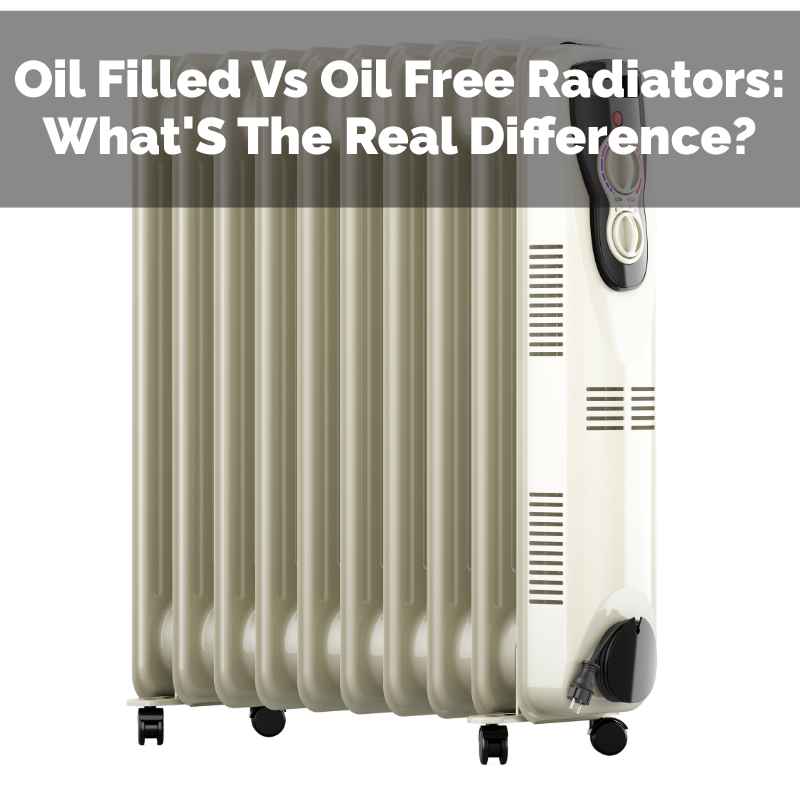
When looking at oil filled vs oil free radiators, the main difference lies in how they store and release heat. Oil-filled radiators use thermal oil to retain heat, releasing it slowly after the unit is off. Oil-free radiators heat up faster using direct electric elements and cool down more quickly.
What Is an Oil-Filled Radiator?
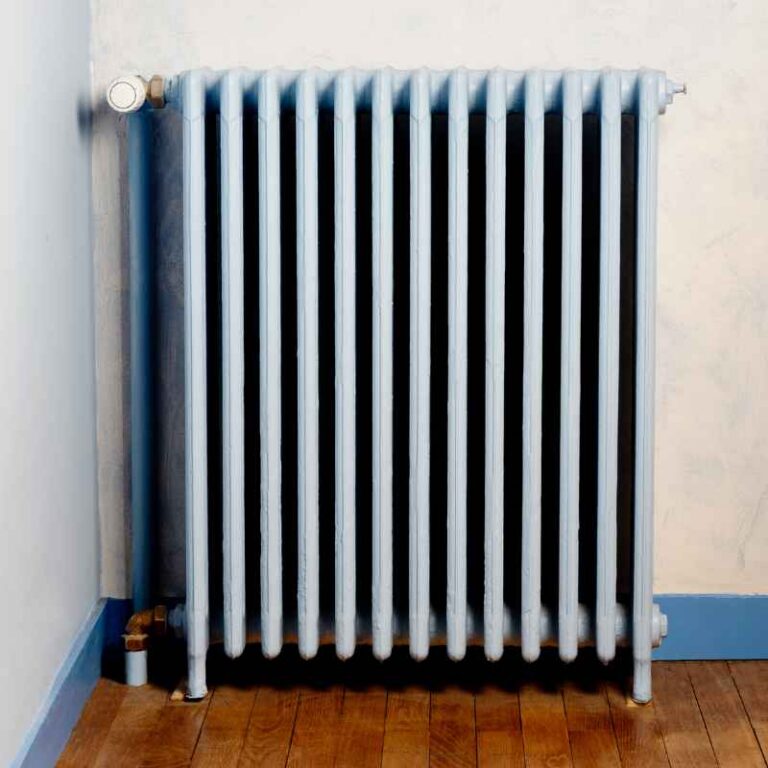
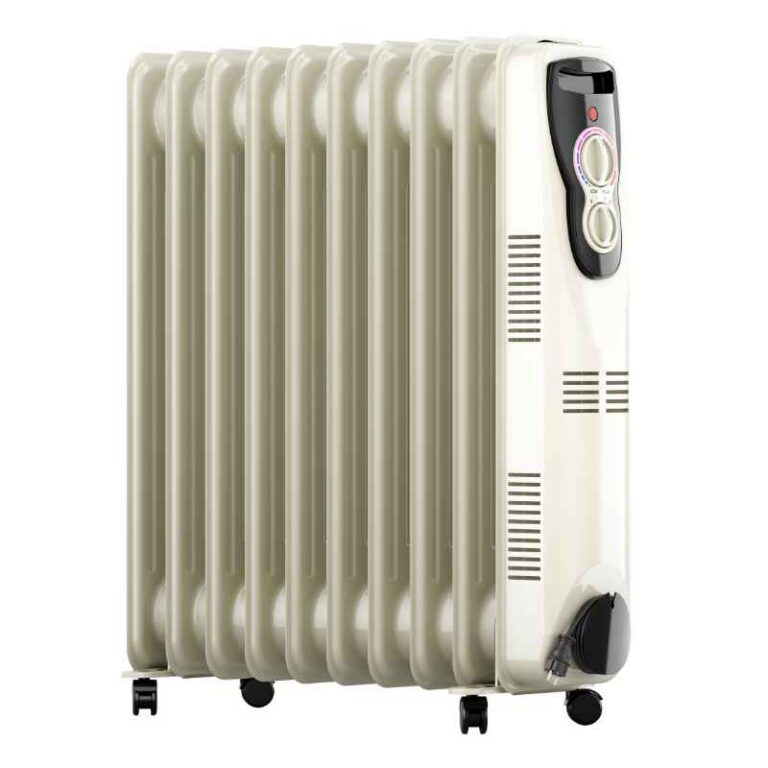
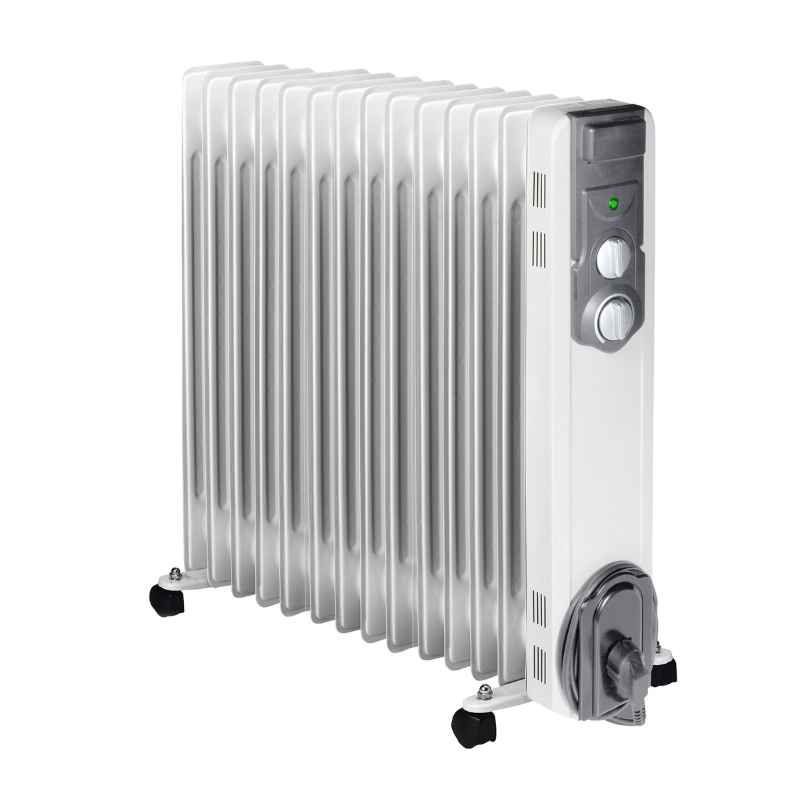
An oil-filled radiator looks like a traditional radiator you might see in an older home. It has fins or columns. But inside, instead of hot water, it has a special type of oil.
This oil is sealed inside the unit. It never needs refilling or changing.
When you turn on the heater, an electric element at the bottom heats up. This element heats the oil. The hot oil then circulates through the fins of the radiator.
As the oil moves, it heats the metal casing of the radiator. The metal casing then warms the air around it. This creates convection heat.
It also gives off radiant heat.
The cool thing about the oil is that it holds heat very well. This means that even after you turn off the power, the oil keeps the radiator warm for a while. It slowly releases that stored heat into the room.
This makes them good for keeping a room warm for longer periods. They offer a steady, gentle heat. This type of heat is often described as more comfortable.
It doesn’t dry out the air as much as some other heaters.
What Is an Oil-Free Radiator?
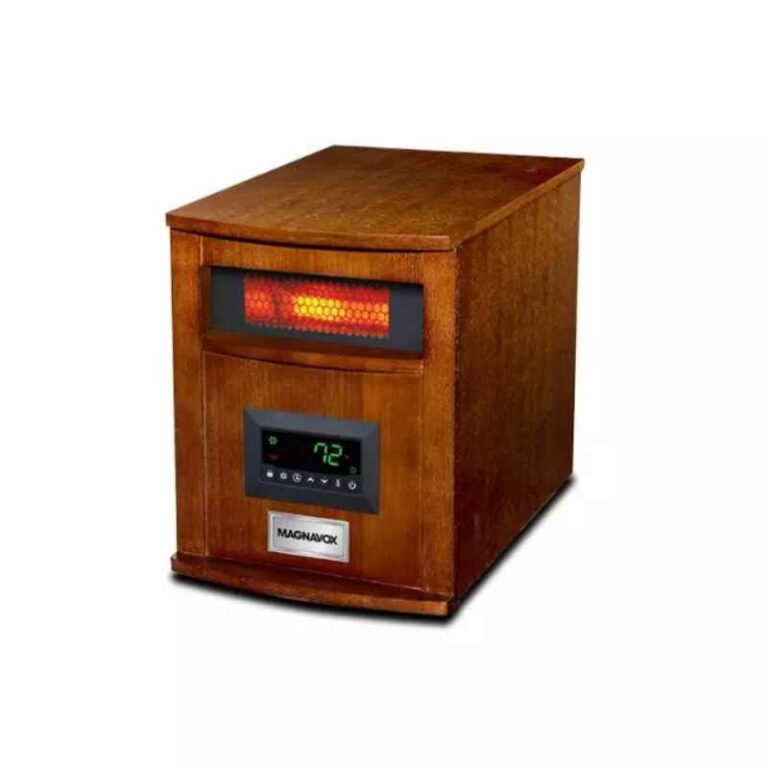
An oil-free radiator is a bit more straightforward. It does not use any oil. Instead, it relies on a direct electric heating element.
This element is usually a ceramic or metal coil. When you switch it on, electricity flows through this element. It gets hot very quickly.
This hot element then heats the air that passes over it. This can happen in a few ways. Some models use a fan to blow air over the hot element.
This is called a fan heater. Others use natural convection. The hot air rises and circulates around the room.
Some types might have fins too, but they are heated directly by the element, not by oil.
Because there’s no oil to retain heat, oil-free radiators tend to heat up a room much faster. However, they also cool down just as quickly once you turn them off. The heat stops almost immediately.
This means they are good for quick heating. You can get a room warm in minutes. But they don’t offer that long-lasting warmth after they are switched off.
Oil Filled Radiators: The Good and the Not-So-Good
Let’s break down what makes oil-filled radiators stand out. Think of them as slow and steady warmers. They bring a certain type of comfort that many people love.
Oil-Filled Radiator Perks
Gentle Heat: The heat feels soft and even. It doesn’t blast you with hot air. This is great for comfort.
Long-Lasting Warmth: They stay warm after being turned off. This means the room stays toasty. You might even save on electricity.
You don’t need to keep them on all the time.
Quiet Operation: Most oil-filled radiators are very quiet. There are no fans making noise. You just get a gentle hum or sometimes nothing at all.
No Air Drying: They tend to dry out the air less than fan heaters. This is good for people with dry skin or breathing issues.
Safety Features: Many have tip-over switches and overheat protection. This adds peace of mind.
Now, it’s fair to talk about where they aren’t the best choice. No heater is perfect for every situation. Understanding these points helps you decide if it’s the right fit for your needs.
Oil-Filled Radiator Drawbacks
Slow to Heat Up: They take time to get the oil and radiator hot. Don’t expect instant warmth.
Heavy and Bulky: They are usually heavier than oil-free models. Moving them around can be a chore.
Surface Gets Hot: The metal can get quite hot. This can be a concern with small children or pets. You need to be mindful of where you place them.
Energy Use: While they retain heat well, they might use more power to get to that hot point initially. This depends on the model and how you use it.
Not Ideal for Quick Bursts: If you only need heat for a short time, they might not be the most efficient. They need time to warm up and cool down.
Oil-Free Radiators: The Upsides and Downsides
Oil-free radiators are often seen as the quick fix. They are designed to get the job done fast. Let’s look at why people choose them and when they might fall short.
Oil-Free Radiator Advantages
Fast Heating: This is their biggest selling point. They heat up a room very quickly. This is great for when you need immediate warmth.
Lightweight: They are generally lighter. This makes them easy to move from room to room. You can take the warmth with you.
Lower Initial Cost: Often, oil-free models are less expensive to buy. This can be a big factor for many budgets.
Compact Size: Many are designed to be smaller and more compact. They can fit easily into tight spaces.
Variety of Types: You find many styles like fan heaters, ceramic heaters, and panel heaters. This offers choice.
However, speed and cost aren’t the only things that matter. Here’s where oil-free heaters might not be the perfect fit for everyone.
Oil-Free Radiator Disadvantages
Heat Doesn’t Last: Once you turn them off, the heat goes away fast. You lose the warmth quickly.
Can Dry Air: Fan heaters, especially, can blow hot air that dries out the room. This might not be comfortable for everyone.
Noise: Some types, like fan heaters, can be noisy. The fan can create a constant sound.
Less Even Heat: The heat might feel more direct or less spread out. You might feel hot spots.
Higher Running Cost: Because they heat up and cool down so fast, you might find yourself running them more often. This can add up on your electricity bill.
How Do They Heat a Room Differently?
The way each type of radiator heats a room is key to understanding their differences. It’s all about how they store and transfer heat.
Oil-filled radiators use thermal oil. This oil acts like a battery for heat. It absorbs a lot of heat energy.
Then, it releases it slowly and steadily. This process is mainly convection. Hot oil heats the radiator fins.
The fins then heat the air. This warm air rises. Cooler air sinks.
This creates a cycle. It gently warms the whole room over time. It also offers radiant heat.
This is heat you can feel directly. It’s like standing near a warm object.
Oil-free radiators work directly. They have a heating element. This element gets hot.
Then, air passes over it. This hot air is then sent into the room. Fan heaters use a fan to push this air.
Other types use natural convection. The hot air naturally rises. This method heats the air quickly.
It gets the room warm fast. But, once the element stops getting hot, the air stops getting heated. The room starts to cool down much sooner.
There’s no stored heat to keep it going.
Personal Experience: The Night the Power Went Out
I remember one winter night. It was freezing outside. Suddenly, all the power went out in my neighborhood.
My house got cold fast. I had a small apartment then. My main heat source was electric.
I had a small, cheap oil-free fan heater. I turned it on, hoping for some quick warmth. It worked for a few minutes.
The fan blew warm air. I felt a bit better. But then, the heater went cold as fast as it got hot.
The power was still out.
I started to shiver. The room felt colder than before. I remembered I had an old oil-filled radiator in the closet.
I plugged it in and turned it on. It took about 15 minutes. I could feel it slowly getting warm.
Then, it started to put out a steady, gentle heat. It wasn’t blast furnace heat, but it was comforting. The room slowly began to feel less cold.
The best part? Even after the power flickered back on for a bit and then went off again, the radiator stayed warm for a long time. It kept me from being completely freezing until the power finally came back for good.
That night really showed me the value of that stored heat. It felt like a reliable friend in the cold.
When to Choose Which: Scenarios
The best heater for you depends on what you need it for. Think about your space and how you use it.
Scenario 1: The Unfinished Basement
Challenge: Basements can be damp and cool. You might only use it for storage or occasional visits.
Best Choice: An oil-filled radiator. Its steady heat can help keep the chill away. It provides consistent warmth.
It’s good for spaces that don’t need to be hot all the time but need to avoid being freezing.
Scenario 2: The Home Office
Challenge: You sit at a desk for hours. You want to feel warm quickly when you start, but don’t want to overheat the room all day.
Best Choice: An oil-free radiator (like a ceramic heater). It heats up fast, warming you quickly. You can turn it off when you leave or when you feel warm enough.
It’s energy efficient for short bursts of heat.
Scenario 3: The Bedroom
Challenge: You want a comfortable temperature overnight. You don’t want a heater that makes noise or dries out the air.
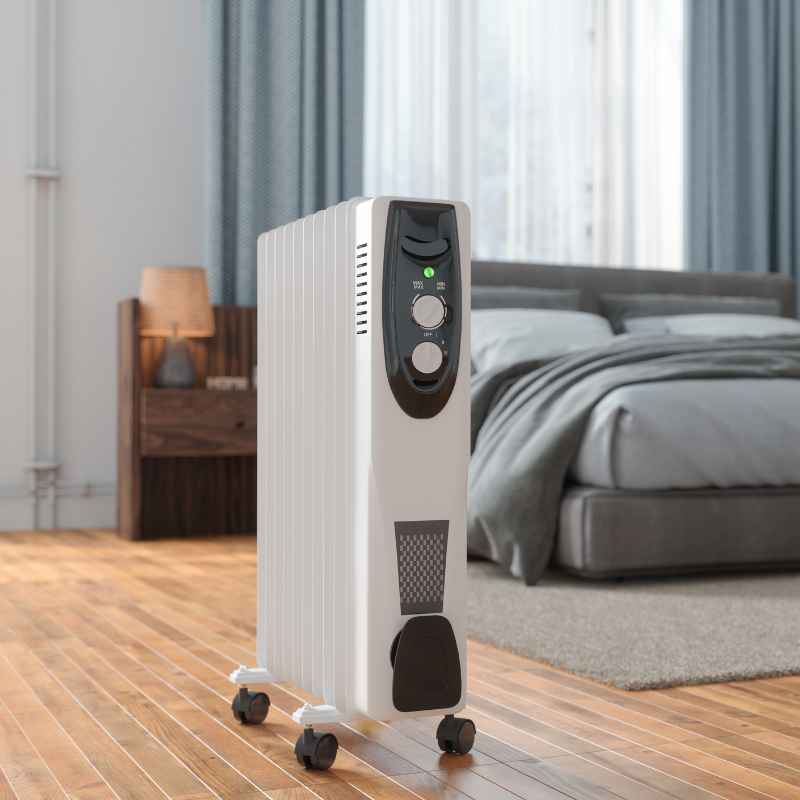
Best Choice: An oil-filled radiator. Its quiet operation and gentle, less-drying heat are ideal for sleeping. The stored heat can keep the room comfortable for longer periods.
Scenario 4: The Drafty Living Room
Challenge: The room gets cold quickly. You need something to take the edge off the chill without running a central heating system all day.
Best Choice: An oil-filled radiator. Its ability to retain heat and provide steady warmth is perfect for maintaining comfort in a larger space that might lose heat easily.
Scenario 5: A Small Bathroom for Quick Warm-up
Challenge: You need the room warm for a short time before showering.
Best Choice: An oil-free ceramic fan heater. It will heat the small space very quickly. You can turn it on just before you use the bathroom and turn it off right after.
Comparing Features: A Quick Look
Here’s a simple way to see how they stack up side-by-side. This can help you remember the key points.
| Feature | Oil-Filled Radiator | Oil-Free Radiator |
| Heating Method | Heats oil, then air (slow, steady) | Heats air directly (fast) |
| Heat Retention | Excellent (stays warm after off) | Poor (cools down quickly) |
| Warm-up Time | Slow | Fast |
| Noise Level | Very quiet | Can be noisy (fans) or quiet |
| Air Drying | Less drying | Can dry air (especially fans) |
| Portability | Heavier, less portable | Lighter, more portable |
| Initial Cost | Often moderate to high | Often lower |
What This Means for Your Home Comfort
The choice between oil-filled and oil-free radiators comes down to your priorities. Do you want quick heat, or do you prefer a steady, lingering warmth?
For a room that needs consistent, gentle warmth, like a bedroom or a living room you use often, an oil-filled radiator is a great choice. It creates a cozier atmosphere. It can help maintain a comfortable temperature without constant adjustments.
This type of heat feels more natural. It’s less likely to cause dryness.
If you need to heat a space up fast for short periods, an oil-free radiator is usually better. Think of a home office where you only need heat while you’re working. Or a bathroom for a quick warm-up before a shower.
These heaters deliver instant results. They are often more budget-friendly upfront.
It’s also worth noting that modern heaters often have features like thermostats and timers. These can help you control energy use with either type. A good thermostat on an oil-filled radiator can prevent overheating.
A timer on an oil-free heater ensures it doesn’t run longer than needed.
Safety First: What to Watch Out For
Both types of radiators have safety in mind. But it’s always good to know what to look for. This is true for any portable heater.
Safety Checks for Any Heater
Tip-Over Switch: This is crucial. If the heater falls over, it should shut off automatically. This prevents fires.
Overheat Protection: The heater should have a way to shut itself off if it gets too hot. This could be a thermostat or a thermal fuse.
Sturdy Construction: Look for heaters that feel solid and well-made. They shouldn’t feel flimsy.
Clearance: Always keep heaters away from curtains, bedding, and other flammable materials. Check the manual for recommended distances. Typically, at least 3 feet is advised.
Electrical Cord: Make sure the power cord is in good condition. Don’t use heaters with frayed or damaged cords.
For oil-filled radiators, the main concern might be the hot surface. Ensure children and pets cannot touch it directly. For oil-free models, especially fan heaters, be careful not to block the air vents.
This can cause the unit to overheat or reduce its efficiency.
Always read the user manual. It has specific safety instructions for that particular model. Using a heater safely ensures you get warmth without risk.
Quick Tips for Using Your Radiator
Getting the most out of your radiator is easy with a few simple tips. These help with both comfort and efficiency.
- Placement Matters: Put your radiator where the warm air can circulate best. Don’t block vents or fins.
- Use Thermostats Wisely: Set your thermostat to a comfortable level. Don’t crank it up too high. A consistent, lower setting often uses less energy.
- Close Doors and Windows: Keep heat in. Close doors to rooms you aren’t using. Seal up drafts around windows.
- Regular Cleaning: Dust can build up on fins or vents. This makes heaters less efficient. Gently dust your radiator regularly.
- Combine with Other Heat: If you have central heating, use a radiator to boost warmth in a specific room. You might be able to turn down the main thermostat.
- For Oil-Filled: Let it Reach Temp: Give your oil-filled radiator time to warm up fully. This is when it works best.
- For Oil-Free: Use for Short Bursts: Maximize the quick-heating benefit. Turn oil-free heaters off when not needed.
Frequently Asked Questions
Are oil-filled radiators energy efficient?
Oil-filled radiators can be energy efficient because they retain heat well. They continue to radiate warmth even after being turned off. This means they might use less total energy over time than a heater that only works when powered on.
However, they take longer to heat up initially, which can use more power at that stage.
Can I use an oil-filled radiator in a bathroom?
Generally, you should avoid using any portable electric heater, including oil-filled ones, in a bathroom unless it is specifically designed and rated for wet environments. Most standard radiators are not waterproof and could be a safety hazard if they come into contact with water. Always check the product’s safety ratings and intended use.
Which type of radiator is better for allergies?
Oil-filled radiators are often better for people with allergies. This is because they don’t blow air around as much as fan heaters. They produce less dust and allergens being circulated in the room.
They also tend to dry out the air less, which can help with dry throat and nasal passages.
How long does an oil-filled radiator stay warm after being turned off?
The duration an oil-filled radiator stays warm can vary. It depends on the size of the radiator, the amount of oil inside, and how hot it got. Generally, they can provide a gentle warmth for 30 minutes to over an hour after being switched off.
Some larger models might stay warm even longer.
Can an oil-free radiator be too noisy?
Some oil-free radiators, especially fan heaters, can be noisy due to the fan’s operation. The noise level can range from a gentle hum to a more noticeable whirring sound. If quiet operation is important, look for models that specifically advertise low noise levels or consider convection-style oil-free heaters which are typically quieter.
Is it safe to leave a radiator on overnight?
Most modern radiators, both oil-filled and oil-free, are designed with safety features like automatic shut-off and overheat protection, making them generally safe to leave on overnight. However, always ensure the heater is placed on a stable surface, away from flammable materials, and that the cord is not a trip hazard. Check the manufacturer’s guidelines for specific recommendations.
The Final Takeaway: Warmth for Every Need
Choosing between oil-filled and oil-free radiators is about matching the heater to your lifestyle. Both offer effective ways to warm your home. They just do it with different approaches.
Think about speed, duration, noise, and air quality. This will guide you to the best option for your comfort.
Sponsored / affiliate links. As an Amazon Associate I earn from qualifying purchases. I may earn additional commission from eligible campaigns.