Are Oil Filled Radiators Cheaper Than Central Heating To Run?
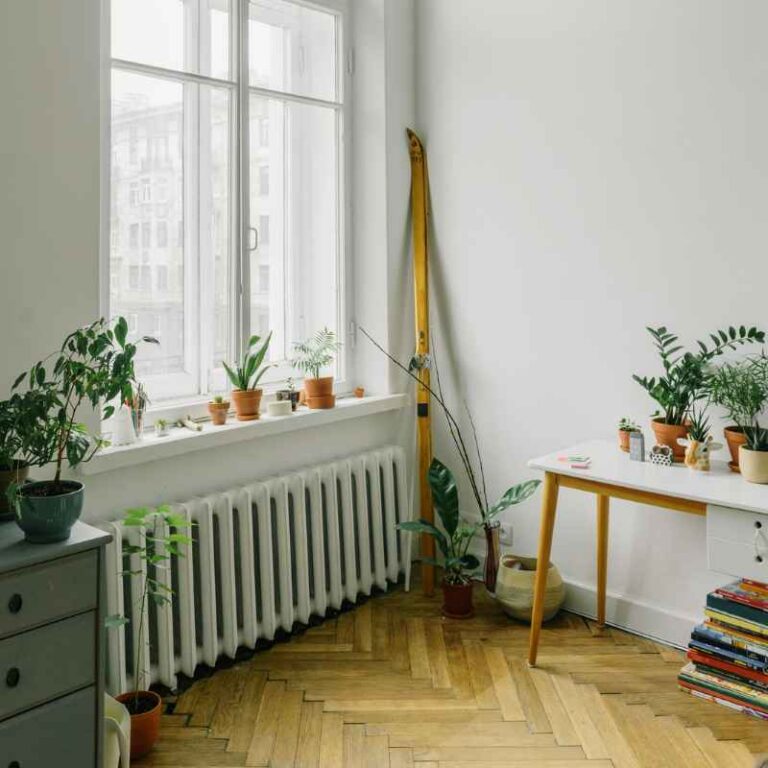
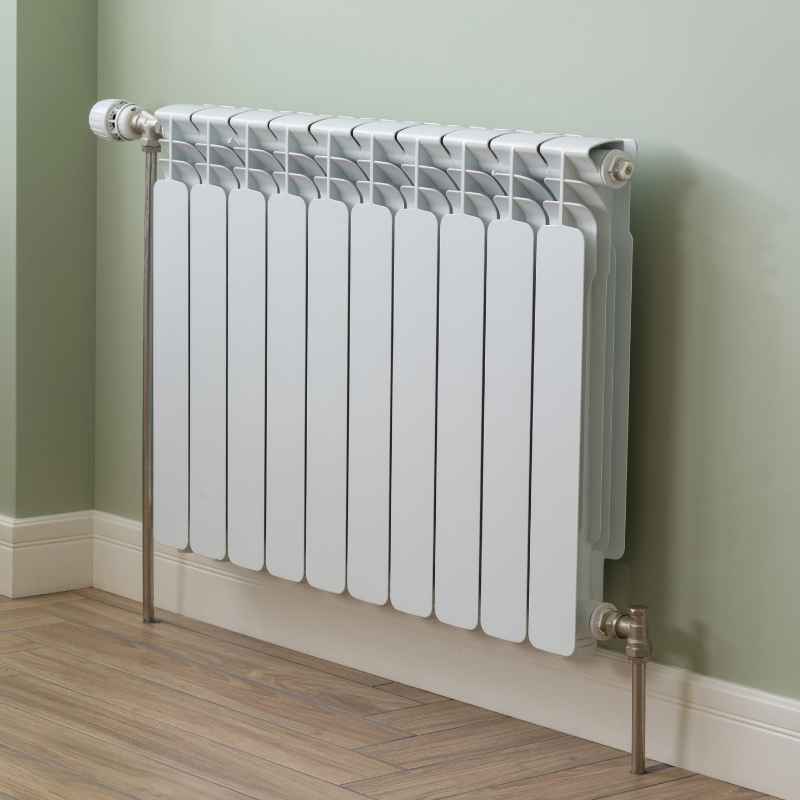
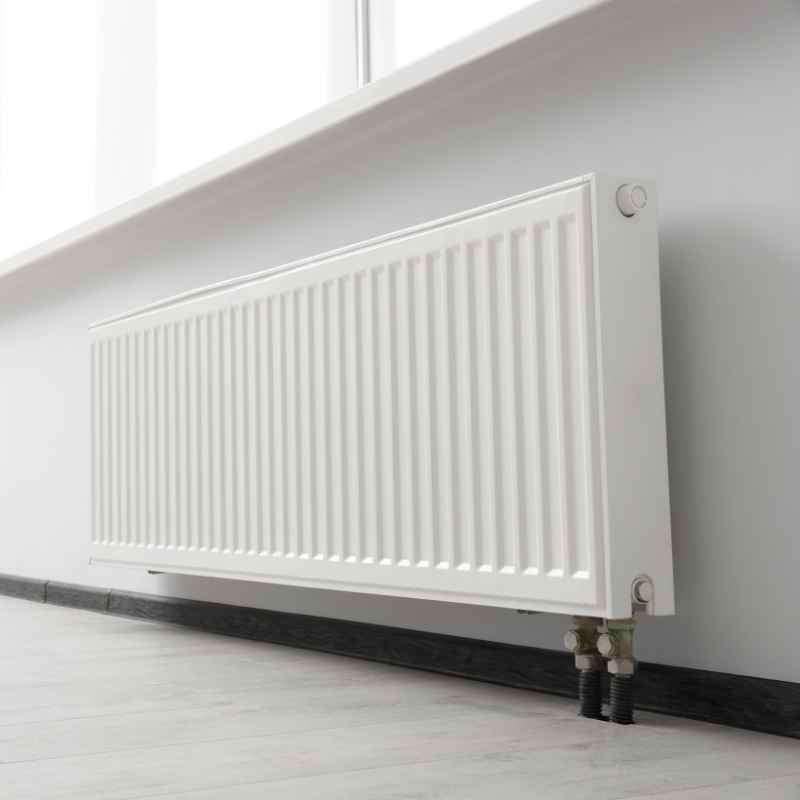
When we talk about heating our homes, central heating is often the default. It’s the system that heats your entire house from one main source. Think of a big furnace in the basement or attic.
It sends warm air or hot water through pipes and vents to every room. This is usually controlled by a thermostat. You set the temperature, and the system works to keep it there all over the house.
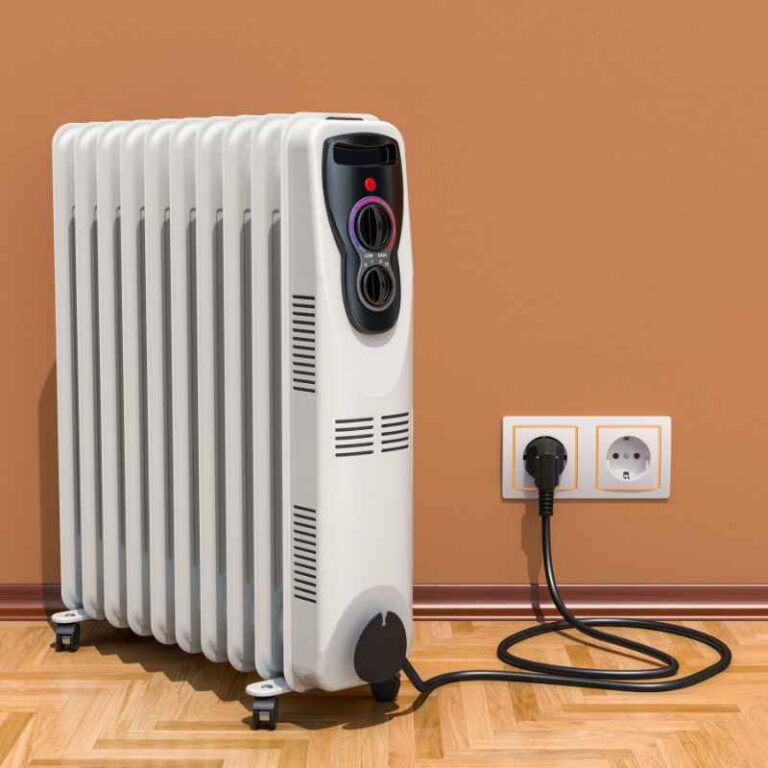
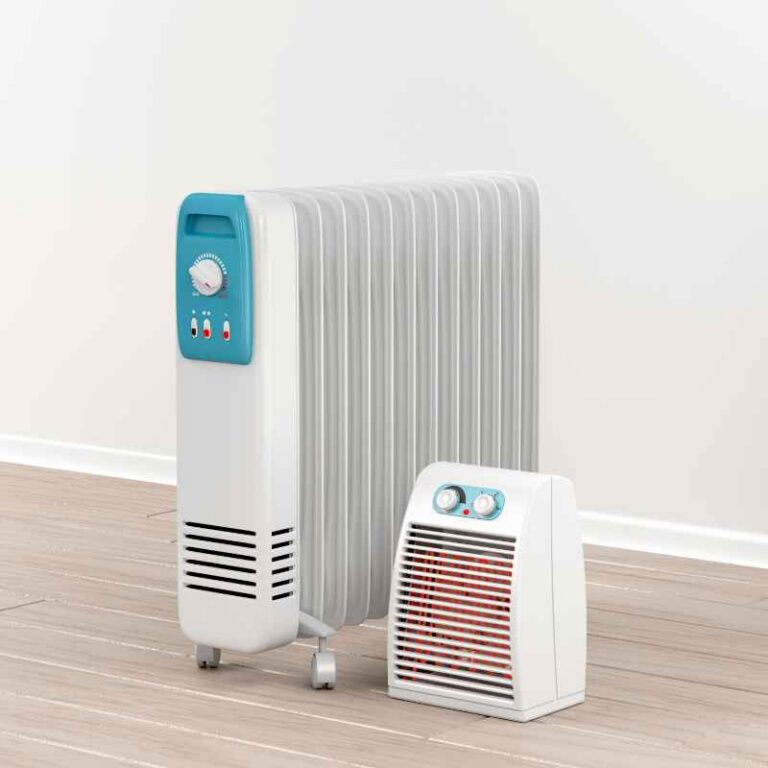
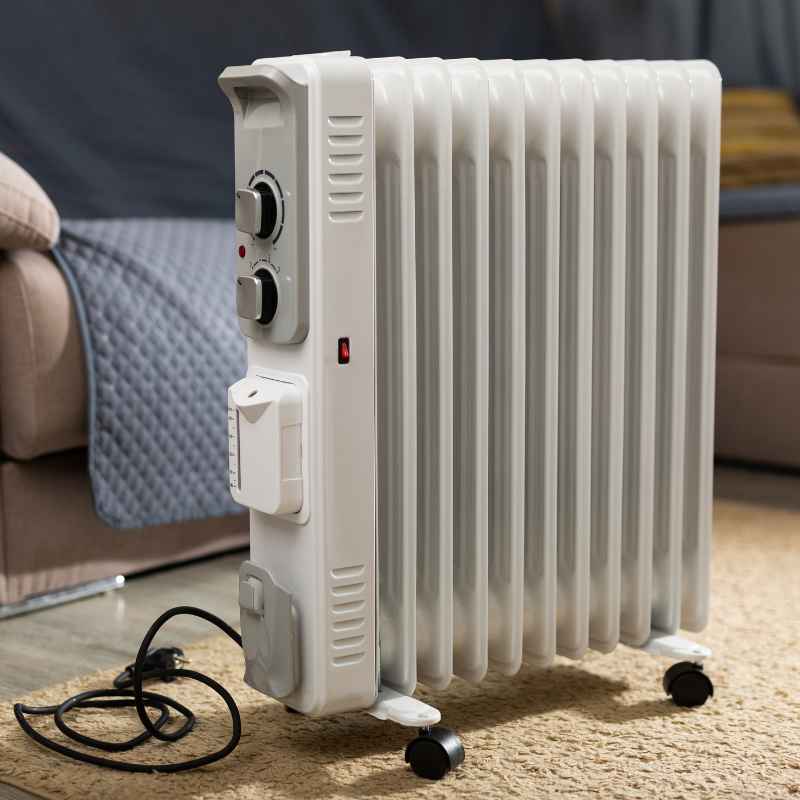
Oil-filled radiators are different. They are portable electric heaters. They look a bit like old-fashioned cast-iron radiators.
Inside, they have tubes filled with oil. When you plug them in, an electric element heats the oil. This warm oil then heats the metal fins.
The fins radiate heat into the room. These are great for heating a single room or a small area. You can move them around as needed.
They don’t connect to a central system at all.
How Much Energy Do They Use?
This is the heart of the cost question. Central heating systems can use different types of fuel. Common ones are natural gas, propane, oil, or electricity.
The amount of energy used depends on the type of system, its age, and how well your home is insulated. A gas furnace is often quite efficient at turning fuel into heat. However, it has to heat the whole house, even rooms you aren’t using much.
Oil-filled radiators are electric heaters. Electric resistance heating, like what’s inside these radiators, is about 100% efficient at converting electricity into heat. That sounds great!
But electricity itself can be more expensive per unit of energy than natural gas or propane. So, while the radiator itself doesn’t waste heat from its own operation, the cost of the electricity it uses is key. It only heats the room it’s in, though.
This is a big difference.
The wattage of an oil-filled radiator tells you how much power it uses. A common size might be 1500 watts. This means it uses 1.5 kilowatts (kW) of electricity every hour it’s running at full power.
To figure out the cost, you multiply this by the price of electricity in your area. For example, if electricity costs $0.15 per kilowatt-hour (kWh), running a 1500-watt radiator for one hour costs $0.15 x 1.5 = $0.225. It might seem small, but it adds up.
Central heating costs are more complex. Gas furnaces measure their fuel use in therms or cubic feet. The cost per unit of gas varies widely.
You also have to factor in the efficiency of the furnace itself. An older, less efficient furnace might lose some heat up the chimney. Even a new furnace has to work harder and longer to heat your whole house compared to a small electric heater in one room.
A key point is that electric heaters like oil-filled radiators produce localized heat. This means they are best for zone heating. You heat only the space you are in.
Central heating systems are whole-house heating. They warm up every nook and cranny. If you only use one or two rooms regularly, heating the whole house can be very wasteful.
This is where the potential for savings with oil-filled radiators comes in.
Consider a large, older home that’s not well-insulated. The central heating system might run constantly to keep even a few rooms comfortable. The heat escapes easily through walls, windows, and the roof.
In this scenario, using a 1500-watt oil-filled radiator in the living room, where you spend most of your time, might indeed use less energy overall than running the central system to keep the whole house vaguely warm. The radiator will heat that one space effectively.
On the flip side, if you have a smaller, well-insulated home, and you use all the rooms regularly, your central heating system, especially if it’s modern and efficient, might be more cost-effective. It spreads the heat out evenly and keeps a consistent temperature throughout. The total energy used might be lower than running multiple portable electric heaters.
Energy Use Snapshot
Central Heating:
- Fuel Source: Gas, oil, propane, electricity.
- Method: Heats entire home.
- Efficiency: Varies by system type and age.
- Cost Factor: Fuel price + system efficiency + home insulation.
Oil-Filled Radiators:
- Fuel Source: Electricity.
- Method: Heats one room (zone heating).
- Efficiency: Nearly 100% conversion of electricity to heat.
- Cost Factor: Electricity price x wattage x run time.
The Cost Comparison: It’s Not Always Simple
So, are oil-filled radiators cheaper? The honest answer is: it depends. There are several factors at play.
Let’s break them down. The first is the price of your energy. If natural gas is very cheap in your area, your central heating might win.
If electricity prices are low, oil-filled radiators could be a good choice for specific uses.
Next, think about how you use heat. If you’re a single person or a couple who spends most of your time in one or two rooms, heating only those areas with an oil-filled radiator can be much cheaper than warming up an empty 5-bedroom house. The central system would be working hard to heat unused spaces.
This is a significant point that many people miss. They heat the whole house out of habit.
I remember a time when I lived in an older apartment with a surprisingly powerful but old central heating system. It was so inefficient. The hallways and spare rooms were always freezing, but the living room would get uncomfortably hot if I dared to turn it up.
I ended up getting a small oil-filled radiator for my bedroom. I’d only turn on the central heat for a few hours in the morning and evening to take the edge off the rest of the apartment. It made a noticeable difference on my utility bills.
I was heating only the space I was actively using. The oil radiator kept my bedroom toasty warm all night. This was far cheaper than letting the ancient furnace blast heat into empty rooms.
However, if you have a small, modern, well-insulated home, and everyone is home using different rooms throughout the day, central heating might be the more economical choice. A good central system can maintain a consistent, even temperature without constant on-off cycling. The total energy used might be less than running multiple portable heaters.
Plus, central heating often provides a more comfortable, consistent warmth throughout the house.
The efficiency of your central heating system is also a big factor. A brand-new, high-efficiency furnace can be very economical. An old, poorly maintained one can be a money pit.
If your central heating system is old and inefficient, an oil-filled radiator used for zone heating can definitely be cheaper for those specific zones. You avoid the massive heat loss that an old system might create.
What about the radiators themselves? They typically range from 500 watts to 1500 watts. A 1500-watt radiator will use more electricity than a 700-watt one.
You need to match the radiator’s size to the room. A small bedroom might only need a smaller radiator. Using a 1500-watt one in a tiny bathroom would be overkill and waste electricity.
How much does it cost to run an oil-filled radiator?
Let’s do some quick math. Suppose you have a 1500-watt oil-filled radiator. That’s 1.5 kilowatts (kW).
If your electricity costs $0.15 per kilowatt-hour (kWh), running it for 8 hours a day would cost:
1.5 kW 8 hours/day $0.15/kWh = $1.80 per day.
If you run it for 30 days, that’s $1.80 * 30 = $54 per month.
This is just for one radiator in one room. If you need to heat multiple rooms, or if your electricity rates are higher, the cost goes up.
Now, let’s compare that to central heating. This is harder to pin down. A typical home might use anywhere from 50 to 150 therms of natural gas per month in winter.
If natural gas costs $1.00 per therm, that’s $50 to $150 a month for just heating. This is a very rough estimate. Your usage could be much higher or lower.
Modern, efficient central heating systems using natural gas are often quite cost-effective when heating an entire house.
The key takeaway here is that oil-filled radiators are usually cheaper if you are only heating a small, occupied space. They are not typically cheaper for heating an entire house compared to an efficient central gas heating system.
Cost Comparison Factors
Scenario 1: Heating a single room (e.g., home office, bedroom)
- Oil-filled radiator: Likely cheaper if you only need heat in that one room.
- Central heating: Wastes energy heating unused parts of the house.
Scenario 2: Heating an entire house
- Oil-filled radiators: Likely more expensive, especially if you need multiple units.
- Central heating: Often more cost-effective if the system is efficient and the house is well-insulated.
Real-World Context: Where Oil-Filled Radiators Shine
Oil-filled radiators are fantastic for specific situations. Think about adding heat to a room that the central heating system struggles to reach. Some rooms are just naturally colder.
Maybe it’s at the end of a long duct run, or it has poor insulation. An oil-filled radiator can bring that room up to a comfortable temperature without making other rooms too hot. This is a very common use case in American homes.
Another great use is for supplemental heat. You might have a central system that’s adequate but not quite enough on the coldest days. An oil-filled radiator in your main living area can give you that extra boost of warmth.
It takes the strain off your main system. This can prevent the central heating from running constantly at full blast.
They are also perfect for spaces that aren’t connected to your central heating. Garages, workshops, sunrooms, or finished basements that were added later might not have ductwork. These are prime spots for portable electric heaters.
An oil-filled radiator provides a safe and effective way to heat these areas. You just need an electrical outlet.
Consider someone who works from home and spends 8-10 hours a day in their home office. Instead of heating the entire house to a comfortable temperature for that person, they can heat just the office with an oil-filled radiator. This is a smart way to save energy and money.
They can keep the rest of the house at a lower temperature or turn the central heating off completely when they’re not using it.
The design of oil-filled radiators is also a plus. They tend to provide a gentle, even heat. Unlike some fan heaters that blow hot air around, the radiant heat from an oil-filled radiator feels more natural and comfortable.
It warms objects and people directly. This is often preferred by many people for long-term comfort.
The quiet operation is another benefit. They don’t have noisy fans or motors. This makes them ideal for bedrooms, living rooms, or offices where noise can be disruptive.
You can read a book, watch TV, or sleep peacefully.
However, it’s crucial to use them correctly. Plugging a high-wattage heater into an old or overloaded electrical circuit can be a fire hazard. Always check your home’s wiring and ensure the outlet and circuit can handle the load.
For a 1500-watt heater, it’s best to have it on its own circuit or at least one that isn’t also powering other high-draw appliances. This is a crucial safety tip.
Also, remember that oil-filled radiators don’t have fans. This means the heat circulates naturally through convection. It takes a bit longer to heat up a room compared to a fan heater.
But once the room is warm, it stays warm because the oil retains heat. This is a slow and steady heating method.
Best Uses for Oil-Filled Radiators
For Specific Rooms:
- Heating a single occupied room (bedroom, office, living room).
- Supplementing central heating in a frequently used room.
- Warming up cold spots or drafty areas.
For Unconnected Spaces:
- Garages, workshops, sunrooms, finished basements.
- Sheds or outbuildings with electrical access.
For Quiet Comfort:
- Bedrooms for nighttime warmth.
- Home offices where noise is distracting.
- Living areas for a gentle, steady heat.
What This Means for Your Home
Understanding whether oil-filled radiators are cheaper involves looking at your specific home and habits. If your goal is to reduce energy bills by heating only occupied spaces, then using oil-filled radiators for zone heating is likely a smart move. It allows you to manage your heating costs more precisely.
You’re not paying to heat empty rooms.
When is it normal to use an oil-filled radiator? It’s normal when you want to add comfort to a specific area without turning up the thermostat for the whole house. It’s normal if your central heating doesn’t quite reach a certain room.
It’s normal if you have an unheated space you want to use occasionally.
When should you worry? You should worry if you’re relying solely on multiple high-wattage oil-filled radiators to heat your entire home. If your electricity bills are skyrocketing because you’re running several of these units all day, it’s probably costing you more than an efficient central system.
Also, worry if you notice circuits tripping or outlets getting warm when using these heaters. This could indicate an electrical problem.
Simple checks can help. Look at your energy bills. Compare your heating costs from month to month.
If you’ve started using oil-filled radiators and your bills have gone up significantly, it might be time to re-evaluate. Or, check the thermostat settings on your central heating. Are you setting it too high?
Are you heating rooms you don’t use?
Consider the age and condition of your central heating system. If it’s old, it might be a good time to get an energy audit of your home. An auditor can tell you where you’re losing the most heat.
They can recommend upgrades to your insulation or heating system. Sometimes, improving your home’s insulation is the biggest money-saver of all. It helps both central heating and portable heaters work more efficiently.
Another check is the wattage of your oil-filled radiators. Make sure they are appropriately sized for the rooms you are heating. A 1500-watt radiator in a small bathroom will be inefficient and potentially costly.
A 700-watt one might be more suitable. Reading the manufacturer’s recommendations for room size is important.
What about safety? Always ensure radiators are placed on a level, stable surface. Keep them away from flammable materials like curtains or furniture.
Don’t cover them. Ensure pets and children can’t reach them. These are basic safety precautions that apply to all portable heaters.
Assessing Your Heating Strategy
Normal Usage:
- Supplementing central heat in one or two rooms.
- Heating a specific, often-used space.
- Providing temporary heat in an unused area.
When to Re-evaluate:
- Skyrocketing electricity bills from running multiple units.
- Heating entire home with electric radiators.
- Frequent tripping of electrical circuits.
- Signs of wear or damage on the radiator.
Quick Tips for Smarter Heating
To get the most out of your heating, whether it’s central or portable, a few smart habits can make a big difference. First, insulation is your best friend. Make sure your attic, walls, and crawl spaces are well-insulated.
Check for drafts around windows and doors. Use weatherstripping or caulk to seal leaks. A well-insulated home holds heat much better.
This means less energy is wasted.
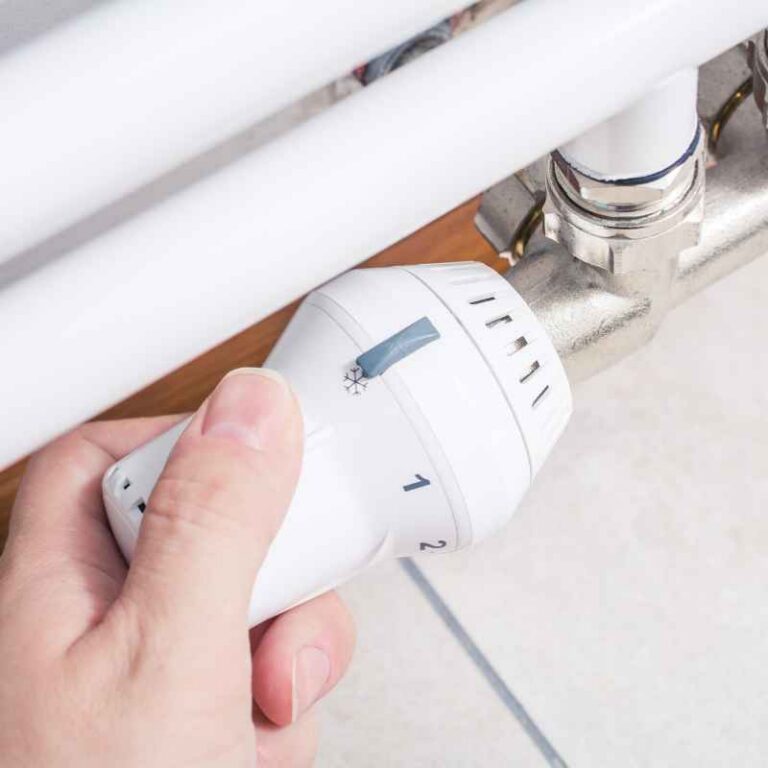
Use your thermostat wisely. Set your central heating to a lower temperature when you’re asleep or away from home. Even a few degrees can save a lot of energy over time.
Programmable or smart thermostats can do this automatically. They learn your schedule and adjust the temperature for you.
When using oil-filled radiators, think about the thermostat on the radiator itself. Most have adjustable thermostats. Set it to the desired temperature for that room.
Don’t just crank it up to high and leave it there. Let the radiator cycle on and off to maintain the temperature. This prevents overheating and saves energy.
Close doors to rooms you aren’t using. This is especially important if you’re zone heating with oil-filled radiators. It helps keep the heat contained in the area you want to warm.
If you’re using central heating, closing doors to unused rooms still helps reduce the overall heating load slightly.
Consider using ceiling fans. In winter, most ceiling fans have a reverse setting. This pushes warm air that rises back down into the room.
It can make the room feel warmer without using more energy. This is a simple trick that many people forget about.
Maintain your central heating system. Get it serviced annually. A well-maintained system runs more efficiently.
Clean or replace air filters regularly. This ensures good airflow and reduces strain on the system.
Are oil filled radiators cheaper than central heating to run?
The question of whether oil-filled radiators are cheaper than central heating to run often comes down to usage. For heating a single, occupied room or a small, unheated space, an oil-filled radiator is generally more cost-effective than running an entire central heating system. This is because it uses electricity to heat only the specific zone you need, avoiding the energy waste associated with heating an entire house.
However, if you need to heat your whole home consistently, an efficient central heating system, especially one that uses natural gas, is typically more economical and provides more even comfort.
Can oil filled radiators heat a whole house?
While it’s technically possible to heat a whole house with enough oil-filled radiators, it is generally not recommended and is usually much more expensive than using a central heating system. Oil-filled radiators are designed for zone heating – warming a single room or small area. To heat an entire house would require multiple units, leading to a very high electricity consumption and significantly higher running costs compared to a gas or efficient electric central heating setup.
You would also face potential issues with your home’s electrical circuits if too many high-wattage units are plugged in simultaneously.
How long does it take for an oil filled radiator to heat a room?
The time it takes for an oil-filled radiator to heat a room depends on several factors: the size of the room, the insulation of the room, the output wattage of the radiator, and the desired temperature. Because they don’t have fans, oil-filled radiators heat through natural convection and radiation, which is a slower process than forced-air systems. For a moderately sized room (e.g., 10×12 feet) with standard insulation, it can take anywhere from 30 minutes to over an hour to feel a noticeable difference in warmth.
They are designed to provide a steady, consistent heat once the room reaches temperature, rather than quick bursts of heat.
Are electric heaters more expensive to run than gas central heating?
In most cases, electric heaters, including oil-filled radiators, are more expensive to run per unit of heat produced than gas central heating. This is because electricity is generally more expensive than natural gas on a per-BTU basis. While electric resistance heaters like oil-filled radiators are nearly 100% efficient at converting electricity into heat, the cost of that electricity makes them pricier for whole-house heating.
Gas central heating systems might lose some energy through their exhaust, but the fuel itself is often cheaper, making it more economical for heating an entire home. However, for small, targeted heating needs (zone heating), electric heaters can be cheaper overall if they prevent you from running your more expensive central system.
What is the most energy-efficient way to heat a room?
The most energy-efficient way to heat a single room generally involves zone heating. This means heating only the space you are occupying. Oil-filled radiators are a good choice for steady, efficient zone heating because they retain heat and provide even warmth.
However, if you have a modern, high-efficiency central heating system with zoned controls, that could also be very efficient for specific areas. Another highly efficient option for some climates are ductless mini-split heat pump systems, which can provide both heating and cooling very efficiently. Ultimately, the most energy-efficient method also depends heavily on your home’s insulation and sealing, as preventing heat loss is paramount.
Should I use an oil filled radiator or my central heating in winter?
You should use an oil-filled radiator in winter for specific purposes rather than as a replacement for central heating for your entire house. They are excellent for supplementing warmth in a particular room you’re spending a lot of time in, or for heating a room that the central heating struggles to warm. If your central heating system is efficient and your home is well-insulated, it’s usually more economical to use that for whole-house comfort.
If you only need to heat one or two rooms and want to save money, turning down your central heating and using an oil-filled radiator in the occupied space can be a more cost-effective strategy.
Conclusion: Making the Smart Choice for Your Home
Deciding whether oil-filled radiators are cheaper than central heating is all about context. They excel at providing affordable, localized warmth. If you’re smart about where and how you use them, they can absolutely save you money.
Think of them as powerful allies for specific heating needs, not a complete replacement for your home’s main heating system. By understanding your home, your habits, and the costs involved, you can make the best choice to stay warm and keep your bills in check.
Sponsored / affiliate links. As an Amazon Associate I earn from qualifying purchases. I may earn additional commission from eligible campaigns.
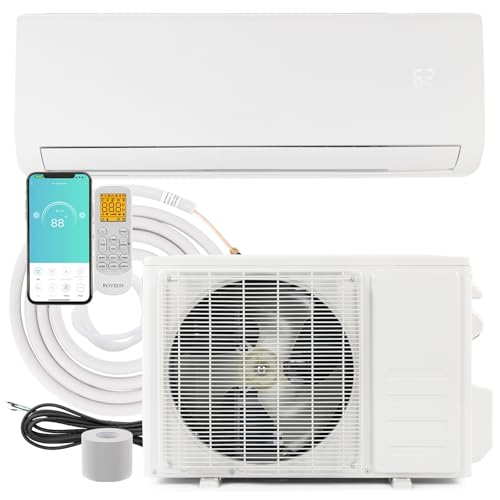 Bonnlo 18,000 BTU Ductless Mini Split AC/Heating System, 230 V / 20 SEER Split-System Wall Air Conditioner Pre-Charged Inverter Heat Pump with 16ft Installation KitBonnlo 12,000 BTU Ductless Mini Split AC/Heating System, 230 V / 21 SEER Split-System Wall Air Conditioner Pre-Charged Inverter Heat Pump with 16ft Installation Kit