Are Oil Filled Radiators Cheaper To Run Than Propane Furnace?
Oil filled radiators can be cheaper to run for zone heating or supplemental warmth. However, for whole-home heating, a propane furnace is often more cost-effective due to its higher efficiency and faster heating capabilities, especially in colder climates. Running costs depend heavily on local energy prices and insulation levels.
Understanding Your Heating Costs
Heating your home can take a big bite out of your budget. We all want to stay warm without breaking the bank. Two common ways to heat a home are with oil filled radiators and propane furnaces.
They work very differently. This means their costs can also be quite different. It’s not always a simple yes or no answer.
Many things play a part. We need to look at how each system works. We also need to think about the price of fuel.
And how well your home holds onto heat matters a lot. Let’s dig into the details.
How Oil Filled Radiators Work
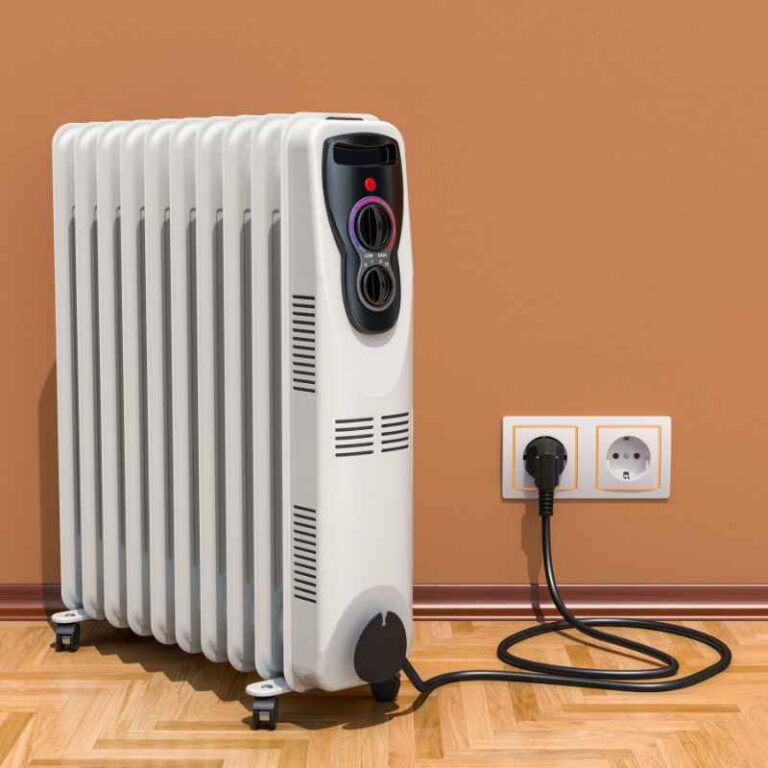
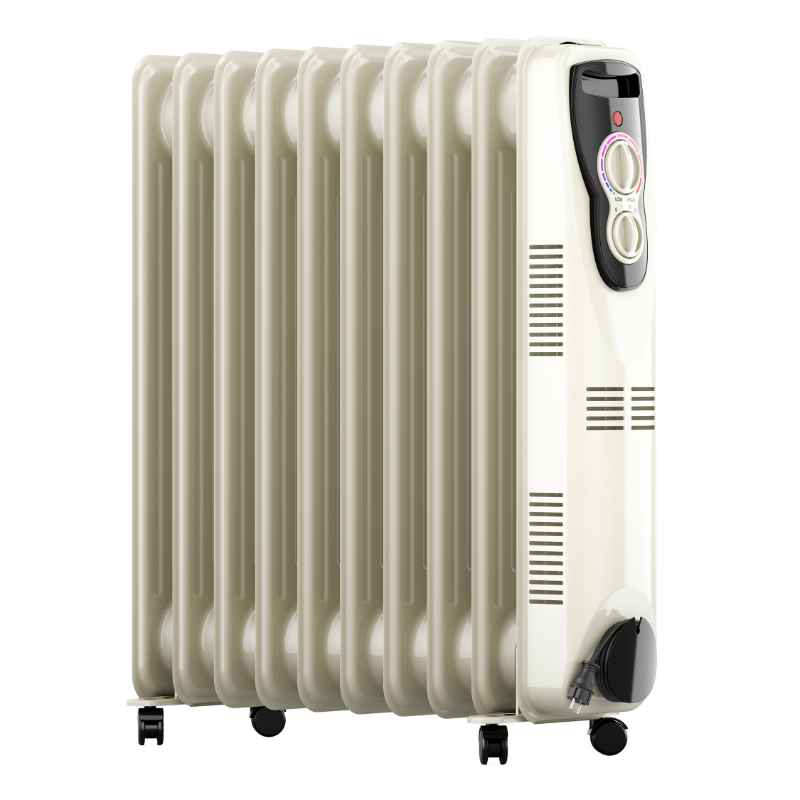
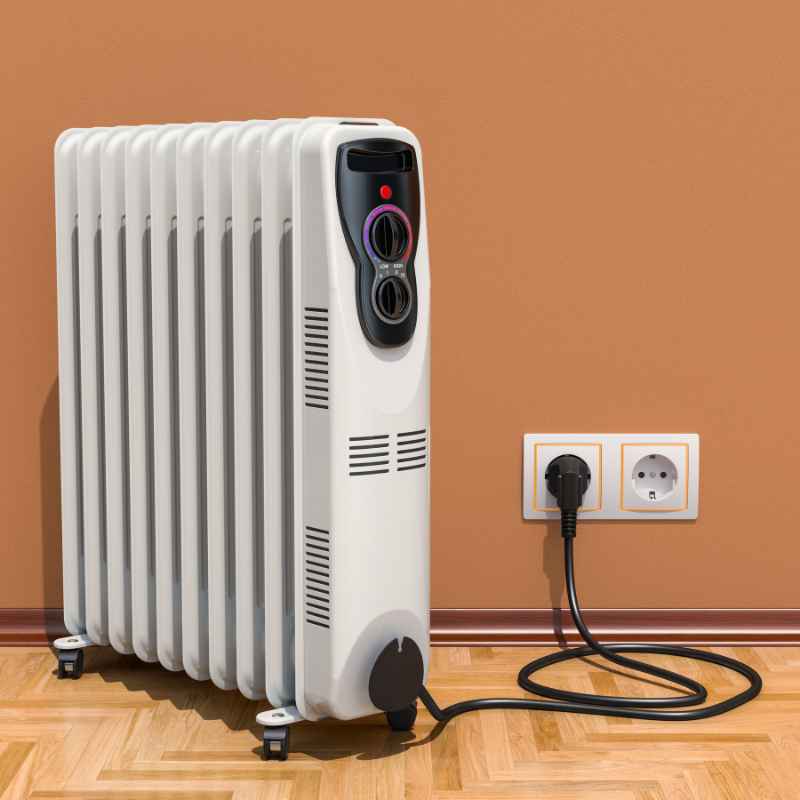
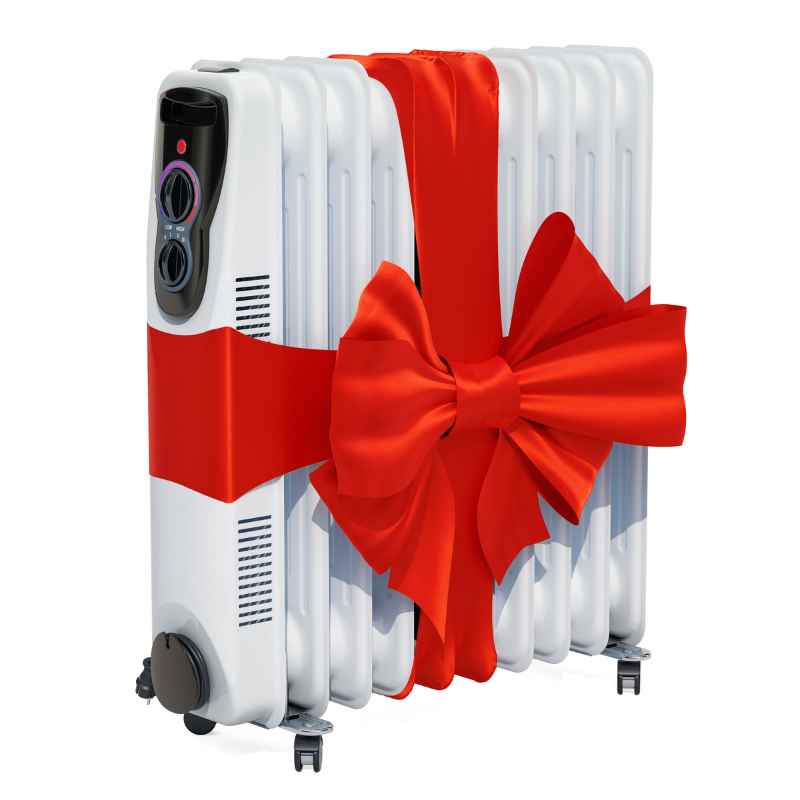
Oil filled radiators are electric heaters. They have a metal casing. Inside, there’s a special oil.
There’s also an electric heating element. When you plug it in, the element heats up. This, in turn, heats the oil.
The hot oil then warms the metal casing. This warmth is what heats the air around it. The heat spreads slowly.
It’s a gentle kind of warmth. These are often called radiant heaters. They don’t blow air around like a furnace.
They just give off steady heat. They are great for warming up a single room. Or a small area.
You might use them in a home office. Or a bedroom that’s a bit chilly. They plug into a standard wall outlet.
This makes them easy to move and use.
The key thing to remember is they use electricity. The cost of your electricity bill is a big factor here. The oil inside just holds and moves the heat.
It doesn’t get burned. It doesn’t run out. The oil is there to help the heater work smoothly.
It helps the heat stay warm for a bit longer. It gives a more even heat. It prevents the element from overheating too fast.
So, it’s a safer and more stable system. It’s a lot like the old steam radiators. But they use oil and electricity instead of steam and a boiler.
How Propane Furnaces Work
A propane furnace is a central heating system. It heats your whole house. It burns propane gas.
This creates hot air. A fan then blows this hot air through ducts. These ducts go to different rooms in your house.
It’s a powerful way to heat. Propane is a type of liquefied petroleum gas (LPG). It’s stored in a tank outside your home.
The furnace has a burner. It ignites the propane. This heat warms up a metal heat exchanger.
The fan pushes air across this hot exchanger. Then, it sends the warm air into your rooms.
Propane furnaces are very effective. They can heat a large space quickly. They are common in areas where natural gas isn’t available.
Propane tanks need to be refilled. You usually have a schedule for this. Or you watch the gauge and call for a refill.
The price of propane can change. It’s influenced by many things. These include global markets and local supply.
The furnace itself needs regular maintenance. This keeps it running well. It also helps ensure it’s heating efficiently.
Comparing Energy Costs
Here’s where we get to the money. The biggest difference is the fuel. Oil filled radiators run on electricity.
Propane furnaces run on propane. We need to compare the cost per unit of heat. This is often measured in British Thermal Units (BTUs).
Electricity prices vary a lot by region. So do propane prices. Generally, electricity can be more expensive per BTU than propane.
Especially if you are in an area with high electricity rates. But propane costs can also be high. It really depends on where you live.
Let’s think about efficiency. A modern propane furnace is very efficient. It can be 80% to 98% efficient.
This means most of the heat from the propane goes into your home. Some heat is lost through the exhaust. Electric heaters are usually 100% efficient.
All the electricity they use turns into heat. But this is where the cost comes in. Even though electric heaters are 100% efficient, electricity itself is often more costly per BTU than propane.
So, a less efficient propane furnace might still be cheaper to run than a 100% efficient electric heater.
Think about it this way. If electricity costs $0.15 per kilowatt-hour (kWh) and propane costs $2.50 per gallon. A propane furnace might give you more heat for your dollar.
Let’s say a gallon of propane has about 91,500 BTUs. And a kWh of electricity has about 3,412 BTUs. If your furnace is 90% efficient, it uses that propane well.
An electric heater uses all that electricity as heat. But the upfront cost of that electricity can be higher.
I remember a time when our electricity rates jumped. Suddenly, our portable electric heaters felt much more expensive. We had a propane tank for our grill.
I started looking into larger propane heaters. It made me realize how much local prices matter. What’s cheap in one state can be pricey in another.
It’s why you must check your local utility rates. And your local propane supplier prices. That’s the best way to know for sure.
When Oil Filled Radiators Make Sense
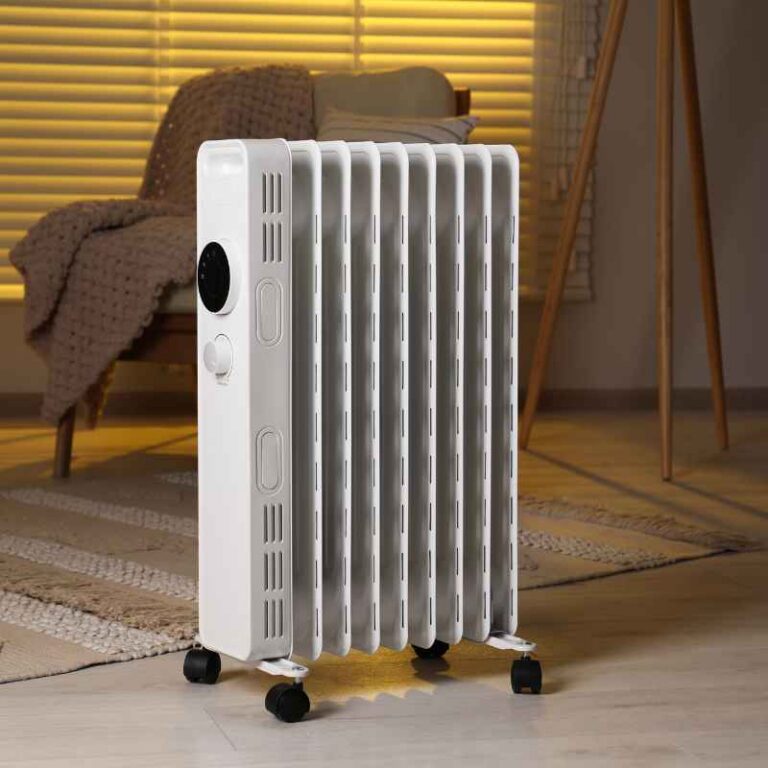
Oil filled radiators shine when you need heat in a specific spot. They are perfect for supplemental heat. Or for rooms that are hard to heat with your main system.
Imagine you work from home. Your office gets cold. You don’t want to heat the whole house.
You can just plug in an oil filled radiator. It warms your office just for you. This is called zone heating.
You are only using energy where you need it. This can be much cheaper than running your propane furnace to heat the entire house. Especially if your furnace isn’t very efficient.
Or if your home has poor insulation.
Another time they are good is for short periods. Maybe you just need a little warmth in the morning. Or in the evening.
They heat up relatively quickly. And they provide a nice, steady heat. They are also very safe.
They don’t have exposed heating elements. They stay warm for a while even after you unplug them. This is because of the oil inside.
It holds onto the heat. This means they can keep a room cozy for a bit longer. This can save you a little on electricity too.
You might not need to keep it on all the time.
I used one in my daughter’s nursery when she was a baby. It was an older house. The nursery was always a bit cooler than the rest of the house.
I didn’t want to run the main furnace all night. Or make the whole house too hot. The oil filled radiator kept her room at a comfortable temperature.
It gave me peace of mind. And it felt like it used less energy than turning up the main thermostat. It was a simple, affordable solution for that specific need.
When Propane Furnaces Make Sense
For whole-house heating, propane furnaces are often the winner. Especially in colder climates. They are designed to heat large spaces efficiently.
Their energy output is substantial. They can raise the temperature of your entire home quickly. This is important when it gets very cold outside.
An oil filled radiator might struggle to heat a large living room. Or an entire floor. A propane furnace is built for that job.
It delivers powerful, consistent heat throughout your home. This means you stay comfortable no matter the weather.
Propane furnaces are also generally more efficient for large-scale heating. Modern units have high efficiency ratings. They convert a large percentage of the fuel into usable heat.
While electric heaters are 100% efficient at the point of use, the cost of electricity can make them more expensive for widespread heating. Propane prices, while they fluctuate, can offer a better cost per BTU for heating a whole house. This is a critical point for your overall heating budget.
Think about the infrastructure. A propane furnace is part of a central system. It uses ductwork that is already in your home.
This means the heat is distributed evenly. You don’t have hot and cold spots as much. You can use a thermostat to control the temperature easily.
This allows for smart scheduling. You can set it to lower the heat when you’re away or asleep. Then, have it warm up before you wake up.
This type of control helps save energy. It makes the furnace work smarter, not harder.
We had a house where the only option was propane. The winters were brutal. Our old propane furnace did a great job.
It kept us warm even on the coldest days. I remember one winter, a huge blizzard hit. The power went out for two days.
Our furnace kept running because it had a backup battery for the fan and ignition. That was a huge relief. Having that reliable, powerful heat source was invaluable.
It showed me the strength of a central propane system.
Factors Affecting Running Costs
There are several things that influence how much you spend on heating. We’ve talked about fuel costs. But let’s look at other big players.
Key Cost Influencers
- Home Insulation: A well-insulated home keeps heat in. Less heat escapes through walls, windows, and the roof. This means your heating system doesn’t have to work as hard. It uses less fuel, saving you money.
- Thermostat Settings: Every degree you lower your thermostat saves energy. Even a degree or two can make a difference on your bill. Smart thermostats help with this by learning your habits.
- Climate Zone: If you live in a very cold region, you’ll use more heat. This means higher bills no matter the system. Warmer climates require less heating, making smaller systems or zone heating more viable.
- Home Size: A larger home needs more energy to heat. An oil filled radiator is not practical for a 3000 sq ft home. A propane furnace is designed for this scale.
- System Efficiency: As we mentioned, newer furnaces are more efficient. Older models lose more heat. Even electric heaters vary in how well they convert power to heat.
- Drafts and Air Leaks: Cold air can sneak into your home through gaps around windows and doors. This makes your heater work overtime. Sealing these leaks is important for any heating system.
Let’s talk about insulation. It’s like putting on a warm coat for your house. If your attic has good insulation, heat won’t rise and escape easily.
If your walls are insulated, the heat stays inside. Poor insulation means you’re essentially heating the outdoors. I saw this firsthand when we upgraded our attic insulation.
Our heating bills dropped noticeably. The furnace didn’t run as often. It was a significant saving.
It made our home feel much more comfortable too.
Drafts are another sneaky energy thief. I found a big draft around my old front door. I could feel the cold air coming in.
I used some weatherstripping and a door sweep. It made a huge difference. It wasn’t expensive to fix.
But it stopped a lot of cold air from getting in. This meant the furnace didn’t have to fight that constant cold. Making small fixes like this can really help.
It works for both electric and propane systems.
Comparing Efficiency Ratings
Efficiency ratings are important. For propane furnaces, you’ll see AFUE (Annual Fuel Utilization Efficiency). This is a percentage.
It shows how much fuel becomes heat. A 90% AFUE furnace means 90% of the fuel heats your home. The other 10% is lost.
For electric heaters, it’s simpler. They are generally 100% efficient at the point of use. This means all the electricity they consume becomes heat.
But this doesn’t automatically mean they are cheaper. It depends on the price of the electricity.
Let’s do a simple comparison. Imagine propane costs $2.50 per gallon and electricity costs $0.15 per kWh. A propane furnace with 90% AFUE.
Let’s say it uses 1 gallon of propane to produce 82,350 BTUs of heat (91,500 BTUs 0.90). The cost is $2.50 for that heat. An electric heater uses 1 kWh of electricity to produce 3,412 BTUs of heat.
At $0.15 per kWh, that heat costs $0.15. However, the amount* of heat matters. To get 82,350 BTUs from electricity, you’d need about 24.1 kWh (82,350 / 3,412).
At $0.15 per kWh, that’s about $3.62. So, in this example, propane is cheaper for the same amount of heat.
This is a simplified example. Real-world costs depend on many factors. But it shows why 100% efficient doesn’t always mean cheaper.
The price of the energy source is key. It’s why checking local prices is so vital for making the right choice.
Efficiency vs. Cost: What You Need to Know
Electric Heaters:
- Efficiency: 100% at point of use.
- Pros: Simple, portable, no installation needed, even heat distribution in a small space.
- Cons: Can be expensive to run for whole-house heating due to electricity costs.
Propane Furnaces:
- Efficiency: 80% – 98% AFUE (Annual Fuel Utilization Efficiency).
- Pros: Excellent for whole-house heating, powerful, quick to heat, reliable in cold climates.
- Cons: Requires installation and ductwork, fuel costs can fluctuate, needs propane tank and refills.
When to Worry About Heating Costs
If your heating bills are suddenly much higher than usual, that’s a sign to look closer. For propane furnaces, a spike in bills could mean a few things. Maybe your furnace is losing efficiency.
Or there’s a leak somewhere. It’s a good idea to have your furnace checked by a professional. They can spot problems you might miss.
They can make sure it’s running at its best. Regular maintenance is key to keeping efficiency up.
For oil filled radiators, a higher electric bill usually means you’re using them more. Or for longer periods. If you’re only using them in one room for a few hours a day, and your bill spikes, check your electricity rate.
Sometimes rates change seasonally. Or there could be a problem with the heater itself. Is it drawing more power than it should?
Is it running when it’s not supposed to? Unplug them when not in use to be sure. It’s also wise to check the wattage.
A higher wattage unit will use more electricity.
I once had a portable heater that seemed to always be on. I checked the plug and it felt warm. It turned out the internal thermostat was broken.
It was running constantly, even when the room was warm. I unplugged it immediately. Then I
Making the Right Choice for Your Home
The best system for you depends on your specific needs. If you need to heat a single room or a small area, an oil filled radiator is often cheaper to buy and run. They are great for supplemental heat.
Or for rooms you use only occasionally. They provide comfort without heating the whole house. This direct approach saves energy and money for specific tasks.
They offer a flexible solution for targeted warmth.
If you need to heat your entire home, especially in a colder climate, a propane furnace is usually the more practical and cost-effective choice. They are designed for this purpose. They offer robust heating power.
They distribute heat evenly throughout your house. Modern furnaces are quite efficient. They can provide consistent comfort all winter long.
The initial cost might be higher. But the long-term savings on heating a whole home can be significant.
Consider your local energy prices. What is electricity costing you per kWh? What is propane costing you per gallon?
These numbers are critical. They will sway the cost comparison. Also, think about your home’s insulation.
A well-insulated home will make any heating system more efficient. And cheaper to run. If your home has poor insulation, you might find even an efficient system struggles.
And costs more to operate.
I’ve found that people often think electric is always more expensive. But it’s not that simple. It really comes down to how much heat you need and what you pay for it.
If you live in a mild climate and only need heat in one room for a few hours, electricity might be fine. If you live where it snows a lot and you need to heat several rooms, propane often wins out. The goal is to match the heating method to the job it needs to do.
And to your home’s unique needs.
Quick Fixes and Tips
Regardless of your heating system, these tips can help you save money.
Energy-Saving Tips
Seal Air Leaks: Use caulk and weatherstripping. Check around windows, doors, and where pipes enter your home. This stops cold air from getting in and warm air from getting out.
Check Insulation: Make sure your attic, walls, and crawl spaces are well-insulated. Adding insulation is one of the best ways to save on heating costs.
Programmable Thermostat: Use a programmable or smart thermostat. Set it to lower temperatures when you’re asleep or away. Raise it before you need to be warm.
Regular Maintenance: Have your propane furnace serviced annually. For electric heaters, clean them according to the manufacturer’s instructions. This keeps them running efficiently.
Use Curtains and Blinds: In sunny rooms, open curtains during the day to let in free solar heat. Close them at night to keep heat in.
Dress Warmer: Simple, but effective! Wear sweaters, warm socks, and use blankets. This lets you keep the thermostat set a little lower.
These tips aren’t fancy. They don’t require big spending. But they add up.
Sealing leaks is one of the easiest wins. I often forget how much cold air can sneak in. Taking a few minutes to walk around your house and feel for drafts can save you a lot.
It’s like finding hidden money. Plus, it makes your home feel more comfortable. You don’t have those cold spots.
And don’t underestimate the power of blankets! On a chilly evening, curling up with a warm blanket on the couch is much more energy-efficient than turning up the heat for the whole house. It’s a simple habit that makes a difference.
It’s also very cozy. Combine it with a nice hot drink, and you’ve got a perfect winter evening. These small changes add up to big savings over time.
Frequently Asked Questions
Common Heating Questions
Are oil filled radiators more expensive than natural gas furnaces?
Yes, generally oil filled radiators (which use electricity) are more expensive to run for whole-house heating than natural gas furnaces. Natural gas is typically cheaper per BTU than electricity. However, for supplemental heat in one room, electric heaters can be more cost-effective than heating the whole house with a gas furnace.
How much does it cost to run an oil filled radiator per hour?
The cost depends on the radiator’s wattage and your local electricity rate. A common 1500-watt radiator would use 1.5 kWh per hour. If your electricity costs $0.15 per kWh, it would cost about $0.23 per hour to run.
Is a propane furnace more efficient than an electric furnace?
A propane furnace can be more efficient than a standard electric furnace in terms of fuel cost per BTU, especially in colder climates. However, modern electric furnaces can be very efficient, but the cost of electricity is often higher than propane.
Can I use an oil filled radiator to heat my whole house?
It is generally not cost-effective or practical to use oil filled radiators to heat an entire house, especially if it’s large or in a cold climate. They are best suited for zone heating or supplemental warmth in individual rooms.
How often does a propane tank need to be refilled?
This depends on your usage and tank size. A typical home using propane for heating might need a refill every 2-4 months during peak winter months. You should monitor your tank’s gauge and schedule refills before it gets too low.
What are the pros and cons of oil filled radiators?
Pros include portability, ease of use, quiet operation, and providing steady, comfortable heat. Cons include high running costs for whole-house heating, slower heat distribution, and reliance on electricity rates.
Final Thoughts
Deciding between heating methods comes down to your home’s needs. Think about where you need heat. Think about how much heat you need.
And always check your local energy prices. Understanding these factors helps you choose wisely. You can stay warm and keep your bills manageable.
Sponsored / affiliate links. As an Amazon Associate I earn from qualifying purchases. I may earn additional commission from eligible campaigns.