How Many Btus Does A Mainstay Oil Filled Radiator Heater Have?
Mainstay oil-filled radiators vary in BTU output based on their wattage. Higher wattage models produce more heat, measured in BTUs per hour. To find the specific BTU for a particular Mainstay model, check its wattage. A general guideline is that 1500 watts produce about 5118 BTUs. However, exact figures depend on the unit’s design. Always consult the product’s specifications for precise BTU ratings.
Understanding Mainstay Oil Filled Radiator Heater BTUs
When you look at a heater, you see numbers. One common number is wattage. This tells you how much power the heater uses.
But you want to know how much heat it puts out. That’s where BTUs come in. BTU stands for British Thermal Unit.
It’s a standard way to measure heat energy. One BTU is the amount of heat needed to raise the temperature of one pound of water by one degree Fahrenheit. Think of it as a heat power score for your heater.
A higher BTU number means more heat. This is key for keeping your space cozy.
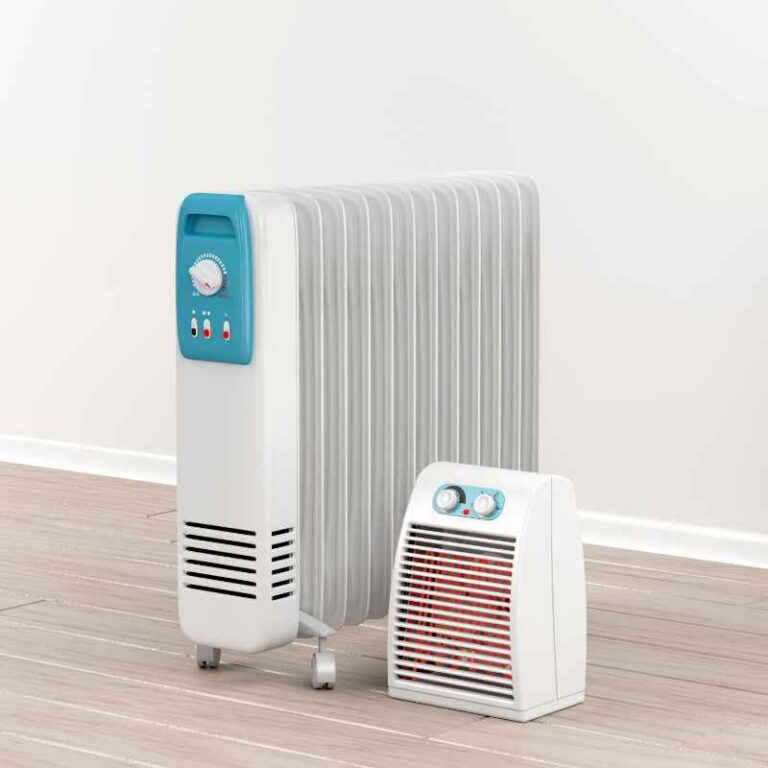
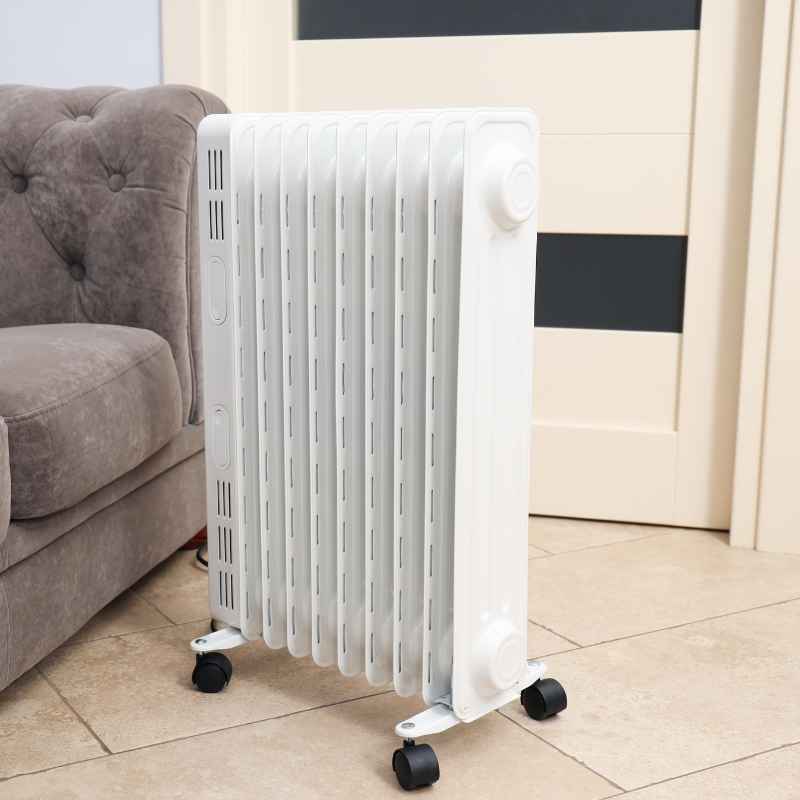
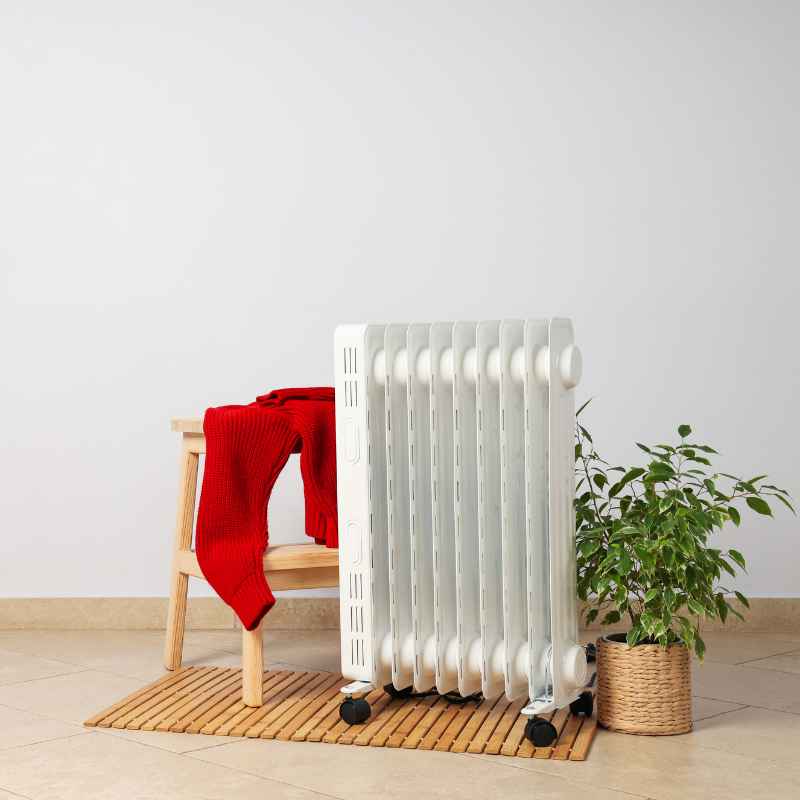
Mainstay oil-filled radiators are known for their gentle, steady heat. They work by heating oil inside the radiator. This oil then circulates and warms the metal fins.
The fins radiate heat into the room. This type of heating is often preferred because it doesn’t blow air around. This means it’s quieter and less likely to dry out the air.
It also tends to be safer, as the outer surfaces don’t get as scorching hot as some other heaters.
The challenge with many portable heaters, including Mainstay models, is that the BTU rating isn’t always printed directly on the front. Instead, it’s linked to the heater’s wattage. Wattage tells you how much electricity the heater uses.
More watts mean the heating element gets hotter and generates more heat. This increased heat output is then expressed in BTUs. So, the wattage is your clue to the BTU power.
It’s like knowing a car’s engine size to guess its speed.
For Mainstay oil-filled radiators, the most common wattage you’ll find is 1500 watts. This is a popular choice for many rooms. It’s a good balance between power and energy use.
Other models might be lower, like 700 watts, or higher. But 1500 watts is a very common size. Understanding this connection between wattage and BTUs is the first step.
It helps you translate the heater’s power consumption into actual heating capability. This makes it easier to choose the right heater for your needs.
Wattage to BTU Conversion Basics
A simple rule of thumb exists for converting wattage to BTUs. It’s not exact science for every model, but it’s a good starting point. Generally, 1000 watts are equivalent to about 3412 BTUs per hour.
So, if you have a 1500-watt Mainstay oil-filled radiator, you can do a quick calculation. Multiply 1.5 (for 1500 watts) by 3412. This gives you around 5118 BTUs.
This is the approximate heat output of a 1500-watt heater.
This conversion is very helpful. It lets you take the wattage listed on the heater or its packaging and estimate its heating power. So, when you see a Mainstay heater labeled as 1500W, you can confidently say it offers roughly 5118 BTUs.
This is a significant amount of heat. It’s enough to warm a medium-sized room effectively, especially if it’s well-insulated.
It’s important to remember this is an estimate. The actual BTU output can vary slightly. Factors like the efficiency of the heating element, the design of the radiator fins, and how well the oil transfers heat all play a role.
But for most practical purposes, using the 3412 BTUs per 1000 watts rule is perfectly fine. It gives you a solid understanding of the heater’s capabilities. You can compare it to the heating needs of your room.
My Own Brush with BTU Confusion
I remember when I first moved into my apartment. It had a small, chilly bedroom. I bought what I thought was a good space heater.
It looked nice and felt sturdy. It was a Mainstay, I think, maybe a 1500-watt one. I plugged it in, turned it on, and waited.
And waited. The room was still pretty cold. I felt so frustrated.
I had spent money on something that wasn’t doing its job. I thought maybe I had bought the wrong kind of heater.
I started looking at the box again. It mentioned wattage, but not BTUs. I didn’t know much about BTUs back then.
I just knew the room wasn’t warm. I remember feeling that familiar pang of annoyance. Why wasn’t this information clearer?
It felt like a secret code only heater experts knew. I almost returned it. But then I decided to do some digging online.
I wanted to understand how to actually measure heater power.
That’s when I learned about BTUs. I discovered that my 1500-watt heater was putting out about 5000 BTUs. I also learned that my bedroom was larger than I thought, and probably needed closer to 7000 or 8000 BTUs, especially on a cold day.
It was a real learning moment. It showed me how important it is to understand the specs, not just the brand name. This is why I always try to explain BTUs clearly now.
How Many BTUs Does a Mainstay Oil Filled Radiator Heater Typically Have?
Most Mainstay oil-filled radiators you’ll find for sale are designed for standard room heating. The most common wattage for these units is 1500 watts. This is a widely used standard for portable electric heaters in the U.S.
It’s a good balance of power and energy consumption for many household needs.
Using the conversion we discussed (1000 watts = 3412 BTUs), a 1500-watt Mainstay oil-filled radiator will typically produce around 5118 BTUs per hour. This is a significant amount of heat. It’s often enough to warm a medium-sized room, such as a bedroom, office, or small living area.
This is where most of these radiators shine.
You might also find some smaller Mainstay models. These could be around 700 watts. These would produce roughly half the heat, about 2388 BTUs per hour.
These are better suited for very small spaces, like a bathroom or a small office cubicle. Or perhaps to take the chill off a slightly larger room. They offer supplemental heat rather than primary heating for a large area.
Occasionally, you might see a Mainstay heater that is rated higher, perhaps 2000 watts. However, this is less common for oil-filled radiators as they tend to be designed for steady, continuous heat rather than quick bursts of intense warmth. A 2000-watt unit would produce about 6824 BTUs per hour, making it suitable for larger rooms or colder climates.
So, when you see a Mainstay oil-filled radiator, the first thing to check is its wattage. If it says 1500W, you can confidently assume it’s around the 5118 BTU mark. This is the most frequent answer to how many BTUs a Mainstay oil-filled radiator has.
It’s the sweet spot for most home users looking for efficient, safe, and quiet warmth.
Common Mainstay Wattage and Estimated BTU Output
- 700 Watts: Approximately 2388 BTUs
- 1000 Watts: Approximately 3412 BTUs
- 1500 Watts: Approximately 5118 BTUs
- 2000 Watts: Approximately 6824 BTUs
Why BTUs Matter for Your Room
Knowing the BTU output of your Mainstay heater is not just about numbers. It’s about comfort and efficiency. If you have a heater with too few BTUs for your room, it will struggle.
It will run constantly. It might never quite get the room to a comfortable temperature. This wastes energy.
It also means you’re not warm when you want to be.
On the other hand, if you have a heater with too many BTUs, it can also be a problem. The heater might turn on and off very quickly. This is called “short cycling.” It’s not efficient.
It can also lead to uneven heating. The room might get too hot very fast, then cool down, then get hot again. This can be annoying and less comfortable than steady warmth.
The goal is to match the heater’s BTU output to the size and heating needs of your room. This ensures you get the right amount of warmth. It makes the heater run efficiently.
It also helps maintain a steady, comfortable temperature. You want the heater to work smart, not just hard. Proper BTU matching means less wasted electricity.
It means a cozier home without constant temperature swings. It’s about getting the most comfort for your energy dollar.
Quick BTU Calculation for Your Room
For a standard room: You generally need about 20 BTUs per square foot.
Example: If your room is 10 feet by 12 feet, its area is 120 square feet.
Calculation: 120 sq ft * 20 BTUs/sq ft = 2400 BTUs.
Considerations:
- Insulation: Poorly insulated rooms need more BTUs.
- Ceiling Height: High ceilings mean more air to heat.
- Windows/Doors: Many windows or drafty doors increase heat loss.
- Climate: Colder regions need higher BTU ratings.
- Room Use: Bathrooms might need more heat than a seldom-used den.
So, if you calculated you need around 2400 BTUs for a small room, a 700-watt Mainstay (about 2388 BTUs) would be a good fit. If your room is larger, say 15 feet by 15 feet (225 sq ft), you’d need about 4500 BTUs. In this case, a 1500-watt Mainstay (around 5118 BTUs) would be a much better choice.
It provides a little extra heat for those colder days.
This simple calculation helps you avoid guesswork. It guides you toward the right size heater. It ensures you get the most benefit from your Mainstay oil-filled radiator.
It’s about making sure your investment in warmth pays off in comfort and efficiency. Don’t just buy the biggest heater you can find. Understand your room’s needs first.
Real-World Scenarios for Mainstay Heaters
Let’s look at some common places where a Mainstay oil-filled radiator might be used. This helps put the BTU figures into perspective. Imagine a typical home in Ohio during winter.
The central heating might be on, but one room feels a bit cooler. Perhaps it’s an office space in a finished basement. These spaces can sometimes be harder to keep warm.
In this scenario, a 1500-watt Mainstay oil-filled radiator, offering about 5118 BTUs, is often perfect. It can be placed in the office and set to maintain a comfortable temperature. It won’t overheat the space.
It will provide steady, quiet warmth. This is ideal for working or relaxing without distraction. The oil-filled design means no fan noise, which is a big plus for concentration.
Another scenario: a college student’s dorm room. Dorms can be notoriously difficult to control temperature-wise. The student might have a 10×12 foot room.
This is about 120 sq ft. Using our guideline, that room needs around 2400 BTUs. A 700-watt Mainstay heater (approx.
2388 BTUs) would be a great fit here. It’s compact, safe, and effective for that size. It offers supplemental heat without using too much power.
Many dorms have limits on power usage, so a 700W or 1000W heater is often the best choice.
Consider an older home with less efficient insulation. A drafty living room might need more heating power. If the room is 15×20 feet (300 sq ft), it would need about 6000 BTUs.
A 1500-watt heater might be sufficient, but it will likely run for longer periods. For such a room, you might consider using two smaller heaters or one larger one if available. However, most Mainstay oil-filled units top out at 1500W for common models.
In this case, a 1500W unit would provide supplemental heat, taking the edge off the chill, rather than being the sole heat source.
The design of Mainstay oil-filled radiators is also important. They are built to heat a space gradually and evenly. They don’t blast hot air.
This makes them great for preventing those cold spots that can happen with forced-air systems. They provide a gentle, radiant warmth that feels very natural. This is why people often prefer them for bedrooms or sitting rooms where comfort is key.
When to Choose a Higher BTU Heater
You should look for a higher BTU rating if:
- The room is large: More square footage means more heat is needed.
- The room is drafty: Poor seals on windows and doors lose heat quickly.
- The room has high ceilings: You have a larger volume of air to heat.
- The room is poorly insulated: Walls and attic might not retain heat well.
- It’s very cold outside: Extreme weather increases heating demands.
- The room is in a basement or attic: These areas often lose more heat.
Conversely, if you have a very small, well-insulated room, you might only need a lower BTU output. Using a heater that’s too powerful can lead to unnecessary energy use. It can also make the room uncomfortably hot.
It’s a balance. The key is to understand your specific room’s needs and how the heater’s BTU output meets them. This thought process ensures you get the best performance and comfort.
What This Means for Your Mainstay Radiator Choice
So, how many BTUs does a Mainstay oil-filled radiator have? For the most common models, you can expect around 5118 BTUs. This comes from a 1500-watt unit.
If you see a smaller Mainstay, like a 700-watt version, it’s closer to 2388 BTUs. These figures are your guideposts.
When you’re choosing a Mainstay oil-filled radiator, or any portable heater, remember this: check the wattage first. Then, use the 3412 BTUs per 1000 watts rule to estimate its BTU output. This number should then be compared to your room’s heating needs.
Use the 20 BTUs per square foot guideline as a starting point.
Don’t be afraid to round up slightly if your room has challenging features. A slightly more powerful heater that cycles less can be more efficient and comfortable than a struggling, underpowered one. But avoid going too high, as that can also lead to inefficiency and discomfort.
The beauty of Mainstay oil-filled radiators is their consistency. Once they heat up, they provide a steady, even warmth. This makes them excellent for maintaining a target temperature.
They are a reliable choice for adding comfort to specific areas of your home. Knowing their BTU output helps you place them effectively. It ensures you get the cozy environment you’re looking for without a second thought.
Checking Your Mainstay Heater’s Specs
Where to find information:
- Product Box: Most wattage information is clearly printed.
- User Manual: The manual will detail specifications, including wattage.
- Product Label: Look for a sticker on the back or bottom of the heater itself.
- Online Retailer Page: If you bought online, the product description usually lists wattage.
If you only see wattage: Use the 1000W = 3412 BTU conversion. For a 1500W heater, it’s roughly 5118 BTU.
This knowledge empowers you. It helps you make informed decisions. You’re not just buying a heater; you’re buying a specific amount of warmth.
Understanding the BTU rating ensures that warmth is the right amount for your needs. It’s about smart shopping and smart heating. You get comfort that’s just right, every time.
Quick Tips for Using Your Oil-Filled Radiator
Here are some simple ways to get the most out of your Mainstay oil-filled radiator:
- Placement is key: Put the heater near the area you want to warm most. Don’t block the vents.
- Keep doors and windows closed: This prevents heat from escaping.
- Use it for a specific room: Oil-filled radiators are best for heating one space at a time.
- Allow time to heat up: They work by heating oil, so it takes a little while to feel the full warmth.
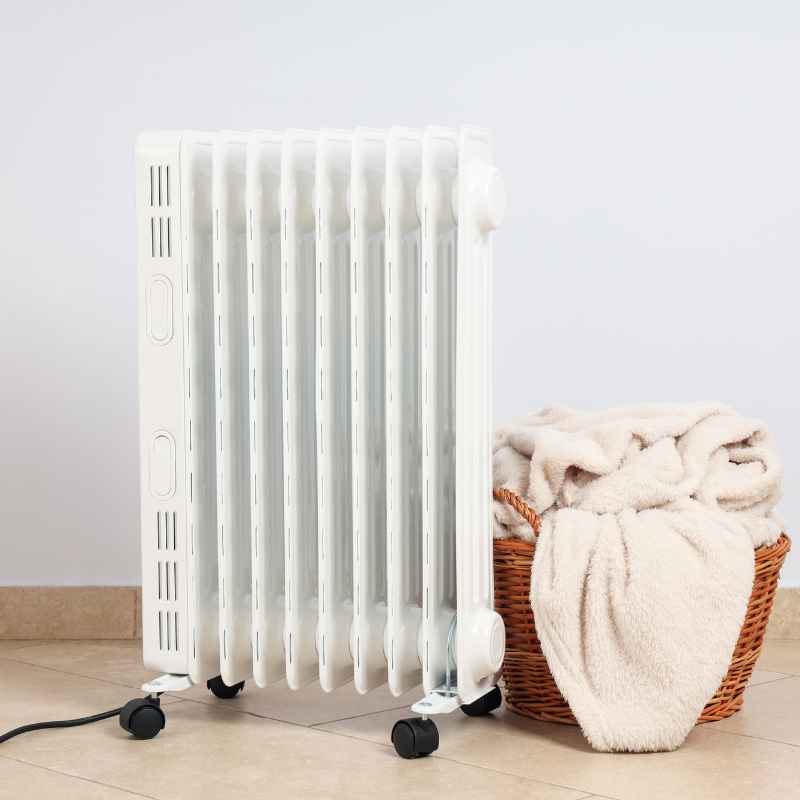
- Don’t cover it: Never put clothes or blankets on the heater. This is a fire hazard.
-
Clean it regularly: Dust can build up and reduce efficiency.
Wipe it down with a dry cloth.
- Use the thermostat: Set it to your desired temperature. The heater will cycle on and off to maintain it.
These tips help ensure your Mainstay oil-filled radiator works safely and efficiently. They also help you get the best possible comfort from it. Remember, consistent warmth is its specialty.
Frequently Asked Questions About Mainstay Heater BTUs
How do I find the exact BTU for my specific Mainstay model?
The most reliable way is to check the product’s user manual or the label on the heater itself. It should list the wattage. You can then use the conversion: 1000 watts equals approximately 3412 BTUs.
So, a 1500-watt heater is about 5118 BTUs.
Is 5118 BTUs enough to heat a large living room?
For a large living room (e.g., 20×20 feet or more), 5118 BTUs might only provide supplemental heat. You would likely need a larger heater or multiple heaters to fully warm such a space. Always calculate your room’s square footage and multiply by 20 BTUs per square foot for a better estimate.
Can I use a 1500-watt heater in a small bedroom?
Yes, a 1500-watt heater (around 5118 BTUs) is often suitable for a medium to large bedroom (12×15 feet or more). For a very small bedroom (e.g., 8×10 feet), it might be too powerful and could overheat the room. A smaller wattage heater (like 700W or 1000W) might be a better fit for tiny spaces.
Do oil-filled radiators heat up quickly?
Oil-filled radiators heat up more slowly than fan-forced heaters. They need time for the internal oil to reach optimal temperature. Once hot, they provide steady, long-lasting warmth and continue to radiate heat even after being turned off.
They are designed for sustained heating, not instant heat bursts.
Are Mainstay oil-filled radiators energy efficient?
When used correctly for their intended purpose, they can be efficient. They are good at maintaining a consistent temperature without constant cycling. Their efficiency depends on proper sizing for the room and insulation levels.
They use the amount of electricity indicated by their wattage to produce heat, and the BTU conversion shows the heat output for that energy use.
What does it mean if my Mainstay heater has multiple heat settings?
Multiple heat settings usually mean the heater can operate at different wattages. For example, a 1500-watt heater might have settings for 750 watts and 1500 watts. This allows you to adjust the heat output and energy consumption based on your needs.
The lower setting will produce fewer BTUs.
Conclusion: Sizing Up Your Mainstay Heater’s Warmth
Understanding the BTU output of your Mainstay oil-filled radiator is crucial. It ensures you get the right amount of heat for your space. Most common Mainstay models offer around 5118 BTUs, stemming from their 1500-watt power draw.
By checking the wattage and using the BTU conversion, you can make smart choices. Match the heater’s power to your room’s needs. This leads to greater comfort and better energy use.
Sponsored / affiliate links. As an Amazon Associate I earn from qualifying purchases. I may earn additional commission from eligible campaigns.