What Happens If An Oil Filled Radiator Heater Tips Over?
We’re going to break it all down. You want to know the facts, what could go wrong, and most importantly, how to keep yourself and your home safe. Let’s get that worry out of the way so you can just enjoy the warmth.
Understanding what happens if an oil-filled radiator heater tips over involves knowing its safety features, the potential risks like oil leaks or electrical hazards, and the simple steps to take to ensure safety and prevent accidents. Most modern units have built-in safety mechanisms.
Understanding the Oil-Filled Radiator Heater
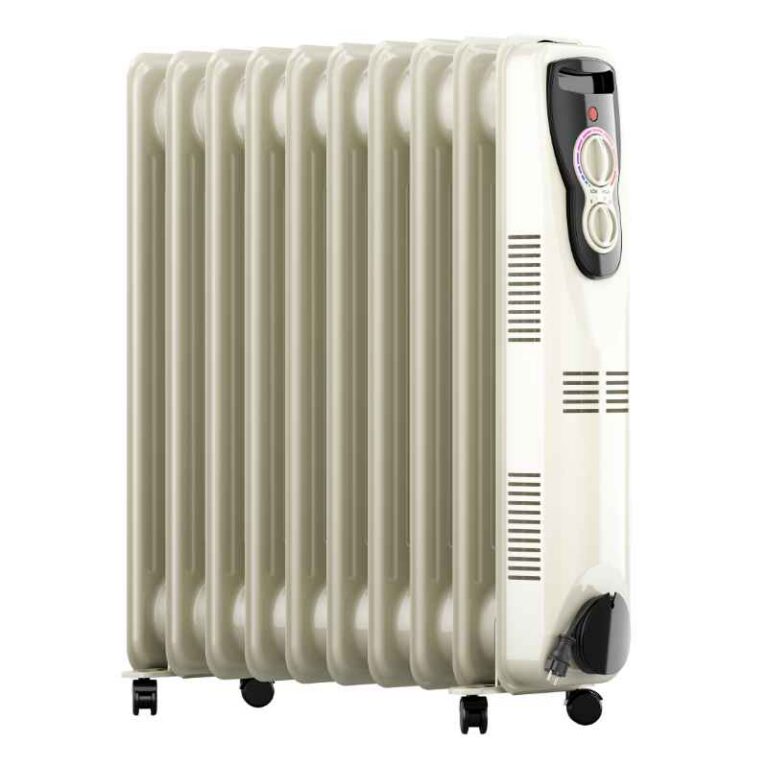
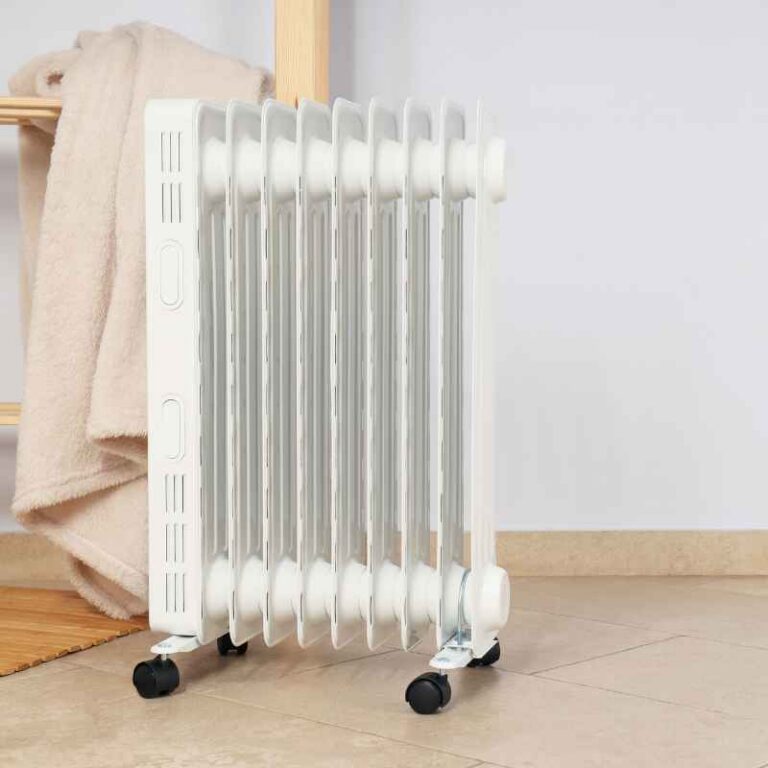
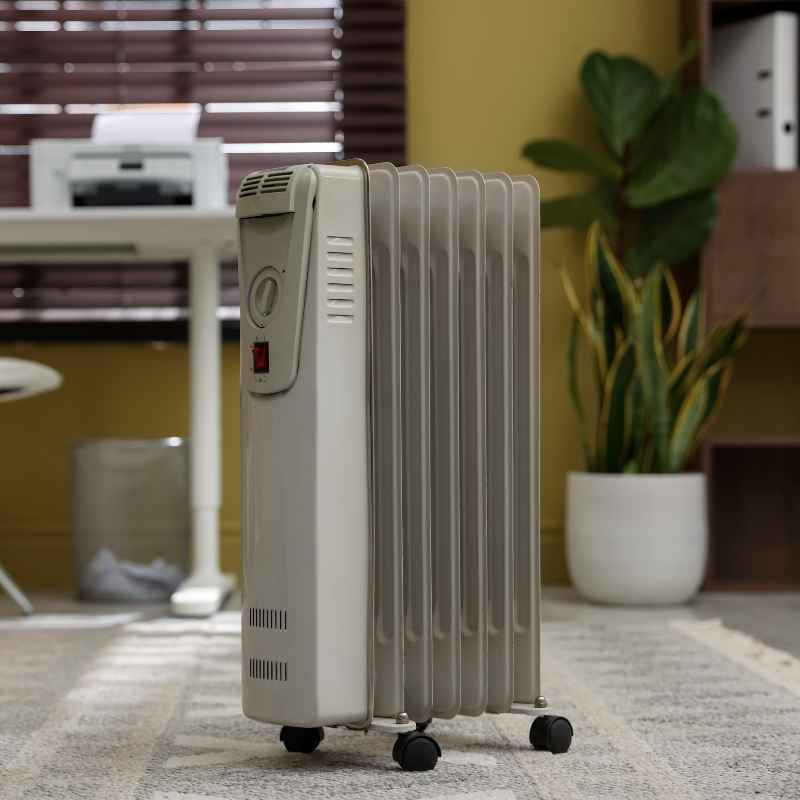
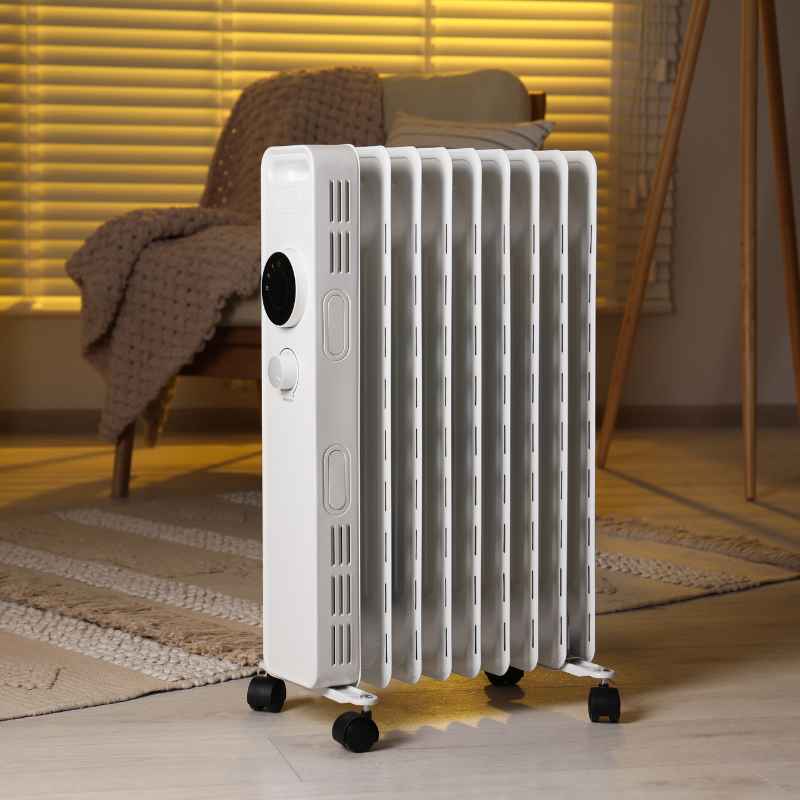
So, what exactly makes an oil-filled radiator heater tick? These heaters are quite clever. They use a special thermal oil sealed inside.
When you plug it in, electricity heats up a metal element. This element then warms the oil. The oil doesn’t burn or evaporate.
It just gets hot and stays hot for a long time.
The hot oil then heats the metal fins of the radiator. These fins give off heat to the air around them. This is called convection heat.
It’s a gentle, steady warmth. It’s not like a fan heater that blows hot air around. This means the heat feels more natural and less drying.
The oil acts like a storage system for heat. It keeps releasing warmth even after you turn the heater off.
These heaters are often favored for bedrooms or offices. They are quiet. They don’t have fans that can make noise.
They also don’t dry out the air as much as other types. The sealed nature of the oil is key to how they work. It’s designed to be contained and stable.
The Moment It Tips: What Happens?
Let’s talk about that tipping moment. It’s scary to think about, but most modern oil-filled radiators have safety features built right in. The biggest concern people have is about the oil.
Will it spill everywhere? Will it catch fire?
The oil inside is usually a type of mineral oil. It’s not flammable like gasoline. It’s designed to be safe within the heater.
When a heater tips over, the first thing to check for is the oil. If the unit is well-sealed, you might not see any oil leak at all. Many units are built with robust seals to prevent this.
However, if the heater is old or damaged, there’s a small chance a leak could happen. If you do see oil, don’t panic. It’s not a fire hazard in itself.
The main issue then becomes a mess and a potential slip risk. Also, if the oil leaks out, the heater won’t be able to heat up properly anymore. It might even damage the heating element.
Built-In Safety: The Tilt Switch
This is a big one. Most oil-filled radiators sold today have a safety feature called a tilt switch. You might not even know it’s there.
It’s a small device inside the heater. Its job is to detect if the heater is no longer standing upright. Think of it like a little balance sensor.
If the heater tilts too far, or tips over completely, this switch will trigger. When it triggers, it automatically cuts off the power to the heating element. This is super important.
It stops the heater from overheating or causing any other problems while it’s not in its proper position. So, if your heater tips, you’ll likely hear a click, and it will just shut off. This prevents electrical shorts or the oil getting too hot in an unsafe way.
This tilt switch is a game-changer for safety. It means that even if the unthinkable happens, the heater is designed to protect itself and your home. It’s one of the main reasons why these heaters are generally considered safe for home use, even with the risk of tipping.
Understanding Your Heater’s Safety Features
Auto Shut-Off: Many heaters have this. If the unit gets too hot, it will turn itself off. This is a general overheat protection.
Tip-Over Protection: As mentioned, this is key. It shuts off power if the heater is tilted or knocked over. Always look for this feature when buying.
Overheat Protection Sensor: This sensor monitors the internal temperature. If it goes beyond a safe limit, it cuts power.
Durable Casing: Good quality heaters have tough outer shells. This helps contain everything if there’s a minor incident.
What If Oil Does Leak?
Even with safety features, accidents can happen. If your oil-filled radiator heater tips over and you notice an oil leak, here’s what you should do. First, don’t touch anything if you’re unsure.
The heater might still be hot.
The best first step is to ensure the power is off. If the tilt switch worked, it should already be off. But it’s always good to unplug it.
Just pull the plug from the wall socket. Safety first, always.
Once it’s cool and unplugged, assess the leak. If it’s a small drip, it might not be a big deal. You can try to clean it up.
Use paper towels or absorbent cloths. Place them under the leak. Put down some old newspapers too, just in case it spreads.
The oil itself isn’t toxic in the way many people imagine. It’s usually inert mineral oil. However, it can make surfaces very slippery.
This is a slip hazard, especially on hard floors. Clean the area thoroughly. You might need a degreaser or strong soap.
Rinse well and dry the floor completely.
If the leak is significant, or if you’re uncomfortable dealing with it, it’s probably time to say goodbye to that heater. A large leak means the internal seals are compromised. The heater might not be safe to use anymore, even if repaired.
It’s better to be safe than sorry and get a new one.
Electrical Risks to Consider
When an appliance like a heater tips over, there’s always a concern about electricity. The main worry is water mixing with electricity. But in this case, it’s oil and electricity.
The tilt switch is designed to prevent electrical issues. It cuts the power before any real danger can occur from the tipping itself. However, if the heater is damaged in the fall, or if the oil leaks onto electrical components, things could get tricky.
If you see oil around the power cord or the plug, be very cautious. Do not touch the plug or the socket. If the casing of the heater is cracked and you can see wires, do not attempt to use it.
It’s a sign of damage that could lead to electrical shock.
Also, consider the surface the heater tips onto. If it’s a rug or carpet, there’s a small risk of the heating element (if it was still hot) scorching the material. This is less likely with modern heaters that cool down quickly or have their own safety cut-offs.
The safest approach is always to unplug the heater immediately after it tips over, assuming the tilt switch hasn’t already done its job. Let it cool completely before you inspect it. If there’s any sign of electrical damage, do not use it.
Call a qualified electrician or dispose of the unit properly.
Quick Check After a Tip-Over
Did it shut off? Check if the power light is off.
Any leaks? Look carefully for oil escaping the unit.
Casing damage? Inspect for cracks or broken parts.
Plug and cord? Ensure they are dry and intact.
Smell anything? Burning smells are a bad sign.
My Own Scare With a Heater
I remember one winter a few years back. It was freezing outside, and I had my trusty oil-filled radiator heater humming away in my home office. I was working late, really focused on a project.
My cat, a fluffy menace named Whiskers, decided that the warm spot near the heater was the perfect place for a sudden, energetic zoomie session. You know the drill – dash, leap, slide.
In a blur of fur, Whiskers did a spectacular skid right into the side of the heater. It wobbled precariously, then, with a soft thud, it went over. My heart leaped into my throat.
My first thought wasn’t even the mess, but the potential danger. Was it going to spew hot oil? Was there a fire risk?
I froze for a second, picturing a worst-case scenario.
Then I saw it. The little red power light on the heater had gone dark. There was no hissing, no smell of burning plastic, and thankfully, no oil slick spreading across my nice hardwood floor.
It had just… stopped. I cautiously approached it. It was lying on its side, but everything seemed intact.
I could feel it was still warm, but not alarmingly so. I quickly unplugged it just to be absolutely sure, and then, with a bit of relief, I righted it. It was perfectly fine.
That incident taught me a lot about how reliable those safety features really are. It was a good reminder that even with pets or kids around, these heaters are designed with safety in mind.
Real-World Context: Where This Happens
Oil-filled radiators are popular for good reason. They provide consistent heat in many different settings. Think about a drafty old house where central heating just can’t keep up.
These heaters offer targeted warmth. They are great for rooms that are used less often but still need to be comfortable.
In colder climates, like here in the Northeast during winter, they become a lifeline for chilly basements or spare bedrooms. Many people use them in home offices to keep a comfortable workspace without heating the whole house. For seniors or those who feel the cold more, they offer a gentle, non-drying heat that’s easy to tolerate.
The “tipping over” scenario isn’t usually dramatic. It’s often a pet bumping into it, a child playing too close, or someone accidentally nudging it while carrying something. It’s a common household occurrence.
That’s why the safety features are so vital. They anticipate these everyday bumps and knocks.
The design of these heaters, with their wide base and wheels, makes them prone to movement. This mobility is a feature, allowing you to move them from room to room. But it also means they can be nudged more easily than a stationary appliance.
The internal oil reservoir is sealed very tightly. This is crucial for preventing leaks and maintaining efficiency. The metal casing also helps protect the internal components from minor impacts.
What This Means for You: When to Worry (and When Not To)
The most important thing to remember is that most of the time, if your oil-filled radiator heater tips over, it will simply shut itself off. This is normal behavior. The tilt switch is doing its job.
You’ll probably notice the heat stops, and the power light goes out. No need to panic.
You should worry if you notice any of these things after it tips:
- A significant oil leak: If oil is gushing out, the heater is likely damaged beyond repair.
- Damage to the casing: If the metal is bent badly, or plastic parts are broken, it could expose wires.
- Burning smells: Any smell of burning plastic or electrical components is a serious warning sign.
- Sparks or smoke: This is an immediate danger. Unplug it if you can safely, and get it out of your home.
- The heater doesn’t shut off: If it keeps running after tipping over, the tilt switch is faulty. Do not use it.
If none of these serious issues occur, and the heater just shuts off and seems intact, you can usually reset it. Once it’s completely cool, stand it upright. Wait a few minutes, then plug it back in.
If it starts heating normally, it’s likely fine. Test it for a while to ensure it’s working correctly.
It’s also wise to check the condition of your heater regularly. Look for any signs of wear and tear, especially around the cord and plug. Make sure the wheels are secure and the unit stands evenly when upright.
These small checks can prevent bigger problems down the line.
Quick Safety Checks After Tipping
Checklist:
- Power light off?
- No oil spill?
- No cracks in the body?
- No strange smells?
If YES to all: Let it cool, stand it up, unplug it first, then plug it back in. Test it.
If NO to any: Unplug it. Do not use. Consider replacement.
Quick Fixes & Tips for Safety
While “fixing” a tipped-over heater isn’t usually the goal (replacement is often best if damaged), there are tips to prevent tipping and manage situations safely.
- Placement is Key: Always place your oil-filled radiator heater on a flat, stable surface. Avoid placing it near high-traffic areas where it can be easily bumped. Keep it away from curtains or furniture that could easily catch fire.
- Pet and Child Safety: If you have pets or small children, consider using a heater guard or placing the heater in a corner where they can’t easily reach it or knock it over. Some models might even come with wall-mounting kits, though this is less common.
- Inspect Regularly: Before each heating season, and periodically throughout, inspect your heater. Check the power cord for frays or damage. Make sure the wheels are securely attached and spin freely. Ensure the casing is not dented or cracked.
- Understand Your Model: Read your heater’s manual. It will explain its specific safety features, like the tilt switch, and what to do in case of an incident. Every model can be slightly different.
- When in Doubt, Replace: If your heater tips over and you suspect any damage – be it oil leaks, cracks, or unusual smells – it’s always safest to replace it. The cost of a new heater is far less than the potential risk of fire or injury.
- Proper Disposal: If you need to dispose of an old or damaged heater, check with your local waste management or recycling center. They can advise on the proper way to dispose of oil-filled appliances to protect the environment.
Heater Placement Guide
Ideal Spots:
- Center of the room: If stable and safe from traffic.
- Corner of the room: Away from main pathways.
- Near a wall outlet: To avoid long, tripping cords.
Spots to Avoid:
- Near curtains or drapes: Fire hazard.
- On thick rugs: Can shift, or retain heat.
- In bathrooms or wet areas: Electrical danger.
- Near flammable materials: Paints, paper, etc.
Frequent Questions About Tipped Heaters
What is the main safety feature of an oil-filled radiator heater when it tips over?
The main safety feature is a built-in tilt switch. This switch detects if the heater is no longer upright and automatically cuts off the power to the heating element. This prevents electrical hazards and overheating.
Can the oil from an oil-filled radiator heater catch fire if it tips over?
No, the oil used in these heaters is typically a special thermal mineral oil that is not flammable. It is designed to be safely contained. It poses a slip hazard if leaked, but not a fire hazard.
What should I do immediately if my oil-filled radiator heater tips over?
First, check if the heater has automatically shut off (the power light should be off). If it has, and there are no visible signs of damage or leaks, you can wait for it to cool down completely. Then, unplug it, stand it upright, and inspect it carefully before plugging it back in.
Is it safe to use an oil-filled radiator heater if it has tipped over and leaked a small amount of oil?
If the oil leak is minor and the heater appears otherwise undamaged, and the tilt switch functioned correctly, it may be safe to use after thorough cleaning and drying. However, if the leak is significant or you see any damage, it is best to replace the unit.
How can I tell if my oil-filled radiator heater is damaged after tipping over?
Look for cracks in the casing, bent metal parts, frayed power cords, or any signs of oil seeping from places it shouldn’t be. A burning smell or sparks when you try to turn it on are also clear signs of damage.
Are all oil-filled radiators made with tip-over protection?
Most modern oil-filled radiators sold in the U.S. and other developed countries are required to have tip-over protection. However, it’s always wise to check the product description or manual to confirm this feature before purchasing or when you first use the appliance.
What kind of oil is inside an oil-filled radiator heater?
They typically contain a non-flammable, inert thermal fluid, often a specialized mineral oil. This oil is sealed inside and is designed to transfer heat efficiently without degrading or evaporating.
Final Thoughts on Heater Safety
It’s completely normal to have questions about appliance safety. When it comes to heating your home, especially with portable units, you want to be sure. The good news is that manufacturers have put a lot of thought into making oil-filled radiators safe.
The tilt switch is a fantastic safety innovation. It means that everyday accidents don’t have to turn into dangerous situations. By understanding how your heater works and what to look for, you can feel more confident.
Always prioritize safety, and when in doubt, it’s always better to replace a questionable appliance.
Sponsored / affiliate links. As an Amazon Associate I earn from qualifying purchases. I may earn additional commission from eligible campaigns.