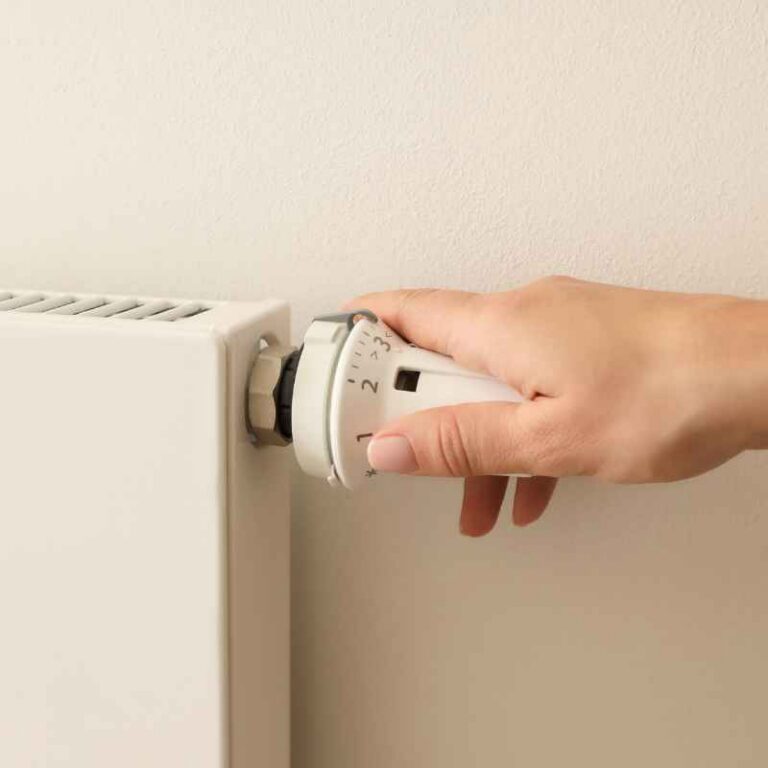
What Happens When You Tip Over An Oil Filled Radiator?
When an oil-filled radiator tips over, the main concerns are potential oil leakage, electrical safety if it’s still plugged in, and the risk of burns from the hot oil or casing. It’s crucial to unplug it immediately and assess for damage before attempting to right it.
Understanding Oil Filled Radiators
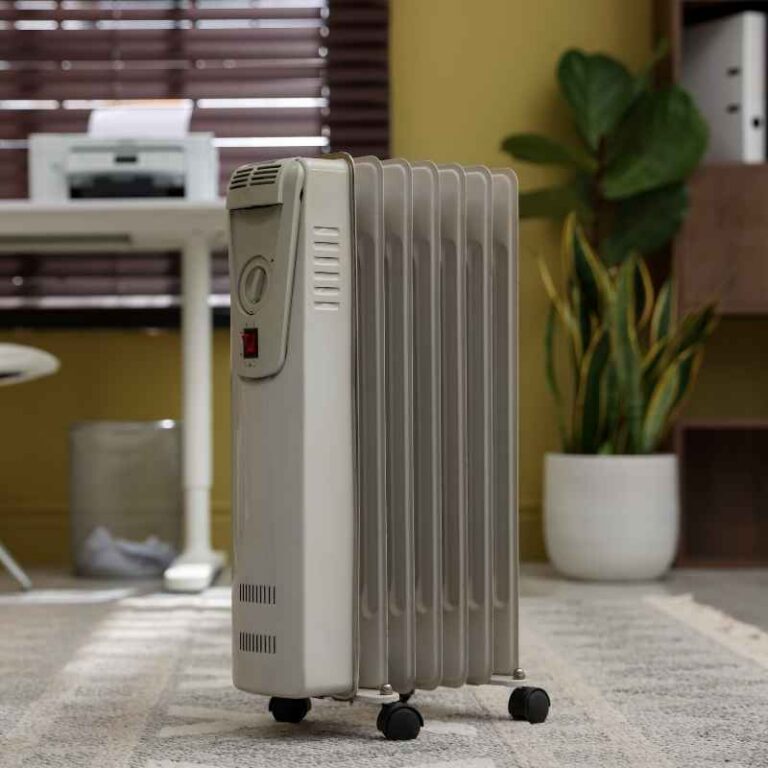
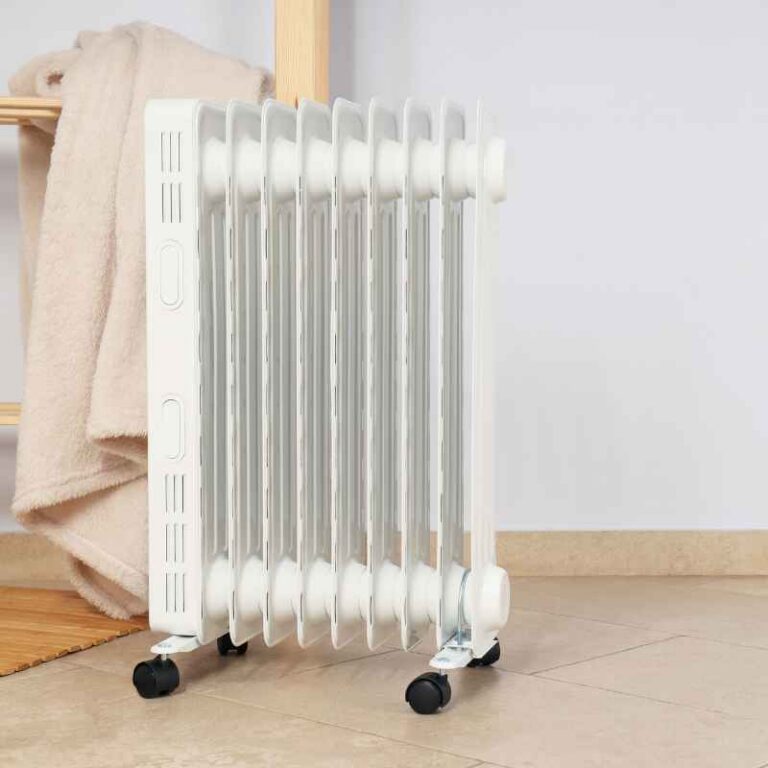
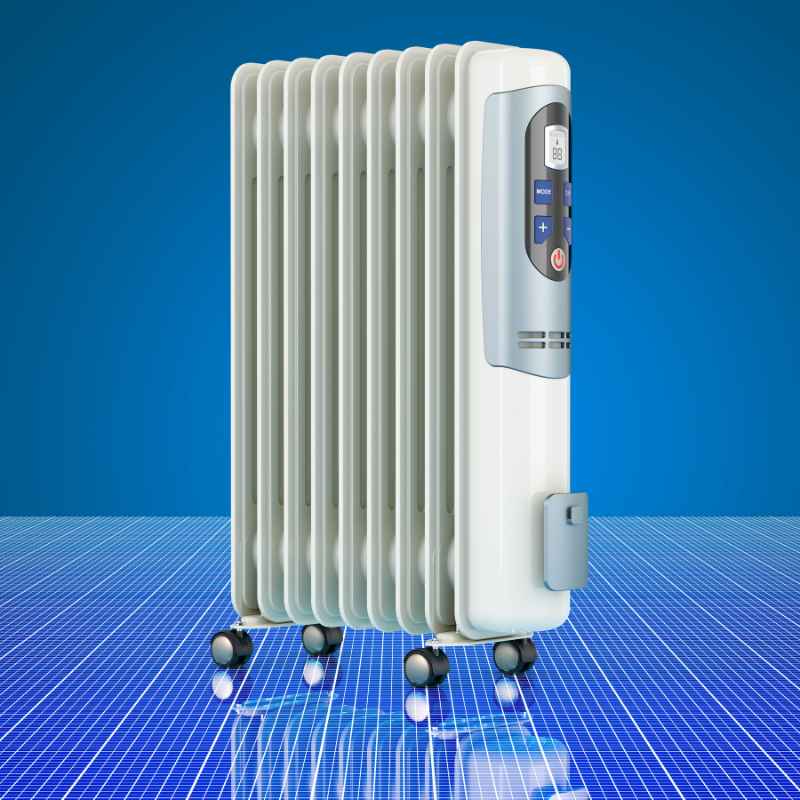
An oil-filled radiator is a common way to heat a room. It works a bit like a car engine. Inside its metal fins, there’s a special oil.
This oil doesn’t burn off. It stays inside the radiator. An electric heating element warms this oil.
Then, the warm oil moves through the radiator’s fins. The fins heat up. They then give off heat to the air in the room.
This process is slow. It makes the heat last longer. It’s a gentle, steady warmth.
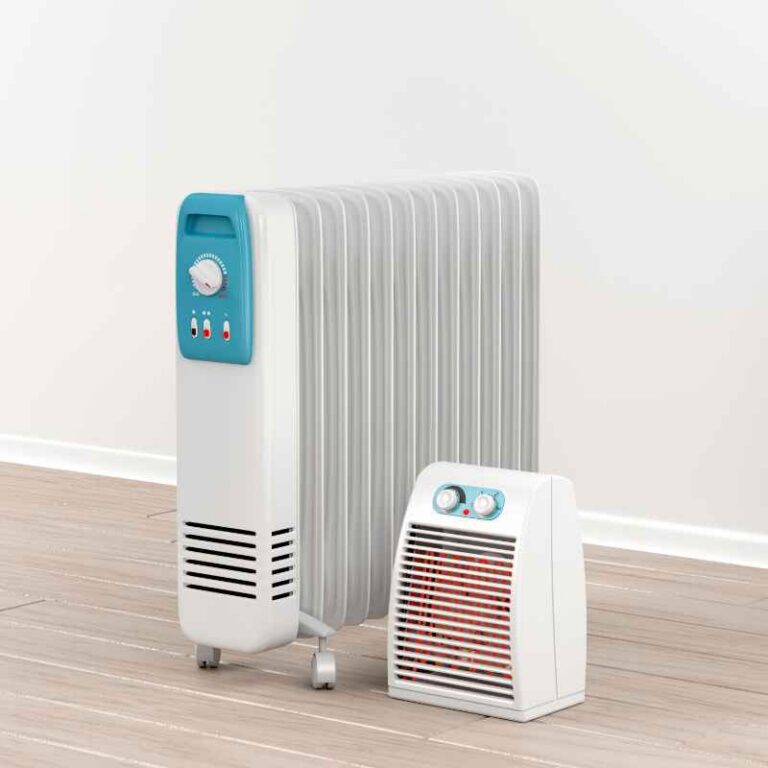
This is different from other heaters that use fans. Those fans can blow hot air around. Oil-filled heaters offer a softer heat.
They are often quieter too. This makes them a popular choice for bedrooms or offices.
The oil is key to how these heaters work. It acts as a medium. It stores heat and releases it slowly.
This means the radiator stays warm for a while. Even after you turn it off. This slow release helps maintain a steady temperature.
It avoids big temperature swings. It feels more natural. Most of these heaters are sealed units.
The oil is meant to stay inside. It’s trapped within the metal casing. This design is for safety and efficiency.
The oil is specially chosen for this job. It has a high boiling point. It doesn’t expand too much when heated.
This prevents pressure build-up.
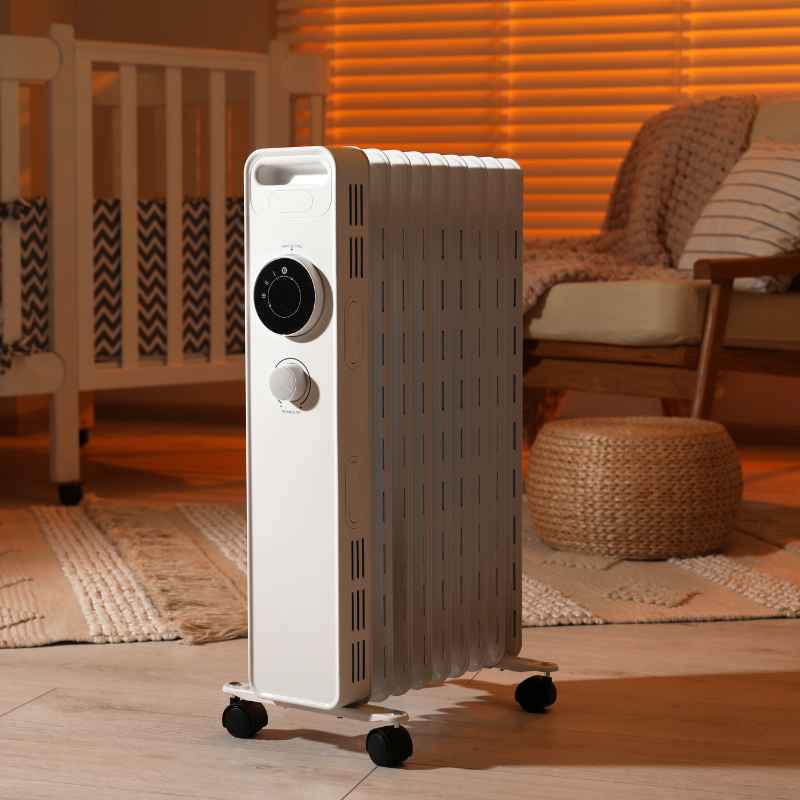
What Happens When It Tips Over?
The first thing you might worry about is a big mess. Will oil spill everywhere? Most modern oil-filled radiators are well-sealed.
The oil inside is a special type. It is heated up slowly and evenly. This oil is designed to stay put.
It’s not like motor oil you might see in a car. It’s thicker and doesn’t leak easily. So, when the heater tips over, you might not see a flood of oil.
Usually, only a small amount might seep out. This is if the seals aren’t perfect or if it hits something hard.
The bigger concern is electrical safety. If the heater is still plugged in, this is dangerous. Water and electricity don’t mix.
Even though it’s oil, it’s still a liquid near an electrical component. The cord could get damaged too. This could cause a short circuit.
Or even a fire. So, the absolute first step is always to unplug it. Pull the plug from the wall socket.
Do not try to move it or set it upright while it’s still connected to power. This is a critical safety rule. Think of it like handling any appliance near water.
Once unplugged, you can look closer. You might see a small dribble of oil. It might be on the floor.
Or on the radiator itself. It might feel warm or even hot. Remember, the oil retains heat.
So, be careful. The casing will also be hot. Don’t touch it right away.
Let it cool down first. Assess the damage. Check the power cord.
Make sure it’s not frayed or broken. Look at the casing itself. Are there any dents or cracks?
These could be signs that the seals are compromised.
Immediate Safety Steps
Unplug It First: Always pull the power cord from the wall outlet. Never move a tipped heater while it’s plugged in.
Let It Cool: The radiator and the oil inside can be very hot. Wait for it to cool down before touching it.
Check for Leaks: Look for any signs of oil seeping out. Small amounts might be normal for older units, but significant leaks are a problem.
Inspect the Cord: Examine the power cord for any damage like fraying or cuts.
Potential for Oil Leakage
The amount of oil that leaks depends on a few things. First, how old is the radiator? Older models might have seals that are not as strong.
Over time, rubber seals can wear out. This can make them more likely to let oil escape. Second, how hard did it fall?
If it tipped over gently, the chances of a leak are lower. If it fell hard and hit something, that impact could damage the casing or seals. This could create a way for the oil to get out.
What does a leak look like? It might be a small puddle. Or just a damp spot on the floor.
The oil is usually clear or a light amber color. It might smell slightly. But it shouldn’t have a strong, acrid odor.
If the smell is bad, it could mean the oil is burning. This is a sign of a more serious problem. A small, slow leak might not seem like a big deal.
But it’s still something to take seriously. That oil is what makes the heater work. If too much leaks out, it won’t heat properly.
If you see a significant amount of oil, it’s a different story. A large leak means the radiator is likely damaged. The oil could spread.
It can make surfaces slippery. This is a safety hazard in itself. Walking on an oily floor can lead to slips and falls.
You’ll need to clean it up carefully. Use absorbent materials like paper towels or old rags. You might also need a degreaser.
Be sure to dispose of the oily rags safely. Check local regulations for this. Many places have specific ways to handle oily waste.
Dealing with Oil Leaks
Small Seep: A tiny bit of oil on an older unit might be acceptable if it stops. Clean it up with paper towels.
Moderate Leak: If more than a few drops appear, consider if the unit is still safe to use. Clean the area thoroughly.
Major Leak: A large spill means the radiator is likely damaged beyond safe repair. Clean up the spill and plan to replace the unit.
Slippery Surfaces: Oily floors are dangerous. Be careful where you step. Clean up all traces of oil.
Electrical Hazards
This is where things get really serious. Electricity and liquids are a bad combination. If the radiator is still plugged in when it tips over, there’s a risk of electric shock.
The oil itself is an insulator. This means it doesn’t conduct electricity well. This is part of why it’s used.
However, if water gets into the system, or if the oil gets onto electrical contacts, it can create a dangerous path for electricity. This could shock anyone who touches the heater or the surrounding area.
Another risk is a short circuit. If the internal wiring gets damaged, or if oil gets into places it shouldn’t, it can cause a short. This means electricity takes a path it shouldn’t.
This can create sparks. It can lead to overheating. In the worst-case scenario, this can start a fire.
This is why checking the power cord is so important. A damaged cord is a direct path to electrical danger.
Even after you unplug it, there’s a residual risk. Capacitors inside the heater can still hold a charge. This charge can be enough to give you a nasty shock.
It’s rare, but it’s possible. This is another reason to let the unit cool down and be cautious. If you’re unsure about the safety of the unit, it’s always best to err on the side of caution.
Don’t plug it back in if you have any doubts. The cost of a new heater is far less than the risk of injury.
Assessing Damage and Safety
Once the heater has cooled and you’ve checked for leaks, you need to look at the whole unit. Start with the power cord. Is it cut?
Is it frayed? Are there any signs of melting? If the cord is damaged in any way, do not use the heater.
This is a critical safety issue. You might be able to replace a cord. But it’s often easier and safer to get a new heater.
Especially if the unit is older.
Next, examine the main body of the radiator. Are there any visible cracks? Are the fins bent out of shape?
If the metal casing is dented or cracked, it’s a bad sign. The seals might be broken. Even if there’s no oil leak right now, the integrity of the unit could be compromised.
This means a leak could happen later. Or electrical safety could be at risk.
Think about the surface it fell on. Did it hit a hard floor like tile or concrete? Or did it fall on carpet?
A fall onto carpet might absorb some of the impact. This could mean less damage to the unit. A fall onto a hard surface means a higher chance of damage.
It’s like dropping a phone. A drop on carpet is usually okay. A drop on concrete can cause cracks.
You need to decide if the heater is still safe. If you’re not 100% sure, don’t use it. It’s better to be safe than sorry.
Damage Assessment Checklist
Power Cord: Check for fraying, cuts, or melting. If damaged, do not use.
Casing: Look for cracks, dents, or punctures in the metal. Any visible damage is a concern.
Seals: Were there any oil leaks? If so, the seals are likely compromised.
Fin Alignment: Are the fins bent significantly? This can affect performance and structural integrity.
What If It Didn’t Leak Oil?
Sometimes, you might tip over an oil-filled radiator, and nothing seems to happen. No oil spills out. It looks fine.
This is actually quite common. As I mentioned, these units are usually well-sealed. The oil is contained within.
If it fell on a soft surface, or if it wasn’t tipped for long, the seals might have held perfectly. This doesn’t mean there’s no risk, though.
You still need to be cautious. The first step is still to unplug it. Always do this.
Then, let it cool down. Even if there’s no visible leak, the impact could have caused micro-fractures. Or it could have stressed the seals.
These might not show up immediately. They could lead to a leak later. Or affect the unit’s electrical safety.
So, a visual inspection is still very important.
Carefully examine the unit. Look for any signs of damage. Feel the casing to make sure it’s all intact.
If everything looks good, and there’s absolutely no sign of oil seepage, you might consider plugging it back in. But do so with caution. Place it on a flat, stable surface.
Keep an eye on it for a while. If you notice any strange smells, sounds, or see any oil, unplug it immediately. It’s always better to be safe.
I remember one time, my dog, a clumsy golden retriever, knocked one over while I was out. I came home to find it on its side. My first thought was “oil everywhere!” But it hadn’t leaked a drop.
I was so relieved. But I still followed all the steps. Unplugged it, let it cool, checked the cord.
Everything seemed fine. I did plug it back in later, keeping a close watch. It worked okay.
But I always felt a little more cautious with that heater after that. It’s a good reminder that even if you don’t see immediate damage, it’s wise to be vigilant.
No Leak Scenario – What to Do
Unplug Immediately: This is non-negotiable, even with no visible leak.
Inspect Thoroughly: Check the cord and casing for any hidden damage.
Cool Down: Allow ample time for the unit to cool completely.
Monitor Closely: If you decide to use it again, watch it carefully for any new issues.
When Is It Time to Replace?
There are a few clear signs that tell you it’s time to let your oil-filled radiator go. The most obvious is if there’s a significant oil leak. If you see more than just a few tiny drops, the seals are likely compromised.
This means the heater isn’t safe to use anymore. The oil is essential for its function. And a leak makes it a mess and a potential hazard.
Another big red flag is any damage to the power cord. A frayed, cut, or melted cord is a serious electrical risk. Don’t try to repair it yourself unless you are qualified.
Even then, replacement might be the safest option. If the casing itself is cracked or badly dented, this also signals that the unit is no longer safe. The structural integrity might be weakened.
This could lead to other problems down the line.
Consider the age of the heater. Like any appliance, they don’t last forever. If your radiator is very old, it might be more prone to issues.
Even if it hasn’t tipped over, old heating elements can fail. Seals can degrade over time. If it’s been working hard for many years, it might be time to think about replacing it with a newer, more energy-efficient model.
Newer models often have better safety features too.
Finally, if you’re ever in doubt, replace it. Safety should always come first. If you plugged it in after it tipped, and it started making strange noises, smelled odd, or shut off unexpectedly, unplug it immediately.
Don’t try to fix it. Just get a new one. Think of it as an investment in your home’s safety.
A few dollars saved is not worth the risk of a fire or injury. I’ve personally replaced heaters that were acting a little funny, just for peace of mind.
Signs Your Radiator Needs Replacing
Major Oil Leaks: If oil is visibly seeping out in quantity.
Damaged Power Cord: Frayed, cut, or melted cords are dangerous.
Cracked or Dented Casing: Structural damage compromises safety.
Age and Performance: Old units can become unreliable and less safe.
Unusual Smells or Sounds: Any strange behavior is a warning sign.
Cleaning Up Spilled Oil
If there was an oil leak, cleaning it up is important. Oil can make floors very slippery. This is a fall hazard.
First, grab some absorbent material. Old towels, paper towels, or even sawdust can work. Blot up as much of the oil as you can.
Don’t rub it, as this can spread it around. Just press down to soak it up.
For any remaining residue, you’ll need a degreaser. A product designed to cut through grease and oil will be best. You can find these at most hardware stores or supermarkets.
Follow the instructions on the product. Apply it to the oily spot. Let it sit for a few minutes.
Then, wipe it up with a clean cloth. You might need to repeat this process a couple of times.
For carpets, it can be a bit trickier. Blot up excess oil first. Then, use a carpet cleaner that’s made for grease stains.
Test it on an inconspicuous spot first to make sure it doesn’t damage the carpet color. Baking soda can also help absorb oil. Sprinkle it on the spot, let it sit for several hours or overnight, then vacuum it up.
This might need several applications.
Once the oil is gone, make sure the area is completely dry. You don’t want any slick spots left. Dispose of the oily rags and paper towels properly.
Check with your local waste disposal service. Some areas have specific rules for oil-soaked materials. They might need to go in a sealed container.
Or be taken to a special drop-off point. This is to prevent fires. Especially if the rags are stored in a pile.
Quick Clean-Up Guide
Absorb: Use paper towels or old rags to blot up excess oil.
Degrease: Apply a suitable degreasing cleaner to the spot.
Wipe: Use a clean cloth to remove the cleaner and remaining oil.
Carpet Care: Use specialized carpet cleaners or baking soda for fabric.
Dry Thoroughly: Ensure the area is completely dry and no longer slippery.
Dispose Safely: Follow local guidelines for oily waste.
Expert Opinion and Safety Standards
Safety standards for home appliances are set by organizations like Underwriters Laboratories (UL). When you see a UL listed mark on a product, it means it has been tested. It meets specific safety requirements.
For electric heaters, this includes things like tip-over protection. Many modern oil-filled radiators have an automatic shut-off feature. If they are tipped over, they will turn off by themselves.
This is a crucial safety innovation.
Manufacturers design these heaters with safety in mind. The oil is specifically chosen. It’s non-toxic and non-flammable.
It has a high flash point. This means it needs to get very, very hot before it can ignite. The seals are made to withstand pressure and heat.
However, like any product, they can fail. Especially if they are old or have been damaged. It’s always wise to buy from reputable brands.
And to look for safety certifications.
Consumer Reports often tests and reviews home appliances. They provide independent assessments of safety and performance. Checking their reviews can give you a good idea of which brands are reliable.
And which models have good safety features. They might highlight specific concerns for different types of heaters. For instance, they might note if a particular model is prone to tipping or has weak seals.
The U.S. Consumer Product Safety Commission (CPSC) also provides safety information. They track product recalls.
They issue warnings about potential hazards. It’s a good idea to check their website if you have any concerns about a specific appliance. They can offer advice on how to use products safely.
And what to do if you encounter a problem. Following these expert recommendations helps ensure your home stays safe.
Can You Still Use It After It Tipped?
This is the big question on many people’s minds. The short answer is: it depends. If the radiator tipped over, and there was no oil leak, no damage to the cord, and no dents or cracks in the casing, you might be able to use it again.
However, you need to be extremely cautious.
The Rule of Thumb: If you are not absolutely certain it’s safe, don’t use it. The risk is not worth it. A damaged heater can be a fire hazard or an electrical shock risk.
Here’s a way to think about it. Imagine a glass. If you knock it over but it doesn’t break, you might use it again.
But if it chips even a little bit, you probably wouldn’t drink from it. It’s similar with the heater. If the seals are intact, the casing is sound, and the cord is perfect, it’s likely okay.
But any hint of damage means you should stop.
I’ve heard stories where people used a heater after it tipped, and it worked fine for a while. Then, weeks later, it started leaking oil. Or worse, it caused an electrical issue.
This is because the impact might have caused internal damage that wasn’t visible. Or it stressed the seals, making them weaker. So, even if it seems okay at first, monitor it.
If you notice anything unusual—a smell, a sound, a leak—unplug it immediately.
My personal approach? If it’s a minor tip on carpet and I see absolutely ZERO signs of damage or leaks after it cools, I might consider using it again. But I’d be extra vigilant.
If it fell hard, hit a wall, or shows any oil, I’d toss it. Safety first is my motto with anything involving heat and electricity. It’s usually better to buy a new one than to risk a problem.
Frequently Asked Questions
What kind of oil is inside an oil-filled radiator?
The oil is a special, non-toxic, and non-flammable mineral oil. It has a high boiling point and is designed to heat up slowly and release heat evenly. It does not burn off or need to be replaced.
Will tipping over an oil-filled radiator cause a fire?
While unlikely, there is a small risk. If the unit is damaged and oil leaks onto electrical components, or if the power cord is compromised, it could potentially cause a short circuit or sparks, leading to a fire. This is why immediate unplugging and inspection are crucial.
How much oil can realistically leak out?
Most modern, well-maintained oil-filled radiators are designed to be tightly sealed. You might see a very small seep of oil if the seals are stressed or slightly worn. A significant or large spill usually indicates a serious breach in the casing or seals.
Can I stand the radiator back up and plug it in right away?
No, absolutely not. Always unplug the heater first. Let it cool down completely.
Then inspect it for any damage or leaks before considering plugging it back in. Rushing this process can be dangerous.
What if I smell a burning odor after it tips over?
A burning smell is a serious warning sign. It could indicate that the oil is overheating, or that the electrical components are damaged. Unplug the unit immediately and do not use it again.
It likely needs to be replaced.
Are there tip-over safety switches in all oil-filled radiators?
Many modern oil-filled radiators are equipped with tip-over safety switches. These automatically shut off the heater if it’s tilted beyond a certain angle. However, not all older models may have this feature, so always check your specific unit.
Conclusion
So, tipping over an oil-filled radiator can be a bit startling. But it’s usually manageable. The key is to stay calm and act fast.
Always unplug it first. Then let it cool. Check for any oil leaks or damage to the cord or casing.
If everything looks good, you might be able to use it again. But if there’s any doubt, it’s best to replace it. Your safety is the most important thing.
Sponsored / affiliate links. As an Amazon Associate I earn from qualifying purchases. I may earn additional commission from eligible campaigns.