Is an Oil Filled Radiator Cheaper Than Central Heating?
Oil filled radiator cheaper than central heating is a common question for homeowners looking to cut energy bills. This post compares the running costs, efficiency, and best use cases for both heating methods so you can make an informed decision.
Simply put, an oil filled radiator can be cheaper than central heating if you only need to heat one room for a few hours. However, central heating is almost always more cost-effective for heating multiple rooms or your entire home over longer periods. The answer depends on your specific usage pattern.
Key Takeaways
- Oil filled radiators cost less per hour to run than a full central heating system when heating a single room.
- Central heating is more efficient for heating multiple rooms simultaneously and maintains a more consistent temperature.
- The cheaper option depends on which rooms you heat, for how long, and your home’s insulation.
- Standing losses from central heating boilers can make it less efficient for short bursts of heating.
- Smart controls and programmable timers help both systems run more cost-effectively.
Oil Filled Radiator vs Central Heating: Quick Cost Comparison
When comparing these two heating methods, the first thing to understand is how their running costs differ at the meter. An oil filled radiator typically runs at 1.5 to 2.5 kW per hour, while a central heating system for a three-bedroom home uses about 6 to 12 kW per hour when the boiler fires up.
The Electricity Cost Calculator from UK Power shows that at current average electricity rates of 24p per kWh, a 2 kW oil filled radiator costs around 48p per hour to run. Meanwhile, a gas boiler running at 8 kW efficiency costs roughly 32p per hour at current gas rates of 4p per kWh. This makes gas central heating cheaper per unit of heat delivered.
| Heating Method | Typical Power Use | Cost Per Hour | Best For |
|---|---|---|---|
| Oil Filled Radiator (2 kW) | 2 kW | ~48p | Single room, short periods |
| Oil Filled Radiator (1.5 kW) | 1.5 kW | ~36p | Small room, spot heating |
| Gas Central Heating (8 kW) | 8 kW | ~32p | Whole house, long periods |
| Gas Central Heating (12 kW) | 12 kW | ~48p | Larger homes, all-day heating |
These figures show that heating one room with an oil filled radiator costs roughly the same per hour as running central heating for the whole house. But that comparison only tells part of the story. The real answer depends on how you use heat in your home.
How Do Oil Filled Radiators Work?
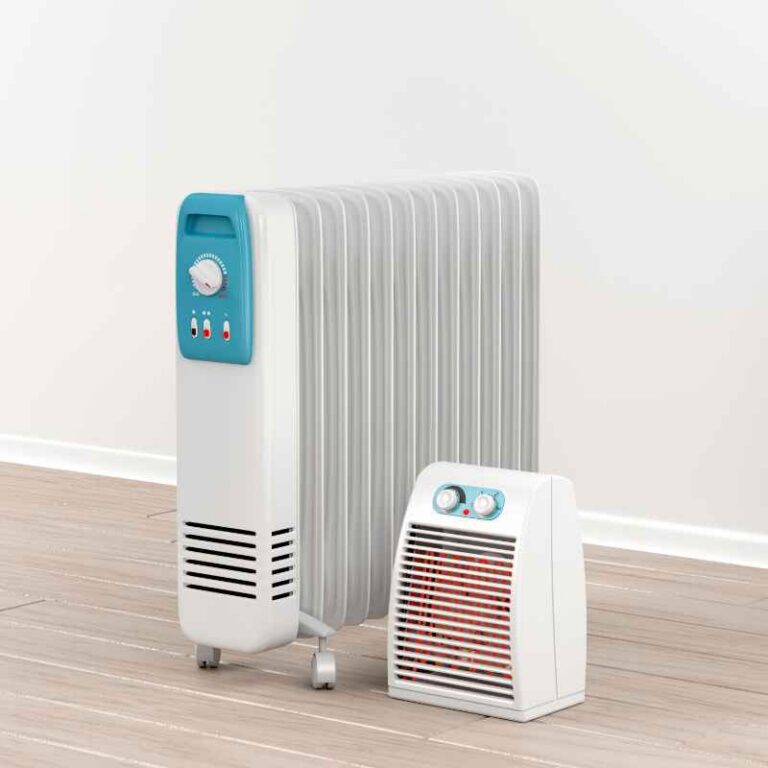
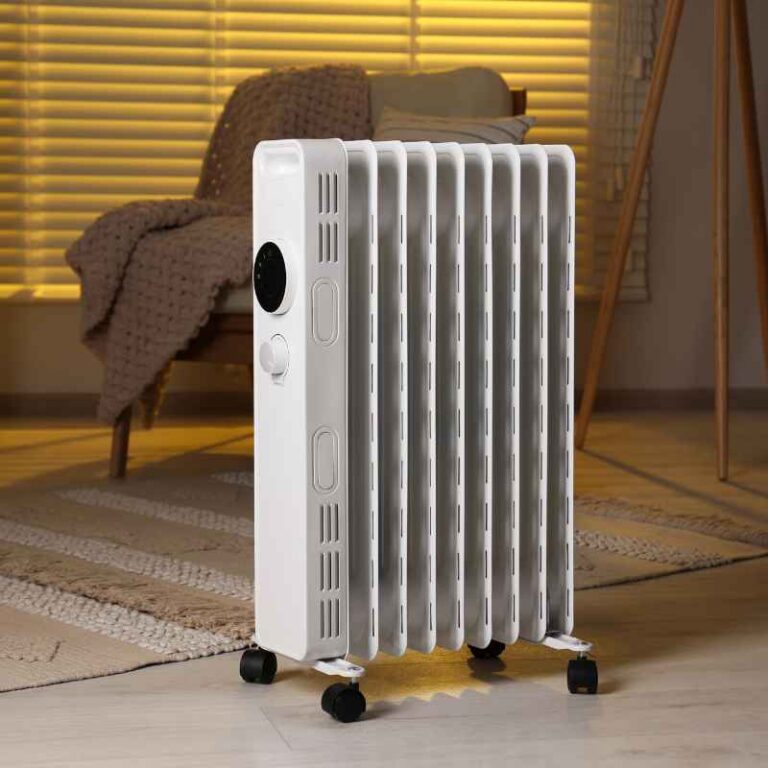
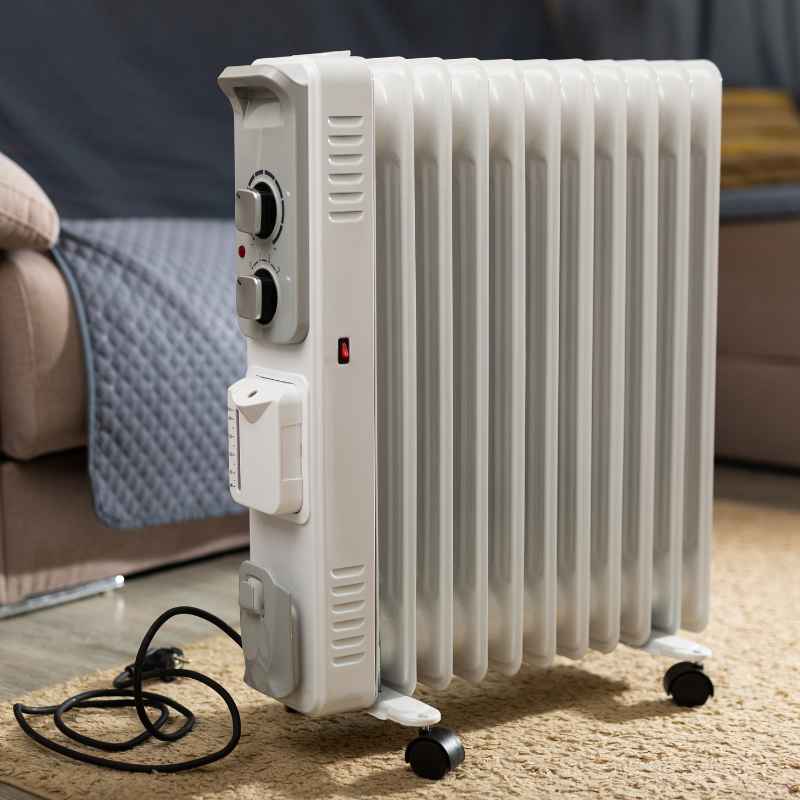
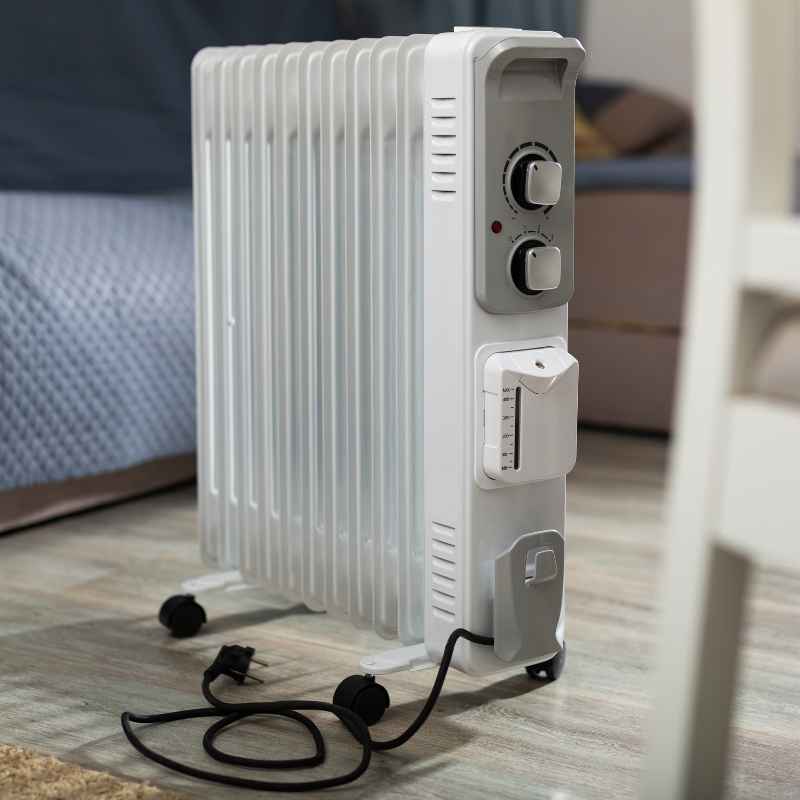
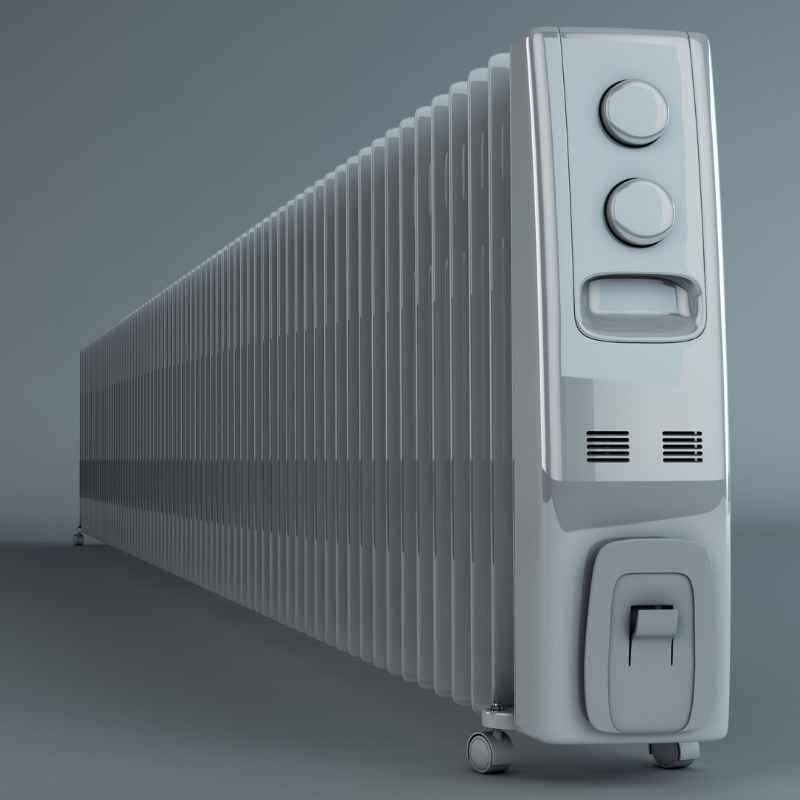
An oil filled radiator uses electricity to heat a sealed oil reservoir inside the unit. The oil retains heat very well and continues radiating warmth even after the thermostat switches the power off. This residual heat effect makes them more efficient than simple fan heaters or convector heaters.
These radiators work best when left on a low setting for extended periods. They take 15 to 30 minutes to reach full temperature but then maintain steady heat output. The Energy Saving Trust notes that oil filled radiators are one of the most efficient portable electric heaters because of this thermal retention property.
- Heating element warms the oil inside the sealed metal fins
- Oil circulates by natural convection without a pump or fan
- Radiant heat warms objects and people directly in the room
- Convection currents then circulate warm air throughout the space
- Thermostat cuts power once the set temperature is reached
- Oil stays hot for 20 to 40 minutes after switching off
- No moving parts means minimal maintenance and quiet operation
Tip: Use an oil filled radiator with a built-in thermostat and timer. Program it to switch off 30 minutes before you leave the room to capture the residual heat benefit without wasting electricity.
Because they run on electricity, oil filled radiators convert nearly 100% of the energy they consume into heat. However, electricity costs about six times more per kWh than gas in the UK currently, which is why the per-hour cost comparison matters so much.
How Does Central Heating Work?
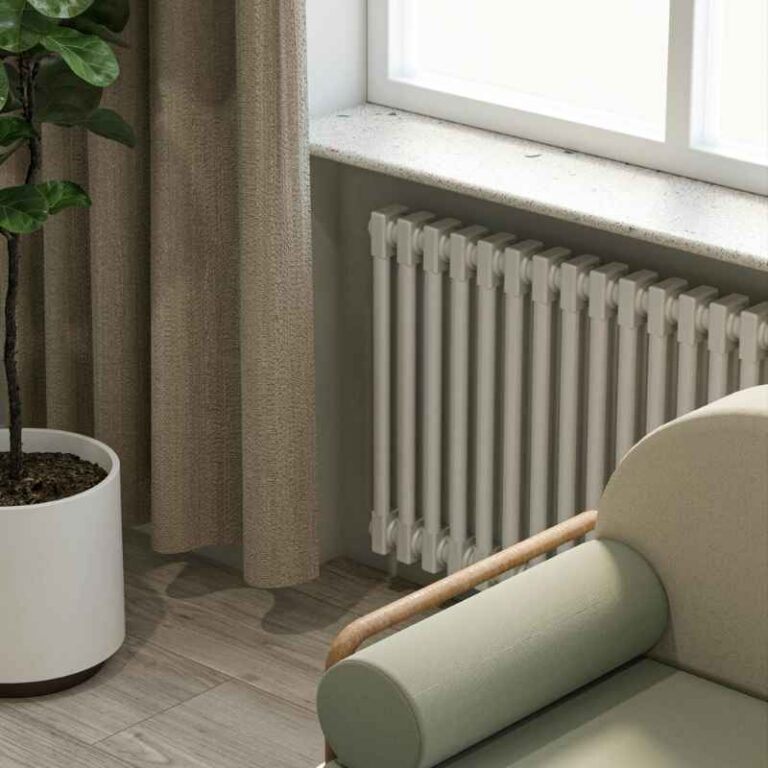
A gas central heating system burns natural gas to heat water in a boiler. This hot water then circulates through pipes to radiators in multiple rooms. The boiler modulates its output to match demand, and modern condensing boilers achieve efficiency ratings of 90 to 94 percent according to the boiler manufacturers’ association.
Central heating systems distribute heat evenly across your home. They maintain a baseline temperature through thermostat control and typically run for set periods each day. OVO Energy reports that the average UK household spends about £1,000 per year on heating, with gas central heating accounting for the bulk of that cost.
- Boiler heats water to between 60 and 80 degrees Celsius
- Pump circulates hot water through pipes to each radiator
- Each radiator releases heat into its room via convection and radiation
- Cooled water returns to the boiler to be reheated in a continuous loop
- Room thermostat tells the boiler when to fire up or shut down
- Programmable timer controls when the system operates each day
| Feature | Oil Filled Radiator | Central Heating |
|---|---|---|
| Heat source | Electricity (oil as medium) | Gas, oil, or electric boiler |
| Heat distribution | Single room only | Multiple rooms simultaneously |
| Warm-up time | 15 to 30 minutes | 10 to 20 minutes |
| Running cost per room | 36p to 48p per hour | 8p to 12p per room per hour |
| Installation cost | £30 to £120 | £2,000 to £6,000 |
The key advantage of central heating is lower per-unit cost of gas compared to electricity. Even though the boiler uses more total energy, the cost per kilowatt of heat delivered is significantly lower. That makes central heating the cheaper choice when you need to heat multiple rooms or your whole home.
Running Cost Comparison: Which Is Cheaper?
At current UK energy price cap rates, electricity costs roughly 24p per kWh while gas costs about 4p per kWh. This means gas is approximately six times cheaper per unit of energy. However, an oil filled radiator only heats one room, while central heating heats the whole house.
British Gas data from 2024 shows that heating a single room for four hours with a 2 kW oil filled radiator costs about £1.92. Doing the same with central heating costs about £1.28 for the whole house. But if you only need one room warm, the oil filled radiator may still be the practical choice.
Cost Scenarios for Different Homes
Here are three common scenarios that show when each option wins on price.
- Scenario 1: Single room, 3 hours per evening. Oil filled radiator costs £1.44 per session. Central heating for the whole house costs £1.20 but warms four extra rooms unnecessarily. The radiator wins for targeted heating.
- Scenario 2: Home office, 8 hours per day. Oil filled radiator costs £3.84 per day. Central heating costs £2.56 for the whole house. If you work from home, the radiator saves money compared to heating empty rooms.
- Scenario 3: Whole house, 6 hours per day. Central heating costs £1.92 total. Using four oil filled radiators costs £5.76 or more. Central heating wins decisively for whole-home heating.
Warning: Do not use multiple oil filled radiators on the same electrical circuit. A standard UK ring main handles up to 7.2 kW total. Running three 2 kW radiators plus other appliances can trip the breaker or cause overheating.
The Energy Ombudsman reports that households using portable heaters as their primary heat source spend an average of 35% more on energy than those using central heating. This confirms that central heating is cheaper for whole-home warmth, but oil filled radiators have their place for spot heating.
Factors That Affect Whether an Oil Filled Radiator Is Cheaper
Several variables determine which heating method saves you money in your specific situation. The oil filled radiator cheaper than central heating question has no single answer because every home and lifestyle is different.
Home Insulation Quality
A well-insulated home retains heat much better, which reduces the runtime needed from any heating system. The Energy Saving Trust states that proper loft and wall insulation can cut heating costs by up to 25%. In a well-insulated home, an oil filled radiator can keep a single room warm long after it switches off.
Room Size and Ceiling Height
Larger rooms need more heat output. A 2 kW oil filled radiator handles a room up to about 20 square metres. For larger spaces, you might need multiple radiators, which quickly erodes the cost advantage.
Central heating distributes heat evenly regardless of room size.
Heating Duration and Patterns
If you heat your home for short bursts, oil filled radiators work well because they avoid the standing losses from a central heating boiler. For long heating periods, central heating wins due to lower fuel costs. The Carbon Trust reports that cycling a boiler on and off frequently reduces its efficiency by 5 to 10 percent.
Number of Rooms Heated
This is the biggest factor. Heating two or more rooms with separate oil filled radiators costs significantly more than running central heating for the same area. Here is a quick breakdown.
| Rooms Heated | Oil Filled Radiator Cost (per hour) | Central Heating Cost (per hour) | Cheaper Option |
|---|---|---|---|
| 1 room | 36p – 48p | 32p – 48p | Tie (depends on scenario) |
| 2 rooms | 72p – 96p | 32p – 48p | Central heating |
| 3 rooms | £1.08 – £1.44 | 32p – 48p | Central heating |
| 4+ rooms | £1.44+ | 32p – 48p | Central heating (by far) |
Important: These figures assume the central heating boiler runs at maximum output. In reality, modern modulating boilers adjust their output to match demand, which can make central heating even cheaper in some scenarios.
Heating Efficiency: Oil Filled Radiator vs Central Heating
Efficiency measures how well a system converts fuel into usable heat. An oil filled radiator converts nearly 100% of electrical energy into heat at the point of use. That sounds impressive, but the bigger picture includes how the electricity was generated and delivered to your home.
Central heating systems lose some energy through flue gases, pipework heat loss, and boiler inefficiency. However, modern condensing boilers achieve over 90% efficiency when running correctly. The overall system efficiency also depends on pipe insulation, radiator placement, and thermostat accuracy.
- Electricity generation loses about 50 to 60% of source energy at the power station
- Transmission and distribution losses add another 5 to 8%
- Oil filled radiators then convert the remaining electricity to heat at near 100% efficiency
- Total well-to-heat efficiency for electric heating: about 40 to 45%
- Gas heating loses about 6 to 10% at the boiler
- Pipework losses add 3 to 8% depending on insulation
- Total well-to-heat efficiency for gas central heating: about 82 to 88%
This means central heating delivers more usable heat per unit of primary energy. However, if you only need one room warm, the distribution losses from central heating pipework can make it less efficient than a local electric radiator. The Energy Systems Catapult found that targeted heating with electric radiators can reduce overall energy use by up to 15% in well-insulated homes.
Best Scenarios for Using an Oil Filled Radiator
Oil filled radiators shine in specific situations where their targeted heating and low upfront cost make them practical. They are not a replacement for central heating in most homes, but they complement it well.
- Home offices and workspaces. Heating just your work area during the day saves money compared to warming the whole house.
- Bedrooms at night. Keep the bedroom warm without running central heating throughout the rest of the house.
- Rented properties. No installation needed, and you take the radiator with you when you move.
- Extension or conservatory. These spaces are often poorly insulated and hard to connect to existing central heating.
- Short-term heating needs. A few hours in the evening in one room costs less than firing up the boiler.
- Boiler breakdown or emergency. Oil filled radiators provide backup heat while waiting for repairs.
- Supplementary heat. Adding extra warmth to a room that central heating does not reach well.
Tip: Place an oil filled radiator near an external wall or under a window. This counteracts cold drafts and creates better air circulation in the room. Keep it at least 30 cm away from furniture and curtains for safety.
The Citizens Advice Bureau recommends portable electric heaters as a practical solution for households that cannot afford central heating installation. The low upfront cost of £30 to £120 makes them accessible for many people. However, they caution that running costs are higher per unit of heat.
Best Scenarios for Using Central Heating
Central heating is the default choice for most UK homes because it provides consistent warmth throughout the property. The lower cost of gas makes it the economical option for regular, whole-home heating.
- Whole-home heating. Keeping your entire living space at a comfortable temperature is cheaper with central heating.
- Long heating periods. Running the boiler for 6 to 12 hours per day costs less per hour than running multiple electric heaters.
- Homes with children or elderly residents. Consistent temperature throughout the home reduces health risks and condensation.
- Well-insulated modern homes. Central heating works efficiently with good insulation and modern thermostatic controls.
- Heating multiple rooms simultaneously. If you use three or more rooms, central heating is always cheaper.
- Properties with smart controls. Smart thermostats and zoning systems let you heat only occupied rooms with central heating, improving efficiency.
- Homes with renewable energy integration. Solar thermal panels or heat pumps work best with an existing central heating system.
Important: If you have a heat pump instead of a gas boiler, the cost comparison changes significantly. Heat pumps are 3 to 4 times more efficient than electric resistance heating, making them cheaper to run than oil filled radiators in most cases.
Ofgem data shows that households using gas central heating pay an average of £800 to £1,200 per year for heating and hot water. Homes relying primarily on electric heating pay £1,200 to £2,000 per year for the same comfort level. This gap underscores the long-term cost advantage of central heating.
Which Heating Method Saves You More Money?
The answer depends entirely on your heating habits and home setup. An oil filled radiator cheaper than central heating scenario only applies when you heat one room for limited hours each day. If you heat two or more rooms, central heating wins every time on running costs alone.
Consider your upfront costs as well. An oil filled radiator costs £30 to £120 with no installation fees. Central heating installation runs £2,000 to £6,000 for a typical three-bedroom home.
If you rent or plan to move soon, the portable radiator makes more financial sense.
Decision Framework
Use this simple checklist to decide which option fits your situation.
- Do you only need one room warm? Yes = oil filled radiator likely cheaper. No = consider central heating.
- Do you heat for less than 4 hours per day? Yes = portable radiator may be cost-effective. No = central heating wins.
- Is your home well-insulated? Yes = both options work well. No = central heating with good controls may still be cheaper overall.
- Can you afford the upfront cost of central heating? No = oil filled radiator is a practical stopgap or long-term solution.
- Do you have access to time-of-use electricity tariffs? Yes = you can run the radiator during cheap-rate hours to reduce costs.
Warning: Never use an extension cord with an oil filled radiator. The high current draw can overheat the cord and cause a fire. Always plug directly into a wall socket with the correct rating.
Which? UK consumer tests found that using a combination of central heating for the main living areas and an oil filled radiator for one additional room can reduce overall energy bills by up to 12%. This hybrid approach gives you the best of both worlds.
Frequently Asked Questions
Is an oil filled radiator cheaper than central heating for a single room?
For heating just one room for a few hours, an oil filled radiator can be cheaper than running central heating for the whole house. However, if you compare the cost of heating that single room with central heating that only runs that one radiator, central heating is cheaper because gas costs less per unit than electricity.
How much does it cost to run an oil filled radiator for 8 hours?
A 2 kW oil filled radiator running for 8 hours costs approximately £3.84 at current UK electricity rates of 24p per kWh. The actual cost depends on the thermostat setting, room insulation, and how often the radiator cycles on and off. Using a timer and thermostat reduces this cost.
Is central heating cheaper than electric oil radiators per hour?
Yes, central heating using a gas boiler costs less per hour than an oil filled radiator when comparing the same amount of heat output. Gas costs roughly 4p per kWh versus electricity at 24p per kWh. Central heating is about six times cheaper per unit of heat delivered.
Can an oil filled radiator replace central heating entirely?
An oil filled radiator can replace central heating in a very small flat or for someone who only needs heat in one room at a time. For most families, trying to heat an entire home with multiple oil filled radiators costs significantly more than running central heating. The practicality also suffers from managing multiple units.
What is the cheapest way to heat a room in 2025?
The cheapest way to heat a single room is with a programmable gas central heating system using thermostatic radiator valves. If you do not have gas, an oil filled radiator with a timer and thermostat is the most cost-effective electric option for spot heating. Heat pumps are cheaper to run than both if you have one installed.
Final Thoughts
Deciding whether an oil filled radiator is cheaper than central heating comes down to how you use heat in your home. For single-room, short-duration heating, the portable radiator offers convenience and lower upfront cost. For whole-home, long-duration heating, central heating delivers better value every time.
The smartest approach combines both methods to match your actual heating needs without wasting energy on empty rooms.
Sponsored / affiliate links. As an Amazon Associate I earn from qualifying purchases. I may earn additional commission from eligible campaigns.
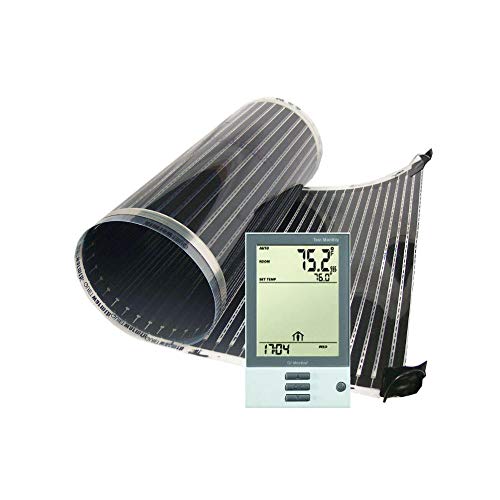 QuietWarmth Float QWARMKITFF Radiant Floor Heating Starter Kit Mat w/Programmable Thermostat for Laminate, Wood, Luxury Vinyl Floating Flooring- Cuttable Mat Size 3’x10' 120Volt (Covers 30sf)
 ROVSUN 18000 BTU Mini Split AC/Heating System with Inverter, 20 SEER2 Energy Saving 230V Ductless Split-System Air Conditioner with Pre-Charged Condenser, Heat Pump, Remote Control & Installation Kit