Electric Oil Filled Radiators: Running Costs Explained
Are electric oil filled radiators expensive to run? This is a common question for homeowners looking for efficient and safe heating solutions. While they offer consistent warmth and operate quietly, understanding their energy consumption is key to managing your electricity bills effectively.
This post breaks down the factors influencing their running costs and provides insights to help you make an informed decision.
Simply put, electric oil-filled radiators can be expensive to run if used as a primary heating source in poorly insulated spaces, but they are cost-effective for supplemental heating or in well-insulated rooms. Their cost depends heavily on their wattage, room size, insulation levels, and your local electricity rates.
Key Takeaways
- Electric oil filled radiators are generally less efficient than central heating systems for heating an entire home.
- Their running cost is primarily determined by their wattage and how long they are used.
- Good insulation and zoning heating (only heating occupied rooms) significantly reduce the cost.
- They are best suited for supplemental heating or in smaller, well-insulated spaces.
- Comparing their wattage to other heating methods helps estimate relative running costs.
What is an Electric Oil Filled Radiator?
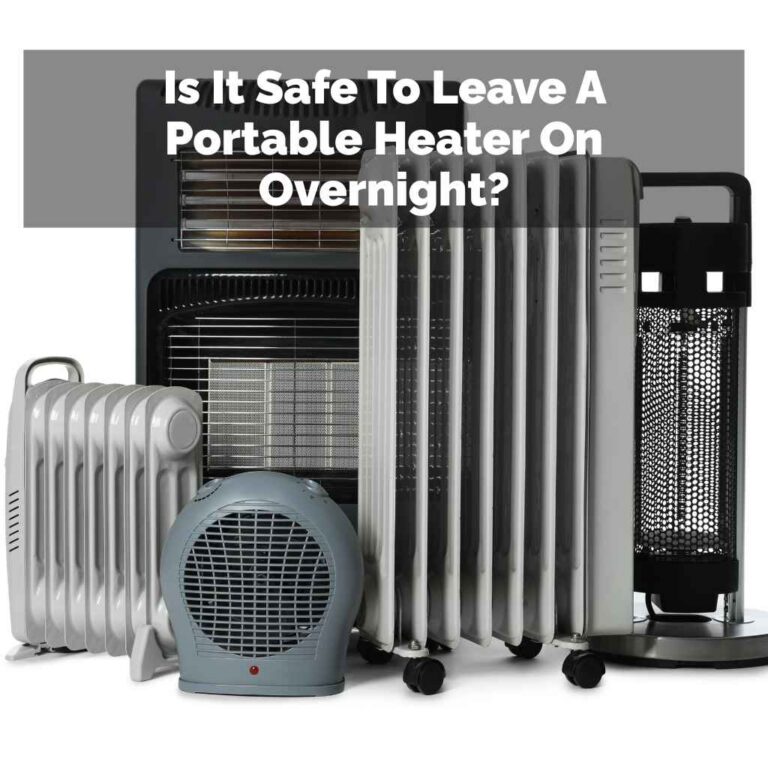
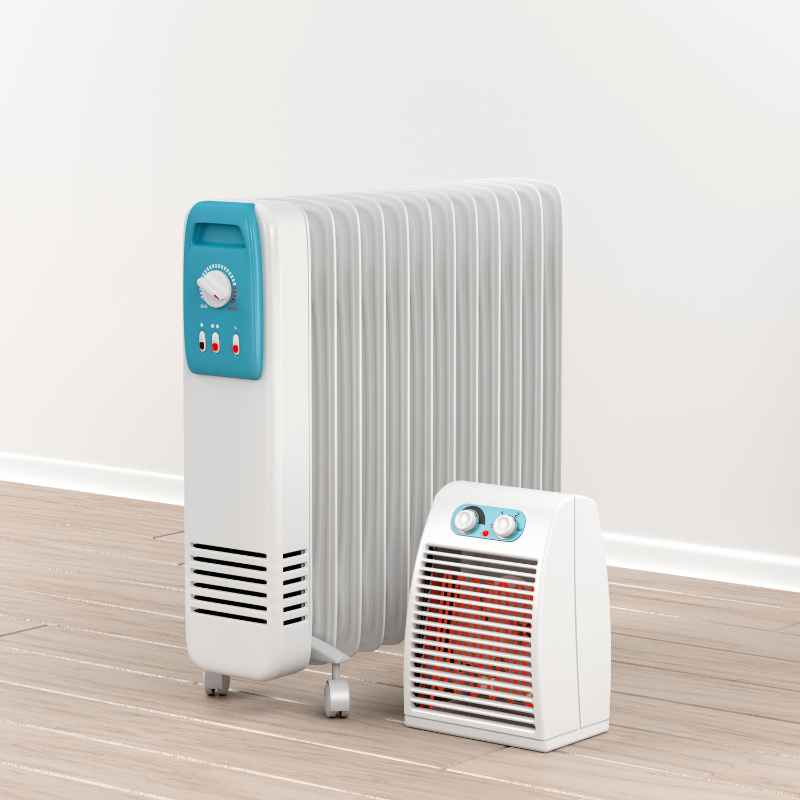
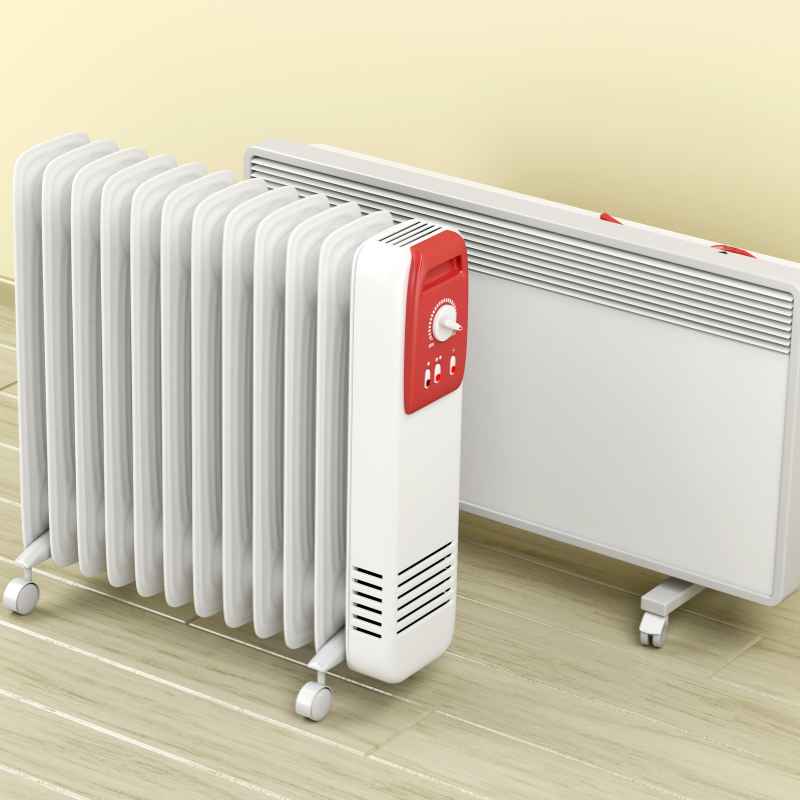
An electric oil filled radiator, often called an oil-filled heater or column heater, is a type of portable electric heater. It works by heating oil contained within a sealed metal column. This oil then circulates, transferring heat to the outer metal fins of the radiator, which in turn radiate warmth into the room.
Unlike fan heaters, they don’t use a fan to disperse heat, making them exceptionally quiet and ideal for bedrooms or offices.
The sealed nature of the oil means the heating element is submerged, which helps to prevent overheating and reduces the risk of fire. This design contributes to their reputation for safety and durability. The heat generated is consistent and gentle, avoiding the dry, harsh air that some other electric heaters can produce.
They typically feature adjustable thermostats to control the room temperature.
When you turn on an oil-filled radiator, the electric element heats the thermal oil inside. This oil expands slightly and begins to rise, while cooler oil sinks. This convection current within the radiator ensures even heat distribution throughout the unit.
The heated outer surfaces of the radiator then transfer this warmth to the surrounding air through radiation and convection, gradually warming the room.
How an Oil Filled Radiator Works
The fundamental principle behind an oil-filled radiator is heat transfer. Here’s a breakdown of the process:
- Heating Element: An electric resistive heating element is submerged in the thermal oil.
- Oil Circulation: As the oil heats up, it becomes less dense and rises. Cooler, denser oil sinks to the bottom, where it is heated. This creates a natural convection cycle within the radiator’s chambers.
- Heat Emission: The heated oil transfers its energy to the metal fins of the radiator. These fins then radiate heat outwards into the room and also heat the air that passes over them (convection).
- Thermostat Control: A built-in thermostat monitors the room temperature. When the desired temperature is reached, it cycles the heating element off. When the temperature drops below the set point, it cycles back on.
- Silent Operation: Because there are no moving parts like fans, the operation is virtually silent, a major advantage for quiet environments.
The oil acts as a thermal reservoir, meaning the radiator continues to emit heat for a short period even after the thermostat has switched off. This helps maintain a stable temperature without frequent cycling, contributing to a more comfortable and consistent warmth. The thermal oil itself is typically a mineral oil, chosen for its high flash point and stability.
Key Features of Oil Filled Radiators
- Silent Operation: No fans mean no noise, perfect for sleeping or working.
- Consistent Heat: Provides steady, even warmth without hot or cold spots.
- Safety Features: Often include tip-over switches and overheat protection.
- Portability: Most models come with wheels or casters for easy movement.
- Adjustable Thermostats: Allow precise temperature control.
- Long Heat Retention: The oil continues to radiate heat even when off.
Factors Affecting Running Costs
The running cost of any electric heater, including oil-filled radiators, is not a fixed figure. Several variables play a significant role. Understanding these will help you estimate and potentially reduce your expenditure.
The most impactful factors include the heater’s power consumption (wattage), how long it’s used, the size of the space it’s heating, and the cost of electricity in your region.
The higher the wattage of the radiator, the more electricity it consumes per hour. For instance, a 1500-watt heater will use 1.5 kilowatts (kW) of power every hour it’s running at full capacity. If your electricity costs $0.20 per kilowatt-hour (kWh), running a 1500W heater for one hour would cost $0.30.
This might seem small, but it quickly adds up when used for extended periods or across multiple units.
Beyond the heater itself, the environment it operates in is crucial. A poorly insulated room will lose heat rapidly, forcing the radiator to work harder and longer to maintain the desired temperature. Factors like single-pane windows, drafty doors, and inadequate wall insulation can dramatically increase energy usage.
Similarly, heating a large, open-plan space will naturally consume more energy than heating a small, enclosed room.
Wattage and Energy Consumption
Wattage is the primary indicator of an electric heater’s power consumption. Oil-filled radiators come in various wattages, typically ranging from 500 watts for small units to 2500 watts for larger ones. The higher the wattage, the faster the heater can heat a space, but also the more electricity it uses.
Calculation:
Running Cost per Hour = (Wattage / 1000) * Electricity Price per kWh
For example, a 1500W radiator at $0.20/kWh:
- (1500 / 1000) $0.20 = 1.5 $0.20 = $0.30 per hour.
A 2000W radiator at the same rate would cost $0.40 per hour.
Room Size and Insulation
The effectiveness and cost of an oil-filled radiator are heavily dependent on the room it’s used in. Larger rooms require more powerful heaters or longer operating times to reach a comfortable temperature. Poor insulation exacerbates this problem, leading to significant heat loss.
Room Size Guide (Approximate):
| Room Size (sq ft) | Recommended Wattage | Estimated Cost Per Hour ($0.20/kWh) |
|---|---|---|
| 50-100 | 500-750W | $0.10 – $0.15 |
| 100-150 | 1000-1500W | $0.20 – $0.30 |
| 150-250 | 1500-2000W | $0.30 – $0.40 |
| 250+ | 2000-2500W+ | $0.40+ |
For poorly insulated rooms or very cold climates, you might need to increase the recommended wattage or accept higher running costs.
Electricity Rates and Peak Hours
The price you pay for electricity varies significantly by location and even by the time of day. Many utility companies offer tiered pricing or time-of-use rates, where electricity costs more during peak demand hours (typically late afternoon and early evening) and less during off-peak hours (overnight and early morning).
Using an oil-filled radiator during off-peak hours can lead to substantial savings. If you need consistent warmth, consider setting a timer to run the heater during cheaper periods, especially if you have good insulation that will retain the heat.
Important: Always check your local electricity provider’s rate structure. Time-of-use plans can significantly impact the cost of running electric heaters.
Comparing Oil Filled Radiators to Other Heaters
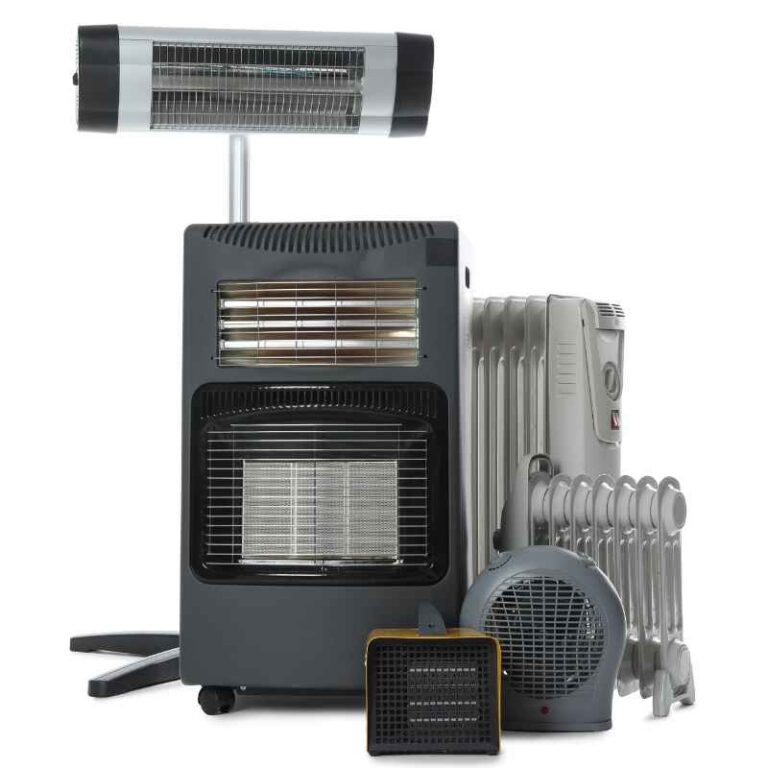
To truly understand if electric oil filled radiators are expensive to run, it’s helpful to compare them against other common heating methods. While all electric resistance heaters have a similar theoretical efficiency (nearly 100% of electricity is converted to heat), their practicality and cost-effectiveness differ based on how they deliver that heat and their specific features.
Central heating systems, especially those powered by natural gas, are generally more economical for heating an entire home. This is because gas is often cheaper than electricity on a per-unit-of-heat basis, and central systems are designed for whole-house distribution. However, they have higher upfront costs and installation complexity.
Other portable electric heaters like fan heaters or ceramic heaters can heat a space very quickly, but they may also cycle on and off more frequently, and their heat distribution can be less even than oil-filled radiators.
Efficiency vs. Cost-Effectiveness
It’s crucial to distinguish between efficiency and cost-effectiveness. All electric resistance heaters are technically 100% efficient in converting electricity into heat. This means that for every unit of electricity consumed, an equivalent amount of heat is produced.
The difference lies in how quickly and effectively that heat is delivered and maintained within a desired space.
- Oil-filled radiators: Provide steady, long-lasting heat and retain warmth after turning off. Good for consistent background warmth.
- Fan heaters/Ceramic heaters: Heat up a space very quickly due to forced air. Can be good for spot heating but may cycle on/off more frequently, leading to fluctuating temperatures.
- Infrared heaters: Heat objects and people directly, rather than the air. Can feel warmer at lower room temperatures but don’t heat the air itself for ambient warmth.
Cost Comparison Table
| Heating Method | Typical Wattage | Estimated Cost Per Hour ($0.20/kWh) | Best Use Case |
|---|---|---|---|
| Electric Oil-Filled Radiator | 1500W | $0.30 | Supplemental, background heat, quiet spaces |
| Electric Fan Heater | 1500-2000W | $0.30 – $0.40 | Quick spot heating, small rooms |
| Electric Radiant Heater (Infrared) | 1200-1800W | $0.24 – $0.36 | Direct heating of people/objects, drafts |
| Central Gas Furnace (Example) | N/A (uses gas unit) | Varies greatly by gas price (often lower per BTU than electric) | Whole-house heating |
This table shows that for equivalent wattages, the hourly running cost of electric heaters is similar. The key difference lies in their application and how they contribute to overall comfort and energy bills.
Warning: Relying solely on a single high-wattage portable electric heater to warm a large, poorly insulated home can be extremely expensive and may not provide adequate comfort.
How to Minimize Running Costs
Fortunately, there are several practical strategies you can employ to reduce the running costs associated with electric oil filled radiators. These tips focus on optimizing their use and improving the thermal efficiency of your living space, ensuring you get the most warmth for your money.
Proper insulation is paramount. Before relying on an oil-filled radiator, ensure your windows and doors are well-sealed. Use draft excluders, heavy curtains, or window insulation film to prevent heat from escaping.
Regularly check for and seal any air leaks. Improving insulation means your heater will run for shorter periods, significantly cutting down on electricity usage.
Smart usage of the radiator’s features is also key. Utilize the thermostat to maintain a consistent, comfortable temperature rather than overheating the room. Consider using a timer if your model has one, or an external plug-in timer, to schedule heating during off-peak electricity hours or only when needed.
Zoning your heating – only heating the room you are actively using – is far more energy-efficient than trying to warm the entire house.
Improve Insulation and Seal Drafts
The single most effective way to reduce heating costs is to prevent heat from escaping. Even the most efficient heater will struggle in a drafty space.
- Seal Windows and Doors: Use weatherstripping or caulk to seal gaps around window frames and door edges.
- Install Draft Excluders: Place draft excluders at the bottom of doors to block under-door drafts.
- Use Heavy Curtains: Thermal curtains can significantly reduce heat loss through windows, especially at night.
- Check Wall Insulation: While more involved, ensuring adequate wall insulation is crucial for long-term energy efficiency.
- Consider Window Insulation Film: This DIY solution creates an insulating air gap between the glass and the room.
- Close Chimney Dampers: If you have an unused fireplace, ensure the damper is closed to prevent heat loss up the chimney.
Smart Thermostat and Timer Use
Modern thermostats and timers offer precise control over your heating, preventing unnecessary energy waste.
- Set a Moderate Temperature: Aim for 18-20°C (64-68°F) in living areas and slightly lower in bedrooms. Every degree higher can increase costs by up to 10%.
- Use the Timer Function: Schedule heating to come on just before you need it and switch off before you leave or go to bed.
- Program for Occupancy: If you have a programmable thermostat, set it to a lower temperature or off when the house is empty.
- Smart Thermostat Integration: If your radiator is compatible, or if using a smart plug, integrate it with a smart home system for remote control and energy monitoring.
Tip: For maximum benefit, use your oil-filled radiator in conjunction with a programmable thermostat or a smart plug with timer functionality. This ensures you only heat your space when and to the temperature you need.
Zone Heating Strategy
Instead of trying to heat your entire home with portable electric heaters, focus on heating only the occupied areas. This “zone heating” approach is highly effective for reducing energy consumption.
- Identify Primary Living Areas: Determine which rooms you use most often.
- Heat Only Occupied Rooms: Turn off or set to a very low temperature any rooms that are not currently in use.
- Close Doors to Unused Areas: Keep doors closed to rooms you are not heating to contain warmth in occupied zones.
- Consider Room Size vs. Heater Wattage: Match the radiator’s wattage to the size of the room for optimal efficiency. A 1000W heater in a small bedroom is more cost-effective than a 2000W heater running intermittently.
Are Electric Oil Filled Radiators Safe?
Safety is a primary concern for any heating appliance, and oil-filled radiators are generally considered one of the safest options available. Their design inherently minimizes risks associated with heating elements and dry air.
The heating element is fully enclosed within the radiator and submerged in oil. This means the element itself never gets excessively hot, and there’s no risk of it igniting dust or lint in the air, which can be a concern with fan heaters. The outer casing of the radiator becomes warm but typically not hot enough to cause severe burns on brief contact, although caution is always advised, especially around children and pets.
Most modern oil-filled radiators come equipped with several safety features. These usually include an automatic tip-over switch that cuts off the power if the heater is accidentally knocked over, and overheat protection that shuts down the unit if it reaches an unsafe temperature. These features provide peace of mind during operation.
Key Safety Features
- Sealed Oil System: Prevents leaks and reduces fire risk as the heating element is submerged.
- Tip-Over Protection: Automatically shuts off the power if the unit is tipped.
- Overheat Protection: Shuts down the heater if internal temperatures become too high.
- Silent Operation: No fan means no risk of dust being blown around, which can be a trigger for allergies or asthma.
- Stable Design: Most units have a wide base or included feet for stability.
Tips for Safe Use
- Placement: Always place the radiator on a level, stable, and heat-resistant surface. Keep it at least 3 feet away from flammable materials like curtains, furniture, bedding, and paper.
- Clearance: Ensure adequate airflow around the unit; do not block vents or the radiator fins.
- Supervision: Never leave a portable heater unattended, especially when children or pets are present.
- Cord Safety: Keep the power cord away from hot surfaces and ensure it is not frayed or damaged. Do not run it under carpets.
- Maintenance: Keep the radiator clean from dust buildup, which can affect performance and safety.
- Water: Never use in bathrooms or near water sources. They are not designed for damp environments.
Frequently Asked Questions
Are electric oil filled radiators good for whole house heating?
Generally, electric oil filled radiators are not ideal for heating an entire house, especially if it’s large or poorly insulated. They are most effective as supplemental heat sources for individual rooms or for heating smaller, well-insulated spaces. For whole-house heating, central heating systems are typically more efficient and cost-effective.
How long does it take for an oil filled radiator to heat a room?
The time it takes for an oil filled radiator to heat a room depends on several factors, including the radiator’s wattage, the room’s size, insulation levels, and the starting temperature. Smaller rooms with well-insulated walls might feel warmer within 15-30 minutes, while larger or less insulated spaces could take an hour or more to reach a comfortable temperature.
Can I leave an oil filled radiator on overnight?
Yes, electric oil filled radiators are designed to be safe for overnight use due to their enclosed heating element and safety features like overheat protection and tip-over switches. However, it is always recommended to ensure the room is adequately ventilated and that the radiator is placed safely away from flammable materials. Using the thermostat to maintain a moderate temperature rather than high heat is also advisable for both safety and energy efficiency.
Are oil filled radiators more expensive than electric heaters with fans?
In terms of hourly running cost based on wattage, they are often similar. A 1500W oil-filled radiator and a 1500W fan heater will consume the same amount of electricity per hour. However, the perception of expense can differ.
Oil-filled radiators provide a more consistent, lingering heat, which might mean less frequent cycling on and off than a fan heater, potentially leading to more stable comfort and sometimes better perceived value for continuous warmth.
What is the average cost to run a 1500W oil filled radiator for 8 hours a day?
To calculate this, we use the formula: (Wattage / 1000) Electricity Price per kWh Hours Used. Assuming an electricity price of $0.20 per kWh and using the radiator for 8 hours a day: (1500 / 1000) $0.20 8 = 1.5 $0.20 8 = $0.30 8 = $2.40 per day. Monthly cost would be approximately $2.40 30 = $72.00, not accounting for thermostat cycling or variations in electricity rates.
Final Thoughts
In conclusion, while electric oil filled radiators are not the cheapest option for heating an entire home, they offer a safe, quiet, and consistent source of warmth that can be cost-effective when used appropriately. By understanding the impact of wattage, insulation, and electricity rates, and by employing smart usage strategies like zoning and utilizing timers, you can effectively manage their running costs. They excel as supplemental heaters or for maintaining comfort in specific, well-insulated zones.
Sponsored / affiliate links. As an Amazon Associate I earn from qualifying purchases. I may earn additional commission from eligible campaigns.