How To Make A Wooden Cutting Board Food Safe (Easy Steps)
We’ve all been there. That nagging feeling that maybe, just maybe, your lovely wooden board could be hiding something less than lovely. It’s a common worry, and for good reason.
Wood is natural, and natural things can harbor surprises. But don’t fret! Making your wooden cutting board safe for food preparation is totally doable.
It’s not a big, scary science project.
Building your own board from scratch instead? See our cutting board wood calculator to figure out how much wood to buy first.
This guide will walk you through everything. We’ll cover simple cleaning tricks. We’ll show you how to properly oil your board so it stays healthy and hygienic.
You’ll learn what to look for and what to avoid. By the end, you’ll feel confident using your wooden board every single day. Let’s get your cutting board ready for action!
Making a wooden cutting board food safe involves regular, proper cleaning and conditioning. This prevents bacterial growth and keeps the wood from drying out, ensuring a hygienic surface for all your food prep tasks. It’s a simple process that greatly extends the life and safety of your board.
Understanding Wood and Food Safety
Wood is a natural material. It has tiny pores. These pores can trap food particles and moisture. If left unchecked, this can become a breeding ground for bacteria. This is why simple washing isn’t always enough. We need to go a bit further to truly make it food safe.
Think of it like a sponge. A clean sponge is fine. A dirty, wet sponge left in a dark corner? Not so fine. Wood can act similarly if we don’t care for it right. Different types of wood have different properties. Some are naturally more resistant to bacteria than others. Hardwoods like maple, walnut, and cherry are often good choices. They have tighter grain patterns. This means fewer places for things to hide. Softer woods might need a bit more attention.
The goal is to create a barrier. This barrier stops moisture from soaking in too deep. It also makes it harder for bacteria to cling to the surface. This is where cleaning and conditioning come in. They are your best tools.
Your First Steps: Deep Cleaning a New or Unsure Board
When you first get a wooden cutting board, it’s wise to give it a good clean. Even if it looks pristine, this is a good habit. If you have an older board you’re not sure about, this is even more important.
First, wash it with warm, soapy water. Use a gentle dish soap. Don’t soak the board. Just use a sponge or cloth to scrub. Make sure to clean both sides. This helps prevent the board from warping.
Next, rinse it thoroughly under warm running water. Get all the soap off. Then, stand the board upright. Let it air dry completely. This can take several hours. Make sure it’s totally dry before you do anything else.
Sometimes, a simple wash isn’t enough. For a deeper clean, especially if you’re worried about lingering germs, you can use a mild bleach solution. Mix 1 tablespoon of bleach with about 1 gallon of water. Use a sponge to wipe down the board with this solution. Again, do not soak.
Rinse it very, very well with plain water. Then, stand it up to dry completely. Bleach is effective at killing bacteria. However, you must rinse it thoroughly. You don’t want any bleach taste on your food.
Another method for a deep clean involves vinegar. White vinegar is a natural disinfectant. You can pour a thin layer of white vinegar onto the board. Let it sit for about 5 to 10 minutes. Then, scrub it with a brush. Rinse well and let it dry completely. Vinegar also helps to neutralize odors.
Remember, the key is thorough drying. Moisture is the enemy of a safe wooden board. Standing it on its edge allows air to circulate all around it. This helps it dry evenly and quickly.
The Magic of Oiling: Creating a Protective Barrier
This is arguably the most critical step for making your wooden cutting board food safe and keeping it that way. Oiling your board does a few things. It conditions the wood, preventing it from drying out and cracking. It also creates a water-repellent surface. This means less moisture can penetrate the wood. Less moisture means less room for bacteria to grow.
What kind of oil should you use? This is important. You need food-safe oils. You absolutely should NOT use vegetable oils like olive oil or canola oil. These oils can go rancid. Rancid oil will smell bad and can even make your food taste off.
The best oils for cutting boards are mineral oil. You can find this easily at most drug stores or supermarkets. It’s inexpensive and effective. Another great option is fractionated coconut oil. It stays liquid at room temperature and doesn’t go rancid. Beeswax blends with mineral oil are also excellent. They create a slightly harder, more durable finish.
How often should you oil? A good rule of thumb is once a month. If you use your board a lot, you might need to oil it more often. You’ll notice the wood looking dry or dull when it’s time for more oil.
To oil your board, start with a clean, dry board. Pour a generous amount of your chosen food-safe oil onto the surface. Use a clean cloth or paper towel to spread the oil all over. Make sure to cover every inch, including the sides and edges.
Let the oil soak in. This can take anywhere from 30 minutes to overnight. The longer you let it soak, the better. If you leave it overnight, place the board on a tray or old towel. This will catch any drips.
After the oil has soaked in, use a clean cloth to wipe off any excess oil. You don’t want the board to feel greasy. Just a smooth, conditioned surface. The wood should look richer and slightly darker.
Regular oiling doesn’t just make it food safe. It also helps your board last a long time. Dry, neglected wood can crack. Cracks are even harder to clean. They can also lead to deeper bacterial issues.
Daily Cleaning Habits for a Food-Safe Board
Beyond deep cleaning and oiling, your everyday habits matter a lot. Keeping up with simple daily tasks makes a huge difference.
After each use, clean your board right away. Don’t let food scraps or juices sit on it. Scrape off any large bits of food. Then, wash it with warm water and a little bit of mild dish soap. Use a soft sponge or brush.
Scrub both sides of the board. Rinse it well under running water. Then, stand it on its edge to dry. This is a crucial step. Letting it air dry completely is key to preventing mold and bacteria.
If you cut raw meat or poultry on your board, you must be extra careful. Always wash it immediately after use. Some people prefer to have separate cutting boards for raw meats and for produce or cooked foods. This is a great way to prevent cross-contamination.
A little bit of baking soda can be a great helper for daily cleaning too. Sprinkle some baking soda on the board. Scrub it with a damp sponge. Baking soda helps lift stains and deodorize. Then, rinse and dry as usual.
For tougher stains, like those from berries or beets, a paste of baking soda and water can work wonders. Apply the paste, let it sit for a few minutes, scrub, rinse, and dry.
When to Worry: Signs Your Board Might Not Be Food Safe
Even with the best care, things can sometimes go wrong. It’s good to know the warning signs. If you see any of these, it might be time to retire your board or give it extra special attention.
Deep Cuts and Gouges: If your board has many deep cuts and grooves, it’s hard to clean thoroughly. Food particles and bacteria can get stuck in these.
Warping or Cracking: A warped or cracked board is not only unsightly but also difficult to sanitize. Moisture can get into the cracks.
Persistent Odors: If your board smells strongly of onions, garlic, or other strong foods, even after cleaning, it might be absorbing too much.
Mold or Mildew: Any sign of mold or mildew means the board is not food safe. You might see fuzzy patches or black spots.
Sticky or Greasy Feel: If the board feels persistently sticky or greasy, even after washing, it could be an issue with the oil or something else.
If you notice any of these, don’t ignore them. For minor issues like a persistent smell, a strong vinegar or baking soda treatment might help. If the board is badly damaged, it’s safer to replace it. A damaged board is a compromised board.
Choosing the Right Wood for Safety
As mentioned earlier, the type of wood matters. Some woods are better suited for cutting boards than others. This is because of their natural properties, like grain density and hardness.
Maple is a classic choice for good reason. It’s hard, durable, and has a fine, closed grain. This makes it resistant to cuts and easy to clean. It doesn’t readily absorb moisture or odors.
Walnut is another excellent option. It’s a bit softer than maple but still very durable. It has beautiful dark colors and a medium-fine grain. It’s also known for its antimicrobial properties.
Cherry is a popular choice for its rich color. It’s a bit softer than maple but still a good hardwood. Its grain is typically fine and straight.
Teak wood is also very durable and water-resistant. It has a natural oily content that helps protect it. However, it can be more expensive.
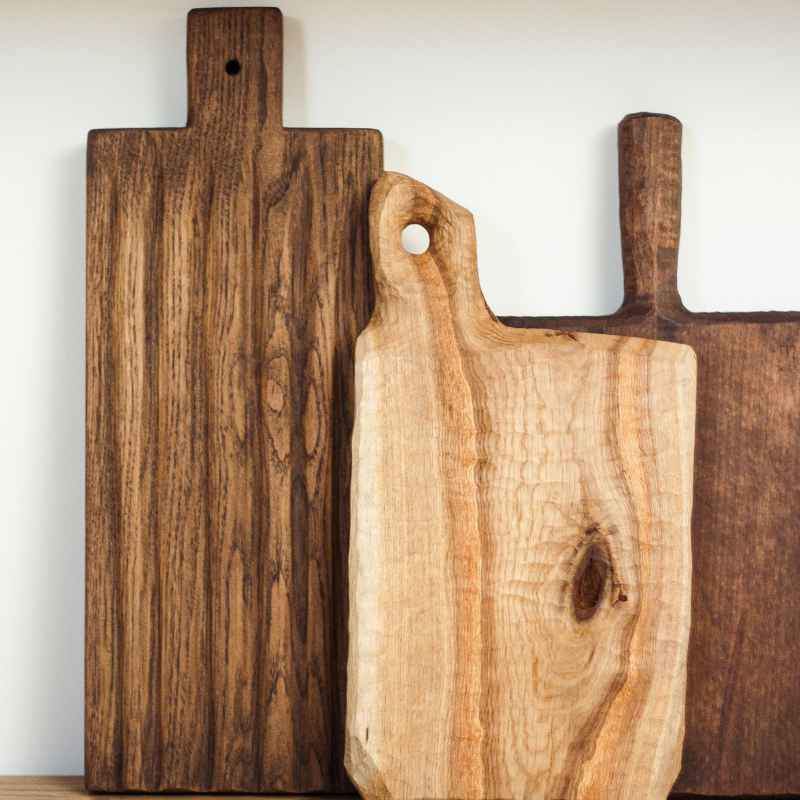
Avoid woods with very open grains, like oak. Oak has large pores that can trap food and bacteria easily. Also, avoid woods that are known to be toxic or that have strong natural odors. Some tropical woods might fall into this category. Always research if you are unsure about a specific wood type.
The “End Grain” vs. “Edge Grain” Difference
You might have heard of different types of wooden cutting board construction. The two main types are edge grain and end grain. Understanding this can help you choose and care for your board.
Edge Grain Cutting Boards
Edge grain boards are made by gluing strips of wood together along their long edges. The grain runs parallel to the cutting surface. This makes them more affordable and very durable. They are less likely to warp than some other types. However, knife marks will be more visible over time. This can create more surfaces for bacteria.
End Grain Cutting Boards
End grain boards are made by gluing blocks of wood together so that the grain runs vertically, or perpendicular, to the cutting surface. When you cut on an end grain board, your knife blade slides between the wood fibers rather than cutting through them. This means end grain boards are much gentler on your knives. They also tend to “self-heal,” meaning small cuts can close up over time.
End grain boards are often considered more beautiful and are more expensive. Because of how they are constructed, they can be more susceptible to absorbing moisture if not properly cared for. They require diligent oiling to maintain their food-safe qualities.
Both types can be made food safe with proper care. The key is consistent maintenance.
Quick-Scan Table: Daily vs. Deep Care for Your Cutting Board
| Task | Frequency | What to Do | Why It Matters |
| : | : | : | : |
| Daily Cleaning | After each use | Wash with warm, soapy water. Rinse well. Stand upright to air dry completely. | Removes food particles, prevents bacterial growth. |
| Daily Sanitizing | After raw meats | Wash immediately. Consider separate boards for raw vs. cooked/produce. | Prevents cross-contamination and serious illness. |
| Monthly Oiling | Once a month | Apply food-safe mineral oil or fractionated coconut oil. Let soak, wipe excess. | Conditions wood, creates water barrier, prevents cracks. |
| Deep Cleaning | As needed (stains) | Use baking soda paste or a very mild bleach solution. Rinse thoroughly. | Tackles tough stains and disinfects more deeply. |
| Drying | Always | Stand board on edge to air dry fully. Never leave flat in a wet area. | Crucial for preventing mold, mildew, and bacteria. |
What This Means for Your Kitchen Habits
Understanding how to keep your wooden cutting board food safe means you can cook with more confidence. It’s not just about the board itself, but how it fits into your kitchen routine.
When you know your board is clean and protected, you’re less likely to worry. This means you can focus on the joy of cooking and preparing healthy meals for yourself and your loved ones.
Having a food-safe cutting board is also about preventing illness. Cross-contamination is a real risk. By following these steps, you significantly lower that risk. It’s a simple habit that has a big impact on your health.
Consider having different boards for different tasks. A sturdy edge grain board is great for heavy chopping. A beautiful end grain board might be reserved for bread or cheese. Having a designated board for raw meat is a smart move for any kitchen.
The effort you put into caring for your wooden board pays off. It stays beautiful, lasts longer, and, most importantly, stays safe for all your culinary adventures.
Simple Checks You Can Do Regularly
You don’t need fancy tools to check your cutting board. A quick look and feel can tell you a lot.
1. The Water Test: Sprinkle a few drops of water on your board. If the water beads up and sits on the surface, your oiling is working. If the water soaks in quickly and darkens the wood, it’s time to oil.
2. The Smell Test: Give your board a good sniff. Does it smell fresh, or does it have any lingering odors? Persistent bad smells could mean it’s time for a deeper clean or more oil.
3. The Touch Test: Run your hand over the surface. Does it feel smooth and conditioned, or dry and rough? Roughness indicates it needs oiling.
4. The Visual Check: Look closely for any deep cracks, gouges, or discolored spots that might indicate mold or damage.
These simple checks take less than a minute but can save you from potential problems down the line. They are part of a proactive approach to maintaining your board’s safety and longevity.
Quick Tips for Maintaining Your Food-Safe Board
Here are some easy-to-remember tips to keep your wooden cutting board in top shape and safe for food:
Never use the dishwasher. The high heat and prolonged moisture will ruin your board.
Always dry thoroughly. Stand it on its edge to let air circulate.
Oil it regularly. Once a month is a good baseline, but more if needed.
Use food-grade oils only. Mineral oil and fractionated coconut oil are great.
Clean immediately after use. Don’t let food sit on the surface.
Scrape clean. Use a bench scraper to remove stuck-on bits.
Consider separate boards. One for raw meats, one for everything else.
Inspect for damage. Replace if it’s deeply cracked or warped.
These little habits add up to a well-maintained, safe, and long-lasting cutting board.
Frequently Asked Questions About Wooden Cutting Board Safety
Can I use my wooden cutting board every day?
Yes, absolutely! With proper daily cleaning and regular oiling, your wooden cutting board can be used every day. Daily cleaning involves washing with soap and water and drying thoroughly.
Monthly oiling creates a protective barrier.
What is the best oil to use for a wooden cutting board?
The best oils are food-safe and won’t go rancid. Look for food-grade mineral oil, fractionated coconut oil, or beeswax/oil blends. Avoid common cooking oils like olive oil or vegetable oil, as they can spoil.
How do I remove stains from my wooden cutting board?
For most stains, a paste of baking soda and water works well. Apply the paste, let it sit for a few minutes, scrub gently, rinse thoroughly, and dry completely. For very tough stains, a diluted mild bleach solution can be used, but rinse extremely well.
Why does my wooden cutting board smell bad?
Persistent odors usually mean the board is absorbing too much moisture and food particles. Try a deep cleaning with vinegar or baking soda. Regular oiling also helps create a barrier that reduces odor absorption.
If the smell is very strong and won’t go away, it might be time for a new board.
Is it safe to use a cutting board with knife marks?
Minor knife marks are usually okay if the board is cleaned and oiled properly. However, very deep cuts and grooves can trap bacteria and are hard to sanitize. If the marks are deep and numerous, consider replacing the board for maximum food safety.
How often should I re-oil my wooden cutting board?
A good rule of thumb is to oil your cutting board once a month. However, this can vary depending on how often you use it and your kitchen’s humidity. If the board looks dry, dull, or the water test shows it’s absorbing liquid, it’s time to oil it again, even if it’s more often than monthly.
Final Thoughts on a Safe and Beautiful Board
Caring for your wooden cutting board is a simple, rewarding practice. It’s about more than just having a nice tool in your kitchen. It’s about ensuring the food you prepare is as safe as it is delicious. By understanding how wood behaves and following these easy steps, you can keep your board in excellent condition. You’ll prevent issues before they start. Your beautiful wooden board will serve you well for years to come, a trusted friend in your culinary journey.
Sponsored / affiliate links. As an Amazon Associate I earn from qualifying purchases. I may earn additional commission from eligible campaigns.
 Board & Stone – 100% Petroleum-Free Food Safe Surface Sealer | Natural Wax & Coconut Oil Blend for Butcher Blocks, Cutting Boards, Stone Counters, and Cast Iron | No Scent or Dyes
 Wooden Bathroom Mat, Large Teak Platform for Luxury Shower, Non Slip Design, Heavy Duty Entryway Mat for Elderly and Spa, Ideal for Outdoor Shower Floors