How To Clean A Wood Cutting Board With Lemon The Right Way
It’s something most of us do without much thought. You grab your trusty wooden cutting board, chop up some veggies for dinner, maybe some garlic, then rinse it off. But do you ever wonder if it’s really clean?
Especially after handling raw chicken or when things get a bit… sticky? That’s where knowing the right way to clean your wood cutting board comes in. It makes a big difference for your kitchen’s health and your board’s lifespan.
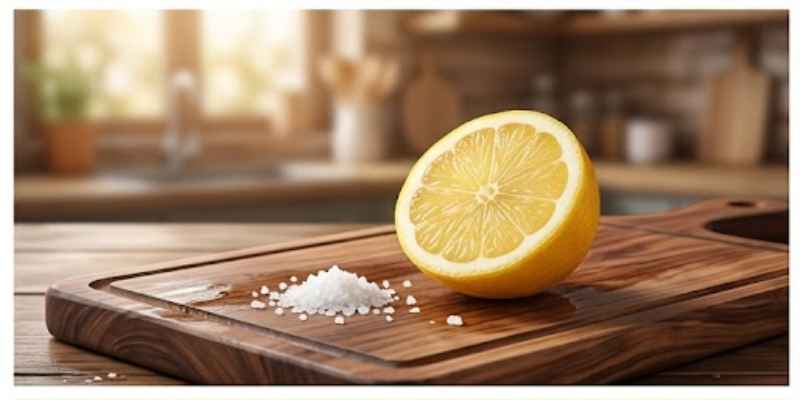
A wood cutting board can be cleaned and refreshed using lemon and salt. This method helps to naturally sanitize the surface, remove odors, and lift light stains. It’s a simple, effective way to maintain your board without harsh chemicals, suitable for everyday use to keep it hygienic and pleasant to work with.
Understanding Your Wood Cutting Board
Wood cutting boards are wonderful kitchen tools. They’re kind to your knives. They look great on the counter.
But wood is also a natural material. It can absorb liquids and smells. It can also harbor tiny little germs if not cared for properly.
That’s why cleaning it well is super important. It’s not just about making it look nice. It’s about making it safe to use again and again.
Think of your cutting board like a sponge. It soaks things up. Juice from a beet might stain it.
Fish smells can linger. Even after a good wash with soap and water, some things can stay behind. This is normal for wood.
But we can handle it. We just need the right approach. Using a natural cleaner can work wonders.
Many people love using lemon and salt. It’s a classic combination for a reason. Lemon has natural acids.
Salt acts as a mild abrasive. Together, they can lift away grime. They can also fight off some of those pesky smells.
This makes your board feel fresh again. It’s a little bit of kitchen magic.
The Lemon and Salt Cleaning Method
This method is pretty straightforward. You likely have both lemon and salt in your kitchen right now. That makes it super easy to do.
You don’t need special cleaners. You don’t need a trip to the store. Just grab what you have.
Here’s what you’ll need:
- A lemon
- Coarse salt (like kosher salt or sea salt)
- A clean cloth or sponge
- Water
First, look at your cutting board. Is there any loose food debris? Brush that off.
You can use a dry cloth or a soft brush for this. Get rid of any big crumbs or bits. This helps the cleaning agents work better.
Next, grab your lemon. Cut it in half. You’ll use one half at a time.
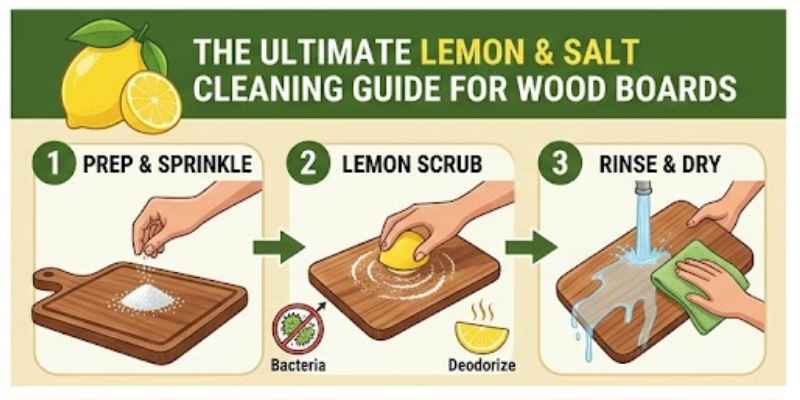
Take one lemon half. Sprinkle a good amount of coarse salt all over the surface of your cutting board. Don’t be shy with the salt.
You want a nice layer of it. This salt is going to help scrub away the mess.
Now, take the cut side of the lemon half. Use it to rub the salt into the wood. Squeeze the lemon a little as you rub.
The juice will mix with the salt. This makes a paste. You’re essentially scrubbing the board with this lemon-salt paste.
Go in circles. Cover the whole board. Pay extra attention to any stained areas.
The acidic lemon juice helps break down grime. The salt granules scrub it away.
Let this mixture sit for a little while. About five to ten minutes is usually good. This gives the lemon juice time to work its magic.
It helps to lift out odors and stains. It also starts the sanitizing process. While it sits, you can clean your sink or prepare your next meal.
It’s a nice, hands-off step.
After it has sat, it’s time to rinse. Use warm water to wash away the salt and lemon paste. You can use a damp cloth or sponge for this.
Make sure to get all the salt off. You don’t want a salty cutting board! Rinse thoroughly.
You should see the wood looking brighter already.
The final step is drying. This is very important for wood. Water can warp wood if left to sit too long.
Use a clean, dry towel to wipe the board down. Get it as dry as you can. Then, stand the board up on its edge.
Let it air dry completely. This prevents moisture from getting trapped. It helps the wood stay in good shape.
Why Lemon and Salt Works So Well
It’s not just a random cleaning trick. There’s science behind why this works. Lemon is a natural wonder.
It’s packed with citric acid. This acid is great for cutting through grease. It also acts as a natural disinfectant.
It can kill some bacteria and mold. This is a big plus for kitchen surfaces. We want to keep those germs away.
Salt is another key player here. Coarse salt has sharp edges. These edges act like tiny scrub brushes.
They help to lift stubborn bits of food and grime. They also help to polish the wood surface. When salt and lemon juice mix, they create a powerful cleaning paste.
It’s effective but still gentle on the wood.
Together, they tackle common cutting board issues. Stains from berries or turmeric? The lemon helps fade them.
Smells from onions or garlic? The lemon’s acidity neutralizes them. It’s a dual-action cleaner that’s also food-safe.
You don’t need to worry about chemical residues left behind. This is a huge relief for many home cooks.
Many commercial cleaners are harsh. They can damage the wood. They can leave behind fumes.
Using lemon and salt is a kinder alternative. It’s good for the environment too. It uses simple ingredients from your kitchen.
This makes it a go-to method for those who prefer natural cleaning.
This method is also great for general maintenance. You don’t need to wait for a big mess. You can do this weekly or bi-weekly.
It keeps your board looking good. It keeps it smelling fresh. It helps extend the life of your cutting board.
It’s a small effort with big rewards for your kitchen.
Quick Lemon & Salt Steps
1. Prep: Brush off loose food bits.
2. Salt: Sprinkle coarse salt over the board.
3. Scrub: Rub with a lemon half, squeezing juice.
4. Rest: Let sit for 5-10 minutes.
5. Rinse: Wash away with warm water.
6. Dry: Towel dry, then air dry standing up.
My Own Cutting Board Scare
I remember one night, I was making a big batch of salsa. I had red onions, tomatoes, cilantro, and a whole lot of garlic. I was using my favorite big wooden cutting board.
It’s a beautiful piece. It’s seen a lot of meals come and go in my kitchen. I finished chopping everything up and rinsed the board quickly.
But that onion and garlic smell? It was ROUGH.
The next morning, I decided to make breakfast. I grabbed my board again. The faint onion and garlic smell was still there.
It wasn’t strong, but it was enough to make me pause. I thought about raw chicken I had cut on it the day before. Suddenly, my stomach did a little flip.
Was I really cleaning it well enough?
I had always just used dish soap and water. I figured that was enough. But this experience made me question it.
I started looking into other ways. I remembered my grandmother always using lemons for cleaning. So, I decided to give the lemon and salt method a try.
I sprinkled salt all over. I grabbed a lemon. Rubbing that lemon into the salt felt a little strange at first.
It made a gritty paste. I let it sit. When I rinsed it, the difference was amazing.
The faint odor was gone. The board looked brighter. It felt cleaner.
It was a small victory, but it made me feel so much better about using my board.
When to Use Lemon and Salt
This cleaning method is great for many situations. It’s perfect for everyday cleaning after cutting produce like onions, garlic, or strong-smelling herbs. If your board has picked up a lingering odor, this is your go-to solution.
It helps to neutralize those strong smells. It’s also good for light stains. Think about beet juice or tomato sauce that left a mark.
If you’ve cut raw meat or fish on your board, you’ll want to take extra steps. While lemon and salt can help, it’s not a guaranteed disinfectant for raw poultry or pork. After using the lemon and salt method, consider a diluted bleach spray for raw meat.
A common ratio is 1 teaspoon of bleach per quart of water. Spray it lightly. Let it sit for a few minutes.
Then rinse thoroughly. Make sure to dry your board completely afterward. Always dry wood cutting boards thoroughly.
For deeper sanitizing, especially after raw meat, there are other options. Some people use a hydrogen peroxide spray. Others use special wood board cleaners.
But for general freshening and odor removal, lemon and salt is fantastic. It’s a good routine to get into.
You can use this method about once a week. Or whenever you notice an issue. It’s better to clean your board regularly.
This prevents deep stains and odors from setting in. It also keeps your board in better condition over time. A well-maintained board lasts for years.
It becomes a reliable kitchen friend.
Myth vs. Reality: Cutting Board Care
| Myth | Reality |
| Dish soap is enough for wood boards. | Dish soap cleans surface dirt but may not fully sanitize or remove odors from wood. |
| You can leave wood boards wet. | Leaving wood boards wet can cause them to warp, crack, or develop mold. Always dry them well. |
| Plastic boards are always more sanitary. | Plastic boards can develop deep scratches that harbor bacteria, making them harder to clean than well-maintained wood. |
| Lemon juice alone will kill all germs. | Lemon juice is a good natural disinfectant, but it’s not a broad-spectrum killer for all harmful bacteria. |
The Importance of Proper Drying
I cannot stress this enough. Drying your wood cutting board properly is as vital as cleaning it. Water is the enemy of wood in many ways.
If you leave a wood board soaking wet, it can swell. Then, when it dries, it can shrink and crack. This creates little gaps.
Those gaps can hide food particles and germs.
After you’ve rinsed the lemon and salt paste off, take a clean, dry towel. Wipe down the board. Get as much moisture off the surface as possible.
Don’t just leave it on the counter to air dry. That’s not enough. Then, the most important part: stand the board up.
You want to stand it on its edge. This allows air to circulate all around the board. Both sides can dry.
The edges can dry. Nothing is trapped against the surface. This helps the wood dry evenly.
It prevents warping. It also stops mold or mildew from growing. A board that dries fully will last much longer.
It will look better too.
Some people have special cutting board racks. Others just prop them against something. The goal is to have it upright and exposed to air.
Think of it like letting your hair dry. You wouldn’t wrap it in a towel and leave it. You let it breathe.
Your cutting board needs the same treatment.
If you live in a very humid climate, this step is even more crucial. Moisture hangs around longer. So, extra drying time and good air circulation are key.
A damp board is a sad board. And a sad board can lead to a less-than-fresh kitchen.
When is it Time to Worry?
Signs your board needs more than just lemon:
- Deep Cuts/Gouges: If your board has many deep cuts, bacteria can hide. Consider resurfacing or replacing.
- Persistent Odors: If lemon and salt don’t remove a smell, it might be too deep.
- Warping or Cracks: This indicates moisture damage. It might be beyond simple cleaning.
- Mold or Mildew: If you see fuzzy green or black spots, clean thoroughly and consider replacement if it persists.
Oiling Your Cutting Board
Once your board is clean and completely dry, it’s a good idea to oil it. This is another step that makes a huge difference. Oiling helps to protect the wood.
It prevents it from drying out. It also makes it more resistant to stains and odors. It gives the wood a nice sheen too.
What kind of oil should you use? Food-grade mineral oil is the most common choice. It’s inexpensive and readily available.
You can find it at most pharmacies or grocery stores. Beeswax conditioners are also popular. They add an extra layer of protection and a nice feel.
Avoid using regular cooking oils like olive oil or vegetable oil. These can go rancid. They can make your board smell bad over time.
Stick to mineral oil or specialized board conditioners.
How often should you oil? It depends on how much you use your board. A good rule of thumb is to oil it once a month.
Or whenever the board starts to look dry or faded. If water soaks into the wood quickly instead of beading up, it’s time to oil.
To oil your board, apply a generous amount of mineral oil to the clean, dry surface. Use a clean cloth or paper towel to spread it around. Make sure to cover all sides and edges.
Let the oil soak in for at least a few hours. Some people even leave it overnight. Then, wipe off any excess oil.
Your board will look richer and feel smoother.
Combining the lemon and salt cleaning with regular oiling creates a perfect care routine. It keeps your wooden cutting boards looking beautiful and hygienic for years. It’s a small habit that truly pays off for your kitchen tools.
Quick Oil Application Tips
1. Clean & Dry: Ensure your board is spotless and bone dry.
2. Apply Oil: Use a generous amount of food-grade mineral oil.
3. Spread Evenly: Cover all surfaces, including edges.
4. Let Soak: Allow several hours, or overnight, for deep absorption.
5. Wipe Excess: Remove any leftover oil with a clean cloth.
Alternatives to Lemon and Salt
While lemon and salt is a fantastic, natural cleaner, there are other options. Sometimes, you might need something a bit stronger. Or maybe you just want to mix things up.
Baking Soda Paste: Baking soda is another excellent natural cleaner. Mix baking soda with a little water to form a paste. Spread it on the board.
Let it sit for about 10-15 minutes. Then scrub it off with a damp cloth. Rinse and dry.
Baking soda is great for absorbing odors.
Vinegar Spray: White vinegar is another acidic cleaner. You can put some in a spray bottle. Spray it on the board.
Let it sit for a few minutes. Rinse and dry. Vinegar is also good for sanitizing.
Just be aware that vinegar has a strong smell. It usually dissipates as it dries. Some people find the smell unpleasant, so it’s a matter of preference.
Hydrogen Peroxide: For extra sanitizing power, especially after raw meat, you can use a 3% hydrogen peroxide solution. Spray it onto the board. Let it bubble and sit for about 5-10 minutes.
Rinse thoroughly with water. Then dry completely. This is a stronger option for deep cleaning.
Commercial Cutting Board Cleaners: There are many products specifically designed for cleaning and conditioning cutting boards. These can be effective. They often combine cleaning agents with conditioning oils.
If you prefer a dedicated product, look for ones made for wood and that are food-safe.
Remember, no matter what method you choose, the key is thorough rinsing and complete drying. For wood, moisture is the enemy. And always dry your board standing up.
This ensures it stays in good condition.
Lemon & Salt vs. Other Methods
Lemon & Salt: Best for general cleaning, odor removal, light stains. Natural, readily available.
Baking Soda Paste: Excellent for odor absorption and gentle scrubbing. Mild and natural.
Vinegar Spray: Good for sanitizing and some odor removal. Stronger smell.
Hydrogen Peroxide (3%): For deeper sanitizing, especially after raw meat. Stronger, requires thorough rinsing.
What This Means for Your Kitchen
Knowing how to clean your wood cutting board properly means a few things for your kitchen. First, it means better food safety. You’re less likely to spread germs from one food item to another.
This is especially important when you prepare meals for kids or elderly family members.
Second, it means your cutting boards will last longer. When you take care of them, they don’t dry out, crack, or get warped. You get more use out of them.
This saves you money in the long run. You won’t have to replace them as often.
Third, your kitchen will simply smell better. No more lingering onion or garlic smells on your board. Just a fresh, clean surface ready for your next culinary adventure.
A pleasant cooking environment makes meal prep more enjoyable.
Finally, it gives you peace of mind. You know that you’re using a clean and safe tool. You can focus on enjoying the cooking process.
This simple knowledge makes a big difference in how you feel about your kitchen tools. It’s about building confidence in your cooking space.
Frequently Asked Questions
Can I use dish soap with lemon on my wood cutting board?
Yes, you can use a small amount of mild dish soap along with lemon. However, many people find that the lemon and salt method alone is sufficient for cleaning and deodorizing. If you do use soap, rinse thoroughly to ensure no residue remains, as soap can dry out the wood if left on.
How often should I clean my wood cutting board with lemon and salt?
It’s a good idea to clean your wood cutting board with lemon and salt at least once a week for regular use. If you notice strong odors or stains, you can clean it more frequently. For boards used heavily for raw meats, a more thorough sanitizing method might be needed after each use.
Can I put my wood cutting board in the dishwasher?
Absolutely not. Dishwashers are the enemy of wood cutting boards. The intense heat and prolonged exposure to water will cause the wood to warp, crack, and split.
Always hand wash your wood cutting boards and dry them thoroughly.
What if my wood cutting board has a deep scratch?
Deep scratches can be problematic because they harbor bacteria and are hard to clean. For minor scratches, you can try sanding the board smooth with fine-grit sandpaper. Follow up with oiling.
If the scratches are very deep or numerous, it might be time to consider replacing the board for safety reasons.
Is it okay to use lemon on an old, dried-out cutting board?
Yes, the lemon and salt method can help revive a dried-out board by cleaning it. However, after using the lemon and salt, it’s crucial to oil the board thoroughly. Oiling is essential to rehydrate the wood and prevent further drying and cracking, especially if it’s already in rough condition.
How do I remove a stubborn stain like turmeric?
For stubborn stains like turmeric, you might need to repeat the lemon and salt process a couple of times. You can also try making a paste of baking soda and water, applying it to the stain, letting it sit for 15-20 minutes, then scrubbing gently. Rinse and dry completely.
Conclusion
Taking care of your wood cutting board is simple. Using lemon and salt is a natural, effective way to keep it clean, fresh, and hygienic. It protects your knives and adds years to your board’s life.
A little effort goes a long way in maintaining a safe and beautiful kitchen. So grab that lemon and salt, and give your trusty board some love!
Sponsored / affiliate links. As an Amazon Associate I earn from qualifying purchases. I may earn additional commission from eligible campaigns.