What Is The Best Concrete Paint For Outdoors That Lasts?
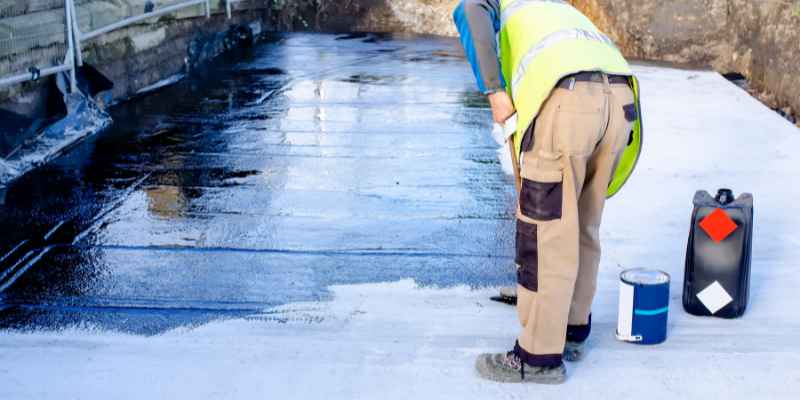
Outdoor concrete paint is special. It’s made to handle more than indoor paint. Think about the weather.
Sun, rain, snow, and ice all beat down on it. Plus, it has to deal with foot traffic. Cars might drive on it too.
Regular paint just can’t hold up. It will crack and chip. It will fade away quickly.
So, you need a paint designed for these tough conditions.
The main goal of outdoor concrete paint is protection. It shields the concrete from water. It stops salt from causing damage.
It also gives your concrete a fresh, new look. This can really boost your home’s appeal. It’s not just about making things pretty.
It’s about making them last longer too. This saves you money and hassle down the road.
When we talk about “best,” we mean a few things. It means the paint needs to stick well. It must resist fading from the sun.
It should also be tough against wear and tear. We’ll look at what makes one paint better than another. We will also talk about how you prepare the concrete.
This part is super important for any paint job.
My Experience with Faded Patios
I remember wanting to spruce up my patio one summer. It was a sad, gray slab. I picked out a nice-looking color.
I thought any exterior paint would work. I slapped on a couple of coats. It looked great for about a month.
Then, the rain started. Little by little, the color began to wash away. My feet dragged across it.
The color wore off in patches. I felt so disappointed. I had wasted time and money.
That’s when I learned that not all paints are created equal for outdoor concrete.
Types of Outdoor Concrete Coatings
Latex Acrylic Paints: These are water-based. They are easy to clean up. They offer good color options.
They are best for light traffic areas like patios or walkways. They might not hold up to cars.
Epoxy Coatings: These are super strong. They form a hard shell. They are great for garages or high-traffic zones.
They can be slippery when wet. You need good ventilation when applying them.
Elastomeric Coatings: These are flexible. They can stretch. This is good for concrete that might move a little.
They can fill small cracks. They offer great waterproofing.
Stains: These soak into the concrete. They don’t form a thick layer. They offer a more natural look.
They can be translucent or opaque. They are generally less durable than paints or epoxies.
Choosing the Right Paint Type
The kind of paint you choose really matters. For a patio or a pool deck, a good quality latex acrylic concrete paint is often a solid choice. Look for one that says “100% acrylic.” This means it’s more durable.
It can handle the sun’s UV rays better. These paints also come in many colors. They are easy to apply and clean up with water.
If you need something for a garage floor or a driveway, you need more. You need a paint that can take heavy weight. And it needs to resist oil and gas.
This is where epoxy concrete paint shines. True two-part epoxies are the toughest. They mix two chemicals together.
This creates a very strong, chemical-resistant finish. One-part epoxies are easier to use but not as strong.
There are also specialty coatings. Elastomeric concrete coatings are a bit like rubber. They can expand and contract.
This is great if your concrete might crack a little due to temperature changes. They also provide a good waterproof layer. This can help prevent water damage over time.
Don’t forget concrete stains. They don’t just sit on top. They go into the concrete.
This gives a different kind of look. Some stains are watery. Others are thicker.
They can make concrete look like stone or wood. But they might not offer as much protection. And they can wear off faster than a good paint or epoxy.
Key Features for Durability
- UV Resistance: Stops color fading in the sun.
- Waterproofing: Protects against rain and ice.
- Abrasion Resistance: Stands up to foot traffic and vehicles.
- Chemical Resistance: Withstands oil, gas, and cleaning agents.
- Flexibility: Adapts to concrete’s minor movements.
Surface Preparation is Everything
This is the most important step. Most paint failures happen because of poor prep. You can have the best paint in the world.
If you don’t prep the concrete right, it won’t stick. It will peel. It will bubble.
It will fail.
First, you need to clean the concrete. Really clean it. Use a degreaser for any oil or grease spots.
Use a concrete cleaner for dirt and grime. A stiff brush helps. Sometimes you need a pressure washer.
Make sure to rinse thoroughly. Any soap residue will cause problems.
Next, you need to etch the concrete. This makes the surface rough. It gives the paint something to grab onto.
You can use an acid-etch solution. Follow the instructions carefully. Wear gloves and eye protection.
Rinse the concrete again until it’s clean and neutral. Let it dry completely. This can take a day or two.
Humidity affects drying time.
Also, check for any cracks or holes. You need to repair these. Use a concrete patching compound.
Let the patch material cure fully. Then, you might need to sand it down smooth. If there are any loose bits of concrete, get rid of them.
The surface needs to be smooth and solid.
Finally, check for moisture. If your concrete is in an area that gets a lot of water, test it. You can tape a square of plastic wrap to the concrete.
Leave it overnight. If there’s moisture under the plastic in the morning, you have a problem. Some paints can handle a little moisture.
But many cannot. You might need a special moisture-blocking primer.
Surface Prep Checklist
- Clean: Remove dirt, grease, and grime.
- Degrease: Use a good degreaser for oil stains.
- Rinse: Wash away all cleaning residue.
- Etch: Create a porous surface for better adhesion.
- Rinse Again: Neutralize the etching solution.
- Dry: Ensure concrete is completely dry.
- Repair: Fix cracks and holes with patching compound.
- Test Moisture: Check for excessive dampness.
Top Brands for Long-Lasting Outdoor Concrete Paint
When I’m looking for long-lasting outdoor concrete paint, I check out a few brands. These are brands that pros trust. They also get good reviews from homeowners.
For garages and driveways, Rust-Oleum EpoxyShield is a popular choice. It’s a tough epoxy system. It can take a lot of abuse.
It also comes in kits that make application easier.
Another strong contender is Behr Premium Concrete & Masonry Floor Paint. This is a high-performance acrylic. It’s made for floors that see a lot of action.
It offers good durability and a nice finish. It’s also available in many colors. It’s widely available at home improvement stores.
For patios and walkways, look at Sherwin-Williams’ Deck & Concrete Stain. While it’s a stain, their advanced formulas offer great protection. They have good UV blockers.
They also stand up well to foot traffic. If you want a painted look, check out their concrete paints.
INSL-X Aqua Lock Plus Primer is also worth mentioning. While it’s a primer, using a good primer is key to paint lasting. This primer is great for challenging surfaces.
It seals the concrete well. It helps the topcoat adhere better. A good primer is half the battle.
When comparing, look at what the paint is designed for. Is it for driveways, patios, or pool decks? What kind of traffic will it see?
Does it claim to be UV resistant? Does it mention being waterproof? These details tell you if it’s built for the outdoors.
Brand Spotlight: Rust-Oleum
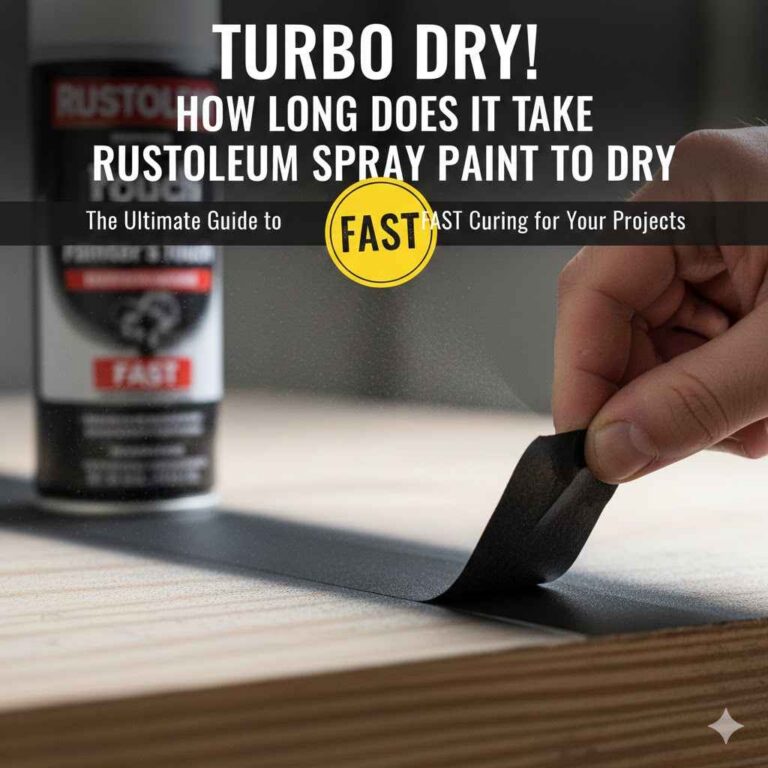
Rust-Oleum is a name many people trust for tough finishes. Their EpoxyShield Garage Floor Coating is a prime example. It uses a two-part epoxy system.
This makes it incredibly durable. It resists hot tire pickup from cars. It also resists oil, gas, and road salt.
It’s not the easiest to apply. But for a garage floor, its longevity is hard to beat.
They also have other concrete paints. The RockSolid Garage Floor Coating is another popular option. It’s often a polycuramine formula.
It’s known for being strong and fast-drying. It offers a high-gloss finish. Many users find it very resistant to wear and tear.
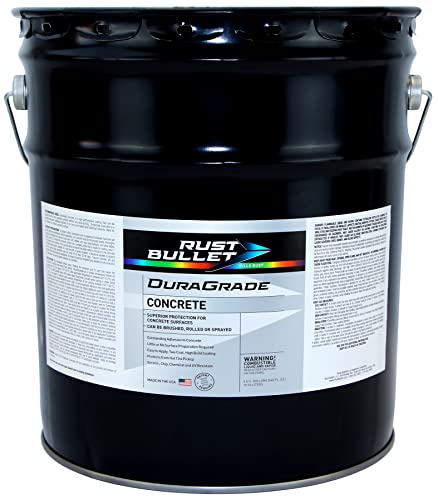
When looking at Rust-Oleum products, always check the specific product details. Make sure it’s rated for exterior use. And ensure it’s meant for the type of concrete surface you have.
Their products are widely available. This makes them a convenient choice for many DIYers.
Application Tips for Longevity
How you apply the paint makes a big difference. Start with good weather. You don’t want to paint when it’s too hot or too cold.
Check the paint can. It will give you temperature ranges. Avoid painting in direct sun if possible.
The paint can dry too fast. This can cause brush marks or lap marks.
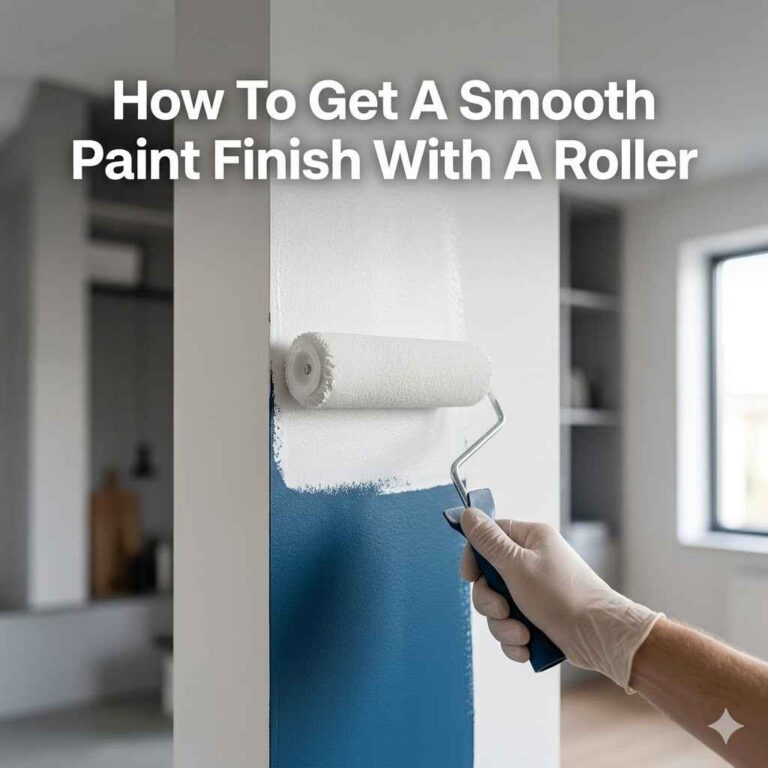
Use the right tools. For large areas like driveways, a roller is best. Use a good quality roller cover.
One that’s made for smooth surfaces. For edges and corners, a brush is needed. A good synthetic brush works well with most paints.
Apply thin coats. It’s better to do two or three thin coats. Instead of one thick coat.
Thick coats can peel or bubble. They also take longer to dry. Let each coat dry completely.
Check the paint can for drying times. Usually, it’s a few hours between coats.
For epoxy paints, follow the mixing instructions exactly. Mix them thoroughly. Work within the pot life.
The pot life is how long the mixed paint is good. Once mixed, it starts to harden. You need to apply it before that happens.
Work in small sections if you’re new to epoxy.
Allow enough cure time before use. This is different from dry time. Dry time is when it’s not sticky.
Cure time is when it’s fully hardened and at its strongest. For driveways, you might need to wait 3-7 days. For patios, maybe 2-3 days.
This is crucial for the paint to last.
Application Steps for Success
1. Weather Watch: Paint when temperatures are mild (50-85°F is common). Avoid rain or high humidity.
2. Tool Up: Use a high-quality roller for large areas. Get a good brush for edges.
3. Thin is In: Apply thin, even coats. This prevents peeling and ensures even drying.
4. Layer Up: Apply multiple thin coats. Allow each coat to dry fully before the next.
5. Mix Right: For two-part paints like epoxy, follow mixing ratios exactly. Stir well.
6. Respect Cure Time: Let the paint fully cure before walking or driving on it. This is critical for durability.
Factors Affecting Longevity
Several things can impact how long your concrete paint lasts. The climate where you live is a big one. Areas with harsh winters and lots of freeze-thaw cycles are tough on paint.
Salt used on roads in winter can also eat away at coatings.
The amount of traffic is another factor. A quiet patio will fare better than a busy driveway. If cars drive on it, oil and gas spills are a risk.
These can break down some paints. You need a coating designed for this kind of stress.
The quality of the concrete itself matters. Old, crumbling concrete will not hold paint well. Even with perfect prep, it might not last.
New concrete needs to cure fully. Sometimes concrete has sealers or contaminants on it from the start. These must be removed.
How much direct sunlight the area gets is also important. UV rays are powerful. They can break down the binders in paint.
This leads to chalking and fading. Look for paints with good UV resistance. This is especially true for bright colors.
Maintenance plays a role too. Regular cleaning will help. Sweep debris off.
Wash with mild soap and water if it gets dirty. Avoid harsh chemicals. They can strip away the protective layer of the paint.
Simple care can extend its life significantly.
Quick Scan: Longevity Boosters
Climate: Mild climates are best. Extreme cold/heat is tough.
Traffic: Light foot traffic lasts longer than vehicle traffic.
Concrete Quality: Solid, well-cured concrete holds paint best.
Sun Exposure: Full sun can cause fading; UV-resistant paint helps.
Maintenance: Regular, gentle cleaning is key.
When Is It Normal for Paint to Wear?
It’s normal for any painted surface to show some wear over time. Concrete paint is tough, but it’s not invincible. If you have a driveway that sees daily car traffic, some tire marks might appear.
That’s usually normal.
On a patio, you might see some slight fading in very sunny spots. Or maybe some scuff marks from furniture being moved. These are signs of use.
They don’t necessarily mean the paint is failing. It just means it’s doing its job.
A little bit of dirt or discoloration can also be normal, especially in shaded areas. Or if spills happen. As long as the paint is not peeling, bubbling, or flaking off in large sections, it’s likely still performing.
It just needs a clean.
If you see chalking, where a powdery residue comes off on your hand, that’s a sign of UV breakdown. It means the binders are weakening. This is more common with older paints or those not designed for direct sun.
So, what isn’t normal? If paint starts peeling up in large sheets. If it bubbles up and then breaks.
If it chips off easily when you scratch it. These are clear signs of adhesion failure. This usually points back to surface prep or using the wrong type of paint.
When to Worry or Reapply
You should start to worry if the paint shows significant damage. Peeling paint is a big red flag. It means water can get under the coating.
This can lead to bigger problems with the concrete itself. It also looks bad and can become a trip hazard.
Bubbling paint is another sign something is wrong. It often means moisture is trapped under the paint. Or the paint wasn’t applied evenly.
Or the concrete wasn’t dry enough. Bubbles can burst. Then you have bare spots.
Widespread chipping is also concerning. It shows the paint is brittle. It’s not flexible enough for the concrete’s movement.
Or it simply isn’t adhering strongly.
If you notice large areas of fading, especially if the color is uneven, it might be time to think about recoating. Especially if the concrete itself is starting to look dull or damaged underneath.
Before reapplying, you’ll likely need to do some prep work again. You might need to lightly sand any loose spots. You might need to wash the whole area.
For major peeling, you might need to scrape off all the old paint. Then start the prep process over. It’s often easier to maintain than to fix major problems.
Signs of Trouble
- Peeling: Paint is lifting off the concrete.
- Bubbling: Air or moisture trapped under the paint layer.
- Chipping: Paint is breaking off in pieces.
- Widespread Fading: Color is uneven and dull across large areas.
- Cracking: The paint itself is showing cracks.
Quick Fixes and Preventative Tips
The best fix is prevention. Always start with perfect surface preparation. Clean, etch, and dry.
This is non-negotiable for longevity.
Choose the right paint for the job. A garage floor needs a heavy-duty epoxy. A patio can use a good acrylic.
Don’t use interior paint outside. It’s a recipe for disaster.
Apply the paint correctly. Follow manufacturer instructions. Use thin coats.
Allow proper drying and curing times. Don’t rush the process.
For areas prone to oil spills, like garages, seal any oil spots thoroughly. Use a concrete degreaser and a concrete sealer before painting. This blocks the oil from reaching the paint.
In areas with heavy snow and ice, consider a sealant. Some concrete paints can be top-coated with a clear sealer. This adds an extra layer of protection against salt and moisture.
Sweep and wash your painted concrete regularly. Remove leaves, dirt, and gravel. Gravel can act like sandpaper.
Use a mild soap. Avoid strong acids or solvents. This simple maintenance can add years to the paint’s life.
Frequently Asked Questions
What is the best type of paint for an outdoor concrete patio?
For a patio, a high-quality 100% acrylic latex concrete paint is usually the best choice. Look for products specifically designed for exterior concrete floors. These paints offer good color retention, UV resistance, and durability for foot traffic.
They are also easier to clean up than other types.
Can I paint my driveway with regular exterior house paint?
No, you absolutely should not use regular exterior house paint on a driveway. Driveway paint is specifically formulated to withstand heavy vehicle traffic, hot tire pickup, oil, gas, and de-icing salts. Exterior house paint is not designed for this kind of stress and will fail very quickly.
How long does outdoor concrete paint typically last?
The lifespan of outdoor concrete paint varies greatly. A well-prepped and properly applied high-quality paint or epoxy coating can last anywhere from 5 to 10 years or even longer. Factors like climate, traffic, sun exposure, and maintenance play a significant role.
Do I need a special primer for outdoor concrete paint?
Yes, in most cases, a primer is highly recommended for outdoor concrete. A good concrete primer seals the surface, blocks stains, and improves adhesion. Some paints have a primer built in, but for challenging surfaces or to ensure maximum longevity, a separate concrete primer is a wise investment.
How do I prepare concrete for painting outdoors?
Outdoor concrete preparation involves thorough cleaning with a degreaser and concrete cleaner. Then, you must etch the surface, usually with an acid solution, to create porosity. Repair any cracks or damage.
Finally, let the concrete dry completely. Proper preparation is crucial for paint adhesion and durability.
Is epoxy paint good for outdoor concrete surfaces like a patio?
While epoxy is very durable, it can sometimes be too rigid for outdoor patios that experience significant temperature fluctuations. Elastomeric coatings or high-quality acrylic concrete paints might be more suitable for patios. If you do use epoxy outdoors, ensure it has good UV resistance, as some epoxies can yellow or degrade in sunlight.
Conclusion
Choosing the best concrete paint for outdoors means looking for durability and weather resistance. Proper surface preparation is key. Select a paint type suited for your specific needs, like a driveway or patio.
Brands like Rust-Oleum and Behr offer reliable options. Follow application tips carefully. With the right choice and care, your painted concrete can look great for years.
Sponsored / affiliate links. As an Amazon Associate I earn from qualifying purchases. I may earn additional commission from eligible campaigns.