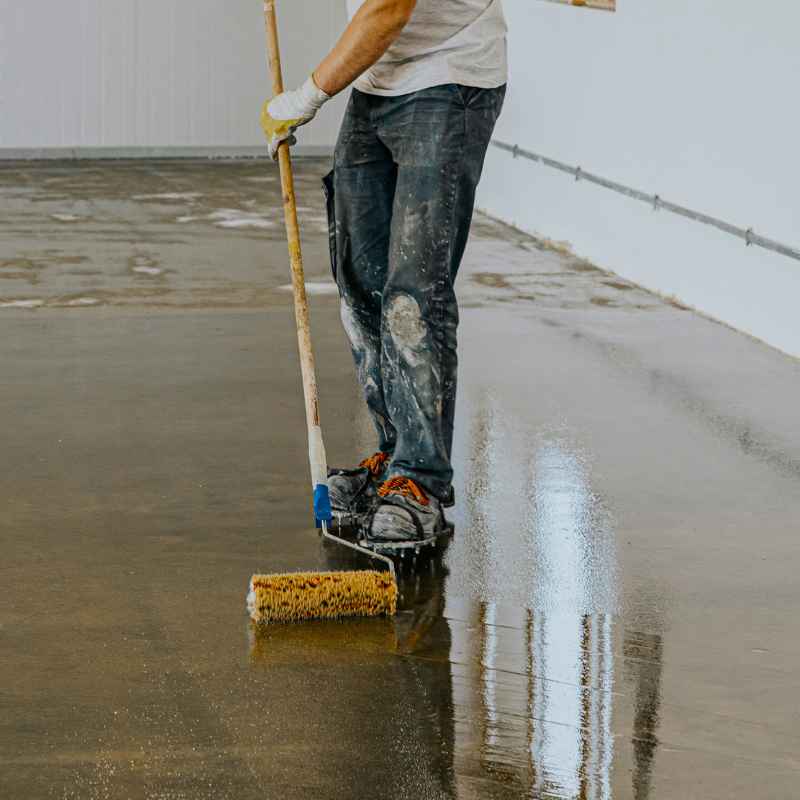
How Long Does It Take For Epoxy Paint To Dry Completely?
Epoxy paint typically takes 24 to 72 hours to dry to the touch. However, full curing, which means it reaches its maximum hardness and chemical resistance, can take anywhere from 5 to 10 days, depending on the product and environmental conditions. Always check the manufacturer’s specific instructions.
Understanding Epoxy Paint Drying and Curing
Epoxy paint isn’t like regular latex paint. It’s a two-part system. You mix a resin and a hardener together.
This mixing starts a chemical reaction. This reaction makes the paint harden and form a very strong layer. It’s this chemical change that makes epoxy so tough.
There are two main stages to think about. The first is drying. This is when the liquid part of the paint starts to evaporate.
It feels dry to the touch. You might be able to gently handle it. The second stage is curing.
This is the important one. Curing is when the chemical reaction finishes. The paint becomes its hardest and strongest.
Many people mix up drying and curing. They think because it’s dry to the touch, it’s fully ready. This is a common mistake.
If you use the surface too soon, you can damage the new paint. This can lead to scratches, dents, or even the paint peeling up.
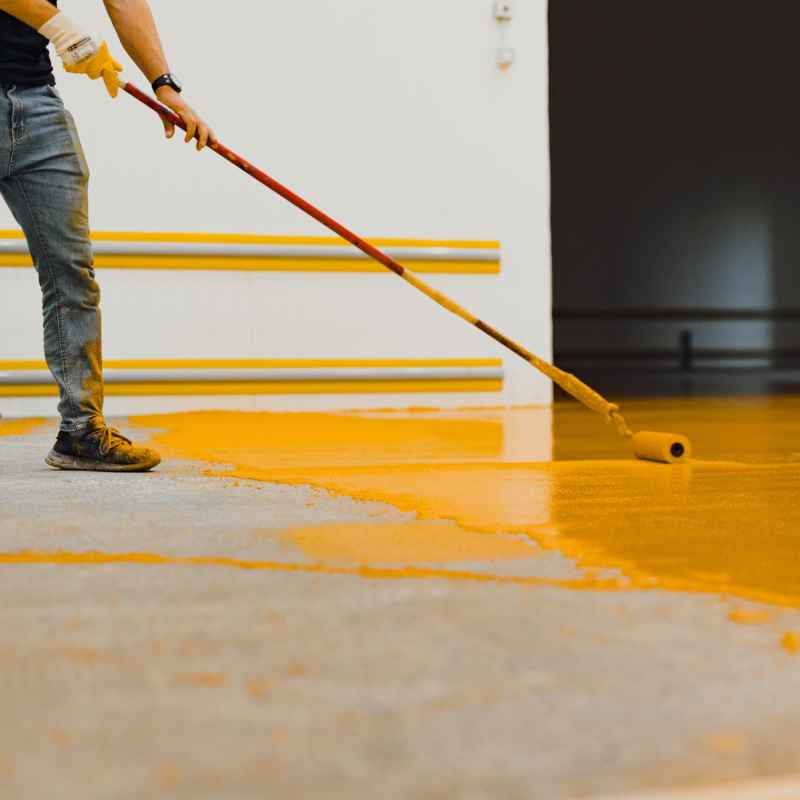
My Own Epoxy Paint Epoxy Paint Struggle
I remember a time I was painting my garage floor. I wanted that slick, durable look. I got a great two-part epoxy kit.
I followed the instructions exactly. I waited the recommended 24 hours. It felt hard!
I was so excited. I moved my car back onto the floor.
Within a week, I noticed tire marks. They weren’t just scuffs; they were actual grooves in the paint. My heart sank.
I had rushed it. The paint was dry, but it wasn’t fully cured. I had to strip it all up and start over.
It was a tough lesson about patience.
That experience taught me the true meaning of “fully cured.” It’s not just about a dry surface. It’s about a completely hardened surface. This is why reading the can is so important.
Every product is a little different.
Key Stages of Epoxy Paint Hardening
Stage 1: Dry to the Touch
This is the initial hardening. The surface feels dry. You can gently touch it without it sticking to your finger.
This usually happens in 12-24 hours.
Stage 2: Light Foot Traffic
The paint is harder. You can walk on it carefully. Avoid dragging your feet.
This stage often starts around 24-48 hours after application.
Stage 3: Heavy Traffic & Equipment Use
The paint can now take more weight. You can park cars or place heavy items on it. This requires more time, usually 3-5 days.
Stage 4: Full Cure (Maximum Hardness)
This is when the epoxy reaches its ultimate strength. It’s resistant to chemicals and heavy wear. This can take 7-10 days, or sometimes longer.
Factors Affecting Epoxy Paint Drying Time
Several things can make your epoxy paint dry faster or slower. It’s not just about the product itself. The environment plays a big role.
You need to pay attention to these details.
Temperature is a big one. Warmer temperatures help the chemical reaction happen faster. Colder temperatures slow it down. Most manufacturers recommend a specific temperature range.
It’s usually between 60°F and 85°F (15°C to 30°C).
If you paint in a cold garage in winter, it will take much longer to cure. You might even have problems with the paint hardening properly. On the flip side, painting in extreme heat can also cause issues.
It might cure too fast on the surface. This can lead to bubbles or an uneven finish.
Humidity also matters. High humidity means there’s more water vapor in the air. This can slow down the evaporation of solvents from the paint. It can also interfere with the chemical reaction.
Try to paint when the humidity is moderate, not super high.
Airflow is important too. Good ventilation helps the solvents escape. It also helps with the chemical reaction. Open windows and doors.
Use fans to keep the air moving. This is especially true for enclosed spaces like basements or garages.
The thickness of the application matters. If you apply a very thick coat of epoxy, it will take longer to dry and cure. This is because the hardener has to reach deeper into the paint. Thicker layers trap more solvents.
This slows the whole process down.
The type of epoxy paint itself is crucial. Some epoxies are designed for fast curing. Others are made for a slower, more thorough cure. Always read the product label.
It will give you the best estimate for that specific product.
Quick Scan: Drying Time Influencers
- Temperature: Warmer speeds it up, colder slows it down.
- Humidity: High humidity slows evaporation.
- Airflow: Good air movement helps solvents escape.
- Paint Thickness: Thicker coats take longer.
- Product Type: Fast-cure vs. slow-cure formulas exist.
Real-World Scenarios: Where Epoxy is Used
Epoxy paint is used in many places because it’s so tough. Understanding these uses helps show why the cure time is so important.
Garages: This is a very common spot. Garage floors take a lot of abuse. Cars drive on them.
Tools get dropped. Spills happen. The epoxy needs to be fully cured to handle all of this.
A rushed cure means scratches and stains.
Basements: People often paint their basement floors for a cleaner look. Similar to garages, these floors can see a lot of foot traffic. Kids play there.
Furniture is moved. The epoxy needs to be robust and completely hardened.
Workshops: Professional workshops and home craft rooms use epoxy for its durability. Metal shavings, chemicals, and heavy machinery can be on the floor. A fully cured epoxy floor stands up to these demands.
Commercial Spaces: Think about places like restaurants, warehouses, and retail stores. They need floors that can handle constant foot traffic and cleaning. They also need surfaces that are easy to maintain and look good.
Epoxy is a popular choice here too. The long cure time is factored into their business operations.
Outdoor Patios and Pool Decks: Some specialized epoxy paints can be used outdoors. They need to withstand sun, rain, and temperature changes. Again, proper curing is vital for their longevity and to prevent peeling or damage from the elements.
Normal vs. Concerning Drying Signals
Normal:
- Surface feels slightly tacky for the first 12 hours.
- A light film forms over the paint after 24 hours.
- There are no strong chemical smells after 48 hours.
Concerning:
- Paint remains wet or very soft after 48 hours.
- Surface stays sticky even after several days.
- Bubbles or peeling appear during the drying process.
- A strong, lingering chemical odor persists for more than a week.
What This Means For Your Project
Knowing the difference between drying and curing is key to success. It means you need to plan ahead. You can’t just paint and expect it to be ready the next day.
Plan for downtime. If you’re painting a garage floor, you need to move your car out for at least a week. If it’s a basement, plan for that area to be off-limits. Think about what you use that space for and when you can afford to have it unavailable.
Follow the manufacturer’s guide precisely. Don’t guess. Don’t assume. The instructions on the can are there for a reason.
They are based on the specific chemistry of that paint. They will tell you the recommended drying and curing times.
Be patient. This is the hardest part. It’s tempting to speed things up. But rushing the process almost always leads to problems.
The extra days you wait for a full cure will save you from fixing mistakes later. It will ensure the strong, lasting finish you want.
Consider the environment. If you’re painting in cooler weather or a humid basement, know that it will take longer. You might need to wait even longer than the package says. If the weather is perfect, you might be closer to the stated times.
But always err on the side of caution.
Quick Tips for Proper Epoxay Curing
Here are some simple steps to help your epoxy paint cure right:
- Read the directions first. This is the most important tip.
- Mix the parts thoroughly. Follow the ratio exactly.
- Use fans for ventilation. Keep the air moving.
- Maintain a stable temperature. Avoid extreme cold or heat.
- Avoid moisture. Keep the area dry during curing.
- Resist the urge to use the surface early. Patience is key.
- Allow extra time if conditions aren’t ideal.
Frequently Asked Questions
How long does it take for epoxy paint to cure enough to walk on?
Most epoxy paints allow for light foot traffic after 24 to 48 hours. However, this is not full curing. You should walk carefully and avoid dragging your feet during this stage.
Can I speed up the drying time of epoxy paint?
You can help the curing process by ensuring good ventilation and maintaining an ideal temperature (usually between 60-85°F or 15-30°C). However, you cannot drastically speed up the chemical reaction beyond what the product is designed for without risking damage to the finish.
What happens if I put my car on an uncured epoxy floor?
If you put a car on an epoxy floor before it’s fully cured, the tires can create marks, scuffs, or even peel up the paint. The weight and heat from the tires can damage the still-soft surface, leading to costly repairs or a complete redo.
Is it okay if my epoxy paint smells strong for a week?
A strong chemical smell for the first 2-3 days is normal as the solvents off-gas and the reaction occurs. However, if a strong chemical odor persists for more than a week, it might indicate incomplete curing or an issue with the product. Ensure good ventilation throughout the entire curing period.
What is the difference between “dry” and “cured” for epoxy paint?
“Dry” means the surface feels solid to the touch and doesn’t transfer paint. “Cured” means the chemical reaction is complete, and the paint has reached its maximum hardness, durability, and resistance to chemicals and wear.
Can I apply a second coat of epoxy paint before the first is fully cured?
You can usually apply a second coat within a specific “recoat window” stated by the manufacturer. This window is typically within 12-24 hours. Applying after this window might require light sanding.
However, you generally do not wait for the full cure before applying a second coat, but rather a state of being dry to the touch and ready for recoating.
Conclusion
Waiting for epoxy paint to dry completely is a test of patience. Understanding that “dry to the touch” is different from “fully cured” is the most important lesson. Always check your product’s instructions.
Consider the temperature and humidity. A little extra waiting time means a much better, longer-lasting finish. Your hard work will pay off.
Sponsored / affiliate links. As an Amazon Associate I earn from qualifying purchases. I may earn additional commission from eligible campaigns.