How Much To Paint A Double Wide Mobile Home? Real Costs
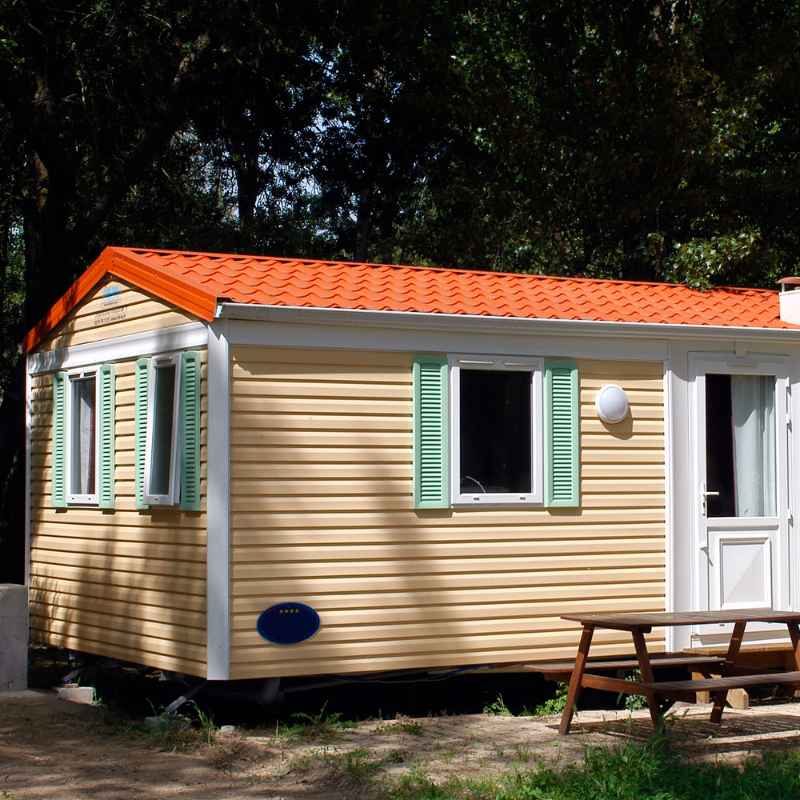
The average cost to paint a double wide mobile home ranges from $3,000 to $7,000. This includes labor and materials. However, this can vary greatly. Factors like home size, condition, paint type, and location play a big role. Some projects might cost less, while others could go higher.
Understanding Mobile Home Exterior Painting Costs
Painting a double wide mobile home is not like painting a traditional house. These homes have unique needs. The siding materials can be different.
They often have seams and joints that need special care. Also, access to all sides can sometimes be tricky. All these things affect the total price.
You’re looking at the outside of your home. This is its first impression. A good paint job protects your home from the weather.
It also boosts its curb appeal. This can even help if you ever decide to sell. So, knowing the cost is key to planning this project wisely.
We need to understand all the pieces that add up.
Factors That Affect the Price Tag
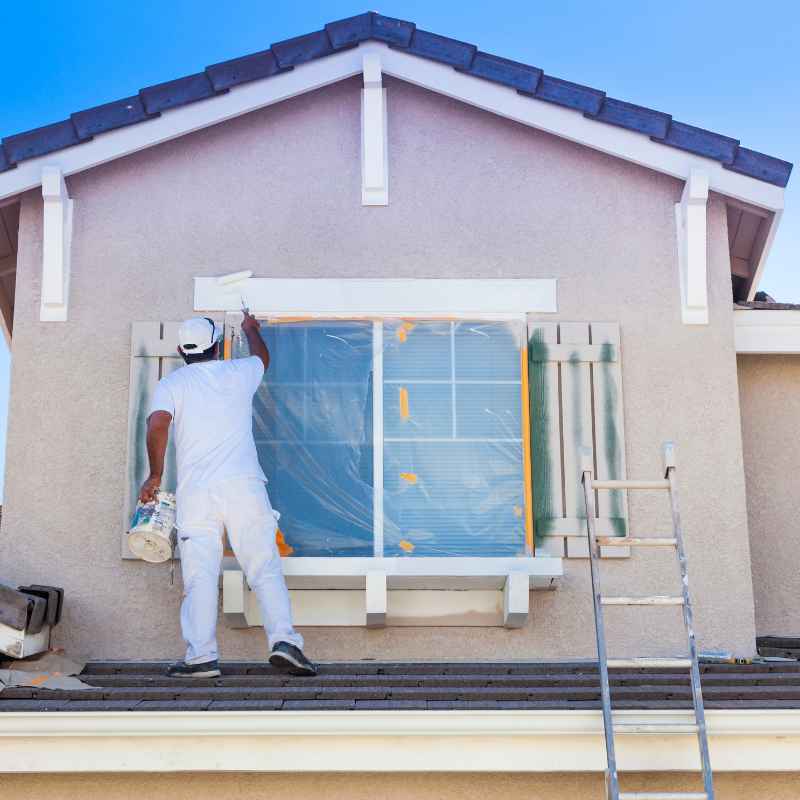
Several things will change the final number you see on an estimate. It’s not just a flat rate for every home. Think of it like buying a car; options and size change the price.
We’ll explore these key factors below.
Key Cost Influencers
Home Size: Larger homes need more paint and more time. Double wides are bigger than singlewides. This naturally means higher costs.
Siding Material: Different siding types need different prep work and paint. Vinyl, aluminum, or wood siding all have unique needs. Some are easier to paint than others.
Home Condition: Is your home’s current paint peeling? Are there cracks or damage? Fixing these issues adds to the cost.
Proper prep is crucial for a good paint job.
Paint Quality: High-quality paint costs more upfront. But it lasts longer. It offers better protection against sun and rain.
Cheaper paint might fade fast. It may need repainting sooner.
Labor Costs: This is often the biggest part of the bill. Painter rates vary by region. Experienced painters cost more but do better work.
DIY can save money but takes time and skill.
Complexity of the Job: Does your home have many windows? Are there complex trim pieces? Does it have a lot of detail work?
These add time and labor, increasing the cost.
Labor Costs: The Biggest Slice of the Pie
When you hire professionals, their time is money. This is true for painting. For a double wide mobile home, painters will charge by the hour or by the job.
Most prefer by the job for larger projects like this. This gives you a set price upfront.
A professional painter will consider many things when giving a quote. They look at the square footage. They also estimate how long prep work will take.
Cleaning, scraping, sanding, and priming all add hours. They also factor in the type of paint and number of coats. Don’t forget travel time and setup.
In many areas of the U.S., you might expect to pay between $25 to $60 per hour per painter. A small crew of two or three painters could work on your home. For a job that takes a few days, this adds up quickly.
This is why getting multiple quotes is wise. It helps you find fair pricing.
Material Costs: Paint and Supplies
Paint itself is a significant cost. For a double wide, you’ll need a lot of it. The exact amount depends on the size.
It also depends on the paint’s coverage rate.
You’ll need primer too. This helps the paint stick well. It also covers stains or old colors.
Specialty primers might be needed for certain siding types. Then there are the actual painting tools. Brushes, rollers, trays, drop cloths, and tape are all needed.
High-quality exterior paint can cost between $30 to $70 per gallon. You might need anywhere from 10 to 20 gallons or more for a double wide. So, paint alone could cost $300 to $1,400 or more.
This is just for the paint. Add in primer and supplies, and the material cost goes up.
Surface Preparation: The Unsung Hero
This is where many homeowners cut corners. But proper prep work is vital. It makes the paint job last.
It also makes the finished look much better. Poor prep means paint can peel or crack later. This costs more money in the long run.
Prep work includes:
- Cleaning the siding to remove dirt, mold, and mildew.
- Scraping loose or peeling paint.
- Sanding rough spots.
- Caulking gaps and cracks around windows, doors, and seams.
- Priming bare spots or areas with stains.
Some painters charge extra for extensive repairs. If your siding is damaged, this will add to the bill. Think of this stage as building a strong base for your new paint.
It’s worth the investment.
Paint Types and Their Impact on Price
The type of paint you choose matters. Not all paints are created equal. For mobile homes, you often see:
Paint Options for Mobile Home Exteriors
Latex or Acrylic Paint: This is the most common choice. It’s water-based. It dries fast and is easy to clean up.
It’s also flexible, which is good for homes that might expand or contract with temperature changes. It usually costs between $30-$60 per gallon.
Oil-Based Paint: This paint is more durable. It can offer a harder finish. However, it’s harder to clean up.
It takes longer to dry. It also tends to be more expensive and less eco-friendly than latex. It’s not as common for mobile home exteriors now.
Elastomeric Paint: This is a thicker, more flexible paint. It’s great for covering small cracks. It can bridge gaps in siding.
This offers excellent waterproofing. It’s a good choice for older homes or those in wet climates. It tends to be pricier, often $50-$90 per gallon.
Specialty Coatings: Some paints are made for specific materials like vinyl or aluminum. These can be more expensive. But they adhere better and last longer on those surfaces.
They prevent fading and chalking.
When choosing paint, think about the climate where you live. If you get a lot of sun, UV-resistant paint is important. If you have harsh winters, you need paint that can handle the cold.
Your painter can recommend the best type for your specific needs and budget.
DIY vs. Professional Painting
This is a big decision for any homeowner. Doing it yourself can save a lot of money. But it requires time, effort, and skill.
Professionals have the experience and tools to do the job right and efficiently.
DIY Painting: If you decide to go the DIY route, you’ll save on labor costs. This could mean saving $2,000 to $5,000 or more. But you’ll need to buy all the supplies.
You’ll also need to rent equipment like ladders or scaffolding if needed. Prep work alone can take days. The actual painting can take another week or two.
You need to be comfortable working at heights. Safety is a huge concern. It’s a physical job.
Professional Painting: Hiring pros means you pay more, but you get expertise. They know how to prep properly. They use the right techniques.
They can finish the job much faster. They also usually offer a warranty on their work. This gives you peace of mind.
For many, the convenience and quality are worth the extra cost.
A Real-World Scenario: Sarah’s Experience
Sarah lives in a 1990s double wide mobile home in North Carolina. The paint was faded and peeling badly in some spots. She wanted to give her home a fresh look before the summer.
She decided to get quotes from local painters. She wanted to understand the true cost.
She contacted three painting companies. Each came out to look at her home. They discussed the size of the home, the siding material (vinyl), and the condition of the paint.
Sarah’s home was about 1,500 square feet. The existing paint was chalking. There were a few small cracks in the vinyl siding.
The first quote was $4,500. This included cleaning, minor repairs, priming, and two coats of high-quality exterior latex paint. The second quote was $5,200.
This company specialized in mobile homes and used a specific vinyl-safe paint. They also offered a slightly longer warranty.
The third quote was $3,800. This was the lowest, but the painter seemed less experienced. He didn’t offer as detailed a plan for prep work.
Sarah felt more comfortable with the second company. She chose the $5,200 quote. The job took them five days to complete.
Sarah was happy with the final result. She felt the investment was worth it for the improved look and protection.
Understanding Your Quote: What to Look For
When you get estimates, don’t just look at the total number. Read them carefully. Make sure you understand what’s included.
This avoids surprises later.
Decoding Painting Estimates
Scope of Work: Does it clearly state what services are included? (e.g., cleaning, scraping, priming, number of paint coats, repairs).
Materials: What brand and type of paint and primer will be used? Are you getting a quality product?
Labor: Is the labor clearly outlined? Are there hourly rates or a fixed price?
Timeline: When will the work start and finish? What are the expected working hours?
Warranty: What kind of guarantee do they offer on their workmanship and materials?
Payment Schedule: How much is due upfront? What are the payment milestones?
A good quote will be detailed. It should give you confidence in the painter’s professionalism. If a quote seems too good to be true, it might be.
Ask questions until you are satisfied.
When is the Best Time to Paint?
The weather plays a huge role in exterior painting. You want conditions that are just right. Extreme temperatures can affect how paint dries and adheres.
Temperature: Most exterior paints recommend temperatures between 50°F and 85°F (10°C to 30°C). It should not be too cold or too hot. Check the paint can for specific recommendations.
Humidity: High humidity can make paint dry very slowly. This can lead to runs or uneven finishes. It can also affect adhesion.
Aim for low humidity days.
Rain: Obviously, you can’t paint in the rain. But even rain the day before or after can be an issue. The surface needs to be completely dry.
The new paint needs time to cure before getting wet.
Sunlight: Direct, hot sunlight can cause paint to dry too quickly. This can create lap marks where one section of paint meets another. Early morning or late afternoon painting can help avoid this.
Or painting on an overcast day.
Spring and fall are often ideal seasons for exterior painting in many parts of the U.S. Summers can be too hot in some areas. Winters are usually too cold.
Planning your paint job around these conditions will help ensure a better outcome.
Cost-Saving Tips for Painting Your Double Wide
While professional painting can be expensive, there are ways to manage the cost. You don’t always have to go for the cheapest option, but you can be smart about spending.
Smart Ways to Save Money
Do Some Prep Work Yourself: If you’re comfortable and have the time, you can do some of the cleaning or scraping. Discuss this with your painter. They might offer a discount if you handle certain prep tasks.
Choose Your Paint Wisely: Opt for a good quality latex paint. While premium brands cost more per gallon, they offer better durability and coverage. This might mean fewer coats are needed, saving on labor.
Look for sales on paint.
Stick to Similar Colors: Changing from a dark color to a very light color, or vice versa, often requires more coats. If you can stay close to your current color, it might save on paint and labor.
Get Multiple Quotes: As mentioned, comparing bids is essential. Don’t just go with the first one. Aim for at least three detailed quotes from reputable companies.
Ask About Off-Season Discounts: Some painters may offer lower rates during their slower months. This might be late fall or early spring, depending on your region.
Consider Smaller Projects: If your budget is very tight, you could paint just one or two sides of your home this year. Then do the rest next year. This spreads out the cost.
What This Means for Your Budget
Knowing the potential costs helps you plan. If you’re looking at $3,000 to $7,000, it’s a significant expense. This might mean saving up for a year or more.
Consider if you need minor repairs done at the same time. If your siding is aging or damaged, it might be more cost-effective to fix it before painting. This avoids paying for prep work twice.
Think about the long-term value. A good paint job protects your investment. It keeps your mobile home looking its best.
It can also prevent costly repairs down the road from weather damage. So, while the upfront cost is high, the benefits are significant.
When to Worry About Your Mobile Home’s Exterior
Most of the time, faded or slightly chipped paint is just an aesthetic issue. But sometimes, it can signal bigger problems. You should be concerned if you see:
Signs of Trouble
Extensive Peeling or Blistering: This can indicate moisture issues behind the paint or siding. It might mean the siding itself is compromised.
Mold or Mildew Growth: While some mold can be cleaned, widespread growth suggests ongoing moisture problems. This can rot the siding or underlying structures.
Cracks or Holes in Siding: Beyond small paint chips, if you see actual cracks or holes, it compromises the home’s weatherproofing. This allows water and pests inside.
Sagging or Warped Siding: This is a serious sign of structural damage. It means the siding is no longer supported correctly. This could be due to water damage or foundation issues.
Bubbling Paint: This often means moisture is trapped between the paint and the surface. It needs to be addressed before repainting.
If you notice any of these, it’s wise to get a professional inspection. A painter might spot some issues. But a specialized contractor might be needed for serious structural concerns.
Addressing these problems before painting will save you money and prevent bigger headaches later.
Frequent Questions About Painting Double Wides
How long does it take to paint a double wide mobile home?
The time it takes can vary. Typically, a professional crew will take about 3 to 7 days. This depends on the size of the home, the condition of the siding, and the complexity of the job.
It also depends on the weather.
What is the best type of paint for mobile home exteriors?
High-quality exterior latex or acrylic paint is generally the best choice. Look for paints with good UV resistance and flexibility. Elastomeric paints can be good for bridging small cracks.
Always check if the paint is suitable for your specific siding material (like vinyl or aluminum).
Can I paint my mobile home’s vinyl siding?
Yes, you can paint vinyl siding, but it needs special preparation and paint. Use a paint specifically formulated for vinyl. It should be a lighter color than the original siding.
Dark colors can absorb too much heat, causing the vinyl to warp. Proper cleaning and priming are essential.
How much does it cost to paint just the trim on a double wide?
Painting just the trim is a smaller job. It might cost between $500 to $1,500. This depends on how much trim there is and how intricate it is.
It also depends on whether you hire a professional or do it yourself.
Do I need to seal my mobile home before painting?
Sealing is part of the preparation. This usually involves cleaning the surface thoroughly. Then, applying a good quality primer.
Caulk is used to seal cracks and gaps around windows, doors, and seams. This ensures the paint adheres well and protects the home.
Is it cheaper to paint a mobile home than a traditional house?
Often, yes. While a double wide is large, the siding materials can be easier and quicker to paint than the textured surfaces of many traditional homes. However, specialized prep for mobile home siding can sometimes add costs.
The overall price range can overlap.
Conclusion: Investing in Your Home’s Future
Painting your double wide mobile home is a significant project. The cost can range from $3,000 to $7,000, or sometimes more. This depends on many factors, from the paint you choose to the condition of your home.
Careful preparation and quality materials are key. They ensure a finish that lasts for years. Weigh the benefits of professional work against DIY effort.
Understanding these costs helps you plan your budget. It ensures your home looks great and stays protected for the long haul.
Sponsored / affiliate links. As an Amazon Associate I earn from qualifying purchases. I may earn additional commission from eligible campaigns.