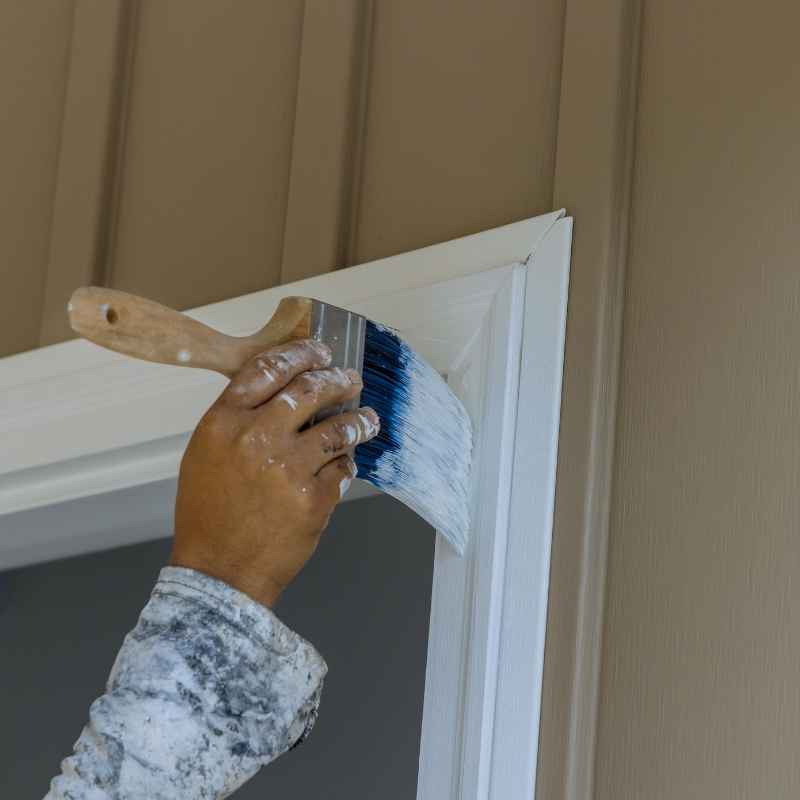
How Much Does It Cost To Paint A Door Frame? 2025 Prices
The average cost to paint a door frame in 2025 ranges from $150 to $400 per frame. This includes labor and materials. Prices can vary based on the type of paint, the condition of the frame, and whether you hire a professional or do it yourself.
Understanding Door Frame Painting Costs
Painting your door frames can really freshen up a room. It’s a detail that often gets overlooked. But it makes a big difference.
Think about how much you see your door frames every day. They frame your doorways. They connect different spaces in your home.
When you look at the cost, it’s not just one number. Many things affect how much you’ll spend. The biggest parts are usually the labor and the materials.
Sometimes, a simple frame takes a lot of time. Other times, the paint itself can be costly.
Let’s talk about what makes that price go up or down. Understanding these parts helps you plan your budget. It also helps you talk to painters.
You’ll know what questions to ask. This way, you get a fair price. And you’ll love the final look of your doors.
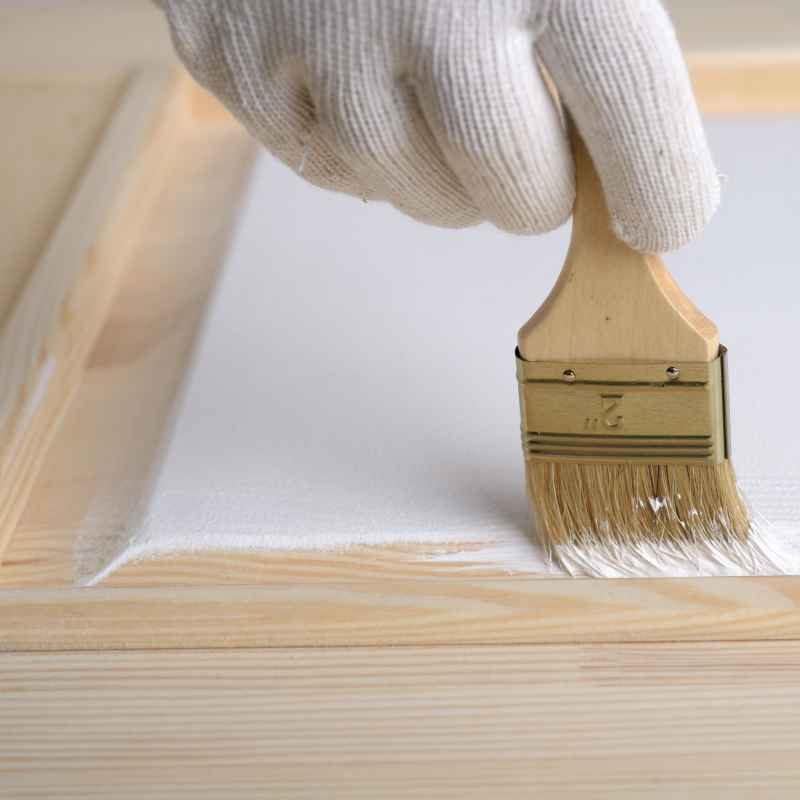
Factors That Influence Door Frame Painting Prices
So, why does the price change? Several things play a role. The size of the frame is one.
Longer or taller frames use more paint. They also take more time to paint. This means more labor costs.
The type of frame matters too. Is it a simple, flat piece of wood? Or does it have fancy trim and details?
Frames with more detail take much longer to paint. A painter has to be more careful. They need to use special brushes.
This extra work adds to the cost.
What about the current state of the frame? If it’s in good shape, it’s easier. If it’s old, damaged, or has peeling paint, it needs more prep.
Prep work is super important. It means cleaning, sanding, and maybe even filling holes. This takes time.
And time is money for painters.
Paint choice is another big one. Basic latex paint is usually cheapest. Higher-end paints, like oil-based paints or paints with special finishes, cost more.
Some paints offer better durability. Others have a richer color. You might want a specific sheen, like satin or semi-gloss.
These can cost a bit extra.
Finally, where you live matters. Costs for living and labor are different everywhere. A painter in a big city will charge more than one in a small town.
This is just how it is. It reflects the cost of doing business.
Labor Costs Explained
Labor is often the largest part of the price. A professional painter charges for their time and skill. How long does it take to paint a door frame?
It’s more than just slapping on some paint.
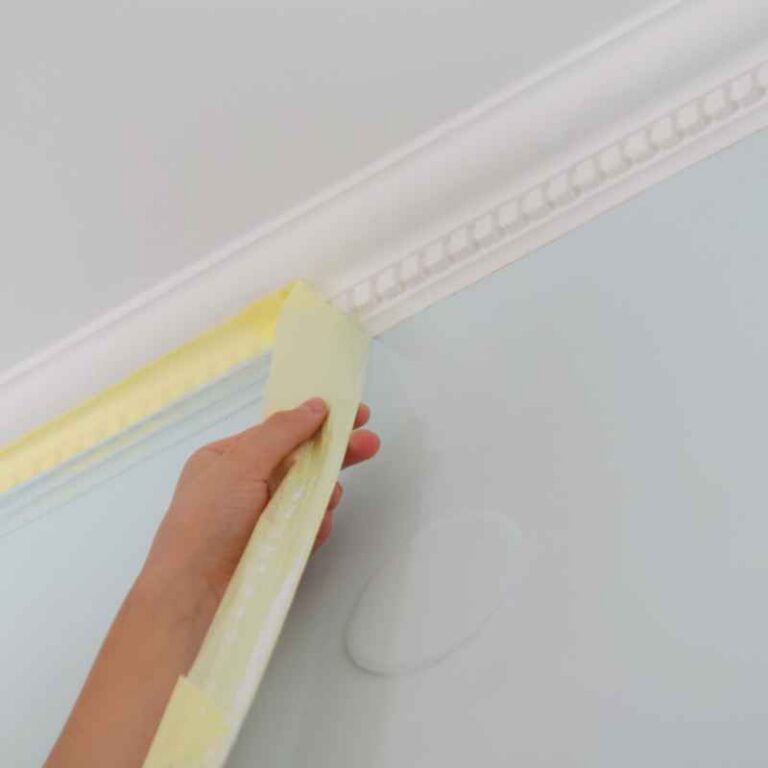
First, they protect the area. They might put down drop cloths. They tape off the walls or the door itself.
This keeps paint off where you don’t want it. This careful step prevents mistakes later.
Next, they prep the frame. As we said, this can involve sanding. They might fill small cracks or holes with putty.
Then they wipe it all down. A clean surface helps the new paint stick well. If the old paint is glossy, they might scuff it up a bit.
Then comes the priming. Most jobs need at least one coat of primer. This helps the new paint cover better.
It also helps the paint last longer. Primer seals the wood or old paint. It creates a smooth base for the topcoat.
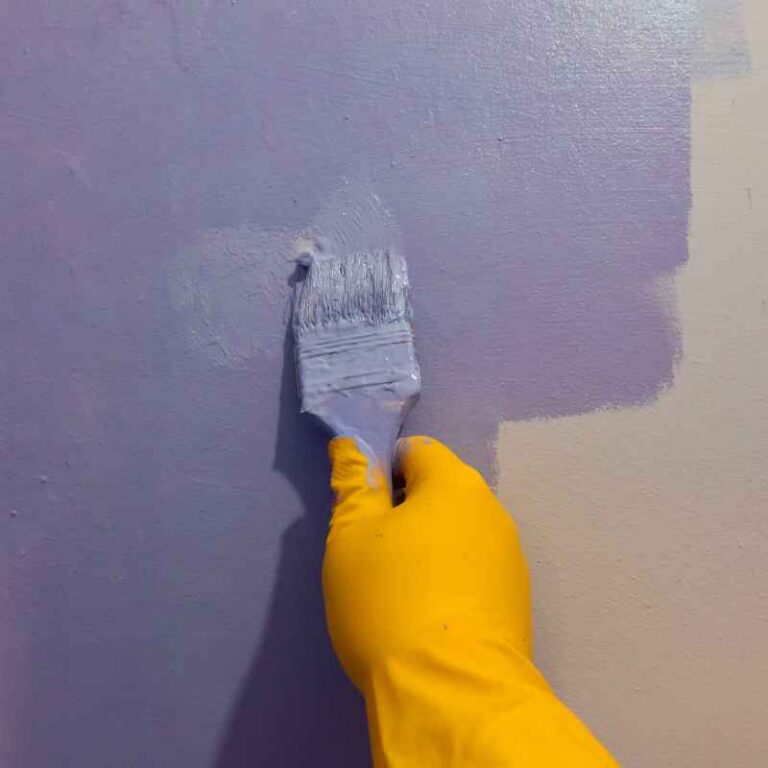
After the primer dries, they apply the paint. Usually, two coats of paint are needed for good coverage. They use brushes for the edges and trim.
Sometimes they might use a small roller for flat parts. This needs a steady hand to avoid drips.
Finally, they clean up. They remove tape and drop cloths. They put everything back where it belongs.
They make sure the area is tidy. All these steps take time. A good painter does them well.
That’s why labor costs can add up.
Material Costs: What You’re Buying
Beyond the painter’s time, you’re paying for what they use. The main material is paint. But there are other things too.
Paint itself has a wide price range. A quart of basic latex paint might cost $15 to $30. A quart of a premium brand or special finish could be $30 to $60 or more.
You likely won’t need a full gallon for one frame. A quart is usually enough. For multiple frames, you might buy a gallon.
Primer is another cost. A quart of good primer can run $10 to $25. So, if you use primer and two coats of paint, that adds up.
Other supplies are needed. Painter’s tape is essential. A roll might cost $5 to $10.
Sandpaper, putty knives, and wood filler are also small costs. Then there are brushes and rollers. Good quality tools last longer.
They also give a better finish. A good set of brushes might be $20 to $50.
If you hire a painter, they usually include these material costs in their quote. But it’s good to know what they’re for. Some painters might let you buy the paint yourself.
This could save you a little money if you find a good sale. But make sure they agree on the type and brand.
Paint Sheen Guide for Door Frames
Glossy: Very shiny. Durable and easy to clean. Shows imperfections more.
Semi-Gloss: A popular choice. Has a noticeable shine. Good for durability and cleaning.
Satin: Smooth finish, low sheen. Hides imperfections better than gloss.
Eggshell: Very low sheen, like an eggshell.
Matte: No shine at all. Best for hiding flaws but harder to clean.
DIY vs. Hiring a Professional
This is a big question for many homeowners. Doing it yourself can save money. Hiring a pro means you get expertise.
Let’s look at both sides.
Doing it yourself (DIY):
- Cost Savings: You only pay for materials. You save on labor costs, which can be substantial.
- Flexibility: You can do it on your own schedule. No need to book a painter weeks in advance.
- Satisfaction: There’s a great feeling of accomplishment when you finish a project yourself.
- Learning Curve: It takes time to learn. Mistakes can happen, costing you more time and money to fix.
- Tool Costs: You might need to buy new brushes, rollers, tape, and maybe even a small step ladder.
Hiring a Professional:
- Quality Finish: Pros have the skills and experience for a smooth, even finish.
- Time Savings: They work quickly and efficiently. Your project gets done faster.
- Less Stress: You don’t have to worry about mistakes or the mess.
- Higher Upfront Cost: You pay for their expertise and time. This is the biggest drawback for many.
- Finding the Right Pro: You need to research and get quotes. It can take time to find someone reliable.
For a single door frame, DIY might be very doable. If you have many frames or complex trim, a professional might be worth the extra cost. Think about your own comfort level with painting.
Also, consider how much time you have.
Estimating Your Project Cost
Let’s put some numbers to it. These are estimates for 2025. They can help you get a ballpark figure.
DIY Costs:
- Paint (1 quart): $15 – $40
- Primer (1 quart): $10 – $25
- Tape, sandpaper, filler: $10 – $20
- Brushes/rollers: $20 – $50 (if you don’t own them)
- Total DIY: $55 – $135
Professional Costs (per frame):
- Simple, unpainted frame: $150 – $250
- Frame needing minor prep: $200 – $300
- Frame needing significant prep (damage, peeling paint): $250 – $400+
- Multiple frames: Often a lower per-frame cost when done together.
These numbers can change. A painter might charge by the hour. This can be $40 to $75 per hour.
The time it takes can vary from 2 to 4 hours per frame, depending on complexity.
Quick Cost Comparison: DIY vs. Pro (1 Frame)
$55 – $135
$150 – $400
Note: These are estimates. Actual costs vary.
Real-World Scenarios and Pricing
Let’s imagine a few situations. This helps make the costs feel more real.
Scenario 1: New Home Build
You’ve just built a new home. The builder has installed bare wood door frames. They might offer a basic paint job.
Or they might leave it for you. If they paint it, it’s often a simple, single color. The cost is usually built into the overall home price.
If you hire someone after, it might be around $150 per frame for a decent paint job.
Scenario 2: Quick Refresh in an Older Home
You want to update your living room. The door frames are painted but look a little tired. They have a few scuffs.
You hire a painter. They’ll likely do some light sanding. Fill a few small marks.
Then apply primer and two coats of paint. This could cost $200 to $300 per frame.
Scenario 3: Historic Home Restoration
You have a historic home. The door frames have intricate details and maybe some old paint layers. They might have some damage from age.
This is a job for a skilled painter. They’ll spend hours on prep. Careful sanding, maybe stripping old paint in spots.
They might use special paints for a period look. This could easily be $400 or more per frame. The complexity and skill required drive this price up.
Scenario 4: Painting All Doors in a House
Many homeowners decide to paint all their interior doors and frames at once. This is more efficient. A painter can set up for a larger job.
They might offer a package deal. If you have 10 interior doors, getting them all done could be $1500 to $3000. The per-frame cost drops when you do more.
When to Worry About the Cost (Or the Frame!)
Sometimes, the cost of painting isn’t the main issue. The condition of the frame might be. If the frame is:
- Rotting: Soft spots in the wood mean moisture damage. This frame might need replacement, not just paint. Painting over rot won’t fix it.
- Severely Damaged: Deep cracks, missing pieces, or warping can make painting difficult and costly. These might need repair or replacement.
- Lead Paint Present: Older homes (pre-1978) might have lead paint. This requires special handling and testing. It adds significantly to the cost and requires certified professionals.
If the cost seems extremely high for what you expected, ask for a detailed breakdown. Understand what you’re paying for. Is it difficult prep work?
Is the paint very expensive? Are they charging for multiple coats when one might do?
A good painter will explain these things. If they seem evasive, it might be a red flag. Get a second opinion or quote.
Don’t be afraid to ask questions about pricing. It’s your home and your money.
Quick Checks Before You Paint
Inspect the Frame: Run your hand over it. Feel for soft spots or damage.
Check Old Paint: Is it peeling or cracking? Does it look uneven?
Test for Lead Paint: If your home is older, consider a test kit.
Measure It: Know the height and width. This helps with paint estimates.
Note the Trim: Is it plain or detailed? This affects labor time.
Tips for Saving Money on Door Frame Painting
Want to keep costs down? Here are some smart ways to do it.
1. Do the Prep Work Yourself: If you hire a painter, offer to do the taping and masking. Sanding can also be a DIY task.
This saves them time, which saves you money. Just be sure to do a good job so they don’t have to redo it.
2. Choose Your Paint Wisely: Basic latex paint in a standard sheen is usually the most affordable. Avoid specialty finishes or brands unless you really need them.
Look for sales at hardware stores.
3. Paint in the Off-Season: Many painters are busier in the spring and summer. If you can schedule your painting in the fall or winter, you might get a better price.
Some painters offer off-season discounts.
4. Paint Multiple Frames at Once: As mentioned, doing several frames in one go is more cost-effective. The painter’s setup time is spread out.
They can work more efficiently. This often leads to a lower per-frame price.
5. Get Multiple Quotes: Don’t just call one painter. Get quotes from at least three different professionals.
Compare not just the price but what’s included. Make sure they are all quoting for the same scope of work.
6. Consider a Color Change: If you are painting a dark frame white, you’ll need good primer and multiple coats. If you are painting it a slightly darker color, it might be easier and require less paint.
This can sometimes shave off a little cost.
7. Look for Package Deals: If you’re also painting doors, trim, or baseboards, see if a painter offers a discount for doing it all together.
Saving Money: A Quick Checklist
DIY Prep: Tape, sand, clean.
Paint Choice: Standard latex, good brand.
Timing: Consider off-peak seasons.
Volume: Paint multiple frames together.
Quotes: Get at least three comparisons.
Bundles: Ask about deals for multiple jobs.
Frequently Asked Questions
How long does it take to paint one door frame?
For a professional, painting one interior door frame usually takes about 2 to 4 hours. This includes prep, priming, and two coats of paint. If it’s a very simple frame with no prep needed, it might be faster.
Complex frames or those needing significant repair will take longer.
Is it cheaper to paint door frames yourself or hire someone?
It is almost always cheaper to paint door frames yourself. You save on the labor costs. However, factor in the cost of materials and any tools you might need to buy.
Also, consider the value of your time and the risk of making mistakes.
What kind of paint is best for door frames?
Semi-gloss or satin finishes are usually best for interior door frames. They offer a good balance of durability and a smooth look. They are also easier to clean than matte finishes.
Choose a good quality paint for better coverage and a longer-lasting finish.
Do I need to prime door frames before painting?
Yes, priming is usually recommended. Primer helps the paint adhere better. It covers stains or dark colors from the old paint.
It also creates a smoother surface for the topcoats. For bare wood, primer is essential. For frames that have been painted many times, primer is still a good idea.
How many coats of paint do I need for a door frame?
Typically, two coats of paint are needed for a good, even finish. Sometimes, if you are painting over a drastically different color (like dark to light), you might need three coats. Primer counts as a separate coat before the paint.
Can I paint over peeling paint on a door frame?
No, you should not paint over peeling paint. It will look bad and the new paint won’t stick well. You need to scrape off all the loose paint.
Then sand the area smooth. You might need to use a filler for any damage. Then prime and paint.
This prep work is crucial for a good result.
What if my door frame is metal?
Metal door frames can be painted, but they require special preparation. You’ll need to clean them thoroughly. Then use a metal primer.
After that, you can use a paint designed for metal or a good quality enamel paint. The cost might be similar to wood, but the materials and process differ.
Conclusion
Painting your door frames is a worthwhile project. It’s a detail that adds polish to your home. The cost can range widely.
But understanding the factors helps you plan. Whether you DIY or hire a pro, knowing the price drivers is key.
Keep these costs in mind. Look for ways to save. And enjoy the fresh new look of your doorways!
Sponsored / affiliate links. As an Amazon Associate I earn from qualifying purchases. I may earn additional commission from eligible campaigns.