Remove Spray Paint: 7 Proven Methods (By Surface Type)
Rubbing alcohol, acetone, or a dedicated remover like Goof Off will lift most spray paint — but the right choice depends on your surface, since acetone can melt plastic and dull painted wood finishes. Using the wrong solvent is the top cause of a bigger mess than the original overspray. This guide covers 7 proven methods sorted from gentlest to strongest, plus which one matches your surface.
Why is Spray Paint Removal Tricky?
Spray paint is designed to stick. Its pigments are mixed with solvents and resins that, when sprayed, atomize and then evaporate, leaving a durable, often glossy, film. This film adheres strongly to most surfaces, especially porous ones like unsealed concrete or raw wood. The challenge in removing it lies in finding a solution that breaks down this film without damaging the underlying material.
For beginners, the thought of scrubbing or using harsh chemicals can be intimidating. You might worry about etching the surface, leaving behind a ghost of the paint, or even creating a bigger mess. But with the right approach and a little patience, you can achieve a clean result. We’ll cover everything from gentle, everyday solutions to more robust options when needed.
Understanding Your Surface is Key
Before we dive into the methods, it’s crucial to know what you’re cleaning. Different surfaces react differently to cleaning agents — see our full painting tips & guides hub for more surface-prep guides. Here’s a quick rundown:
- Concrete: Porous and can absorb paint. May require stronger cleaners or more scrubbing.
- Wood (Sealed/Painted): Generally easier to clean if the original finish is intact. Be careful not to strip the underlying paint or sealant.
- Wood (Unsealed): Very porous. Paint can soak in, making removal harder and potentially requiring sanding.
- Metal: Most metals are non-porous and respond well to most removers. However, be mindful of finishes like chrome or painted coatings.
- Plastic: Can be sensitive to solvents. Always test a small, inconspicuous area first, as some removers can melt or cloud plastic.
- Glass: Non-porous and usually the easiest to clean.
Proven Ways to Remove Spray Paint Effortlessly
Let’s get to the good stuff! Here are several reliable methods, starting with the gentlest and progressing to more powerful options. Always test any cleaner on a hidden spot first!
Method 1: The Gentle Approach with Household Items
For light overspray or recently applied paint, you might be surprised by what you already have in your home.
Tools & Materials:
- Warm water
- Mild dish soap
- Soft cloths or sponges
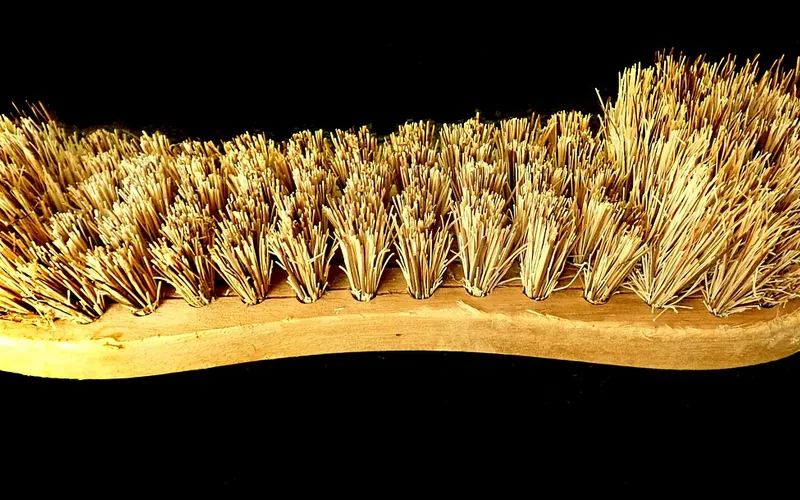
- Scrub brush (medium stiffness for tougher spots)
- Gloves (optional, but recommended for sensitive skin)
Steps:
- Preparation: Wipe away any loose debris from the painted area.
- Soap and Water: Mix a few drops of dish soap with warm water.
- Gentle Scrubbing: Dip a soft cloth or sponge into the soapy water and gently rub the painted area. For more stubborn spots, use a medium-stiff scrub brush.
- Rinse and Repeat: Rinse the cloth frequently and reapply soapy water. Continue scrubbing until the paint starts to lift.
- Wipe Clean: Once the paint is removed, wipe the area with a clean, damp cloth to remove any soap residue. Dry the surface.
Best for: Fresh overspray, light marks on non-porous surfaces, or as a first step before trying stronger methods.
Method 2: Rubbing Alcohol (Isopropyl Alcohol)
Rubbing alcohol is a fantastic solvent that can break down many types of paint without being overly harsh. If you’re also weighing it against other solvents, see our mineral spirits vs. paint thinner vs. lacquer thinner comparison.
Tools & Materials:
- Rubbing alcohol (70% or 91% isopropyl alcohol)
- Cotton balls, pads, or clean cloths
- Gloves
- Scrub brush (optional)
Steps:
- Test Area: Apply a small amount of rubbing alcohol to an inconspicuous area to ensure it doesn’t damage the surface.
- Apply Alcohol: Soak a cotton ball or cloth with rubbing alcohol.
- Dab and Rub: Dab the soaked cotton ball onto the spray paint. Let it sit for a minute or two to allow the alcohol to work. Then, rub the paint firmly in a circular motion.
- Work in Sections: For larger areas, work in small sections, reapplying alcohol as needed.
- Scrubbing (if needed): If the paint is more stubborn, use a scrub brush after letting the alcohol sit.
- Clean Up: Wipe the area with a clean, damp cloth to remove any residue, then dry.
Best for: Glass, metal, sealed wood, and some plastics. It’s also quite effective on concrete for lighter marks.
Method 3: Baking Soda Paste
This DIY paste acts as a mild abrasive and can help lift paint, especially when combined with water or vinegar.
Tools & Materials:
- Baking soda
- Water (or white vinegar for a stronger effect)
- Bowl for mixing
- Spatula or spoon
- Soft cloth or sponge
- Scrub brush
- Gloves
Steps:
- Make the Paste: In a bowl, mix baking soda with just enough water (or white vinegar) to form a thick paste.
- Apply the Paste: Spread the paste generously over the spray-painted area.
- Let it Sit: Allow the paste to sit on the paint for about 15-30 minutes. For tougher jobs, you can cover it with plastic wrap.
- Scrub: Use a damp cloth or scrub brush to gently scrub the area. The baking soda acts as a mild abrasive.
- Wipe and Rinse: Wipe away the paste and paint residue with a clean, damp cloth. Rinse thoroughly and dry.
Best for: Various surfaces, including concrete, wood, and metal. It’s a good option when you want to avoid harsh chemicals.
Method 4: Vinegar (White Vinegar)
The acidity of white vinegar can help break down paint, especially when heated.
Tools & Materials:
- White vinegar
- Spray bottle
- Cloths or sponges
- Scrub brush
- Gloves
- Microwave-safe bowl (optional, for heating)
Steps:
- Heat Vinegar (Optional): For a more potent solution, gently heat some white vinegar in a microwave-safe bowl. Do not boil. Warm vinegar works better.
- Apply Vinegar: Pour white vinegar into a spray bottle and generously spray the painted area. If using heated vinegar, carefully apply it with a cloth.
- Let it Soak: Allow the vinegar to sit on the paint for at least 10-15 minutes, or longer for stubborn paint.
- Scrub: Use a scrub brush or cloth to scrub the paint away. You may need to reapply vinegar and scrub multiple times.
- Clean Up: Wipe the area clean with a damp cloth and dry.
Best for: Concrete, glass, and some metals. Be cautious on painted or varnished wood, as vinegar can sometimes dull finishes.
Method 5: Nail Polish Remover (Acetone)
Acetone is a powerful solvent that can dissolve many types of paint quickly. However, it’s strong and can damage certain materials.
Tools & Materials:
- Nail polish remover containing acetone
- Cotton balls or cloths
- Gloves (essential!)
- Well-ventilated area
Steps:
- Ventilation: Ensure the area is well-ventilated. Acetone fumes can be strong.
- Test First: Crucially, test acetone on a hidden spot. It can melt plastic, damage finishes on wood and metal, and discolor some materials.
- Apply Acetone: Soak a cotton ball or corner of a cloth with acetone.
- Dab and Rub: Dab the acetone onto the paint. Rub gently but firmly. The paint should start to dissolve and lift.
- Work Quickly: Acetone evaporates fast. Work in small areas and keep applying fresh acetone to the cloth as needed.
- Clean Up: Immediately after removing the paint, wipe the area with a clean, damp cloth to remove all traces of acetone. Dry thoroughly.
Best for: Glass, ceramic, and some metals where you’ve tested and confirmed it’s safe. Use with extreme caution on plastics and painted/sealed surfaces.
📊 Acetone’s OSHA permissible exposure limit is 1,000 ppm averaged over an 8-hour shift — always work in a ventilated area and avoid open flames, since acetone vapor can ignite well below room temperature. Source: OSHA Chemical Sampling Information
Method 6: Commercial Spray Paint Removers
When household items don’t cut it, commercial removers are formulated to tackle tough paint jobs. These often come in spray or gel forms.
Tools & Materials:
- Commercial spray paint remover (e.g., Goof Off, Krud Kutter, or specific paint strippers)
- Scraper or putty knife (plastic is safer for delicate surfaces)
- Gloves (heavy-duty recommended)
- Eye protection
- Protective clothing
- Clean cloths
Steps:
- Read Instructions: Always read and follow the manufacturer’s instructions carefully.
- Ventilation & Protection: Work in a well-ventilated area and wear gloves, eye protection, and old clothing.
- Apply Remover: Spray or brush the remover onto the painted area as directed.
- Wait: Allow the remover to sit for the time specified by the manufacturer. This is crucial for the chemicals to break down the paint.
- Scrape/Wipe: Use a scraper or cloth to lift the softened paint. For stubborn paint, you might need to reapply the remover.
- Clean the Surface: Once the paint is removed, clean the surface thoroughly with soap and water or a cleaner recommended by the remover manufacturer to neutralize any remaining chemicals. Rinse and dry.
Best for: Tougher paint jobs on durable surfaces like concrete, metal, and sometimes sealed wood. Always check the product’s compatibility with your specific surface.
Important Note on Paint Strippers: For very tough jobs or thick layers of paint, you might consider a paint stripper. These are very potent and require extreme caution. Always follow safety guidelines, wear appropriate personal protective equipment (PPE), and test in a hidden area. For more information on safe paint removal, consult the Occupational Safety and Health Administration (OSHA) chemical safety data.
Best Commercial Remover Pick
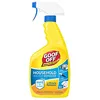
Goof Off Heavy Duty Remover 22oz – $15.18
The trigger-spray version of the remover named in Method 6 above — formulated for tougher paint jobs where household items alone won’t cut it.
- Best for: stubborn or older spray paint on durable surfaces like concrete and metal
- Why we picked it: trigger spray applies evenly without a separate spray bottle
- Main drawback: strong fumes require the same ventilation precautions as acetone
Compare more removal supplies
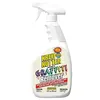 Option 1 Krud Kutter Graffiti Remover 32oz – $11.99
|
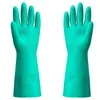 Option 2 Chemical-Resistant Nitrile Gloves (L) – $7.00
|
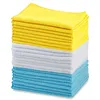 Option 3 Microfiber Cleaning Cloths 24-Pack – $10.33
|
As an Amazon Associate we earn from qualifying purchases.
Method 7: Pressure Washer (for Concrete)
For large areas of concrete, a pressure washer can be highly effective, especially when combined with a cleaning solution.
Tools & Materials:
- Pressure washer
- Concrete cleaner or degreaser (optional)
- Appropriate pressure washer nozzle (start with wider fan tips)
- Safety glasses
- Water-resistant footwear
Steps:
- Clear the Area: Remove any loose debris from the concrete.
- Pre-treat (Optional): For very stubborn paint, you can pre-treat the area with a concrete cleaner or a diluted commercial paint remover designed for concrete. Let it dwell according to instructions.
- Select Nozzle: Choose a nozzle that provides a good spray pattern but isn’t too concentrated, which could damage the concrete surface. A 25-degree (green) or 40-degree (white) fan tip is usually a good starting point.
- Test Pressure: Start with a lower pressure setting if your washer allows, or stand further away from the surface.
- Pressure Wash: Hold the wand at a consistent angle and distance from the surface. Work in steady, overlapping strokes. Move the wand back and forth to lift the paint.
- Rinse: Rinse the entire area thoroughly with clean water.
Best for: Large concrete surfaces like driveways, patios, or walls. Always use caution and test on an inconspicuous area first.
How to Remove Spray Paint from Concrete with Household Items
When dealing with concrete, you want solutions that can penetrate its pores without causing damage. Here’s a focus on household items:
Baking Soda Paste: As mentioned in Method 3, this is excellent. Mix baking soda with water or white vinegar to form a paste. Apply it thickly to the paint stain, let it sit for 30 minutes to an hour, then scrub vigorously with a stiff brush. Rinse with water. For tougher spots, you might need to repeat or use the vinegar paste.
White Vinegar: Apply undiluted white vinegar to the stain. Let it soak for at least 15-30 minutes. Scrub with a stiff brush. You can also heat the vinegar slightly for better results. Rinse thoroughly with water.
Rubbing Alcohol: For smaller concrete stains, rubbing alcohol can work. Soak a cloth or sponge and rub the area. For embedded paint, you might need to pour a small amount directly onto the stain, let it sit, and then scrub.
Dish Soap and Hot Water: This is the gentlest approach. Mix a strong solution of dish soap and very hot water. Apply to the stain, let it sit for a few minutes, then scrub with a stiff brush. This is best for very fresh, light overspray on concrete.
When using household items on concrete, patience and elbow grease are your best friends! The porous nature of concrete means paint can seep in, so a single application might not be enough.
Which Removal Method Fits Your Surface?
Here’s a quick guide to help you select the best method based on the surface and the paint’s age:
| Surface | Fresh Overspray | Light Paint Marks | Stubborn/Old Paint | Recommended Methods |
|---|---|---|---|---|
| Glass | Soap & Water | Rubbing Alcohol | Acetone, Commercial Remover | All (test Acetone first) |
| Metal (Finished) | Soap & Water | Rubbing Alcohol | Commercial Remover (test first) | 1, 2, 6 (use caution with 5) |
| Metal (Unfinished) | Soap & Water | Rubbing Alcohol, Baking Soda | Commercial Remover, Acetone (test first) | 1, 2, 3, 5, 6 |
| Sealed Wood | Soap & Water | Rubbing Alcohol | Commercial Remover (test finish compatibility) | 1, 2, 6 (use caution with 5) |
| Unsealed Wood | Soap & Water (gentle) | Baking Soda Paste, Rubbing Alcohol (test first) | Sanding, Commercial Paint Stripper (use with extreme care) | 1 (gentle), 3, 2, Sanding, 6 (careful) |
| Concrete | Soap & Water, Baking Soda Paste | Baking Soda Paste, Rubbing Alcohol, Vinegar | Commercial Remover (concrete specific), Pressure Washer | 1, 3, 2, 4, 6, 7 |
| Plastic | Soap & Water | Rubbing Alcohol (test first) | Very mild commercial removers (test extensively!), avoid Acetone | 1, 2 (careful testing required) |
Important Safety Precautions
Working with cleaning agents, even household ones, requires a degree of caution. Always remember:
- Ventilation: Ensure good airflow, especially when using alcohol, acetone, or commercial removers. Open windows and doors.
- Gloves: Protect your skin from irritation or chemical burns. Nitrile or rubber gloves are recommended.
- Eye Protection: Wear safety glasses or goggles to prevent splashes from getting into your eyes.
- Test First: Always test any cleaning solution on a small, inconspicuous area of the surface before applying it widely. This is crucial to avoid damage or discoloration.
- Read Labels: For commercial products, carefully read and follow all manufacturer instructions and safety warnings.
- Proper Disposal: Dispose of used rags and chemicals responsibly according to local regulations.
Frequently Asked Questions
Can I Remove Spray Paint From My Car With Household Items?
It’s best to use automotive-specific products or very gentle methods like soapy water or a mild clay bar. Rubbing alcohol and acetone can damage automotive clear coat. Always test in an inconspicuous area first.
How Do I Remove Spray Paint From Fabric?
Act quickly and blot the stain with a clean cloth rather than rubbing it in. Try rubbing alcohol or a stain remover made for paint. For delicate fabrics, professional cleaning is the safer bet.
Is It Safe to Use Paint Thinner to Remove Spray Paint?
Paint thinner works but requires extreme caution — it can damage plastics and finishes on wood and metal. Always test in a hidden area first and wear gloves and eye protection in a ventilated space.
What’s the Best Way to Remove Graffiti Spray Paint From a Brick Wall?
Start with a stiff brush and a strong baking soda or white vinegar solution. If that doesn’t work, a commercial graffiti remover or a pressure washer (used with caution) is usually necessary, since brick’s porous surface makes full removal harder.
How Long Does It Take for Spray Paint Removers to Work?
This depends on the product and paint age. Household items can lift fresh paint in minutes with scrubbing, while commercial removers typically need 15 minutes to several hours to fully soften older paint.
What if the Paint Is Old and Really Stuck On?
Move to a stronger commercial paint remover or paint stripper. On porous surfaces like unsealed wood or concrete, sanding is often the next step after chemical removal has been attempted.
Conclusion
Match the method to the surface, always test in a hidden spot first, and work in a ventilated area when using alcohol, acetone, or commercial removers. Got paint on your hands instead of the surface? See our guide on getting spray paint off skin, or check fixing a clogged spray can nozzle before your next project.
Sponsored / affiliate links. As an Amazon Associate I earn from qualifying purchases. I may earn additional commission from eligible campaigns.