How to Remove Paint From Brick Without Eroding the Masonry
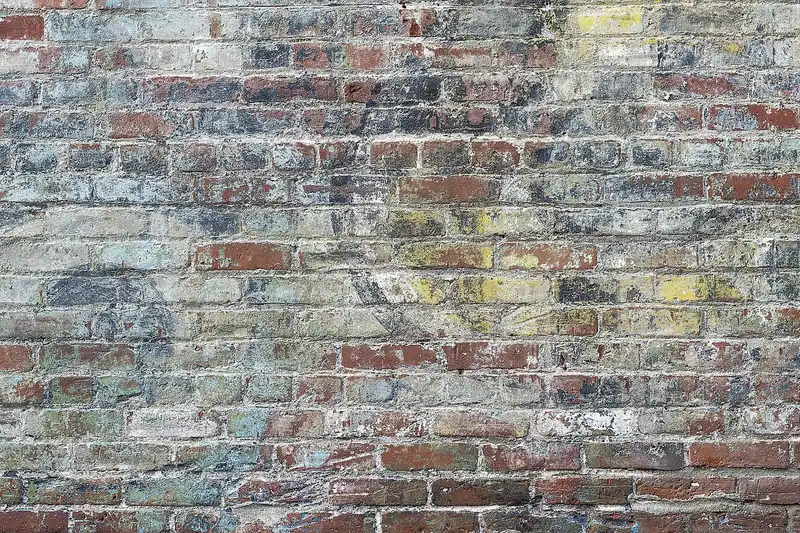
Remove paint from brick with the least aggressive method that works: start with a masonry-safe chemical stripper on sound brick, and use a gentle low-pressure rinse only after you test a small area. Scraping too hard or blasting with heat, sand, or pressure can erode the brick face, open mortar joints, and leave permanent scars. This guide shows how to judge brick condition, choose a removal method, and protect the masonry while stripping paint.
What makes brick removal risky?
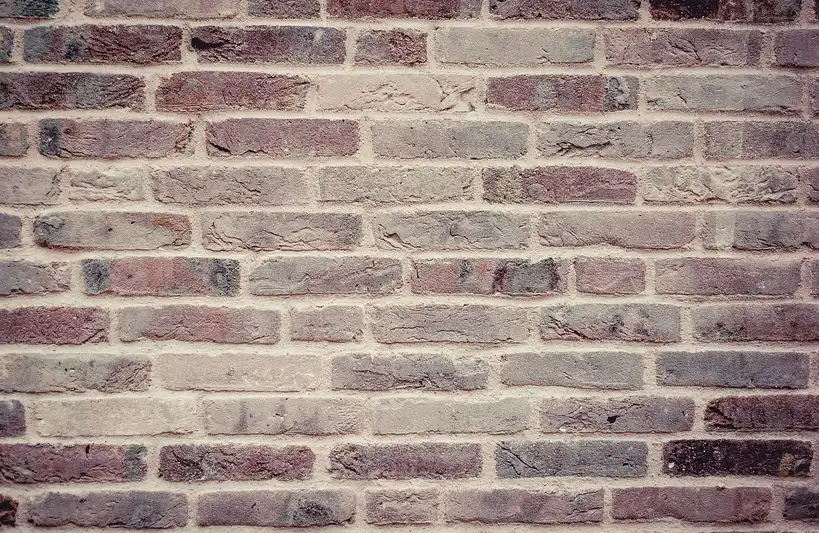


Brick is porous, but not all brick behaves the same. Soft-fired and historic brick absorb more liquid and abrade faster than dense modern brick, and mortar joints usually fail before the brick face does. Efflorescence, crumbling joints, and prior repairs raise the risk because moisture and chemicals can move deeper into weak masonry.
Porosity and hardness
Dense hard-fired brick usually tolerates controlled stripping better than soft brick, but both can stain if remover is left to dry in the pores. Older brick often has a more open face, which means paint residue can sit below the surface even after the visible film is gone.
Mortar condition first
Check the joints before you choose a method. If mortar is sandy, recessed, cracked, or already missing in spots, avoid aggressive scrubbing and any high-pressure rinse. The brick face may still look solid while the joint is already too weak for force.
Historic, salvage, or lime mortar
Historic brick and lime mortar need extra caution because they may soften, powder, or shed material when exposed to harsh chemicals or pressure. Salvage brick can also have old repair patches that react differently from the original units. In those cases, the safest choice is usually the gentlest method that still lifts the paint.
What you’ll need
- Masonry-safe paint stripper in gel or paste form, labeled for brick or masonry
- Plastic scraper with a non-metal edge
- Soft scrub brush and nylon pads
- Masonry cleaner or TSP substitute for residue cleanup
- Clean buckets and spray bottles for controlled wetting and rinsing
- Cotton rags or disposable wipes for lifted residue
- Chemical-resistant gloves
- Eye protection
- Respirator or suitable respiratory protection when scraping dry paint, using powders, or working in enclosed areas
- Dust control supplies, such as plastic sheeting and a HEPA vacuum where appropriate
- Drop cloths to protect floors, sills, and landscaping
Paint removal decision table
Use this table to match the brick condition, paint type, and contamination level to the safest first method. If the do-not-use column fits your wall, stop and choose a less invasive plan or bring in a masonry specialist.
| Brick condition | Paint type | Contamination level | Safest method | Do not use |
|---|---|---|---|---|
| Sound modern hard-fired brick, tight mortar | Latex, thin coat | Light surface film | Gel stripper, short dwell, plastic scraper, then masonry cleaner | Pressure washing, metal scraper, abrasive pad |
| Sound brick, but slightly open joints | Latex, multiple coats | Moderate buildup | Paste stripper with repeated thin passes and a soft brush | High pressure, heat guns, sanding |
| Dense brick with stable mortar | Oil-based or mixed layers | Heavy buildup | Masonry-safe gel stripper and poultice for residue in pores | Acid wash, wire brushing, blasting media without masonry approval |
| Soft-fired, historic, or salvage brick | Any paint | Any level | Conservative test patch only; use the gentlest product that lifts | Pressure washer, aggressive scraping, sandblasting, hot water under force |
| Interior brick wall | Latex or oil-based | Light to moderate | Low-mess stripper, plastic scraper, HEPA cleanup, limited wet rinse | Runoff-heavy rinsing, open spray, abrasive methods that spread dust |
| Exterior facade with stained pores | Old latex, oil-based, or mixed | Deep residue in pores | Strip first, then poultice and masonry-safe cleanup | Repeated pressure washing, strong acids, hard abrasives |
How do you remove paint from brick?
Start with a hidden test patch, because paint type, brick hardness, and mortar condition change the safest method. Work from the least aggressive option upward, soften first, scrape gently, then clean residue. If the brick dusts, pits, or the joints shed material, stop and reduce the force immediately.
- Test a 1-square-foot hidden area and note whether the paint softens within the label’s dwell time.
- Apply a masonry-safe gel or paste stripper in a thick, even coat; keep it off adjacent materials.
- Wait the listed dwell time, then check whether the paint wrinkles, lifts, or stays rubbery.
- Lift softened paint with a plastic scraper held nearly flat to the wall.
- Repeat in thin passes if film remains; do not pry at the brick face.
- Wipe or brush away residue, then rinse lightly if the product label allows it.
- Inspect mortar, pits, and pores before widening the job.
Latex paint often softens with moisture and time, especially older repaint layers, so it may release in sheets after a dwell period. Oil-based paint is usually tougher and may need a longer dwell or a second application of stripper. On a 12-by-18-foot living-room wall with two paint layers, if the test patch leaves residue in the pores after the first lift, switch to a poultice before you cover the whole wall.
If that didn’t work, move to a longer dwell with the same product before choosing a harsher method. Most masonry-safe strippers work best in repeated thin passes, not one heavy effort. A common first-timer mistake is forcing a scraper through a stubborn patch; that is how brick faces get gouged and mortar edges get shaved off.
How do you clean residue after stripping?
Residue cleanup matters because paint can remain in pores even when the surface looks clean. Use a masonry-safe cleaner or a TSP substitute for film residue, then rinse according to the product label. On interior brick, limit free water and use controlled wiping so runoff does not spread softened paint stains.
Use cleaner after the main strip
Apply the cleaner after most of the coating is off, not before. A masonry-safe cleaner with neutral or near-neutral pH is usually the safer starting point for brick and mortar. TSP substitute can help with greasy residue and stubborn film, but it should still be rinsed well.
Use a poultice for deep pore staining
When paint has sunk into open pores, a poultice can help draw residue out by dwell-and-lift action. Apply it to the stained area, let it dry as directed, then remove it carefully without scouring the surface. This step is especially useful on older brick that holds color in the pores.
Rinse with control
Use the least water needed to remove cleaner residue. For exterior brick, direct runoff away from joints and landscaping. For interior brick walls, blot and wipe in sections, then let the masonry dry fully before deciding whether another pass is needed.
Suppose a fireplace surround still shows pink haze after stripping beige latex. The first rinse may clear the surface film, but the pore stain can remain visible under side light. In that case, a poultice and a second gentle cleanup pass are more useful than a stronger scrub.
Common mistakes
The wrong method usually fails by etching, dusting, spalling, or opening mortar joints. If you see those signs, the process is already too aggressive. Back off before the damage spreads.
- Using pressure where mortar cannot tolerate it: A pressure washer can etch softer brick and strip joint material. Use it only in select cases with sound masonry, a wide fan nozzle, and enough distance to avoid impact damage.
- Scraping with metal or abrasive pads: These tools can score the face and leave shiny gouges that catch dirt later. Use plastic scrapers and soft brushes instead.
- Skipping dwell time: Rushing the stripper invites heavy scraping. Let the product work, then lift in thin layers.
- Ignoring rinse and neutralization steps: Some products need a follow-up rinse, and some labels call for neutralization. Follow the label so residue does not keep working in the pores.
- Missing the post-strip inspection: Check for pitting, dusting, mortar loss, and residue in pores before you move on.
When should you stop and call a pro?
Stop DIY work if the brick is soft-fired, historic, or salvage, or if the mortar is lime-based and already crumbly. Broad painted facades, stubborn residue across multiple layers, and visible erosion after a test patch also point to a professional masonry cleaner or conservator. Those jobs need tighter control than most homeowners can maintain.
Call a pro sooner if the brick starts to powder, the joints recess quickly, or the paint appears to be hiding deeper staining that returns after cleaning. Media blasting can remove paint from brick, but it can also erode the masonry skin and is generally best reserved for carefully specified cases rather than used as a default DIY step.
Prevention
Once the paint is gone, keep the wall dry and repoint weak joints before they shed more material. On exterior brick, fix leaks and runoff paths first, because repeated wetting makes future paint and residue problems worse.
Frequently asked questions
How do you remove paint from brick without damaging the brick?
Use a masonry-safe gel stripper on a small test patch, then lift the softened paint with a plastic scraper and finish with a masonry-safe cleaner. Avoid metal blades, sanding, and strong pressure. The goal is to remove the coating without opening pores or shaving mortar edges.
What is the safest paint remover for brick?
The safest starting point is a masonry-safe gel or paste stripper labeled for brick or masonry. Gel clings to vertical surfaces and reduces runoff into joints. Choose a product that lists rinse and neutralization steps, then match the dwell time to the label instead of extending it at random.
Can you use a pressure washer to remove paint from brick?
Only in limited cases, and not on fragile mortar or soft brick. Use the lowest practical pressure, a wide fan nozzle, and enough distance to help keep the stream from cutting the face. If the joints are already weak, skip the washer and use chemical softening instead.
Will chemical stripper ruin brick mortar?
It can, if the product is too harsh, left too long, or rinsed aggressively into weak joints. Mortar often fails before the brick face. Choose masonry-safe labels, keep dwell times controlled, and test a joint edge before treating a large area.
How do you remove old paint from interior brick walls?
Use a low-mess gel stripper, a plastic scraper, and limited water. Interior brick needs dust control and careful cleanup because runoff can stain floors and spread residue. A HEPA vacuum and damp wiping usually matter more indoors than any heavy rinse.
What is the best way to strip paint from historic brick?
The best approach is the least aggressive one that works on a test patch. Historic brick often needs a poultice, a gentle stripper, and no pressure washing. If the brick powders, the mortar crumbles, or the paint extends over a large facade, bring in a masonry specialist.
Can media blasting remove paint from brick without erosion?
Sometimes, but only with careful media selection and professional control. Even mild blasting can erode soft-fired brick, round edges, and damage mortar joints. For most homeowners, a stripper-and-poultice approach is safer and easier to control.
How do you clean residue after paint removal from brick?
Use a masonry-safe cleaner or a TSP substitute for surface film, then rinse as the label directs. For residue in pores, apply a poultice and let it draw out the stain before removal. Inspect under angled light to catch leftover film that a flat look can hide.
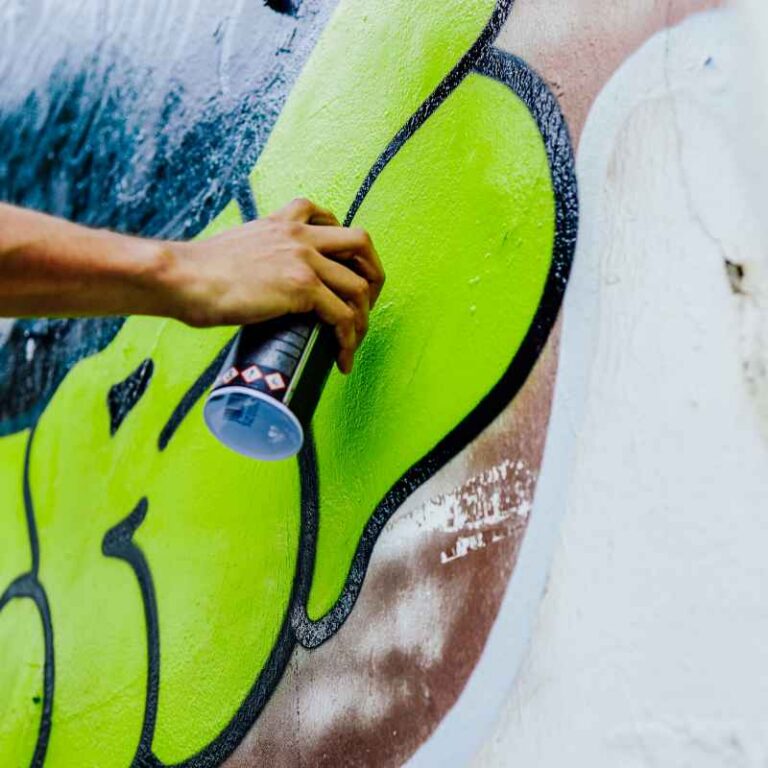
How to remove graffiti from brick – exact match project — How to remove graffiti from brick – exact match masonry staining
Use the same brick-protection rules: start with a hidden test patch, choose the mildest cleaner or stripper that lifts the graffiti, and avoid abrasive scrubbing. Spray-on solvents and pressure washing can push stain deeper into pores. If the mark has soaked into older brick, a poultice is often safer than force.
Sponsored / affiliate links. As an Amazon Associate I earn from qualifying purchases. I may earn additional commission from eligible campaigns.