Can You Spray 2K Clear Over Mtn Spray Paint? Answered
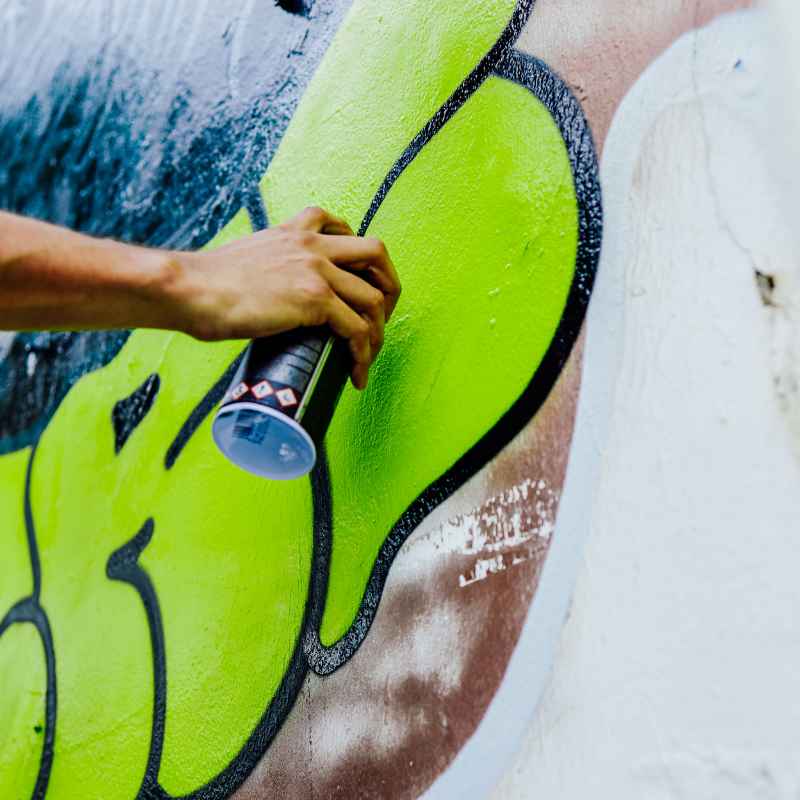
It’s a question that pops up a lot when you’re working on a project. You’ve put in the time and effort to get your paint just right. Now you’re wondering if you can put that tough, glossy 2K clear coat on top.
Will it stick? Will it ruin your hard work? It’s totally understandable to want to be sure before you make that final spray.
This article will walk you through everything you need to know.
You can spray 2K clear coat over properly prepared MTN spray paint. The key is ensuring the MTN paint is fully cured and the surface is cleaned and lightly scuffed. Always test a small, inconspicuous area first. Proper surface prep is vital for adhesion and a smooth, durable finish.
What is 2K Clear Coat and Why Use It?
Let’s break down what makes 2K clear coat so special. The “2K” means it’s a two-component system. You have the clear coat itself, and then a separate hardener.
You mix these together right before you spray. Once mixed, a chemical reaction happens. This makes the clear coat incredibly hard and durable.
Think of it like baking a cake. The ingredients are separate until you mix them and put them in the oven. The heat causes a change.
A 2K clear coat works similarly. The hardener causes the paint to cure. This creates a tough, protective layer.
It’s much stronger than a regular single-component (1K) clear coat.
Why would you want this extra toughness? Well, 2K clear coats offer amazing protection. They resist scratches, chemicals, and UV rays.
This means your paint job will look good for a long, long time. It’s perfect for cars, furniture, or anything that needs to withstand wear and tear.
Understanding MTN Spray Paint
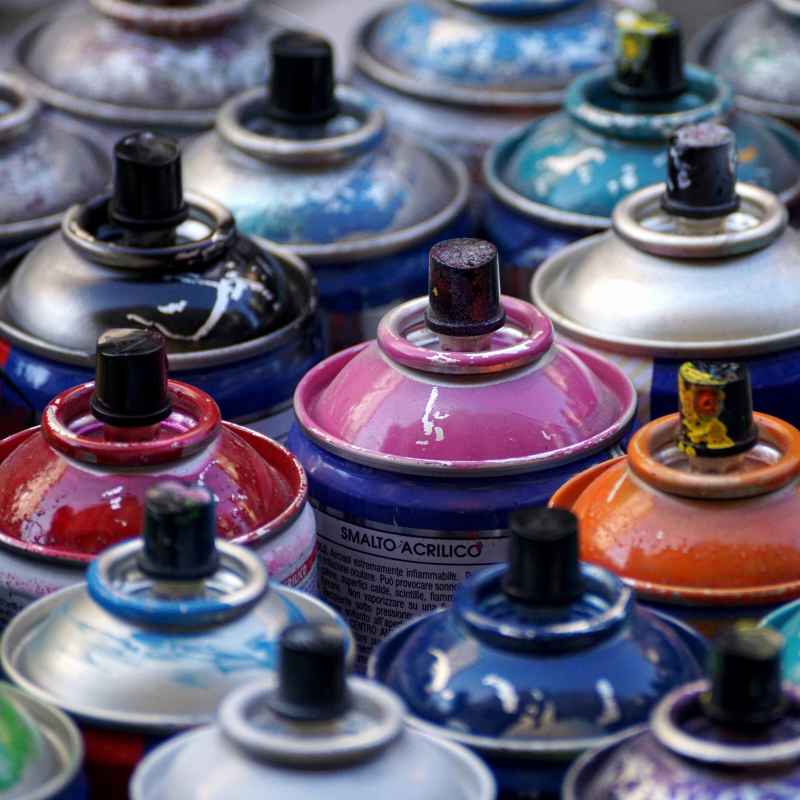
MTN, or Montana Colors, is a brand known for its high-quality spray paints. They offer a wide range of products. Many artists and DIYers trust MTN for vibrant colors and good coverage.
MTN spray paints are often acrylic-based or synthetic enamel. The exact type can matter.
Most MTN spray paints are designed to dry and cure. This means they form a solid film. However, the curing time can vary.
Some dry to the touch quickly. But they might still be soft underneath for a while. This is where timing becomes really important when applying a 2K clear.
Some MTN paints are one-component (1K). These dry through solvent evaporation. Others might be specifically designed for certain applications.
It’s always good to check the can. It will tell you what kind of paint it is. It might also give advice on topcoats.
The Crucial Role of Curing Time
This is perhaps the most important part. When you spray MTN paint, it needs time to cure. Curing is not just about being dry to the touch.
It’s about the paint film hardening completely. If you apply a 2K clear coat too soon, you can run into problems.
The solvents in the 2K clear coat can attack the uncured 1K paint underneath. This can cause lifting, wrinkling, or a cloudy finish. It’s like trying to put a new layer of wallpaper on a wall that’s still wet with glue.
It just won’t adhere properly and will bubble up.
So, how long should you wait? It depends on the specific MTN paint and the conditions. Temperature and humidity play a big role.
In warm, dry conditions, paint cures faster. In cool, humid weather, it takes longer. As a general rule, always let the MTN paint cure for at least 24 to 48 hours.
For best results, waiting even longer, like 72 hours, is safer. Always check the MTN paint can for recommended drying and curing times.
Surface Preparation is Non-Negotiable
Even if you wait long enough, you can’t just spray 2K clear directly over dried MTN paint. The surface needs to be prepared. This ensures the 2K clear has something to grip onto.
Think of it like needing a clean, slightly rough surface for glue to work best.
First, make sure the surface is clean. Remove any dust, dirt, grease, or fingerprints. Use a good degreaser or wax and grease remover.
This is vital. Any contaminants will be sealed under the clear coat. They will show up as ugly spots or dull areas.
Next, you need to scuff the surface. This creates a microscopic grip for the new layer. Use very fine-grit sandpaper.
Think 400-grit or 600-grit. You don’t need to sand through the paint. Just a light scuff will do.
You want to dull the shine. After scuffing, clean the surface again. Remove all sanding dust.
A tack cloth is excellent for this. It picks up tiny particles.
Quick Surface Prep Checklist
- Clean Thoroughly: Remove all dirt, grease, and oils.
- Scuff Lightly: Use fine-grit sandpaper (400-600 grit).
- Re-Clean: Wipe away all sanding dust.
- Tack Cloth: Use a tack cloth for a final dust removal.
The Test Spray: Your Safety Net
Before you commit to spraying the entire project, always do a test spray. This is a small step that can save you a lot of headaches. Find an inconspicuous area on your project.
Or, use a scrap piece of material that you painted with the same MTN paint.
Prepare this test area just as you plan to prepare the main project. Let the MTN paint cure fully. Clean and scuff the surface.
Then, mix your 2K clear coat according to the manufacturer’s instructions. Spray a small test patch.
Let the test patch dry for at least 24 hours. Examine it closely. Look for any signs of problems.
Is the clear coat adhering well? Is the finish smooth and glossy? Are there any signs of the underlying MTN paint reacting badly?
If everything looks good, you can proceed with confidence.
If you see any issues, don’t ignore them. It means something is wrong. Maybe the MTN paint isn’t fully cured.
Or maybe the prep wasn’t good enough. You might need to wait longer. Or you might need to adjust your surface prep.
This test spray is your chance to fix things before it’s too late.
Mixing and Applying 2K Clear Coat
When you’re ready to spray, follow the instructions on your 2K clear coat can carefully. Mixing ratios are critical. Using too much or too little hardener will affect the cure and durability.
Usually, it’s a simple ratio like 4:1 (four parts clear to one part hardener).
Once mixed, 2K clear has a limited pot life. This is the time it remains usable. It starts to harden in the can.
Typically, you have 30 minutes to an hour. So, only mix what you can use within that time frame. Have your spray gun loaded and ready.
Use a spray gun designed for clear coats. A high-volume, low-pressure (HVLP) gun is often recommended. Set your spray gun pressure according to the manufacturer’s advice.
Aim for smooth, even coats. Don’t try to achieve full coverage in one pass. It’s better to apply two or three thin, even coats.
Allow flash-off time between coats. This is the time for solvents to evaporate. It lets the coats “flash off” or become slightly tacky.
Check your 2K clear coat instructions for recommended flash-off times. Usually, it’s around 10–15 minutes. This helps layers bond together properly.
2K Clear Application Tips
- Read Instructions: Always follow the manufacturer’s mixing and application guide.
- Accurate Mixing: Use precise ratios for hardener and clear.
- Pot Life: Mix only what you can use within its pot life.
- Spray Gun: Use an appropriate spray gun (HVLP recommended).
- Multiple Coats: Apply 2-3 thin, even coats.
- Flash-Off Time: Allow proper flash-off between coats.
Potential Problems and How to Avoid Them
Even with careful preparation, sometimes things don’t go perfectly. Knowing common issues can help you prevent them. Or, fix them if they occur.
Peeling or Lifting: This is a classic sign that the MTN paint wasn’t fully cured. Or, the surface wasn’t prepped well enough. The 2K clear isn’t bonding.
You’ll likely need to remove the clear coat. Then, let the MTN paint cure longer. You might also need to sand and re-prep.
Orange Peel: This looks like the texture of an orange peel. It happens when the clear coat flows out too quickly or too slowly. Or, your spray gun settings are off.
Try adjusting your spray distance, speed, and gun pressure. Ensure proper flash-off time.
Runs and Drips: These occur when you apply too much clear coat in one area. Or, the paint is too thin. It will sag and drip.
If you get a small run, you might be able to lightly sand it down once dry. Then re-spray the area. For big runs, you may need to sand it all off.
Cloudy or Milky Finish: This can happen if moisture gets into the clear coat. This is often called “fisheye” or “craters.” It can also happen if the paint is applied too thinly over a non-porous surface. Or, if there were contaminants like silicone.
Using a degreaser and tack cloth is key to preventing this.
No Adhesion: This is the worst. The clear coat might look fine at first. But after a few days or weeks, it starts to peel off in sheets.
This is a severe case of poor prep or an uncured base coat. It means you have to start over.
Real-World Scenarios
Let’s imagine a couple of common situations. This might help you see how it all comes together.
Scenario 1: Custom Motorcycle Tank
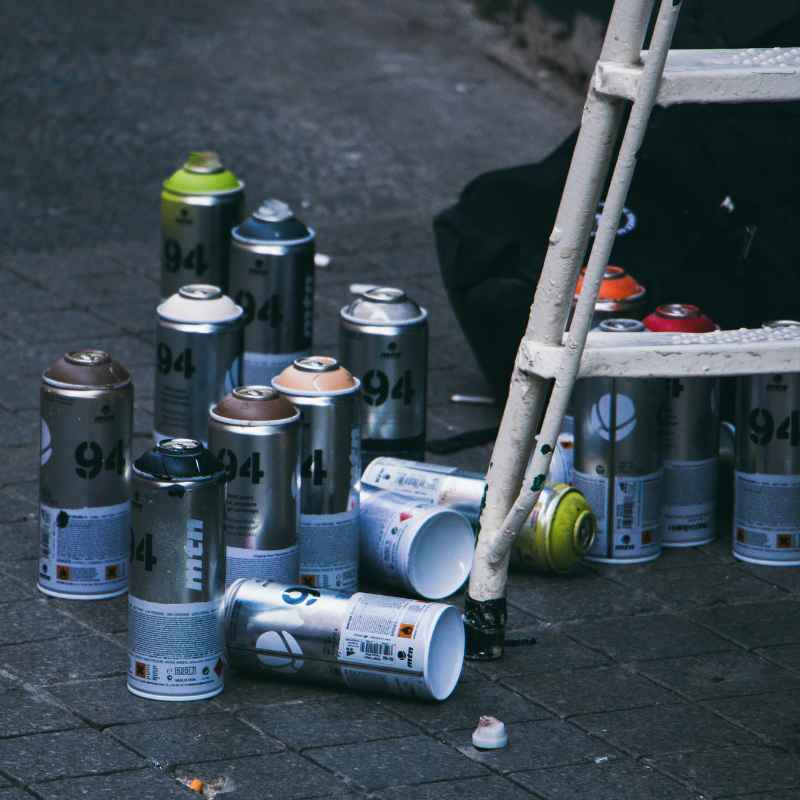
You’ve just finished painting a custom design on a motorcycle gas tank using MTN 94 spray paint. The colors are vibrant. The lines are sharp.
You waited 48 hours. You wiped it down with a wax and grease remover. Then you lightly scuffed the whole tank with 600-grit sandpaper.
You wiped off the dust. You even used a tack cloth.
You mix your 2K clear coat. You spray three thin coats, allowing 15 minutes of flash-off time between each. The result is a super glossy, protective finish.
It looks factory-made and will stand up to road grime and gas spills.
Scenario 2: Repurposed Furniture Project
You decided to repaint an old wooden side table. You used a bold color from MTN’s Hardcore line. This paint is known for drying fast.
But you still want that extra protection for the tabletop. You let the paint dry for 72 hours. The wood felt hard and dry.
You cleaned it with mild soap and water. Then you used a fine sanding sponge to get a light grip. After wiping off all the dust, you applied the 2K clear coat.
The table now has a smooth, durable finish. It’s ready for everyday use without worrying about water rings or scratches.
Contrast: MTN Paint with 2K Clear
Normal (Successful Application)
Adhesion: Strong, clear coat sticks well.
Finish: Smooth, glossy, uniform.
Durability: Resists scratches and chemicals.
Process: Fully cured base, proper prep, correct application.
Concerning (Potential Problems)
Adhesion: Peeling, lifting, or weak bond.
Finish: Wrinkled, cloudy, orange peel, runs.
Durability: Scratches easily, damage from chemicals.
Process: Curing issues, skipped prep, wrong application.
What This Means For Your Project
So, what’s the takeaway here? It means that yes, you absolutely can use 2K clear coat over MTN spray paint. But it’s not a simple spray-and-go situation.
It requires patience and attention to detail.
If your goal is a high-quality, long-lasting finish, then using a 2K clear is a great choice. It offers protection that standard clear coats can’t match. It elevates your paint job from good to professional.
It makes your work more resistant to damage.
However, if you’re in a hurry, or if your project doesn’t need extreme durability, you might consider simpler options. But for projects where you want the best possible outcome, the extra steps for 2K clear are worth it. It’s about protecting your investment of time and effort.
Quick Scan: When to Worry
| Issue: Peeling/Lifting | Likely Cause: Base coat not fully cured. |
| Issue: Orange Peel | Likely Cause: Spray settings or material flow. |
| Issue: Runs/Drips | Likely Cause: Applied too thick or too fast. |
| Issue: Fisheyes/Craters | Likely Cause: Contamination or moisture. |
When Is It Safe to Apply 2K Clear?
This is the golden question. The answer is: when the MTN paint is fully cured and the surface is properly prepared. As mentioned, this usually means waiting at least 24-48 hours.
For most acrylic-based or synthetic paints, 72 hours is even better. Always check the paint can.
Beyond time, look for signs. Does the paint feel hard and solid? Does it resist scratching when you gently try to scrape it with your fingernail?
If it still feels soft or leaves a mark, it’s not ready. This is especially true if you are painting in cooler or more humid conditions.
If you’re unsure, err on the side of caution. Waiting an extra day or two is a small price to pay for a perfect finish. Rushing this step is the most common mistake people make.
It leads to rework and frustration. Patience here pays off.
Quick Tips for Success
Let’s summarize with some actionable tips. These can help ensure your project turns out great.
- Read Everything: Read the instructions on both the MTN paint and the 2K clear coat.
- Ventilation is Key: Always work in a well-ventilated area. 2K clear coats have strong fumes. Wear a respirator.
- Temperature Matters: Apply paint within the recommended temperature range for both products. Extreme heat or cold can affect curing and application.
- Proper Equipment: Use a good quality spray gun and ensure it’s clean.
- Don’t Rush: Patience is your best tool. Let everything cure properly.
I remember one time I was working on a project. I got impatient. I sprayed the 2K clear over a base coat that I thought was dry.
It looked okay at first. But a week later, I noticed tiny little bumps appearing everywhere. It was like the solvents were still trying to escape.
I had to sand the whole thing down and start over. It taught me a valuable lesson about waiting.
Frequently Asked Questions
Can I use 1K clear coat instead of 2K clear coat over MTN paint?
Yes, you can usually spray 1K clear coat over MTN spray paint. The main difference is durability. 1K clear coats are less resistant to scratches, chemicals, and UV rays compared to 2K clear coats.
Ensure the MTN paint is fully cured and the surface is prepped before applying any clear coat.
What happens if I spray 2K clear coat on uncured MTN paint?
Spraying 2K clear coat on uncured MTN paint can cause several problems. The strong solvents in the 2K clear can react with the uncured MTN paint. This might lead to wrinkling, lifting, bubbling, or a dull finish.
It compromises the adhesion and the overall look and durability of your paint job.
Do I need to sand the MTN paint before applying 2K clear coat?
Yes, absolutely. Lightly scuffing the surface of the MTN paint with fine-grit sandpaper (like 400-600 grit) is crucial. This creates a microscopically rough surface that the 2K clear coat can adhere to.
Without this step, the clear coat might not stick well, leading to peeling later.
How long does 2K clear coat take to cure fully?
Full cure for 2K clear coat usually takes several days to a week, depending on the product and conditions. While it might be dry to the touch within hours and hard enough to handle after 24 hours, it continues to harden over time. Avoid heavy use or exposure to harsh chemicals until fully cured.
Can I put automotive 2K clear over MTN spray paint for a car?
Yes, automotive-grade 2K clear coats are designed for durability and protection, making them suitable for car parts. Ensure your MTN paint is properly cured and prepped according to automotive standards. Always test a small area first to confirm compatibility and desired results.
Following professional automotive painting practices is recommended.
What is the difference between 1K and 2K clear coats?
The main difference is that 1K clear coats dry through solvent evaporation and air drying. 2K clear coats require mixing a hardener (activator) with the clear coat itself. This creates a chemical reaction that results in a much harder, more durable, and chemical-resistant finish.
Final Thoughts
Using 2K clear coat over MTN spray paint is a fantastic way to achieve a professional, long-lasting finish. It adds a tough protective layer. Just remember that success hinges on patience and proper preparation.
Let your MTN paint cure fully. Clean and scuff the surface well. Always do a test spray.
With these steps, you can confidently apply 2K clear and enjoy your beautiful, durable work for years to come.
Sponsored / affiliate links. As an Amazon Associate I earn from qualifying purchases. I may earn additional commission from eligible campaigns.