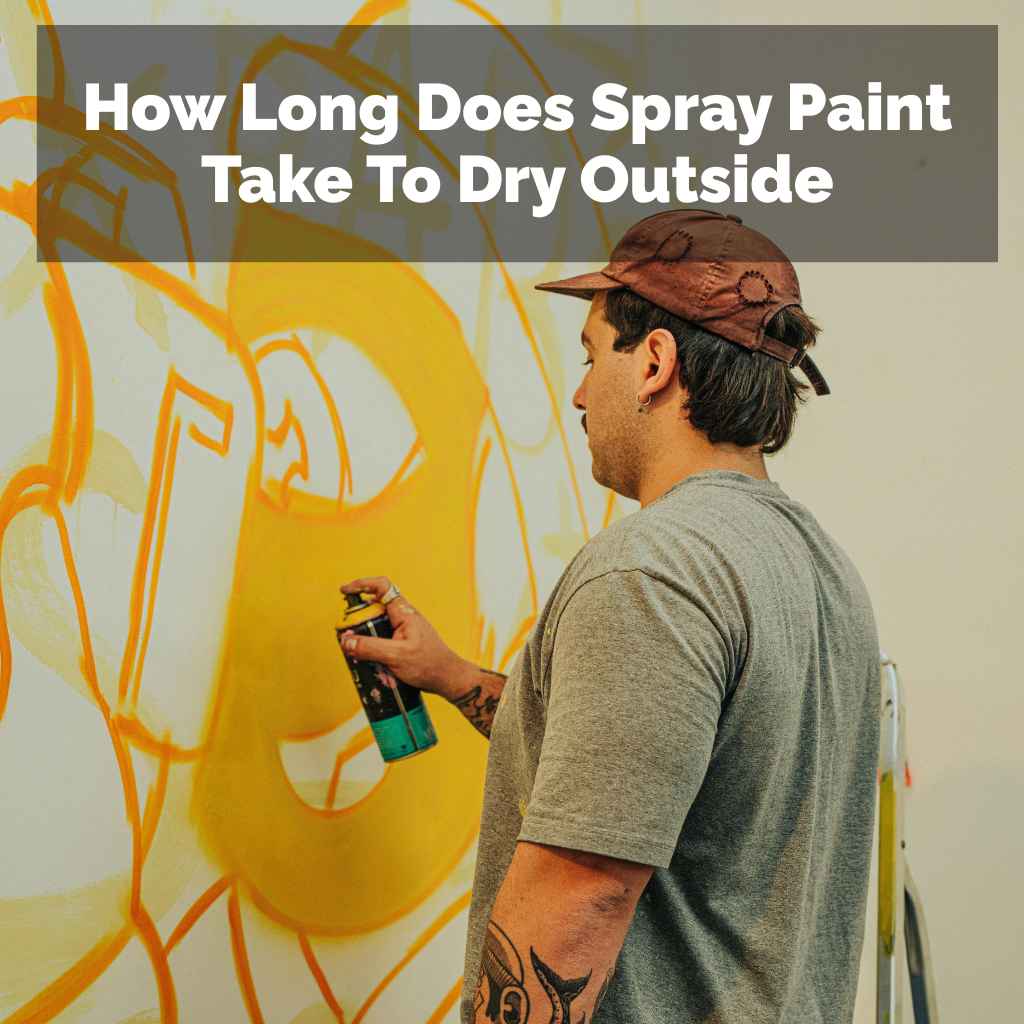
How Long Does Spray Paint Take To Dry Outside? Answered
Spray paint drying isn’t just about the surface. It’s a two-part process. First, the paint dries to the touch.
This means you can lightly brush it without smudging. Second, it cures. Curing is when the paint fully hardens.
It gets strong and durable. This takes much longer than just drying to the touch. Many factors influence how quickly this happens.
For most standard spray paints, the label will give you a range. It might say “dry to touch in 15 minutes” and “handle in 1 hour.” These are good starting points. But they are often best-case scenarios.
Real-world conditions change things a lot. Thinking about these conditions will help you a lot.
Understanding the difference between drying and curing is key. Drying to the touch is surface-level. The solvents in the paint start to evaporate.
This makes the paint feel dry. Curing goes deeper. The paint molecules bond together.
They form a tough, protective layer. This makes the paint resistant to scratches and wear. Many DIY projects need full curing before they are used or handled roughly.
Factors Affecting Spray Paint Drying Time Outside
The weather outside plays a huge role. Think about the temperature first. Warmer air helps paint dry faster.
This is because heat speeds up evaporation. Cold temperatures slow down evaporation. This means paint takes much longer to dry.
If it’s chilly, be patient. Give the paint extra time to set.
Humidity is another big player. High humidity means there’s a lot of water vapor in the air. This makes it harder for the paint’s solvents to evaporate.
They have to compete with the moisture in the air. So, if it’s a humid day, your paint will take longer to dry. Low humidity is your friend for faster drying.
It lets the solvents escape easily.
Airflow is also very important. Good airflow helps to move the evaporating solvents away from the surface. This speeds up the drying process.
A gentle breeze is ideal. Too much wind, however, can cause problems too. It might blow dust or debris onto the wet paint.
This can ruin your finish. So, find a spot with some air movement, but not too much.
The type of paint itself matters. Some spray paints are formulated to dry faster. Others might be designed for durability and take longer to cure.
For example, enamel paints often take longer to cure than latex-based ones. Always check the can. It will have specific drying and curing times for that particular product.
How thick you spray the paint is another factor. If you apply very thin, even coats, it will dry faster. Each coat has less solvent to release.
Spraying too many thick coats at once will trap solvents underneath. This creates a situation where the surface might feel dry, but the inside is still wet. This can lead to problems like bubbling or poor adhesion later on.
The surface you are painting on also makes a difference. Porous surfaces, like unfinished wood or some plastics, can absorb some of the paint’s liquid. This can help them dry a bit faster.
Non-porous surfaces, like metal or sealed plastic, require the paint to dry solely through evaporation from the surface. This can sometimes take a little longer.
Finally, the amount of paint applied in each coat is critical. Thin, even coats are best. They allow for proper evaporation.
Thick, heavy coats trap solvents. This slows down the entire drying process. It can also lead to a less smooth finish.
What Drying to the Touch Really Means
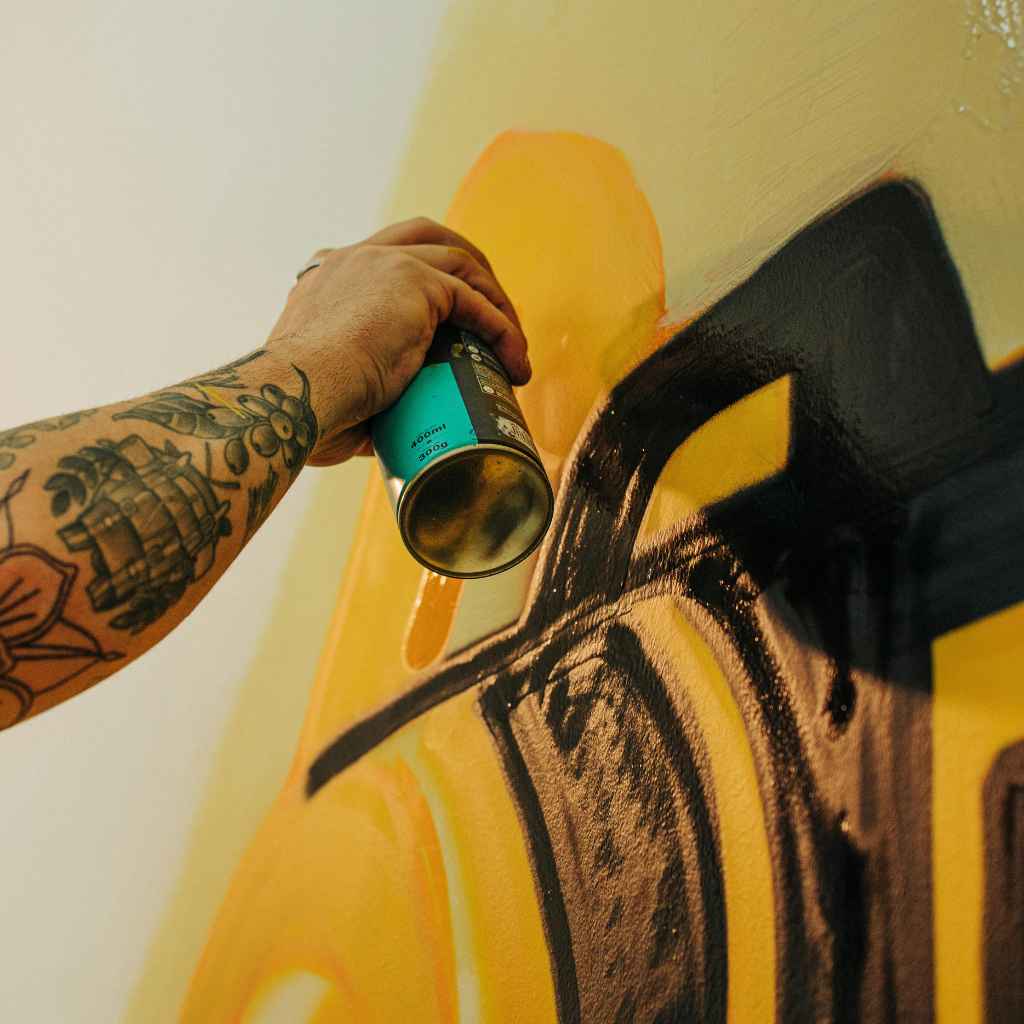
When a spray paint can says “dry to the touch,” it’s a handy guide. It means you can gently touch the surface with a fingertip. If it doesn’t leave a mark or feel sticky, it’s usually dry to the touch.
This is usually within 15 to 30 minutes in ideal conditions. For most projects, this is enough time to apply a second coat.
However, this is not the end of the story. The paint is still vulnerable. Even though it feels dry, the solvents haven’t fully evaporated yet.
The paint isn’t hardened. If you bump it hard, you could dent it. If you try to move it, you might leave fingerprints.
These marks can be hard to remove once the paint fully cures.
Think of it like drying clothes on a line. They might feel dry on the outside. But if it’s a thick sweater, the inside might still be damp.
The same principle applies to spray paint. The outer layer is ready for the next step. But the inner layers are still working on drying out.
It’s tempting to handle your newly painted item once it’s dry to the touch. But resist the urge if you want the best finish. For many items, especially those that will be handled a lot, waiting longer is important.
This allows for better durability. It prevents scuffs and marks.
The Full Cure: Why It Matters
The real strength of spray paint comes when it fully cures. This is when the paint forms its hardest, most durable finish. This can take anywhere from 24 hours to several days, or even weeks for some types of paint.
During this time, the paint is bonding with the surface. It’s becoming resistant to scratches, chemicals, and fading.
For items like outdoor furniture, bikes, or tools, full curing is essential. If you try to use them too soon, you risk damaging the paint. This can lead to chips and bare spots.
It means you’ll have to do touch-ups or repaint the item. Patience here really pays off.
The cure time also depends on the type of paint. Acrylic paints generally cure faster than oil-based paints. High-performance coatings, like those used for cars or industrial equipment, can take even longer.
Always read the paint manufacturer’s instructions. They will provide specific cure times.
Consider the environment your painted item will be in. If it’s going to be exposed to harsh weather, direct sunlight, or frequent handling, full curing is even more critical. This ensures the paint can withstand those conditions.
Rushing the cure process can lead to premature failure of the paint job.
I remember painting a metal garden bench one summer. It was a beautiful sunny day. The paint dried to the touch quickly.
I eagerly put a second coat on after about 20 minutes. Then, I decided to move it to its spot in the garden. I bumped a leg against a brick.
A whole section of paint peeled right off! It was a sticky, gooey mess. That taught me a valuable lesson about waiting for the full cure, especially for outdoor items.
Quick Drying Factors Summary
Temperature: Warmer = Faster. Colder = Slower.
Humidity: Low = Faster. High = Slower.
Airflow: Good breeze = Faster. Still air = Slower.
Paint Type: Some dry faster than others.
Coat Thickness: Thin coats dry faster.
Surface Type: Porous can absorb, helping dry.
Tips for Faster Spray Paint Drying Outside
You can’t control the weather, but you can influence drying time. Choose the right day if possible. Pick a warm, dry day with a gentle breeze.
Avoid days with high humidity or when rain is expected. Early morning or late afternoon can be good times. The sun isn’t too intense then.
This can help avoid overheating the paint.
Make sure your surface is clean and dry. Any dirt, grease, or moisture will slow down drying. It can also cause adhesion problems.
A good primer can also help. It creates a better surface for the paint to stick to. This can lead to a smoother, more even coat.
Apply thin, even coats. Don’t try to cover everything in one go. Spray from about 10-12 inches away.
Use smooth, sweeping motions. Overlap each pass by about half. Let each coat dry for the recommended time before applying the next.
This is usually around 10-15 minutes for drying to the touch.
Use a spray paint designed for faster drying if speed is a priority. Some brands offer quick-drying formulas. Always read the product description carefully.
These are often acrylic-based and designed for speed.
Consider using a spray paint additive. Some products are made to speed up drying. They can help solvents evaporate more quickly.
Always follow the manufacturer’s instructions for these additives. They can sometimes affect the paint’s finish or durability if used incorrectly.
Position your item strategically. If you can, place it in an area where it gets good airflow. Avoid direct, scorching sunlight for long periods.
This can sometimes cause the paint to dry too quickly on the surface. This traps solvents underneath, leading to issues. A shaded area with a gentle breeze is often ideal.
If you’re working on smaller items, you can sometimes create a makeshift drying tent. Use a large cardboard box or a lightweight tarp. Drape it over the item loosely.
This can help protect it from dust and debris. It can also help trap some heat and air for slightly faster drying. Ensure there’s still plenty of ventilation.
After you’re done spraying, let the item cure fully. Keep it in a dry, protected area. Avoid exposing it to extreme temperatures or moisture during the curing process.
The longer you can let it cure undisturbed, the harder and more durable the finish will be.
When Spray Paint is Truly Dry
Determining when spray paint is truly dry, meaning fully cured, takes a bit more effort than just touching it. The best indicator is the manufacturer’s stated cure time. If the can says 7 days for full cure, then it needs 7 days.
This is especially important for items that will experience wear and tear.
You can do a gentle test. After the recommended cure time, try pressing firmly on an inconspicuous spot with your fingernail. If it leaves any indentation, it’s not fully cured.
The paint should feel rock hard. It shouldn’t dent or scratch easily.
Another test is to lightly rub the surface with a soft cloth. If any paint transfers to the cloth, it’s still not fully cured. The paint should be completely set and bonded to the surface.
It should not smudge or rub off at all.
For critical applications, like painting a car part or outdoor equipment that needs to be very durable, it’s always better to err on the side of caution. Wait a few extra days beyond the recommended cure time. This extra patience ensures the paint has reached its maximum hardness and durability.
I painted a set of wooden Adirondack chairs last spring. The can said 72 hours for full cure. I waited about 4 days before letting the family use them.
A few weeks later, I noticed some scuff marks where shoes had rubbed against the legs. They weren’t deep gouges, but they were visible. If I’d waited a full week, maybe those wouldn’t have happened.
It’s a good reminder that the manufacturer’s cure times are usually a minimum.
Drying vs. Curing: Key Differences
Drying to Touch:
- Surface feels dry.
- Usually 15-30 minutes.
- Paint is still soft underneath.
- Ready for a second coat.
Full Cure:
- Paint is fully hardened.
- Can take days or weeks.
- Durable and resistant to damage.
- Item is ready for regular use.
Real-World Scenarios for Spray Paint Drying
Let’s think about some common outdoor projects. Painting a metal mailbox. On a sunny, 75°F day with low humidity and a light breeze, the primer might be dry in 10 minutes.
The first coat of spray paint could be dry to the touch in about 15-20 minutes. You could likely apply a second coat after 20-30 minutes. But for full cure, you might need 24-48 hours before you can securely attach it to its post without worry.
Painting a wooden planter box. Wood absorbs some liquid, which can help. On a similar good weather day, it might dry to the touch in 10-15 minutes.
You could recoat within 20 minutes. Full cure for wood is often around 24 hours. However, planters are exposed to moisture.
So, waiting an extra day or two beyond the label’s recommendation is wise.
Painting patio furniture. This gets touched and moved a lot. On a cooler, more humid day (say, 60°F with 60% humidity), a surface might feel dry in 30-40 minutes.
You might wait an hour between coats. Full cure time can be 3-5 days for this type of paint. You definitely don’t want to sit on a damp chair or find that prints from your clothes have stuck to the paint.
Working with spray paint in less-than-ideal conditions. Imagine painting a birdhouse on a cloudy, 50°F day with high humidity. The paint might take 1-2 hours to feel dry to the touch.
You might need to wait 2-3 hours between coats. Full cure could extend to 7 days or more. It’s a test of patience.
The key takeaway is that the conditions you paint in directly impact how long you wait. Always adjust your expectations based on the weather. It’s better to wait a little longer and have a perfect finish than to rush and have to redo the job.
Fast Drying Environment Checklist
- Temperature: Aim for 65-85°F (18-29°C).
- Humidity: Below 50% is ideal.
- Airflow: Gentle breeze, not strong wind.
- Sunlight: Indirect or early morning/late afternoon sun.
- Surface Prep: Clean, dry, and primed if needed.
What This Means for Your Projects
Knowing spray paint drying times helps you plan your projects better. You can set realistic expectations. If you need to paint something for an event tomorrow, you need a fast-drying paint.
You also need to pick the best weather for it. For projects that aren’t time-sensitive, you have more flexibility.
It also helps you avoid common mistakes. Like putting items away too soon. Or stacking painted objects before they are fully cured.
This can lead to sticking, peeling, or damage. Understanding the difference between dry to the touch and fully cured is your best defense.
For outdoor items, think about how they will be used. If it’s a decorative item that won’t be touched much, maybe the minimum cure time is fine. If it’s something you’ll use daily, like a bike or outdoor furniture, give it the full cure time.
Plus a little extra for good measure.
Consider the environment too. If the painted item will be exposed to rain, dew, or heavy use, that extra curing time is vital. It makes the paint job last much longer.
It protects your work and your investment in the paint and supplies.
When in doubt, always check the spray paint can. The manufacturer knows their product best. Look for specific times for drying to touch, recoating, and full cure.
If their advice differs from general guidelines, trust the can.
Quick Scan: Drying Time Factors
| Factor | Ideal for Fast Drying | Slows Drying |
| Temperature | Warm (65-85°F) | Cold (<50°F) |
| Humidity | Low (<50%) | High (>70%) |
| Airflow | Gentle Breeze | Still Air |
| Coat Thickness | Thin, Even Coats | Thick, Heavy Coats |
| Paint Type | Fast-Dry Formulas | Slower Curing Formulas |
Quick Fixes & Tips for Spray Paint on Outdoor Items
If you find that your paint isn’t dry enough when you need it to be, there are a few things you can do. First, try to move the item to a warmer, drier spot. If it’s still outside, try to find a sheltered area with better airflow.
If you can bring it inside a garage or shed (with good ventilation!), this can help. Make sure it’s a space where fumes won’t be an issue.
You can use a fan to improve airflow. Direct a gentle fan towards the painted surface. This will help speed up evaporation.
Be careful not to use a fan that blows dust or debris onto the wet paint. A gentle, indirect breeze is best.
Avoid the temptation to try and “bake” the paint with direct heat. Using a heat gun or putting it in an oven (even a low-temperature one) can damage the paint. It can cause bubbling, cracking, or an uneven finish.
Stick to natural drying methods and gentle airflow.
If you accidentally smudge or mark the paint before it’s fully cured, don’t panic. If it’s very fresh, you might be able to gently buff it out with a soft cloth. If it’s a more significant mark, you might need to lightly sand the area.
Then, reapply a thin coat of paint. Allow it to dry and cure properly this time. This is why waiting is so important.
For future projects, plan ahead. Check the weather forecast. Read the paint can carefully.
If you have the option, choose a paint labeled “quick-drying” or “fast-drying.” This can save you a lot of waiting time.
Remember, outdoor conditions are unpredictable. It’s always better to overestimate the drying and curing time than to underestimate it. A little extra patience will result in a much more durable and beautiful paint job that lasts.
Frequent Questions About Spray Paint Drying Outside
How long does it take for spray paint to dry to the touch outside?
Spray paint usually dries to the touch outside in about 15 to 30 minutes under ideal conditions. This means it won’t smudge if you lightly touch it. However, it’s not fully hardened yet.
What is the full cure time for spray paint outside?
The full cure time for spray paint outside can vary widely. It often ranges from 24 hours to several days, and sometimes up to a week or more. This is when the paint is fully hardened and durable.
Does cold weather affect spray paint drying time?
Yes, cold weather significantly slows down spray paint drying. The cold reduces the rate of evaporation for the solvents in the paint. This means it will take much longer to dry and cure.
How does humidity impact spray paint drying outside?
High humidity slows down spray paint drying. The moisture in the air makes it harder for the paint’s solvents to evaporate. Low humidity allows for faster drying.
Can I speed up spray paint drying with a fan?
Yes, using a fan can help speed up drying by improving airflow and evaporation. Make sure the fan is not blowing dust or debris onto the wet paint. A gentle breeze is best.
Is it okay to apply a second coat of spray paint after 15 minutes?
Yes, if the paint is dry to the touch after 15 minutes, you can usually apply a second coat. Always check the paint can for specific recoating times. Applying too soon can cause issues.
Conclusion: Patience is Key for Outdoor Spray Paint
Understanding spray paint drying times outside is all about knowing the factors involved. Temperature, humidity, airflow, paint type, and application all play a role. While drying to the touch might happen quickly, full curing takes much longer.
Be patient, plan your project around good weather, and follow the paint manufacturer’s instructions. Your durable, beautiful finish will be worth the wait.
Sponsored / affiliate links. As an Amazon Associate I earn from qualifying purchases. I may earn additional commission from eligible campaigns.