How Much Space Does A Pellet Stove Heat? Real Answers
Understanding how much space a pellet stove can heat involves looking at its output (BTU), the size and layout of your room, how well your home is insulated, and the stove’s own efficiency. This guide will cover these key factors to help you estimate the heating capacity for your needs.
Understanding Pellet Stove Heating Power
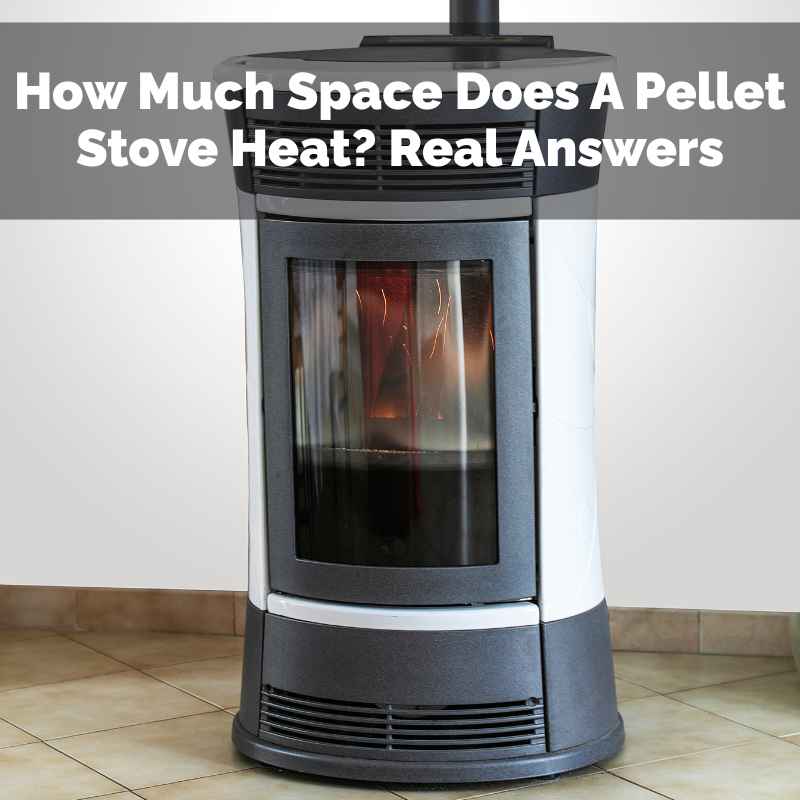
A pellet stove generates heat by burning small, compressed pellets made from wood or biomass. The amount of heat it produces is usually measured in British Thermal Units, or BTUs. Higher BTU numbers mean more heat output.
This is the first big clue about how much space a stove can warm.
Think of BTUs like the muscle of the stove. A stronger engine can move a bigger car. A stove with more BTUs can heat a larger area.
But, just like with cars, you need to consider more than just the engine size.
The stove’s design also plays a role. Some are built for maximum heat throw. Others are more focused on radiant heat, which warms objects directly.
The type of fuel pellet you use can also matter. Different wood types burn at slightly different rates, affecting heat output.
Most pellet stoves are designed to be supplemental heat sources. This means they are great for warming a single room or a small open area. They can also help reduce the load on your main heating system.
They won’t typically heat an entire large house on their own unless it’s very well-designed for it.
We’ll look at how to figure out the right size stove for your needs. It’s about matching the stove’s power to your home’s specific situation.
My Pellet Stove Struggle: The Unheated Sunroom
I remember one winter, my parents decided to get a pellet stove. They had this sunroom that was always freezing in the winter. They installed a mid-sized stove, thinking it would easily warm up the whole space.
The sunroom was maybe 300 square feet, not huge, right?
Well, the stove worked great for heating the living room it was in. It got nice and toasty there. But the sunroom?
It was still pretty chilly. They were disappointed. They had expected the stove’s warmth to spread everywhere.
That’s when I started digging into why it wasn’t working as they hoped.
It turned out their sunroom had single-pane windows and was not well-insulated at all. The heat was escaping faster than the stove could create it. They had focused only on the stove’s BTU rating and the room’s square footage.
They forgot about how much heat was being lost. It was a tough lesson, but it taught me a lot about real-world heating.
Factors That Determine Heating Space
Several things work together to decide how much space a pellet stove can heat. It’s not just the stove itself. Your home plays a big part.
Let’s break down the key players.
BTU Output: The Engine of Warmth
BTU stands for British Thermal Unit. It’s a standard way to measure heat. A higher BTU output means the stove can create more heat.
Pellet stoves range widely in their BTU output. Small stoves might put out 15,000 BTUs. Larger ones can go up to 50,000 BTUs or more.
As a general rule, you need about 20 BTUs per square foot for a well-insulated home in a moderate climate. This is just a starting point. For poorly insulated homes or colder areas, you might need 30-40 BTUs per square foot.
So, for a 1,000 square foot area, you might need a stove that can produce around 20,000 BTUs. If that area is a drafty old cabin, you might need closer to 30,000-40,000 BTUs.
BTU Quick Guide (Estimates)
10,000 – 20,000 BTUs
20,000 – 30,000 BTUs
30,000 – 45,000 BTUs
45,000 – 60,000+ BTUs
Room Size and Layout: Open vs. Divided
The shape and size of the area you want to heat are crucial. A small, square room is easier to heat than a long, narrow one. Open-concept homes are much easier for a pellet stove to warm.
If you have a lot of walls and doors, the heat will get trapped. This is especially true if there are closed doors. Pellet stoves tend to heat best in open spaces.
They push warm air out. If there are no easy paths, the heat won’t go far.
Think about your layout. Is it one big room? Or many small rooms?
A stove in the middle of an open living area will spread heat much better than one tucked away in a corner with lots of doors. This is a common oversight for people.
Layout Impact
Heat spreads easily.
Wider coverage.
Heat is contained.
Less coverage without fans.
Insulation: Keeping the Warmth In
This is a huge factor, and often the biggest surprise. How well your home is insulated directly impacts how much heat escapes. A poorly insulated home will lose heat quickly.
This means your stove has to work much harder to keep up.
Areas to check include walls, attics, floors, and especially windows and doors. Old, leaky windows are like open vents in winter. Drafts around doors let cold air in and warm air out.
If your home is well-insulated, the heat generated by the pellet stove will stay inside longer. This allows the stove to heat a larger space more effectively. In fact, a very well-insulated, airtight home might find a smaller pellet stove is more than enough.
You can feel drafts easily. Put your hand near windows and doors. If you feel cold air coming in, that’s lost heat.
Adding insulation or sealing up these leaks can make a big difference.
Ceiling Height: Volume Matters
It’s not just about square footage. The height of your ceilings also affects the volume of air the stove needs to heat. A room with 10-foot ceilings has more air than a room with 8-foot ceilings.
This means it takes more energy to warm that larger volume.
This is why a stove might heat a 1,000 square foot space with standard ceilings well, but struggle with the same square footage if the ceilings are much higher, like in a great room or a converted loft.
Climate: Cold Winters Need More Heat
Where you live matters a lot. If you are in a place with very cold winters, you will need a stove with a higher BTU output. A stove that’s perfect for a mild Southern winter might struggle in a harsh Northern one.
Consider your average low temperatures. Are they below freezing for long periods? Do you get a lot of snow?
These are signs that your climate requires more robust heating. The U.S. has varied climates, from warm coastal regions to very cold inland areas.
Your local weather patterns are a key consideration.
Climate Zone Impact
Mild Climate: Less heating needed. Lower BTU stove might suffice. Focus on consistent warmth.
Moderate Climate: Balanced heating needs. Stove should handle cold snaps.
Cold Climate: High heating demand. Requires higher BTU output. Stove must fight extreme cold.
Stove Efficiency: Not All Stoves are Equal
Pellet stoves vary in how efficiently they convert fuel into heat. Efficiency ratings are usually given as a percentage. A stove with 85% efficiency means 85% of the heat produced from the pellets goes into your room.
The rest is lost up the chimney.
Modern, EPA-certified stoves are generally more efficient. They burn cleaner and extract more heat from the fuel. Older stoves or non-certified models might be less efficient.
When looking at a stove’s specs, check its efficiency rating. A more efficient stove can heat a larger space with the same amount of fuel. Or it can heat the same space using less fuel.
Air Circulation: Moving the Warm Air
Sometimes, the problem isn’t that the stove isn’t making enough heat. It’s that the heat isn’t moving to where you need it. Fans are built into pellet stoves to help circulate air.
But their power can vary.
In larger or more complex spaces, you might need to add extra fans. Ceiling fans can help push warm air down from the ceiling. Small portable fans can direct heat towards cooler areas.
Good air movement makes a big difference in how evenly a space is heated.
Real-World Scenarios and Expectations
Let’s look at some common scenarios. This can help you picture what’s realistic for different home setups.
Scenario 1: The Cozy Living Room Addition
Imagine a medium-sized living room, about 400 square feet. It has standard 8-foot ceilings and decent insulation. You install a pellet stove rated at 25,000 BTUs.
This stove will likely do an excellent job. It will keep that room very warm, possibly even too warm at times.
The heat will likely spill into adjoining areas like a hallway or kitchen if the doors are open. This is a common way people use pellet stoves: to heat their main living area and supplement their home’s overall heat. It’s effective for this type of dedicated space.
Scenario 2: The Open-Concept Great Room
Now, picture a large open-concept great room. It’s 1,200 square feet with 15-foot ceilings. The walls are mostly glass, and the insulation is only average.
You install a powerful 50,000 BTU pellet stove.
This stove will certainly make a dent. It will warm the immediate area around it very well. However, reaching all corners of that vast space with consistent warmth might be a challenge.
The high ceilings mean a lot of warm air will rise. The large window area will lose heat quickly.
In this case, the stove is a strong supplemental heat source. It will lower your reliance on the main heating system. But expecting it to make the entire 1,200 sq ft feel like a sauna might be unrealistic without additional help, like fans or better insulation.
Stove Placement Matters
Central Location: Best for open spaces. Heat can radiate outwards in all directions.
Corner Placement: Good for directing heat down a hallway, but might leave the opposite side cooler.
Against an Exterior Wall: Can sometimes lead to more heat loss through that wall, especially if insulation is poor.
Scenario 3: The Drafty Basement Rec Room
Consider a 600-square-foot basement rec room. It has some insulation, but it’s older and prone to drafts. The ceiling height is standard.
You use a 30,000 BTU pellet stove.
This stove will likely provide a comfortable level of warmth for the space. However, drafts can make it feel cooler than the actual temperature. You might notice one corner feels colder than another.
Proper sealing of any basement drafts is key here.
Scenario 4: Heating Multiple Rooms
Can a pellet stove heat more than one room? Yes, but with limitations. If you have a smaller home, maybe 1,500 square feet, and it’s very well-insulated and laid out with few doors, a powerful pellet stove (45,000+ BTUs) could potentially heat a good portion of it.
However, heat doesn’t travel well through closed doors. You would need to keep doors open. This means you might be heating areas you don’t always use.
It’s more about creating a general warmth throughout the house.
For most homes, a pellet stove is best suited for heating the main living area where it’s located. It can then reduce the demand on your central heating system for the rest of the house. This saves energy and money.
It’s a supplemental workhorse, not usually a primary whole-house solution for larger homes.
What This Means for Your Home
So, what’s the takeaway for you? It’s about being realistic and understanding the variables.
When is a Pellet Stove Sufficient?
A pellet stove is often sufficient for:
- Heating a single, medium-sized room (like a living room or den).
- Heating an open-concept space up to 1,000-1,500 square feet, provided it’s well-insulated.
- Supplementing a central heating system in colder climates, significantly reducing overall heating costs.
- Providing a primary heat source for very small, well-insulated cabins or workshops.
When Might You Need More Help?
You might find a single pellet stove isn’t enough if:
- Your home is large (over 2,000 sq ft) and you want to heat most of it.
- Your home has poor insulation or many drafts.
- You have a very complex room layout with many small, separate rooms.
- You have very high ceilings that create a large air volume to heat.
- You live in an extremely cold climate and need sustained high heat output.
Simple Checks You Can Do
Before buying, do a quick check:
- Measure your space: Know the square footage and ceiling height accurately.
- Feel for drafts: Walk around your home and check windows, doors, and outlets for cold air leaks.
- Assess insulation: Look at your attic. Is it well-filled with insulation? Check basement walls too.
- Consider your layout: Draw a quick floor plan. See how heat would naturally flow.
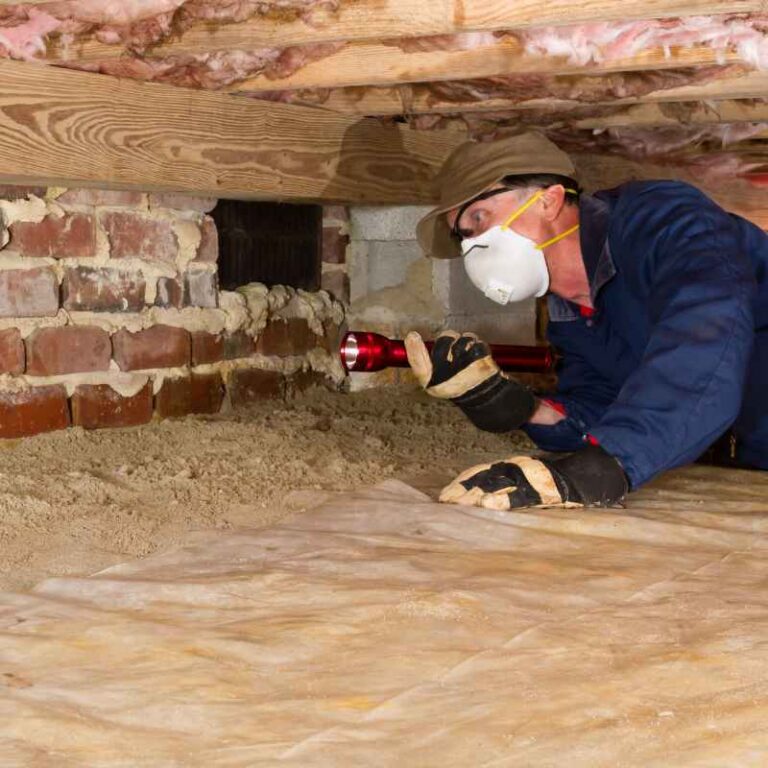
DIY Insulation Check
Attic: If you can see the joists easily, you likely need more insulation.
Walls: Feel for drafts around window frames and electrical outlets.
Basement: Check where the foundation meets the sill plate for air leaks.
Doors/Windows: Look for worn weatherstripping or gaps.
Quick Tips for Maximizing Pellet Stove Heat
If you have a pellet stove, or are planning to get one, here are some tips to help it perform its best.
- Regular Cleaning: A clean stove is an efficient stove. Clean the burn pot and ash pan regularly. Follow the manufacturer’s maintenance schedule. This ensures optimal combustion and heat output.
- Use Quality Pellets: Higher quality pellets burn cleaner and hotter. Avoid pellets with a lot of bark or debris, as they can create more ash and burn less efficiently.
- Proper Venting: Ensure your stove’s venting system is correctly installed and clear. A blocked vent restricts airflow and reduces efficiency.
- Thermostat Use: Use the stove’s thermostat to maintain a steady temperature. This prevents overheating and saves fuel. Set it to a comfortable level, not excessively high.
- Air Circulation: As mentioned, use ceiling fans or portable fans to move warm air from the ceiling to the living space. This helps equalize room temperature.
- Seal Air Leaks: Address any drafts around windows, doors, and electrical outlets. Weatherstripping and caulk are your friends here.
- Insulation Upgrades: If possible, improve attic and wall insulation. This is one of the most effective ways to keep heat in.
Pellet Stove Performance Boosters
Myth: My stove is dirty, so I’ll clean it next month.
Reality: Regular cleaning improves efficiency and lifespan.
Myth: Any wood pellet works fine.
Reality: Quality pellets burn hotter and cleaner.
Myth: Heat rises, so I don’t need fans.
Reality: Fans help push heat down, making rooms feel warmer.
Frequently Asked Questions
Can a pellet stove heat my whole house?
It depends on the size of your house, its insulation, and the stove’s BTU output. For smaller, well-insulated homes (under 1500 sq ft), a powerful pellet stove might heat most of it. For larger homes, it’s generally best used as a supplemental heat source for a main living area.
What is the average heating capacity of a pellet stove in square feet?
A typical pellet stove can heat between 500 to 1,500 square feet. However, this is a broad range. A smaller stove (e.g., 20,000 BTU) might cover 500-800 sq ft effectively, while a larger one (e.g., 50,000 BTU) could manage up to 1,500 sq ft or more in ideal conditions.
How do I choose the right size pellet stove for my space?
Calculate your space’s square footage and ceiling height. Estimate the BTUs needed per square foot based on your climate and insulation levels. Look for stoves with a BTU output that matches or slightly exceeds your estimated needs, considering your home’s specific characteristics.
Does insulation really make that much difference for a pellet stove?
Yes, insulation makes a huge difference. A well-insulated home retains heat much better, allowing a pellet stove to heat a larger area more effectively. Poor insulation means heat escapes quickly, forcing the stove to work harder and limiting its effective heating range.
Can I use a pellet stove in a room with high ceilings?
Yes, but you need to account for the larger air volume. High ceilings mean warm air will rise more. You’ll likely need a more powerful stove and good air circulation (like ceiling fans) to push that warm air back down into the living space effectively.
What are the signs that my pellet stove isn’t powerful enough for my space?
Signs include the room never reaching a comfortable temperature, the stove running constantly on high without achieving desired warmth, or needing to run supplemental heaters. Drafts and cold spots in the room also indicate the stove’s heat isn’t overcoming heat loss.
Conclusion
Figuring out how much space a pellet stove can heat is about looking beyond just the unit itself. It’s a dance between the stove’s power, your home’s features, and your local climate. By understanding the role of BTUs, insulation, layout, and other factors, you can make a much more informed choice.
This helps ensure you get the cozy, efficient warmth you’re looking for.
Sponsored / affiliate links. As an Amazon Associate I earn from qualifying purchases. I may earn additional commission from eligible campaigns.