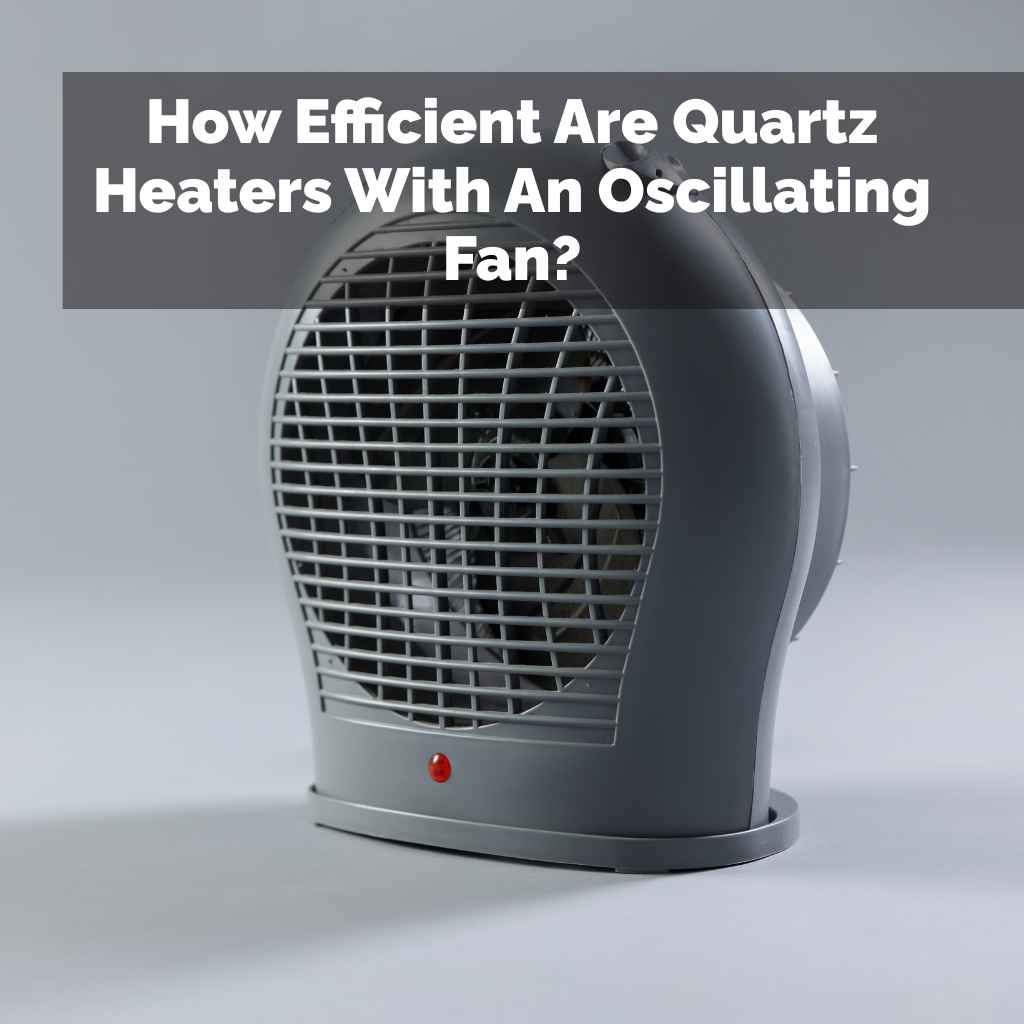
How Efficient Are Quartz Heaters With An Oscillating Fan?
Quartz heaters with oscillating fans are generally efficient for supplemental spot heating. They warm up quickly and direct heat broadly, but their overall energy use depends on room size and desired temperature, and they’re best for smaller spaces or quick warmth.
What Is a Quartz Heater with an Oscillating Fan?
A quartz heater is a type of electric heater. It uses quartz tubes to produce heat. These tubes get very hot when electricity passes through them.
They then send out heat as infrared radiation. Think of it like the sun warming your skin on a cool day.
The oscillating fan part is what makes it different. It has a built-in fan that blows the heated air around. The fan also moves the whole heater back and forth.
This gentle swaying motion helps spread the warmth over a wider area. It stops one spot from getting too hot.
This combination aims to give you quick, widespread warmth. It’s like having a small, portable heat source that can reach more people in a room. The heat feels direct and comforting, especially when you’re sitting nearby.
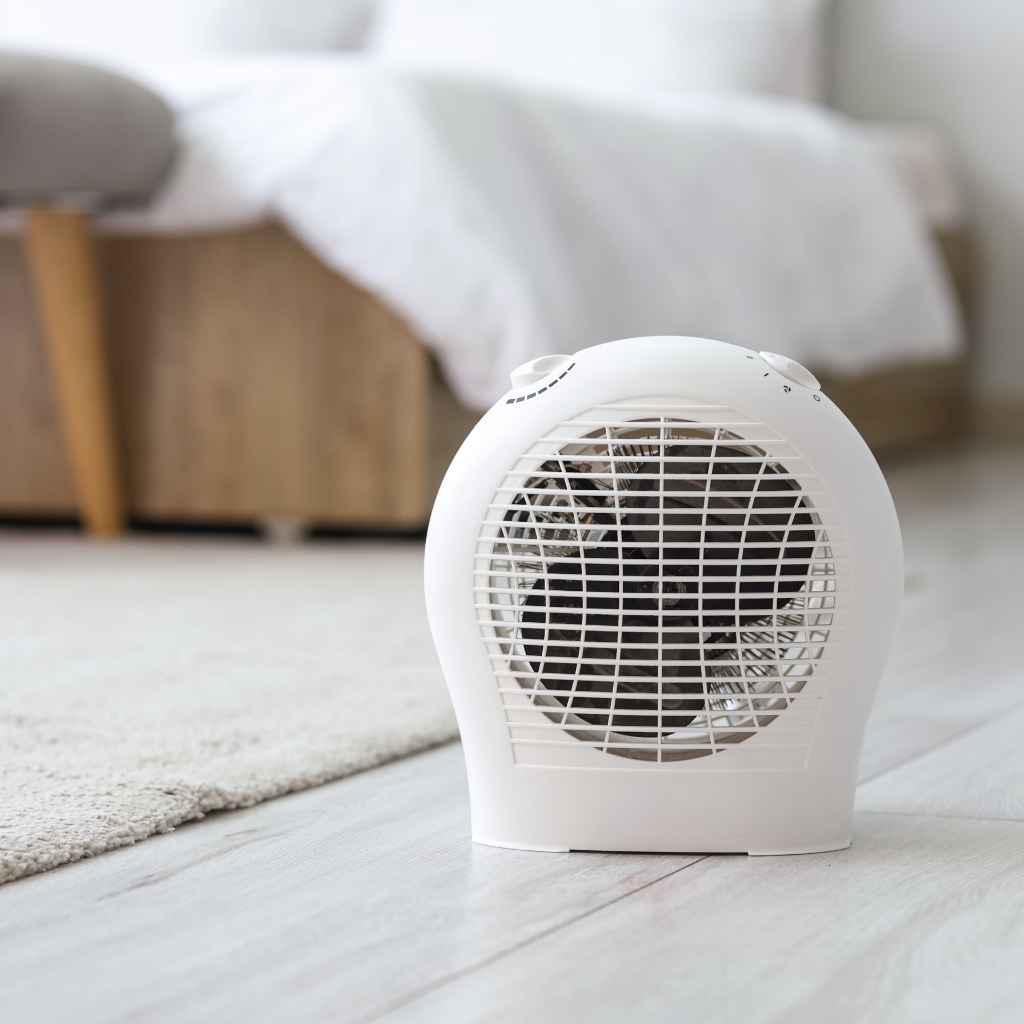
My Experience with a Wobbly Heater
I remember one particularly chilly winter evening. I had just moved into a small apartment, and the heating system was… unreliable. I’d bought a small quartz heater with a fan that promised to warm up the living room quickly.
It had this cool oscillating feature, and I was excited about it.
I plugged it in, turned it on high, and set the fan to oscillate. At first, it was great! The air coming off it was warm, and I could feel the heat spreading.
But then, about ten minutes in, I noticed the wobble was getting a bit… much. It started making a slight clicking noise as it swung. I remember thinking, “Is it going to fall over?”
I felt a little panic rising. I didn’t want to burn down my new place! I quickly shut it off and carefully adjusted its position.
It was a reminder that even simple devices have their quirks. That night, I learned that “oscillating” doesn’t always mean “perfectly smooth.” It also taught me to pay attention to how a heater performs and not just rely on its features.
How Quartz Heaters Work
Heat Source: Electricity flows through elements inside quartz tubes.
Material: Quartz is a good insulator. It also handles high heat well.
Heat Emission: The hot elements create infrared heat. This heat travels in waves.
How You Feel It: These waves warm objects and people directly. It’s not just heating the air.
Oscillating Fan: A fan blows the heat forward. It also moves the heater side-to-side.
Benefit: This spreads warmth over a larger area.
How Efficient Are They Really?
When we talk about efficiency for electric heaters, it’s a bit different than, say, a gas furnace. All electric resistance heaters convert nearly 100% of the electricity they use into heat. So, in that sense, a quartz heater is very efficient at making heat.
The real question is about how well it uses that heat to warm you or your space. This is where the quartz heater with oscillating fan design comes into play. The quartz tubes heat up fast.
This means you feel warmth almost immediately. That’s a big win when you’re cold.
The oscillating fan helps distribute this quick heat. Instead of just a hot spot directly in front of the heater, the warmth spreads out. This can make a small room feel cozy more evenly.
It feels more efficient because more of the room gets warm air.
However, it’s important to remember what these heaters are best for. They excel at spot heating. That means warming a small area where people are sitting.
They aren’t usually the best for heating an entire large house. Heating a whole house with electric resistance heaters uses a lot of power.
So, are they efficient? Yes, for their intended purpose: providing quick, targeted warmth to a limited space. If you’re trying to heat a large living room with poor insulation, you might feel like it’s not efficient because the heat escapes too fast.
But for a small office or a corner of a bedroom, they can be quite effective.
Oscillation: What It Does
Action: The heater’s head or entire unit moves slowly from side to side.
Purpose: To spread warm air or heat waves across a wider arc.
Benefit: Prevents hot spots and cold spots in a room.
How it feels: More consistent warmth without constant repositioning.
Downside: Can sometimes be noisy or wear out over time.
Comparing Quartz Heaters to Other Types
To understand the efficiency of a quartz heater with oscillating fan, it helps to compare it. Think about other common heaters you might have seen.
Ceramic Heaters: These use a ceramic element to heat air. A fan then blows this warm air. Ceramic heaters tend to heat the air in a room more generally.
They might take a little longer to feel the heat compared to quartz, but they can warm up a small to medium room fairly well. The fan in ceramic heaters can sometimes be noisy.
Oil-Filled Radiators: These heaters have a metal casing filled with oil. Electric elements heat the oil, which then heats the casing. The casing radiates heat slowly and evenly.
They are very quiet and provide a steady warmth. They are good for maintaining a temperature over a long period. They take a while to heat up initially.
Infrared Heaters (Panel/Wall Mounted): These are similar to quartz in that they use infrared heat. However, they often have larger panels and are designed for more widespread radiant heat. They don’t rely on fans as much.
They are very good at heating people directly, even in large or drafty spaces, without heating the air itself as much. This can be very energy efficient for targeted heating.
Convection Heaters: These draw in cool air, heat it, and release it. They are often used for whole-room heating. They can be efficient for this purpose but take time to warm up a space.
Compared to these, the quartz heater with an oscillating fan offers speed and broad distribution for its size. It’s like a fast-acting sprinter for warmth. If you need quick, personal warmth in a small area, it’s a great choice.
If you need to heat a large, open space for hours, other types might be more suitable or cost-effective in the long run.
Quick Scan: Heater Types
- Quartz: Fast heat, good for spot warming, direct radiation.
- Ceramic: Heats air, good for small rooms, can be quieter than quartz fans.
- Oil-Filled: Slow, steady, even heat, quiet, good for maintaining temp.
- Infrared Panel: Direct radiant heat, efficient for large spaces/people, quiet.
- Convection: Warms air, good for whole rooms, slower to start.
Real-World Context: Where They Shine
Think about where a quartz heater with oscillating fan would be most useful. It’s not usually the primary heater for your whole house. Instead, it’s a star player for specific tasks and situations.
In the Office: If your office space gets chilly, but the main building heat is inconsistent, this is perfect. You can set it up near your desk. The oscillation ensures the warmth reaches you without you having to constantly turn the heater.
It warms you up fast when you start feeling that familiar chill creeping in.
In a Small Bedroom: Before bed, or on a cold morning, a small oscillating quartz heater can make a big difference. It can take the edge off the cold air in a smaller room quickly. You might only need it for an hour or two.
Then you can turn it off, saving energy.
In a Dorm Room: Dorm rooms are often small and can get cold. These heaters are a popular choice because they are portable and provide quick warmth. Safety features like tip-over switches are important here.
For Supplemental Heat: If your main heating system is okay but has cold spots, these heaters can fill in the gaps. They add extra warmth where and when you need it most. It’s like adding a warm hug to a chilly corner.
In a Garage or Workshop (with caution): For short periods when you’re working in a garage or workshop, a quartz heater can provide necessary warmth. However, always ensure good ventilation and that the heater is designed for such environments, as they can be dustier or more humid than indoor spaces.
The key is understanding the space. A quartz heater is great for a 10×10 foot area. It’s less effective for a large, open-plan living room that’s hard to heat.
The oscillation helps, but it can’t fight against significant heat loss.
What This Means For You: When to Use One
So, what does all this mean for your comfort and your wallet? It means making smart choices about where and how you use your heater.
When It’s Normal and Good:
- You need quick warmth in a small room or a specific spot.
- You’re feeling a chill and want to feel warmer in minutes, not hours.
- You want to supplement your main heating system in a cold corner.
- You’re looking for a portable heater that’s easy to move around.
- You appreciate the gentle side-to-side motion that spreads the heat.
When to Maybe Worry or Consider Another Option:
- You need to heat a large living area or multiple rooms consistently.
- Your home has poor insulation, and heat escapes quickly.
- You need a heater that runs quietly for long periods, especially in a bedroom at night.
- You’re looking for the absolute lowest energy bill for whole-home heating.
- You notice the oscillation mechanism is making loud or grinding noises, or the heater seems unstable.
Simple Checks:
- Check the Room Size: Does the heater’s wattage match the square footage of the space you want to heat? Most small quartz heaters are 1500 watts, good for up to 200 sq ft.
- Listen to the Fan: Is it smooth, or is it struggling? A struggling fan might indicate wear.
- Feel the Heat: Does it feel evenly distributed by the oscillation, or are there still very cold spots?
- Check Safety Features: Does it have an auto shut-off if it tips over?
Understanding these points helps you use your quartz heater with oscillating fan effectively. You get the benefits without running up your electric bill unnecessarily or being disappointed by its performance.
Is It Costing Too Much? Quick Tips
Use it Only When Needed: Turn it off when you leave the room.
Target Your Warmth: Aim it where you are sitting.
Pair with Insulation: Close doors and windows to keep heat in.
Consider Thermostat Use: If your main heat has a smart thermostat, use it wisely.
Don’t Expect Whole-Home Magic: These are best for small areas.
Quick Tips for Using Your Heater Wisely
To get the most out of your quartz heater with oscillating fan, try these simple tips. They can help you stay warm and keep your energy use in check.
Place it Strategically: Put the heater where you spend the most time. If you’re at a desk, point it towards you. The oscillation helps spread it a bit, but direct placement is key for personal comfort.
Close Doors and Windows: This is crucial for any heater. Keeping the warm air contained makes a huge difference. A closed door to a small room can turn it into a cozy haven.
Use it for Short Bursts: These heaters are great for warming up a room quickly. Once it’s comfortable, you might be able to turn it down or off. Or perhaps lower your main thermostat setting a degree or two.
Keep it Clean: Dust can build up on the quartz tubes and fan. Gently clean them according to the manufacturer’s instructions. This helps it run more efficiently and safely.
Check the Thermostat (if it has one): Many oscillating quartz heaters have a thermostat. Set it to your desired temperature. The heater will cycle on and off to maintain it.
This prevents overheating and saves energy compared to running it constantly on high.
Mind the Airflow: Don’t block the vents. Make sure there’s space around the heater for air to move freely. This helps the fan work as intended and keeps the unit from overheating.
Safety First: Always place it on a flat, stable surface. Keep it away from curtains, furniture, and anything flammable. Ensure it has a tip-over switch for added safety.
Essential Safety Checks
- Tip-Over Switch: Make sure it works. It should turn off the heater if it falls.
- Clearance: Keep at least 3 feet of space around the heater.
- Cords: Ensure the power cord is not frayed or damaged.
- Supervision: Never leave a portable heater running unattended.
- Pets and Kids: Keep them a safe distance from the hot surfaces.
Frequent Questions About Oscillating Quartz Heaters
Are quartz heaters safe for bedrooms?
Yes, quartz heaters can be safe for bedrooms if used correctly. Always follow the manufacturer’s instructions and safety guidelines. Ensure there’s good ventilation and keep flammable materials away.
Many models have safety features like tip-over switches and overheat protection. It’s best to use them for a limited time to warm the room before sleeping, rather than leaving them on all night, especially if the room is small or not well-ventilated.
How much electricity does an oscillating quartz heater use?
Most oscillating quartz heaters are around 1500 watts. When running continuously, they use about 1.5 kilowatts per hour (kWh). The actual cost depends on your local electricity rates.
For example, if your rate is $0.15 per kWh, running it for one hour would cost $0.225.
Can an oscillating quartz heater heat a whole house?
No, an oscillating quartz heater is not designed to heat a whole house. They are best for supplemental heating in small rooms or specific areas. For whole-house heating, you would need a central heating system or multiple larger heaters designed for larger spaces.
How long does it take for a quartz heater to warm a room?
A quartz heater warms up very quickly, often within a minute. The room itself will start to feel warmer within 5 to 15 minutes, depending on the room’s size, insulation, and the heater’s wattage. The oscillating fan helps distribute this warmth more evenly.
Is the oscillating feature important for efficiency?
The oscillating feature itself doesn’t make the heater more efficient in terms of energy conversion. However, it makes the heater more effective at distributing heat. This means it can warm a larger area or make a small area feel more uniformly warm.
This can lead to feeling comfortable at a lower overall heat setting or for a shorter time, indirectly improving perceived efficiency.
Are quartz heaters noisy?
Quartz heaters themselves are generally very quiet. The heat produced by the quartz tubes is silent. The main source of noise comes from the oscillating fan.
Some fans are quieter than others. The gentle whirring sound is usually not disruptive for most people, but it’s more noticeable than a silent radiant heater.
What’s the difference between quartz and ceramic heaters?
Quartz heaters use quartz tubes that glow red-hot to produce infrared heat, which warms objects directly. Ceramic heaters use a ceramic heating element, and a fan blows air over it to heat the air. Quartz heats up faster and provides a more direct warmth, while ceramic heaters are often better at heating the air in a room more generally.
Conclusion: Smart Warmth for Specific Needs
So, to wrap it up, quartz heaters with oscillating fans are great tools for comfort. They provide fast, targeted warmth exactly where you need it. While all electric heaters convert energy to heat equally, these excel at distributing that heat.
They are best for small spaces and quick comfort boosts. Use them wisely, and they’ll keep you cozy without breaking the bank.
Sponsored / affiliate links. As an Amazon Associate I earn from qualifying purchases. I may earn additional commission from eligible campaigns.