How Far Should Edenpure Heaters Be Kept From The Wall?
Understanding the proper clearance for your EdenPURE heater is crucial for safety and efficient heating. Keeping it at the recommended distance from walls and other objects prevents overheating, reduces fire hazards, and ensures optimal airflow for effective room warming. This guide breaks down the specifics.
Understanding EdenPURE Heater Placement
EdenPURE heaters are designed to be safe and effective. But like any heating device, they need space to work right. This space is called clearance.
Clearance means the distance between the heater and anything around it. This includes walls, furniture, curtains, and even other objects. Why is this distance so important?
The main reason is safety. Heaters get warm, sometimes very warm. If something flammable is too close, it could catch fire.
Think about curtains, paper, or even some types of wood furniture. Giving the heater space stops these items from getting too hot.
Another reason is efficiency. These heaters work by moving air. They pull cooler air in and push warmer air out.
If the vents are blocked by walls or furniture, the air can’t move freely. This means the heater has to work harder. It might not heat your room as well or as quickly.
This can also make the heater last longer.
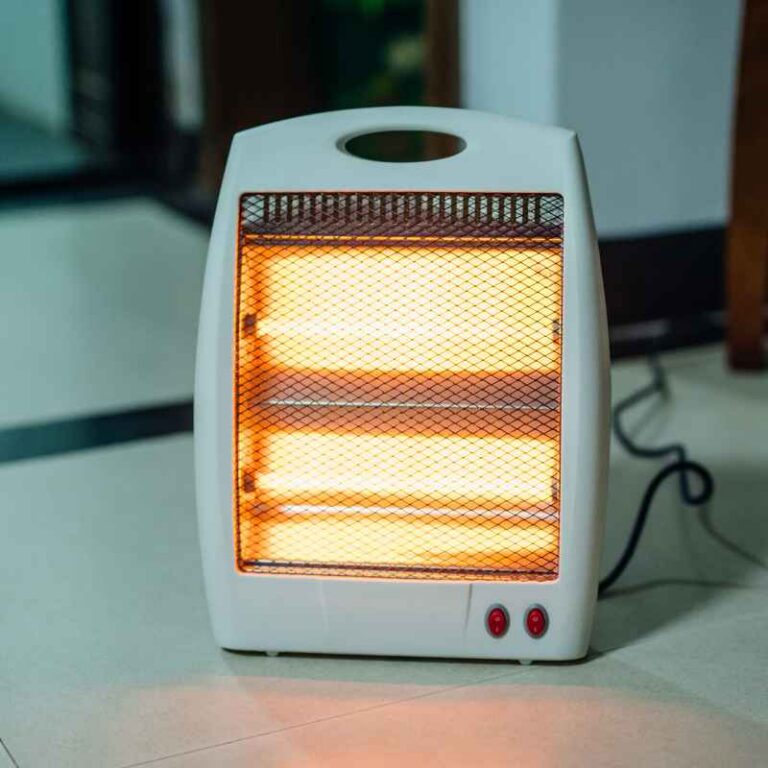
EdenPURE heaters are known for their infrared heat. This type of heat warms objects directly. It also warms the air.
Proper placement helps this warming effect spread throughout your room. It ensures you feel the heat where you need it, not just around the unit.
So, knowing the right distance is key. It’s not just a suggestion; it’s a vital part of using your heater correctly. Let’s dive into the specific distances recommended by EdenPURE and explore the different types of heaters they offer.
Personal Experience: The Time I Almost Ignored the Manual
I remember getting my first EdenPURE heater a few years ago. It was a chilly November day. I was so excited to try it out.
The box was big, and the heater looked sleek. I plugged it in and put it right against the wall in my living room. It was a convenient spot, out of the main walkway.
I figured, “It’s not touching the wall, so it’s fine.”
For the first hour, it seemed to work okay. But then, I started noticing a faint smell. It wasn’t a bad smell, just… odd.
A little like warm plastic, maybe? I walked over to the heater. I could feel a bit more heat radiating from the back than I expected.
I stuck my hand back there carefully. It was definitely warmer than I thought it should be. My heart did a little skip.
I pulled the heater out a foot or so from the wall. The strange smell went away almost immediately. And the room felt like it was heating up faster, too.
That’s when I really understood that the instructions about clearance weren’t just there to be difficult.
How Far Should EdenPURE Heaters Be Kept From the Wall?
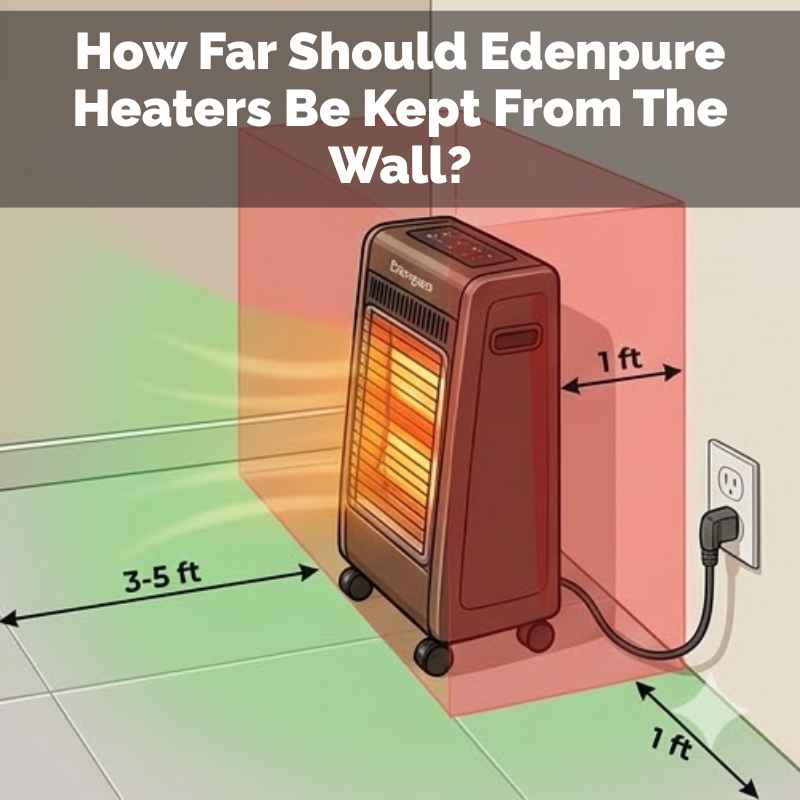
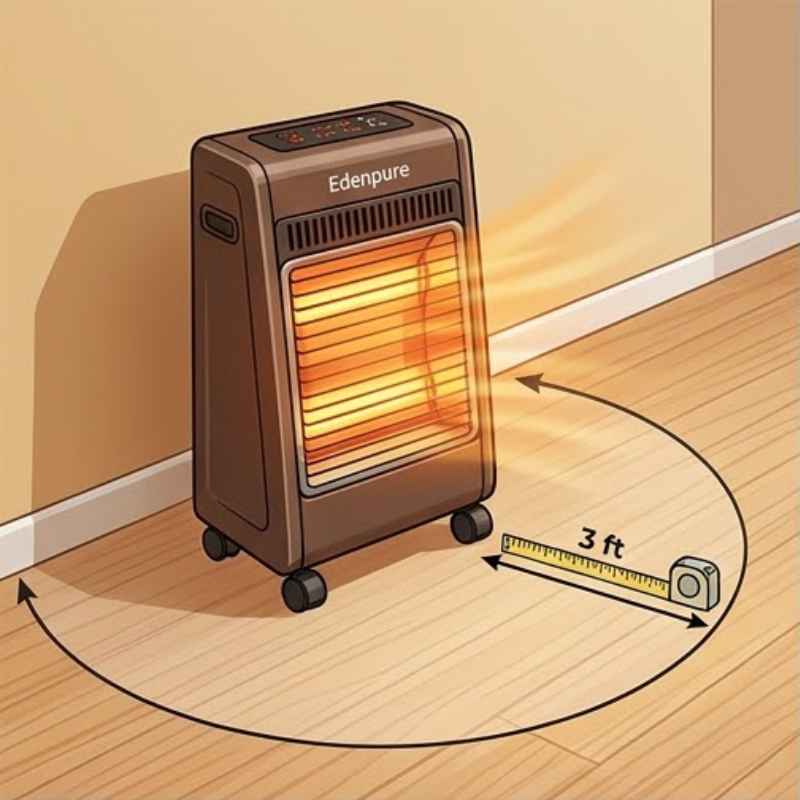
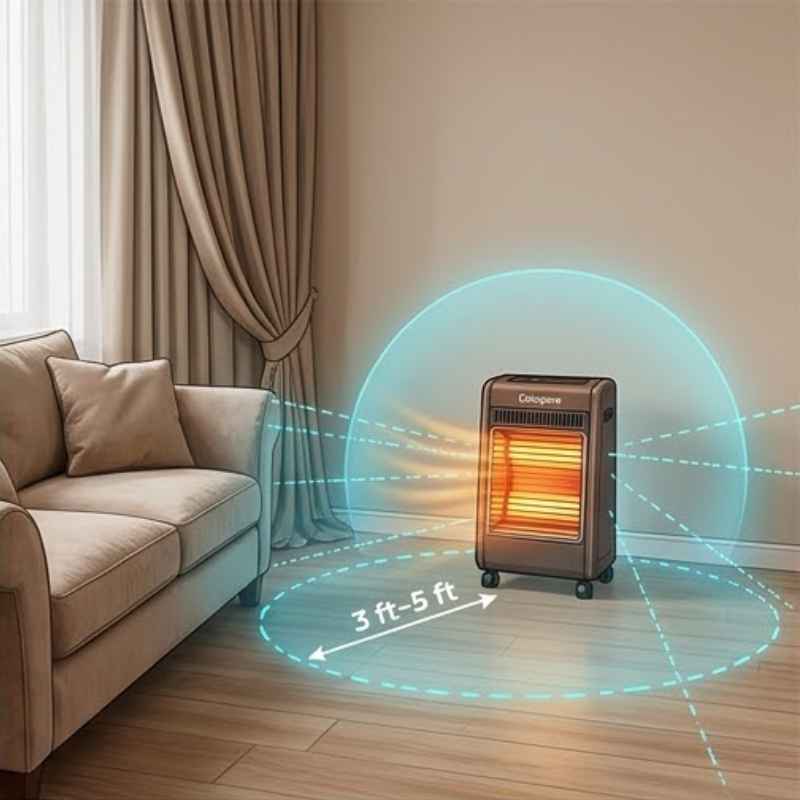
EdenPURE typically recommends a minimum clearance of 3 feet (36 inches) from walls and other objects for most of their portable heaters. This measurement applies to the front, sides, and especially the rear of the unit. The back of the heater is where much of the air intake and heat exhaust happens.
Blocking this area is a common mistake.
This 3-foot rule is a general guideline. It’s designed to cover most situations and ensure safety. It allows for proper airflow.
It also keeps flammable materials at a safe distance. Always check the specific manual that came with your EdenPURE model. Different models might have slightly different requirements.
The manual is the most accurate source of information for your specific heater.
Specific Model Clearances
While 3 feet is a good starting point, some older or specialized models might have variations. For instance:
- EdenPURE GEN-3 Series: These often require the standard 3 feet on all sides.
- EdenPURE Portable Heaters: Most portable units adhere to the 3-foot minimum for safety.
- Larger or Wall-Mounted Units: If you have a larger or less common EdenPURE model, consult its manual. These might have different needs.
It’s always better to err on the side of caution. If you have doubts, give it more space. More space is almost always better than not enough.
Think of it like this: your heater needs breathing room. Just like you do! If you’re in a stuffy room, you don’t feel great.
Your heater doesn’t feel great either when it’s crammed into a corner.
This 3-foot clearance isn’t just for walls. It also applies to:
- Furniture: Sofas, chairs, tables.
- Curtains and Drapes: These are highly flammable.
- Bedding and Linens: Especially in bedrooms.
- Paper or Cardboard: Stacks of books, boxes.
- Any combustible materials.
Even items that don’t seem very flammable can get hot enough to scorch or char over time if they are too close to a heat source. That’s why the 3-foot rule is so important to follow.
Airflow is Key: Understanding Heater Vents
Front Vents: These push out the warm air. They need to be clear to send heat into the room. Blocking them means heat just builds up near the unit.
This is wasteful and can make the heater less effective.
Rear Vents: These pull in cooler air. They are vital for the heating cycle. If these are blocked, the heater struggles to draw air.
This can cause it to overheat. It also reduces the amount of warm air it can produce.
Top Vents: Some models may have top vents. These also help with air circulation. Always ensure they are not covered by anything.
The Importance of Airflow for Efficiency
You might be wondering why airflow is so critical. Let’s break it down simply. Imagine your heater is like a person breathing.
It needs to take in cool air and exhale warm air. If its nose and mouth are covered, it can’t breathe properly.
When you place an EdenPURE heater too close to a wall, you’re essentially covering up its “nose” and “mouth.” The cool air intake at the back gets choked. The warm air outlet at the front can’t push air out effectively. This leads to a few problems:
- Reduced Heating: The heater struggles to warm the room. It might run longer but still not feel warm enough.
- Overheating: The internal components can get too hot. This can shorten the life of the heater. It also increases the risk of damage or malfunction.
- Energy Waste: The heater works harder to do less. This means it uses more electricity than it needs to.
EdenPURE heaters use advanced technology, like infrared heat. This technology works best when it can distribute heat evenly. Proper placement allows the infrared waves to travel freely.
It also lets the fan circulate the warmed air effectively.
Think about a fan. If you put a fan right against a wall, the air just bounces back. It doesn’t move much.
The same idea applies to your heater’s internal fan and heating elements. They need space to do their job.
Quick Scan: Common Clearance Mistakes
Mistake: Placing heater too close to curtains.
Why it’s wrong: Curtains are highly flammable and can easily catch fire.
Mistake: Blocking the rear vents with furniture.
Why it’s wrong: This stops air intake and can cause the unit to overheat.
Mistake: Using the heater in a small, enclosed space with no airflow.
Why it’s wrong: Heat can build up dangerously, and the heater won’t distribute warmth well.
Mistake: Leaving flammable items like paper or blankets near the front.
Why it’s wrong: Direct heat can scorch or ignite these items.
Fire Safety: The Most Crucial Reason
When we talk about keeping heaters away from walls, the number one concern is fire safety. It’s easy to forget that these devices produce heat. And heat, in the wrong circumstances, can lead to disaster.
The U.S. Fire Administration reports that heating equipment is a leading cause of home fires. Portable heaters are involved in a significant number of these fires.
This is often due to improper use, like placing them too close to combustible materials.
EdenPURE heaters, like all portable heaters, have safety features. But these features are not a substitute for common sense and following instructions. The 3-foot rule is a part of safe operation.
It’s a simple step that can prevent a catastrophic event.
What kind of things are considered combustible? Let’s list some common household items:
- Fabrics: Clothes, blankets, towels, curtains, upholstery.
- Paper Products: Books, magazines, newspapers, cardboard boxes.
- Wood: Furniture, wooden doors, wooden paneling.
- Plastics: Some plastics can melt or catch fire.
- Aerosol Cans: These can explode when heated.
Even a wall itself, especially if it’s made of wood or has wallpaper, can become a fire hazard if the heater is too close. Heat can conduct through materials. Over time, this can lead to charring and eventual ignition.
Always place your heater on a hard, flat, and level surface. Never place it on carpets or rugs that could be a fire risk. Also, keep it away from water sources like sinks or bathtubs.
Water and electricity are a dangerous mix.
Contrast Matrix: Normal vs. Concerning Placement
Normal Placement: Heater is 3+ feet from walls, furniture, and curtains. It sits on a hard, level floor. There’s clear space around the vents.
Concerning Placement: Heater is within 1-2 feet of a wall. It’s near curtains or a sofa. Blankets are draped over it or nearby.
It sits on a rug. The rear vents are obstructed by a table leg.
Choosing the Right Spot in Your Room
So, if you can’t put it right against the wall, where should you put your EdenPURE heater? The ideal spot offers a balance of safety, efficiency, and comfort.
Consider the room layout. Think about where you spend the most time. You want the heat directed towards you. Placing it near the center of the room, or along a wall where you have plenty of space, is often a good choice.
Think about air circulation in the room. Is there a natural flow of air? Placing the heater where it can work with that flow can be more effective. For example, if you have a window that’s often drafty, placing the heater on the opposite wall can help spread warmth more evenly.
Avoid corners. While corners might seem like a good place to save space, they can trap heat. This can make the heater less efficient and potentially create a hotspot. Plus, corners often have walls on two sides, reducing the space for airflow.
Keep it away from doors and walkways. This is not only a safety tip to prevent tripping, but it also helps the heat circulate better. If it’s in a busy path, people might push things near it without thinking.
If you are using it in a bedroom, be extra careful. Keep it away from the bed and any bedding. Ensure it has plenty of space on all sides. Never fall asleep with a portable heater running unattended if it doesn’t have an auto-shutoff feature (though most EdenPURE models do).
Always read your manual about sleep timers and safety shutoffs.
What about placing it on a table? Some smaller EdenPURE models can be placed on a sturdy table. If you do this, ensure the table is stable and the heater still maintains the required 3 feet of clearance from walls and any objects on the table.
Never cover the heater. This includes with blankets, clothes, or even just placing things on top of it. This is a major fire hazard.
Observation Flow: Setting Up Your Heater
1. Choose a Location: Find a spot in the room with plenty of open space.
2. Check Clearance: Measure at least 3 feet from all walls and large furniture.
3. Stable Surface: Ensure the heater is on a hard, level, non-flammable surface.
4. Clear Vents: Double-check that the front and rear vents are completely unobstructed.
5. Plug In Safely: Use a wall outlet, not an extension cord, if possible. Ensure the cord is not a tripping hazard.
What If My Room is Small?
Living in a smaller home or apartment is common. You might feel like there’s no way to get 3 feet of clearance. This is a valid concern for many people.
However, it doesn’t mean you can’t use your EdenPURE heater safely.
Prioritize Safety Above All. In a small space, you need to be extra vigilant. Even if 3 feet isn’t possible, you must maximize the space you do have.
Measure Carefully. Determine the absolute maximum distance you can achieve from walls and furniture. If it’s less than 3 feet, acknowledge this is a compromise. Ensure it’s as far as physically possible.
Remove Obstructions. In a small room, clutter can be a big problem. Keep the area around the heater as clear as possible. This means no stacks of books, extra cushions, or stored items near the unit.
Use Tip-Over Protection. Most modern EdenPURE heaters have a tip-over safety switch. This automatically shuts off the heater if it’s knocked over. Ensure this feature is working by testing it gently (and safely) if you can.
This feature is especially important in tight spaces where accidental bumps are more likely.
Consider Heater Size. If you consistently struggle with space, you might need to consider a smaller or different type of heater designed for very compact areas. However, for your existing EdenPURE, strict adherence to the maximum possible clearance is vital.
Never Cover or Block Vents. This is non-negotiable. In a small room, it’s tempting to push things closer. Resist this urge.
The rear vents, especially, need clear airflow.
Supervise Use. If space is extremely limited, consider only running the heater when you are present in the room and can supervise it directly. Avoid running it overnight or when you are away.
Stacked Micro-Sections: Small Space Safety Checks
Minimal Space: Achieve the largest possible clearance. Even 18-24 inches is better than mere inches.
No Clutter: Keep the immediate area around the heater completely clear of any objects.
Tip-Over Switch: Ensure your heater has one and that it functions correctly.
Direct Supervision: Operate the heater only when you are in the room.
Vent Access: The rear and front vents must always be completely open and clear.
What If I’m Using It Outdoors or in a Garage?
EdenPURE heaters are primarily designed for indoor use. Using them in garages or on covered patios is sometimes considered, but with significant caution and specific considerations.
Garages: Garages can be tricky. They often contain flammable materials like gasoline, oil, paint, and sawdust. They might also have different electrical setups.
If you use a heater in a garage:
- Ensure the garage is well-ventilated.
- Keep the heater far away from any stored chemicals or flammable liquids.
- Make sure the heater is not placed directly on concrete that is damp, as this can affect its performance or safety.
- Use a hard, level surface.
- Maintain the 3-foot clearance from walls, storage items, and vehicles.
Covered Patios/Outdoor Use: Some EdenPURE models might be rated for covered outdoor spaces. However, they are not designed for wet conditions. Always check your manual.
If using outdoors:
- Only use in a covered area.
- Keep away from rain, snow, or moisture.
- Maintain the 3-foot clearance from walls, railings, furniture, and any plants.
- Ensure the patio floor is level and stable.
Important Note: Many portable heaters are NOT recommended for outdoor use where they are exposed to the elements. EdenPURE heaters are generally for indoor living spaces. Check your specific model’s rating carefully.
Water damage or outdoor exposure can void warranties and create serious safety hazards.
What This Means for You: When to Worry
Most of the time, using your EdenPURE heater with the proper clearance means you’re safe and getting efficient heat. However, there are signs that you might need to pay closer attention.
When it’s normal:
- The heater warms the room effectively.
- You can feel gentle warmth from the front vents.
- The unit runs smoothly without unusual noises.
- The area around the heater feels slightly warm, but not excessively hot to the touch (away from vents).
When to worry:
- Strange Smells: If you notice any burning, plastic, or chemical smells. This could indicate something is overheating or melting. Turn it off immediately and move it away from the wall.
- Excessive Heat at the Back: If the back of the heater feels very hot, even after being moved away from the wall, it might be a sign of an internal issue or poor airflow.
- Scorching or Discoloration: If you see any brown marks or scorching on the wall or nearby objects, it means the heat is too close. The wall might be damaged over time.
- Unusual Noises: Clicking, buzzing, or grinding sounds can indicate mechanical problems.
- Heater Runs Constantly: If your heater is running non-stop and not reaching the set temperature, it might be struggling due to poor placement or an internal issue.
- Flickering Lights: Sometimes, an overloaded circuit or a faulty heater can cause lights in the room or house to flicker. Ensure you are using a dedicated outlet.
If you notice any of these worrying signs, turn off the heater at the wall outlet immediately. Unplug it and let it cool down completely. Then, carefully inspect its placement.
If the problem persists after adjusting placement, contact EdenPURE customer support.
Simple Checks for Heater Safety
Check 1: Can you comfortably place your hand between the heater’s back and the wall?
Check 2: Are curtains, drapes, or loose papers within 3 feet of the heater?
Check 3: Is the heater on a flat, stable, and non-flammable surface?
Check 4: Do you smell anything unusual when the heater is on?
Check 5: Are all vents clear and unobstructed?
Quick Tips for Optimal Heater Use
Beyond just the distance from walls, a few other tips can help you get the most out of your EdenPURE heater while keeping things safe.
- Use a Dedicated Outlet: Plug your heater directly into a wall outlet. Avoid using extension cords, as they can overheat or may not be rated for the heater’s power draw. If you must use an extension cord, ensure it is heavy-duty and rated for the appliance.
- Keep Cords Tidy: Make sure the power cord is not a tripping hazard. Do not run it under carpets or rugs.
- Regular Cleaning: Dust can build up on the vents and internal components. This can reduce efficiency and become a fire hazard. Refer to your manual for cleaning instructions, which usually involve unplugging the heater and wiping it down with a soft, dry cloth.
- Timers and Thermostats: Use the built-in timer and thermostat functions. This helps save energy and prevents overheating. Set it to turn on before you need it and turn off when you leave or go to sleep.
- Placement for Even Heat: Experiment with placement. Sometimes, moving the heater a few extra inches can make a big difference in how well the heat distributes in the room.
- Understand Your Heater Type: Remember that EdenPURE heaters use infrared heat. This means they warm objects and people directly. The air will also warm, but the primary effect is radiant.
Frequently Asked Questions About EdenPURE Heater Placement
What is the recommended distance from walls for most EdenPURE heaters?
For most portable EdenPURE heaters, the recommended minimum clearance from walls, furniture, and other objects is 3 feet (36 inches). Always check your specific model’s manual for exact requirements.
Can I place my EdenPURE heater too close to curtains?
No. Curtains are highly flammable. You must keep your EdenPURE heater at least 3 feet away from curtains and drapes to prevent fire hazards.
What happens if the rear vents of my EdenPURE heater are blocked?
Blocking the rear vents prevents the heater from drawing in cool air, which is essential for its heating cycle. This can cause the unit to overheat, reduce its efficiency, and potentially lead to damage or a safety risk.
Is it safe to use an EdenPURE heater on a carpet?
It is best to place your EdenPURE heater on a hard, flat, and level surface. While some heaters might be safe on certain carpets, it’s generally recommended to avoid them to minimize fire risk. Check your manual for specific guidance.
Can I use an EdenPURE heater in a small closet or cabinet?
No. EdenPURE heaters require significant airflow and should never be used in enclosed spaces like closets or cabinets. This is a major fire hazard.
What if I can’t achieve 3 feet of clearance in my small room?
If 3 feet is not possible, maximize the space you can. Keep the area as clear as possible, ensure vents are unobstructed, use the tip-over switch, and supervise the heater’s operation closely. Safety is paramount, even with reduced clearance.
Conclusion: Space is Key for Safety and Comfort
Keeping your EdenPURE heater at the right distance from walls and objects is a simple step with huge benefits. It ensures your heater operates safely, preventing fire risks. It also helps it run more efficiently, saving energy and warming your home better.
Always refer to your heater’s manual for specific instructions. By giving your heater the space it needs, you can enjoy cozy warmth all season long with peace of mind.
Sponsored / affiliate links. As an Amazon Associate I earn from qualifying purchases. I may earn additional commission from eligible campaigns.