Are Direct Vent Wall Heaters Allowed In Mobile Homes?
When you own a mobile home, you’ve probably wondered about the best and safest ways to heat it. One common question that pops up is about direct vent wall heaters. Can you use them in a mobile home?
It’s a really important question for safety and comfort. Many people run into confusion because codes can seem tricky. Let’s break it down so you can understand exactly what works and why.
Direct vent wall heaters are generally allowed in mobile homes, but they must meet specific safety standards and be installed according to strict codes. This ensures they are safe and effective for the unique construction of manufactured housing. Always check local regulations and manufacturer guidelines.
What Are Direct Vent Wall Heaters?
A direct vent wall heater is a type of gas appliance. It pulls air from outside your home to fuel its flame. Then, it pushes the exhaust fumes back outside through a special pipe.
This pipe usually goes straight through the wall. It’s a closed system. This means it doesn’t use the air inside your living space for burning fuel.
This design makes them quite safe for homes. It keeps combustion gases away from your family. It also means they don’t affect your indoor air quality as much as other heaters might.
They are a popular choice for adding heat to specific rooms or for whole-house heating in smaller spaces. You often see them in additions or in places where a traditional furnace system is hard to install.
My Experience With Mobile Home Heating Challenges
I remember helping a friend, Sarah, years ago. She had just bought her first mobile home. It was a beautiful place, but the heating system was old and barely worked.
She was freezing all winter. We looked into a few options. One of the first things we considered was a direct vent wall heater for her living room.
I had installed them in other types of homes before. I thought it would be an easy fix for her chilly space. But when we started researching mobile home specifics, we hit a wall of confusion.
The manuals said one thing, but online forums and local installers said others. Sarah was stressed, and I felt responsible. We spent days trying to find clear answers about if it was even legal or safe for her particular model of mobile home.
It felt like navigating a maze designed to keep people guessing. That experience taught me how vital clear, accurate information is for homeowners, especially with safety-related appliances.
Why Direct Venting Matters for Safety
Sealed Combustion: This is the biggest win. The heater is sealed off from your home’s air. This means no carbon monoxide leaks indoors.
It also means no drafts are created by the heater itself. It’s like having a little fireplace that doesn’t steal your warm air.
Air Quality: Because it uses outside air and vents outside, it’s much better for your indoor air. It doesn’t use up precious oxygen inside. It also doesn’t blow dust or allergens around like some forced-air systems.
Understanding Mobile Home Construction and Codes
Mobile homes, now often called manufactured homes, are built differently than traditional houses. They are built in factories under strict rules. These rules are set by the U.S.
Department of Housing and Urban Development (HUD). This is different from houses built on-site, which follow local building codes.
Because of this factory build, materials and installation methods are very specific. They are designed for transport and to be lightweight. They also have unique ventilation and safety needs.
This is why a heater that works fine in one house might not be allowed or safe in a mobile home. Codes focus heavily on preventing fires and gas leaks. They also consider how structures handle movement and different climates.
Direct Vent Heaters and Mobile Home Codes: The Connection
The good news is that direct vent wall heaters are often allowed in mobile homes. The key is that they must be designed and certified for use in manufactured housing. Not all direct vent heaters are created equal in this regard.
You need to look for specific certifications.
These certifications mean the heater has been tested. It meets the stringent safety standards set by HUD. It also needs to follow the National Fuel Gas Code (NFGC) and the National Electrical Code (NEC), where applicable.
Manufacturers will clearly state if their unit is approved for manufactured homes. Look for labels like “ANSI Z21.89” or “UL Listed for Mobile Homes.”
Key Certifications to Look For
ANSI Z21.89: This standard is specifically for mobile home space heaters. It covers safety for gas appliances used in this setting.
UL Listing: Underwriters Laboratories (UL) tests products for safety. A UL listing for mobile homes means the unit passed their rigorous mobile home standards.
CSA Certification: Similar to UL, the Canadian Standards Association (CSA) also tests and certifies products for safety, often including mobile home applications.
Installation: Where the Rubber Meets the Road
Even if you have the right heater, the installation is critical. This isn’t a DIY job for most people, especially in a mobile home. The venting must be perfect.
The gas line must be secure. The electrical connections (if any) must be correct.
Mobile homes have specific requirements for wall penetrations. The area around the vent pipe needs to be protected from heat. There are also rules about how far the vent can be from windows or doors.
Codes also dictate the type of vent pipe you can use. It needs to be rated for direct vent systems and outdoor exposure. Using the wrong type of pipe or installing it incorrectly can be a major safety hazard.
It could lead to fire or carbon monoxide issues.
Installation Checklist Points
Manufacturer’s Instructions: Always follow the specific guide from the heater maker. They know their product best.
Professional Installer: Hire someone experienced with mobile home heating systems. They know the HUD codes and best practices.
Venting Clearance: Ensure the vent pipe has the correct distance from combustible materials and other openings.
Gas Line Safety: The gas line must be properly sized, leak-tested, and secured.
Electrical Safety: If the heater has a fan or igniter, the electrical work must meet code.
Real-World Scenarios Where Direct Vent Heaters Shine
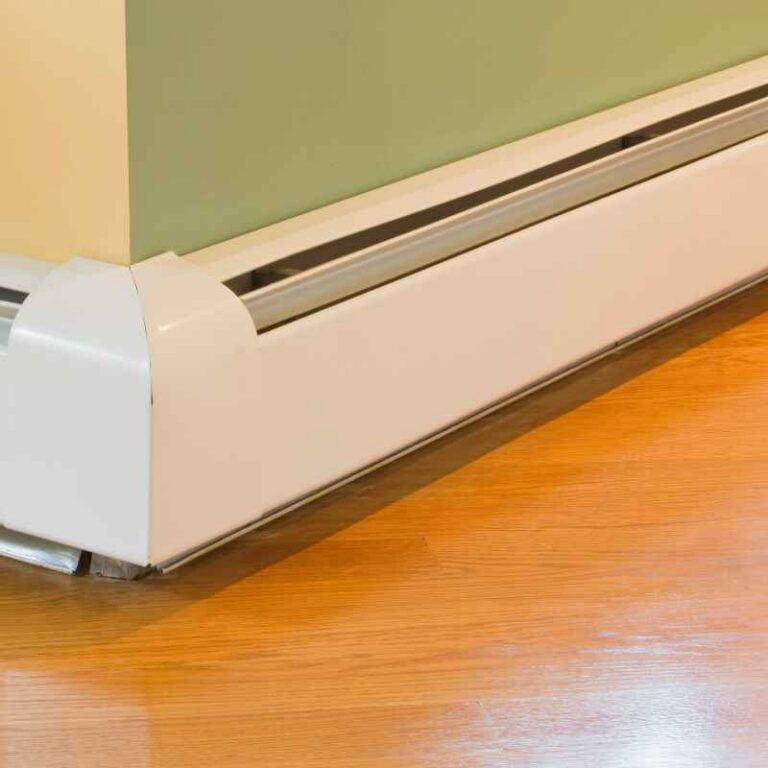
In American homes, especially those in colder states, reliable heat is a must. Mobile homes often have unique heating challenges. Older models might have outdated central heating or just electric baseboard heaters.
These can be costly to run or just not warm enough.
Many homeowners use direct vent wall heaters as a supplemental heat source. For example, a living room that feels drafty can be made much cozier. Or, a bedroom that never seems to warm up can get its own targeted heat.
In some cases, especially with newer, well-insulated mobile homes, a direct vent heater can be the primary heating source. This is particularly true if the home is smaller in square footage. The sealed nature of the system also makes it a good fit for homes with tighter building envelopes, which many modern manufactured homes are.
When is it NOT Okay? Common Mistakes to Avoid
The biggest mistake people make is assuming any direct vent heater will work. Not all are approved for mobile homes. Another common error is trying to install it without proper knowledge.
This could involve improper venting, like not sealing the pipe correctly. It could also be using the wrong type of pipe material. Or, it might be placing the vent too close to a window or door, which is a safety violation.
Some people might also try to vent the heater into an attic or crawl space. This is a big no-no. The exhaust gases must go directly outside.
Also, attempting to modify the heater itself to make it fit or work differently is extremely dangerous. Always stick to the manufacturer’s design and approved installation methods.
Myth vs. Reality About Mobile Home Heating
Myth: Any gas heater is fine if it vents outside.
Reality: Mobile homes have specific construction and safety codes. Heaters must be certified for manufactured housing.
Myth: I can vent it anywhere outside my home.
Reality: Vent placement is strictly regulated to prevent hazards like fire or CO poisoning.
Myth: DIY installation saves money and is easy.
Reality: Improper installation of gas appliances can be deadly. Always use a certified professional.
What This Means for Your Mobile Home Comfort
Knowing that direct vent wall heaters can be a great option brings a lot of relief. It means you have a safe way to improve your home’s warmth. For many, it’s about adding comfort to a specific room.
For others, it might be about replacing an old, inefficient system. The key is to be informed.
When it’s normal to use them: If you have a newer mobile home, or an older one that has been well-maintained and meets current safety standards, these heaters are often a perfect fit. They are designed to work with the sealed combustion needs of modern homes. They provide efficient heat without sacrificing indoor air quality.
Always ensure the unit is certified for manufactured housing.
When to potentially worry: You should worry if the heater you’re considering is not certified for mobile homes. Also, worry if you can’t find a qualified installer who understands HUD requirements. If your mobile home has significant structural damage or has had previous improper modifications, it’s wise to get a full inspection before adding new appliances.
Your safety is the top priority.
Simple Checks Before You Buy or Install
Before you even look at specific models, do a few things. First, find out the exact year your mobile home was built. This helps determine which codes apply.
Then, check the manufacturer’s plate inside your home. It usually tells you about the structure and any specific requirements.
Next, contact your local building department or mobile home authority. Ask them directly about regulations for direct vent heaters in manufactured homes in your area. Some states or counties have additional rules.
Finally, talk to several reputable HVAC companies that have experience with mobile homes. Ask if they install direct vent units and if they are certified for this type of work.
Quick Tips for Safe and Efficient Heating
Once you have your direct vent heater installed, a few habits keep it running well. Make sure to clean the vent cap outside regularly. Leaves, snow, or debris can block it.
This is crucial for proper venting and safety. Check your homeowner’s insurance policy. Make sure it covers gas appliances like this.
Keep flammable materials away from the heater. This includes curtains, furniture, and papers. Test your carbon monoxide detectors often.
They are a vital safety backup. If you ever smell gas, turn off the heater immediately and leave the home. Then call your gas company or emergency services from a safe place.
Frequently Asked Questions About Mobile Home Heaters
Can I use a vent-free gas heater in my mobile home?
Generally, vent-free heaters are NOT recommended or allowed in mobile homes. They consume indoor air and release combustion byproducts directly into your living space. This can be very dangerous in the enclosed environment of a mobile home, leading to poor air quality and potential carbon monoxide issues.
Always opt for direct vent models certified for manufactured homes.
What is the difference between direct vent and vent-free heaters?
A direct vent heater pulls air from outside and vents exhaust gases outside through a sealed pipe. A vent-free heater burns fuel using indoor air and releases all combustion products into the room. Direct vent is much safer for mobile homes because it doesn’t affect indoor air quality or oxygen levels.
How do I know if my mobile home can accommodate a direct vent heater?
Most modern mobile homes are designed to accommodate direct vent appliances. However, it’s essential to check your home’s specific construction and the manufacturer’s recommendations. An experienced installer can also assess your home’s suitability and ensure compliance with all relevant codes.
Can I install a direct vent heater myself?
While some very basic DIY tasks might be manageable, the installation of gas appliances, especially in a mobile home, requires specialized knowledge and adherence to strict safety codes. It is strongly recommended to hire a qualified and certified professional installer to ensure the heater is installed correctly and safely.
What are the running costs of a direct vent wall heater?
The running costs depend on several factors. These include the price of natural gas or propane in your area, how often you use the heater, and the efficiency rating of the unit. Direct vent heaters are generally more efficient than electric resistance heat, but less efficient than a central furnace for whole-house heating.
They are excellent for zone heating.
Are there any limitations on where I can place a direct vent heater on the wall?
Yes, there are specific limitations. The vent pipe must be installed through an exterior wall. Codes dictate clearances from windows, doors, and corners to prevent fire hazards and ensure proper ventilation.
The manufacturer’s installation manual will provide precise guidelines on acceptable vent locations and clearances.
Final Thoughts on Mobile Home Heating
Using direct vent wall heaters in your mobile home is often a safe and effective heating solution. The key is always to choose models certified for manufactured housing. Then, ensure professional installation that follows all codes.
This approach guarantees both warmth and peace of mind for your home.
Sponsored / affiliate links. As an Amazon Associate I earn from qualifying purchases. I may earn additional commission from eligible campaigns.