Blue Flame Vs Infrared Propane Wall Heaters: Which Wins?
Choosing the right kind of heater for your home can feel like a puzzle. You want warmth, right? But there are so many options out there.
Two popular choices for propane wall heaters are blue flame and infrared. They seem similar, but they work in really different ways. This can make a big difference in how well they heat your space and how much energy they use.
You might be wondering: what’s the real scoop on blue flame versus infrared propane heaters? Which one is better for my basement, my garage, or even a small cabin? It’s a common question, and honestly, it’s easy to get them confused because they both use propane.
But understanding their core differences is key to staying cozy and saving money. We’ll break it all down so you can feel confident in your choice.
Blue flame propane heaters heat the air directly, warming up a whole room by convection. Infrared propane heaters, on the other hand, use radiant heat to warm objects and people directly, much like the sun warms your skin. The best choice depends on whether you need to heat a whole space or just specific spots quickly.
Understanding How They Work
Let’s dive into the heart of what makes these heaters tick. It all comes down to how they produce and spread heat. This is the main thing that sets them apart and helps you decide which one fits your needs best.
Think of it like two different ways to cook food; one heats the oven, the other uses a grill.
The type of heat matters a lot. It affects how fast you feel warm. It also impacts where the heat goes.
Some heaters fill a whole room evenly. Others focus their warmth on one spot.
Blue Flame Heaters: Heating the Air
A blue flame heater is like a mini furnace for your room. When propane burns, it creates a clean, bright blue flame. This flame heats up the air around it.
Think of a pot of water on a stove; the flame heats the pot, which then heats the water. In the heater, the hot flame heats up a metal surface inside.
This heated surface then warms the air. A small fan might help push this warm air out into the room. Or, the natural movement of warm air (convection) does the job.
Warm air rises, cools, and sinks, creating a cycle. This cycle slowly fills the entire room with a comfortable temperature. It’s a steady and even way to warm up a space.
The key idea here is that the heat from the flame goes into the air. This air then moves around. So, it warms everything in the room over time.
It’s great for making a whole space feel cozy. You won’t feel an immediate blast of heat, but the entire room will gradually get warmer.
Infrared Heaters: Heating Objects Directly
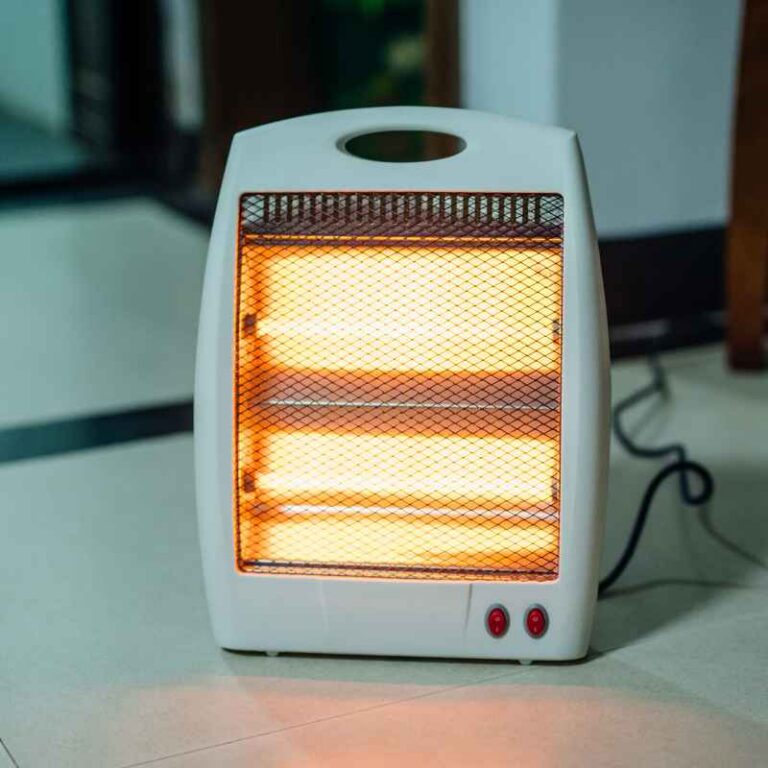
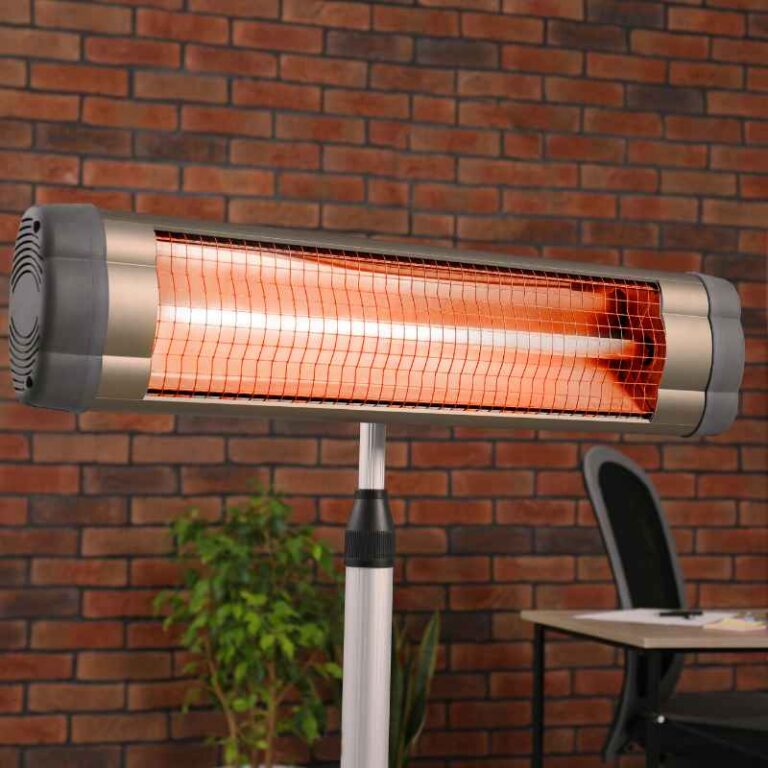
Infrared heaters work very differently. Instead of heating the air, they heat objects and people directly. Imagine standing outside on a sunny day.
The sun’s rays warm your skin, even if the air around you is cool. Infrared heaters do something similar. They emit infrared radiation, which is a form of heat energy.
This radiation travels in straight lines. When it hits something – like a wall, a chair, or you – it’s absorbed. This absorption makes that object warmer.
So, the heater itself doesn’t rely on heating the air first. It sends warmth right where you want it to go.
This is why infrared heaters can make you feel warm almost instantly. You don’t have to wait for the whole room to heat up. The heat is focused.
It’s like a spotlight for warmth. This can be really useful if you only need to heat a specific area or if you want to feel warm quickly.
Key Differences Explained
Now that we know the basic way each heater works, let’s lay out the main differences. These points will help you see why one might be better than the other for your specific situation. It’s like choosing between a general-purpose tool and a specialized one.
We’ll look at how they spread heat, how fast they work, and how efficient they can be. These are the practical things that matter when you’re actually using the heater day to day.
Heat Distribution
The biggest difference is how the heat moves. Blue flame heaters spread heat by warming the air. This warm air then circulates.
So, it’s an indirect way of heating. The whole room gets warmer gradually. This is called convection heating.
Infrared heaters spread heat by radiation. This heat travels directly from the heater. It warms up anything in its path.
It’s like shining a flashlight. The light only goes where you point it. This means it heats specific spots very effectively.
It doesn’t rely on air movement as much.
Speed of Warmth
With a blue flame heater, you’ll notice the room slowly getting warmer. It takes time for the air to reach your desired temperature. It’s a gentle process.
You might not feel much heat when you first turn it on.
An infrared heater gives you warmth much faster. As soon as you turn it on, you can feel the heat hitting you. It’s great for quick comfort.
If you step into a cold room and want to feel warm right away, an infrared heater is the way to go.
Efficiency and Fuel Use
Both types of heaters use propane. The efficiency can vary based on the specific model and how you use it. Generally, blue flame heaters can be very efficient at heating an entire room.
They can warm up a space pretty well with the fuel they use.
Infrared heaters are often seen as more efficient for spot heating. Because they direct heat only where it’s needed, you don’t waste fuel warming up empty air. If you’re only in one part of a large garage, for example, an infrared heater can save energy.
It heats you, not the whole space.
However, if you need to heat a whole room for a long time, a blue flame heater might be more practical. It keeps the whole area at a steady warmth. The perceived efficiency really depends on what you are trying to achieve.
Many modern propane heaters are designed to be quite efficient. They have good burner technology. They also have safety features.
Always check the Energy Star ratings or similar labels if efficiency is a top concern. Fuel costs can add up, so it’s wise to get the best performance you can.
Noise Level
Blue flame heaters are usually very quiet. Because they rely on convection or a gentle fan, there isn’t much noise. You might hear a soft hum if there’s a fan, but it’s rarely disruptive.
This makes them good for living spaces.
Infrared heaters are also typically quiet. They don’t have fans to blow air. The heating element itself doesn’t make much sound.
So, both types are generally good choices if you’re sensitive to noise.
When to Choose a Blue Flame Heater
There are certain situations where a blue flame heater really shines. Think about the kind of space you need to warm and how you use it. This helps you pick the best tool for the job.
If you need to make an entire room feel comfortable, a blue flame heater is often the best bet. It’s designed for general room heating. It provides a steady, even warmth.
This is nice for living areas or workshops.
For General Room Heating
Blue flame heaters excel at warming up a whole room. They circulate warm air, so no spot feels too cold. This makes them ideal for spaces where you spend a lot of time.
Imagine a small cabin, a workshop, or even a basement den.
You turn it on, and over time, the entire area reaches a comfortable temperature. It’s a pleasant, consistent warmth. You don’t have to worry about cold spots.
This is different from spot heating, where only one area gets warm.
Maintaining a Consistent Temperature
If you need to keep a room at a steady warmth for hours, a blue flame heater is a good choice. It doesn’t just give you a quick burst of heat. It works to maintain a set temperature.
This is great for places where you need reliable warmth.
For example, if you’re in a garage working on a project all day, you want it to stay warm. A blue flame heater can do this effectively. It’s like having a mini central heating system for that specific room.
When You Prefer Even Heat Distribution
Some people just don’t like feeling a direct blast of heat. They prefer a more gentle, all-encompassing warmth. Blue flame heaters provide this.
The air warms up slowly and evenly. This can feel more natural to some people.
There are no hot spots or cold spots with a well-functioning blue flame heater. It’s like the warmth is just naturally there. This evenness is a big plus for comfort in living spaces.
When to Choose an Infrared Heater
Infrared heaters have their own set of advantages. They are particularly useful when speed and focused warmth are more important than heating the entire space.
Think about situations where you need to feel warm quickly or only need heat in a specific area. This is where infrared heaters really prove their worth. They are like a targeted beam of comfort.
For Quick Spot Heating
If you walk into a cold space and want to feel warm right away, an infrared heater is perfect. It heats you directly. You don’t have to wait for the air to warm up.
This is great for a quick fix.
For example, imagine sitting in a chilly sunroom for just an hour. You don’t want to heat the whole room for that short time. An infrared heater pointed at your chair makes you feel warm instantly.
This saves fuel and provides comfort when you need it most.
In Large, Drafty Areas
In large spaces like garages or open-plan workshops, heating the entire volume of air can be very inefficient. Blue flame heaters would struggle to keep such a space warm. They would use a lot of fuel trying to heat all that air.
An infrared heater is ideal here. You can place it near where you’ll be working or sitting. It will warm you directly, and you won’t feel the draft as much.
The rest of the space can stay cooler, saving a lot of energy.
For Areas You Use Infrequently
If you have a shed, a small guest room, or a seldom-used storage area that gets cold, an infrared heater is a smart choice. You can turn it on when you need to be in there for a short period.
It heats you up quickly. Then, you can turn it off. You’re not wasting propane trying to keep an empty space warm all the time.
It’s a very practical approach for these kinds of areas.
Infrared Heater: Quick Warmth Comparison
How it works: Emits radiant heat.
What it heats: Objects and people directly.
Speed: Almost instant warmth.
Best for: Spot heating, quick comfort, drafty areas.
Installation and Safety Considerations
No matter which type of heater you choose, installation and safety are super important. Propane heaters involve open flames and gas. You must follow guidelines carefully.
Always read the manufacturer’s instructions. They know their product best. Proper installation prevents many potential problems.
Ventilation is Key for Both
This is probably the most critical safety point for any propane heater. Both blue flame and infrared propane wall heaters need good ventilation. This means fresh air needs to get into the space.
It also means used air needs to get out.
Why? When propane burns, it uses oxygen. It also produces carbon monoxide (CO).
CO is a colorless, odorless gas that can be very dangerous, even deadly. Proper ventilation helps keep CO levels low.
For blue flame heaters, some models are vent-free, and others require venting to the outside. Vent-free models use the oxygen in the room and produce CO and water vapor. They are designed with safety features to shut off if oxygen levels get too low.
However, they are best used in well-ventilated spaces for short periods.
Infrared heaters also produce CO. Many are vent-free. Again, good airflow is essential.
Think about opening a window a crack. Or ensure there’s a steady flow of fresh air coming into the area. Never use these heaters in a completely sealed-off room.
Carbon Monoxide Detectors
I can’t stress this enough: install carbon monoxide detectors. Have one on every level of your home, especially near sleeping areas. Test them regularly.
This is your early warning system.
These detectors are inexpensive. They can save your life. If the alarm sounds, get everyone outside immediately.
Call the fire department from a safe place.
Mounting and Placement
Follow the manufacturer’s recommendations for mounting your wall heater. There are usually minimum clearance distances required from walls, ceilings, and furniture. This is to prevent fires.
Place blue flame heaters where they can circulate air effectively. Don’t block the airflow around them. For infrared heaters, point them in the direction you want the heat to go.
Avoid pointing them directly at flammable materials.
Safety First: Propane Heater Checklist
- Ventilation: Ensure fresh air flow.
- CO Detectors: Install and test them.
- Clearances: Follow mounting guidelines strictly.
- Flammable Materials: Keep them away from the heater.
- Regular Checks: Inspect for damage or leaks.
Professional Installation
While some heaters are designed for DIY installation, it’s often wise to have a professional do it. A qualified technician can ensure everything is hooked up correctly. They can also check for any gas leaks.
This is especially true if you’re connecting to a large propane tank or if the installation is complex. Peace of mind is worth the cost.
Factors to Consider When Buying
When you’re ready to buy, there are a few more things to think about. These will help you narrow down your choices and find the perfect heater.
Think about the size of the space you need to heat. Also, consider how much propane you’re willing to use. Your budget plays a role too.
Room Size and BTU Output
Heaters are rated by BTU (British Thermal Units) output. This tells you how much heat they produce. A larger room needs a higher BTU output.
A smaller room needs less.
Manufacturers usually provide guidelines for the square footage a heater can warm. For blue flame heaters, aim to heat the whole room. For infrared, consider the area you want to feel warm in.
A general rule for good comfort in a moderately insulated space is 20 BTUs per square foot.
Fuel Consumption and Cost
Propane prices can fluctuate. The amount of fuel a heater uses depends on its efficiency and how long you run it. Blue flame heaters might use more fuel to heat a whole room.
Infrared heaters might use less if you only heat a specific spot.
Look at the heater’s fuel consumption rate. This is often listed in gallons or pounds per hour. Compare this to the BTU output.
A higher BTU output usually means higher fuel consumption.
Features and Controls
Modern heaters come with various features. Some have thermostats to maintain a set temperature automatically. Others have variable heat settings, allowing you to adjust the intensity.
Look for safety features like automatic shut-off valves. These are standard on most quality propane heaters. Some models might have remote controls or digital displays, though these are less common on basic wall units.
Budget
Propane wall heaters range in price. Infrared models can sometimes be more expensive upfront than basic blue flame models. However, their operating costs might be lower for spot heating.
Factor in the cost of installation and any accessories you might need, like propane tanks or gas lines. Consider the long-term savings in terms of fuel efficiency.
Quick Buyer’s Guide
- Space: Whole room (blue flame) vs. specific area (infrared).
- Speed: Instant warmth (infrared) vs. gradual (blue flame).
- Fuel Use: Spot heating efficiency (infrared) vs. room heating (blue flame).
- Safety: Ventilation and CO detectors are crucial for both.
- BTUs: Match output to room size.
My Own Experience with a Drafty Garage
I remember one particularly brutal winter a few years back. My garage, where I love to tinker on my old motorcycle, felt like an icebox. It’s a decent size, maybe 600 square feet, but it’s an older structure with the kind of insulation you’d expect from a building mostly used for parking cars.
I’d tried electric space heaters before, but they just couldn’t keep up. The heat would dissipate so fast. Plus, running them all day was eating up my electricity bill.
I knew I needed a more robust solution. I was hesitant about propane, though, mostly because I thought it would be complicated.
I ended up buying an infrared propane wall heater. It was rated for a good number of BTUs. The installation was surprisingly straightforward – just mounting it on the wall and connecting a small propane tank.
I followed all the safety advice, making sure a window was cracked open and I had a CO detector nearby.
The first time I turned it on, I was amazed. I was standing about ten feet away from it, trying to adjust a carburetor. Within minutes, I could feel a distinct warmth hitting me.
It wasn’t heating the whole garage, not by a long shot. The walls were still cold, and the air in the corners was chilly. But I was comfortable.
I could actually work on my bike without my fingers going numb. It felt like a personal bubble of warmth, and it made all the difference.
That experience taught me a lot about how different heaters work. For that specific use – being in one area of a large, drafty space for a few hours – the infrared was perfect. It gave me the targeted heat I needed without trying to warm up every cubic foot of air.
Real-World Scenarios
Let’s look at some common places people use these heaters. Understanding how they perform in real homes and buildings can help you picture them in your own space.
The environment matters. A well-insulated new home is different from an old, drafty workshop. Your habits also play a role in what kind of heating makes sense.
Basements and Crawl Spaces
Basements can often be damp and cool. If you use your basement as a living area, like a family room or a home gym, a blue flame heater can work well. It will help keep the whole space at a comfortable temperature.
Make sure the basement has some form of ventilation, even if it’s just a small window or an exhaust fan.
For unfinished basements or crawl spaces used for storage, if you occasionally need to go down there, an infrared heater might be better. It will warm you up quickly when you enter, without the need to heat the entire damp, often unused, space.
Garages and Workshops
As I mentioned, garages and workshops are prime spots for propane heaters. If it’s a large garage you use regularly for extended periods, a powerful blue flame heater might be considered, provided it’s well-vented. However, for most people who use their garage for hobbies or car maintenance for a few hours at a time, an infrared heater is usually the more practical and efficient choice.
You can place the infrared heater near your workbench or where you’ll be standing. It will keep you toasty while you work, even if the rest of the garage is cold. Remember the importance of ventilation and CO detectors in these enclosed spaces.
Cabins and Seasonal Homes
For small cabins or seasonal homes that might not be insulated as well as a primary residence, both types can be useful. A blue flame heater can provide steady warmth to make the main living area comfortable when you’re there.
If you have separate areas like bedrooms or storage rooms, or if you only need to warm up quickly before settling in, an infrared heater could be a good secondary option. For very small, well-sealed cabins, a vent-free blue flame might be sufficient, but always prioritize ventilation and CO safety.
Outdoor Structures (Sheds, etc.)
If you have an insulated shed or a small outbuilding where you spend time, and it’s not connected to your home’s heating system, a propane heater is a great solution. Again, for spot heating in these often draftier structures, infrared heaters are usually the go-to. They offer quick warmth when you’re focused on a task.
Ensure any outdoor structure you use for extended periods has some ventilation. Also, always use propane heaters approved for indoor use and follow all safety guidelines. Never use heaters designed for outdoor use only inside a structure.
What This Means for You
So, what’s the takeaway here? Which heater is the “winner”? The truth is, there’s no single winner.
The best heater for you depends entirely on your specific needs and the space you want to heat.
It’s about matching the heater’s strengths to your situation. Think about how you use the space. Think about how quickly you need to feel warm.
Consider the overall comfort you’re aiming for.
When It’s Normal to Use a Blue Flame Heater
Choose a blue flame heater when your main goal is to warm an entire room evenly and maintain a consistent temperature over longer periods. This is typical for making living spaces, bedrooms, or workshops comfortable. You want the air itself to be warm, circulating around the whole area.
It’s normal if you don’t need instant heat. You’re happy to wait a little while for the entire space to become cozy. The steady, gentle warmth is what you’re after.
You want to eliminate cold spots.
When It’s Normal to Use an Infrared Heater
Opt for an infrared heater when you need warmth quickly. Or when you only need to heat yourself or a small area. This is common for garages, large workshops, or if you’re using a space for just a short time.
You want to feel the heat directly and immediately.
It’s normal if you don’t need the entire room to be warm. You might be fine with the air being cooler as long as you are comfortable. The focus is on targeted comfort and energy savings by not heating unused space.
Simple Checks Before You Buy
Before you make a purchase, do a quick check:
- Measure your space: Know the square footage.
- Assess insulation: Is it well-insulated or drafty?
- Consider usage: How long will you use it? How often?
- Check ventilation: How will you ensure fresh air?
- Safety first: Do you have CO detectors?
Thinking through these points will guide you toward the right type of heater. It will save you frustration and potentially money down the road.
Quick Tips for Using Propane Heaters
Using any propane heater safely and effectively comes down to a few key practices. These aren’t complicated, but they are vital. They help you get the most out of your heater and keep everyone safe.
Remember that these heaters burn fuel. They consume oxygen. And they produce byproducts.
Treating them with respect and understanding their needs is the best approach.
- Always ensure ventilation: Crack a window or use an exhaust fan. Never use in a completely sealed room.
- Install and test CO detectors: This is non-negotiable.
- Keep flammable items away: Maintain proper clearance from curtains, paper, and other combustible materials.
- Use the correct fuel: Only use propane.
- Inspect regularly: Look for any signs of damage, leaks, or wear.
- Follow manufacturer instructions: This is the best guide for your specific model.
- Turn off when leaving: Never leave a propane heater running unattended for long periods, especially if you’re leaving the area.
Frequently Asked Questions
Can I use a blue flame heater in my basement?
Yes, you can use a blue flame heater in a basement, especially if you’re using the basement as a living space and need to warm the entire room. However, ensuring adequate ventilation is crucial. Many basement spaces can be tight, so make sure there’s a way for fresh air to enter and CO to escape.
Always install and maintain carbon monoxide detectors.
Is infrared heat safe for small children or pets?
Infrared heaters produce heat that can be felt directly. While they don’t heat the air to extreme temperatures, the heating elements can get very hot. Always maintain safe distances and keep children and pets from touching the heater.
The radiant heat itself is safe, but the surface temperature of the unit requires caution. Follow manufacturer guidelines for clearance and supervision.
How much propane does a wall heater use?
Propane consumption varies greatly by the heater’s BTU output and how long it runs. A small blue flame heater might use about 1 pound of propane per hour on high heat, while larger or more powerful units can use more. Infrared heaters used for spot heating might consume less overall if used for shorter periods or on lower settings.
Always check the specific model’s consumption rate.
Do I need to vent a vent-free blue flame heater?
Vent-free heaters are designed to be used without a chimney or vent. However, they still require ventilation of the room itself. This means allowing fresh air to enter the space.
They consume oxygen and produce byproducts like water vapor and carbon monoxide. It’s recommended to use them in larger rooms and always have a working carbon monoxide detector. Some people prefer to use vent-free heaters only for short periods.
Which is better for a garage: blue flame or infrared?
For most garages, especially larger or drafty ones, an infrared propane heater is often the better choice. This is because garages are frequently used for specific tasks for limited times, making spot heating more efficient. You can direct the warmth where you are working.
If you are trying to heat the entire garage consistently and have it well-insulated and properly vented, a blue flame might be considered, but it’s usually less practical.
Can propane wall heaters increase humidity?
Blue flame heaters, especially vent-free models, can increase humidity because water vapor is a byproduct of burning propane. Infrared heaters generally produce less water vapor. If high humidity is already a problem in your space, this is something to consider.
Ensuring good ventilation helps manage humidity levels.
Conclusion
Choosing between a blue flame and an infrared propane wall heater is about understanding their core function. Blue flame heats air for even room warmth. Infrared heats objects directly for quick, focused heat.
Both can be excellent choices, but for different reasons.
Think about your space, your needs, and always prioritize safety. With the right heater and proper use, you can stay warm and comfortable all season long.
Sponsored / affiliate links. As an Amazon Associate I earn from qualifying purchases. I may earn additional commission from eligible campaigns.