Why Forced Air Heaters Must Be Installed On Inside Walls
It feels like there’s always something new to learn when you own a home. One of those things is how to make your heating system work its best. You might be wondering about where to put your forced air heater.
It seems like a small detail, but it can really matter. Let’s dive into why placing these heaters on inside walls is often the smartest move.
Forced air heaters are generally best installed on inside walls to keep heat within the home’s core. This placement helps them distribute warm air more evenly and efficiently, reducing energy waste and improving overall comfort compared to external wall installations.
Understanding Forced Air Heating Systems
Forced air heating is super common in many homes. It uses a furnace to heat air. Then, a fan pushes that warm air through ducts.
These ducts spread the heat to different rooms. The system relies on a cycle of heating and air movement. It’s a pretty straightforward way to warm up your house.
The main parts are the furnace, the blower fan, and the network of air ducts. The furnace heats up air. The blower fan is like the engine that moves the air.
Ducts are the pathways that carry the air to where you need it. This whole system works together to keep your home cozy.
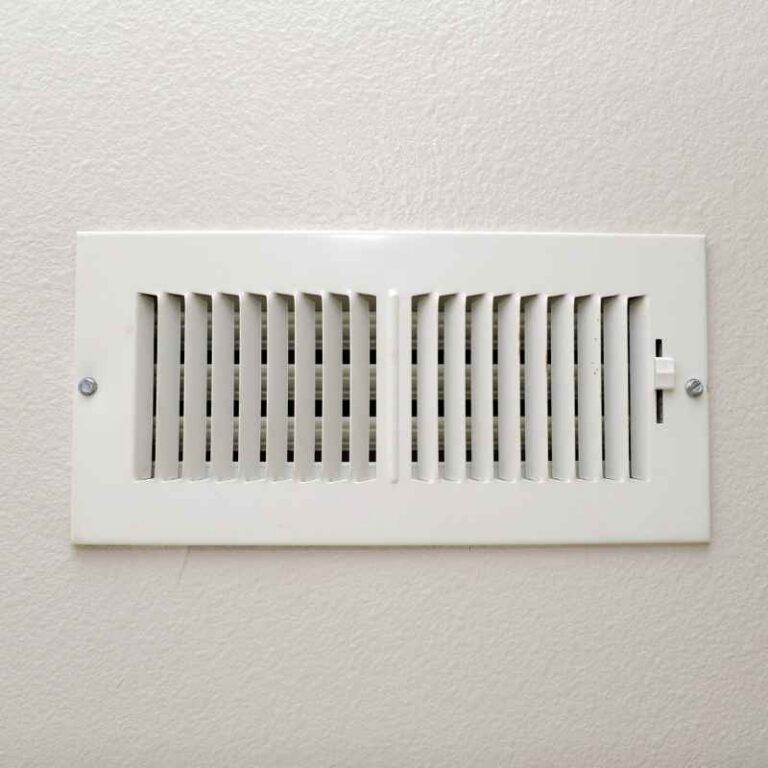
How the heat is spread is important. The fan pushes the heated air into the supply ducts. This air then comes out of vents in your rooms.
After the warm air has circulated and cooled a bit, it gets pulled back into the return vents. This air goes back to the furnace to be heated again. It’s a continuous loop.
This continuous loop is what makes placement so key. The system is designed to work efficiently when the heat stays in. If the heat escapes too fast, the system has to work harder.
This uses more energy and makes your home less warm overall.
The Case for Inside Walls
So, why put the heater on an inside wall? Think about it like this: inside walls are already warmer. They are shielded by other parts of your house.
They aren’t directly exposed to the cold outside air.
When a heater is on an outside wall, it’s like putting a warm object next to a cold window. The heat just wants to escape. The cold from the outside wall can also cool down the air right around the heater.
This makes the heater work extra hard.
Putting it on an inside wall means the heater is surrounded by more stable, warmer temperatures. This helps it keep the air it heats from getting cold too quickly. It’s a simpler path to warm air reaching your rooms.
This also helps with even heating. If the heater is on the edge of your home, one side of the house might get hot fast. But the rooms further away might struggle to get warm.
An inside wall placement helps distribute the heat more evenly from the center of your home.
It’s about keeping the heat contained. The goal is to warm your living space. Having the heater in a spot where heat loss is less of a problem makes the whole system more effective.
It’s a smart design choice.
Inside vs. Outside Wall: A Quick Look
Inside Walls:
- More stable temperature
- Less heat loss to the outside
- Helps with even room heating
- Often more accessible for maintenance
Outside Walls:
- Direct exposure to cold
- Higher risk of heat loss
- Can create cold spots nearby
- May require extra insulation
My Own Home Heating Woes
I remember when we first moved into our old house. It was winter, and the heating bill was crazy high. We had a forced air system, but some rooms were always chilly.
The heater itself was in the basement, but the main unit seemed close to an exterior wall, or at least a wall that felt colder than the others.
I distinctly recall one freezing January morning. I was trying to get ready for work, and the hallway felt like an icebox. The heater in the basement was humming away, but the heat just wasn’t getting everywhere like it should.
It was frustrating. We were running the system constantly, yet it felt so inefficient.
I started looking into it. I talked to a heating guy. He explained how the location of the furnace and its main ductwork connections really mattered.
He said that if the main unit is near a cold wall, it’s like trying to warm up something that’s already fighting the cold. The heat can get stolen right away.
He suggested that the best spot is usually in a more central part of the house. Or, at least, not directly against a wall that’s basically an outdoor wall. It was one of those “aha!” moments.
We ended up doing some upgrades, moving some ductwork, and adding better insulation around that area. It made a noticeable difference in comfort and our bills.
How Heat Escapes and Why It Matters
Heat naturally moves from warmer places to colder places. This is a basic rule of physics. In your home, this means heat wants to escape outside.
This is especially true when it’s cold outside. The difference in temperature makes heat move faster.
Outside walls are a major exit point for heat. They are the barrier between your warm house and the cold weather. If your heater is right next to one of these walls, it’s like placing your heater too close to an open window on a cold day.
The heat it produces will start to dissipate quickly.
Think about touching a wall in your house on a cold day. If it’s an outside wall, it will feel much colder than an inside wall. This is because the outside air is cooling it down.
The heater has to work harder to overcome that cold surface right next to it.
This leads to several problems. First, your heater runs longer to reach the desired temperature. This means more energy use.
Second, the air right around the heater might get warm, but as it travels through the ducts or into the room, it can lose heat to the colder parts of the house. This results in uneven heating.
Some homes have heaters placed in garages or crawl spaces that are not well-insulated. These areas can be very cold. If the heater is in such a spot, its efficiency drops significantly.
Even if it’s on an inside wall, if that wall separates the heated space from an unheated one, it can still lose heat.
Energy Loss Points in Your Home
Primary Points:
- Walls: Especially exterior walls.
- Roof/Attic: Heat rises and can escape through the top.
- Windows and Doors: Gaps and poor seals let air in and out.
- Floors: Especially over unheated spaces like crawl spaces.
Heater Placement Impact:
A heater near an exterior wall loses heat directly to the outside, making it work harder to heat the room.
Installation Considerations for Optimal Performance
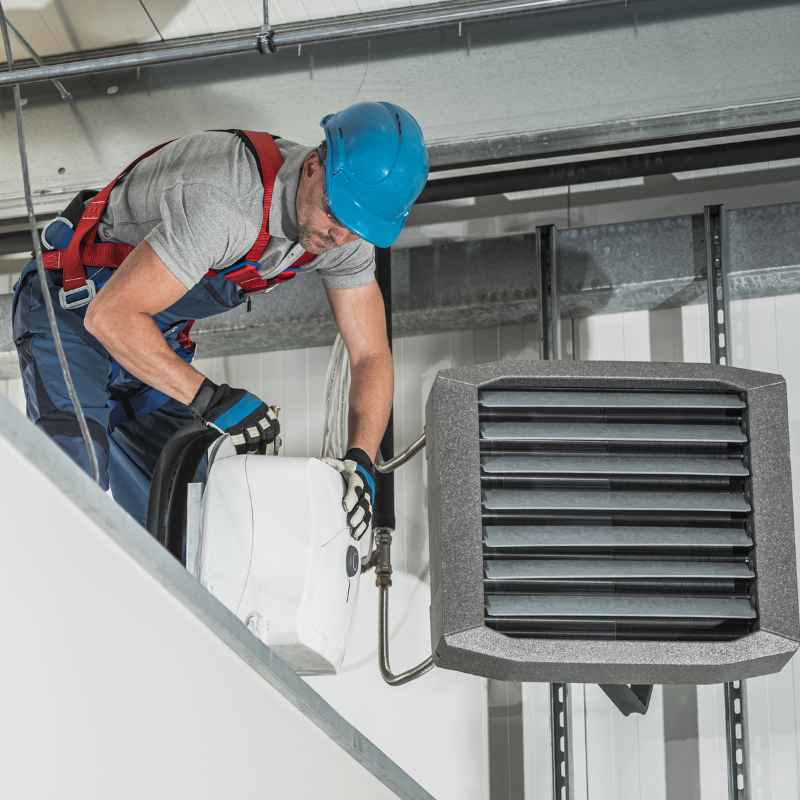
When installing a forced air heater, several factors guide the best placement. Professional installers consider the layout of the home. They look at where the main ductwork will run.
They also think about access for maintenance and repairs.
The ideal spot is usually in a conditioned space. This means a space that is heated or cooled by the HVAC system itself. A basement or a closet that’s part of the main house structure is often a good choice.
These areas are generally warmer than unconditioned spaces like attics or garages.
Installers also think about airflow. The heater needs space around it for proper air intake and exhaust. If it’s crammed into a tight spot, it can’t work as efficiently.
This is true regardless of whether it’s on an inside or outside wall, but it’s another layer of complexity.
The proximity to the main living areas is also a factor. Placing the heater closer to the center of the home can reduce the distance warm air has to travel. Shorter duct runs mean less opportunity for heat loss along the way.
This leads to quicker and more even heating.
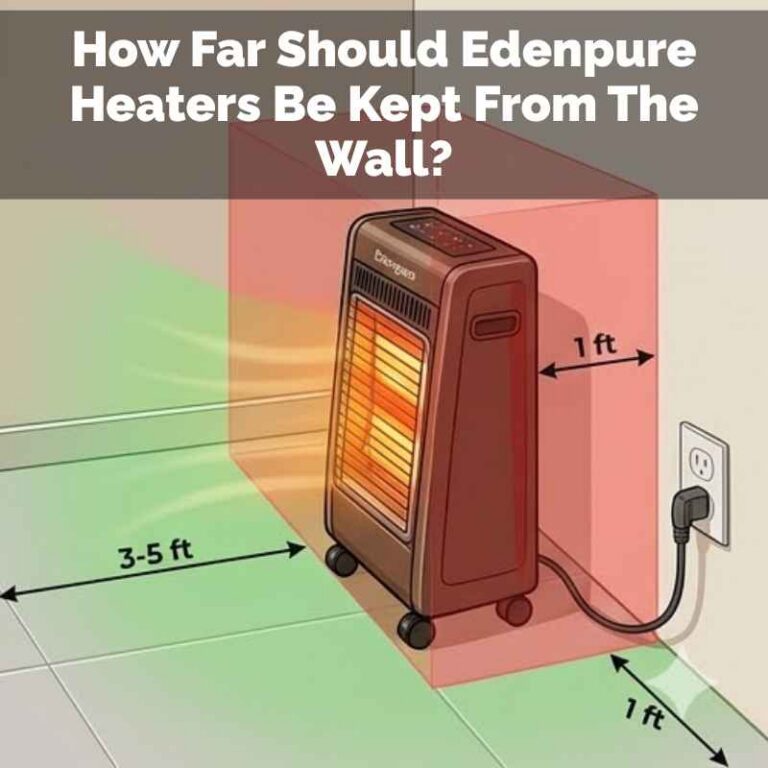
Manufacturers provide guidelines for installation clearances. These are crucial for safety and efficiency. Following these rules is a must.
They ensure the unit operates as intended. They also help prevent common issues that reduce performance.
Key Installation Factors
Placement: Central locations are best to minimize duct runs.
Space: Adequate clearance around the unit for airflow.
Conditioned Area: Install in heated or cooled spaces for efficiency.
Accessibility: Easy access for service and repairs is vital.
Local Codes: Adherence to building and safety regulations.
What About Different Types of Heaters?
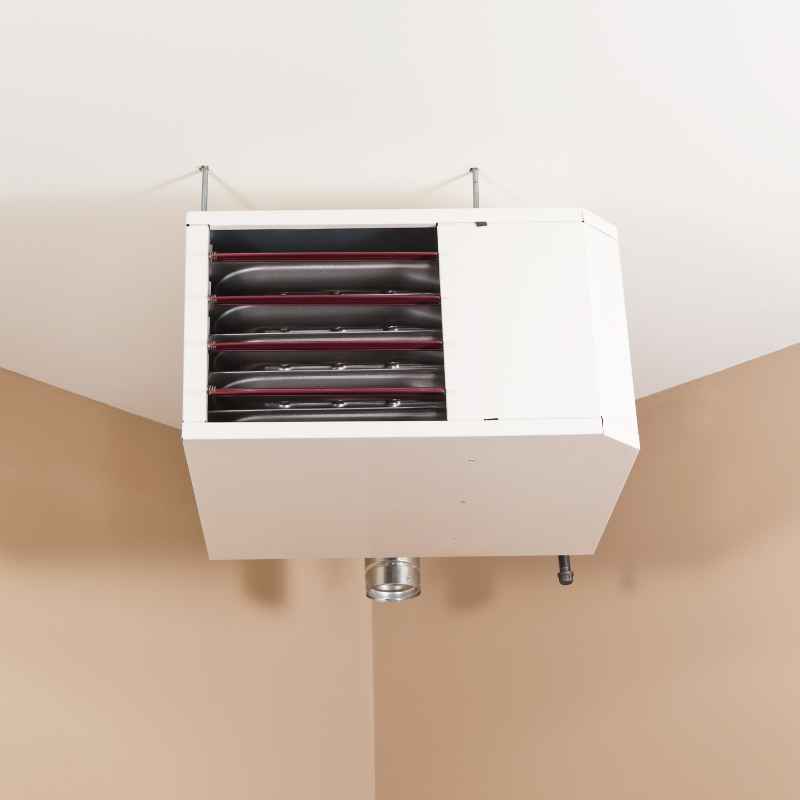
It’s worth noting that “forced air heater” usually refers to a furnace in a central heating system. There are also smaller, standalone forced-air space heaters. These are different.
They are often electric or propane powered.
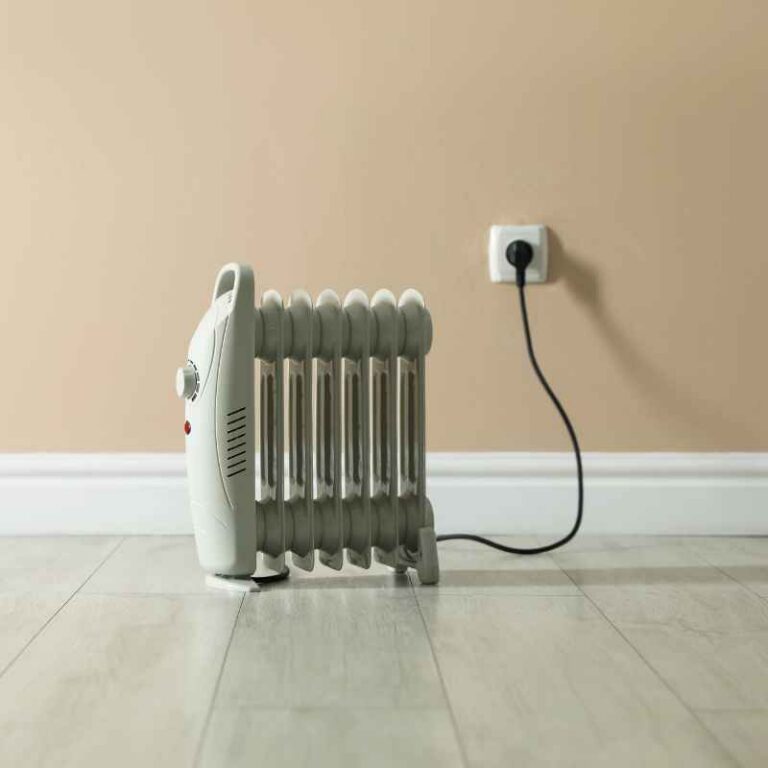
These portable units can be used to heat a single room. Their placement is more flexible. You put them where you need heat at that moment.
However, they still face the same principles of heat loss. Placing a portable heater near a drafty window or an exterior wall will make it less effective.
For central furnaces, the question of inside versus outside walls is more critical. This is because the furnace is a larger, more permanent fixture. It’s designed to heat the whole house.
Its placement affects the entire system’s efficiency.
Some homes, especially older ones or those with specific architectural designs, might not have an easy “inside wall” option for the furnace. In such cases, installers will use strategies to mitigate heat loss. This can include extra insulation around the unit or the wall.
It’s also about the entire HVAC system. The location of the return air vents and supply registers plays a role. A well-designed system accounts for the furnace location to ensure balanced airflow and temperature distribution.
Central Furnace vs. Space Heater Placement
Central Furnace:
- Impact: Affects whole-house heating.
- Ideal Placement: Central, conditioned space, often on an inside wall.
- Reason: Maximize system efficiency, minimize heat loss.
Portable Space Heater:
- Impact: Heats a single room.
- Ideal Placement: Where heat is needed, away from drafts if possible.
- Reason: Immediate warmth, though efficiency still matters.
Common Mistakes to Avoid
One of the biggest mistakes people make is not thinking about heat loss when deciding on heater placement. If a contractor suggests putting the furnace near an exterior wall without a good reason or a plan to offset the cold, that’s a red flag.
Another mistake is putting the furnace in an unconditioned space without proper insulation. Garages, unheated basements, or attics can be terrible spots if they aren’t sealed and insulated well. The cold air in these spaces will fight the heat the furnace produces.
Ignoring manufacturer installation guidelines is also a mistake. These aren’t just suggestions. They are there for safety, efficiency, and longevity of the unit.
Running the unit with insufficient clearance can cause overheating or reduced airflow.
Ventilation is another area where mistakes happen. Furnaces need proper intake and exhaust for combustion. If these are blocked or improperly installed, it’s dangerous and inefficient.
This is critical regardless of wall placement but is part of the overall installation picture.
Finally, assuming all walls are equal is a mistake. An experienced HVAC professional will know the difference between an exterior wall, an interior wall, and walls that might back onto unheated spaces like garages or utility rooms. This knowledge is key to smart placement.
Installation Pitfalls
Ignoring Heat Loss: Placing a heater directly against an exterior wall without mitigation.
Unconditioned Spaces: Installing in uninsulated garages, attics, or very cold basements.
Skipping Guidelines: Not following manufacturer’s installation and clearance instructions.
Poor Ventilation: Blocking or incorrectly installing air intake and exhaust.
Wall Misjudgment: Not differentiating between exterior, interior, and adjacent unheated spaces.
Energy Savings and Comfort Improvements
The benefit of proper placement on an inside wall is significant. For starters, you’ll likely see lower energy bills. When your heater doesn’t have to fight as much cold, it doesn’t run as often or as long.
This means less electricity or gas used.
Comfort in your home will also improve. Rooms will feel warmer, and the temperature will be more consistent. You won’t have those cold spots near the heater or areas that take forever to warm up.
The warm air is distributed more effectively from the start.
A well-placed heater also means your system lasts longer. When a heater is constantly straining against cold, it wears out parts faster. By reducing that strain, you can extend the life of your furnace.
This saves you money on repairs and future replacements.
Think about the overall efficiency of your home. The heating system is a major part of that. Smart placement of the unit is one of the simplest ways to make your home more energy-efficient.
It’s a foundational step.
In many cases, a professional installer can assess your current setup. They can tell you if moving or improving the area around your heater would be beneficial. It might involve more than just the wall; it could include insulation and sealing.
Benefits of Smart Placement
Lower Energy Bills: Heater runs less, uses less fuel.
Improved Comfort: More even temperatures throughout the house.
Extended System Life: Reduced strain on components leads to longer lifespan.
Increased Efficiency: Your home heating system works smarter, not harder.
Reduced Wear and Tear: Less stress on the furnace and fan.
Real-World Scenarios
Imagine a newer home built with good insulation and a tight building envelope. In such a home, placing the furnace on an interior wall is almost always the best choice. The stable temperature in the conditioned space means the heater can focus solely on warming the air it needs to distribute.
Now, consider an older home. It might have less insulation or less ideal structural layouts. Sometimes, the only practical spot for a furnace might be near an exterior wall.
In this scenario, it’s crucial to add extra insulation to that wall. Also, sealing any air leaks around the unit and duct connections becomes very important.
What about homes with basements? Basements can be tricky. An unfinished, unheated basement can feel very cold.
If the furnace is in such a basement and is on an exterior wall, it’s a double whammy of cold exposure. A finished basement, or a basement that is well-sealed and insulated, can be a good location, especially if it’s central to the house layout.
Think about garages. Many people don’t heat their garages. Placing a furnace in an unheated garage, even on an interior wall that connects to the house, can still lead to heat loss.
The garage itself is a buffer, but it’s a cold buffer. The furnace needs to work harder to push heat through the wall and into the house.
Attics are another spot. While some ductwork runs through attics, placing the main furnace unit there is often less than ideal. Attics can get extremely hot in summer and very cold in winter.
These temperature extremes can impact furnace performance and lifespan.
Scenario Examples
Scenario 1: New Construction
- Home Type: Well-insulated, tight envelope.
- Best Placement: Central, interior wall.
- Reason: Maximum efficiency, minimal heat loss.
Scenario 2: Older Home with Exterior Wall Access
- Home Type: Less insulation, older structure.
- Best Placement: On exterior wall, but with significant added insulation and sealing.
- Reason: Mitigate unavoidable heat loss, improve performance.
Scenario 3: Unheated Basement
- Home Type: Basement is a cold buffer zone.
- Best Placement: Interior wall in the basement, away from exterior walls.
- Reason: Reduce direct cold exposure, though basement still impacts efficiency.
When is an Inside Wall Absolutely Necessary?
While not every single situation demands an inside wall installation, it is strongly recommended for optimal performance and efficiency. It’s not necessarily a strict “must” in all codes, but it’s a best practice that professionals aim for.
If your goal is maximum energy savings and consistent home comfort, then placing your forced air heater on an inside wall is the closest you can get to that ideal. It minimizes the external forces working against your heating system.
When a home has limited options, such as a very compact layout or specific structural challenges, installers will work with what they have. They will implement other strategies to compensate. This could include better duct insulation, air sealing, or even a slightly larger, more powerful unit.
However, for new installations or major renovations, aiming for an interior wall location is the standard approach for good reason. It sets the foundation for an efficient and effective heating system from the start. It’s about building a system that works with your home, not against it.
Think of it like building a house. You want a strong, well-insulated foundation. The placement of your heating unit is part of that foundational setup for your home’s comfort and energy use.
Maintenance and Accessibility
Beyond efficiency, where a heater is placed also affects how easy it is to maintain. Installers try to pick spots that are accessible. This means there’s enough room to work around the unit.
You can easily change filters, check components, and perform annual tune-ups.
Often, interior walls are part of closets or utility rooms that are designed for access. Exterior walls might be less accessible, especially if they are load-bearing or have windows. Being able to reach the unit easily is important for regular upkeep.
If your heater is tucked away in a cramped space on an exterior wall, it might discourage regular maintenance. This can lead to bigger problems down the line. It also means technicians might charge more if access is difficult.
When a unit is properly placed on an inside wall, maintenance tasks are simpler. This encourages homeowners to keep up with them. And well-maintained systems are more efficient and last longer.
It’s a win-win situation.
Maintenance Matters
Easy Access: Interior walls often provide better access for service.
Filter Changes: Simple to reach for regular filter replacements.
Annual Checks: Technicians can perform thorough inspections.
Reduced Costs: Easier access can mean lower service bills.
Encourages Upkeep: Homeowners are more likely to maintain accessible units.
Your Home’s Efficiency Scorecard
Let’s think about your home’s overall energy efficiency. Your heating system is a big piece of that puzzle. The placement of your forced air heater is one of those seemingly small details that can impact your home’s efficiency score.
When a heater is on an inside wall, it contributes positively to that score. It means less energy is wasted fighting the cold outside. This helps your home perform better overall in terms of energy use.
If your heater is on an exterior wall, it’s like having a leaky window. It’s a point of inefficiency. You might be able to compensate with better insulation elsewhere, but addressing the source of the loss is always best.
You can think of it as a check on your home’s efficiency. Is the heating unit in a spot that helps it perform its best? Or is it in a spot that makes it work harder than it needs to?
This is an important question to ask.
Making smart choices about placement, like opting for an inside wall, is a step towards a more efficient and comfortable home. It’s about working with your home’s structure to your advantage.
Frequently Asked Questions
Is it always bad to install a heater on an outside wall?
Not always bad, but generally less ideal. If it must be on an exterior wall, extra insulation, sealing, and careful installation can mitigate issues. However, an inside wall is preferred for maximum efficiency.
Can I move my existing heater to an inside wall?
Yes, it’s often possible, but it can be a significant project. It involves moving the unit, potentially reconfiguring ductwork, and ensuring proper venting. It’s best to consult with an HVAC professional to assess feasibility and cost.
Does the type of siding on my house affect heater placement?
No, the siding itself doesn’t directly influence the ideal interior placement of the furnace. The main concern is the temperature and insulation of the wall itself, which is determined by the entire wall system, not just the exterior finish.
What is considered a “conditioned space” for a heater?
A conditioned space is an area that is heated or cooled by your home’s HVAC system. This typically includes the main living areas, basements that are part of the heated envelope, and sometimes garages if they are specifically insulated and heated.
How much more energy does a heater on an outside wall use?
The exact amount varies greatly depending on insulation, climate, and the specific heater. However, it can lead to noticeable increases in energy consumption, potentially 10-20% or more in very cold climates, as the unit works harder to overcome heat loss.
Are there any safety reasons to prefer an inside wall?
Generally, safety is ensured by following manufacturer guidelines and local codes, regardless of wall placement. However, the risk of components being exposed to extreme cold or moisture (which can happen on exterior walls if not properly protected) could indirectly affect long-term safety and reliability.
Final Thoughts on Heater Placement
So, we’ve covered why putting your forced air heater on an inside wall makes a lot of sense. It helps keep your home warmer, your bills lower, and your system running smoothly. It’s a simple concept with big rewards for your comfort.
Next time you think about your home’s heating, remember that location matters. An inside wall is a smart choice for efficiency and comfort. It’s a key detail for a well-functioning home.
Sponsored / affiliate links. As an Amazon Associate I earn from qualifying purchases. I may earn additional commission from eligible campaigns.