Do Natural Gas Wall Heaters Have Internal Temperature Gauges?
It’s a common question when you’re trying to get your home just right. You look at your natural gas wall heater and wonder, “Can I see the temperature it’s keeping the room?” Many of us want a clear, simple way to know if our heating is doing its job. This article dives deep into the world of natural gas wall heaters and their temperature displays.
We’ll uncover what you can expect to see, how these gauges work, and why they matter for your comfort and peace of mind.
Understanding Natural Gas Wall Heater Temperature Gauges
So, do natural gas wall heaters have internal temperature gauges? The simple answer is: it depends on the model. Many basic units do not have a built-in thermometer display.
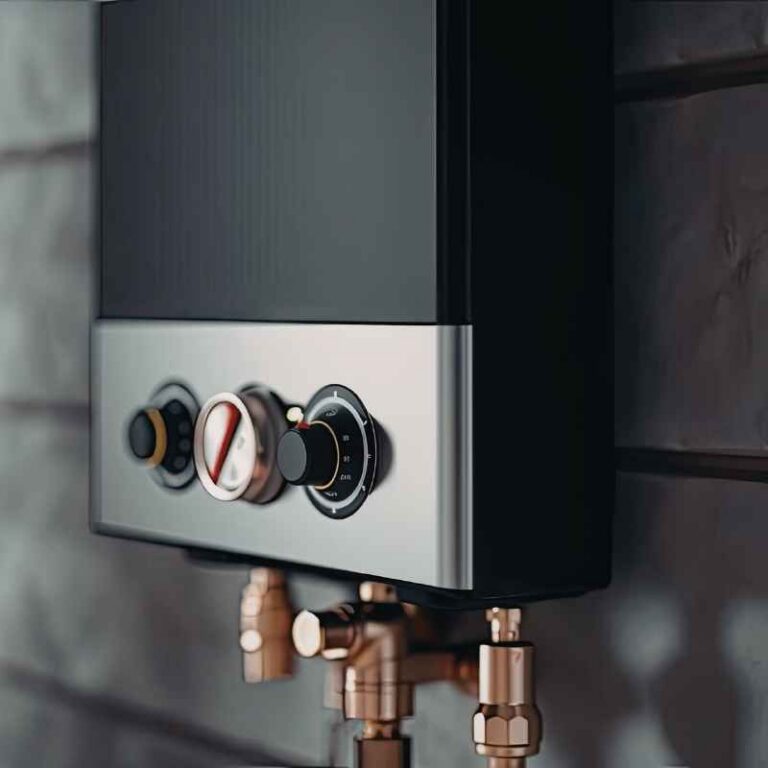
They often rely on a thermostat knob to set a desired heat level. You turn the knob, and the heater does its best to reach that setting. More advanced models, however, might include a gauge.
These gauges are usually part of a thermostat. This thermostat controls when the heater turns on and off. It helps keep your room at a steady warmth.
Not all wall heaters are the same. Some are very old and simple. Others are newer and have more features.
The presence of a temperature gauge often signals a slightly more sophisticated heating system.
Why Gauges Can Be Tricky
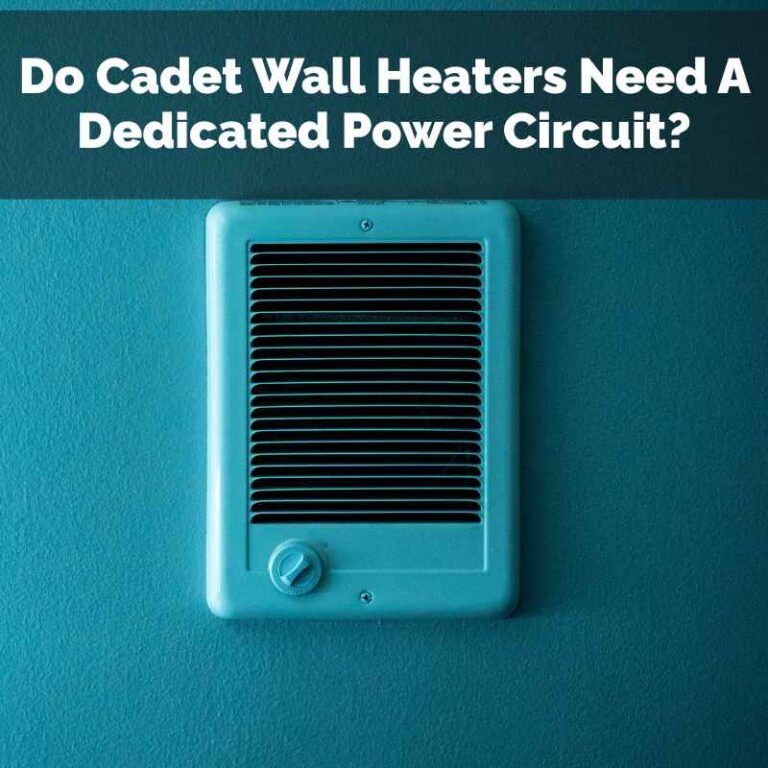
The term “temperature gauge” can mean a few things. For wall heaters, it often refers to the setting on a thermostat dial. This dial doesn’t always show the exact room temperature.
Instead, it shows a numbered scale. You associate these numbers with a warmer or cooler setting. Higher numbers mean more heat.
Lower numbers mean less heat.
Some newer heaters might have digital displays. These can show the actual room temperature. They might also show the temperature the heater is trying to achieve.
These digital screens offer much clearer feedback. They take the guesswork out of knowing your home’s warmth. This is a big change from older, simpler knobs.
Types of Temperature Controls You Might Find
Thermostat Knob with Numbers: This is very common. Numbers like 1 to 5 or 1 to 9 are used. Higher numbers mean warmer.
It’s a relative setting, not an exact degree.
Digital Display: Found on newer units. Shows the current room temperature in degrees Fahrenheit or Celsius. You can usually set a specific target temperature.
Pilot Light Indicator: Some heaters have a small window to see if the pilot light is on. This isn’t a temperature gauge, but it shows the heater is ready to operate.
Zone Control Panels: In larger homes, you might have central control systems. These panels manage temperatures in different areas. They definitely show temperatures.
The goal of any thermostat is to maintain comfort. It does this by sensing the air around it. When the air gets too cool, it signals the heater to turn on.
When the air reaches the desired warmth, it tells the heater to shut off. This cycle keeps your room from getting too cold or too hot.
My Own Experience With a Tricky Heater Knob
I remember one winter, a few years back, when my old apartment heating system started acting up. It was a natural gas wall heater in the living room. It had one of those classic twist knobs with numbers.
No fancy digital screen. Just a dial that went from 1 to 7. Most days, I kept it around 4.
That felt pretty cozy.
But then, we had a cold snap. The kind where the wind howls and bites. I’d turn the knob up to 6, maybe even 7, expecting a blast of warm air.
Yet, the room felt only mildly warmer. It was frustrating. I started to wonder if the heater was even working right.
Was the knob broken? Or was the “7” setting not as hot as I thought it was?
I’d stand by the heater, feeling the air coming out. Sometimes it felt strong, other times weak. There was no way to know the actual temperature.
I’d grab a thermometer from the kitchen and place it near the heater, then across the room. The difference was often huge. It felt like I was just guessing how warm my home was.
This led me to really look at how these heaters worked. I learned that the knob’s numbers are really just relative points. They don’t tell you “70 degrees Fahrenheit.” They say “warmer than 6,” and “less warm than 7.” It’s a system that requires a bit of tuning and listening to your own comfort.
Eventually, I figured out that turning it to 5.5 was my sweet spot during that deep freeze. It took trial and error, which is common with older heating systems.
How Heaters Sense and Regulate Temperature
At the heart of any temperature control is a sensor. In older gas wall heaters, this might be a bimetallic strip. This is a clever piece of engineering.
It’s made of two different metals bonded together. These metals expand and contract at different rates when the temperature changes.
As the room temperature rises, the bimetallic strip bends. This bending movement can be used to push a switch. This switch tells the gas valve to shut off.
When the room cools down, the strip unbends. This allows the switch to move back. Then, the gas valve opens again, and the heater fires up.
A Look Inside: How Thermostats Work
The Sensor: Detects the air temperature around it. In older units, this is often a bimetallic strip. Newer ones use electronic sensors.
The Control: This is the part you interact with (the knob or buttons). It tells the sensor what temperature to aim for.
The Switch: When the sensor detects the room has reached the target temperature, it activates a switch.
The Gas Valve: The switch sends a signal to the gas valve. This valve controls the flow of gas to the burner. It turns the heat on or off.
For heaters with a numbered dial, the knob is connected to this system. Turning the knob changes the point at which the bimetallic strip activates the switch. A higher number means the strip needs to bend more before it triggers the shut-off.
This requires the room to get warmer.
Digital thermostats work differently. They use electronic sensors that measure temperature very precisely. A small computer chip reads the sensor and compares it to the temperature you’ve set.
If the room is cooler than your setting, it sends a signal to the gas valve to turn on. When it’s warm enough, it cuts the gas.
Pilot Lights and Thermocouples
Many natural gas heaters, especially older ones, have a small, continuously burning pilot light. This is a tiny flame. It’s always on.
Its main job is to ignite the main burner when the thermostat calls for heat. You don’t typically see a temperature reading from the pilot light itself.
However, the pilot light works with a safety device called a thermocouple. This is a small metal rod. It sits in the pilot light flame.
When the pilot light is on, the thermocouple generates a tiny electrical current. This current tells the main gas valve that the pilot light is active and it’s safe to let gas flow.
If the pilot light goes out, the thermocouple cools. It stops generating current. The main gas valve then closes.
This prevents gas from flowing into the heater without a flame to ignite it. This is a crucial safety feature. It means the pilot light’s status is important, but it’s not a temperature gauge for the room.
Understanding Pilot Lights
What it is: A small, constant flame.
Its job: To ignite the main burner when needed.
Safety link: Works with a thermocouple to ensure gas only flows when there’s a flame.
Not a temperature indicator: You can see if it’s lit, but it doesn’t tell you the room’s warmth.
So, while the pilot light system is vital for operation, it doesn’t offer any direct information about the room’s temperature. It’s purely a functional safety and ignition component.
Real-World Context: Where You See These Gauges
The type of temperature gauge, or lack thereof, on a natural gas wall heater often tells you about its age and design. In older homes, you’re much more likely to find simple control knobs. These knobs set a heating level.
They don’t provide a precise temperature reading.
These older units were built when energy efficiency wasn’t as big a concern. They also pre-dated widespread digital technology. The focus was on providing heat, and users learned to adjust the settings based on feel.
You might live in a charming older house and find these types of heaters. They often have a distinct, warm heat.
Typical Heater Scenarios
Older Apartments: Often feature simple, knob-controlled gas wall heaters. They get the job done but lack exact temperature displays.
Newer Homes: May have built-in thermostats with digital screens. These are more precise and energy-conscious.
Vacation Cabins: Sometimes use basic models for occasional heat. Simple controls are easier to manage when you’re not there full-time.
Garages/Workshops: If heated by gas, these often have basic units. Accuracy of temperature might be less critical than just providing enough warmth.
In newer constructions or during renovations, builders often install more modern heating systems. These frequently include natural gas furnaces or boilers with smart thermostats. These thermostats are a far cry from simple wall heaters.
They can be programmed, controlled by phone apps, and display exact room temperatures in large, clear numbers.
However, dedicated natural gas wall heaters are still popular for certain uses. They are excellent for supplemental heating. They can warm up a specific room quickly without needing to run a central system.
Or, they might be the primary heat source in a smaller dwelling or an older home where ductwork is difficult to install. In these cases, understanding the heater’s controls is key.
User Behavior and Expectations
How people use their heaters also plays a role. Someone accustomed to a digital thermostat might be frustrated by a simple knob. They expect to see exact numbers.
They want to program their heat. On the other hand, someone who grew up with older systems might be perfectly happy with the knob-based approach.
They learn to recognize what “setting 4” feels like on a cold day. They understand that the heater cycles on and off to maintain that general level of warmth. It’s a matter of learned experience.
This familiarity can be comforting in its own way. It’s a predictable pattern of heat delivery.
The design of the heater itself also influences the “gauge” experience. Some wall heaters have the thermostat control located directly on the unit. This means the sensor is right next to the heat output.
This can cause the heater to shut off sooner than desired. The air right near the heater gets warm quickly, tricking the sensor into thinking the whole room is warm.
Other wall heaters have a remote thermostat. This is a separate unit mounted on the wall away from the heater. This remote thermostat senses the air temperature more accurately for the main part of the room.
This leads to more consistent heating. If your heater seems to turn off too fast, check where its thermostat is located.
What This Means for Your Home Comfort
So, what does all this tell you about managing your home’s warmth? If your natural gas wall heater has a simple knob, don’t expect to see an exact temperature. Instead, think of the numbers as settings for “cooler” to “warmer.” You’ll need to experiment to find the sweet spot for your comfort.
Keep a separate thermometer handy. This is the easiest way to know the actual room temperature. Place it away from the heater.
This will give you a more accurate reading of the overall room warmth. You can then use this information to adjust your heater’s knob. You’ll learn what number setting on your heater corresponds to your desired temperature in degrees Fahrenheit or Celsius.
Quick Checks for Heater Performance
Feel the Air: Is the warm air coming out consistently? Or is it sputtering?
Listen: Do you hear normal clicking or humming sounds when it turns on and off?
Check the Pilot: Is the pilot light lit (if it has one)?
Use a Thermometer: Compare the room temp to your heater’s setting. Does it seem close?
Observe Cycling: How often does it turn on and off? Too frequent or too infrequent might signal an issue.
If your heater has a digital display, you have it much easier. You can see the current room temperature and set your desired temperature directly. If the display seems inaccurate, or the heater doesn’t seem to be reaching the set temperature, there might be an issue.
This could be with the sensor itself, or the heating unit’s performance.
When to Worry and When It’s Normal
It’s normal for any heater to cycle on and off. This is how it maintains a set temperature. It’s also normal for rooms to be a few degrees cooler than the thermostat setting, especially in very cold weather or if there are drafts.
You should worry if:
- The heater makes strange noises.
- There’s a strong smell of gas.
- The pilot light won’t stay lit.
- The room temperature is significantly different from what the thermostat indicates (if it has a display).
- The heater runs constantly but doesn’t seem to heat the room effectively.
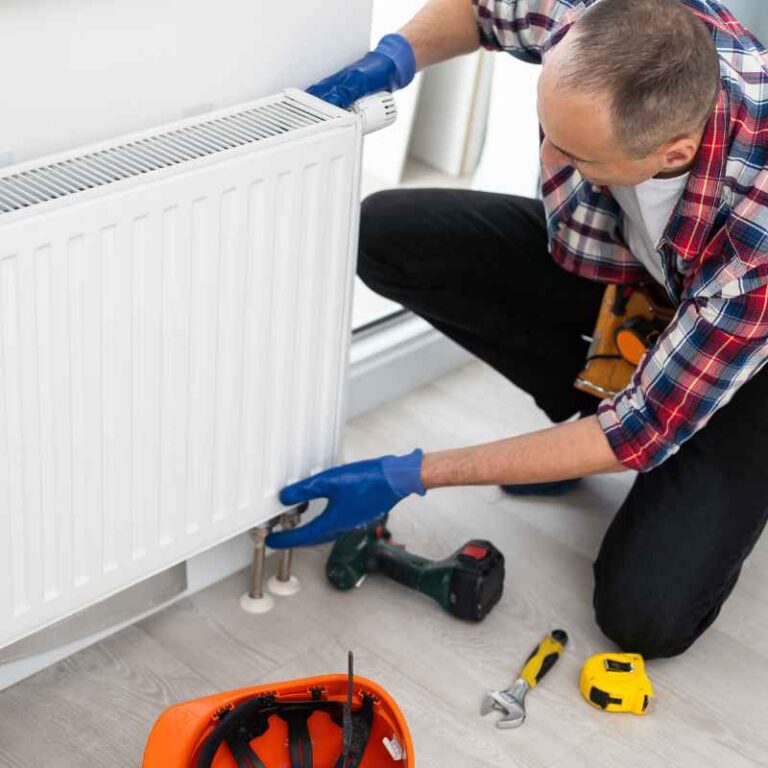
In these situations, it’s wise to turn off the heater and call a qualified HVAC technician. They can diagnose the problem. They can ensure your heater is working safely and efficiently.
For heaters with simple knobs, if you find yourself constantly turning the knob way up high and still feeling cold, it might be time to consider supplemental heating or a tune-up for the heater. Drafts around windows and doors can make even a working heater struggle. Sealing those up can make a big difference.
Quick Tips for Managing Your Heater’s Temperature
If you have a natural gas wall heater, here are some simple tips to help you manage your home’s temperature, with or without a gauge:
- Understand Your Knob: If you have a numbered dial, do some testing. Set it to different numbers and use a separate thermometer to see what room temperatures they create. Write down your findings for different weather conditions.
- Location Matters: Make sure your heater is not blocked by furniture. Air needs to circulate around it so the thermostat (whether on the unit or remote) can get an accurate reading.
- Cleanliness is Key: Keep the vents of your wall heater clean and free of dust. Dust can build up and reduce airflow, making the heater less efficient.
- Check for Drafts: Use draft stoppers for doors and windows. This helps the heater maintain the temperature you want without working overtime.
- Consider a Smart Thermostat (if compatible): For some wall heaters, it’s possible to upgrade the thermostat. Check your heater’s manual or consult a professional. This can give you digital control and better energy management.
- Regular Maintenance: Even simple gas heaters benefit from yearly checks by an HVAC professional. They can ensure safety and efficiency.
Myth vs. Reality: Heater Temperature
Myth: Every gas wall heater has a thermometer you can read.
Reality: Many older models only have numbered dials that indicate heat level, not exact degrees.
Myth: If the heater is blowing air, it’s heating the room effectively.
Reality: Airflow is important, but the actual temperature of the air and the room matters most. Blocked vents or drafts can hinder effective heating.
Myth: Higher numbers on the knob always mean much hotter rooms.
Reality: The effect of higher numbers varies. It depends on your home’s insulation, outside temperature, and the heater’s specific output. Experimentation is key.
The main takeaway is to know your specific heater. Look up its model number if possible. Read its manual.
If it’s an older unit, assume it doesn’t have a precise gauge. Focus on finding reliable settings that work for your comfort. Patience and observation are your best tools here.
Frequently Asked Questions
Do all natural gas wall heaters have a thermostat?
Most natural gas wall heaters have some form of temperature control. This is often a thermostat knob. Some very basic or older models might have a simple on/off switch with no thermostat.
However, a thermostat is common for regulating heat output.
Can I add a digital thermostat to an old gas wall heater?
It depends on the specific model of your heater. Some older units are compatible with newer digital thermostats. Others are not.
It’s best to consult your heater’s manual or speak with an HVAC professional to see if an upgrade is possible and safe for your unit.
What does the number on my gas wall heater’s dial mean?
The numbers on a gas wall heater’s dial usually represent a range of heat settings, from cooler to warmer. They are not typically exact temperature degrees (like Fahrenheit or Celsius). You’ll need to experiment to find out what temperature your preferred number setting achieves in your home.
Why does my gas wall heater turn on and off so much?
This cycling is normal and part of how a thermostat maintains a set temperature. If it seems to be happening too frequently, or the room isn’t getting warm enough between cycles, there could be an issue with the thermostat calibration, the heater’s output, or drafts in your home.
How can I tell if my natural gas wall heater is efficient?
Efficiency can be judged by how well it heats your space without running constantly. If you have a digital thermostat, you can see energy usage patterns. For knob-controlled heaters, compare the temperature achieved to the amount of gas used.
Older units are generally less efficient than modern heating systems.
Is it safe to use a separate thermometer with my gas wall heater?
Yes, using a separate thermometer is a great way to understand the actual temperature in your room. Just make sure the thermometer is placed away from the direct heat source of the wall heater to get an accurate reading of the room’s ambient temperature.
Conclusion: Knowing Your Heater’s Story
Understanding your natural gas wall heater’s temperature controls is key to comfort. While not all models have a direct temperature gauge, they all aim to provide warmth. Whether you have a simple knob or a digital screen, knowing how it works helps you manage your home’s heat effectively.
Don’t be afraid to experiment and observe. Your comfort is the ultimate goal, and a little understanding goes a long way in achieving it.
Sponsored / affiliate links. As an Amazon Associate I earn from qualifying purchases. I may earn additional commission from eligible campaigns.