Are Cadet Wall Heaters More Efficient Than Baseboard?
When comparing cadet wall heaters and baseboard heaters for efficiency, cadet wall heaters often have a slight edge due to their forced-air mechanism, which can heat a room faster and more evenly. However, the overall energy consumption depends heavily on installation, room size, insulation, and thermostat settings. Baseboard heaters provide radiant heat, which can feel more comfortable at lower ambient temperatures, potentially allowing for lower thermostat settings, thus saving energy.
Understanding How Cadet Wall Heaters Work
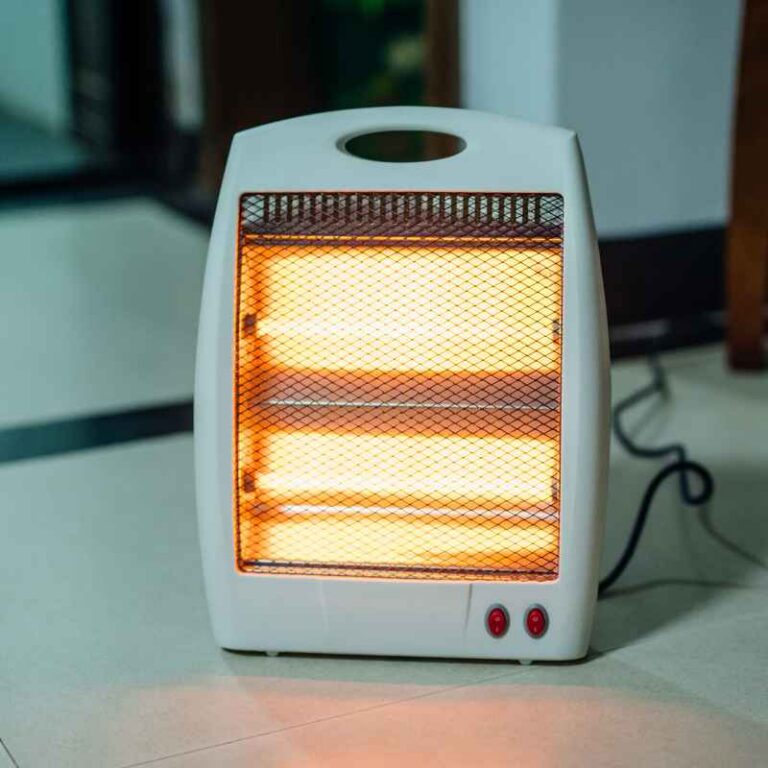
Cadet wall heaters, often called fan-forced heaters or convection heaters, are quite common. You usually see them installed on a wall, often in bathrooms, hallways, or smaller rooms. Their main job is to heat up a space quickly.
How do they do this? Well, they have a heating element inside. This element gets hot when electricity flows through it.
But here’s the key difference: they also have a fan. This fan pulls cooler air from the room into the heater. The air then passes over the hot heating element.
This makes the air much warmer. Finally, the fan blows this heated air back out into the room. This process helps to circulate the warm air around.
It can heat up a room pretty fast because of this constant air movement.
Think of it like a small, personal hairdryer for your room. It’s designed to deliver a blast of warm air directly where you need it. This direct and rapid heating is one of their main appeals.
It’s nice to step into a bathroom and feel warmth almost instantly on a cold morning. This ability to heat up quickly can make them seem very efficient for immediate comfort.
The way they heat is called convection. Convection is simply the transfer of heat through the movement of fluids, like air. The fan is what makes this convection happen much faster.
It’s actively pushing the warm air out and drawing in cooler air to be heated. This is different from how some other heaters work. It’s a very direct method of warming up the air in a space.
Because they heat air directly and blow it out, cadet wall heaters can feel very effective. They are good at raising the temperature of a whole room relatively quickly. This is especially true in smaller or moderately sized rooms.
If you have a larger area, you might need more than one, or they might struggle to keep up.
The heating element itself uses electricity. The fan also uses a small amount of electricity. So, when you turn on a cadet wall heater, you are using power for both heating and air circulation.
The overall energy used depends on how long you run it and how hot you set the thermostat. It’s this combination of heating and fan use that defines their operation.
How Baseboard Heaters Deliver Heat
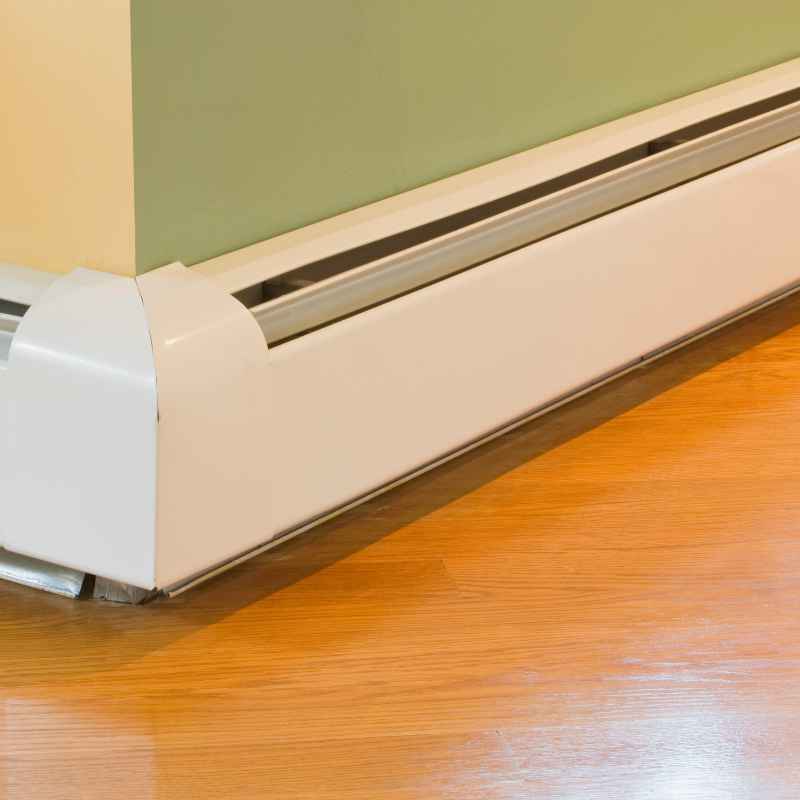
Baseboard heaters are a very different beast. You typically find them running along the bottom of your walls, right at floor level. They are long and slender, almost blending in with the room’s trim.
Their primary method of heating is different too. They don’t usually have a fan to blow hot air around.
Instead, baseboard heaters work mainly through convection and radiant heat. Inside the long metal casing are heating elements. As these elements get hot, the air around them also heats up.
Because warm air rises, this heated air slowly rises up from the top of the baseboard. This creates a gentle convection current. Cooler air from the room is drawn in at the bottom of the baseboard to be heated.
This process is much slower than a fan-forced heater. It’s a more gradual way of warming a room. Think of it like a slow, steady simmer versus a rapid boil.
The heat is released over a larger area because the heater itself is so long. This can lead to a more even temperature throughout the room over time.
Baseboard heaters also give off radiant heat. This is heat you can feel directly, like standing near a warm window. It warms objects and people in the room directly, not just the air.
This type of heat can feel very comfortable. Some people prefer radiant heat because it doesn’t dry out the air as much. It can also feel warmer even if the room’s air temperature is a bit lower.
The energy source is also electricity for most baseboard heaters. They use electricity to heat the elements. The lack of a fan means they don’t use extra power for air movement.
This might seem like an advantage in terms of energy use. However, because they heat more slowly, they might need to run for longer periods to reach and maintain a desired temperature.
The placement of baseboard heaters is important. They are usually placed along exterior walls. This is smart because it helps to counteract the cold that comes through windows and walls.
This can make them more efficient in rooms with poor insulation. They are heating the room where the heat loss is greatest.
Many people find the gentle, consistent heat from baseboard heaters to be very pleasant. It’s a background warmth that you often don’t notice until you’re very comfortable. It’s less about feeling a blast of heat and more about experiencing a steady, comfortable environment.
This sustained heating method is key to understanding their efficiency profile.
Efficiency: The Core of the Comparison
Now, let’s get to the heart of the matter: efficiency. When we talk about heating efficiency, we’re usually talking about how much useful heat you get for the amount of energy you put in. For electric heaters like cadet wall heaters and baseboard heaters, the efficiency is often very close to 100% in terms of converting electricity to heat.
They don’t lose much heat as waste like a furnace might.
So, if they both turn electricity into heat so well, where does the difference come in? It’s all about how quickly and how effectively they deliver that heat to you. This is where factors like room size, insulation, and how you use them play a huge role.
Cadet wall heaters heat up a room fast. This is great if you only need heat for a short time. For example, you might turn on a bathroom heater for 15 minutes before you get in the shower.
In this case, it uses less total energy than a baseboard heater that would take 30 minutes to reach the same comfort level. The quick heat delivery means less overall run time for that specific need.
However, if you need to maintain a consistent temperature for hours, like in a living room or bedroom, the story changes. The fan in a cadet heater keeps running, using a little extra electricity even when the heating element isn’t on, just to circulate air. This constant air movement can also lead to some heat loss through drafts or poorly sealed windows and doors.
The heat gets pushed around, and if the room isn’t sealed well, that warm air escapes.
Baseboard heaters, with their slower, more gentle heating, can sometimes be more efficient for longer periods. Because they heat more gradually and provide radiant warmth, you might feel comfortable at a slightly lower thermostat setting. Lowering your thermostat by just a degree or two can save a significant amount of energy over time.
This is a big win for efficiency.
Also, baseboard heaters are often installed along the colder parts of a room (exterior walls). This placement can help to create a more balanced temperature. They are constantly working to counteract the cold coming in.
This can prevent cold spots from forming. This even distribution of heat can make the entire space feel warmer, meaning you don’t need to crank up the heat as much.
The lack of a fan in baseboard heaters means no extra energy is used for air movement. This is a small but consistent saving. While they take longer to warm up a space, once the room is at temperature, they can often maintain it with less overall energy input compared to a fan-forced heater that might cycle on and off more frequently to combat air currents.
It’s also worth noting that the thermostat plays a big part. A good programmable thermostat can make either system more efficient. But the way the heat is delivered matters for how quickly you achieve comfort and how much you might be tempted to overheat the room.
Real-World Energy Usage: What to Expect
Talking about watts and kilowatts can get a bit dry. Let’s look at what this means in your home. Both types of heaters are electric.
Electricity is often more expensive per unit of heat than gas. So, if you have options, gas heating is usually cheaper. But if you have electric heat, understanding your system is key.
For a cadet wall heater, let’s say you have a 1500-watt unit. That means it uses 1500 watts of power when the heating element is on. If you run it for one hour, it uses 1.5 kilowatt-hours (kWh) of electricity.
If your electricity costs $0.15 per kWh, that hour of heating costs $0.225. That might not sound like much, but it adds up.
If you need that 1500-watt heater to warm up a bathroom for 30 minutes, it costs about $0.11. If you use it for an hour, it costs $0.23. Now, imagine using it for several hours a day in a room that doesn’t stay warm easily.
That cost can climb quickly.
For a baseboard heater, they often come in similar wattages, like 1000 watts, 1500 watts, or even 2000 watts. A 1500-watt baseboard heater also uses 1.5 kWh per hour. So, the direct energy consumption per hour is the same.
The difference comes in how long it needs to run.
A baseboard heater might take 30 minutes to make a room feel comfortably warm. During that time, it’s using 1500 watts. So, it uses 0.75 kWh to get the room to temperature.
If a cadet heater takes only 15 minutes, it uses 0.375 kWh. So, for that initial warm-up, the cadet heater seems more efficient.
But what happens next? The baseboard heater, with its slow, steady heat and radiant properties, might keep the room warm for longer. It might only need to cycle on for short bursts to maintain the temperature.
The cadet heater, because of air movement, might lose heat faster or might need to cycle on more often, even if for shorter bursts.
This is where I’ve seen some real confusion in people’s homes. They use a cadet heater for quick comfort and think it’s efficient. But then they find their electric bill is higher because they run it for extended periods.
Or they have baseboard heaters and feel like they’re always running, but their bills are lower because the thermostat is set a bit lower, or the heat distribution is just better.
One important thing to consider is zoning. Both cadet wall heaters and baseboard heaters are often used for zone heating. This means heating only the rooms you are using.
This is a huge energy saver. If you only heat your bedroom at night and your living room during the day, you save a lot compared to heating the whole house all the time.
Cadet heaters are great for specific zones you want heated quickly. Baseboard heaters are excellent for maintaining consistent, comfortable temperatures in zones you occupy for longer periods. The overall energy usage really boils down to how you use them and the specific characteristics of your home.
Installation Matters: A Hidden Factor
You might be surprised to learn that how these heaters are installed can impact their efficiency. It’s not just about plugging them in or flipping a switch. Even though they are both electric, their installation has nuances.
For cadet wall heaters, proper placement is key. They should ideally be installed in a location where airflow isn’t blocked. Furniture shouldn’t be placed too close to them.
The vent where the air blows out should have a clear path into the room. If they are installed in a corner or behind something, their ability to circulate air is reduced.
This means they might have to run longer to heat the space effectively. In bathrooms, they are often installed high on the wall. This is good because the warm air rises.
But if they are too close to the ceiling, the heat can get trapped up there. The fan has to work harder to push it down.
Thermostat control is also a big part of installation. Many cadet heaters come with a built-in thermostat. However, these can sometimes be less accurate than wall-mounted thermostats.
They can be affected by the heat from the element itself, leading to inaccurate readings. This can cause the heater to shut off too soon or run too long.
For baseboard heaters, the installation environment is critical. As I mentioned, placing them along exterior walls is best. They should also be installed with enough clearance above them.
Curtains or furniture shouldn’t block the vents where the warm air rises. If the airflow is restricted, the convection process slows down significantly.
There’s a concept called “drafting” with baseboard heaters. If there are leaks around windows or doors, cold air can come in and create a downdraft. This downdraft can pull the warm air that rises from the baseboard back down, creating a loop that makes the room colder.
Properly sealing windows and doors is as important as the heater itself for efficiency.
The wiring of baseboard heaters also matters. They are often wired to wall thermostats. These thermostats can be very accurate.
They are usually located away from heat sources, giving a true reading of the room’s temperature. This allows for precise control, which is essential for energy efficiency. If they are controlled by an old, inaccurate thermostat, you’re losing efficiency.
I’ve seen many older homes where baseboard heaters are covered with thick carpets or large pieces of furniture. This completely cripples their ability to heat the room. It’s like trying to breathe through a thick blanket.
The heat can’t get out properly, and the room stays cold. This forces the thermostat to keep calling for heat, running the unit much longer than it needs to.
The type of thermostat also matters. A simple bimetallic thermostat is okay, but a modern electronic or programmable thermostat offers much better control. You can set schedules to reduce heat when you’re away or asleep.
This level of control is crucial for maximizing the efficiency of any heating system, including baseboard heaters.
Infographic: Key Differences at a Glance
Cadet Wall Heaters
- Heating Method: Forced air (fan circulates heated air).
- Warm-up Speed: Fast.
- Heat Feel: Direct, can feel dry.
- Airflow: Active circulation.
- Best Use: Quick heating, bathrooms, small spaces, short durations.
- Energy Factor: Good for short bursts.
Baseboard Heaters
- Heating Method: Convection & radiant heat (natural air movement).
- Warm-up Speed: Slow, gradual.
- Heat Feel: Gentle, even, comfortable.
- Airflow: Natural convection.
- Best Use: Steady heating, living areas, bedrooms, longer durations.
- Energy Factor: Good for maintaining consistent comfort.
Comfort Levels and Perceived Efficiency
Efficiency isn’t just about numbers on a bill. It’s also about how comfortable you feel. Sometimes, what feels more efficient is actually more comfortable, leading to better energy use.
Cadet wall heaters deliver heat quickly. This means you can step into a room and feel warm almost instantly. This is very appealing.
It makes you feel like the heater is working hard and is very effective. However, this rapid heating can sometimes create hot spots and cold spots in the same room. The fan might blow hot air in one direction, and then the room cools down quickly when the fan stops or the heat source is removed.
This can lead to a situation where you might turn the thermostat up higher to combat the cold spots, even though the overall room temperature might be adequate. This over-shooting of the temperature can waste energy. It’s like having a powerful spotlight that leaves the rest of the room in darkness.
Baseboard heaters, on the other hand, provide a more gentle and even heat. The radiant heat warms surfaces and people directly. This can make you feel comfortable at a lower air temperature.
For example, if the air temperature is 68°F, but you’re getting radiant heat from a baseboard heater, you might feel as warm as you would at 72°F with forced air. This perception of warmth means you can set your thermostat lower.
This is a crucial point for energy savings. Every degree you lower your thermostat can save a noticeable amount on your heating bill. Baseboard heaters are often better at creating this sustained, comfortable warmth that doesn’t require a very high thermostat setting.
They create a more consistent environment.
I remember visiting a friend’s house. They had baseboard heaters in their living room and a cadet heater in their small home office. In the living room, the warmth was so steady and pleasant, even on a chilly day, that they rarely needed the thermostat above 68°F.
In the office, they had a cadet heater. They’d turn it on high for an hour or two when they worked in there. Even though the cadet heater blasted heat, the room felt a bit drafty afterwards, and they often felt the need to set the thermostat a degree or two higher on the main system.
The perceived efficiency of baseboard heaters comes from this sustained comfort. You’re not constantly feeling the temperature swing. You’re not battling cold drafts as much.
This steady state can make the whole heating process feel more efficient and less demanding on your energy resources over the long haul. It’s a quality of heat that contributes to overall energy conservation.
Quick Scan: When to Use Which Heater
Cadet Wall Heater is Ideal For:
- Quick Warm-up Needs: Bathrooms before showering, small workshops for a short time.
- Supplemental Heat: Adding warmth to a specific chilly spot.
- Infrequently Used Rooms: Heating only when occupied for short periods.
Baseboard Heater is Ideal For:
- Whole-Room Comfort: Maintaining consistent temperatures in living rooms, bedrooms.
- Drafty Areas: Counteracting heat loss from exterior walls and windows.
- Long Occupancy Periods: When you need steady, reliable heat for hours.
Insulation and Drafts: The Great Energy Thieves
No matter which type of heater you have, if your home is like a sieve for heat, you’re going to use more energy. Insulation and drafts are the silent assassins of heating efficiency. They impact both cadet wall heaters and baseboard heaters in significant ways.
Think about a cadet wall heater. It blows hot air into a room. If that room isn’t well-insulated, the hot air will escape through the walls, ceiling, or windows very quickly.
This means the heater has to work harder and run longer to
Poor insulation in attics, walls, and crawl spaces is a major culprit. Heat naturally rises, so a poorly insulated attic is a huge escape route for warm air. Cold air can also seep in through poorly insulated walls, creating chilly spots that cadet heaters struggle to overcome.
Baseboard heaters face similar problems, but the impact might be felt differently. Because they rely on slower convection and radiant heat, they are more susceptible to the effects of drafts. A draft from a poorly sealed window can create a cold zone right next to the baseboard heater.
This cold air can disrupt the natural convection flow. It can pull the warm air down before it has a chance to circulate properly.
I’ve seen homes with beautiful, efficient baseboard heaters, but because the windows were old and leaky, the rooms were still chilly. The thermostat would call for heat, the baseboard would kick on, but the cold air coming in would cool the room down so fast that the heater would run almost constantly. The occupants would then think the baseboard heaters themselves were inefficient, when in reality, the lack of good windows was the problem.
Sealing up drafts is one of the most cost-effective ways to improve heating efficiency. This includes weatherstripping around doors and windows, caulking gaps in walls and around pipes, and sealing any other openings where air can pass through. This is especially important for homes with baseboard heaters, as it helps maintain their gentle convection flow.
For cadet heaters, good insulation helps them reach and maintain a desired temperature faster. The heat they put out stays in the room longer. This means less run time for the heater.
A well-insulated room with a cadet heater can be very efficient for its intended use – providing quick heat.
When we talk about efficiency, we often focus on the appliance itself. But the building envelope – the walls, roof, windows, and doors – is just as important, if not more so. Investing in insulation and draft sealing can make either cadet wall heaters or baseboard heaters perform much better.
It makes the energy you’re paying for do its job more effectively.
Contrast Matrix: Efficiency Myths vs. Reality
Myth: Cadet wall heaters are always less efficient because they have a fan.
Reality: For short-term heating needs, the quick warm-up time of a cadet heater can make it more energy-efficient by reducing overall run time.
Myth: Baseboard heaters are always more efficient because they don’t use a fan.
Reality: While they save fan energy, their slower heating means they might need to run longer. Poor insulation or drafts can negate this advantage.
Myth: Electric heaters are inherently inefficient compared to other types.
Reality: Electric resistance heaters are close to 100% efficient at converting electricity to heat. The delivery and retention of that heat are where efficiency varies.
When It’s Normal vs. When to Worry
It’s helpful to know what’s typical for these heating systems. This can help you spot when something might be wrong or when your energy use is just normal for your setup.
For cadet wall heaters, it’s normal for them to run frequently in very cold weather, especially if the room isn’t well-insulated or is larger than the heater is designed for. You’ll hear the fan and the heating element cycling on and off. If you notice the room reaching your desired temperature quickly, and the heater then cycles off for reasonable periods, that’s good.
If it runs constantly and the room never feels warm enough, that’s a sign of a problem.
Signs to worry about with cadet heaters include: strange noises from the fan, a burning smell (other than the initial new smell), or the heater not producing any heat at all. If it feels like it’s running all the time but the room is still cold, check for obstructions or consider if the heater is powerful enough for the space. Inadequate insulation or drafts will also make them run more than you’d like.
For baseboard heaters, it’s normal for them to run for longer periods than cadet heaters, especially on a cold day, to maintain a steady temperature. You might hear a faint click as the thermostat turns them on and off. The heat should be gentle and spread evenly.
If the baseboard heater feels excessively hot to the touch, or if parts of the room are very cold while others are warm, that might be a sign of an issue.
When to worry with baseboard heaters includes: a buzzing or humming noise, a lack of heat, or if the heater trips your circuit breaker frequently. These can indicate internal electrical problems. Also, if you have to set the thermostat very high to feel any warmth, it might mean the heater isn’t working efficiently, or there are significant heat losses in the room.
This could be due to lack of insulation, drafts, or a malfunctioning unit.
One of the biggest indicators of efficiency issues, for both systems, is your energy bill. If your electricity bill suddenly spikes dramatically without a change in your habits or outside temperature, it’s a good time to investigate. It might mean your heating system is working harder than it needs to.
Simple checks you can do include: ensuring no furniture is blocking the heaters. For cadet heaters, check if the fan is spinning freely. For baseboard heaters, make sure curtains aren’t hanging into them.
Also, periodically check your home’s insulation levels, especially in the attic. Addressing drafts around windows and doors is always a good idea, regardless of your heating system.
Simple Checks for Your Heaters
Cadet Wall Heaters:
- Check Airflow: Is the fan spinning? Is air coming out freely?
- Obstructions: Ensure no furniture or curtains block the heater.
- Noise: Listen for unusual grinding or loud fan noises.
- Smell: Any persistent burning smell? (Some initial smell is normal).
Baseboard Heaters:
- Even Heat: Does the entire length of the heater feel warm?
- Obstructions: Make sure nothing blocks the vents.
- Noise: Listen for buzzing or rattling sounds.
- Thermostat Function: Does the thermostat seem to control the heat accurately?
Making the Choice: Cadet vs. Baseboard for Your Home
So, which one is ultimately more efficient for your home? The honest answer is: it depends. There isn’t a single “winner” for everyone.
If your priority is quick, on-demand heat for specific areas you use for short periods (like a bathroom or a small home office), a cadet wall heater might be the more efficient choice. You use it only when needed, and it delivers heat fast, minimizing the time it’s actively drawing power.
If your goal is consistent, comfortable background heat for rooms where you spend more time (like living rooms or bedrooms), baseboard heaters often have an edge. Their ability to provide gentle, even warmth can lead to lower thermostat settings and a more pleasant environment with less energy wasted fighting drafts or hot spots.
Consider these points:
- Room Usage: How long do you use each room? For short bursts, cadet wins. For long periods, baseboard often does better.
- Insulation and Drafts: Both systems suffer from poor building envelopes, but baseboards are more sensitive to drafts. Sealing these is crucial.
- Personal Preference: Some people just prefer the feel of radiant heat from baseboards, leading them to set thermostats lower.
- Existing System: If you already have one type, improving its efficiency might be more practical than switching.
Many homes use a combination. For example, baseboard heaters might be the primary heat source for living areas and bedrooms, while cadet heaters are used in bathrooms or a basement workshop. This allows you to leverage the strengths of each system.
The most efficient heating system is one that is properly sized for the space, well-maintained, and used wisely in a home that is well-sealed and insulated. Focus on making your home a warm, cozy haven without wasting energy. That’s the real goal.
Frequently Asked Questions
Are cadet wall heaters more energy efficient than electric baseboard heaters?
It depends on usage. Cadet wall heaters heat rooms faster, making them efficient for short periods. Baseboard heaters provide gentler, more even heat, which can be more efficient for long-term comfort and allow for lower thermostat settings.
Do cadet heaters use more electricity than baseboard heaters?
Both use electricity to generate heat. A 1500-watt cadet heater and a 1500-watt baseboard heater use the same amount of electricity per hour when running. The difference is in how long they need to run to achieve comfort.
Which type of heater is better for a bathroom: cadet or baseboard?
Cadet wall heaters are often preferred for bathrooms because they provide quick, targeted heat, ideal for short periods before and after showering. Baseboard heaters can also work but take longer to warm up a space.
Can poor insulation make cadet heaters less efficient?
Yes, poor insulation means heat escapes quickly. A cadet heater will have to run more often and for longer periods to maintain a comfortable temperature, using more electricity.
Is radiant heat from baseboard heaters more efficient?
Radiant heat can feel more comfortable at lower air temperatures, potentially allowing you to set your thermostat lower. This can lead to energy savings, making it perceived as more efficient for sustained comfort.
How can I make my electric heaters more efficient?
Improve insulation, seal drafts around windows and doors, use programmable thermostats, and ensure heaters are not blocked by furniture or curtains. Clean them regularly to maintain airflow.
Final Thoughts on Home Heating Efficiency
Figuring out the efficiency of cadet wall heaters versus baseboard heaters comes down to understanding how you use your heat. Both systems are good at converting electricity into warmth. The real difference lies in how quickly they warm a space, how evenly they distribute heat, and how well your home holds onto that warmth.
Making smart choices about your heating and your home’s insulation will lead to a cozier space and a lighter energy bill. It’s all about finding the right balance for your comfort and your budget.
Sponsored / affiliate links. As an Amazon Associate I earn from qualifying purchases. I may earn additional commission from eligible campaigns.