Are Wall Mounted Bathroom Heaters Allowed By Electrical Code?
The National Electrical Code (NEC) addresses specific safety requirements for heating appliances in bathrooms. While wall-mounted heaters are generally allowed, they must meet strict installation standards regarding clearance from water sources, proper grounding, and type of heating element to prevent shock hazards and fires.
Understanding Bathroom Heater Electrical Codes
Bathrooms are unique spaces in our homes. They have water. Lots of it. This means electricity and water can mix. This mix can be very dangerous. Electrical codes exist to keep everyone safe. They set clear rules for how electrical things should be installed. This is especially true for heating devices. These devices get hot. They also use a lot of power.
The main rulebook we follow here in the U.S. is the National Electrical Code, or NEC. It’s updated often. It covers every kind of electrical installation. For bathrooms, it has special sections. These sections focus on preventing electrical shock. They also aim to stop fires from starting. These codes are not meant to be tricky. They are about protecting lives and property.
When you think about a wall-mounted bathroom heater, you might picture a simple unit. It attaches to the wall and warms the room. But the code looks at it more closely. It asks:
- Where will it be placed?
- How is it wired?
- What kind of heater is it?
- What safety features does it have?
Answering these questions helps decide if it’s allowed and how to install it safely. Ignoring these rules can lead to big problems. Problems like electrical fires or serious injury.
Why Bathrooms Are Special for Electrical Safety
Let’s talk about why bathrooms need extra care. Think about your daily routine. You shower. You use the sink. Maybe you spill some water. There’s steam in the air. All this moisture makes the air more conductive. This means electricity can travel more easily through damp air. It also means that any electrical device has a higher risk of causing a shock.
Because of this, the NEC puts strict limits on electrical devices in bathrooms. They need to be more protected. They need to be farther away from water. They need to be designed to handle humidity. This is why you see special outlets called GFCI (Ground Fault Circuit Interrupter) outlets. These are like little safety guards. They shut off power quickly if they sense something is wrong. Heating devices in bathrooms need similar levels of protection.
Types of Wall-Mounted Bathroom Heaters and Code Compliance
Not all wall-mounted heaters are the same. The type of heater matters a lot for code compliance.
Convection Heaters
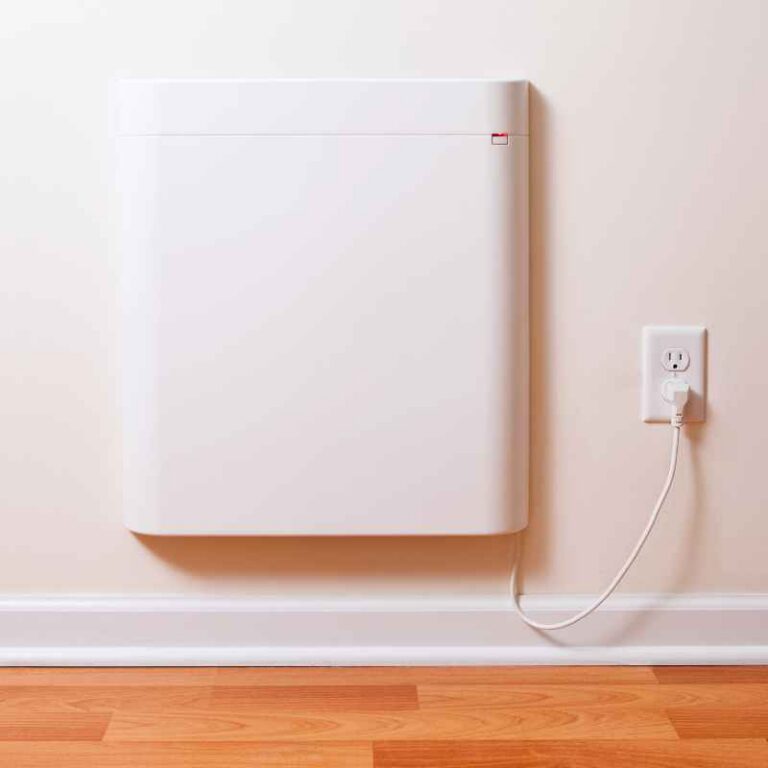
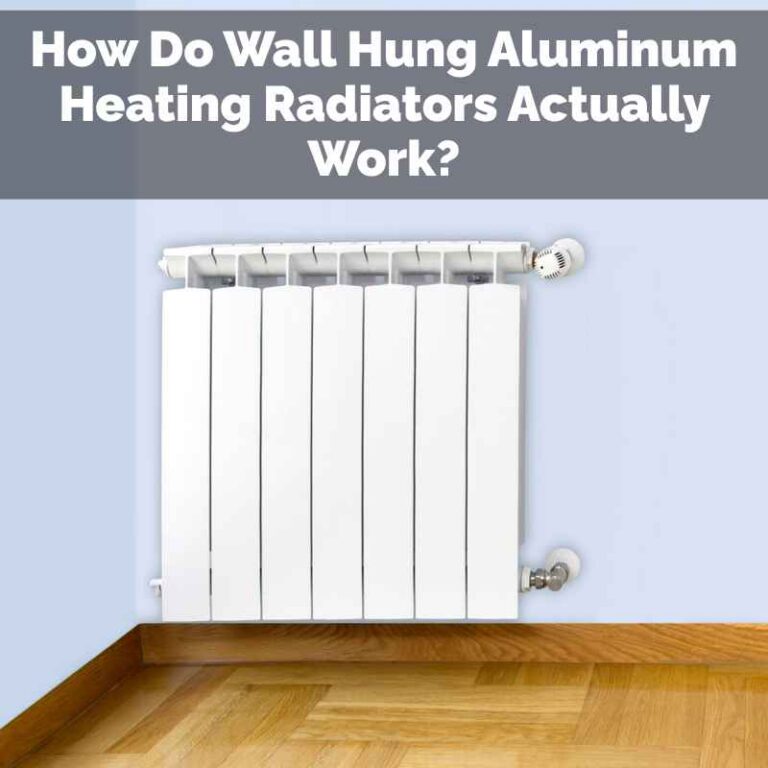
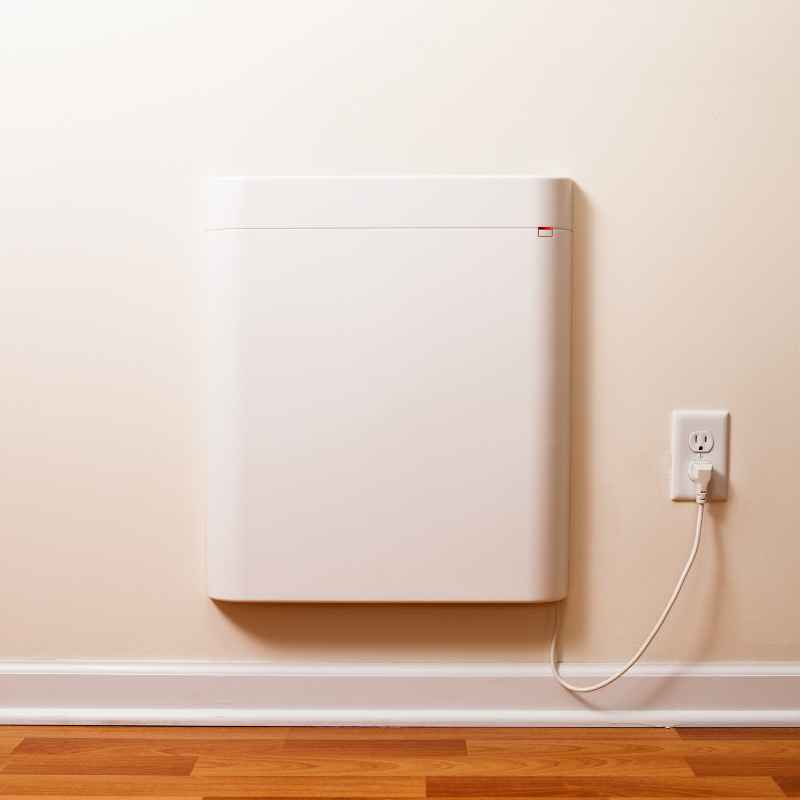
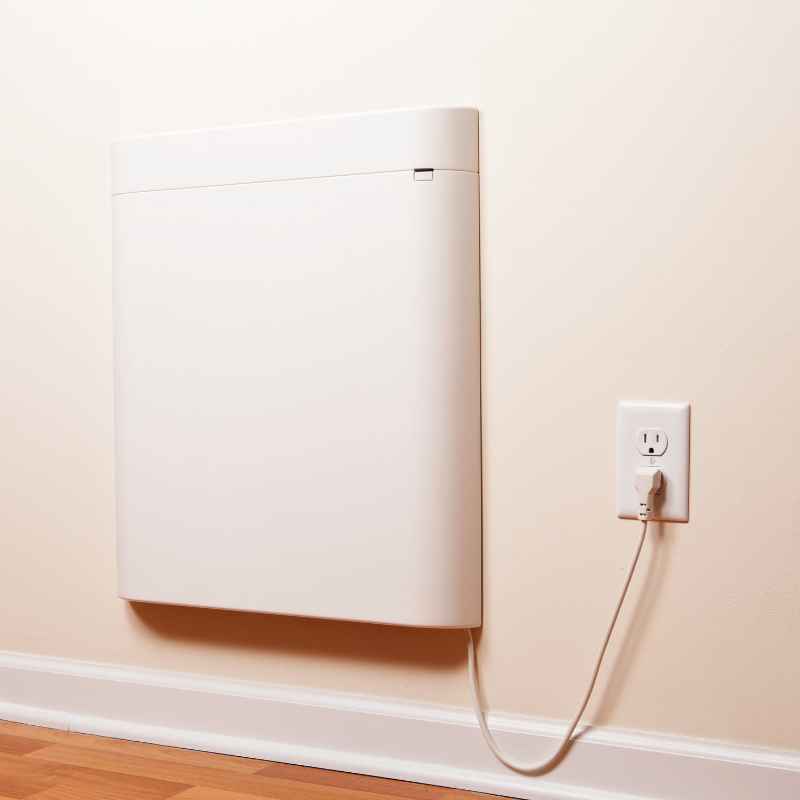
These are common. They work by heating the air. The warm air then rises and circulates. Many convection heaters are designed for wall mounting. Some are slim and low-profile. Others look like small radiators. For these to be code-compliant, they need proper clearances. This means they must be installed a certain distance away from tubs, showers, and sinks. The NEC gives specific measurements for these zones.
Radiant Heaters (Infrared Heaters)
These heaters send out heat waves. They warm objects and people directly. Some radiant heaters are designed for bathrooms. They might be mounted on the wall or ceiling. Again, placement is key. They cannot be too close to water sources. Also, the heating element itself needs to be protected. It should not be something that can be easily touched when wet.
Fan-Forced Heaters
These are often called fan heaters or forced-air heaters. They have a fan that blows air over a heating element. They heat up a room quickly. For bathroom use, these need to be installed carefully. The motor and heating element must be protected from moisture. The NEC often requires these to be installed higher up on the wall. This keeps them away from splashing water. They also need proper ventilation.
Fan-Heater-Light Combos
These units combine a heater, a fan, and a light. They are very popular for bathrooms. Because they combine multiple functions, they have more rules. Each part of the unit must meet its own safety standards. The heater part has the same moisture and clearance rules. The light needs to be rated for damp or wet locations. The fan needs to move air safely.
Key NEC Requirements for Bathroom Heaters
The NEC has detailed rules. We can’t cover every single one here. But here are some of the most important points for wall-mounted bathroom heaters.
Location and Clearances
This is a big one. The NEC divides bathrooms into different zones based on water. There are wet locations and dry locations. Heaters cannot just be placed anywhere.
- Wet Locations: This includes the inside of shower stalls or above bathtubs. Generally, you cannot install most types of heaters directly in these areas. Certain specialized heaters might be allowed if they are specifically rated and designed for wet locations, but this is rare for typical wall units.
- Damp Locations: This is the area around the shower or tub. There are specific distances codes require. These are called clearance requirements. The heater must be a certain distance away from the edge of the tub or shower. This distance protects people from touching a hot heater while wet and also prevents water from getting into the heater easily.
The exact distances can vary. They depend on the type of heater and its rating. Always check the current NEC or consult an electrician.
GFCI Protection
Any outlet that powers a bathroom heater needs to be GFCI protected. This is true for most outlets in a bathroom anyway. A GFCI outlet can detect a difference in current. If current is leaking to ground (like through a person), it shuts off power fast. This is a critical safety feature. It greatly reduces the risk of electric shock. Make sure your bathroom heater is plugged into or hardwired to a GFCI-protected circuit.
Grounding
All electrical appliances need to be properly grounded. This means they have a connection to the earth. This grounding wire provides a safe path for electricity if something goes wrong. If a live wire touches the metal casing of the heater, the ground wire will carry the electricity away. This prevents the casing from becoming live and shocking someone. Ensure the heater and its wiring are properly grounded.
Enclosure and Protection
The heating element itself needs to be protected. It shouldn’t be exposed where someone could accidentally touch it. Especially not when wet. Many bathroom heaters have guards or are designed so the heating element is shielded. The unit’s enclosure must also be suitable for a bathroom environment. It should resist corrosion from humidity.
Circuit Load and Wiring
Heaters use a lot of electricity. A powerful heater can overload a standard circuit. This can cause the breaker to trip or even start a fire. The NEC requires that circuits be sized correctly for the load. Your home’s electrical panel must have enough capacity. The wiring to the heater must also be the correct gauge. An electrician will calculate the load. They will ensure the circuit can handle the heater safely. Sometimes, a dedicated circuit is needed just for the heater.
Personal Experience: The Chilly Bathroom Scare
I remember one winter, probably about five years ago now. It was one of those mornings where the outside temperature felt like it had dropped twenty degrees overnight. I was getting ready for work, and my bathroom was an icebox. I’d always hated how cold that room got. The previous owner had installed a small, old-fashioned electric wall heater. It was mounted right next to the vanity. It looked a bit clunky, to be honest.
On this particular morning, I turned it on. It sputtered a bit at first, which was unusual. Then, I heard a faint crackling sound. I immediately got a knot in my stomach. I froze, listening. The crackling got a little louder. I grabbed a towel, not even thinking, and threw it over the heater. It immediately felt hot against the heater. I yanked it off, my heart pounding.
I quickly unplugged the heater. Then I just stood there, breathing heavily. The smell of slightly burned dust and something metallic hung in the air. I looked at the heater. It seemed okay, but that crackling sound… that was not okay. I realized then how dangerous it was to have an older electrical device like that in a damp bathroom. I had never really thought about the codes or the risks. I just wanted it to be warm. That scare made me research everything about bathroom heating and safety. I ended up hiring an electrician to properly assess the situation and install a new, code-compliant unit far from the sink.
Infographic-Style Section: Heater Zones in Your Bathroom
Understanding Bathroom Safety Zones
Electrical codes define zones in bathrooms to ensure safety. Heaters must respect these zones.
Zone 0: Inside Tub/Shower
Very Wet Area: No general heaters allowed. Specialized, low-voltage equipment only.
Zone 1: Above Tub/Shower Edge
Damp Area: Limited heater types. Must have specific IP rating. Strict clearance.
Zone 2: 60cm from Tub/Shower Edge
Damp Area: More options for heaters. Still need protection from splashes. Specific clearances.
Zone 3: Rest of Bathroom
Dry Area: Standard heaters can often be used. Need to check manufacturer specs and local codes. GFCI is still vital.
Real-World Context: Installation and Usage
The rules are one thing, but how they play out in real homes is another. Many people want to add a heater to an existing bathroom. Sometimes this means working with older wiring. Sometimes it means fitting a heater into a tight space.
Retrofitting Older Homes
In older homes, electrical systems might not be up to modern standards. The wiring might be smaller gauge. The electrical panel might not have enough space for new breakers. You might not have GFCI protection on all circuits. When installing a heater in an older home, an electrician will often need to upgrade the circuit. They might run new wiring. They will ensure the entire system can safely handle the added load.
Choosing the Right Heater for Your Space
The size of your bathroom matters. A small powder room needs a different heater than a large master bathroom. Overheating a small space can be a fire risk. Underheating a large space means the heater won’t work well. Manufacturers provide guidance on heater wattage for different room sizes. Always match the heater’s power to your bathroom’s needs.
Manufacturer Instructions are Crucial
Beyond the NEC, every heater comes with specific installation instructions from the manufacturer. These are not suggestions; they are requirements. They detail the exact placement, mounting, and wiring. They will also specify the required clearances. Always read and follow these instructions precisely. They are designed to work with the heater’s safety features.
Professional Installation is Highly Recommended
While some people might be tempted to DIY, installing a bathroom heater involves working with electricity and water. This is a combination where mistakes can be dangerous. Hiring a qualified electrician ensures the job is done correctly and safely. They understand the NEC. They have the right tools and knowledge. They can also advise you on the best type of heater for your specific bathroom. It provides peace of mind.
What This Means for You: When is a Heater Okay?
So, can you have a wall-mounted bathroom heater? Yes, generally you can. But it has to be the right heater, installed in the right place, the right way.
When It’s Normally Okay
- You choose a heater specifically designed for bathroom use.
- The heater is installed according to both the NEC and the manufacturer’s instructions.
- It’s placed at a safe distance from the tub, shower, and sink.
- It’s connected to a GFCI-protected circuit.
- The wiring and circuit can handle the heater’s power load.
- The heating element is protected and cannot be easily touched.
If all these conditions are met, your wall-mounted heater should be allowed by electrical code.
When to Worry
- The heater is old and shows signs of wear, damage, or strange noises.
- It’s placed too close to the shower or tub.
- It doesn’t seem to be connected to a GFCI outlet.
- You notice any flickering lights or breakers tripping when it’s on.
- It’s a heater not designed for bathroom use, like a portable plug-in unit.
- The installation looks unprofessional or makeshift.
If any of these are true, it’s time to get it checked.
Simple Checks You Can Do
Before calling an electrician, you can do a few quick checks.
- Look at the heater itself. Does it say it’s rated for bathroom use?
- Check the outlet it’s plugged into. Does it have “Test” and “Reset” buttons? That’s usually a GFCI.
- If it’s hardwired, look at the breaker in your electrical panel. Does it have a “Test” button? That’s also a GFCI breaker.
- Visually inspect the heater for any damage or loose parts.
These simple checks can give you a good idea if things are on the right track.
Quick Fixes & Tips for Bathroom Heaters
While major installations need an electrician, here are some tips for using and maintaining your heater.
Regular Cleaning
Dust and debris can build up on heaters. This can affect performance and become a fire hazard. Follow the manufacturer’s instructions for cleaning. Usually, this involves unplugging the heater and gently wiping it down. Make sure it’s completely dry before plugging it back in.
Annual Check-Ups
Once a year, it’s a good idea to give your heater a quick look.
- Check the cord and plug for any damage.
- Listen for any unusual noises when it’s running.
- Make sure the vents are clear of obstructions.
If you spot any problems, get it checked out right away.
Using It Wisely
Don’t leave the heater running all day. Use it only when you need it to warm the room. Modern heaters are efficient, but they still use energy. Turning it off when you leave the bathroom saves electricity.
Know When to Replace
Heaters don’t last forever. If your heater is very old, or if it’s starting to act up, it might be time for a replacement. Newer models are often more energy-efficient and have better safety features built-in.
Frequently Asked Questions About Bathroom Heater Codes
Can I plug a portable heater into a bathroom outlet?
Generally, it’s not recommended to use portable plug-in heaters in bathrooms. Electrical codes are very strict about keeping electrical appliances away from water sources in bathrooms due to the high risk of shock. Specialized wall-mounted or ceiling-mounted units designed for bathroom use, installed according to code, are the safe options.
What is the minimum distance a wall heater must be from a shower?
The specific distances depend on the type of heater and the bathroom zones defined by the NEC. For example, in Zone 2 (within 60cm or about 2 feet of the tub or shower edge), heaters must be protected from splashes. Always refer to the current NEC guidelines and the manufacturer’s installation manual for precise clearance requirements in your specific situation.
Does the National Electrical Code (NEC) require bathroom heaters to be GFCI protected?
Yes, absolutely. The NEC requires all 125-volt, single-pole, 15- and 20-ampere receptacles installed in bathrooms to have GFCI protection. This means any portable heater plugged into such an outlet, or circuits hardwired to heaters, must be protected by a GFCI outlet or a GFCI circuit breaker to prevent electrical shock.
Are ceiling-mounted bathroom heaters allowed by code?
Yes, ceiling-mounted heaters can be allowed by code, but they must meet specific safety standards. They need to be properly rated for bathroom use and installed with adequate clearance from showers and tubs, as defined by the NEC. The wiring must also be done safely to prevent moisture intrusion.
What does “IP rating” mean for bathroom heaters?
IP rating stands for “Ingress Protection.” It’s a standard that indicates how well an electrical enclosure protects against intrusion from solid objects (like dust) and liquids (like water). For bathroom appliances, a higher IP rating (e.g., IPX4, IPX5) means it offers better protection against splashing or even jets of water, which is crucial for safety in damp environments.
Can I use a regular wall heater in a small half-bathroom?
Even in a small half-bathroom (a powder room), electrical codes still apply regarding proximity to water sources like the sink. While the risks might seem lower than in a full bathroom with a shower, you still need to ensure the heater is installed safely, is GFCI protected, and meets clearance requirements. It’s always best to err on the side of caution and consult the code or an expert.
Conclusion
Adding a wall-mounted heater can transform your bathroom from a cold space to a warm sanctuary. The good news is that it’s perfectly possible to do this safely and within the bounds of electrical codes. The key is understanding that bathrooms have unique safety needs due to moisture. Always prioritize safety by choosing the right type of heater, ensuring it’s installed correctly according to both manufacturer and National Electrical Code guidelines, and most importantly, confirming it’s protected by GFCI. When in doubt, or for any installation work, always trust a qualified electrician. They have the expertise to keep your home safe and warm.
Sponsored / affiliate links. As an Amazon Associate I earn from qualifying purchases. I may earn additional commission from eligible campaigns.