Why Small Electric Wall Heaters Are More Energy Efficient
Small electric wall heaters can be more energy efficient for specific heating needs because they target heat directly to a particular space, reducing wasted energy on heating unused areas. Their focused approach and modern technology allow for precise control, making them a smart choice for supplemental or zone heating.
Understanding How Small Electric Wall Heaters Work
These heaters are designed to warm up a room or a specific spot. They plug into a standard electrical outlet. Inside, a heating element gets hot.
A fan or natural air movement pushes this warm air out into the room. This is different from larger systems that heat your whole house at once. Think of it like a focused beam of warmth versus a general glow.
The key is that they heat the air directly around them. This warm air then rises or circulates. It gradually makes the whole room feel warmer.
Many models have adjustable thermostats. This means you can set a specific temperature. The heater will then turn on and off to maintain that heat level.
This automatic control helps prevent them from running all the time. That means they don’t use more electricity than they need to.
Some types use radiant heat. This is like the warmth you feel from the sun. It heats objects and people directly.
It doesn’t rely as much on heating the air first. This can feel very cozy and fast. Other types use convection.
They heat the air, which then circulates. This is good for warming up a whole small space evenly.
The Efficiency Edge: Why Small is Often Smarter
The main reason these heaters win on efficiency is their direct heat delivery. Imagine trying to warm up just your hands on a cold day. You’d cup them around a mug of hot chocolate.
You wouldn’t turn on the furnace for your entire house just to warm your hands. Small wall heaters work on the same principle.
When you need to heat a small bathroom, a home office, or a basement den, a central heating system might be overkill. It sends hot air through ducts to rooms that might be empty. That’s energy lost.
A small wall heater, however, heats only the space you are using. This targeted approach means less wasted power. You’re not paying to heat empty hallways or unused bedrooms.
Consider this: your central furnace might be rated for a whole house. It has to overcome heat loss from pipes and ducts. It also has to push air through a large system.
A small wall heater is much simpler. It has fewer components to lose energy. Its job is to heat a small volume of air or a small area.
Modern small heaters also come with smart features. Many have precise digital thermostats. Some even have timers.
You can set them to turn on just before you use the room. Then they can turn off automatically. This level of control is hard to get with a whole-house system.
It helps you save energy by not heating when you don’t need it.
Also, remember that not all electricity is created equal when it comes to heat. Electric resistance heating, which most small heaters use, converts nearly 100% of the electricity it uses directly into heat. While this sounds efficient, it’s important to compare it to the overall system.
A central furnace might lose energy through its vents or during the process of burning fuel. So, for the specific job of heating a single, small space, a direct electric heater can be quite effective.
The cost of installation is also a factor. You don’t need complex ductwork or a large central unit. You just plug it in or hardwire it.
This simplicity means less initial investment and less opportunity for energy loss through installation flaws.
Key Efficiency Advantages
Direct Heating: Warms only the space you need.
Reduced Waste: No energy lost through ducts to unused areas.
Precise Control: Thermostats and timers prevent overuse.
Simple Design: Fewer components mean fewer points of energy loss.
Supplemental Power: Can reduce reliance on larger, less efficient systems for small tasks.
My Own Experience with a Drafty Sunroom
I remember a few winters ago, I had this little sunroom addition on the back of my house. It was lovely in the summer, but come November, it became a giant, cold box. The main heating system just couldn’t keep up.
It felt like the warm air just kept escaping through the glass. I tried a small portable electric heater at first, but it was noisy and didn’t really do much.
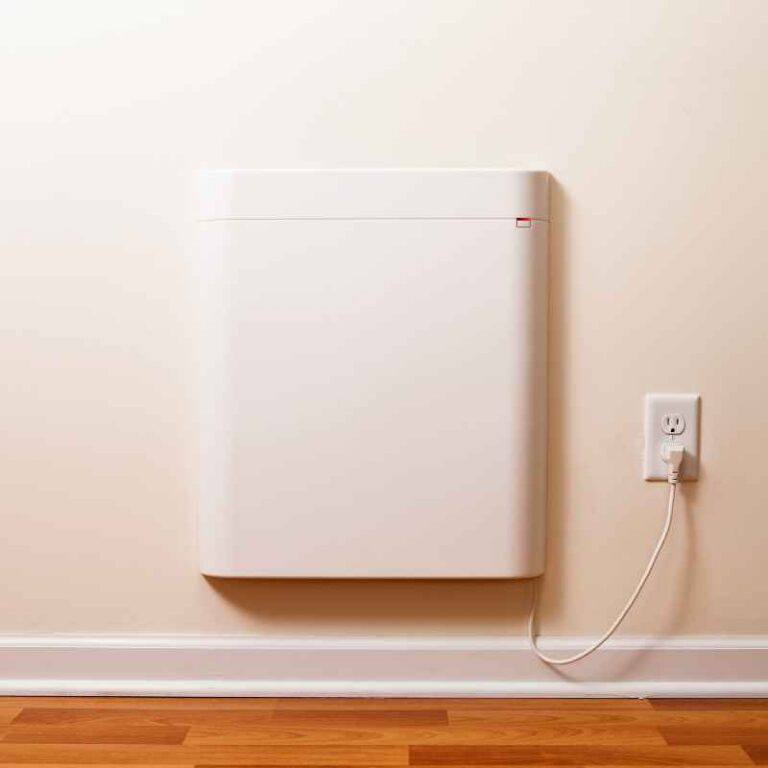
I was hesitant about installing a wall heater. I pictured a big, ugly box. But I found a sleek, low-profile model online.
It wasn’t very expensive. I decided to give it a try. The installation was surprisingly easy.
I hired a handyman, and he had it mounted and wired up in less than an hour.
The first time I turned it on, I was amazed. Within about twenty minutes, the room went from a chilly 55 degrees to a comfortable 70 degrees. The heater was quiet, too.
I could set the thermostat, and it would just click on and off gently. I started using the sunroom regularly again. I wasn’t dreading going in there.
The best part was looking at my electricity bill. It only went up a little bit, not the huge jump I expected. It felt like I was only paying for the heat I was actually using in that one room.
Before, I used to try and force the main furnace to heat that room. It would run for hours, blowing hot air that quickly disappeared. This wall heater was so much smarter.
It learned that lesson for me: heat only where and when you need it. It saved me money and made a part of my house much more livable.
Types of Small Electric Wall Heaters and Their Efficiency
There are a few main kinds of small electric wall heaters. Each has its own way of heating and its own efficiency story.
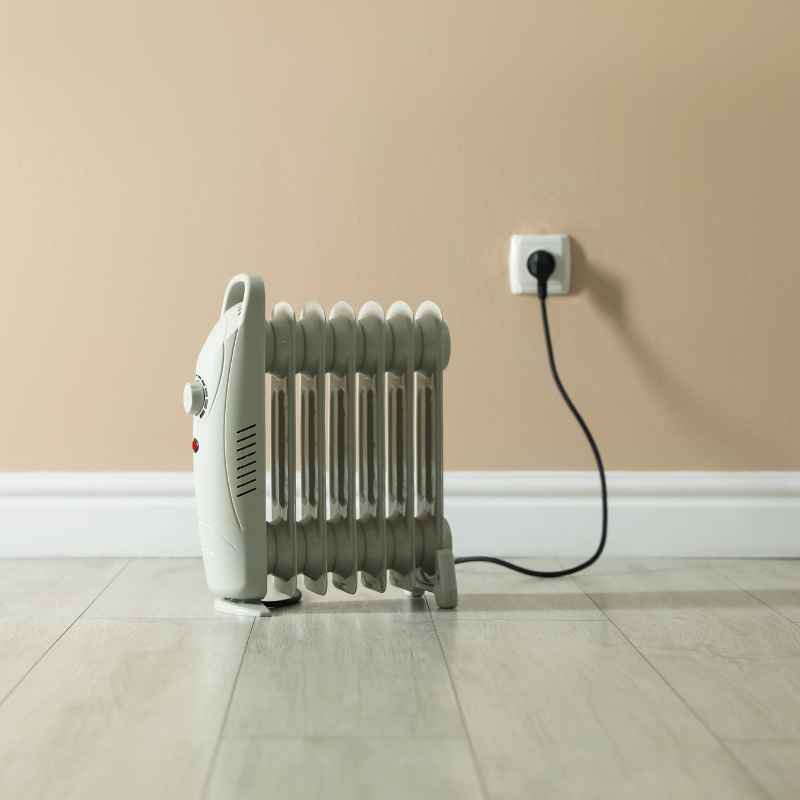
Convection Heaters: These are very common. They pull in cool air from the room. They heat it up over a heating element.
Then, they release the warm air back into the room. This warm air rises and circulates. It gently warms the entire space.
They are good for maintaining a steady temperature. They usually have a thermostat. They are generally quite efficient for their size because they don’t require a fan to push air very far.
The convection process itself moves the air.
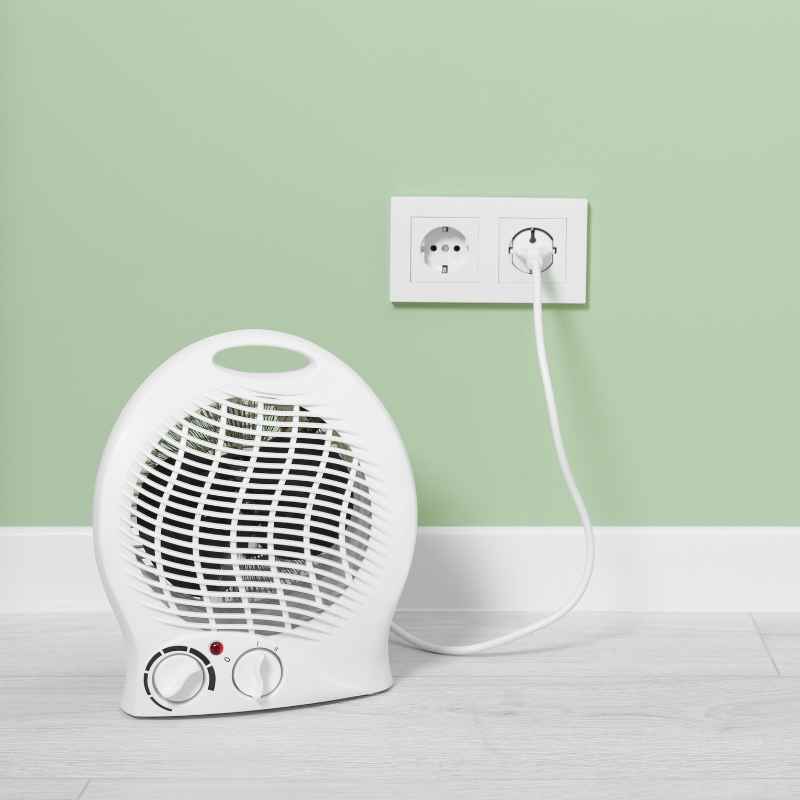
Fan-Forced Heaters: These are similar to convection heaters. But they use a fan to blow the heated air out more forcefully. This means they can heat a space faster.
The fan does use a little extra electricity. However, the faster heating time can sometimes lead to overall energy savings. You use it for a shorter period.
Many modern fan-forced heaters are designed to be very quiet. They also have good controls to prevent overheating.
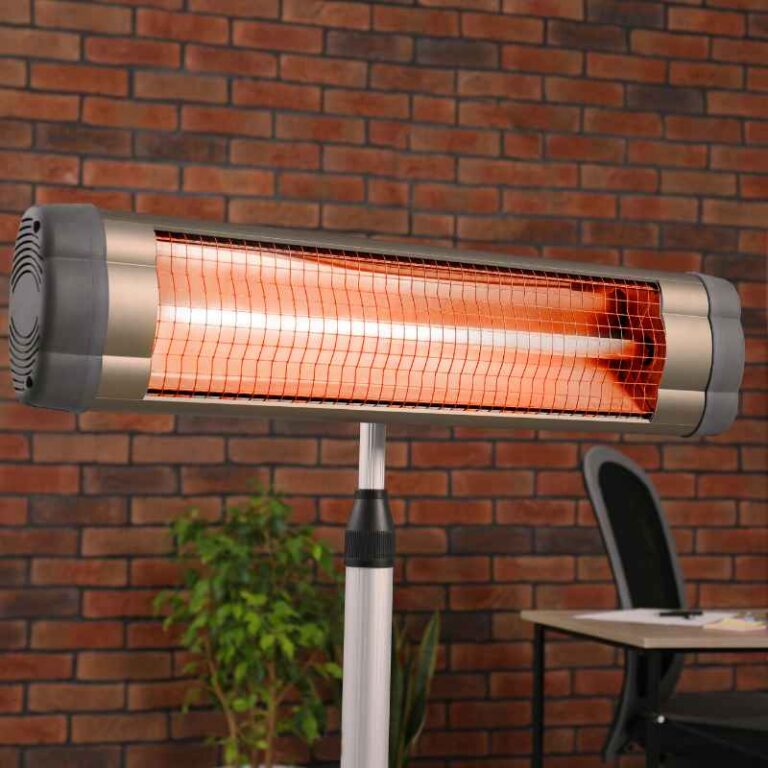
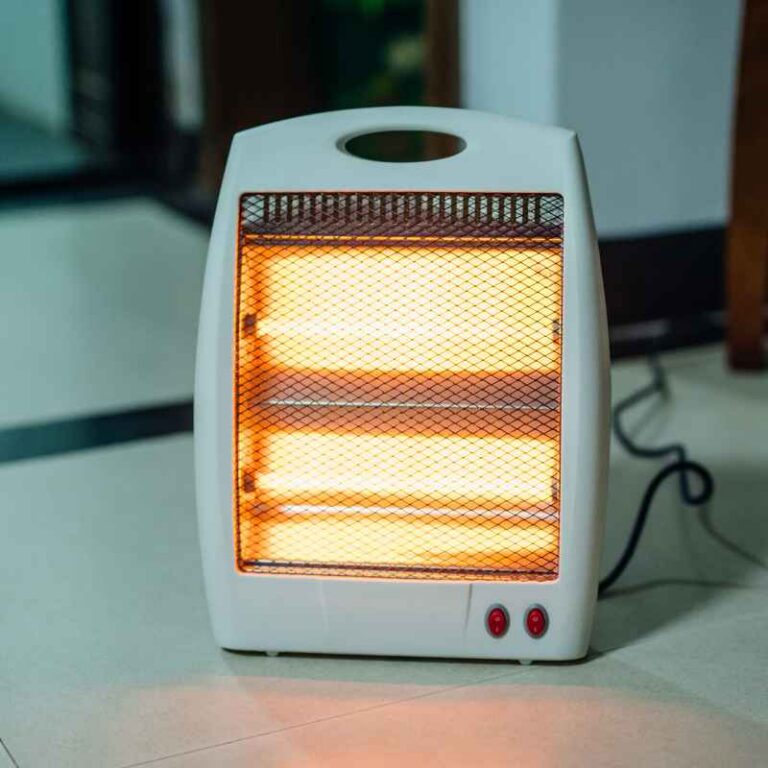
Infrared Heaters: These heaters give off radiant heat. Think of the sun or a campfire. They emit infrared waves.
These waves heat objects and people directly in their path. They don’t rely on heating the air first. This can make you feel warm very quickly.
They are extremely efficient for spot heating. If you just need to warm yourself while sitting in a chair, an infrared heater is perfect. It warms you, not the whole room.
This saves a lot of energy if the room is large or poorly insulated. They often have a lower wattage, meaning they use less electricity overall.
Ceramic Heaters: Many small ceramic heaters fall into the fan-forced category. They use a ceramic element to heat the air. Ceramic heats up quickly and retains heat well.
This can make them very responsive. They are efficient because the ceramic material is a good conductor of heat. It transfers the heat to the air quickly.
The fan then distributes it. Like other fan-forced types, they can heat a space rapidly.
Quick Scan: Heater Types
| Type | Heating Method | Best For | Efficiency Note |
| Convection | Warms air, circulates it | Steady, even room warmth | Good for small spaces, uses natural air movement |
| Fan-Forced | Heats air, fan blows it out | Faster heating, whole room | Heats fast, fan uses some power but for less time |
| Infrared (Radiant) | Emits heat waves to objects/people | Spot heating, feeling warm quickly | Very efficient for personal warmth, less for room air |
| Ceramic (often Fan-Forced) | Heats air via ceramic element, fan blows | Quick room warming, responsive heat | Ceramic retains heat well, heats air efficiently |
Real-World Context: When Small Heaters Shine Brightest
Where do these little heaters really prove their worth? It’s all about matching the tool to the job. They are perfect for specific situations where a whole-house system is either too much or not practical.
Small Rooms: This is their bread and butter. Think bathrooms, home offices, walk-in closets, guest rooms, or small dens. These spaces don’t need a massive amount of heat.
Using a small heater means you’re not taxing your main system to push hot air into these areas unnecessarily. It’s like using a small fan in a small room instead of a huge industrial one.
Supplemental Heat: Many homes have areas that are naturally colder. This could be due to poor insulation, being on the north side of the house, or being further from the furnace. A small wall heater can provide that extra boost of warmth right where it’s needed.
This stops you from having to turn up the thermostat for the entire house, which wastes energy in the warmer parts.
During Mild Weather: On days when it’s not cold enough to run the main furnace, but you still feel a chill, a small heater is ideal. You can turn it on for just an hour or two in the room you’re using. Your main furnace might cycle on and off frequently on these days, which isn’t always the most efficient operation.
A small electric heater is designed for this kind of intermittent use.
For Specific Activities: If you have a hobby that requires you to be in a specific part of the house for a short time, like a crafting area in the garage, a small heater can be a lifesaver. You can set it up to warm that spot while you’re working, and then turn it off. No need to heat the entire garage.
Rental Properties or Guest Spaces: Landlords often find small, efficient heaters a good option for guest rooms or small apartments. They offer localized control and can be more cost-effective for tenants to use for short periods.
The key is understanding your home’s layout and how you use different spaces. If a particular room feels consistently cooler or you only use it occasionally, a small electric wall heater is a smart and efficient solution.
What This Means for Your Home: Smart Heating Choices
So, what’s the takeaway for you and your home? It’s about making informed choices. These small heaters aren’t a replacement for your main heating system in most cases.
But they are incredibly useful tools for specific jobs. They allow for more precise control over your home’s comfort and your energy bills.
When it’s normal: It’s perfectly normal to use a small electric wall heater to warm up a small bathroom before you shower, or to make your home office cozy while you work. It’s also normal to use one to take the chill off a basement room on a cold evening.
When to worry (or rethink): If you find yourself needing to run a small heater constantly in a room that’s still cold, that might mean the room has a bigger insulation problem. Or perhaps the heater isn’t powerful enough for the space. If your main heating system is struggling to keep other parts of your home warm, adding a small heater won’t fix that underlying issue.
It’s more of a band-aid. You might need to look at your overall insulation or the efficiency of your main furnace.
Simple checks: Before relying on a small heater, check the room’s windows and doors. Are they sealed properly? Is there enough insulation in the walls or ceiling?
A heater can only do so much if the heat is constantly escaping. Also, make sure the heater is the right size for the room. A heater that’s too small will run constantly and struggle.
One that’s too big will cycle on and off too much, which isn’t always efficient.
Understanding where your heat is going is the first step. Then, you can use these small, efficient heaters strategically. They can make a big difference in comfort and cost for specific areas of your home.
It’s all about smart, targeted heating.
Smart Home Heating Checklist
1. Identify Cold Spots: Which rooms are always colder?
2. Assess Usage: How often do you use these rooms?
3. Check Insulation: Are windows and doors sealed well? Is insulation adequate?
4. Size It Right: Does the heater match the room size?
5. Control It Wisely: Use thermostats and timers effectively.
Quick Tips for Maximum Heater Efficiency
Even the most efficient heater can be made better with a few smart habits. It’s like having a great tool but not knowing how to use it to its full potential. Here are some easy tips to get the most out of your small electric wall heater.
1. Seal Air Leaks: This is number one. Weatherstrip doors and windows.
Caulk gaps around pipes or vents. A heater can’t warm a room if the warm air is escaping. This is one of the biggest drains on any heating system.
2. Use Thermostats Wisely: Most modern heaters have them. Set them to the lowest comfortable temperature.
Don’t blast it. You can always raise it a degree or two if needed. Turning it down when you leave the room, even for a short while, saves energy.
3. Programmable Timers are Your Friend: If your heater doesn’t have a built-in timer, consider an external plug-in timer. Set it to turn the heater on about 15-20 minutes before you plan to use the room.
Then, set it to turn off after you’re done. This prevents it from running all day.
4. Keep Vents Clear: Make sure nothing is blocking the heater’s vents. Air needs to flow freely over the heating element.
If it’s blocked, it can’t heat the room efficiently. It also becomes a safety hazard.
5. Close Doors and Shutters: Keep the door to the room you are heating closed. If you have shutters or blinds on windows, close them at night.
This helps trap the heat inside the room.
6. Regular Cleaning: Dust can build up on the heating element and fan. This can make the heater work harder.
Gently clean it according to the manufacturer’s instructions. Usually, a soft brush or vacuum attachment works well.
7. Understand Wattage: Small electric heaters typically range from 750 to 1500 watts. A higher wattage means more heat, but also more energy use per hour.
Match the heater’s wattage to the room size. Don’t use a high-wattage heater in a tiny space if a lower one will do the job.
8. Consider Zone Heating: Only heat the room you are in. If you’re watching TV in the living room, use a heater there.
Don’t heat the whole house. This is the core benefit of these smaller units.
By following these simple steps, you can ensure your small electric wall heater is working as hard and as efficiently as possible. It’s all about maximizing comfort while minimizing energy waste.
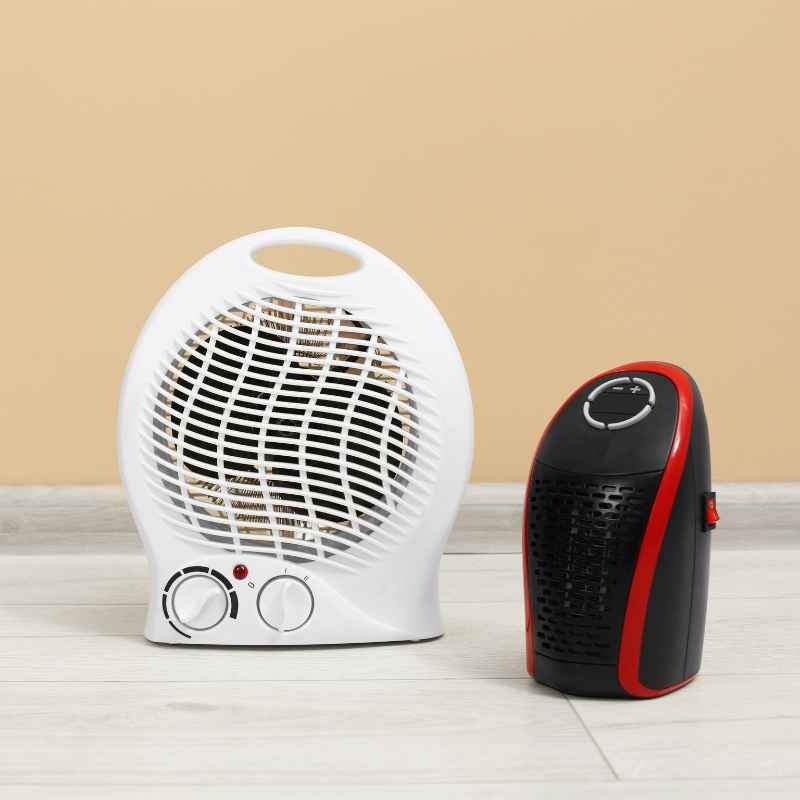
Frequently Asked Questions About Small Electric Wall Heaters
Are small electric wall heaters safe for bathrooms?
Many small electric wall heaters are designed for bathroom use. Look for models specifically rated for damp or wet locations. These heaters will have extra safety features.
They often include overheat protection and a cool-touch exterior. Always follow the manufacturer’s safety guidelines carefully. Never let the heater come into direct contact with water.
How many watts does a small electric wall heater use?
Most small electric wall heaters range from 750 watts to 1500 watts. A 750-watt heater uses less electricity than a 1500-watt heater. The higher wattage typically provides more heat.
The exact amount of energy used depends on how long the heater is running and its thermostat setting. Always check the wattage on the unit or its packaging.
Can a small electric wall heater heat an entire room?
Yes, a small electric wall heater can effectively heat an entire room if the room is the right size for the heater’s wattage. For larger rooms, it might take longer to heat up. It may also struggle to maintain the desired temperature on very cold days.
They are best suited for small to medium-sized rooms.
What is the difference between radiant and convection small heaters?
Radiant heaters, like infrared, emit heat waves that warm objects and people directly. They provide warmth quickly in a targeted area. Convection heaters warm the air and then circulate it.
This heats the entire room more evenly over time. Radiant heat is good for spot heating, while convection is better for overall room temperature.
Do small electric heaters cost a lot to run?
The cost depends on the heater’s wattage, how long it runs, and your local electricity rates. Since they are efficient for small spaces, they can be cheaper to run than trying to heat a large area with a central system. They are most cost-effective when used for supplemental heat or in unoccupied rooms.
How do I choose the right size electric wall heater for my room?
A general rule of thumb is to use about 10 watts per square foot for basic heating. For better insulation, you might need slightly less. For example, a 100-square-foot room would need around 1000 watts.
Check the heater’s specifications for the recommended room size. It’s better to have a heater that can handle the job comfortably than one that struggles.
The Bottom Line: Smart Comfort, Smart Savings
Small electric wall heaters offer a practical and often energy-efficient way to manage heat. They excel at targeted heating for specific spaces. This approach cuts down on wasted energy.
By understanding how they work and using them wisely, you can enjoy comfortable rooms without an overly high energy bill. They are a valuable addition to any home’s heating strategy.
Sponsored / affiliate links. As an Amazon Associate I earn from qualifying purchases. I may earn additional commission from eligible campaigns.