When Were Mid-Century Nutone Wall Mount Heaters Made?
Mid-century NuTone wall mount heaters were primarily produced from the late 1950s through the 1970s. NuTone’s peak popularity for these specific models coincided with a boom in home renovation and new construction. They were designed to offer supplemental heat in various rooms. Many units still in use today fall within this general timeframe.
Understanding Mid-Century NuTone Wall Mount Heaters
NuTone was a well-known brand for home building products. They made many things for houses. This included doorbells, ventilation fans, and, of course, heaters. Wall mount heaters were popular in mid-century homes. People liked them because they could add heat where it was needed most. Think of a chilly bathroom or a basement workshop. These heaters were a neat solution. They often came in white or off-white metal casings. Some had cool, retro grilles on the front. They were designed to be practical and fit into the home’s decor of the time.
The “mid-century” period generally refers to the years between the 1940s and 1960s. However, NuTone’s production of these specific wall heaters extended a bit beyond that. The 1970s were also a time when these models were common. They were part of the post-war building boom. Many new houses were being built. Builders often included these handy heaters in their designs. They were an upgrade that added comfort to homes. Even today, you can find them in older houses. They sometimes still work! That’s a testament to how well they were built.
NuTone’s Home Integration
NuTone’s goal was to make homes more comfortable and functional. They integrated many products into the home’s structure. Wall heaters were one example. They weren’t just standalone appliances. They were often built into the wall. This made them look neater. It also meant they were less likely to be bumped or moved. This design choice was a hallmark of mid-century home innovation.
Why do people still care about these old heaters? Well, they represent a different era of manufacturing. Many were built with durable materials. They often had simple, robust mechanisms. This meant they could last for decades. Also, they have a certain vintage charm. They remind people of a specific time in home design. For collectors or renovators working on a mid-century home, these heaters can be a perfect fit. They add an authentic touch. They’re also functional pieces of history.
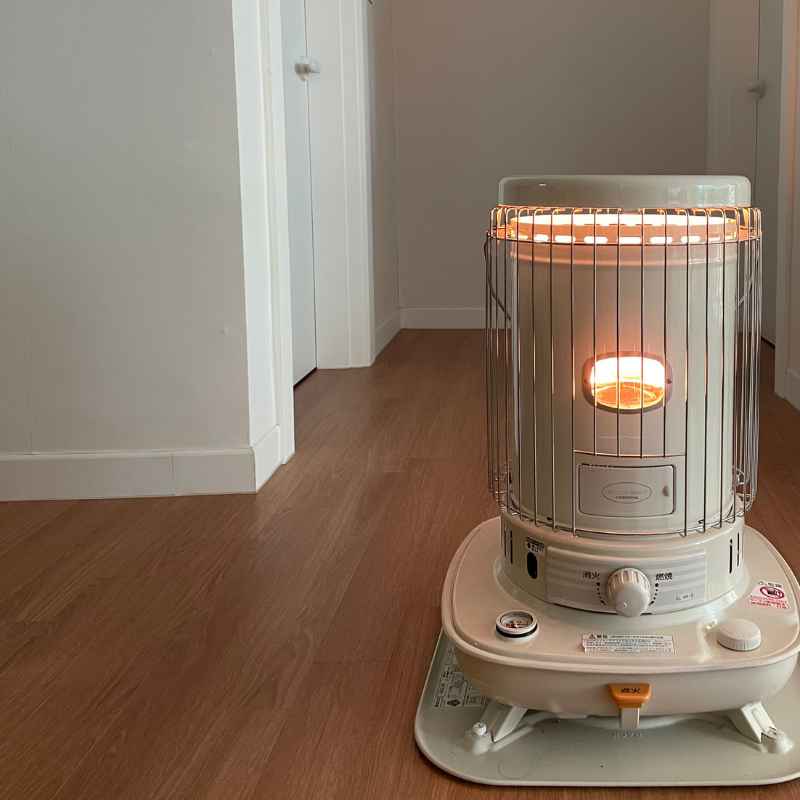
My Own Encounter with a Vintage NuTone Heater
I remember one time, I was helping a friend renovate an old house in Ohio. It was built in the late 1960s. We were clearing out a small upstairs bathroom. It was tiny, barely big enough for a toilet and a small sink. Tucked up high on the wall, near the ceiling, was a white metal box. It had a simple grille. I looked at it and knew it was a heater. My friend asked if we should rip it out. I said, “Hold on a sec.”
Curiosity got the better of me. I carefully checked the cover. There was no model number I could easily see. But the style felt very familiar. It had that classic, no-nonsense look. The grille was slightly dusty. The metal casing was a bit yellowed with age. It wasn’t fancy, but it felt solid. I touched the grille, and it was cool to the touch, of course. I remember thinking about how many mornings it had probably warmed up that small room.
Later, after we had cleaned up the bathroom and were painting, I found a faded label on the side. It wasn’t super clear, but I could make out “NuTone.” That clicked. NuTone made so many things for homes. I did some quick searching on my phone right there. I found pictures that looked exactly like the one in the bathroom. People were talking about how they were made to last. Some were still working after 50 years. It was pretty amazing to think about. We ended up keeping it. We cleaned it up and made sure it was safe. It was a cool piece of the house’s history. It also still worked, which was a bonus!
Key Production Periods for NuTone Wall Heaters
To get a better idea of when your specific NuTone wall mount heater was made, it helps to know the general production timelines. NuTone was very active during a few key decades. Their wall heaters were part of this output. The most common period for these models is widely considered to be from the late 1950s to the early 1970s. This was a time of significant home building and modernization in the United States.
During the 1950s, there was a huge surge in new homes being built. Many of these homes were designed with modern features. Supplemental heating was a desirable feature. NuTone offered a sleek, built-in solution. The heaters from this era often have very simple designs. The grilles might be plain metal or have a simple perforated pattern.
The 1960s Boom
The 1960s saw continued growth in home construction. NuTone continued to produce its wall heaters. Styles might have evolved slightly. You might see different grille designs or casing finishes. Some models from the late 60s might start to show hints of the bolder styles that came later. However, the core function remained the same: providing targeted heat.
By the 1970s, NuTone was still making these heaters. The overall popularity of these units might have started to wane a bit as other heating technologies improved. However, many units installed in the 60s would still be in use. And NuTone continued to offer them. Heaters from the early to mid-70s might have slightly different internal components. Sometimes, the exterior design would also see minor updates.
It’s important to note that NuTone as a company has changed hands over the years. The original NuTone company was acquired. This means that production might have shifted or ended for certain product lines. However, the models that are still found in homes are almost certainly from the peak production years. These are the models that were installed when houses were new or during major renovations in that mid-century timeframe.
How to Identify Your NuTone Heater’s Age
Pinpointing the exact year can be tricky. There isn’t always a clear date stamp. But there are several clues you can look for. These clues can help you narrow down the production window considerably. Think of it like being a detective for your home’s history. Every little detail can help tell the story.
First, try to find a model number. This is the most important clue. Look on the unit itself. Often, there’s a label on the side, the back, or inside the grille. You might have to carefully take off the front cover. Be gentle if you do this. Once you have a model number, you can search online. Websites dedicated to vintage appliances or NuTone parts can be very helpful. They sometimes list the years a specific model was made.
The Power of the Label
Sometimes, the label might have a manufacturing date code. This is rare but possible. It could be a series of numbers or letters. If you find one, try to research what it means. This is the most direct way to know its age. Even without a date, the model number is your best friend.
Next, look at the design and style. This is more subjective but still useful. Does it have a very simple, almost utilitarian look? This often points to earlier models, perhaps from the late 1950s or early 1960s. Are there any more decorative elements, like a slightly more complex grille pattern or different color options? This might suggest a later model from the late 1960s or early 1970s.
Consider the location and context where you found it. Was the house built in the late 1950s? It’s highly likely the heater installed then is from around that time. Was it part of a remodel in the 1970s? The heater could be from that period. Home renovation trends often followed manufacturing trends. If the house itself was built or significantly updated within the prime NuTone production years, the heater likely dates from then.
Sometimes, the color can give a hint. Early models were often stark white. As time went on, finishes might have changed slightly. Off-white or even a very light beige could indicate a later model. However, paint or discoloration over time can make this hard to judge accurately. Always rely on model numbers first.
Common NuTone Model Numbers and Their Eras
While I can’t provide an exhaustive list of every single model number and its exact year, certain series or numbers are commonly associated with specific decades. This is based on information from collectors, repair forums, and vintage appliance resources. If you see a heater that looks like it’s from the mid-century, it probably is.
Many NuTone wall heaters from the late 1950s and 1960s might have model numbers that are simpler. They often start with letters like “H” for heater, followed by numbers. For example, you might see something like H-100 or H-200 series. These were often basic fan-forced heaters. They were designed to deliver quick bursts of heat.
Design Evolution Hints
Units with slightly more complex grille designs or perhaps integrated light features might lean towards the late 1960s and early 1970s. NuTone also made models that were part of a larger system, like a bathroom package. These might have different numbering schemes. Keep an eye out for any mention of “radiant,” “blower,” or “ductless” in the model description if you find one.
One common type of NuTone heater had a red pilot light indicator. This feature was popular in models from the 1960s. These often had a simple thermostat dial on the side. The overall casing was typically durable metal. If your heater has these characteristics, it’s very likely from the 1960s or early 1970s.
Some resources suggest that models with numbers like 80-series or 90-series might also fall into this mid-century production window. However, without a specific model number from your unit, this is just a general guide. The best approach is always to try and find that number directly on the appliance. A quick internet search with “NuTone heater ” should bring up relevant information.
The Technology and Features of Mid-Century NuTone Heaters
These NuTone wall heaters were marvels of their time, though their technology seems simple now. They were primarily designed for supplemental heat. This means they weren’t meant to be the sole source of warmth for a whole house. They were for those specific rooms that needed an extra boost on a cold day. This is why they were so popular in bathrooms, kitchens, or basements.
Most of these heaters used a fan-forced or radiant heating element. The fan-forced models would draw in cooler air. They’d pass it over a heating coil. Then, they’d blow the warmed air out into the room. This created a quick warming effect. It was efficient for smaller spaces.
Radiant Heat Models
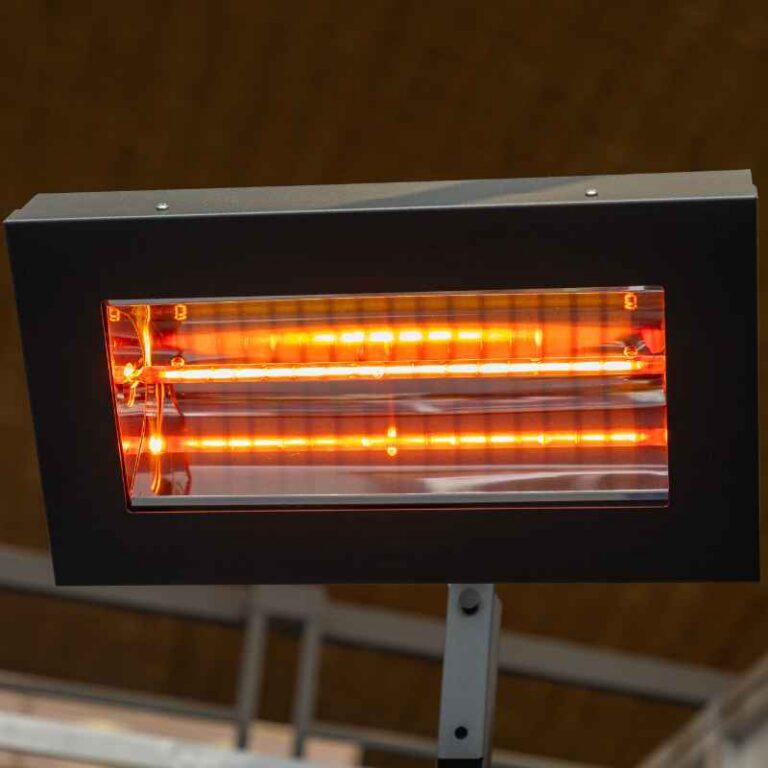
Radiant models worked a bit differently. They had an element that glowed red hot. This element emitted heat waves. These waves then warmed objects and people directly in their path. This felt like a comforting warmth, like standing near a fire. These were often chosen for bathrooms where you wanted to feel warm immediately upon stepping out of a shower.
Control was usually simple. Many had a basic thermostat. You’d turn a dial to set your desired temperature. Others might have just had an on/off switch. Some more advanced models even had a timer. This allowed you to set them to turn off automatically after a certain period. This was a handy feature for safety and energy saving.
The materials used were typically metal for the casing and heating elements. These were chosen for durability and heat resistance. The grilles were often made of stamped steel or aluminum. They were designed to be protective but allow heat to escape freely. The overall build quality of these mid-century units is often why they last so long.
Safety and Maintenance of Vintage NuTone Heaters
While these heaters are often built like tanks, safety is paramount. If you have a working NuTone wall heater from the mid-century, it’s essential to be aware of potential issues. Many of these units are decades old. They may have components that have degraded over time.
The most important step is to have any vintage heater inspected by a qualified electrician. They can check the wiring for damage or wear. They can also ensure the thermostat and safety cut-offs are working correctly. Old wiring can be a fire hazard. This is true for any vintage electrical appliance.
Keeping it Clean
Regular cleaning is also key. Dust and debris can build up on the heating elements and fan. This can make the heater less efficient. It can also be a fire risk if debris ignites. Turn off the power at the breaker box before cleaning. Then, use a vacuum with a brush attachment to gently clean the grille and interior components. A soft brush can help dislodge stubborn dust.
Another safety concern is airflow. Ensure that nothing is blocking the heater’s grille. Curtains, towels, or furniture too close can restrict airflow. This can cause the unit to overheat. Always follow the manufacturer’s recommendations for clearance. If you don’t have them, err on the side of caution and keep a generous space around the heater.
If the heater makes unusual noises, like grinding or buzzing, or if it smells strange, turn it off immediately. These are signs that something is wrong. Continuing to use it could be dangerous. For older units,
The Enduring Appeal of Mid-Century Home Products
Why do we often feel drawn to products from the mid-century? It’s more than just nostalgia. There’s a tangible quality to many of these items. They were often made with more robust materials. Production processes sometimes focused on longevity over planned obsolescence. This was a time when things were perhaps built to last longer.
The design also plays a role. Mid-century modern design is known for its clean lines, functional forms, and often, a sense of optimism. These NuTone heaters, with their simple, unadorned casings and practical grilles, fit perfectly into this aesthetic. They weren’t trying to be flashy. They were designed to be useful and blend in.
A Connection to the Past
For people restoring a mid-century home, authentic details are important. Using original fixtures, or items that look like they could be original, adds to the home’s character. A working NuTone heater, even if just for show or occasional use, can be a wonderful touch. It connects the present-day homeowner to the people who lived there before.
There’s also a practical aspect. Many of these old heaters, when maintained, still perform their function reasonably well. While they might not be as energy-efficient as modern units, they provide that specific, targeted warmth that made them popular in the first place. They serve a purpose beyond just being an old appliance.
The fact that these units are still around and sometimes working is a testament to their original design and manufacturing. They represent a period when home building focused on creating comfortable, functional, and lasting spaces. And for those who appreciate that era, these heaters are valuable pieces of history.
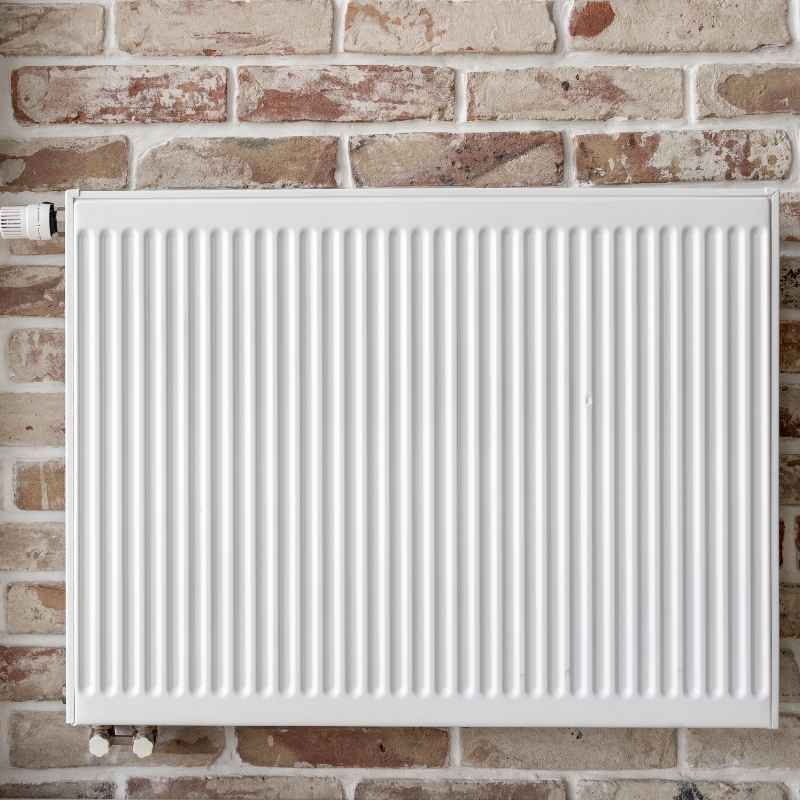
When is it Time to Let Go of a Vintage Heater?
While it’s tempting to keep every piece of home history, there comes a time when a vintage heater might be beyond its useful or safe life. Understanding these signs is crucial for your home’s safety and efficiency.
Safety concerns are the number one reason to
Efficiency Matters
Vintage heaters are generally not very energy-efficient. They may use more electricity to produce less heat compared to modern units. If you’re relying on it for warmth, it could be costing you more in the long run. Newer models offer better insulation and more precise temperature control.
Unusual noises or smells are also red flags. A grinding fan motor, a buzzing sound from the element, or any burning smell means something is likely wrong. These are clear indicators that the unit is struggling and could be a safety risk.
If parts are unavailable or prohibitively expensive to repair, sometimes the cost of keeping an old unit running outweighs the benefits. For very rare or historically significant models, restoration might be an option. But for most, focusing on safety and modern efficiency makes sense.
Frequently Asked Questions about NuTone Wall Heaters
Are NuTone wall heaters safe to use?
Are NuTone wall heaters safe to use?
Using a vintage NuTone wall heater requires caution. It’s essential to have it inspected by a qualified electrician to ensure wiring and components are safe. Regular maintenance and ensuring proper airflow are also critical for safe operation. If any signs of damage or malfunction appear, discontinue use immediately.
Where can I find replacement parts for an old NuTone heater?
Where can I find replacement parts for an old NuTone heater?
Finding parts for vintage NuTone heaters can be challenging. You might have luck on online marketplaces like eBay, where people sell salvaged parts. Specialized vintage appliance forums or repair shops that focus on older homes might also be sources. Sometimes, a skilled electrician can adapt modern parts if original ones are unavailable.
What is the typical wattage of a mid-century NuTone wall heater?
What is the typical wattage of a mid-century NuTone wall heater?
Mid-century NuTone wall heaters often ranged from 1000 to 1500 watts. Some larger models might have been rated higher. This wattage is important to know when checking your home’s electrical panel capacity, as multiple high-wattage appliances running at once can trip a breaker.
How can I tell if my NuTone heater is from the 1960s?
How can I tell if my NuTone heater is from the 1960s?
To determine if your NuTone heater is from the 1960s, look for a model number on the unit and research it online. Designs from this era are typically simple and functional, often with basic grilles. A red indicator light was also common on 1960s models. The overall style and the home’s construction date can also provide clues.
Are these old heaters energy efficient?
Are these old heaters energy efficient?
No, mid-century NuTone wall heaters are generally not considered energy efficient by modern standards. They were designed for supplemental heat during an era when energy costs were different. Newer heating technologies offer much better efficiency and performance for the amount of energy consumed.
Can I paint a vintage NuTone heater?
Can I paint a vintage NuTone heater?
Yes, you can paint a vintage NuTone heater, but it requires care. Ensure the unit is disconnected from power. Clean the surface thoroughly to remove grease and dust. Use a high-heat spray paint designed for metal or appliances. Avoid painting the grille openings excessively, as this can impede airflow and heat dissipation.
Conclusion: The Lasting Legacy of NuTone Heaters
Figuring out when your NuTone wall mount heater was made involves looking at its design and finding any model numbers. Most of these robust units hail from the late 1950s through the 1970s. They represent a practical approach to home comfort during a period of significant growth. Their durability is a testament to the quality of their construction. While they may not be the most efficient by today’s standards, they hold a special place in the history of home building.
Whether you’re restoring an old home or just curious about the appliances within it, understanding the era of your NuTone heater adds a layer of appreciation. Just remember to prioritize safety if you plan to use them. They are more than just heaters; they are pieces of mid-century American home life.
Sponsored / affiliate links. As an Amazon Associate I earn from qualifying purchases. I may earn additional commission from eligible campaigns.