How Much Space Should Be Behind A Propane Wall Heater?
So, you’ve got a propane wall heater, and you’re wondering about the space behind it. It’s a really common question, and for good reason! Safety is always the top priority when it comes to heating your home, especially with gas appliances.
You want to make sure everything is set up just right.
This might seem like a small detail, but it has a big impact on how well your heater works and how safe your home stays. Too little space can cause problems. Too much might not be efficient.
We’ll break down exactly what you need to know. You’ll learn about the right distances, why they matter, and what to watch out for.
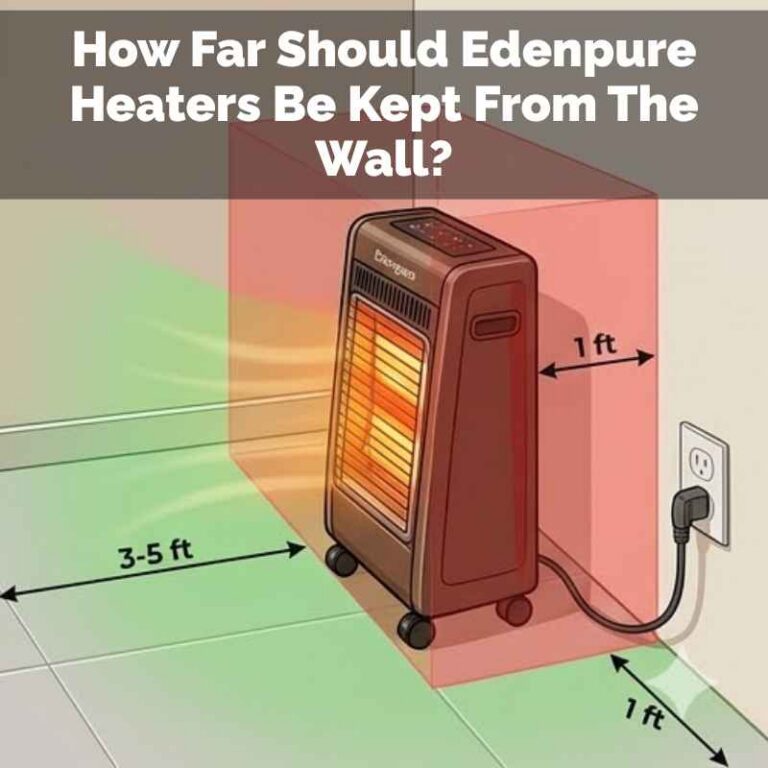
Proper clearance behind a propane wall heater is crucial for safe operation and efficient heating. It ensures adequate ventilation, prevents heat damage to surrounding materials, and maintains optimal airflow for the unit. Always follow manufacturer guidelines and local building codes for specific measurements.
Understanding Propane Wall Heater Clearances
Propane wall heaters are fantastic for warming up specific rooms. They bring warmth right where you need it. But, like any heat-producing appliance, they need space around them.
This space is called a clearance. It’s there for several really important reasons.
Think of it like giving the heater room to breathe. The space behind the heater is vital for airflow. It helps the unit work its best.
It also stops heat from building up where it shouldn’t. This keeps your walls and other things safe from getting too hot. We need to talk about two main types of clearances.
There’s clearance to combustibles. This means materials like wood, drywall, or fabric. Then there’s clearance for ventilation.
This helps fresh air get in and used air get out. Both are super important for your heater’s job. And for your peace of mind.
My Own Close Call with Heater Space
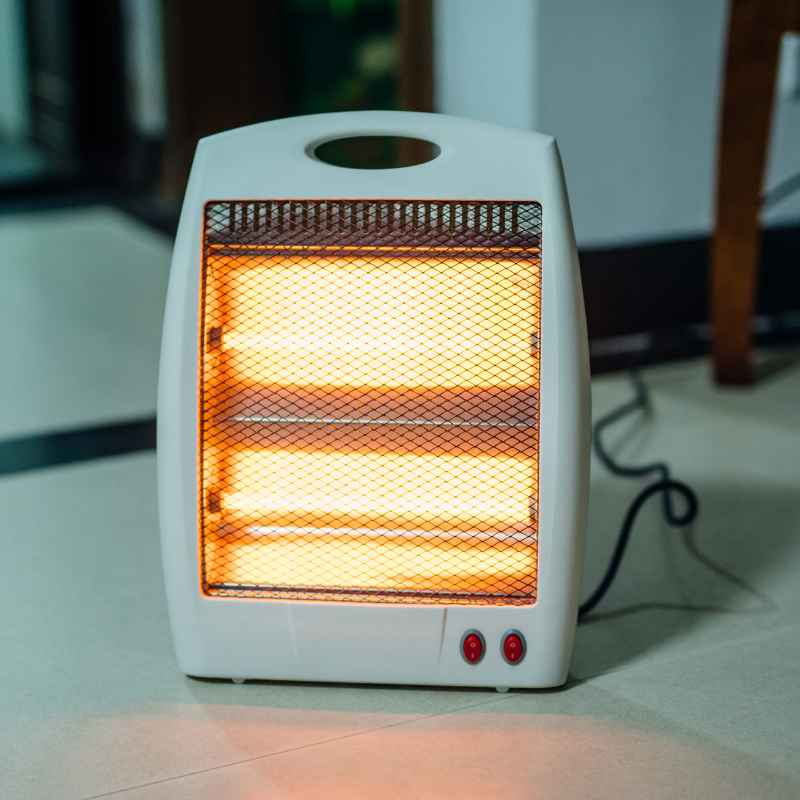
I remember one chilly autumn evening a few years back. My old house had a rather cranky propane wall heater in the living room. It was one of those older models.
It worked, but it wasn’t the most efficient. I was trying to get it running better before winter really hit.
I noticed it seemed to be working harder than usual. It was also making a bit of a strange, low hum. My first thought was it just needed a good cleaning.
So, I grabbed my tools and a vacuum. I started wiping down the outside. Then I decided to just nudge it slightly away from the wall to dust the back.
That’s when I saw it. The wall behind the heater was darker than the rest. It felt warm, even though the heater hadn’t been on for long.
My stomach dropped. I realized I had been ignoring this for a while. The heater had been too close to the wall.
I was lucky it wasn’t worse. It made me so scared. I immediately pulled the heater out further.
I checked the wall closely. Thankfully, there was no scorch mark or fire. But it was a huge wake-up call.
From that day on, I’ve been super careful about heater clearances.
Heater Clearance Essentials
Why it matters:
- Safety: Prevents fires by keeping heat away from flammable materials.
- Efficiency: Allows proper airflow for the heater to work at its best.
- Longevity: Reduces strain on the heater and surrounding structures.
The ‘Why’ Behind the Space: Heat and Airflow
So, why exactly do these heaters need space behind them? It all comes down to two main things: heat management and airflow. Propane heaters create a lot of heat.
This heat needs to go somewhere. It’s supposed to warm your room, not your walls.
If the heater is too close to the wall, that heat can build up. This can damage the wall material over time. It might cause discoloration.
It could even weaken the structure. In very serious cases, it can lead to a fire. That’s the scariest thought, right?
Airflow is also a big deal. Most propane wall heaters need a certain amount of air. They use this air to help them burn fuel cleanly.
They also need air to help move the warm air into your room. If the space behind the heater is blocked, this airflow is cut off. The heater can’t get enough air.
This makes it work harder. It can also lead to incomplete burning. This can produce harmful gases like carbon monoxide.
Nobody wants that.
Clearance Types Explained
To Combustibles:
- This is the distance from the heater’s hot surfaces to anything that can burn.
- Think wood studs, insulation, drywall, curtains, furniture.
- Manufacturers provide specific numbers for this.
For Ventilation:
- This refers to the space needed for air to move freely.
- It helps the heater intake fresh air and expel exhaust.
- Blocked vents are a common problem.
What Do Manufacturers Say? The Golden Rules
The absolute best place to find the correct space needed behind your propane wall heater is its manual. Seriously, this is your number one source. Every heater model is a little different.
It has its own design and needs. The people who made it know it best.
Look for a section called “Installation,” “Clearances,” or “Specifications.” You’ll find numbers there. These numbers tell you how far the heater must be from walls, floors, and ceilings. They’ll often give measurements for the sides, top, and back.
Pay close attention to the “rear clearance” or “back clearance.”
For example, you might see something like “12 inches from combustible materials to the sides and top” and “6 inches from the back of the unit to the wall.” These are just examples. Your specific heater could need more or less space. Never guess.
Always read the manual.
If you can’t find the manual, don’t panic! You can usually find a PDF version online. Just search for your heater’s brand and model number.
If all else fails, contact the manufacturer directly. They can usually provide the information you need.
Finding Your Heater’s Manual
Steps to Follow:
- Check the original packaging or the heater itself for a model number.
- Search online using the brand and model number.
- Look for a “support” or “downloads” section on the manufacturer’s website.
- If you can’t find it, call the company’s customer service.
Local Codes and Professional Advice
Beyond the manufacturer’s instructions, there are local building codes. These are rules set by your city or county. They are in place to keep everyone safe.
Codes often cover heating installations. They might have specific requirements for clearances, ventilation, and safety features.
It’s a good idea to check with your local building department. You can usually find their website or contact information online. They can tell you if there are any special rules for installing propane heaters in your area.
Sometimes, permits are needed for this kind of work.
And here’s a big one: if you’re not 100% sure about any part of the installation or clearances, get professional help. A qualified HVAC technician or a licensed gas fitter knows these rules inside and out. They have the experience to do the job safely and correctly.
It’s better to pay a little extra for peace of mind than to risk a serious accident.
I’ve seen friends try to DIY big projects. Sometimes it works out. Other times, like with gas lines or complex wiring, it can go very wrong.
For propane heaters, it’s just not worth the risk. A pro will ensure everything is up to code and working perfectly.
When to Call a Pro
Signs you need expert help:
- You can’t find the heater’s manual.
- You’re unsure about the measurements.
- Your local codes seem complicated.
- You’ve never installed a gas appliance before.
- The heater seems to be malfunctioning after installation.
Common Clearance Scenarios and What They Mean
Let’s look at some common places you might install a propane wall heater. This will help you visualize the clearance needs. Understanding these scenarios makes the abstract numbers more real.
Scenario 1: Against a Drywall Interior Wall
This is probably the most common setup. Your heater is mounted on a standard interior wall. The space behind it needs to be clear of the wall’s studs, insulation, and the drywall itself.
The manual will tell you the exact distance required. This is usually to protect the drywall from excessive heat.
Scenario 2: Near Wood Trim or Molding
Sometimes, heaters are installed in older homes. They might be near wooden baseboards or decorative trim. These are combustibles.
You must ensure the required clearance is maintained from these materials. Don’t let the heat touch the wood.
Scenario 3: In a Closet or Alcove
Installing a heater in a small, enclosed space like a closet requires extra care. These spaces can trap heat easily. The manufacturer’s instructions for clearances will be extra important here.
You might also need to ensure good overall ventilation for the room itself.
Scenario 4: Next to Other Appliances or Furniture
While this is more about side clearances, it’s worth noting. You also need space around the heater. Don’t place a couch right next to it.
Or a tall bookshelf. Ensure there’s enough room for air to circulate around the entire unit. This affects how well it heats the room.
Clearance Contrast: Normal vs. Concerning
| Normal | Concerning |
| Heater is mounted with specified gap behind it. | Heater is directly touching the wall. |
| Air vents on the heater are unobstructed. | Items are placed too close to the heater’s sides or front. |
| Wall behind heater is clean and shows no signs of heat damage. | Wall shows discoloration, warping, or a feeling of excessive heat. |
Vent-Free vs. Vented Propane Heaters
It’s also important to know if your heater is vent-free or vented. This makes a difference in how it operates and its clearance needs.
Vent-Free Heaters: These are designed to release all their combustion byproducts directly into the room. They use a special type of burner that burns fuel very cleanly. Because they don’t have a vent, they are more susceptible to issues if not installed with the correct clearances.
The space behind them is critical for their operation and to ensure gases are dispersed safely. They often have lower clearance requirements to combustibles than vented models because they are designed to be safer in close proximity when installed correctly.
Vented Heaters: These heaters use a chimney or vent pipe to carry exhaust gases outside your home. This means they are less likely to have issues with fumes inside your living space. However, the venting system itself has its own clearance requirements.
The heater unit itself still needs space behind it, but the primary concern might shift to the safe installation of the vent pipe, which also needs to be kept away from combustible materials.
Always confirm which type you have. The installation instructions will be specific to each. A vent-free unit is not a substitute for a vented one if the installation calls for a vent.
They serve different purposes and have different safety considerations.
Vent-Free vs. Vented: Key Differences
Vent-Free:
- No vent pipe needed.
- Combustion byproducts released into the room.
- Requires careful clearance from combustibles.
- Often used for supplemental heating.
Vented:
- Requires a vent pipe to the outside.
- Combustion byproducts expelled safely outdoors.
- Venting system has its own clearance needs.
- Can be used as primary heat sources.
Measuring for Safety: Simple Steps
Measuring for the correct space is actually quite straightforward. You’ll need a tape measure. That’s pretty much it.
Step 1: Find the Manufacturer’s Specs
As we said, check your manual. Find the required clearance for the back of the unit. Let’s say it’s 6 inches.
Step 2: Identify the Heater’s Back Surface
This is usually the actual metal casing of the heater unit. It might be the back panel or the exhaust vents on the back. Your manual will clarify which part the measurement applies to.
Step 3: Measure from That Surface to the Wall
Place one end of your tape measure on the back surface of the heater. Extend it straight out to the wall. Make sure you’re measuring perpendicular to the wall.
Step 4: Ensure the Space is Clear
This measured space should be completely empty. No wires, no pipes, no insulation, and definitely no wooden studs touching the heater’s hot parts. If there are studs in the way, you might need to adjust the mounting location or build a protective shield, but only if the manual allows and codes permit.
Step 5: Double-Check Side and Top Clearances
While you’re at it, measure the space to the sides and above the heater. These are also critical. Make sure nothing is too close.
Remember, these measurements are often to “combustible materials.” If your wall has a non-combustible material like a metal heat shield directly behind the heater, the requirements might be different. This is where professional advice is invaluable.
Quick-Scan Measurement Guide
What you need:
- Tape Measure
- Heater Manual
Steps:
1. Read Manual: Find rear clearance spec (e.g., 6 inches).
2. Locate Heater Back: Identify the surface needing space.
3. Measure: Extend tape from heater back to wall.
4. Verify Space: Ensure it’s clear and meets the spec.
When is the Space Not Enough? Warning Signs
Sometimes, even with the best intentions, a heater might not have enough space. Or, the space might become blocked over time. It’s important to know the signs that something is wrong.
This way, you can catch a problem before it becomes dangerous.
Discoloration of the Wall: This is a classic sign. If the wall behind or around your heater starts to turn yellow, brown, or black, it’s getting too hot. This heat is damaging the paint or wallpaper.
It means the clearance is likely insufficient or the airflow is blocked.
Warping or Damage to Wall Materials: Look for any signs that the drywall is bending or cracking. Wood trim might start to warp. This indicates intense heat is affecting the structure of your wall.
Unusual Smells: If you smell burning plastic, paint, or even a strong “hot metal” smell, it’s a bad sign. This often means something is overheating. It could be the heater itself or materials too close to it.
The Heater Seems to Work Harder or Shut Off Often: If your heater is constantly running, or it keeps shutting off unexpectedly, it might be overheating. When a heater overheats, its safety mechanisms often kick in. This can cause it to shut down.
Insufficient space can lead to this.
Reduced Heating Performance: Ironically, sometimes a heater that’s too close can perform worse. This is because the restricted airflow prevents it from distributing heat effectively. It might blow less warm air.
Red Flags: Check Your Heater Space Immediately If
- You notice yellowing or browning on the wall behind the heater.
- The heater smells like burning plastic or hot metal.
- The heater cycles on and off more than usual.
- The wall material feels unusually warm to the touch when the heater is on.
Ensuring Proper Installation: A Checklist
Let’s put together a simple checklist to make sure your propane wall heater is installed correctly regarding space and clearances.
Checklist for Proper Heater Installation:
- Read the Manual: Have you thoroughly read and understood the manufacturer’s installation manual, especially the clearance requirements?
- Identify Combustibles: Do you know what materials are behind, beside, and above the heater?
- Measure Accurately: Have you measured the exact distance from the heater’s specified surfaces to all surrounding combustible materials?
- Meet or Exceed Specs: Does the installed space meet or exceed the minimum clearances listed in the manual?
- Ventilation is Clear: Are the heater’s air intake and exhaust vents completely unobstructed?
- Local Codes Checked: Have you verified that the installation complies with all local building and safety codes?
- Professional Review: If you had any doubts, did you consult a qualified HVAC professional or gas fitter?
- No Obstructions: Is the space behind the heater free of dust, debris, or anything that could block airflow?
- Regular Checks: Do you plan to periodically inspect the area around the heater for any new obstructions or signs of heat damage?
Going through this list helps ensure that you haven’t missed any critical steps. It covers both the manufacturer’s requirements and general safety practices.
What This Means for Your Home’s Safety
Understanding how much space to leave behind a propane wall heater isn’t just about following instructions. It’s about protecting your home and your family. Propane is a powerful fuel source.
When used correctly, it’s very safe and efficient. But like any fuel, it demands respect.
Insufficient clearance is a direct fire hazard. It can lead to slow-building heat damage that you might not notice until it’s too late. It can also compromise the heater’s performance.
This means you might not be getting the warmth you expect. It could also lead to the production of dangerous gases.
When the clearances are correct, your heater operates as intended. It burns fuel efficiently. It directs heat into your room.
And most importantly, it stays safely away from materials that could catch fire. This peace of mind is priceless.
Think of clearances as a safety net. They are designed to give you a buffer. Even if something unexpected happens, like a slight fluctuation in heat output, the clearance can prevent a disaster.
It’s a simple measure with profound safety implications.
Quick Fixes and Preventative Tips
If you’ve discovered your heater might be too close, or if you just want to be extra careful, here are some quick tips:
1. Clear the Area: Regularly check the space behind and around your heater. Remove any dust bunnies, stray items, or debris.
Make sure nothing has accidentally been placed too close.
2. Adjust Furniture: Be mindful of where you place furniture. Ensure that sofas, chairs, or storage units don’t encroach on the heater’s required side and front clearances.
3. Use Spacers if Needed (and Allowed): In some rare cases, and only if specifically permitted by the manufacturer’s manual and local codes, you might use non-combustible spacers to increase the gap. This is not a common solution and should be approached with extreme caution and professional guidance.
4. Consider a Heat Shield: If the wall material is combustible and you cannot achieve the required clearance, a non-combustible heat shield might be an option. Again, this must be done according to manufacturer specifications and local codes.
Consult a professional.
5. Annual Inspections: Schedule annual inspections of your heating system. A professional can check clearances, ventilation, and overall safety.
6. Educate Your Household: Make sure everyone in your home knows not to put things near the heater or block its vents.
Preventative Maintenance Tips
Focus Areas:
- Regular Cleaning: Keep the area around and behind the heater free of dust.
- Clearances: Visually check that no objects are too close.
- Ventilation: Ensure air intakes and exhausts are always open.
- Professional Check-ups: Schedule yearly inspections.
Frequently Asked Questions About Propane Heater Space
How much space is needed behind a typical propane wall heater?
The space needed varies by model, but common clearances for the back of a propane wall heater range from 3 inches to 12 inches from combustible materials. Always consult your heater’s installation manual for the exact specifications.
Can I put a metal heat shield behind my propane heater if the wall is too close?
Yes, in some cases, a non-combustible heat shield can be used if specified by the manufacturer and allowed by local codes. However, this is not a universal solution. Always check your manual and consult a professional before installing any shielding.
What happens if my propane heater is too close to the wall?
If a propane heater is too close to the wall, it can cause heat damage, discoloration, warping of wall materials, reduced efficiency, and, in severe cases, a fire hazard. It can also lead to the heater overheating and shutting down.
Are vent-free propane heaters safer if they are closer to the wall?
Vent-free heaters are designed with specific clearances for safe operation. While they may have lower clearance requirements to combustibles than some vented units, they still require the exact space specified by the manufacturer. Being closer than recommended can still be dangerous.
Can insulation behind the wall affect the required clearance?
Yes, insulation is a combustible material. The clearance is typically measured to the innermost combustible surface. If insulation is directly behind the heater’s casing without a proper barrier, it can be a fire risk if the heater is too close.
What if my propane heater’s manual is lost?
If you’ve lost your heater’s manual, try searching online for the manufacturer’s name and model number to find a digital copy. You can also contact the manufacturer directly for installation and clearance information.
Final Thoughts on Safe Heating
Ensuring the right amount of space behind your propane wall heater is a simple step that makes a huge difference. It’s all about keeping your home safe and your heater running efficiently. Always lean on your heater’s manual and local codes.
Don’t hesitate to call a professional if you’re unsure.
Safe heating means a warm and worry-free home. A little attention to these details goes a long way. Enjoy your comfortable space all season long!
Sponsored / affiliate links. As an Amazon Associate I earn from qualifying purchases. I may earn additional commission from eligible campaigns.