How Do Wall Hung Aluminum Heating Radiators Actually Work?
But how do they do it? What’s happening inside that thin aluminum shell? We’re going to break it all down.
You’ll learn about the science behind them. You’ll also see why they are a smart choice for keeping your home cozy and your energy bills lower. Let’s get to the bottom of this heating mystery.
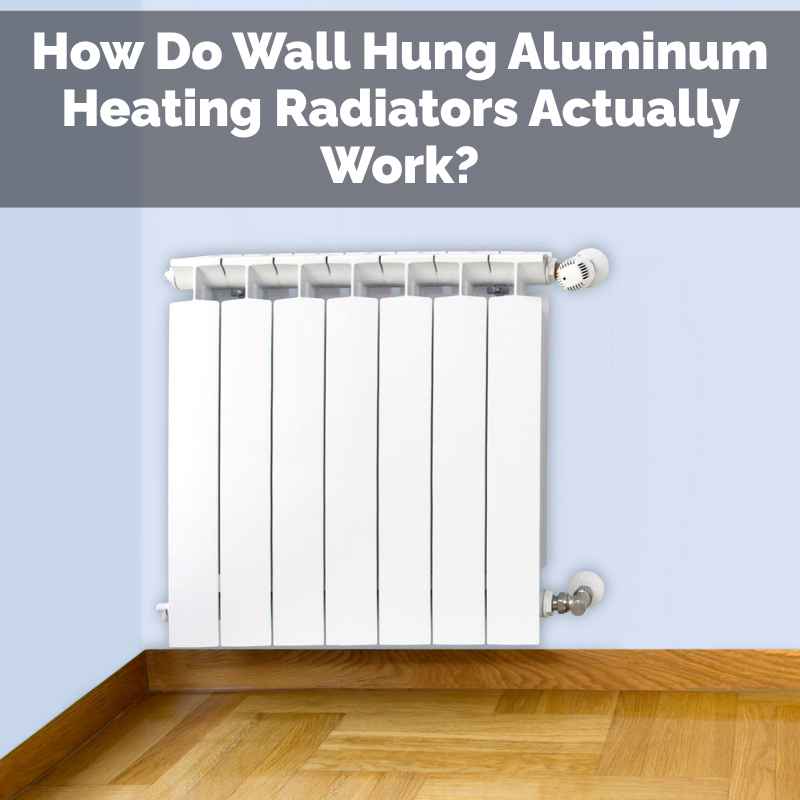
Wall-hung aluminum heating radiators work by circulating hot water or steam through internal channels. This heat is quickly transferred to the aluminum fins. The large surface area of these fins then radiates heat into the room, warming the air and surfaces efficiently.
They offer fast heat-up times and excellent heat distribution.
The Inside Scoop: How Aluminum Radiators Heat Your Home
At their heart, most modern wall-hung radiators work on the principle of convection and radiation. Think of it like this: a central heat source, usually your boiler, heats up water. This hot water then travels through pipes to your radiator.
The radiator’s job is to take that heat from the water and spread it into your room.
Aluminum is a fantastic material for this. It’s very light. More importantly, it’s a superb conductor of heat.
This means it can grab the warmth from the water inside it very quickly. Then, it passes that warmth to the air around it.
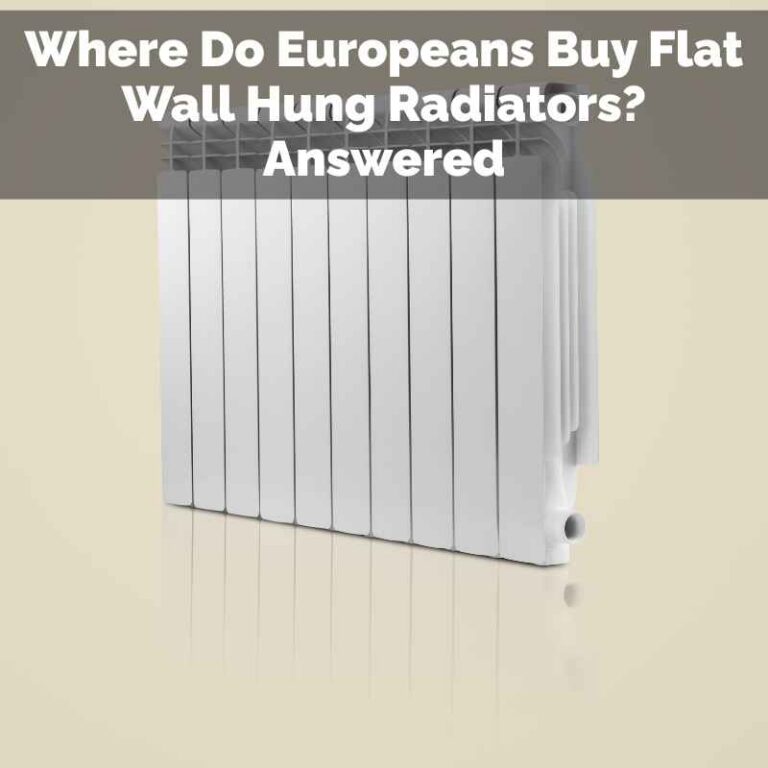
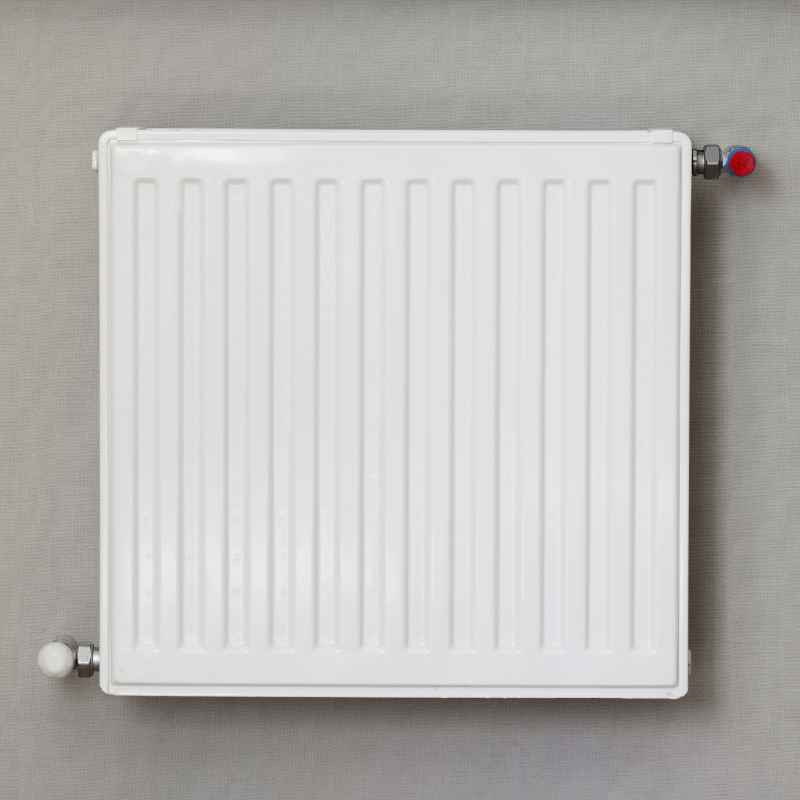
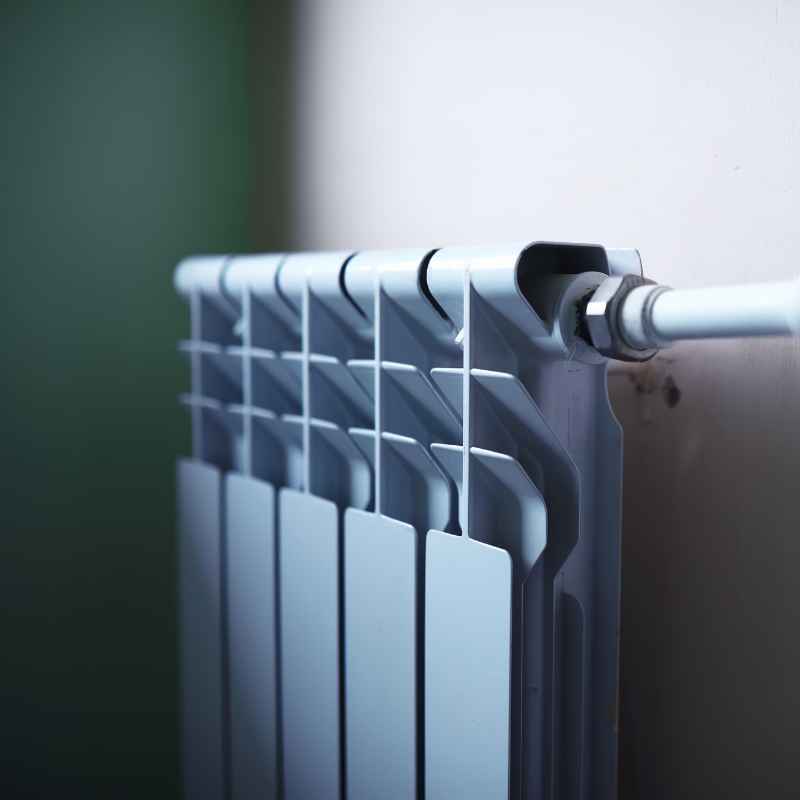
The design of these radiators is key. They often have many thin fins. These fins stick out from the main body of the radiator.
This creates a much larger surface area. A bigger surface means more contact with the air. More contact means faster heating.
It’s a simple idea, but it works wonders.
So, the hot water flows in. It passes through tubes. These tubes are attached to the aluminum fins.
The fins get hot from the tubes. The air near the fins gets hot. This hot air rises.
Cooler air sinks to the bottom of the radiator. It gets heated and rises too. This creates a gentle cycle, called convection, that warms the whole room.
Water or Steam? The Two Main Types
There are two main ways these radiators get their heat. One uses hot water. The other uses steam.
Most modern home systems use hot water. This is because it’s generally safer and more controllable. The boiler heats the water.
A pump pushes it through the pipes and into the radiator. As the water loses heat to the radiator, it cools down. Then, it flows back to the boiler to get heated again.
This is a closed loop.
Steam systems are a bit different. The boiler heats water until it turns into steam. Steam is much hotter than hot water.
This steam travels up to the radiator. As the steam cools, it turns back into water. This water then drips back down to the boiler.
Steam systems can heat a room very quickly. However, they can be harder to control. They also carry a higher risk of leaks or damage if not maintained properly.
For wall-hung aluminum radiators, the hot water system is far more common. The aluminum is perfect for quickly transferring the heat from the circulating water. It doesn’t need to be super robust like cast iron because the water pressure and temperature are carefully managed.
The internal design often involves small tubes or channels. These are where the hot water flows. These channels are directly connected to the aluminum fins.
Imagine a honeycomb structure. The hot water flows through the “cells” of the honeycomb. The metal walls of these cells then spread the heat to the outer fins.
The Role of Aluminum
Why aluminum? It’s a wonder metal for radiators. Firstly, it’s incredibly lightweight.
This makes installing wall-hung units much easier. You don’t need super strong walls to support them. Secondly, aluminum heats up really fast.
This is because it has high thermal conductivity. It means heat travels through it with very little resistance.
Think about a metal spoon in a hot cup of tea. The spoon handle gets warm pretty quickly. That’s good thermal conductivity.
Aluminum is even better at this than steel or iron. This quick heat-up means your room gets warm faster when you turn on the heating.
Aluminum also cools down quickly. While this might sound like a downside, it’s actually good for control. When you turn off the heat, the radiator stops being hot very fast.
This prevents the room from overheating. It also means the system responds better to thermostat changes.
Another advantage is that aluminum doesn’t rust easily. Unlike old steel or iron radiators, aluminum is resistant to corrosion. This helps the radiator last longer.
It also means the water inside the system stays cleaner. This is good for the boiler too. A cleaner system runs more efficiently.
The surface of the aluminum is often treated. It might be painted or coated. This coating helps protect the metal further.
It also adds to the aesthetic appeal. Many modern radiators have a clean, minimalist look. This is often achieved with smooth, painted aluminum surfaces.
The fins on the radiator are not just for show. They are carefully shaped. They are spaced out just right.
This spacing allows air to flow freely around them. This is crucial for efficient convection. If the fins were too close, the air couldn’t move.
It would get trapped. Then, the heat wouldn’t spread well.
My First Encounter with Slim, Hot Aluminum
I remember when we first moved into our little fixer-upper. It was winter. The old house had these huge, clunky radiators.
They took ages to warm up. And once they were hot, they stayed hot for hours. It felt so inefficient.
Then, we decided to renovate the living room. We wanted a cleaner, more modern look.
We chose these slim, wall-hung aluminum radiators. I was a bit nervous. They looked so thin.
I thought, “There’s no way these little things can heat this big room.” My installer, a friendly guy named Dave, just smiled. He said, “You’ll be surprised. They’re quick, mate.”
The day they were installed, it was freezing outside. We turned on the heating. I stood there, watching them.
Within maybe ten minutes, I could feel a gentle warmth coming off them. It wasn’t the blast of heat I was used to. It was a softer, more even warmth.
The room started feeling comfortable much faster than before.
What struck me most was the speed. With the old radiators, I’d turn the heating on, go make a cup of coffee, come back, and the room was still a bit chilly. With the new aluminum ones, I turned them on, and by the time the kettle boiled, the room already felt noticeably warmer.
It was like a little bit of everyday magic.
I remember touching one gently. It was warm, not scalding hot. This felt much safer, especially with our dog often lying near the radiator.
The sleek, white design also made the room look so much bigger and brighter. It was a small change, but it made a huge difference to how we felt in the house. It really opened my eyes to how far heating technology had come.
I learned then that it wasn’t just about the material, but the whole system. The pump circulating the water was more efficient. The controls were smarter.
But the radiator itself, that slim aluminum panel, was the star player in getting the heat into the room quickly and quietly.
Radiator Material Matters: A Quick Look
Aluminum: Heats up fast, light, good corrosion resistance. Great for quick heating and modern systems.
Steel: Good balance of cost and performance. Can be prone to rust if not treated well. Common in panel radiators.
Cast Iron: Slow to heat up, but holds heat for a long time. Very durable. Heavier and more traditional looking.
Copper: Excellent conductor, but expensive. Rarely used for the main body of radiators, more for pipes.
The choice of aluminum really is a modern solution for modern homes. It fits the trend for energy efficiency and quick comfort. It’s a smart material choice that helps these radiators perform so well.
Real-World Scenarios: Where You See These Radiators
You see these sleek, wall-hung aluminum radiators everywhere now. They are a common sight in new homes. Builders often put them in because they are cost-effective to install and run.
They fit well into contemporary designs. You’ll find them in living rooms, bedrooms, and even bathrooms.
In smaller rooms or spaces with limited wall space, they are a lifesaver. Their slim profile means they don’t take up much room. This is a big plus when you want to arrange furniture.
You don’t have to work around a bulky old radiator.
Think about a modern apartment. Space is often at a premium. A wall-hung aluminum radiator can provide ample heat without eating into valuable floor space.
They can be mounted high on the wall, out of the way. Or they can be placed strategically to warm a seating area.
In older homes that are being renovated, they are often swapped in for the old cast iron ones. This gives the room a fresh, updated feel. It also improves the heating efficiency of the house.
People are often surprised by the difference it makes. The whole house feels warmer, and the bills can go down.
Bathrooms are another common place. Many aluminum radiators designed for bathrooms have towel rails built-in. They not only heat the room but also dry your towels.
The quick heating means you get a warm bathroom very fast. This is a welcome comfort on a cold morning.
They are also popular in offices and commercial spaces. Their ability to heat a space quickly is a big advantage. They are also easy to maintain.
The lightweight nature means installation is less disruptive.
The Heating System Behind the Radiator
It’s important to remember the radiator is just one part of the heating puzzle. It works with a whole system. This system includes a boiler or heat source, pipes, and controls.
Most wall-hung aluminum radiators in homes today are part of a central heating system.
The boiler heats water. This water is then pumped through pipes. These pipes run to each radiator.
The pump is key. It ensures the hot water keeps circulating. Without the pump, the water would just sit there and cool down.
The pump creates the flow that constantly brings fresh hot water to the radiator.
Thermostats play a big role too. They tell the boiler when to turn on and off. Smart thermostats can learn your habits.
They can even be controlled from your phone. This helps save energy. The radiator responds to the hot water the system sends it, based on the thermostat’s demand.
The pipes themselves are usually made of copper or plastic. They are sized to carry the right amount of hot water. The diameter of the pipes matters.
Too small, and not enough water flows. Too big, and you might waste energy. The system is designed to be balanced.
Modern systems often have zone controls. This means you can control the temperature in different parts of your house independently. You might have one zone for the living room and another for the bedrooms.
This is much more efficient than heating the whole house to the same temperature all the time.
The design of the pipework is also important. It needs to be installed correctly so air doesn’t get trapped. Air pockets can stop hot water from reaching the radiator.
This is why bleeding radiators is a common maintenance task. You let out trapped air to allow full water flow.
Some systems might use a combi-boiler. This heats water on demand. It heats both your radiators and your hot taps.
Other systems have a separate hot water tank. The type of system affects how quickly your radiators heat up and how consistently they perform.
Even the layout of the pipes matters. For example, a reverse-return system ensures that each radiator receives water at a similar temperature. This helps to keep the heating even throughout the house.
A well-designed plumbing system makes a big difference to how well your aluminum radiators work.
Quick Scan: Your Radiator’s Heat Journey
- Boiler: Heats water to a high temperature.
- Pump: Pushes the hot water through the pipes.
- Pipes: Carry the hot water to the radiator.
- Radiator: Aluminum fins absorb heat from water.
- Convection & Radiation: Heat is spread into the room.
- Return Pipe: Cooler water goes back to the boiler.
This whole process is a continuous cycle. The system works together to keep your home at the desired temperature. The aluminum radiator is the final step in bringing that generated heat into your living space.
What This Means For You: The Benefits of Aluminum Radiators
So, what does all this technical stuff mean for you as a homeowner? Why choose a wall-hung aluminum radiator? The main benefits boil down to speed, efficiency, and aesthetics.
They are designed for modern living.
Speedy Warmth
The biggest advantage is how quickly they heat up. If you’re coming home to a cold house, you won’t have to wait long for comfort. The aluminum gets hot fast.
This means you get heat when you need it, right away. You don’t have to turn the heating on hours in advance.
Energy Efficiency
Because they heat up and cool down so quickly, they are often more energy-efficient. They use less energy to get to their working temperature. And when you turn the thermostat down, they stop producing heat fast.
This prevents wasted energy. It also helps your heating system respond better to your needs.
The high thermal conductivity of aluminum means it transfers heat from the water to the air very effectively. This means less heat is lost through the radiator itself. More of the energy from your boiler goes into warming your room.
Also, the lightweight nature of aluminum means less water is needed to fill the radiator. A radiator filled with less water will heat up faster and require less energy to circulate that water.
Sleek Design and Space Saving
Let’s be honest, they look good. The slim profile and clean lines fit perfectly into modern interior designs. They don’t dominate a room.
You can place them where they are most effective for heating without sacrificing much wall space. This is a huge benefit for smaller homes or for people who want a minimalist look.
Their light weight also means they can be installed in places where heavier radiators might not be suitable. For example, on a stud wall that might not support the weight of a cast iron radiator.
Durability and Low Maintenance
Aluminum is resistant to rust and corrosion. This means your radiators are likely to last a long time. They won’t develop unsightly rust marks.
The internal system is less likely to get clogged with rust particles. This also means less maintenance for your heating system as a whole.
You might need to bleed them occasionally to remove trapped air. But overall, they are very low maintenance. Cleaning the exterior is usually just a matter of wiping them down.
Myth vs. Reality: Aluminum Radiators
Myth: They don’t hold heat long enough. Reality: While they cool faster than cast iron, their quick heating and efficiency mean they can provide consistent comfort with smart controls.
Myth: They are fragile. Reality: Modern aluminum radiators are built to withstand standard home heating pressures and temperatures. They are robust for their intended use.
Myth: They are only for modern homes. Reality: Their clean look can complement many styles, and their efficiency is a benefit in any home.
When is it Normal?
It’s normal for your wall-hung aluminum radiator to get hot when your heating system is on. You should feel a comfortable warmth radiating from it. It should heat up relatively quickly, usually within 10-20 minutes of the heating system running.
It’s also normal for them to feel cooler when the heating system is off. Unlike cast iron, they don’t retain heat for hours. This is a sign of an efficient system.
The heat output should match the temperature setting on your thermostat.
When you turn the heating up, the radiator should get hotter. When you turn it down, it should cool down. This responsiveness is one of their key strengths.
You might hear a gentle flow of water inside them when they are heating up. This is usually normal and just the sound of the hot water circulating.
The fins should be clear of debris, allowing good airflow. If you notice any significant discoloration or damage, that’s something to look into. But generally, a working aluminum radiator should just feel warm and do its job quietly and efficiently.
Quick Tips for Radiator Care
Keeping your wall-hung aluminum radiators working well is pretty straightforward. Here are a few simple tips to make sure they give you the best performance and last a long time.
- Bleed them regularly: If a radiator feels cold at the top and warm at the bottom, it probably has air trapped inside. You’ll need to “bleed” it. Use a radiator key to gently unscrew the valve at the top until you hear a hissing sound (air escaping). Once water starts to dribble out, close the valve.
- Keep them clean: Dust and debris can build up on the fins. This can block airflow and reduce efficiency. Wipe them down regularly with a damp cloth. You can use a long-handled brush to get into the fins.
- Don’t block them: Avoid placing furniture or curtains too close to radiators. They need space for air to circulate around them for efficient heating. Don’t hang wet clothes directly on them, as this can cause condensation and potentially damage the surface over time.
- Check for leaks: While aluminum is resistant to rust, all plumbing can eventually develop issues. Periodically check around the radiator and its connections for any signs of water leaks. If you see any, contact a heating engineer.
- System pressure: Ensure your central heating system pressure is correct. This is usually indicated by a gauge on your boiler. If it’s too low, your radiators might not heat up properly. If it’s too high, it can cause problems.
- Annual service: Have your boiler and central heating system serviced by a qualified engineer once a year. This ensures everything is running safely and efficiently, including your radiators.
These simple steps will help your aluminum radiators perform at their best. They will keep your home warm and comfortable for many years.
Frequently Asked Questions About Aluminum Radiators
How long does it take for an aluminum radiator to heat up?
Most wall-hung aluminum radiators heat up quickly, often within 10 to 20 minutes of your central heating system being turned on. This is much faster than traditional cast iron radiators.
Are aluminum radiators energy efficient?
Yes, aluminum radiators are considered very energy efficient. They heat up fast, reducing wasted energy. Their excellent heat conductivity means they transfer heat effectively into your room.
Can aluminum radiators rust?
Aluminum is naturally resistant to rust and corrosion. While surface marks can appear over time, true rusting like you see on iron or steel is very rare for aluminum radiators.
What maintenance do aluminum radiators need?
Basic maintenance includes bleeding them to remove trapped air if they feel cold at the top, and keeping the fins clean. An annual service of your whole heating system is also recommended.
Are aluminum radiators safe to touch?
They get hot, but generally not as scalding hot as some older radiators. Their fast cool-down means they become less of a burn risk quickly when the heating turns off. However, always exercise caution, especially with children or pets.
Can I paint an aluminum radiator?
Yes, you can paint an aluminum radiator. Use a heat-resistant radiator paint. Ensure the radiator is clean and dry before painting.
Painting can help protect the finish and improve its appearance.
The Final Word on Aluminum Radiators
So there you have it. Wall-hung aluminum heating radiators are clever pieces of engineering. They use the excellent heat-conducting properties of aluminum to warm your home quickly and efficiently.
Their slim design saves space and looks great.
They are a modern solution for modern homes. They offer comfort, style, and efficiency. Understanding how they work helps you appreciate their benefits even more.
Enjoy your warm, cozy home!
Sponsored / affiliate links. As an Amazon Associate I earn from qualifying purchases. I may earn additional commission from eligible campaigns.