Are Wall Mounted Fireplace Heaters Safe Near Wood Walls?
It is generally safe to install wall-mounted fireplace heaters near wood walls when proper clearances and installation guidelines are followed. However, risks exist if installation is done incorrectly or if the heater is not designed for proximity to combustible materials. Always consult manufacturer instructions and local building codes.
Understanding Wall-Mounted Fireplace Heaters
Wall-mounted fi
The primary concern with any heating device is the potential for it to ignite nearby combustible materials. Wood, in its various forms like paneling, studs, or even furniture, is highly combustible. Electric heaters, while generally safer than combustion heaters, still produce heat. This heat can radiate outwards or be directed by a fan. If this heat reaches a temperature high enough, it can cause the wood to char, smolder, and eventually catch fire. It’s not just about direct contact; radiant heat over time can also be a problem.
Manufacturers know this is a major safety point. For every heater they design, they must test it rigorously. They determine how much heat it produces and how far that heat travels. Based on these tests, they set specific safety requirements. These requirements include minimum distances, called “clearances,” between the heater and any combustible materials. These are not suggestions; they are critical safety specifications to prevent fires. Following these is the single most important step in keeping your home safe.
My Own Close Call with Heat and Wood
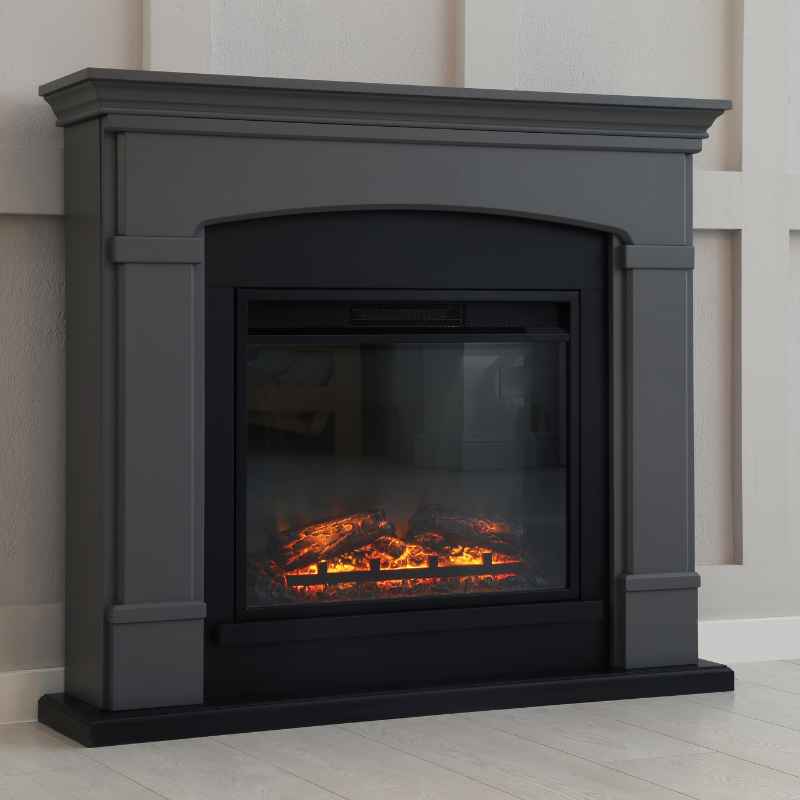
I remember a few years back, I was helping a friend install an electric fireplace insert into an old, charming home. It had beautiful, dark wood paneling in the living room. We were so excited to get it up and running. We followed the manual, or so we thought. We mounted the unit, plugged it in, and admired the dancing electric flames. It looked fantastic. We turned on the heat to test it. About twenty minutes later, we noticed a faint, odd smell. It wasn’t strong, just a subtle acrid scent. My friend, bless her heart, thought it was just a “new heater smell” that would burn off.
But that smell gnawed at me. I’m always cautious about heat and flammable things. I went over to the wall right next to where the heat was blowing. I carefully touched the wood paneling. It was warm, warmer than I expected. I then noticed a tiny discoloration, almost like a faint shadow, on the wood surface near the edge of the heater’s casing. It was subtle, but it was there. My stomach dropped. We immediately shut off the heater. We carefully examined the area and the back of the unit.
It turned out we had misread one crucial line in the installation manual regarding the minimum clearance to combustible materials on the sides. We had assumed the stated clearance was for the front or top. The manual clearly stated a larger distance was needed for the sides of the unit, especially where the heat vents were located. The slight warmth had been slowly, steadily heating the wood. Luckily, it hadn’t reached ignition point, but it was a wake-up call. We had to reposition the unit to meet the proper specifications. That experience taught me that even with electric heaters, vigilance about clearances is paramount. It’s not just about looking good; it’s about real safety.
Key Safety Factors for Wall Heaters
When installing any wall-mounted heater, always think about these points:
- Manufacturer’s Instructions: This is your golden rule. It states required distances from walls, floors, and ceilings.
- Combustible Materials: Wood walls, furniture, curtains, and even paper are all considered combustible.
- Heat Vent Direction: Where does the heat actually blow? Is it directed straight at the wall?
- Unit’s Surface Temperature: Some parts of the heater casing itself can get hot.
- Electrical Safety: Ensure proper wiring and avoid overloading circuits.
Understanding Clearances and Combustible Materials
Let’s break down what “clearances” mean in practice. Most wall-mounted electric fireplaces will have a specification in their manual like “minimum 6 inches from combustible materials” or “minimum 36 inches from the front.” These numbers are critical. They are determined by testing the unit to see how hot its exterior surfaces get and how far its heat radiates.
Combustible materials are anything that can easily catch fire. This includes:
- Wood (paneling, trim, furniture, framing)
- Drywall (which has a paper backing)
- Fabric (curtains, upholstery)
- Paper and cardboard
- Plastics
Non-combustible materials are things like brick, stone, metal, and glass. If your wall is made purely of brick or concrete, the risks are much lower. But most homes have wood framing and drywall. Even if you have a decorative stone facade around the fireplace unit, the walls behind or beside it might still be wood-based.
The key is that the heater’s heat must not reach a temperature that can ignite these materials. Wood, for example, can char and smolder at temperatures well below its ignition point. Over time, this smoldering can lead to a fire. The clearance distances are designed to ensure the heat dissipates enough in the air so that nearby surfaces stay cool enough to be safe.
Quick Scan: Safe vs. Unsafe Wall Heater Placement
| Scenario | Safety Level | Why? |
|---|---|---|
| Heater mounted with manufacturer-specified clearance from wood paneling. | Safe | Heat is allowed to dissipate safely. |
| Heater mounted directly against a wood-paneled wall. | Unsafe | Direct heat can cause ignition over time. |
| Heater vent blowing directly towards curtains hanging nearby. | Unsafe | Curtains are highly flammable. |
| Heater installed with a heat shield between it and the wood wall. | Potentially Safe | Depends on the shield’s effectiveness and manufacturer approval. |
Types of Wall-Mounted Fireplaces and Their Heat Output
Not all wall-mounted fi
1. Decorative Electric Fireplaces: These units are primarily for aesthetics. They offer realistic-looking flames but have little to no heating capability. Some might have a very low-wattage fan to circulate air, but their heat output is minimal. These are generally the safest option concerning combustible materials because they produce so little heat.
2. Electric Fi
3. Media Console Electric Fireplaces: These are often larger units designed to be the centerpiece of a living area, sometimes incorporating space for a TV. They often have powerful heating elements. While not strictly “wall-mounted” in the same way as a slim panel, they sit against a wall and can have similar clearance requirements. Some are designed to be built into walls, which has its own set of safety rules.
The heat output is usually measured in BTUs (British Thermal Units) or Watts. A higher BTU or Wattage means more heat. For example, a 1500-watt heater can produce around 5,000 BTUs, which is enough to warm a medium-sized room. This level of heat necessitates careful consideration of what’s around the unit. Manufacturers design their heaters to meet safety standards like UL certification, which involves rigorous testing for fire hazards. However, this certification is only valid when the product is installed exactly as the manual directs.
Installation Checks Before You Buy
Before you even purchase a wall-mounted fireplace, do this:
- Measure Your Space: Know the exact dimensions of the wall area where you plan to mount it.
- Read Manuals Online: Most manufacturers have manuals available on their websites. Look for the “installation” or “specifications” section. Check the clearance requirements for combustible materials.
- Identify Wall Material: Are you mounting on drywall, wood paneling, plaster, or tile? This affects your safety calculations.
- Consider Venting: Where does the heat exhaust from the unit? Ensure this is not blocked or directed at flammable items.
Real-World Context: Wood Walls and Their Behavior
Wood walls are common in homes, especially in living rooms, dens, and even bedrooms. They can be solid wood planks, veneer panels, or standard drywall with a wood framing structure behind it. The important thing to remember about wood is that it’s organic. It contains moisture and oils. When exposed to prolonged heat, even if it doesn’t immediately burst into flames, it can start to dry out, become brittle, and weaken.
The process of wood igniting from heat sources is often called “autoignition” or “combustion.” For wood, this typically happens when it reaches temperatures between 572°F and 932°F (300°C to 500°C). However, sustained exposure to much lower temperatures, say around 150°F to 200°F (65°C to 93°C), can cause it to slowly degrade and eventually char. Charred wood is very porous and ignites more easily. This slow degradation is a major risk that clearances help prevent.
Consider a wall that is not just wood paneling but has wood studs within it. The heater is mounted on the drywall. The heat might radiate through the drywall and then hit the wood studs behind it. If the clearance is insufficient, the studs could be affected. This is why building codes and manufacturer instructions often refer to “combustible construction,” meaning the standard wood-frame wall found in most homes.
In some older homes, wood paneling might be directly applied to wood studs with no drywall in between. This creates a very combustible surface. In modern construction, building codes usually require a layer of drywall (at least ½ inch thick) between the interior finish (like paneling) and the structural wood framing for fire resistance. If your wood walls are older or you’re unsure of the construction, it’s always best to assume they are highly combustible and require maximum safety margins.
When Wood Walls Are Extra Risky
Be extra cautious if your wood walls:
- Are directly applied to studs without drywall.
- Are made of very thin wood or highly flammable wood types.
- Show signs of age, dryness, or prior damage.
- Are located in areas with poor ventilation where heat can become trapped.
What This Means for Your Home: Safety Checks
So, what’s the bottom line for your wood-walled home? It means you need to be diligent. The good news is that with the right approach, you absolutely can enjoy a wall-mounted fireplace safely.
When it’s likely safe:
- You are installing a decorative-only electric fi
- You are installing a supplemental heater and strictly follow all manufacturer-specified clearances to combustible materials. This means measuring from the unit to the nearest wood surface (paneling, trim, etc.).
- The wall surface itself is non-combustible (e.g., tile, stone, brick) and the manufacturer’s instructions allow this installation.
- You have consulted your local building codes and they permit the installation.
When you should worry and take extra precautions:
- You are installing a powerful heater and the wall is wood paneling or has wood framing close to the unit.
- You are unsure about the wall construction behind the paneling.
- The manufacturer’s instructions are unclear or seem inadequate.
- You cannot achieve the recommended clearance distances due to space limitations or design constraints.
- You are tempted to cut corners or improvise the installation.
A simple check involves using a non-contact infrared thermometer after the heater has been running for a while. Point it at the wall surface near the heater. If you consistently see temperatures above 120°F (49°C) on the wall surface, it’s a good sign that the clearance might be too small or the heat is too concentrated. While this isn’t a direct indicator of impending fire, it shows the wood is being exposed to significant heat.
Quick Tips for Safer Installation
If you are set on having a wall-mounted fireplace heater near wood walls, here are some practical tips to enhance safety:
- Prioritize the Manual: Read it cover to cover before starting. Pay extra attention to sections on “Clearance to Combustible Materials.”
- Measure Twice, Install Once: Use a tape measure to confirm every specified distance. Don’t eyeball it.
- Use a Non-Combustible Barrier: If you cannot achieve the required clearance, consider installing a heat shield. This could be a sheet of metal, ceramic tile, or a specially designed fire-rated board between the heater and the wood wall. Ensure this barrier is approved for this use and doesn’t trap heat behind it. Check with the manufacturer if they have recommendations or approvals for barriers.
- Check Local Codes: Building codes can vary. What’s acceptable in one town might not be in another. Your local building department can provide guidance.
- Professional Installation: If you have any doubts about your DIY skills or understanding of the requirements, hire a qualified electrician or contractor. They have the experience to ensure the installation meets safety standards.
- Regular Inspection: Even after installation, periodically check the area around the heater for any signs of discoloration, charring, or unusual smells.
- Use Only Approved Accessories: If the heater comes with specific mounting brackets or accessories, use only those.
Installation Checklist:
Before turning it on, ask yourself:
- Is the heater at least the required distance from all wood surfaces?
- Are the heat vents clear and not directed at flammable items?
- Is the unit securely mounted and stable?
- Is it plugged into a properly rated outlet?
Frequent Questions About Fireplace Heaters and Wood Walls
Can I mount a wall fireplace heater directly on a wood-paneled wall?
Generally, no. Most wall-mounted fi
What is the recommended clearance for wall heaters near wood?
Clearance distances vary by model. Manufacturers typically specify a minimum distance, often ranging from 6 inches to 3 feet, depending on the location (sides, top, front) and the unit’s heat output. Always refer to the specific manual for the heater you are using. This is a critical safety specification.
Are electric fireplaces safer than gas fireplaces near wood?
Electric fi
My wall is drywall, is that considered combustible?
Yes, drywall is considered a combustible material because it has a paper facing and a gypsum core that can degrade under heat. Standard building codes often require a certain fire rating for drywall when used as a barrier near heat sources. Always follow the manufacturer’s clearance instructions regarding drywall.
What if I can’t achieve the required clearance for my heater?
If you cannot meet the specified clearances, do not proceed with the installation as planned. You should explore options like using a non-combustible heat shield (e.g., metal or fire-rated board) between the heater and the wood wall, or consider a different location or a different type of heater. Consulting a professional installer is highly recommended in such cases.
Do I need a professional to install a wall-mounted fireplace heater?
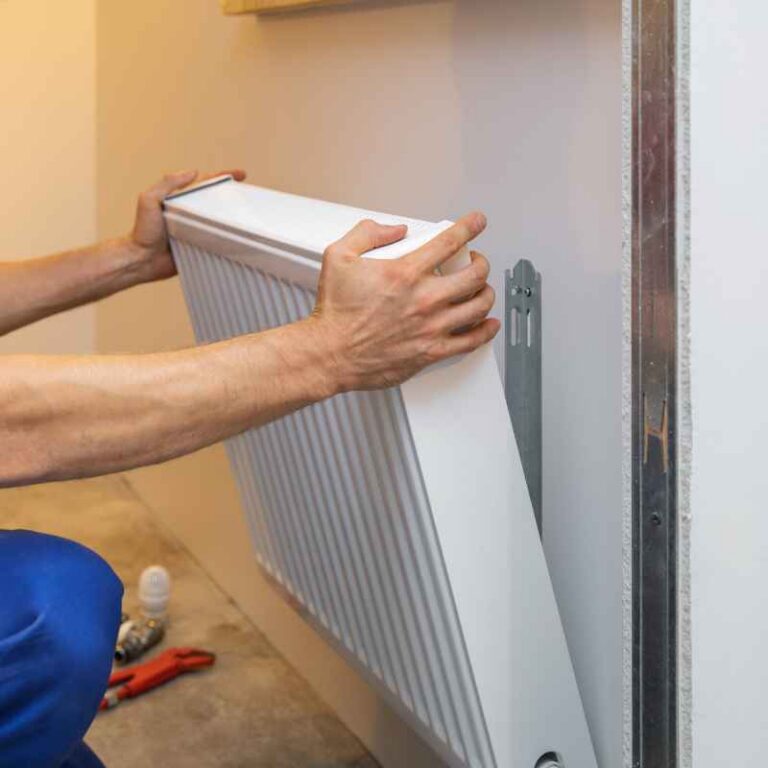
For many electric wall-mounted units, DIY installation is possible if you are comfortable with basic mounting and electrical connections (often just plugging into an outlet). However, if the installation involves hardwiring, dealing with existing wall structures, or if you are unsure about meeting clearance requirements or local codes, hiring a licensed electrician or qualified installer is always the safest bet.
Conclusion: Warmth Without Worry
Adding a wall-mounted fireplace heater can bring a wonderful sense of comfort and style to any room. The desire for that cozy ambiance, especially near beautiful wood walls, is completely natural. The key takeaway is that safety comes first. By understanding the importance of manufacturer-specified clearances, recognizing wood as a combustible material, and following installation guidelines diligently, you can absolutely achieve your goal.
Never underestimate the power of those clearance instructions. They are there to protect your home and your loved ones. When in doubt, always err on the side of caution, consult experts, and ensure your installation is done correctly. Enjoy the warmth and the beauty your new fi
Sponsored / affiliate links. As an Amazon Associate I earn from qualifying purchases. I may earn additional commission from eligible campaigns.