Do Electric Heaters Convert Electrical Energy Into Potential Energy?
Electric heaters do not convert electrical energy into potential energy. Instead, they directly convert electrical energy into thermal energy (heat) through the process of electrical resistance. This heat is then released into the surrounding air.
The Simple Science Behind Electric Heaters
Think about your electric heater. It’s a pretty straightforward appliance. Inside, there’s a special wire, often called a heating element.
This wire is made of a material that doesn’t let electricity flow through it very easily. When electricity tries to pass through this resistant wire, it bumps and grinds, so to speak.
This “bumping and grinding” causes the wire to get very hot. The hotter it gets, the more heat it gives off. This heat then warms the air around it.
That’s the basic idea. The electricity goes in, and heat comes out. No extra energy form is really needed for this simple job.
My Own “Aha!” Moment with Heating Elements
I remember being a kid and trying to understand how a toaster worked. It glowed red-hot inside, and toast came out crispy. My dad explained that the wires inside got hot because electricity couldn’t flow through them easily.
He used an analogy of a narrow pipe for water. The water (electricity) has a harder time getting through the narrow part (the wire).
He said that the effort to push the water through the narrow part made it warm up. It wasn’t about storing the energy, but about how it was used up in the process. This stuck with me.
When I later thought about electric heaters, I realized they use the same principle. It’s not about potential energy; it’s about resistance creating heat. This realization made the whole concept of heating much clearer for me.
Understanding Electrical Resistance
What it is: Resistance is like friction for electricity. It’s a measure of how much a material opposes the flow of electric current.
How it works: When electrons (the tiny bits that make up electricity) try to move through a material with high resistance, they collide with the atoms of that material. These collisions create heat.
In heaters: Materials like nichrome wire are used because they have high resistance. This makes them heat up quickly and safely when electricity passes through them.
Where Does the Energy Actually Go?
So, we know electricity goes in, and heat comes out. The electrical energy is changed directly into heat energy. This heat energy is also called thermal energy.
It’s the kind of energy that makes things feel warm.
This thermal energy then spreads out. It warms the air in your room. Some of it might also warm the surfaces the air touches, like your walls or furniture.
The goal is to heat the space you’re in. The energy isn’t being stored up for later. It’s used right then and there to make heat.
Why “Potential Energy” Isn’t the Right Word Here
Potential energy is stored energy. Think of a ball held up high. It has the potential to fall and do work.
Or a stretched rubber band. It has the potential to snap back. In electrical terms, potential energy is related to voltage, which is the “push” that moves electric charges.
But in an electric heater, the electrical energy is being converted into kinetic energy of the atoms within the heating element, which we perceive as heat. It’s not about storing energy in a way that can be released later like a spring. The electrical energy is used up as it flows through the resistance, turning directly into heat.
Energy Transformation in Your Heater
Start: Electrical Energy (from the wall outlet)
Middle: Electrical Resistance (in the heating element)
End: Thermal Energy (Heat)
Result: Warmer Room Air
Real-World Scenarios: Different Types of Electric Heaters
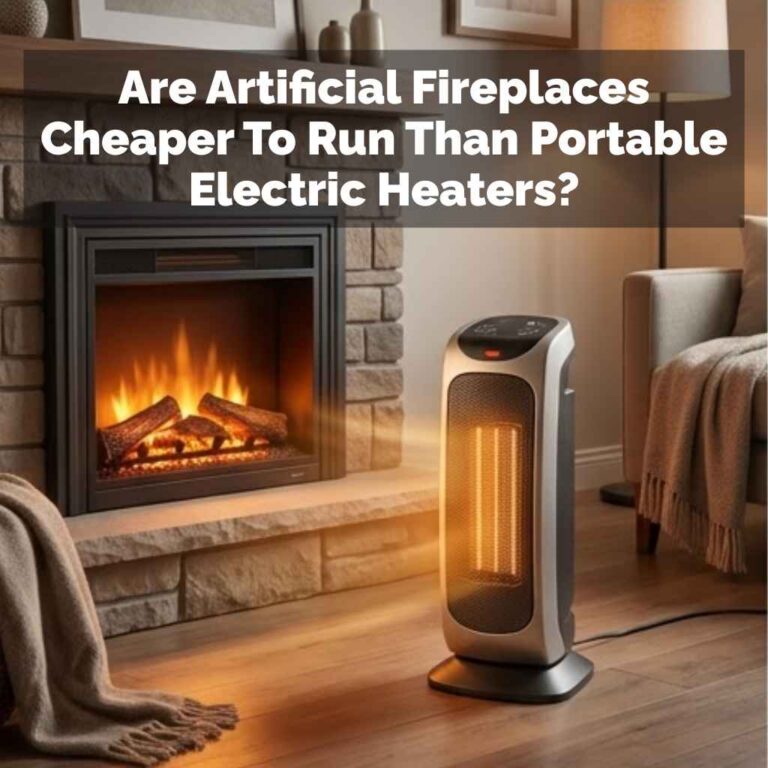
You see electric heaters in many forms. There are the portable space heaters. Some sit on the floor and blow warm air.
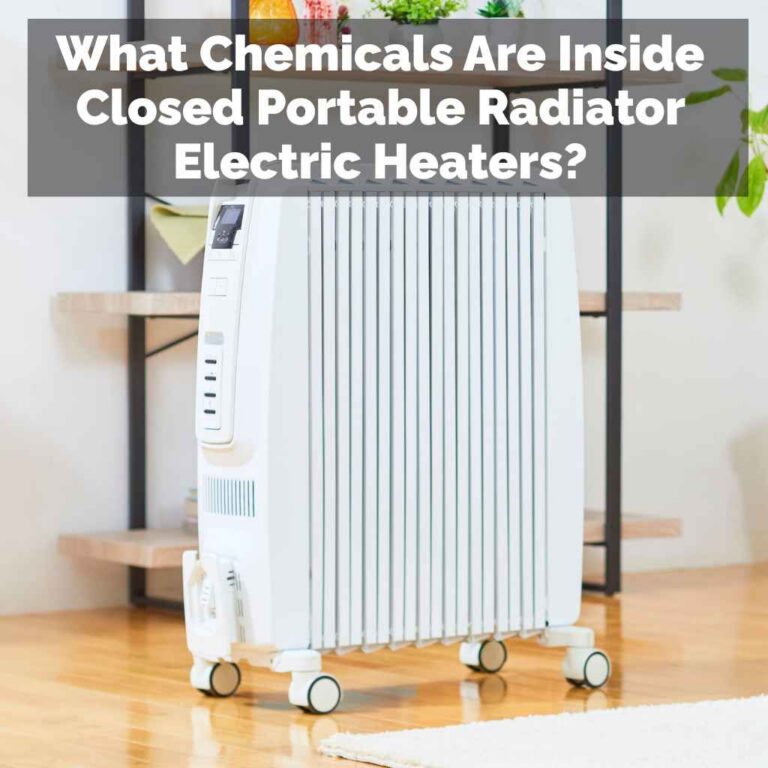
Others are like radiators, but they heat up a metal core and radiate warmth.
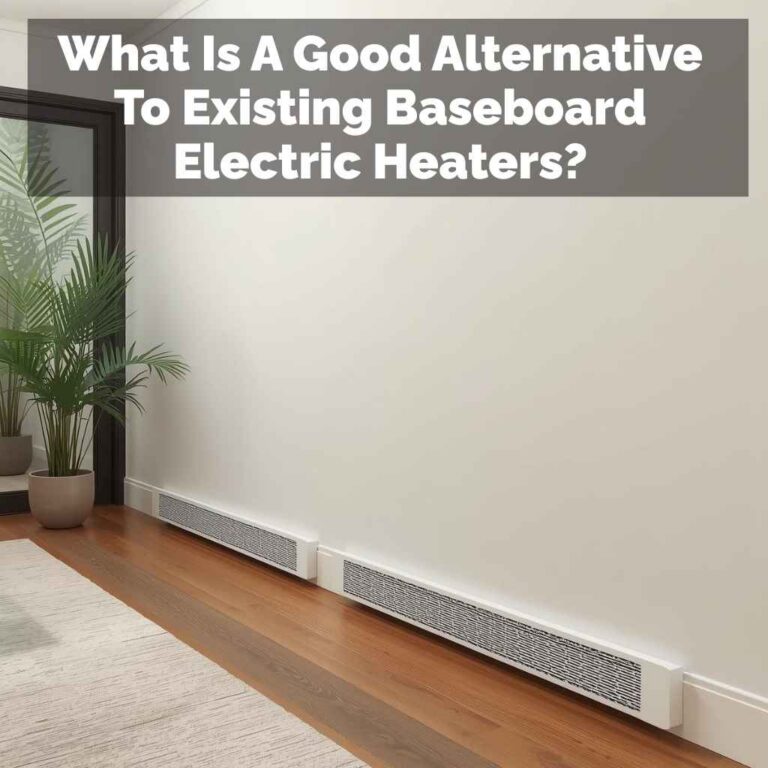
There are also electric baseboard heaters that run along the walls. Even your electric stove’s heating coils work on the same principle. The coils get hot when you turn them on.
All these devices are designed to take electrical energy and turn it directly into heat energy.
They rely on materials that can handle the heat without breaking. This is where engineering and material science come into play. They choose metals that can get very hot, stay hot, and last a long time under this constant stress.
It’s a clever use of basic physics.
How Different Heaters Distribute Heat
The way a heater distributes heat can vary. A fan heater uses a fan to push the hot air out quickly. This heats up a room faster but can also make the air feel drier.
Radiator-style heaters heat up a metal element, and that heat warms the air around it more slowly through convection. The heat then rises and circulates.
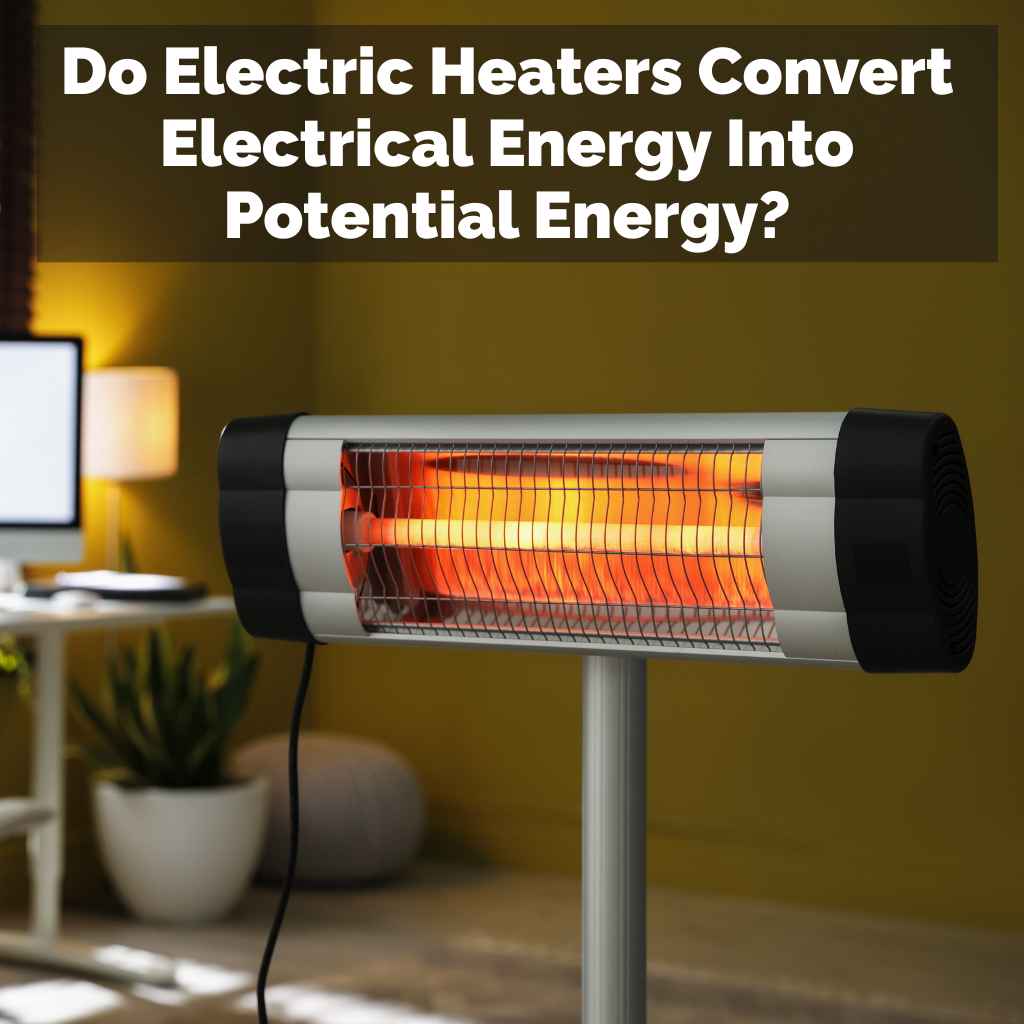
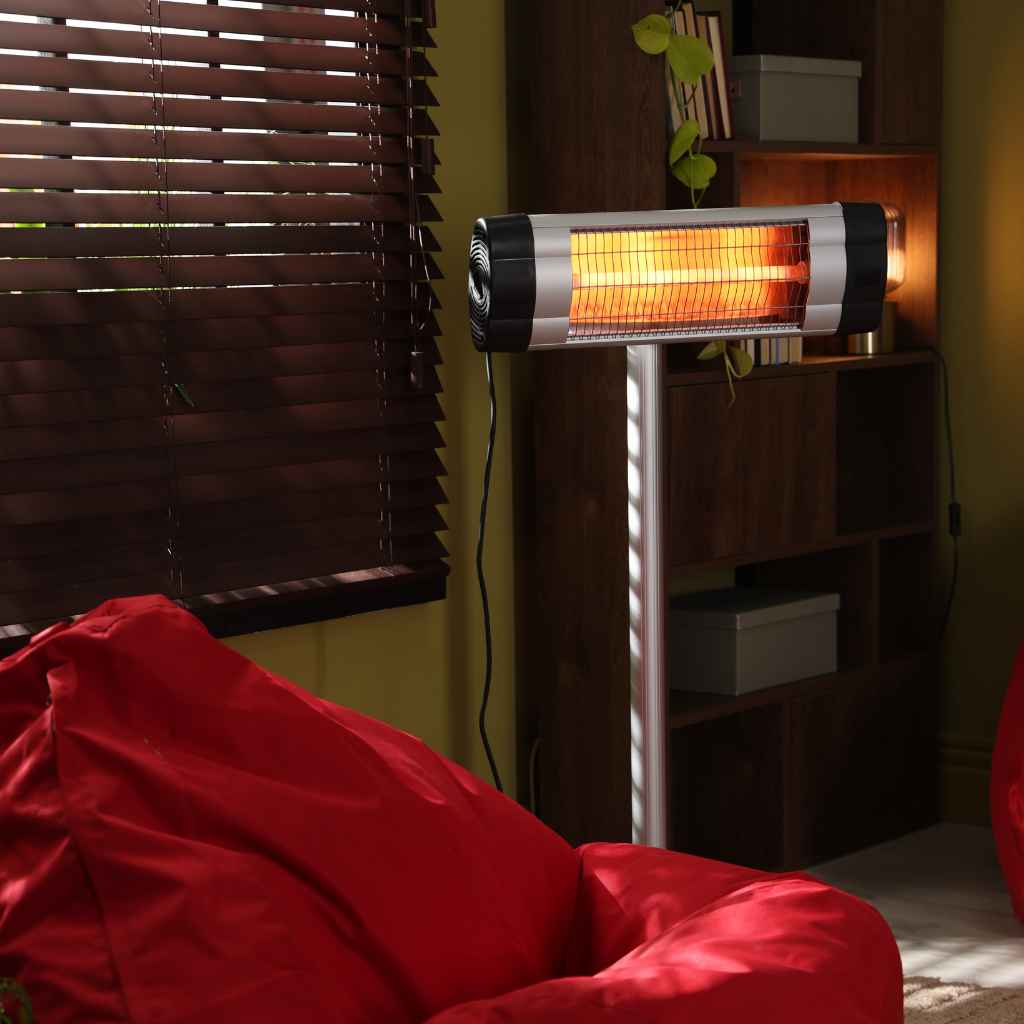
Infrared heaters are a bit different. They don’t heat the air directly as much. Instead, they emit infrared radiation.
This radiation travels in straight lines and warms objects and people it hits. Think of the sun warming your skin on a cool day. This is a more direct form of radiant heat transfer.
Still, the energy conversion is the same: electricity to heat.
Heater Types at a Glance
Fan Heaters: Use a fan to blow hot air. Fast heating, can dry air.
Radiant Heaters: Heat up elements that radiate warmth. Slower, more even heat.
Convection Heaters: Warm air rises and circulates. Good for steady room temperature.
Infrared Heaters: Emit radiation that warms objects directly. Efficient for spot heating.
What This Means for Your Energy Bill
Understanding how your heater works can help you use it more wisely. Since electric heaters convert electricity directly into heat, they are essentially 100% efficient at this conversion. All the electricity you pay for becomes heat within the unit.
However, this doesn’t mean they are the cheapest way to heat a home. Electricity is often more expensive per unit of energy than natural gas or propane. So, while the heater itself is efficient, the cost of the energy source can make them more costly to run for whole-house heating.
They are often best for supplemental heat or for smaller spaces.
Using them wisely means not heating empty rooms. Closing doors helps keep the heat where you want it. Setting the thermostat to a comfortable, but not overly high, temperature also saves energy.
For instance, dropping the temperature by just a few degrees when you’re out or asleep can make a difference.
When Is It Normal for a Heater to Be “Working”?
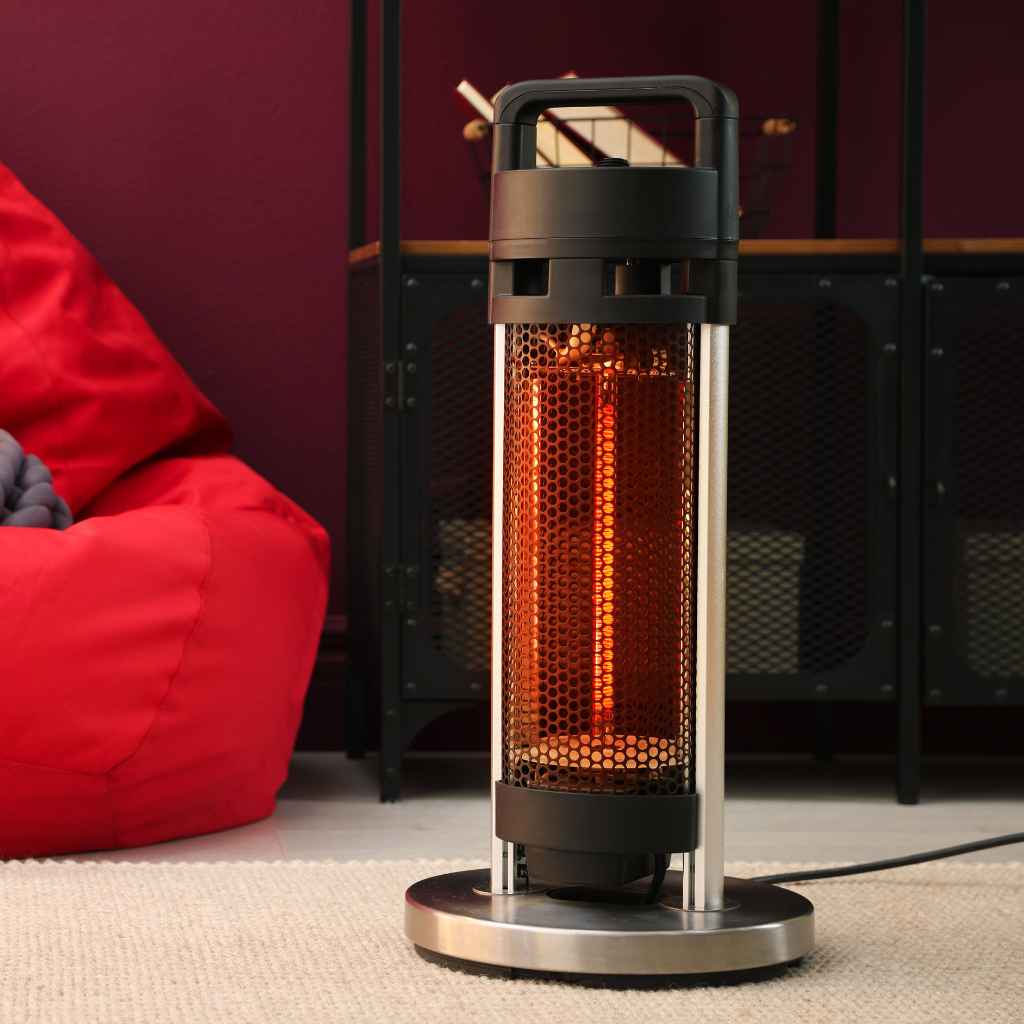
It’s normal for an electric heater to feel warm to the touch when it’s on. You might hear a slight humming sound as the electricity flows. The heating elements inside will glow red or orange if they are designed that way.
The air coming from it should be noticeably warmer than the room air.
If you turn it on and it stays cold, or if it makes strange buzzing or sparking noises, that’s not normal. These could be signs of a problem. It’s always good to pay attention to how your appliances are behaving.
The amount of heat produced is directly related to the power of the heater and how long it’s on. A 1500-watt heater will produce more heat than a 500-watt heater. This power rating is usually found on a label on the back or bottom of the unit.
Quick Checks for Your Electric Heater
Is it heating? Feel for warm air or warmth radiating from the unit.
Are there odd noises? Hums are usually okay. Buzzing, sparking, or loud pops are not.
Is the plug secure? Make sure it’s firmly in the outlet.
Is the area clear? Keep flammable materials away from the heater.
Tips for Using Electric Heaters Safely and Efficiently
Safety is super important with any heating device. Always place electric heaters on a hard, flat surface. Never put them on carpets, as this can block airflow and create a fire hazard.
Keep them at least three feet away from curtains, bedding, furniture, and anything else that could catch fire.
Make sure the power cord isn’t damaged. Don’t run it under rugs or carpets where it could get pinched or overheat. Always unplug the heater when you’re not using it, especially if you’re leaving the house or going to sleep.
For efficiency, use them for zone heating. Heat only the room you’re in. Close doors to unused rooms.
Use a timer if your heater has one, or a separate outlet timer, to turn it on just before you need it and off when you don’t. This prevents overheating and saves electricity.
Consider a heater with a thermostat. This allows you to set a specific temperature, and the heater will cycle on and off to maintain it. This is more energy-efficient than a heater that just runs continuously.
Frequently Asked Questions About Electric Heater Energy
Do electric heaters use a lot of electricity?
Yes, electric heaters can use a lot of electricity. Their power draw is often high, meaning they consume energy quickly to produce heat. They are best suited for heating small spaces or for short periods.
Can an electric heater start a fire?
Yes, electric heaters can be a fire hazard if not used properly. Keeping them away from flammable materials and ensuring they are in good working condition is crucial for safety.
Are electric heaters more expensive than gas heaters?
In many cases, yes. While electric heaters convert energy efficiently, the cost of electricity itself is often higher per unit of heat produced compared to natural gas. This makes gas heating generally more economical for whole-house heating.
What is the most efficient type of electric heater?
All electric resistance heaters are nearly 100% efficient at converting electricity to heat. The “efficiency” then comes down to how well they distribute that heat and how you use them. Infrared heaters can feel more efficient because they heat objects directly, meaning you feel warmer faster without heating as much air.
How do I know if my electric heater is broken?
If your heater doesn’t turn on, doesn’t produce heat, makes strange noises like buzzing or sparking, or smells burnt, it might be broken. Always unplug it immediately if you suspect a problem and consult a professional or the manufacturer.
Can I leave an electric heater on overnight?
It is generally not recommended to leave most electric heaters on overnight, especially older models or those without safety features like automatic shut-off. Newer models with tip-over protection and thermostats are safer, but it’s still a good practice to unplug them when not in direct use.
Wrapping Up: Simple Energy, Real Heat
So, to circle back to our original question: do electric heaters turn electrical energy into potential energy? The short answer is no. They are masters of direct conversion.
Electricity goes in, and heat comes out, thanks to the simple but powerful force of electrical resistance. It’s a direct pathway from power to warmth.
Understanding this makes using your heater smarter. It helps you appreciate the science and prioritize safety. Enjoy the warmth your electric heater provides, knowing exactly how it’s working to keep you comfortable.
Sponsored / affiliate links. As an Amazon Associate I earn from qualifying purchases. I may earn additional commission from eligible campaigns.