Space Heater Vs Central Heat Vs Electric Blanket: Which Costs More?
It’s that time of year again. The air outside is crisp, and maybe even a little frosty. You’re cozy inside, but you notice one room is just a little too cool.
Or perhaps your main heating system seems to be struggling. Many of us face this challenge. We want to stay warm without breaking the bank.
That’s where the question comes up: what’s the cheapest way to heat your home or a specific space? Is it a trusty old space heater? Maybe your central heating system?
Or could it be a simple electric blanket? Let’s dive in and figure out the real cost. We’ll look at how each option works and what adds up on your energy bill.
This will help you make the smartest choice for your comfort and your wallet.
When choosing between space heaters, central heat, and electric blankets for cost, consider their power use and how often you’ll run them. Generally, electric blankets are the cheapest for personal warmth. Space heaters can be cost-effective for small, isolated areas. Central heat is often more expensive for whole-house heating but can be efficient when used wisely.
Understanding Your Heating Options
Let’s break down how each of these heating methods works. Knowing the basics helps us understand their energy use. This is key to figuring out the costs.
How Central Heating Works
Central heating systems are designed to warm your entire house. They typically use a furnace or boiler. This unit heats air or water.
A system of ducts or pipes then carries this heat to rooms throughout your home. A thermostat controls the temperature. You set it to your desired warmth.
The system then turns on and off as needed to maintain that temperature. This is a whole-house solution. It offers consistent warmth across all living spaces.
But, it also means you’re heating areas you might not be using at that moment.
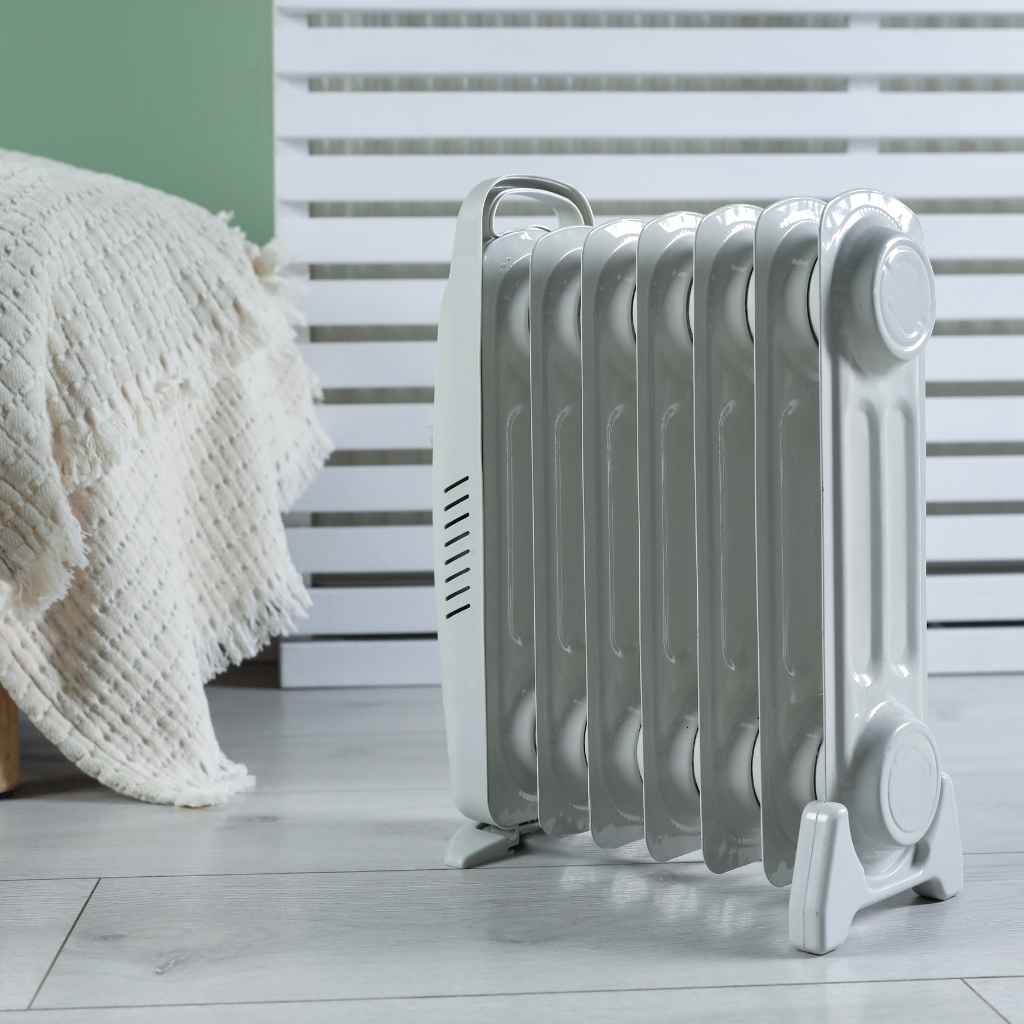
How Space Heaters Work
Space heaters are different. They are designed for localized heating. You plug them into a wall outlet.
They then generate heat. There are several types. Some use a fan to blow warm air.
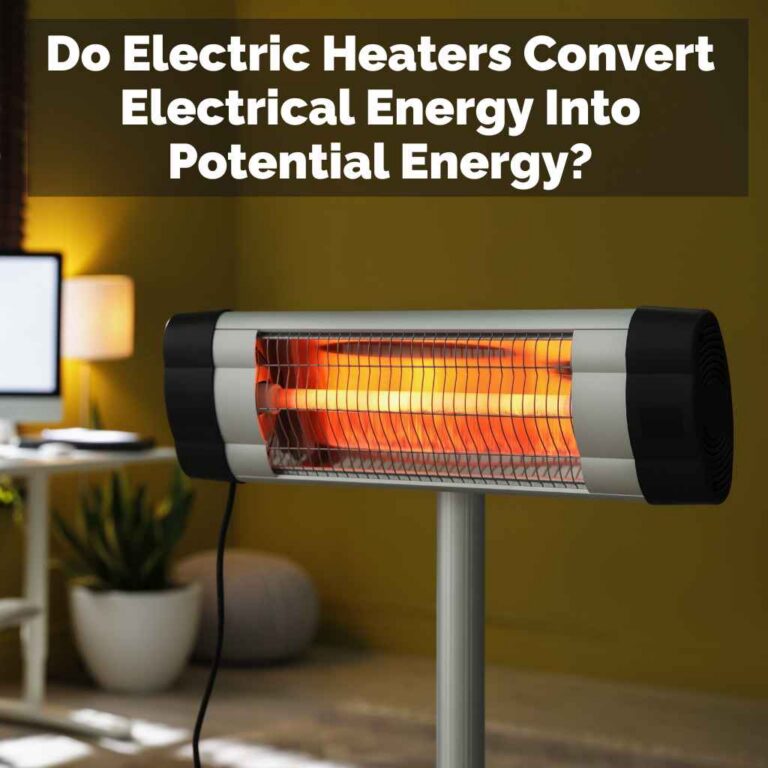
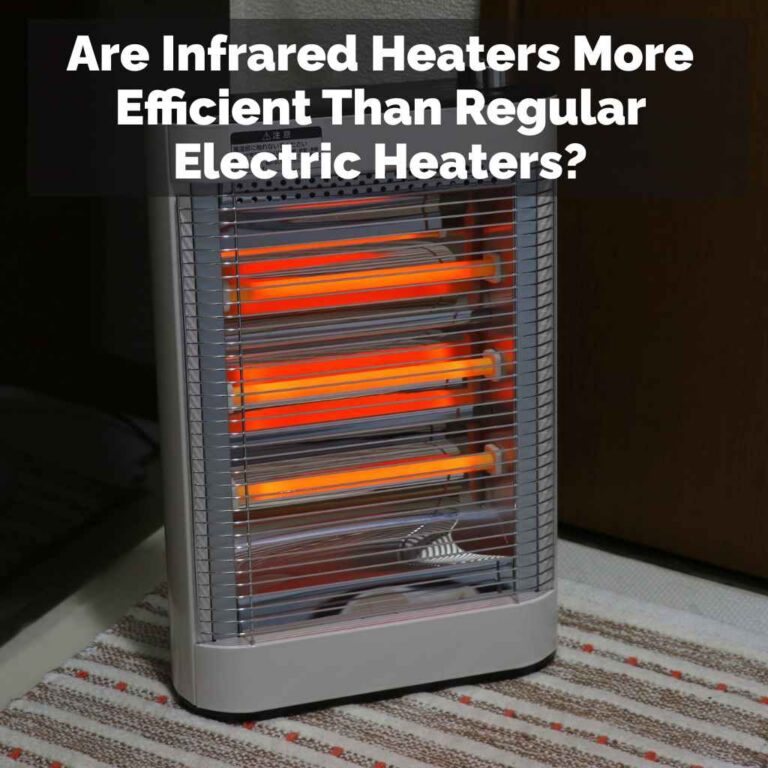
Others use radiant heat. This is like the sun’s warmth. It heats objects and people directly.
They are great for warming up a single room. Or even just a small area within a room. You can turn them on when you need them.
Then turn them off when you leave. This targeted approach can save energy. It avoids heating unused parts of your home.
How Electric Blankets Work
Electric blankets are the most personal form of heat. They have wires woven inside. These wires heat up when plugged in.
You place the blanket over yourself. It provides direct warmth. Think of it like a personal heating cocoon.
You control the heat level with a controller. This is very efficient for warming just you. It means you don’t need to heat a whole room or house.
Your body is the main target. This makes them very energy-conscious for individual comfort.
The Energy Consumption Deep Dive
The price you pay for heat comes down to one thing: energy consumption. How much electricity does each option use? And how does that translate into dollars and cents?
Watts, Kilowatts, and Your Bill
Electricity is measured in watts (W). A kilowatt (kW) is 1000 watts. Your electric meter tracks how many kilowatts you use over time.
This is measured in kilowatt-hours (kWh). Your utility company charges you a price per kWh. This price varies by location and your plan.
A 100-watt light bulb used for 10 hours uses 1 kWh (100W * 10h = 1000 Wh = 1 kWh).
Central Heating Energy Use
Central heating systems can be tricky. They don’t always run on electricity directly. Many use natural gas or propane.
The energy cost here is for gas. Electric central heating systems do exist. They often use electric resistance coils.
These are like big space heaters. They can consume a lot of electricity. A common electric furnace might be 10 kW or more.
A gas furnace uses fuel, not direct electricity for heat. But the fan that blows air uses electricity. So, the cost involves both fuel and a little electricity.
The big factor is how long the system runs. And how much of your house it needs to heat.
Space Heater Energy Use
Space heaters typically range from 750 watts to 1500 watts. Most common ones are 1500W. This means a 1500W heater uses 1.5 kW of power.
If you run a 1500W heater for 10 hours, you use 15 kWh (1.5 kW * 10h = 15 kWh). If your electricity costs $0.15 per kWh, that’s $2.25 for 10 hours of use. This seems small.
But it adds up if you use it often or for many hours. Some fancier heaters use less. But most standard ceramic or oil-filled heaters are around 1500W on their high setting.
Electric Blanket Energy Use
Electric blankets are much less power-hungry. They usually use between 100 watts and 200 watts. Some might go up to 300 watts for a large king-size one.
Let’s take an average of 150 watts. If you use an electric blanket for 8 hours at 150W, you use 1.2 kWh (0.15 kW * 8h = 1.2 kWh). At $0.15 per kWh, that’s only $0.18 for 8 hours of sleep.
This is a huge difference. It shows why personal heating is so efficient.
Quick Cost Comparison (Estimated)
Scenario: Heating for 8 hours per night
- Electric Blanket (150W): Uses about 1.2 kWh. Cost: ~$0.18 (at $0.15/kWh).
- Space Heater (1500W): Uses about 12 kWh. Cost: ~$1.80 (at $0.15/kWh).
- Central Heat (Electric Furnace – hypothetical 10kW for 2 hours run time): Uses about 20 kWh. Cost: ~$3.00 (at $0.15/kWh). (Note: Gas central heat costs vary greatly by fuel price).
Note: These are rough estimates. Actual costs depend on your electricity rate, appliance efficiency, and usage patterns.
Factors Beyond Wattage
Wattage is a big part of the cost. But it’s not the only thing. Many other factors play a role.
These can make one option cheaper than another in real life.
Usage Duration and Frequency
This is perhaps the most critical factor. How long and how often do you use a heating method? If you only need a little warmth for an hour before bed, an electric blanket is clearly cheapest.
If you need to warm up a whole basement office for 8 hours a day, a space heater might be more practical than running the central heat that low. If you keep your central thermostat very high all winter, that will cost more than just heating one room with a space heater when needed.
Area Being Heated
Central heating heats your whole house. This is great for overall comfort. But it’s inefficient if you only spend time in one or two rooms.
You’re paying to heat empty hallways and unused bedrooms. Space heaters are perfect for targeting specific areas. You can heat your living room while you’re in it.
Then move it to your bedroom before you sleep. This “zoning” approach can lead to significant savings. Electric blankets are the ultimate in zoning.
They heat only the space you occupy under them.
Insulation and Home Efficiency
A well-insulated home keeps heat in. Poor insulation means heat escapes easily. This is true for all heating methods.
If your home is drafty, central heating will struggle. It will run more often. Your electric bill will be higher.
Space heaters will also be less effective. The heat they produce will quickly leave the room. Electric blankets are less affected by house insulation.
They keep your personal space warm directly.
Thermostat Settings and Habits
Your thermostat is the conductor of your central heating orchestra. Setting it too high leads to higher bills. Many people recommend setting it lower when you’re away or sleeping.
Even a few degrees can save a lot. Space heater users often manually adjust them. This can lead to more control.
But also potentially forgetting to turn them off. Electric blanket users usually just turn them on or off. The settings are very direct.
Electricity Rates
Your local electricity price is vital. Some areas have very cheap electricity. Others have expensive rates.
This can change the cost comparison. If electricity is very expensive where you live, the low wattage of electric blankets becomes even more appealing. If gas is cheap for central heating, it might be more cost-effective than electric resistance heat.
Always check your utility bill for your exact rate per kWh.
My Personal Experience with Space Heaters
I remember when I first moved into an older apartment. The landlord kept the central heat set pretty low. My small home office in the basement was freezing.
I tried just turning the thermostat up. But it made the rest of the house feel stuffy. My electricity bill also jumped.
That’s when I bought a small ceramic space heater. I plugged it into my office. It heated the space quickly.
I only ran it when I was working down there. I’d turn it off when I went upstairs. It made a huge difference.
My office was comfortable. And my overall energy bill didn’t skyrocket like I feared. It was a game-changer for focused work during cold weather.
Cost Analysis: Space Heater vs. Central Heat
Comparing a space heater to central heat requires careful thought. It’s not always a simple “one is cheaper.”
When a Space Heater Might Be Cheaper
A space heater shines when you need to heat only one specific room. Think of a home office, a garage workshop, or a spare bedroom you rarely use. If your central heating system is inefficient or too expensive to run for just one area, a space heater is a good choice.
You buy it once. Then you only pay for the electricity it uses while it’s on. You can tailor the heat to that specific space.
When Central Heat Is More Cost-Effective
Central heating is designed to be efficient for whole-house heating. If your home is well-insulated and your central system is modern and well-maintained, it can be cheaper to heat your entire house to a moderate temperature. This is especially true if you use a programmable thermostat to manage temps.
Heating a larger area evenly with one system can be more efficient than using multiple small heaters. Also, if your central heat runs on natural gas or propane, the per-BTU cost of heat can be lower than electricity in many regions.
The Hidden Costs of Central Heat
Don’t forget maintenance. Central heating systems need regular tune-ups. Filters need changing.
These costs add up over time. If your system is old, it might be using more energy than necessary. Replacing an old furnace or boiler can be a big upfront cost.
But it can save money in the long run through efficiency gains.
Cost Analysis: Space Heater vs. Electric Blanket
This comparison is usually more straightforward. The main difference is the scale of heating.
Electric Blanket: The Personal Comfort Champion
For direct personal warmth, an electric blanket is almost always the cheapest option. Its low wattage means minimal electricity usage. It heats you directly.
You don’t waste energy heating the air around you. It’s perfect for staying warm on the couch while watching TV. Or for sleeping on a chilly night.
The cost to run it for hours is very low.
Space Heater: For a Small Room’s Comfort
A space heater is for warming a larger area than just yourself. If you need to make a small room comfortable, a space heater is the way to go. It uses more power than an electric blanket.
But it heats a much bigger space. The cost-effectiveness here comes from not needing to run your central heat for that one room. It’s a middle ground between personal heat and whole-house heat.
When to Use Which
If you’re on the couch and feel a chill, grab an electric blanket. If your home office is too cold to work in, use a space heater for that room. If your whole house is cold, you’ll likely rely on your central heating.
The key is matching the heat source to the need.
Myth vs. Reality: Heating Costs
Myth: Running a space heater all day is expensive.
Reality: It can be, but it’s often cheaper than heating an entire house with central heat if only one room is needed.
Myth: Electric blankets don’t provide enough heat.
Reality: They provide focused, effective warmth for individuals. Their low energy draw makes them very cost-efficient for personal comfort.
Myth: Central heating is always the most efficient.
Reality: Not if you’re heating unused spaces. Smart zoning with space heaters or personal blankets can be more efficient.
Safety First: Important Considerations
Cost is important. But safety is paramount. Never compromise on safety for a few dollars saved.
Space Heater Safety
Always buy heaters with safety features. Look for “tip-over” protection. This shuts the heater off if it’s knocked over.
Overheat protection is also vital. It stops the heater if it gets too hot. Keep space heaters away from flammable materials.
This includes curtains, bedding, and furniture. Never leave a space heater running unattended, especially while sleeping. Ensure the plug and cord are in good condition.
Don’t overload electrical outlets.
Electric Blanket Safety
Modern electric blankets are very safe. But always follow the manufacturer’s instructions. Inspect the blanket and its cord regularly for any damage.
Do not use a blanket that is frayed or has exposed wires. Never fold or bunch up an electric blanket while it’s on. This can cause hot spots and damage the heating wires.
Avoid using them with memory foam mattresses or toppers. These can trap heat and cause overheating. Do not use them on infants or pets who cannot manage the heat.
And never use one if you have difficulty sensing heat or cold.
Central Heating Safety
Your central heating system has built-in safety features. But regular professional maintenance is crucial. Carbon monoxide leaks are a serious risk with gas furnaces.
Ensure you have working carbon monoxide detectors on every level of your home. Gas leaks can be dangerous. If you smell gas, leave the house immediately and call your gas company from a safe distance.
Key Safety Checklists
Space Heater Checklist:
- Tip-over shutoff?
- Overheat protection?
- Clearance from flammables?
- Plug and cord intact?
- Never unattended?
Electric Blanket Checklist:
- Manufacturer instructions followed?
- Cord and blanket free of damage?
- Not folded or bunched when on?
- Appropriate for user (no impaired sensation)?
Making the Smart Choice for Your Home
So, which one costs more? The answer, as you’ve probably gathered, is: it depends.
Your Personal Needs Dictate the Cost
If your primary need is to warm just yourself while you relax or sleep, an electric blanket is the clear winner for lowest cost. Its minimal wattage usage makes it incredibly budget-friendly.
If you need to heat a specific, isolated area like a home office, basement, or garage, a space heater is often more cost-effective than running your central heating system. You pay for the energy used only in that zone.
For whole-house comfort, especially in colder climates, central heating is usually the intended and most practical solution. While it uses more energy overall, its efficiency in heating a large space evenly can make it cost-effective when used wisely, particularly if it runs on an efficient fuel source like natural gas.
Strategies for Saving Money
Regardless of your primary heating method, there are ways to save money.
- Layer Up: Wear sweaters and warm socks indoors.
- Seal Drafts: Use weather stripping and caulk to stop heat loss.
- Use a Programmable Thermostat: Lower the temperature when you’re away or asleep.
- Zoning with Space Heaters: Only heat rooms you are actively using.
- Smart Electric Blanket Use: Turn it on just before bed and use lower settings.
- Regular Maintenance: Keep your central heating system running efficiently.
What This Means for Your Energy Bill
Understanding these differences empowers you. You can make choices that align with your budget. It’s about using the right tool for the job.
For personal warmth, the electric blanket is king of cost savings. For targeted spot heating, the space heater is a smart move. And for overall home comfort, a well-managed central system is often the best bet, but be mindful of its usage.
Quick Fixes & Tips
Here are some simple tips to help you save on heating costs:
- Close Doors: Keep doors to unused rooms shut. This helps your chosen heating method work better.
- Use Curtains: Open curtains during the day to let in sunlight. Close them at night to trap heat.
- Check Your Thermostat: Ensure it’s set to a reasonable temperature. Consider a smart thermostat for better control.
- Dress in Layers: Wear warm clothing indoors. This can help you feel comfortable at lower thermostat settings.
- Use Rugs: Area rugs can add a layer of insulation to floors, making rooms feel warmer.
Frequent Questions
Is an electric blanket cheaper to run than a space heater?
Yes, typically an electric blanket is much cheaper to run. Electric blankets use far less wattage (around 100-200W) compared to most space heaters (around 1500W). This means a significantly lower electricity cost for personal warmth.
Can I use a space heater as my main heat source?
For very small, well-insulated spaces, maybe. But for most homes, a space heater is best used for supplemental or zone heating. Relying on only space heaters for a whole house can be costly and potentially unsafe if not managed properly.
How much does central heat cost compared to electric heating?
This varies greatly. Natural gas central heating is often cheaper per unit of heat than electric resistance heating. Electric central furnaces use a lot of electricity.
However, if electricity rates are very low or gas prices are high, electric might be competitive. It also depends on the efficiency of your specific unit.
When should I worry about my heating costs being too high?
If your energy bills have suddenly jumped without a change in your habits, or if they seem consistently higher than your neighbors, it’s worth investigating. Look for drafts, check your thermostat settings, and consider an energy audit of your home.
Are there any tax credits or rebates for energy-efficient heating?
Yes, depending on your location and the type of system, there can be federal, state, or local incentives for upgrading to more energy-efficient heating and cooling systems. It’s worth checking with your utility company and local government.
How can I make my central heating more efficient?
Regular maintenance, changing air filters, sealing ducts, adding insulation, and using a programmable thermostat are all great ways to improve central heating efficiency and lower costs.
Final Thoughts
Choosing the most cost-effective heating solution involves understanding your needs. It’s about matching the right tool to the job. Electric blankets offer cheap, personal warmth.
Space heaters provide targeted heating for small areas. Central heating handles whole-house comfort. By considering usage, area, and safety, you can stay warm and keep your energy bills under control.
Make informed choices that fit your lifestyle and budget.
Sponsored / affiliate links. As an Amazon Associate I earn from qualifying purchases. I may earn additional commission from eligible campaigns.