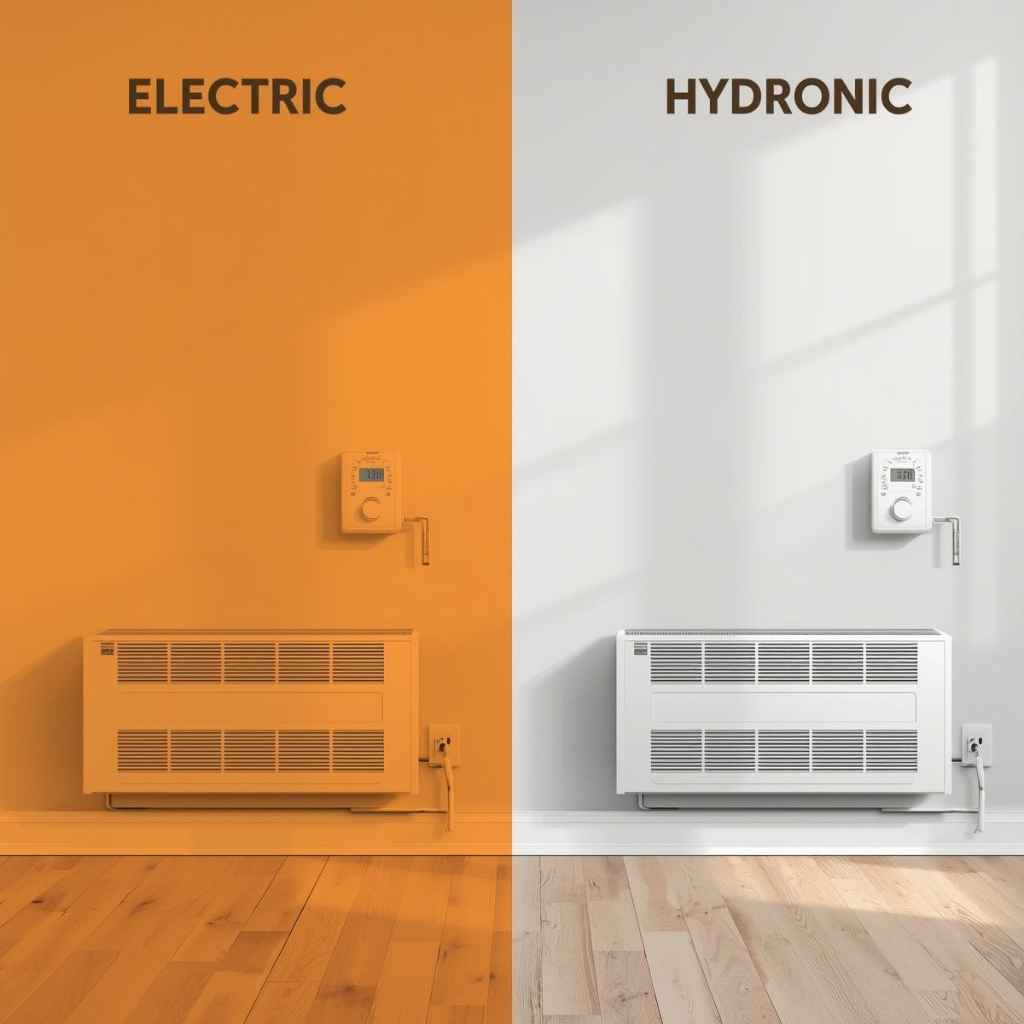
Electric Vs Hydronic Baseboard Heaters: What Is The Difference?
At their heart, both types of heaters are designed to deliver warmth to your living spaces. They sit low on your walls. This helps warm the air near the floor.
That warm air then rises. This creates a natural flow that heats the room. But how they achieve this warmth is where they differ greatly.
Think of it like two different ways to cook the same meal. Both end up with food, but the process and the final result can be quite different.
Electric heaters use electricity directly. They turn that power into heat. It’s a pretty straightforward process.
Hydronic heaters, on the other hand, use hot water. This water is heated elsewhere and then sent through the baseboard unit. So, one uses pure electricity right at the source.
The other uses a medium—water—that is heated first. This fundamental difference affects everything from installation to running costs.
We will explore what makes each system tick. We will look at how they are installed. We will also talk about how much they cost to run.
You will learn about their benefits. You will also learn their downsides. By the end, you’ll have a clear picture.
This will help you decide which one fits your home and needs best. It’s about finding the right fit for your comfort and your budget.
My Own Baseboard Heater Mystery
I remember when I first bought my little starter home. It was a charming place, but the heating system was a bit of a mystery to me. It had these long metal fins along the base of the walls.
They looked like radiators, but smaller. I knew they put out heat. But I wasn’t sure how.
Were they electric? Did they have a hidden boiler somewhere?
One chilly autumn evening, I noticed one unit wasn’t getting warm. I started poking around. I found wires going into some.
Others seemed connected to pipes that disappeared into the wall. It was confusing! I spent an hour Googling, feeling a bit panicked.
Was I going to have to tear down my walls? Was this going to cost a fortune to fix?
It turned out I had both types! Some were simple electric units, easy to replace. Others were part of a hydronic system.
That system had a small boiler in the basement. This whole experience taught me a lot. It made me realize how important it is to understand your home’s systems.
Knowing the difference between electric and hydronic baseboards saved me a lot of stress and money.
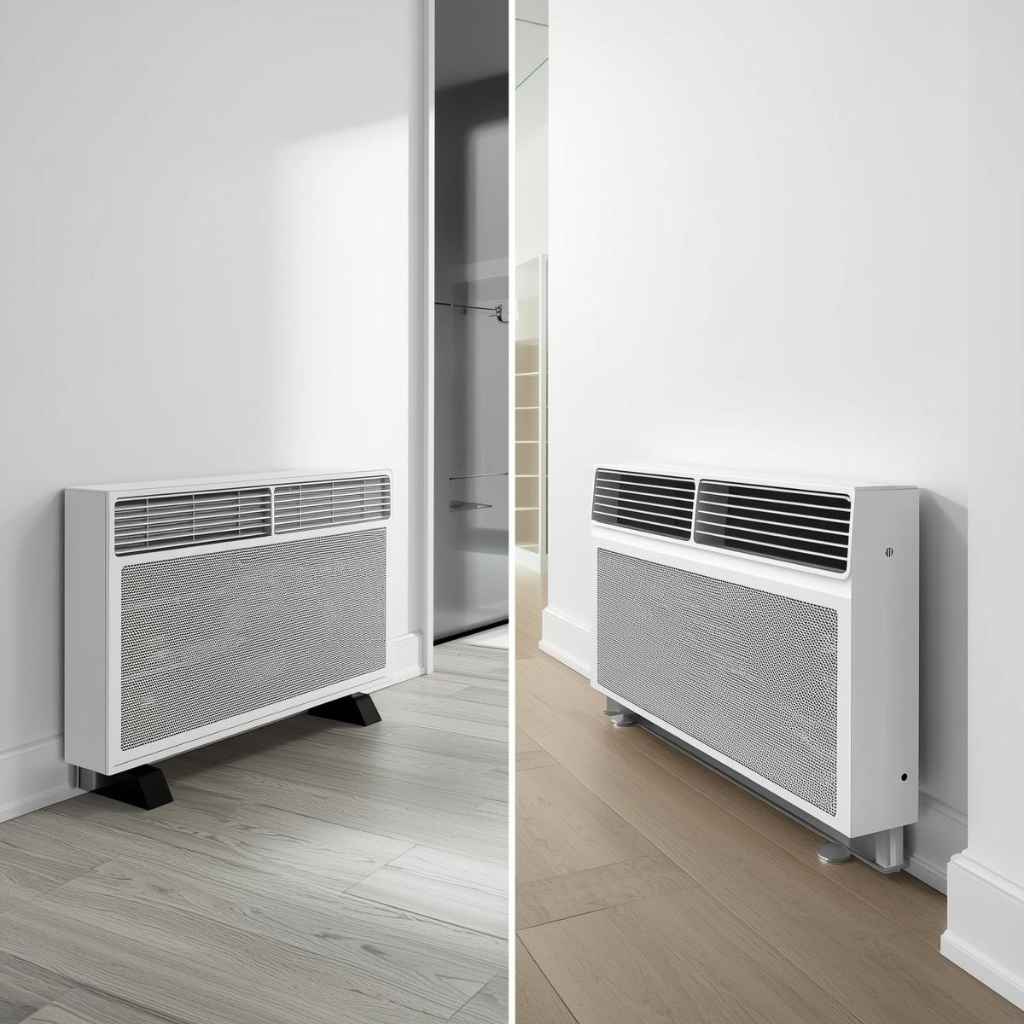
Electric Baseboard Heaters Explained
Electric baseboard heaters are perhaps the simplest form of electric heat. They are designed for individual room control. This means you can set the temperature for each room separately.
This can be a big energy saver. You don’t have to heat rooms you aren’t using.
Inside these units, you’ll find a heating element. This is usually a metal coil. When electricity flows through this coil, it gets hot.
This heat is then transferred to the air. Air enters the unit at the bottom. It gets warmed by the element.
Then, it rises and flows out the top. This natural convection helps circulate the warm air. It’s a very direct way to produce heat.
Installation is usually quite straightforward. They connect directly to your home’s electrical wiring. You often need a dedicated circuit for each unit.
This is because they draw a good amount of power. They often have a built-in thermostat. Or, they can be controlled by a central thermostat system.
This gives you flexibility in managing your home’s temperature.
The main advantage is their ease of installation and individual room control. You can turn them off in empty rooms. This saves electricity.
They are also relatively inexpensive to buy. However, the cost to run them can be higher. This is especially true if electricity prices are high in your area.
They are great for supplemental heat or in homes where installing other systems is difficult.
Electric Baseboard Heater Quick Facts
How they work: Electricity flows through a heating element, making it hot. Air is warmed by this element through convection.
Installation: Connects directly to electrical wiring. Often needs a dedicated circuit.
Control: Individual room thermostats or central control.
Pros: Easy install, individual room control, lower upfront cost.
Cons: Can be expensive to run, uses a lot of electricity, might dry out air.
Hydronic Baseboard Heaters Explained
Hydronic baseboard heaters are a bit more complex. They work by circulating hot water. This water is heated by a boiler.
The boiler can be fueled by gas, oil, or electricity. The hot water then travels through pipes to the baseboard units in each room.
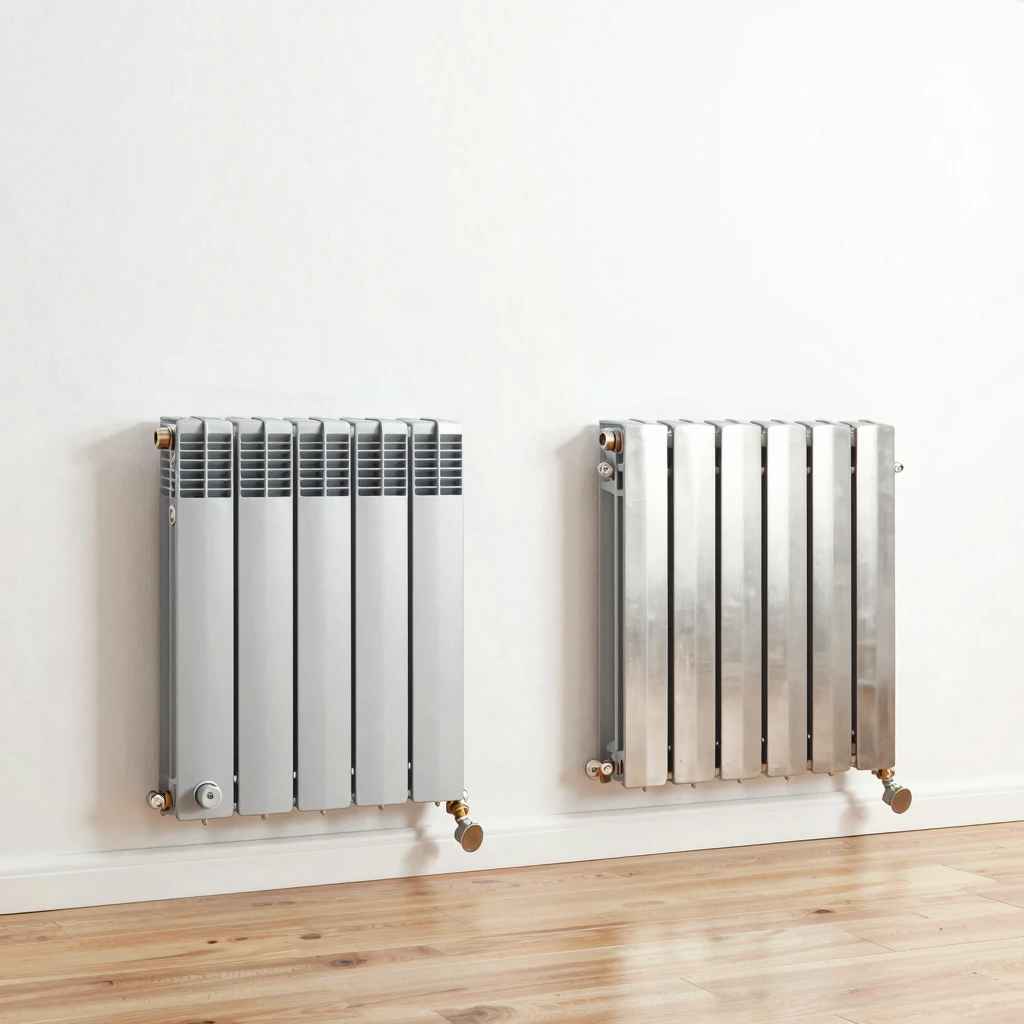
Each baseboard unit contains a series of fins. These fins are attached to a pipe that carries the hot water. As the hot water flows through the pipe, it heats the fins.
The air around these fins gets warm. Then, this warm air rises and circulates through the room, just like with electric heaters. This process is also called convection.
The key component here is the boiler. It’s the central heating source. It heats the water.
Then a pump circulates it. This system is often called a hot-water heating system. It provides a more even and consistent heat.
Many people find this type of heat to be more comfortable. It tends to feel less harsh than direct electric heat.
Installation is more involved. It requires pipes to be run throughout the house. It also requires a boiler and a pump.
This means a larger upfront investment. However, the running costs can be lower. This is especially true if you use a fuel source like natural gas, which is often cheaper than electricity.
The heat produced is often described as a softer, more gentle warmth.
Hydronic systems can also be quieter. They don’t have the same electrical hum you might hear from electric units. The heat is also more moist.
This can be better for people with dry skin or respiratory issues. The consistent temperature is a big plus for many homeowners.
Hydronic Baseboard Heater Quick Facts
How they work: Hot water from a central boiler heats fins. Air warms by the fins and rises.
Installation: Requires pipes, a boiler, and a pump. More complex installation.
Control: Usually a central thermostat controls the boiler.
Pros: Even, consistent heat; potentially lower running costs; gentler heat; quieter operation.
Cons: Higher upfront cost; complex installation; single point of failure (boiler).
Comparing Installation and Setup
When we talk about installation, the difference is stark. Electric baseboard heaters are the easy option. You can often install them yourself.
Or a handyman can do it quickly. They just need to be wired into your home’s electrical system. This usually means running a new circuit from your breaker box.
Each unit needs its own power. So, if you have many rooms, you’ll have many circuits. They are great for additions or rooms where you can’t easily run pipes.
Hydronic systems are a different story. They require a central boiler. This boiler needs a fuel source (gas, oil, electric).
It also needs a way to vent exhaust if it’s a combustion boiler. Then, you have to run pipes. These pipes go from the boiler to each baseboard unit.
And they need to return the cooler water back to the boiler. This involves a lot of piping work throughout the house. It’s a much bigger project.
Consider your home’s structure. For older homes, running pipes might mean cutting into floors or walls. This can be messy and expensive.
For new construction, it’s easier to plan for hydronic systems from the start. Electric units are often chosen for their simplicity. They are also chosen when a full central system is just not feasible.
The upfront cost for electric is much lower. The upfront cost for hydronic is significantly higher.
Think about future renovations. Adding an electric baseboard heater to a new room is simple. Adding a hydronic unit means extending the pipe network.
This can be a major undertaking. So, the choice often depends on the home, the budget, and the desired complexity of the heating system.
Running Costs: A Closer Look
This is a big one for most homeowners. How much will it cost to keep my house warm? Generally, electric baseboard heaters are more expensive to run.
This is because electricity is often more expensive per unit of heat than other fuels. Electric resistance heating is not very efficient in terms of cost. You pay for every kilowatt-hour used.
Hydronic systems can be cheaper to run. This depends heavily on the fuel source for the boiler. Natural gas is often the most cost-effective fuel.
Propane and oil are usually more expensive. If the boiler itself is electric, then running costs might be similar to electric baseboards. But hydronic systems can also be more efficient in how they deliver heat.
The water holds heat well. This can lead to less energy wasted.
A well-insulated home will impact costs for both systems. But the difference in fuel cost is usually the deciding factor. If you live in an area with very cheap electricity, electric might be more competitive.
But in most parts of the U.S., natural gas or even oil for a boiler will lead to lower monthly bills. Remember, this is about running costs, not installation costs. It’s a long-term versus short-term cost consideration.
Also, consider the thermostat. Programmable thermostats can save money with either system. They let you lower the temperature when you’re away or asleep.
For hydronic systems, the boiler cycles on and off to maintain water temperature. For electric, each unit’s thermostat calls for power.
Cost Comparison Snapshot
| Factor | Electric Baseboard | Hydronic Baseboard |
| Upfront Cost | Lower | Higher |
| Running Cost (per BTU) | Higher (usually) | Lower (depends on fuel) |
| Installation Complexity | Simple | Complex |
| Fuel Source | Electricity | Boiler Fuel (Gas, Oil, Propane, Electric) |
Comfort and Heat Quality
This is where personal preference often comes into play. Many people describe the heat from hydronic baseboard heaters as softer and more gentle. It feels more like radiant heat.
It doesn’t tend to dry out the air as much as electric heat can. This can be a big deal for people with allergies or dry skin. The consistent temperature provided by a hydronic system is also a plus.
It avoids those quick temperature swings you sometimes get with electric heat.
Electric baseboard heaters provide a more direct heat. The air that comes out of them is quite warm. Some people find this heat to be a bit harsh.
It can also be noisier. You might hear the element click on and off, or the convection fan if it has one. The air can feel drier.
This is because the hot elements tend to reduce humidity in the air.
However, the advantage of electric is precise room control. You can set a specific temperature for each room. If one room tends to get warmer than others, you can turn down its thermostat.
With a hydronic system, one thermostat often controls the entire system. While individual room valves exist, they are not as common or as precise as electric thermostats. This means rooms furthest from the boiler might be cooler.
Rooms closest might be warmer.
For overall comfort and a more consistent feel, hydronic systems often win. For precise control over individual room temperatures, electric systems are excellent. It’s a trade-off between a perceived higher quality of heat and finer control over individual spaces.
Maintenance and Lifespan
When it comes to maintenance, electric baseboard heaters are very low-maintenance. The main thing you need to do is clean them. Dust can build up inside the fins.
This can reduce their efficiency. You might need to vacuum them out a few times a year. The heating elements themselves are quite durable.
They can last for many years. If one does fail, it’s usually easy and inexpensive to replace.
Hydronic systems require more maintenance. The boiler needs regular servicing. This includes checking for leaks, flushing the system, and ensuring it’s running efficiently.
You might need to add chemicals to prevent corrosion. The pumps and pipes also need to be checked. While the baseboard units themselves are pretty durable, the overall system has more moving parts and potential failure points.
However, a well-maintained hydronic system can last for a very long time. Many boilers are built to last 20 years or more.
The lifespan of electric baseboard heaters is generally quite good. They can last 15-20 years with minimal issues. Hydronic systems, if properly cared for, can have an even longer lifespan, especially the baseboard components themselves.
The boiler unit is the main factor in the system’s lifespan. Replacing a boiler is a significant expense.
Overall, electric heaters are simpler. They require less attention. Hydronic systems demand more regular upkeep.
This is something to consider when choosing. The simpler system often means fewer headaches. But the more complex system might offer better long-term value if maintained correctly.
Maintenance & Lifespan Comparison
-
Electric Baseboards:
- Low maintenance.
- Clean fins regularly.
- Heating elements are durable.
- Lifespan: 15-20 years.
- Easy element replacement.
-
Hydronic Baseboards:
- Requires boiler servicing.
- Check for leaks and corrosion.
- Pump and pipe checks needed.
- Lifespan: Baseboards long; boiler 20+ years.
- System maintenance is key.
When Electric Baseboards Make Sense
Electric baseboard heaters are a great choice in several situations. They are perfect for supplemental heat. If you have a main heating system but one room is always cold, an electric baseboard can fix that.
They are also ideal for rooms that are used infrequently. You can just turn them off when not in use. This avoids heating unused spaces.
They are excellent for renovations or additions. When you add a new room or garage, running pipes for a hydronic system can be very expensive and disruptive. An electric baseboard unit is quick and easy to install.
It’s a much more practical solution in these cases. They are also a good option for people on a tight budget. The upfront cost is significantly lower than a hydronic system.
If you live in a milder climate where heating needs are minimal, electric baseboards might be sufficient for your primary heat. They are also good for vacation homes. You can turn them up remotely or just use them when you’re there.
The individual room control means you can heat only the areas you need. This can prevent wasted energy. For simplicity and ease of installation, you can’t beat electric baseboards.
When Hydronic Baseboards Make Sense
Hydronic baseboard heating systems are typically the preferred choice for whole-house heating. If you’re building a new home or doing a major renovation, a hydronic system is often considered. They provide a very even and comfortable heat.
Many people prefer the feel of this warmth. It’s less drying and less harsh than electric heat.
If your primary goal is to lower your monthly heating bills, and natural gas is available and affordable in your area, a hydronic system is usually more cost-effective in the long run. The initial investment is higher, but the savings on fuel can make up for it over time. They are also quieter than electric heaters.
If noise is a concern, hydronic systems are a better bet.
For homes where consistent comfort is paramount, hydronic systems excel. They maintain a steady temperature more reliably. This is especially true for larger homes or older homes that may have draft issues.
The gentle heat doesn’t blast you with hot air. Instead, it creates a pleasant, consistent warmth throughout the room.
Consider the type of fuel available. If natural gas is readily available and cheap, it makes a hydronic system very appealing. If your only option is expensive electricity, the running costs of electric baseboards might not be as high a deterrent.
But generally, for primary, whole-home heating, hydronic systems are a strong contender.
Electric vs. Hydronic: Key Differences at a Glance
Let’s sum up the core differences. It’s helpful to see them side-by-side. This helps cement the concepts in your mind.
It makes the choice clearer.
How Heat is Made: Electric uses electricity directly to heat a coil. Hydronic uses hot water heated by a boiler.
Installation: Electric is simple, just wiring. Hydronic requires pipes, a boiler, and more complex plumbing.
Cost to Buy: Electric units are cheaper individually. A full hydronic system has a high upfront cost.
Cost to Run: Electric is usually more expensive per month, especially where electricity rates are high. Hydronic can be cheaper, depending on fuel source.
Heat Quality: Electric can be drier and harsher. Hydronic is often described as softer, more even, and less drying.
Maintenance: Electric is very low maintenance. Hydronic requires regular boiler and system checks.
Control: Electric offers precise individual room temperature control. Hydronic is often controlled by a central thermostat.
Lifespan: Both can last a long time. Electric elements are durable. Hydronic systems, with good maintenance, can last decades.
Electric vs. Hydronic: The Big Picture
Primary Function:
- Electric: Supplemental heat, single rooms, easy additions.
- Hydronic: Whole-house heating, consistent comfort.
Energy Source:
- Electric: Electricity only.
- Hydronic: Gas, oil, propane, or electricity for the boiler.
Air Quality Impact:
- Electric: Can dry out air.
- Hydronic: Tends to maintain humidity better.
Noise Level:
- Electric: Can have some noise from elements.
- Hydronic: Generally very quiet.
What This Means for Your Home
Understanding these differences helps you make the best decision for your home. If you live in an apartment or condo, you likely have electric baseboards. They are common in multi-unit dwellings.
They offer simple heating for each unit.
If you own a single-family home, you might have either. Or you might have a combination. Many older homes have hydronic systems.
Newer homes might opt for forced air, but baseboards are still an option. If you’re trying to decide which to install, consider your budget for installation versus your budget for monthly bills.
Also, think about your comfort preferences. Do you prefer a softer heat? Or do you want precise control over every room?
Both systems have their place. Neither is universally “better.” It depends on your specific needs, your home, and your local climate and utility costs.
Consider the environmental impact too. If you can use natural gas, it might be a cleaner burning fuel than oil. If you use electricity, consider if it comes from renewable sources in your area.
This can influence your decision. Look at the overall picture, not just one factor.
Quick Checks and When to Worry
For electric baseboards, a quick check involves feeling the heat output. If a unit isn’t getting warm, check the circuit breaker. If the breaker is fine, the thermostat might be faulty, or the heating element might have burned out.
These are usually simple fixes.
For hydronic systems, listen for unusual noises. Gurgling or banging can indicate air in the system. This might need to be bled out.
Check for leaks around the baseboards or pipes. If the system isn’t heating evenly, it could be a problem with the boiler, a pump issue, or an air lock. If you see any signs of rust or corrosion, it’s time for professional attention.
When to worry? With electric, if a unit sparks or smells burnt, turn off the power immediately and call an electrician. With hydronic, any significant water leaks are a cause for concern.
Also, if the boiler is making loud noises or not producing any heat, call a qualified HVAC technician right away. These systems involve water and electricity or fuel, so safety is always the top priority.
Common Questions About Baseboard Heaters
Are electric baseboard heaters safe?
Yes, electric baseboard heaters are generally safe when installed and used correctly. They have safety features like thermal cutoffs to prevent overheating. However, like any electrical appliance, they should be kept clear of flammable materials and regularly inspected for any damage.
Can you put furniture in front of electric baseboard heaters?
No, you should not block electric baseboard heaters with furniture. They rely on air circulation to heat a room. Blocking them can be a fire hazard and will make the heater less efficient.
Keep at least a few feet of space clear around them.
How much does it cost to install electric baseboard heating?
The cost to install electric baseboard heating varies. A single unit might cost between $150 to $300 for the unit itself. Installation can add another $100 to $300 per unit, depending on electrical work needed.
For a whole house, it can range from a few thousand dollars up to $10,000 or more, depending on size and complexity.
How much does it cost to install hydronic baseboard heating?
Installing a full hydronic baseboard heating system is a significant investment. The boiler, pipes, pump, and units can cost anywhere from $8,000 to $20,000 or more for an average-sized home. This is much higher than electric, but running costs can be lower.
Which type of baseboard heater is more energy-efficient?
When considering the cost of energy, hydronic systems are often more energy-efficient for whole-house heating. This is because the fuel source for the boiler (like natural gas) can be cheaper than electricity. Electric resistance heating converts nearly 100% of electricity into heat, but electricity itself is often more expensive per unit of heat energy.
Can I mix electric and hydronic baseboard heaters in my home?
Yes, it is possible to mix electric and hydronic baseboard heaters in your home. Many homeowners use hydronic for their main heating and electric units for supplemental heat in specific rooms or additions where extending the hydronic system is difficult or costly.
Final Thoughts on Your Heating Choice
Choosing between electric and hydronic baseboard heaters involves looking at many factors. Your budget, your home’s setup, and your comfort preferences all play a big role. Both systems have strengths.
Both have weaknesses. The best choice is the one that fits your life and your home the best. Take your time, consider all the points we’ve covered, and you’ll make a smart decision that keeps you warm and comfortable for years to come.
Sponsored / affiliate links. As an Amazon Associate I earn from qualifying purchases. I may earn additional commission from eligible campaigns.