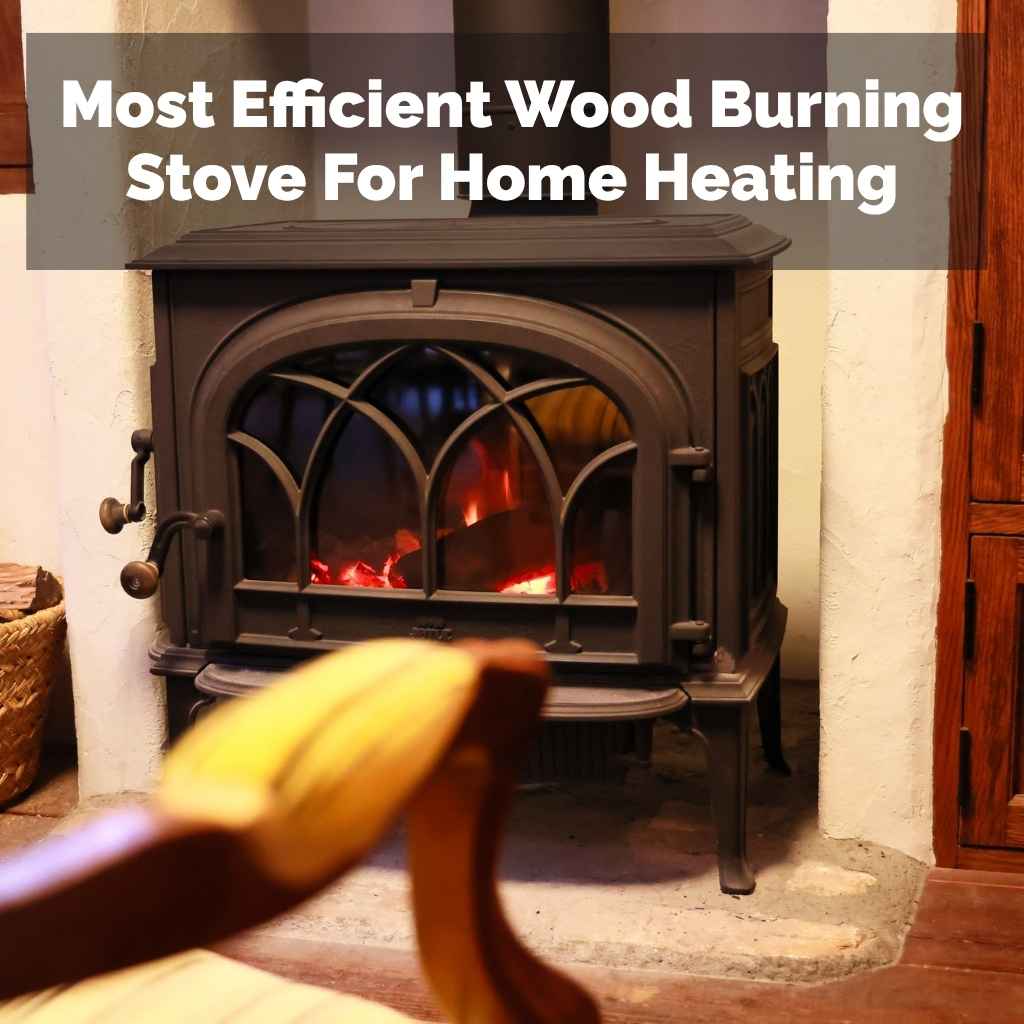
Most Efficient Wood Burning Stove For Home Heating
Finding the most efficient wood burning stove can feel like searching for a needle in a haystack. You want a warm home, lower heating bills, and maybe a cozy ambiance. But you also worry about pollution and wood use.
It’s a lot to balance. Many people struggle to know where to even start. What makes one stove better than another?
This guide will help you understand what to look for. We’ll break down the confusing terms. We’ll share what makes a stove truly efficient.
This way, you can feel confident choosing the best one for your needs. Let’s get your home warm and snug without the stress.
The most efficient wood burning stove heats your home well using the least amount of wood. Look for EPA-certified models. These meet strict air quality rules.
They burn cleaner and hotter. This means more heat for you and less wasted fuel. Choosing the right size is also key.
What Makes a Wood Burning Stove Efficient?
When we talk about an efficient wood burning stove, we’re really talking about how well it turns wood into usable heat for your home. It’s like a car that uses less gas to go the same distance. An efficient stove uses less wood to keep your rooms warm.
This saves you money on firewood. It also means less ash and less smoke going up the chimney. This is good for the air outside and inside your home.
Several things make a stove efficient. The first is the burn rate. This is how fast the wood burns.
A good stove controls this burn rate. It lets just enough air in to burn the wood completely. This gives you more heat.
It also means the wood lasts longer. You don’t have to feed the stove as often.
Another big factor is how the stove is built. Modern stoves have special designs. They have secondary combustion systems.
This means they burn the smoke that rises from the first burn. This smoke still has energy in it. A secondary burn captures this energy.
It burns it off like a second fire. This makes the stove much hotter. It also burns away more pollutants.
This is why many new stoves are called EPA-certified.
The materials used also matter. Cast iron stoves tend to hold heat well. Steel stoves can heat up faster.
Some stoves have firebrick lining. This lining helps protect the stove. It also helps keep the heat inside where it belongs.
It radiates warmth into your room for a long time, even after the fire dies down. This lingering warmth is a sign of good efficiency.
Finally, the way you use it matters a lot. Even the best stove won’t be efficient if you don’t use it right. Burning wet wood is a common mistake.
Wet wood smolders. It doesn’t burn hot. It creates a lot of smoke.
It can also harm your stove and chimney. Using seasoned wood, which is dry wood, is crucial for maximum heat and efficiency.
My Own Brush with Inefficiency
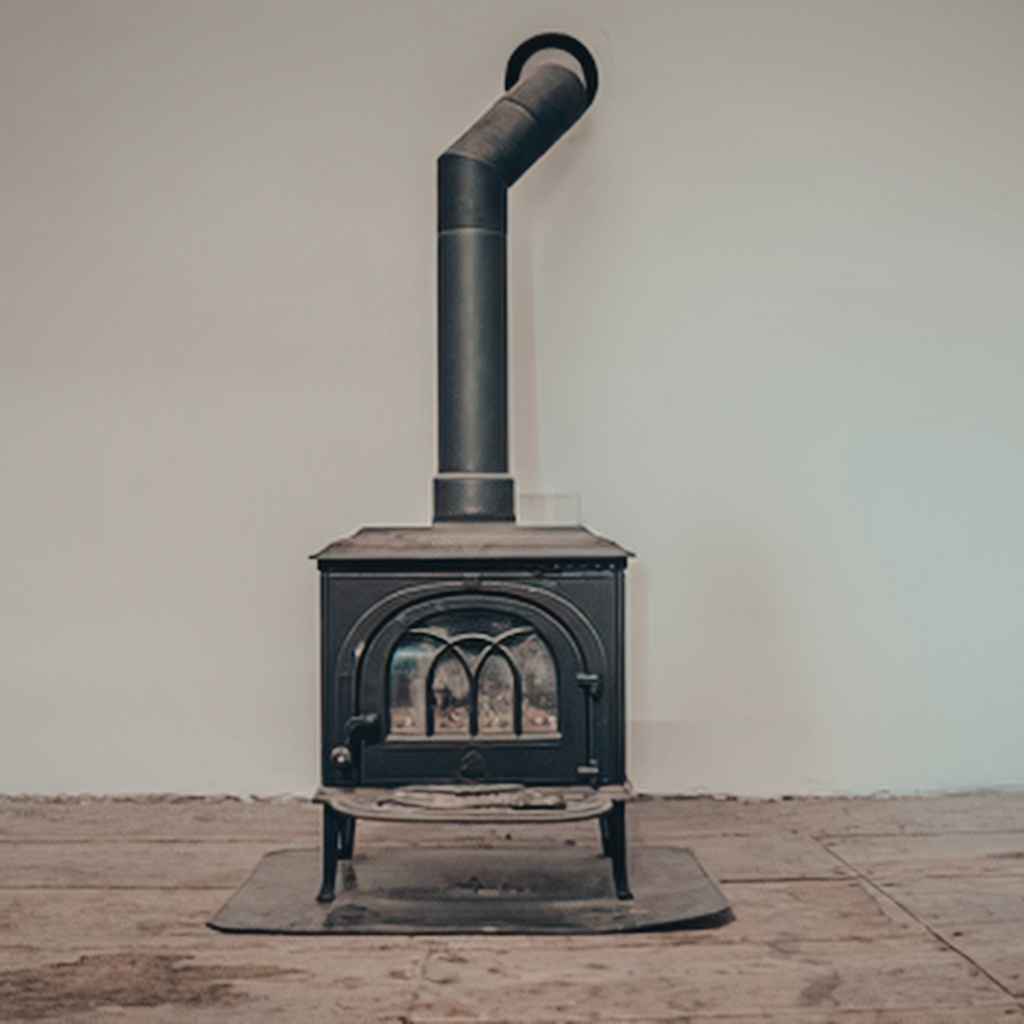
I remember my first winter with a very old, basic wood stove. It was a hand-me-down from a relative. It looked sturdy, all thick cast iron.
I thought it would be the best. I spent weekends cutting and splitting wood, dreaming of a toasty house. The reality was… different.
My living room was barely warm. I was constantly shoveling wood into the firebox. The glass on the door would get so black with soot.
It made me feel like I was doing something wrong. I was burning a lot of wood. Yet, the house was still chilly.
Especially near the windows. I’d wake up feeling cold. It was frustrating.
I’d see smoke puffing out even when the damper was open. I knew it wasn’t working as well as it could. I was using dry wood.
I thought I was loading it right. I was spending so much time and effort. But the heat just wasn’t staying put.
It felt like the energy was just going up the chimney. That’s when I started researching. I learned about secondary burn.
I learned about air controls. I realized my old stove was basically just a metal box for a fire. It wasn’t designed to capture and amplify the heat.
Understanding EPA Certification
The U.S. Environmental Protection Agency (EPA) sets standards. These standards limit how much smoke a wood stove can produce.
Stoves that meet these rules are EPA-certified. They have a special label. This label shows they are much cleaner burning.
Why it matters:
- Less pollution: Cleaner air for you and your neighbors.
- More heat: They burn wood more completely. You get more warmth.
- Less wood use: They are more fuel-efficient. You burn less wood.
- Less maintenance: Cleaner burning means less creosote in your chimney.
Look for this certification when you shop. It’s a key sign of an efficient and modern stove.
How Modern Stoves Achieve High Efficiency
Modern wood stoves are engineering marvels. They are designed to get every last bit of heat from your firewood. The biggest innovation is secondary combustion.
Older stoves were pretty simple. They let wood burn. Then, the smoke went up the chimney.
Modern stoves do more. They have a second place where air mixes with the smoke. This creates a second, hotter fire.
This burns off smoke particles. These particles are unburned fuel. Burning them means more heat is released.
It also makes the exhaust cleaner.
These stoves use special air controls. You can adjust how much air goes into the fire. This lets you control the burn.
For a hot, fast fire, you open the air. For a slow, steady burn, you close it down a bit. Good stoves have precise air controls.
They let you fine-tune the burn. This means you can get the most heat when you need it. You can also make the fire last longer through the night.
The insulation inside the stove also plays a big role. Many stoves have firebricks. These bricks absorb heat.
They then radiate it back into the room. This keeps the firebox hotter. A hotter firebox burns more cleanly.
It also makes the stove itself a radiator. It continues to give off warmth even after the flames have died down. This is called thermal mass.
It helps keep your home warm for hours.
The design of the firebox itself is important. Some fireboxes are shaped to create a vortex. This swirling action helps mix air and smoke.
It makes the secondary combustion more effective. The way the baffles and secondary air tubes are placed matters. All these details work together.
They ensure the wood burns as completely as possible.
Heat Output Explained: BTUs
You’ll see stoves listed with a BTU rating. BTU stands for British Thermal Unit. It’s a measure of heat energy.
BTU Rating:
- Higher BTU: Means the stove can produce more heat.
- Lower BTU: Means it produces less heat.
Choosing the right BTU is key:
- Too high: You might overheat your home. You’ll have to shut the stove down. This makes it less efficient.
- Too low: The stove won’t be able to heat your home. You’ll still need other heat sources.
The size of your home, insulation, and climate matter. A rough guide for average U.S. homes: 40,000-60,000 BTUs can heat about 1,000-1,500 sq ft.
Always check the stove’s specs and consider your specific needs.
Key Features of High-Efficiency Stoves
When you’re looking for the most efficient wood burning stove, there are a few key features to keep an eye out for. These are the things that separate a good stove from a great one. They are the reasons why some stoves heat your home for hours on just a couple of logs.
And others seem to eat wood like there’s no tomorrow.
First is the secondary burn system. As we discussed, this is crucial. It burns off smoke and gases.
Look for stoves that describe this feature clearly. Some might call it “pre-heated air systems” or “reburn technology.” The goal is the same: to extract more heat from the wood. It makes the fire burn hotter and cleaner.
Next, check the air intake controls. These should be easy to adjust. They should offer precise control over the amount of air entering the firebox.
A good control lets you go from a roaring fire to a slow, gentle burn. This flexibility is essential for efficiency. You want to match the heat output to the need.
Look for firebox construction. Heavy-gauge steel or thick cast iron is good. These materials hold heat well.
Many efficient stoves have a refractory lining, like firebrick. This protects the metal. It also helps maintain high temperatures.
High temperatures mean a more complete burn. It also means the stove stays hot longer.
The glass door on a wood stove can be a heat thief if not designed well. Modern stoves often have a “clean burn” air wash system. This system directs a curtain of air down the inside of the glass.
This burns off soot and creosote before it builds up. This keeps the glass clear. It lets you enjoy the fire.
It also helps the stove radiate heat better. A dirty glass door doesn’t radiate heat as well.
Finally, consider the stove’s efficiency rating. Manufacturers often state an efficiency percentage. For EPA-certified stoves, this is usually very high.
Look for numbers above 70%. Some advanced models can reach over 80% efficiency. This number tells you how much of the wood’s energy is converted to heat for your room.
The rest is lost up the chimney as heat and unburned gases.
Common Stove Materials
The material of a stove affects its heating style.
-
Cast Iron:
- Pros: Durable, holds heat very well, radiates warmth long after fire dies.
- Cons: Can be heavy, may expand/contract with heat cycles.
-
Steel:
- Pros: Heats up faster, can be more modern in design, often lighter.
- Cons: May not hold heat as long as cast iron without added thermal mass.
-
Soapstone:
- Pros: Excellent heat retention, very smooth radiant heat, doesn’t expand/contract much.
- Cons: Can be expensive, often heavier.
Many stoves combine materials. For example, a steel stove with a firebrick or soapstone lining.
Choosing the Right Size Stove
Picking the right size wood stove is as important as picking an efficient one. A stove that’s too big for your space will make you overheat the room. You’ll have to keep shutting it down.
This wastes fuel and isn’t good for the stove. A stove that’s too small won’t be able to keep your home warm enough. You’ll always be running it at its maximum.
This can lead to it not burning as cleanly as it could.
The main factor is the square footage you need to heat. Most stove manufacturers provide guidelines. These are usually based on average home insulation levels.
A typical U.S. home might need a stove that can heat between 1,000 and 2,000 square feet. Some larger stoves can handle up to 2,500 square feet or more.
But square footage isn’t the only thing. You also need to think about your home’s insulation. Older homes or homes with poor insulation will lose heat faster.
You might need a slightly larger stove or one with higher BTU output. Newer, well-insulated homes might do fine with a smaller stove. They hold onto heat better.
Your climate matters too. If you live in a very cold region, like Maine or Minnesota, you’ll need a stove that can produce a lot of heat for long periods. If you live in a milder climate, like the Pacific Northwest or the Carolinas, your heating needs might be less intense.
Consider how you will use the stove. Is it your primary heat source? Or is it supplemental heat for your living room?
If it’s your main source, you’ll want a stove that can handle the full heating load. If it’s just for cozy evenings, a smaller, more efficient stove might be perfect.
A good rule of thumb is to aim for a stove that can comfortably heat 1,200 to 1,800 square feet if your home is average. You can always turn down the heat slightly by adjusting the air controls. But you can’t make a small stove produce heat it’s not designed for.
Always read the manufacturer’s specifications. They often have charts that help you match stove size to home size.
Matching Stove Size to Room
Think of your home like a large oven.
-
Well-Insulated Home:
- Needs less heat to stay warm.
- A smaller stove works well.
-
Poorly-Insulated Home:
- Loses heat quickly.
- Needs a larger stove or more heat output.
-
Climate:
- Cold regions need more consistent heat.
- Mild regions need less intense heat.
The goal is to run the stove at a medium to high setting for the best efficiency. Not constantly at maximum.
Wood Quality: The Unsung Hero of Efficiency
You can buy the most advanced, most efficient wood burning stove on the market. But if you feed it wet wood, you’ll still have a smoky, inefficient fire. Wood quality is often overlooked.
But it’s incredibly important for getting the best performance from your stove. It’s like putting cheap, stale gas in a high-performance car. You won’t get the results you expect.
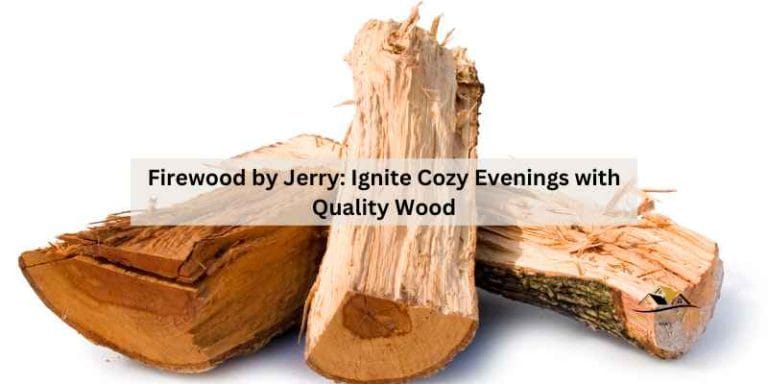
The key is seasoned wood. This means wood that has been cut and dried for a significant period. Typically, 6 to 12 months is recommended.
This drying process allows the water content in the wood to drop significantly. Wet wood has a lot of water. When you try to burn it, the fire has to first boil off that water.
This uses a lot of the fire’s energy. It makes the fire burn cooler. It produces more smoke and creosote.
Creosote is a tar-like substance. It builds up in your chimney. It’s a fire hazard.
How do you know if wood is seasoned? It should have a low moisture content. This is usually under 20%.
You can tell by sound. If you bang two pieces of seasoned wood together, they should make a clear, sharp “clack.” Wet wood makes a dull “thud.” Seasoned wood also looks different. It often has cracks or checks on the ends.
The bark might be loose. It feels lighter than wet wood.
What kind of wood should you burn? Hardwoods like oak, maple, and hickory are great. They burn longer.
They produce more heat. Softwoods like pine and fir burn faster. They are good for getting a fire started.
But they don’t last as long. For sustained heating, hardwoods are generally preferred. They are denser.
Storing your wood properly is also part of ensuring efficiency. Wood should be stored off the ground. It should be covered on top.
This keeps the top dry. But it should allow air to circulate around the sides and bottom. This helps it dry evenly.
If you buy firewood, ask the seller if it’s seasoned. If you cut your own, plan ahead. Stack it properly and let it dry.
Seasoned vs. Unseasoned Wood
Seasoned Wood:
- Moisture Content: Below 20%
- Burning: Hot, clean, efficient.
- Sound: Sharp “clack” when banged together.
- Appearance: Cracks on ends, lighter weight.
- Benefits: More heat, less smoke, less creosote, easier to light.
Unseasoned (Green) Wood:
- Moisture Content: Above 20% (can be 50%+)
- Burning: Smoldering, smoky, inefficient.
- Sound: Dull “thud” when banged together.
- Appearance: No cracks, heavy, bark may be tightly attached.
- Drawbacks: Less heat, more smoke, chimney fires risk, hard to light.
Always use seasoned wood for the best results.
Real-World Stoves and Brands
When you start looking at specific models, you’ll see many brands. Some are known for their long history and durability. Others focus on cutting-edge technology.
For the most efficient wood burning stove, you’ll often find yourself looking at EPA-certified models. These are built with modern combustion in mind.
Brands like Hearthstone are known for their soapstone stoves. Soapstone has amazing heat-holding properties. It provides a gentle, even warmth.
It’s different from the intense heat of metal stoves. Their designs are often classic and long-lasting. They are built for serious heating.
Jotul is a Norwegian brand with a strong reputation. They offer a range of cast iron stoves. Many are EPA-certified.
They balance traditional looks with modern efficiency. Their stoves are built to withstand harsh winters. They are designed for heating whole homes.
Enviro and Enfire are brands that often come up when discussing high efficiency. They focus heavily on the technology of secondary combustion. Their stoves are designed to burn very cleanly.
They often have sleek, modern designs. They are great for people who want high performance and good looks.
Pacific Energy is another well-regarded manufacturer. They offer a variety of stoves. Many are known for their robust build quality and excellent heat output.
They often have large fireboxes. This means you can load more wood. It also means longer burn times.
When researching, don’t just look at the brand name. Look at the specific model’s specifications. Check the EPA certification number.
Look at the efficiency rating if provided. Read reviews from real users. See how the stove performs in different conditions.
What do people say about how long a load of wood lasts? How easy is it to control the fire? These real-world experiences are invaluable.
What to Ask When Buying
When you talk to a dealer or look online, ask these questions:
- Is this stove EPA-certified? (Check the certification number.)
- What is the BTU output range? (How much heat can it produce?)
- What square footage is this stove rated for?
- What is the efficiency rating? (If available.)
- What type of wood does it burn best? (Hardwood vs. softwood.)
- What is the firebox size? (How much wood can it hold?)
- What are the typical burn times per load?
- What is the warranty?
Asking these questions helps you compare stoves accurately.
Ventilation and Installation: Crucial for Safety and Efficiency
Even the most efficient wood burning stove needs proper ventilation to work safely and effectively. This is not an area to cut corners. A well-installed stove is key to both performance and your family’s safety.
It ensures the smoke and gases go where they should.
The chimney is the most important part. It needs to be the correct size for the stove. It must be tall enough.
A proper chimney creates a good draft. A draft is the upward pull of air. It draws smoke out of the stove and up the chimney.
Without a good draft, smoke can come back into your house. This is dangerous.
The chimney should be made of the right materials. It needs to withstand high temperatures. It should also be regularly inspected and cleaned.
Chimney fires are a serious risk. They are caused by creosote buildup. Regular cleaning by a certified chimney sweep is essential.
This usually needs to happen at least once a year.
Your stove also needs fresh air to burn efficiently. Modern, airtight stoves use a lot of air. In a well-sealed home, there might not be enough air naturally.
Some stoves can be connected to an outside air intake. This brings fresh air directly into the stove. This improves combustion.
It also prevents the stove from using up the air inside your home. This is especially important in homes with high-efficiency furnaces or air exchangers.
There are also clearance requirements. Stoves and chimneys need to be kept a safe distance from combustible materials. This includes walls, furniture, and ceilings.
These clearances are set by the stove manufacturer and local building codes. They are there to prevent fires. Always follow these guidelines strictly.
A professional installer will know these rules.
When getting a stove installed, hire a certified professional. They know how to connect the stove to the chimney correctly. They understand the building codes.
They can ensure your system is safe and works as it should. A good installation is an investment in safety and efficiency. It ensures you get the most out of your stove for years to come.
Draft: The Stove’s Best Friend
A stove’s draft is the natural upward movement of air. It pulls smoke and gases out.
-
Good Draft Factors:
- Tall chimney
- Straight chimney
- Properly sized chimney
- No obstructions
- Warmer flue gases than outside air
-
Poor Draft Causes:
- Short or bent chimney
- Blocked chimney (creosote, bird’s nest)
- Cold chimney
- Air leaks in the stove or flue
- Excessive house airtightness
A good draft is vital for efficient and safe operation.
When Is It Time to Upgrade?
You might have an older wood stove that’s still working. But is it the most efficient wood burning stove you could have? There are signs that suggest it might be time to consider an upgrade.
Even if it seems okay, modern stoves offer significant improvements.
One of the biggest indicators is smoke. If your current stove produces a lot of visible smoke, even when you think you’re burning it correctly, it’s likely inefficient. Modern EPA-certified stoves burn much cleaner.
They produce very little visible smoke. This means less pollution and more heat for you.
Another sign is how much wood you use. If you feel like you’re constantly feeding your stove, and your woodpile disappears too quickly, it’s a clue. Inefficient stoves waste a lot of heat up the chimney.
They require more wood to maintain the same temperature. Upgrading to an efficient model can cut your wood consumption by 30-50%.
Look at the ash production. If you have a huge amount of ash after burning just a few logs, the wood isn’t burning completely. A highly efficient stove burns wood down to very fine ash.
You’ll have less ash to clean out.
Consider the age and condition of your stove. Older stoves, especially those made before the EPA standards were in place, were not designed for high efficiency. They lack secondary combustion and modern air controls.
If your stove has cracks, warped parts, or a badly damaged door seal, it’s likely losing a lot of heat.
Finally, think about performance. If your home is never quite as warm as you’d like, or if you have cold spots, your current stove might not be up to the job. Modern stoves are designed to provide consistent, even heat.
They are better at distributing warmth throughout your home.
Upgrading to a new, efficient stove is an investment. But it pays off in lower heating costs, a warmer home, and a cleaner environment. It also provides peace of mind knowing you are using your fuel in the best possible way.
Quick Stove Check-Up
Ask yourself these questions about your current stove:
- Does it produce a lot of visible smoke?
- Do you burn a lot of wood to stay warm?
- Is there a very large amount of ash?
- Are there visible cracks or damage?
- Does the door seal tightly?
- Does it heat your home consistently?
If you answer yes to several of these, it might be time to look for a new one.
Frequently Asked Questions
What is the difference between an EPA-certified stove and an older stove?
EPA-certified stoves are designed to burn much cleaner. They use advanced combustion technology, like secondary burn systems. This means they produce less smoke and pollution.
They also burn wood more completely, giving you more heat and using less wood. Older stoves often lack these features and are much less efficient.
How do I know if my wood is dry enough to burn?
Seasoned wood should have a moisture content below 20%. You can check this with a wood moisture meter. Visually, seasoned wood often has cracks on the ends.
It feels lighter and makes a sharp “clack” sound when two pieces are banged together, unlike the dull “thud” of wet wood.
What are the benefits of a secondary burn system?
A secondary burn system ignites the smoke and gases that rise from the initial wood burn. This creates a second, hotter fire. It extracts more heat from the wood.
It also burns away pollutants, making the exhaust much cleaner. This leads to higher efficiency and less smoke.
How often should I clean my chimney?
Most experts recommend cleaning your chimney at least once a year. If you use your stove frequently, or if you notice a lot of creosote buildup, you may need to clean it more often. This is crucial for preventing chimney fires.
Can I use a small stove to heat a large house?
It’s generally not recommended. A stove that’s too small will struggle to heat a large space. You’ll end up running it at its maximum capacity all the time.
This can lead to inefficient burning and premature wear. It’s best to choose a stove sized for your home’s square footage and insulation level.
What is the typical lifespan of an efficient wood stove?
A well-maintained, high-quality wood stove can last for many years, often 15 to 20 years or even longer. Regular maintenance, like annual chimney cleaning and occasional replacement of door gaskets or firebricks, is key to its longevity and continued efficiency.
Conclusion
Choosing the most efficient wood burning stove is about more than just finding a heater. It’s about smart energy use. It’s about keeping your home warm and comfortable in a cleaner, more cost-effective way.
By focusing on EPA certification, understanding secondary combustion, and using quality wood, you can make a big difference. Don’t forget that proper installation and a little bit of know-how go a long way. Your effort will be rewarded with cozy warmth and peace of mind all winter long.
Sponsored / affiliate links. As an Amazon Associate I earn from qualifying purchases. I may earn additional commission from eligible campaigns.