Infrared Vs Radiant Tube Heaters: What Is The Difference?
Infrared heaters use invisible light waves to warm objects and people directly. Radiant tube heaters use a heated tube to emit heat, warming the air and objects around it. They are different in how they transfer heat and their best applications.
Understanding How They Work
Let’s dive into the science behind these heaters. It’s not too complex. Think about the sun.
It sends warmth down to Earth. It does this through space without heating the air between. Infrared heaters work in a similar way.
They use infrared radiation. This is a type of light we can’t see. This light travels through the air.
When it hits something, like your skin or a chair, it turns into heat.
This means infrared heaters don’t spend a lot of energy trying to warm up the air itself. They focus on what’s in front of them. The warmth feels instant.
You stand in front of one, and you feel warm right away. This is a big difference from old-style heaters. Those heaters push hot air around the room.
Infrared heaters warm you up directly. This makes them great for places where air can move around a lot. Think of open garages or patios.
They are also good for spot heating. You can warm just one person or one area. This saves energy.
Now, radiant tube heaters are a bit different. They have a long tube. This tube gets very hot.
It’s usually made of metal. Inside the tube, there’s a heating element. This element makes the tube glow with heat.
The hot tube then gives off heat. This heat travels out. It warms up the air around the tube.
It also warms up surfaces it hits directly. It’s more like a traditional radiator but in a tube shape. The heat spreads out.
It warms up the whole space more evenly.
Radiant tube heaters are often used in larger spaces. They can heat up factories, warehouses, or even large workshops. They work best when the space is enclosed.
This is because they heat the air. If the air escapes, the heat goes with it. They are not as good for spot heating.
They warm a general area. They take a little longer to feel the warmth. This is because the air needs to heat up first.
But once it’s warm, it stays warm. The heat feels more consistent.
Infrared Heaters: The Direct Approach
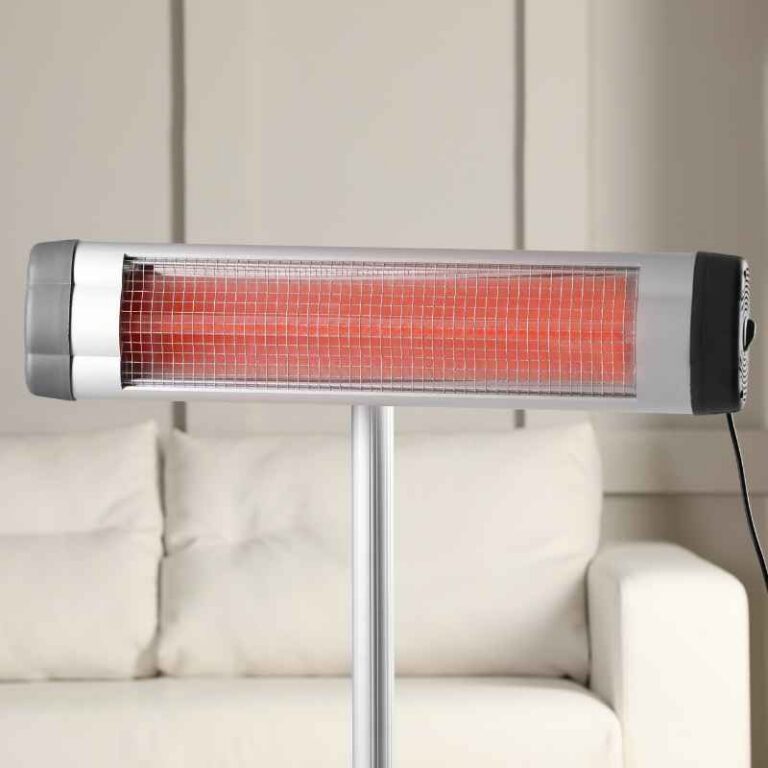
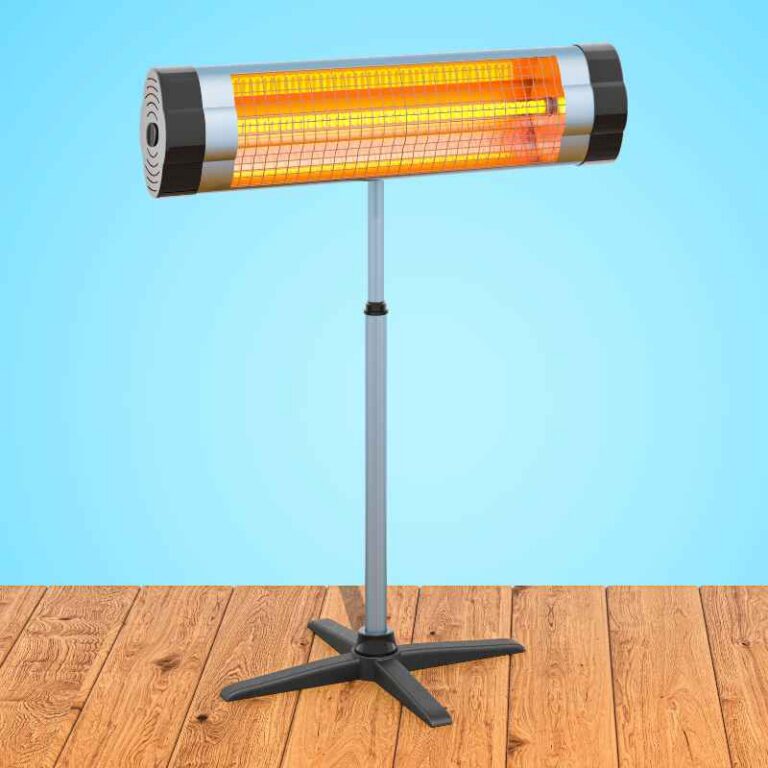
Infrared heaters are all about direct heat. They use special bulbs or elements. These give off infrared waves.
These waves are like sunshine. They travel in straight lines. They don’t get absorbed much by the air.
When these waves hit a solid object, the object absorbs the energy. This energy then becomes heat. You feel this heat right away.
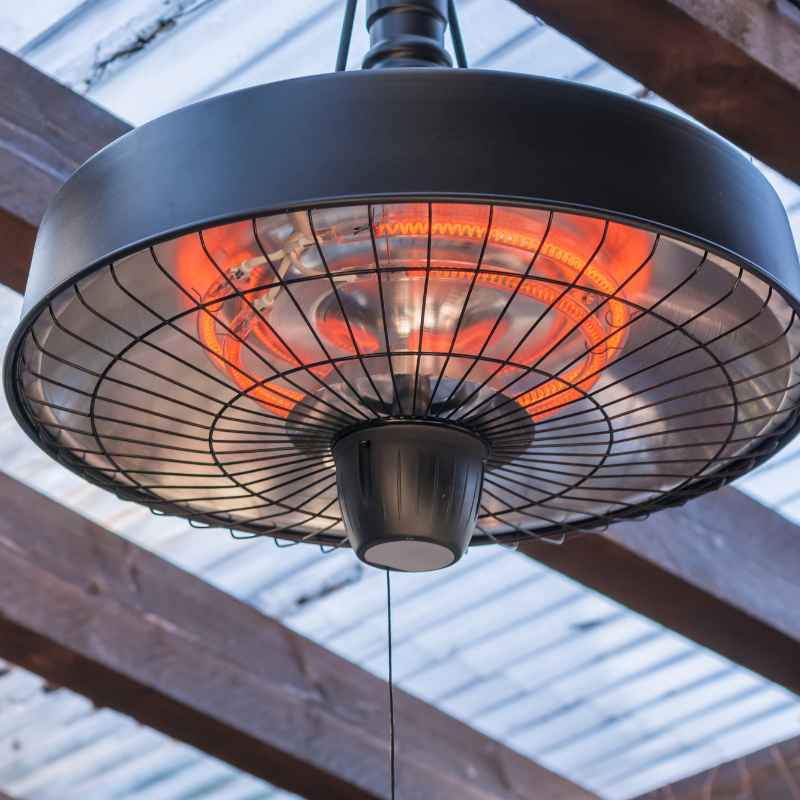
Think about a patio heater on a cool evening. You stand near it, and you feel warm. The air around you might still be cool.
But you are comfortable. That’s infrared heat at work. It’s very efficient for heating people or specific spots.
You don’t need to heat the entire room. You just need to heat where you are. This makes them a smart choice for energy saving.
Types of Infrared Heaters
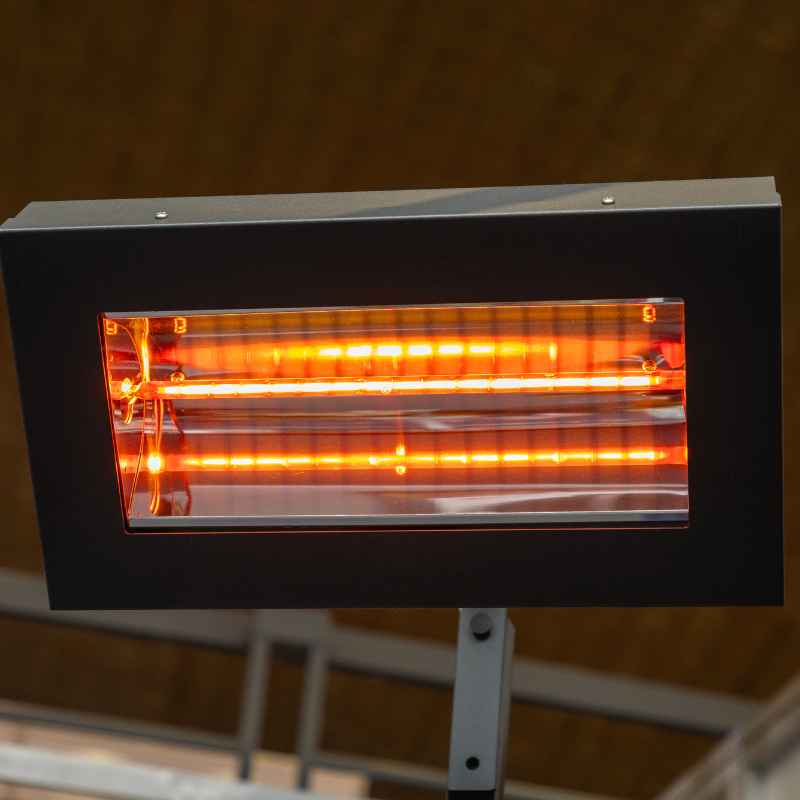
There are a few main kinds of infrared heaters. Some use quartz tubes. These glow red when they heat up.
They give off a lot of heat quickly. Others use ceramic elements. These are more durable.
They provide a steady warmth. There are also short-wave, medium-wave, and long-wave infrared heaters. Each type has a different wavelength.
This affects how far the heat travels and how quickly you feel it. Short-wave is very intense and fast. Long-wave is gentler and more spread out.
I remember setting up an infrared heater in my garage once. It was a cold November. I wanted to work on a woodworking project.
The garage was freezing. I plugged in the heater and pointed it at my workbench. Within minutes, I felt a pleasant warmth.
It was like standing in a sunbeam. I could work comfortably without wearing layers and layers of clothes. The rest of the garage was still cold, but I was warm.
That was a game-changer for my winter projects.
Where Infrared Heaters Shine
Infrared heaters are perfect for several situations. Outdoor patios and decks are a prime example. On a chilly night, they extend your outdoor season.
You can sit outside and enjoy the fresh air. They also work well in open or drafty areas. This includes garages, workshops, and sheds.
Because they heat objects directly, the heat doesn’t escape as easily through gaps. They are great for places where you only need to heat a specific zone. Think of a waiting area or a single desk in a large, cool room.
They can also be used in bathrooms. They provide quick warmth when you step out of the shower.
Here’s a look at some common spots:
- Outdoor Patios
- Garages and Workshops
- Open-Concept Living Areas (for spot heating)
- Bathrooms (for quick warmth)
- Commercial Spaces (like outdoor cafes)
- Areas with High Ceilings
Radiant Tube Heaters: Warming the Air
Radiant tube heaters work differently. They have a sealed tube. Inside this tube is a heating element.
This element heats up the tube. The tube then becomes a source of radiant heat. This heat is emitted outwards.
It warms the air and the surfaces it touches. The heat is more spread out. It warms a larger area more evenly than direct infrared.
These heaters are often seen in industrial settings. Think of large warehouses or factories. They are also used in agricultural buildings like barns.
They heat up the space in a more general way. They don’t rely on direct line-of-sight heating. This makes them suitable for areas with tall ceilings or where people move around a lot.
The heat rises and spreads. It creates a more comfortable ambient temperature.
A key difference is how long it takes to feel the warmth. With an infrared heater, you feel it almost instantly. With a radiant tube heater, you need to give it time.
The tube needs to get hot. Then, the air around it needs to warm up. Finally, that warm air spreads through the space.
So, it’s a slower process. But once the space is warm, it stays warm.
How Radiant Tube Heaters Work
The core of a radiant tube heater is the tube itself. This tube is typically made of steel or ceramic. Inside, a special heating element glows hot.
This heat transfers to the tube. The tube then radiates heat in all directions. Some radiant tube heaters have reflectors.
These bounce the heat forward. They direct the warmth where it’s needed most. This can make them more efficient in specific setups.
These heaters are usually suspended from the ceiling. This allows the heat to radiate downwards. It also helps to warm the air more effectively.
The tubes can be straight or U-shaped. The shape affects how the heat is distributed. U-shaped tubes can cover a wider area.
Straight tubes are good for directing heat along a line.
Where Radiant Tube Heaters Excel
Radiant tube heaters are best suited for large, open spaces. This is where their ability to heat air and distribute it evenly really pays off. They are common in commercial and industrial settings.
Examples include:
- Warehouses and Distribution Centers
- Factories and Manufacturing Plants
- Auto Repair Shops and Service Bays
- Agricultural Buildings (like barns and greenhouses)
- Large Commercial Kitchens
- Sports Arenas (sometimes)
- High-Bay Retail Stores
They are also good for spaces with high ceilings. The heat can rise and then spread. This helps prevent heat from just pooling at the very top.
They are less effective for outdoor use or in drafty areas. This is because the warm air can escape easily. They also don’t provide the instant, spot heating that infrared heaters do.
Infrared vs. Radiant Tube: Quick Glance
Infrared:
- Heat Type: Direct, invisible light waves.
- Warming: Objects and people directly.
- Speed: Instant warmth felt.
- Best For: Spot heating, outdoor use, drafty areas.
- Energy Use: Efficient for targeted heating.
Radiant Tube:
- Heat Type: Heated tube emits heat.
- Warming: Air and surfaces.
- Speed: Warmer air takes time to build.
- Best For: Large, enclosed spaces, high ceilings.
- Energy Use: Efficient for general area heating.
Key Differences Explained
Let’s break down the main ways these two types of heaters differ. It’s all about the heat transfer method. Infrared uses radiation.
Radiant tube uses a heated element and then radiation. This leads to different performance characteristics.
Heat Transfer Mechanism
The biggest difference is how they transfer heat. Infrared heaters emit infrared radiation. This is a form of electromagnetic energy.
It travels in waves. These waves pass through the air. They are absorbed by objects and people.
This absorption causes the molecules to vibrate faster. This is perceived as heat. It’s like the sun warming your face.
Radiant tube heaters generate heat from an element inside a tube. This tube gets very hot. The hot tube then radiates heat outwards.
This heat warms the air around it. It also directly warms any objects in its path. Think of a campfire.
The flames heat the air, and the heat radiates off the burning wood. It’s a more indirect way of heating compared to infrared.
Speed of Heating
Infrared heaters provide almost instant warmth. You turn them on, and you feel the heat right away. This is because the infrared waves travel at the speed of light.
As soon as they hit you, you feel the warmth. This makes them great for quick heating needs.
Radiant tube heaters take time to warm up. The heating element needs to get hot. Then the tube needs to heat up.
The air around the tube then heats up. This warm air then needs to circulate. This entire process can take several minutes.
So, you won’t feel the full effect immediately. But once the space is heated, it tends to stay warm.
Area of Coverage
Infrared heaters are excellent for spot heating. They heat whatever they are pointed at. You can direct the heat to a specific person or a specific area.
They are not as good at heating an entire large room evenly. The heat can be intense directly in front of the heater. But it may fade quickly as you move away.
Radiant tube heaters are designed for general area heating. They warm the air and distribute it. They can heat large, open spaces more uniformly.
They are not ideal for targeting just one person. They aim to create a comfortable ambient temperature throughout the space.
Energy Efficiency
When used correctly, infrared heaters can be very energy efficient. This is because they heat objects and people directly. You don’t waste energy heating empty air or parts of a room you aren’t using.
If you only need to warm a small area or a few people, infrared is often the more economical choice.
Radiant tube heaters are efficient for their intended purpose. They are best for large, enclosed spaces. In these settings, they can maintain a consistent temperature with less energy than other methods.
However, if you are only trying to heat a small area, they might be less efficient than infrared. They would be heating more air than necessary.
When Is It Normal? When To Worry?
Infrared Heaters:
- Normal: Feeling instant warmth when facing the heater. The air around you might still be cool.
- Worry: If you feel no warmth at all, even when close. Check the power or the element. If the heat is too intense and uncomfortable, you might need to adjust its position or intensity.
Radiant Tube Heaters:
- Normal: A gradual warming of the air over several minutes. Consistent temperature throughout the space after warm-up.
- Worry: If the heater makes strange noises. If it takes an unusually long time to heat up. If the heat output seems weak or inconsistent after a full warm-up period.
Choosing the Right Heater for Your Needs
Deciding between an infrared and a radiant tube heater comes down to your specific situation. Think about the space you need to heat. Consider how you want to feel the heat.
And how quickly you need it.
Consider the Space
Is it a large, open warehouse? Or a small, enclosed patio? For large, enclosed spaces like garages or workshops, radiant tube heaters can provide a consistent, even warmth.
They are good for places where you are moving around a lot.
For smaller areas or outdoor spaces, infrared heaters are often better. They provide targeted warmth. They don’t waste energy heating the whole outdoors.
If you have a drafty area, infrared is also a good choice. The direct heat cuts through drafts better.
Think About Your Usage
Do you need instant heat? Or can you wait a few minutes? If you need heat right away, like when you step out of a shower, infrared is the way to go.
If you’re heating a workspace that you’ll be in for hours, the slower, more consistent heat of a radiant tube heater might be preferable.
Are you heating a person or a room? Infrared is for heating people and objects directly. Radiant tube heaters heat the air.
This affects your choice. If you want to sit on your patio and be warm, infrared. If you want your whole workshop to be a comfortable temperature, radiant tube might be better.
Installation and Cost
Installation can also be a factor. Many infrared heaters are portable. You can plug them in and use them right away.
Some are wall-mounted. Radiant tube heaters are often more permanent fixtures. They usually need to be mounted from the ceiling.
This might require professional installation.
The initial cost can vary. Small portable infrared heaters are often less expensive. Larger, more powerful infrared units can be costly.
Radiant tube heater systems can also range widely in price. Installation costs can add to the overall expense of radiant tube heaters. Consider the long-term energy savings as well when looking at cost.
Infrared Heater Myths vs. Reality
Myth: Infrared heaters dry out the air too much.
Reality: While they heat objects directly, they don’t inherently remove moisture from the air more than other heating methods. Proper ventilation is key for any heating system.
Myth: Infrared heaters are only for outdoor use.
Reality: They are excellent for outdoor use, but also very effective for indoor spot heating, drafty areas, and garages.
Myth: Infrared heat can be harmful.
Reality: The infrared waves used in home heaters are safe. They are similar to the heat from the sun or a warm fire.
Safety and Maintenance
Both types of heaters require safe use and regular maintenance. It’s important to follow manufacturer guidelines. This ensures they operate safely and efficiently.
Safe Operation
For infrared heaters, ensure they are placed on a stable surface. Keep flammable materials away from them. Never cover an infrared heater.
Ensure proper ventilation, especially for electric models. Avoid touching the hot elements or bulbs. Check the power cord for damage.
For radiant tube heaters, they are usually mounted out of reach. Make sure the area around them is clear. Do not store items directly underneath them.
Ensure they are installed according to local building codes. Proper ventilation is also crucial for these units to prevent carbon monoxide buildup if they are gas-powered.
Maintenance Tips
Regular cleaning is important for both. Dust can build up on elements and reflectors. This can reduce efficiency and become a fire hazard.
For infrared heaters, gently wipe down the surfaces with a dry or slightly damp cloth. Avoid using harsh chemicals. For radiant tube heaters, the tubes themselves may need dusting.
Check the reflectors and ensure they are clean. Inspect the gas lines and connections regularly if it’s a gas unit.
It’s a good idea to have both types of heaters inspected annually by a professional. This is especially true for gas-powered radiant tube heaters. A professional can check for any wear and tear.
They can ensure all safety features are working correctly. This helps prevent breakdowns and ensures safe operation.
Frequently Asked Questions
Can I use an infrared heater to heat my whole house?
No, infrared heaters are best for spot heating or warming specific areas. They are not designed to heat an entire house evenly. For whole-house heating, you would typically need a central heating system or multiple zone heaters.
Are radiant tube heaters noisy?
Generally, radiant tube heaters are very quiet. You might hear a slight click or hum when they turn on or off, but they do not produce significant operational noise. This makes them suitable for environments where noise is a concern.
Which type of heater is more efficient for a garage?
For a garage, it depends on how you use it. If you need to heat just your workbench area for short periods, an infrared heater is more efficient. If you want to maintain a general comfortable temperature throughout the entire garage, especially if it’s well-insulated, a radiant tube heater might be more effective.
Do infrared heaters have different heat settings?
Yes, many infrared heaters come with adjustable heat settings. Some have simple on/off switches, while others offer variable temperature control or multiple power levels. This allows you to fine-tune the heat output to your comfort needs.
Are gas or electric radiant tube heaters better?
Both have pros and cons. Gas radiant tube heaters are often used in very large spaces and can be cost-effective for fuel. Electric radiant tube heaters are easier to install and don’t require gas lines but can be more expensive to run, depending on electricity costs.
Can I use an infrared heater in a bathroom?
Yes, you can use specific infrared heaters designed for bathrooms. They provide quick warmth when you need it most, like after a shower. Ensure the heater is rated for bathroom use and installed safely to avoid moisture issues.
Conclusion
Understanding the difference between infrared and radiant tube heaters is key. Infrared heats objects directly and quickly. Radiant tube heaters warm the air for more general comfort.
Think about your space, your needs, and how you want to feel the heat. This will guide you to the best choice. Both offer efficient ways to stay warm.
Sponsored / affiliate links. As an Amazon Associate I earn from qualifying purchases. I may earn additional commission from eligible campaigns.