What Is The Principle Behind Infrared Heaters? Simple Guide
It can be puzzling when you’re looking for a new way to heat your home. You see different types of heaters. Some use fans.
Others use glowing coils. Then there are infrared heaters. They seem a bit different.
You might wonder, “What is the principle behind infrared heaters, really?” It’s a great question. Understanding this helps you pick the best heat for your space. We’ll break down how they work in a way that’s easy to grasp.
No complex science jargon, just clear ideas.
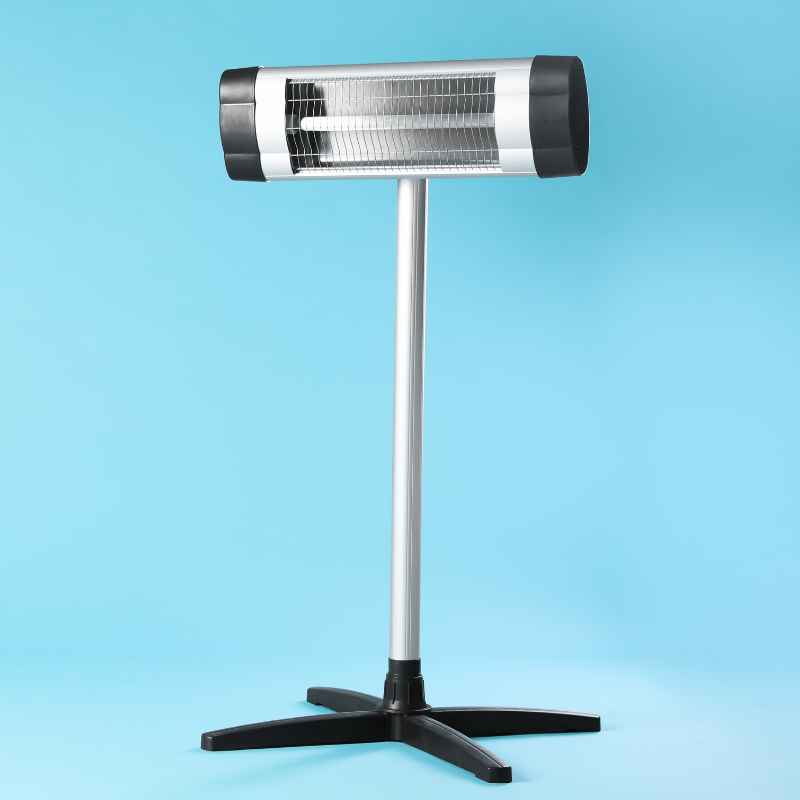
The principle behind infrared heaters is simple: they emit infrared radiation. This radiation warms objects and people directly, much like the sun warms your skin on a cool day. It’s a radiant heat that bypasses the air itself, making it efficient for targeted warmth.
How Infrared Heaters Work: The Science of Warmth
Infrared heaters work on a basic idea. They give off a special kind of light. This light is called infrared radiation.
You can’t see it with your eyes. But you can feel its warmth. Think about standing in the sun.
Even if the air is cool, you feel warm. That’s because the sun sends out infrared rays. These rays heat you up directly.
Infrared heaters do the same thing. They send out these invisible rays. When these rays hit something, like your skin or a piece of furniture, they make it warm.
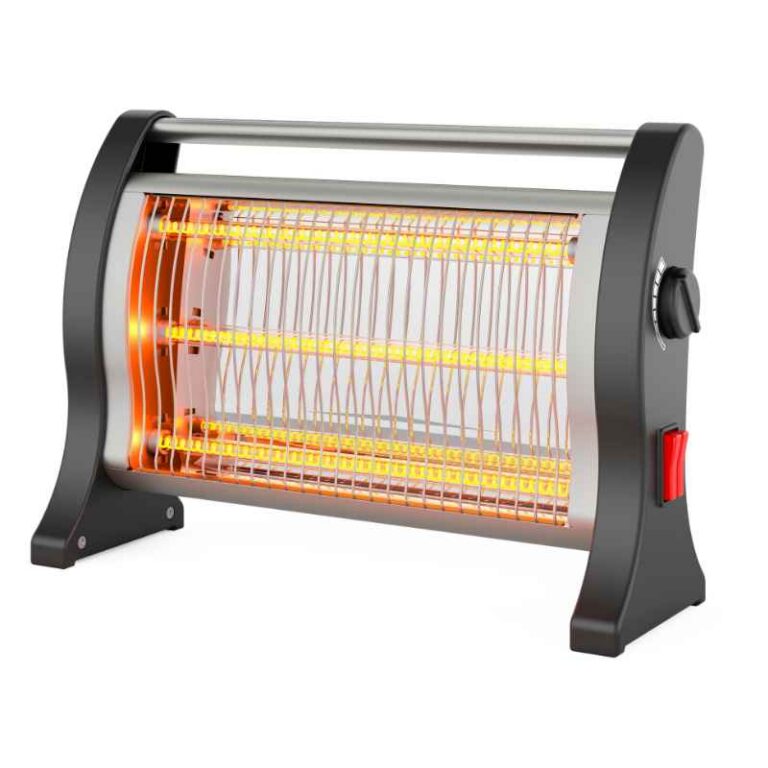
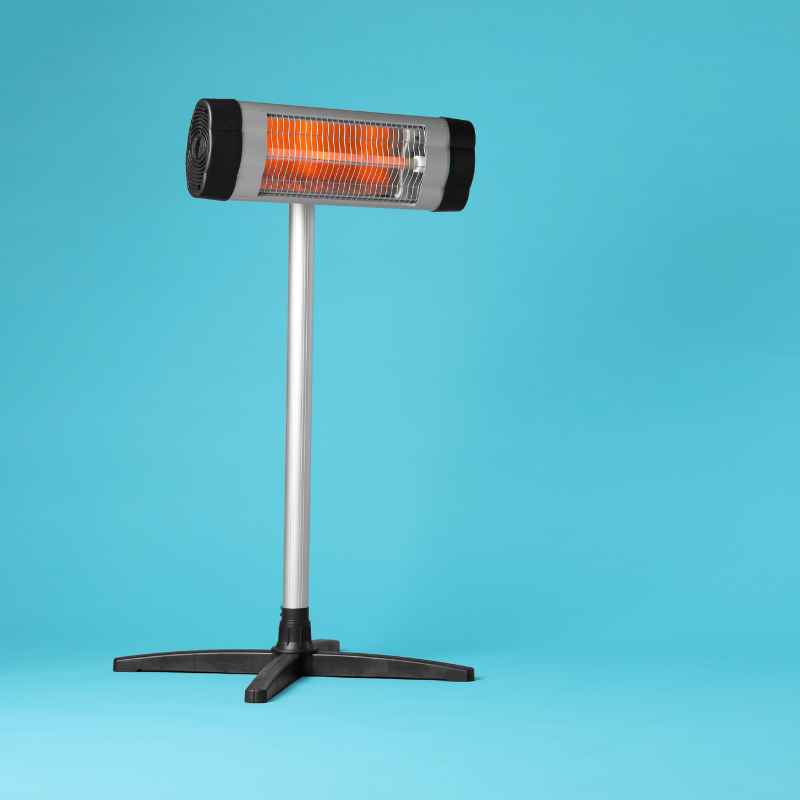
The heater itself has a heating element. This element gets very hot. As it gets hot, it releases infrared energy.
This energy travels through the air. It moves in straight lines. It doesn’t need air to carry it.
That’s a key difference. Many heaters warm the air first. They use fans to blow that warm air around.
Infrared heaters skip this step. They send heat straight to you. It’s like a focused beam of warmth.
This makes them feel warmer, faster, especially in drafty places.
Different types of infrared heaters exist. Some use ceramic elements. Others use quartz tubes or metal coils.
All of them get hot. All of them emit infrared waves. The waves are all the same.
They are just part of a larger spectrum. This spectrum includes visible light and other energies. Infrared is just on the edge of what we can see.
It’s the heat we feel from campfires or hot stoves.
The power of the heater matters. A more powerful heater will have a hotter element. It will emit more infrared radiation.
This means it can warm a larger area. Or it can warm things up more quickly. The design of the heater also plays a role.
Some are shaped to direct the heat in a specific way. They might have reflectors to bounce the rays forward.
So, in short, it’s all about radiant heat. The heater radiates infrared energy. This energy is absorbed by objects.
Then, those objects radiate heat back. Or they just feel warm to the touch. This direct heating is what makes them unique.
It’s why they can feel so cozy and effective.
My First Infrared Heater: A Cold Garage Story
I remember struggling with my garage for years. It was always freezing in the winter. I tried to work on projects out there.
But I’d get so cold, I’d have to run back inside. I’d tried those big, noisy fan heaters. They just seemed to blow cold air around half the time.
And they used a ton of electricity. Then, a friend told me about infrared heaters. I was skeptical.
How could something that didn’t blow hot air really warm up a big space?
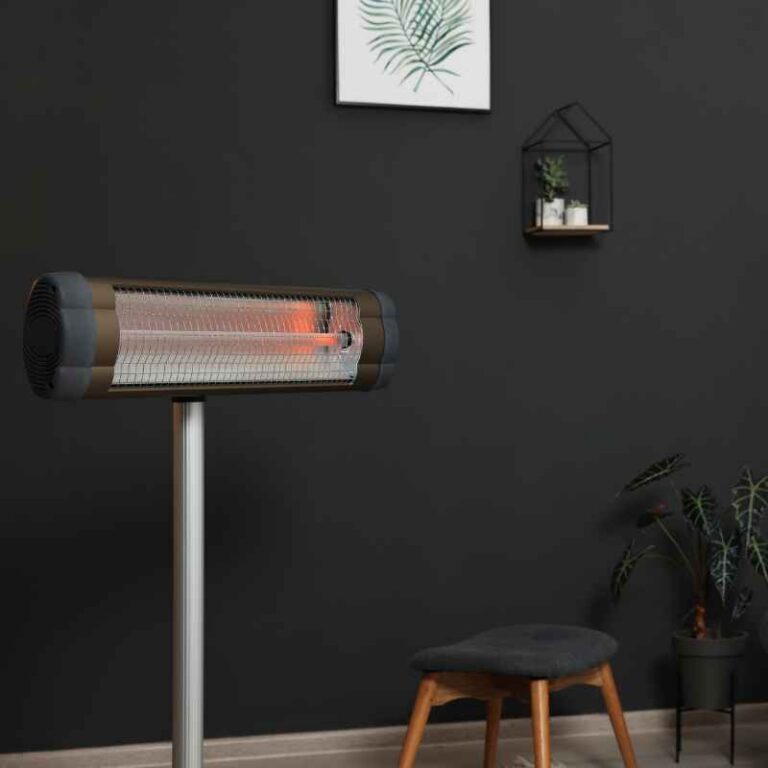
I bought a mid-sized infrared heater. It looked like a small, sleek panel. No fans, no noise.
Just a subtle glow from the element inside when it was on. I plugged it in on a chilly Saturday morning. The garage was maybe 40 degrees.
I turned the heater on. For the first few minutes, I felt nothing. I thought, “Here we go again.
Waste of money.” But then, I stood in front of it. I felt a distinct warmth on my face. It wasn’t hot air.
It was a pleasant, gentle heat, like standing near a warm window. I walked around the garage. The objects closest to the heater started to feel warmer.
The workbench, my toolbox. It was subtle at first. But after about twenty minutes, the whole area felt noticeably more comfortable.
I could actually stand to work on my car without shivering. It was a game-changer. The quiet operation was a huge plus too.
I could actually hear myself think.
Infrared Heat vs. Convection Heat
Infrared Heat:
- Warms objects and people directly.
- Works fast for immediate comfort.
- Less affected by drafts.
- Quiet operation (no fans).
- Good for targeted heating.
Convection Heat:
- Warms the air first.
- Air circulates around the room.
- Can be slow to heat a whole space.
- Fans can create noise.
- Affected by drafts.
Real-World Uses of Infrared Technology
Infrared technology isn’t just for heaters. It’s used in many places. You see it in the medical field.
Doctors use it to check for fevers. Special cameras can see heat signatures. This helps find areas of inflammation.
It’s also used in security. Thermal cameras can spot people in the dark. They see body heat.
Even in food preparation, infrared is helpful. Some cooking surfaces use it. They heat pans quickly and evenly.
And, of course, there’s the sun. It’s the biggest natural source of infrared radiation we know. It keeps our planet warm.
In homes, infrared heaters are great for specific spots. They can warm up a chilly bathroom quickly. You can put one near your desk to keep you cozy while you work.
They are also good for larger, open spaces. Think of a living room with high ceilings. Or a sunroom that gets cold.
Traditional heaters struggle there. They heat the air. That hot air rises.
It gets trapped near the ceiling. Infrared heat goes straight to the people and furniture below. It’s more efficient for those kinds of spaces.
It feels more direct and personal.
Some people use them in workshops or garages. We talked about that. They are perfect for areas that aren’t always heated.
You can turn them on when you need them. They warm the space up fast. Then you can turn them off when you leave.
This saves energy. It’s better than trying to heat a huge space all the time. Outdoor patios also use infrared heaters.
They help extend the use of outdoor spaces into cooler weather. You can sit outside on a crisp evening and still feel warm and comfortable.
The idea is simple: direct warmth. You want to feel warm. The heater sends heat directly to you.
It’s not about heating the air. It’s about heating the things and people in the room. This makes it very effective for comfort.
It also means you might feel warmer at a slightly lower overall room temperature. This can lead to energy savings.
Quick Scan: Infrared Heater Benefits
| Benefit | Description |
|---|---|
| Direct Warmth | Heats objects and people, not just air. |
| Speed | Provides warmth almost instantly. |
| Efficiency | Can be more energy-efficient for targeted areas. |
| Quiet Operation | No noisy fans. |
| Zoning | Ideal for heating specific areas. |
| Improved Air Quality | Doesn’t dry out air as much as some convection heaters. |
Understanding “The Principle” in Different Heating Scenarios
Let’s talk about the “principle” more. It’s about energy transfer. Infrared heaters use electromagnetic radiation.
This is a form of energy. It travels at the speed of light. The wavelength of infrared radiation is longer than visible light.
This means it carries less energy per photon. But infrared heaters produce a lot of photons. They produce enough energy to be felt as heat.
Contrast this with other heating methods. A furnace in your home heats air. It then blows this warm air through ducts.
This is called convection heating. The air molecules gain energy. They move faster.
This hot air rises. The cooler air sinks. This creates a cycle.
It gradually warms the entire room. But it takes time. And heat can be lost through openings or poor insulation.
Another type is conduction heating. Think of an electric stovetop. The element gets hot.
It transfers heat directly to the pot. The pot then heats the food inside. This is direct contact heating.
Infrared is different. It doesn’t need direct contact. It also doesn’t need air as a medium.
It travels through a vacuum. Space is a perfect example. The sun’s heat reaches Earth through the vacuum of space.
The “principle” of infrared heating is its ability to bypass the air. This is super useful. If you have a drafty room, convection heaters struggle.
They keep blowing warm air. But the draft keeps bringing in cold air. The heater runs more.
It uses more energy. An infrared heater doesn’t care as much about drafts. It sends warmth directly to you.
You feel comfortable. The room air might still be cooler. But you are warm.
This is a huge advantage in many homes.
The intensity of the radiation matters. A stronger infrared heater puts out more energy. It can warm things more quickly or over a larger distance.
The material of the object being heated also matters. Darker, duller surfaces absorb more infrared radiation. They heat up faster.
Shiny surfaces reflect more. They heat up slower. Think about wearing a black shirt on a sunny day.
It gets hotter than a white shirt. That’s the same principle at play.
The Science Behind the Rays
What are Infrared Rays?
- Invisible light waves.
- Part of the electromagnetic spectrum.
- Carry heat energy.
- Travel in straight lines.
- Wavelengths are longer than visible light.
When Is Infrared Heat the Right Choice?
So, when should you consider an infrared heater? They shine in certain situations. They are fantastic for supplemental heating.
Need to warm up your home office while you work? An infrared panel can do that. It’s quiet and won’t dry out the air like some fan heaters.
Do you have a basement that’s always a bit damp and chilly? An infrared heater can provide targeted warmth without running your main heating system all day.
They are also great for rooms with high ceilings. As we mentioned, heat rises. Traditional systems struggle to bring that warmth down.
Infrared heat goes straight to the floor and the people there. It feels much more effective. Sunrooms and enclosed porches are another perfect use case.
These rooms often lose heat quickly. Infrared can create a cozy zone without trying to heat the entire glass structure.
Think about your comfort needs. Do you feel cold even when the thermostat is set high? Your body might not be getting enough direct radiant heat.
An infrared heater can fill that gap. It’s like personal sunshine for your living space. For people who are sensitive to dry air, infrared is a plus.
Convection heaters often lower humidity. Infrared heaters don’t significantly change the air’s moisture content. This can make them more comfortable for some individuals.
Consider your lifestyle. If you only need heat in one or two rooms at specific times, zoned heating with infrared makes sense. It’s more efficient than heating your whole house.
For workshops, garages, or even covered outdoor seating areas, they offer warmth when you need it. They can extend the usability of these spaces.
However, they might not be the best choice for heating an entire, very large home as the primary heat source. While powerful units exist, their strength is often in targeted or supplemental heating. If you need to heat a drafty, poorly insulated whole house rapidly, a powerful central system might be more practical.
But for targeted comfort and efficiency, infrared is often a winner.
Situations Where Infrared Shines
- Supplemental Heating: Adding warmth to specific rooms or areas.
- Drafty Rooms: Less affected by air leaks than convection heaters.
- High Ceilings: Delivers heat directly to occupied zones.
- Workshops & Garages: Provides quick, targeted heat when needed.
- Sunrooms & Porches: Warms spaces that lose heat easily.
- Personal Comfort: Delivers immediate radiant warmth.
- Dry Air Sensitivity: Doesn’t significantly dry out indoor air.
When to Be Cautious: Things to Watch For
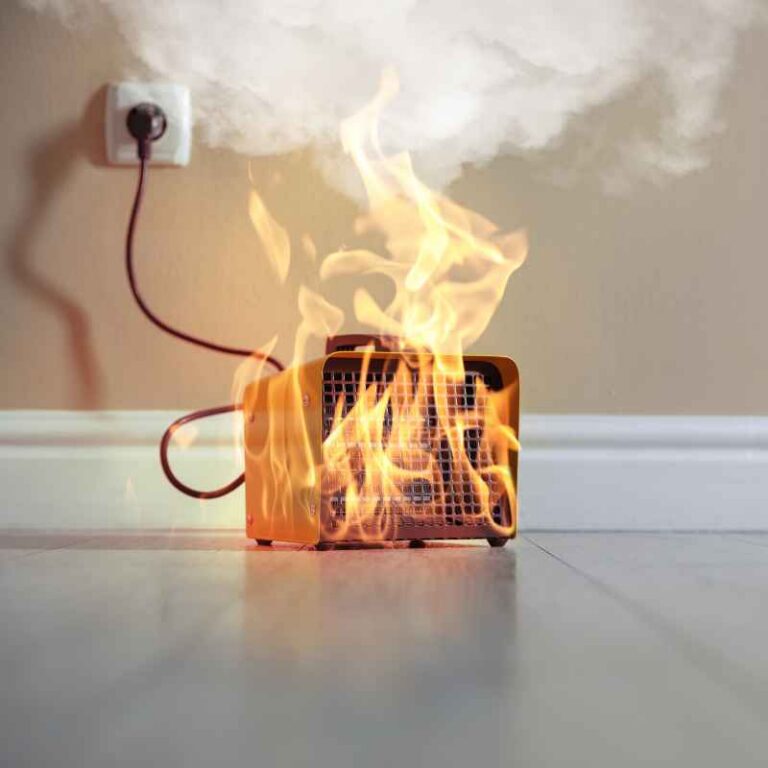
While infrared heaters are generally safe and effective, there are a few things to keep in mind. First, always follow the manufacturer’s instructions. Make sure you place the heater in a stable spot.
Keep it away from flammable materials. That’s standard safety advice for any heater. Don’t block the vents or elements.
Proper airflow is important for performance and safety.
Think about the surface you’re placing it on. Some heaters get very hot on their exterior. Ensure the surface can handle the heat.
Or use a heat-resistant mat. When the heater is on, the element itself is extremely hot. Never touch it directly.
This is especially important if you have small children or pets. Make sure they can’t reach the heating element. Child lock features can be useful on some models.
Consider the size of the space. An infrared heater is designed for a specific room size. Using one that’s too small for a large area will be ineffective.
It will run constantly and not provide enough heat. Conversely, a unit that’s too powerful for a tiny space might overheat it quickly. Choose a heater rated for the square footage you need to warm.
Placement matters for efficiency. You want to direct the heat where you need it. Placing it too far away will reduce its effectiveness.
Also, be aware of how the heat radiates. It travels in straight lines. If there’s a large object blocking the path, that object won’t get warm.
You won’t get warm either. So, aim it towards your seating area or workspace.
Check the power requirements. Some higher-wattage infrared heaters might need a dedicated outlet. Or they could trip a breaker if plugged into a circuit that’s already heavily used.
Always ensure your electrical system can handle the load. This is an important safety and performance check. Look for certifications from organizations like UL (Underwriters Laboratories).
This means the product has met safety standards.
Finally, understand their limitations. They are great for direct warmth. But they don’t humidify the air.
They don’t filter the air. They are primarily for heating. If you have other air quality concerns, you might need other devices.
Safety and Usage Tips
- Read Instructions: Always follow the manual.
- Clearance: Keep away from flammable items.
- Stable Surface: Place on a level, stable surface.
- Avoid Touching: Heating elements get extremely hot.
- Child/Pet Safety: Ensure safe placement for vulnerable ones.
- Correct Size: Match heater wattage to room size.
- Placement: Aim heat towards desired areas.
- Electrical Load: Check power needs and circuit capacity.
- Certifications: Look for safety marks like UL.
Common Questions About Infrared Heaters
What does “infrared” actually mean in this context?
In the context of heaters, “infrared” refers to a type of electromagnetic radiation. It’s invisible to our eyes. But we can feel it as heat.
It’s the same kind of energy that the sun emits.
Do infrared heaters use a lot of electricity?
It depends on the heater’s wattage and how long you use it. They can be very energy-efficient for spot heating. They warm you directly.
This often means you can use a lower thermostat setting. This saves energy compared to heating a whole room with air. But a high-wattage heater running for hours will use a lot of power.
Are infrared heaters safe for pets?
Infrared heaters can be safe for pets. But you must place them carefully. Animals might be drawn to the warmth.
Ensure they cannot touch the hot heating element. Many modern heaters have safety features like cool-touch exteriors or tip-over protection. Always supervise pets around any heat source.
How quickly do infrared heaters start working?
They start working almost instantly. As soon as you turn them on, the element heats up. It begins emitting infrared radiation.
You will feel the warmth on your skin within seconds or minutes.
Can I use an infrared heater in my bedroom?
Yes, many people use them in bedrooms. They are quiet and don’t blow air around. This can be good for sleep.
Ensure you follow all safety guidelines for placement. Also, consider the size of the room and the heater’s output. You want comfortable, gentle warmth.
Will an infrared heater dry out my skin?
Unlike some convection heaters that can reduce indoor humidity, infrared heaters do not significantly dry out the air. They warm objects directly. This means they have less impact on the air’s moisture content.
This can be a benefit for people with dry skin or respiratory issues.
What is the difference between shortwave and longwave infrared heaters?
Shortwave infrared heaters produce higher temperatures and shorter wavelengths. They heat up very quickly and are good for spot heating in large or open areas. Longwave infrared heaters produce lower temperatures and longer wavelengths.
They provide a gentler, more even heat and are often used for whole-room heating or in sensitive environments.
Conclusion: Warmth That Finds You
So, the principle behind infrared heaters is simple but powerful. They deliver warmth directly to you. They use invisible rays to do it.
It’s like sunshine on demand. This makes them efficient for many uses. From chilly garages to cozy living rooms, they offer a different kind of heat.
Understanding this principle helps you use them best. You can enjoy focused comfort when and where you need it most. They bring a pleasant warmth that truly finds you.
Sponsored / affiliate links. As an Amazon Associate I earn from qualifying purchases. I may earn additional commission from eligible campaigns.