How Do Gas Fired Infrared Heaters Produce Infrared Heat?
It can be frustrating when you’re trying to understand how a certain type of heater works. Especially when you want to be sure it’s safe and effective for your home. Gas fired infrared heaters are popular for their efficient heating.
But the science behind them might seem a bit mysterious. We’re here to break it down for you, clearly and simply. So you can feel confident about using them.
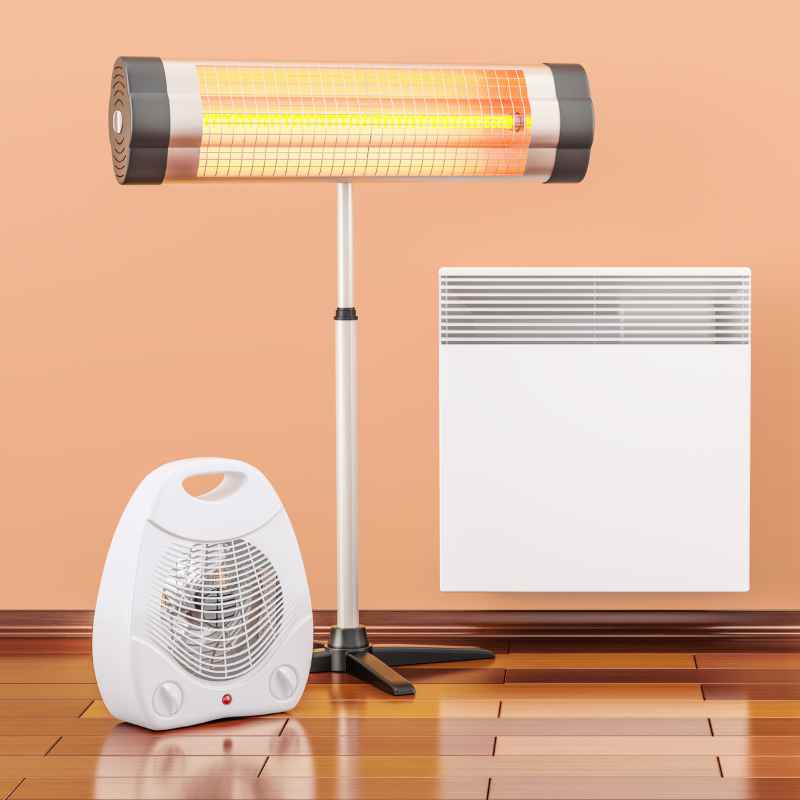
Gas fired infrared heaters create heat by burning natural gas or propane. This combustion process heats up ceramic or metal elements. These elements then radiate heat outwards in the form of infrared waves. These waves travel through the air and warm objects and people directly, much like sunlight.
The Science of Radiant Heat
Infrared heaters work by radiating heat. This is different from the convection heaters you might be more familiar with. Convection heaters warm the air.
That warm air then circulates around the room. You can feel this warm air moving. It’s like a gentle fan blowing warm air on you.
Infrared heaters don’t rely on warming the air first. Instead, they create heat waves. Think of them like invisible light waves.
These waves travel in a straight line. When they hit an object, like your skin or a piece of furniture, they transfer their energy. This energy makes the object warmer.
It feels like a warm glow.
This is similar to how the sun warms you on a sunny day. Even if the air around you is cool, you can feel the sun’s warmth. Infrared heat works on the same principle.
It’s a direct transfer of heat energy. This makes them very efficient for heating specific areas. They warm you up quickly without needing to heat an entire room’s air volume.
How Gas Is Used
Gas fired infrared heaters use either natural gas or propane as their fuel source. The gas is mixed with air. Then, it is ignited in a combustion chamber.
This creates a flame. This flame is contained and directed to heat specific parts of the heater.
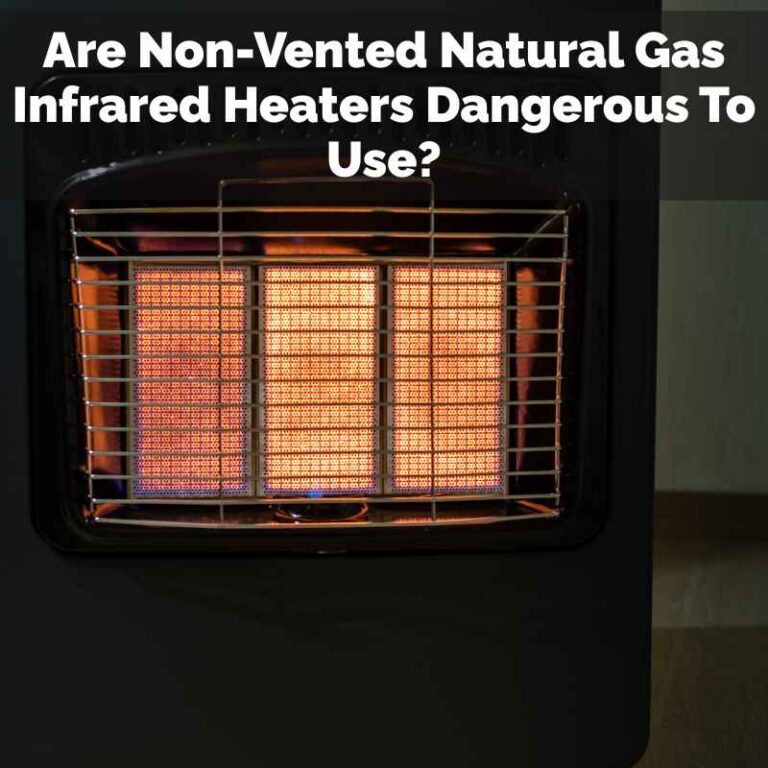
In most gas infrared heaters, this flame heats up a surface. This surface is often made of ceramic or a special metal alloy. These materials are chosen because they can get very hot.
They also radiate heat very well. When the flame heats these surfaces, they begin to glow. This glow is the source of the infrared waves.
The combustion process itself produces heat. But the main goal is to use that heat to make the radiating surfaces as hot as possible. The hotter these surfaces get, the more infrared energy they will emit.
It’s a straightforward process of fuel burning to create intense heat.
The Role of Ceramic Burner Surfaces
The heart of many gas fired infrared heaters is their ceramic burner surface. These are special tiles or panels. They are designed to withstand extremely high temperatures.
They also have a porous structure. This porosity is key to how they work.
When the hot gases from combustion pass through the ceramic, they heat it up. The ceramic then starts to emit infrared radiation. The porous nature of the ceramic allows the heat to be spread evenly across a large surface area.
This means more heat is radiated out into the space.
Think of it like a very hot, glowing grill. The coals get hot, and they radiate heat. The ceramic in an infrared heater acts much like those hot coals.
But it’s engineered to produce a specific type of heat – infrared waves. This is what makes the heating so direct and effective.
How Ceramic Surfaces Work
Purpose: To get extremely hot and emit infrared waves.
Material: Special high-temperature ceramics.
Structure: Porous for even heat distribution.
Heat Transfer: Absorbs heat from combustion, radiates it as infrared.
Infrared Waves Explained Simply
Infrared radiation is part of the electromagnetic spectrum. It’s right next to visible light. You can’t see it, but you can feel it as heat.
It’s a form of energy. It travels very fast. It travels in straight lines.
When infrared waves hit an object, the object’s molecules start to vibrate. This vibration is what we perceive as heat. So, the heater isn’t really heating the air.
It’s heating the objects and people in its path. That’s why you can feel warm even in a drafty space with an infrared heater.
The intensity of the heat you feel depends on a few things. This includes the temperature of the heat source. It also depends on how close you are to it.
And it depends on how much of the infrared energy is absorbed by your body.
From Combustion to Radiation: The Process
Let’s trace the journey of heat. First, the gas (natural gas or propane) is fed into the heater. It’s mixed with air.
This mixture is then ignited. This happens inside the combustion chamber. A steady flame is produced.
This flame is directed towards the ceramic elements. The ceramic absorbs the heat from the flame. It gets very hot.
As it gets hot, it starts to emit infrared radiation. These waves then travel outwards from the heater. They are invisible to the human eye.
The design of the heater helps to direct these waves. Reflectors are often used. These are usually shiny metal surfaces.
They bounce the infrared waves forward. This focuses the heat where it is needed most. It makes the heater more efficient in directing warmth.
Experience: My First Time Using One
I remember installing my first gas infrared heater in my garage workshop. It was a chilly autumn day. I was used to my old electric space heater.
It took forever to warm up the space. And it always felt like I was just blowing hot air around. But it was all I knew.
This new heater looked different. It had these metal tubes and a shiny reflector. I turned it on.
There was a soft whoosh sound. Then, nothing. I thought it was broken.
I stood there, feeling a bit silly and cold. Then, slowly, I started to feel this warmth. It wasn’t like warm air.
It felt like a warm blanket being draped over me. It was direct. It was surprisingly powerful.
I could feel the heat on my face and arms immediately. It was a totally different feeling. I was amazed at how quickly I felt comfortable, even though the air temperature in the garage hadn’t changed much yet.
Safety Features and Design
Safety is a big concern with any gas appliance. Gas fired infrared heaters are designed with safety in mind. They have several features to prevent problems.
One key feature is the enclosed combustion chamber. This keeps the flame contained. It prevents it from escaping into the room.
They also have safety valves. These valves stop the gas flow if the flame goes out. This is important.
It prevents unburned gas from filling the room. Many heaters also have tip-over switches. If the heater is accidentally knocked over, it will shut off automatically.
Proper ventilation is also crucial. Because they burn gas, these heaters produce exhaust gases. These include carbon monoxide.
Good airflow is needed to safely vent these gases outside. That’s why they are often used in garages, workshops, or well-ventilated outdoor spaces. Always follow the manufacturer’s instructions for installation and use.
This ensures safe operation.
Key Safety Components
- Enclosed Combustion Chamber: Keeps flame contained.
- Flame Sensor/Safety Valve: Shuts off gas if flame fails.
- Tip-Over Switch: Shuts off heater if it falls.
- Proper Ventilation: Essential for venting exhaust gases.
Different Types of Gas Infrared Heaters
There are a few main types of gas fired infrared heaters. Portable heaters are common. These are often used in garages or workshops.
They can be moved around as needed. They usually run on propane tanks.
Then there are fixed installation heaters. These are often mounted on walls or ceilings. They are typically connected to a natural gas line.
These are more common in commercial settings. Think of outdoor patios or large industrial spaces. They provide targeted heat.
Some heaters use a tube design. The gas burns inside a long metal tube. This tube heats up and radiates heat along its length.
Other heaters use a panel design. A large ceramic panel gets hot and radiates heat from its surface. Both aim to achieve the same result: efficient radiant heat.
Where They Are Best Used
Gas fired infrared heaters excel in certain situations. They are great for heating spaces that are hard to keep warm with forced air. This includes garages, workshops, and sheds.
The direct heat warms you up quickly without needing to heat the entire volume of the space.
They are also very popular for outdoor heating. Patios, decks, and outdoor dining areas can be made more comfortable with these heaters. They can extend the use of outdoor spaces into cooler weather.
Because they heat objects, they are effective even with a breeze. The heat isn’t easily blown away like warm air.
In industrial settings, they can be used to provide spot heating. This means heating specific workstations. This is more energy-efficient than trying to heat a whole large building.
They are also used in areas with high ceilings where forced air might not reach effectively.
Ideal Use Cases
Garages & Workshops: Direct heat without needing to heat the whole space.
Outdoor Patios: Extends usability of outdoor living areas.
Industrial Settings: Efficient spot heating for specific zones.
Areas with Drafts: Effective even when air movement is high.
Gas Fired vs. Electric Infrared Heaters
Both gas and electric infrared heaters produce radiant heat. The main difference is the energy source. Electric heaters use electricity.
Gas heaters use natural gas or propane. Each has its own pros and cons.
Gas heaters can be more powerful. They can produce a lot of heat. This makes them good for larger spaces or colder climates.
However, they require ventilation. They also need a gas supply. This can be a propane tank or a natural gas line.
Electric heaters are generally easier to install. You just need an electrical outlet. They don’t produce any combustion byproducts.
So, they don’t require special ventilation. But they can be more expensive to run. This is because electricity prices can be higher than gas prices.
The choice often comes down to availability of gas and your specific heating needs. For very large or open spaces, gas might be more cost-effective. For smaller, enclosed areas where ventilation is an issue, electric might be better.
Understanding Heat Output and BTU
The heating power of gas infrared heaters is measured in BTUs. BTU stands for British Thermal Unit. A BTU is a standard unit of energy.
It measures how much heat is required to raise the temperature of one pound of water by one degree Fahrenheit.
When you look at gas heaters, you’ll see their BTU rating. A higher BTU number means the heater produces more heat. Choosing the right BTU output is important.
Too small a heater won’t heat the space effectively. Too large a heater can be wasteful and potentially unsafe.
Manufacturers provide guidelines for selecting the correct BTU. These guidelines often consider the size of the space. They also consider the climate and insulation levels.
For example, a poorly insulated garage in a cold climate will need a higher BTU heater than a well-insulated patio in a mild climate.
What This Means for Your Home or Workshop
Knowing how gas fired infrared heaters work helps you make informed choices. If you have a garage, workshop, or an outdoor living space, these heaters can be a great option. They provide direct, comfortable heat.
They do it efficiently by warming objects and people rather than just air.
You need to consider the fuel source. Do you have access to natural gas? Or will you be using propane tanks?
Think about ventilation requirements. Always ensure the area where you plan to use the heater is properly ventilated. This is non-negotiable for safety.
Also, consider the type of heating you need. Do you want to heat a whole room evenly? Or do you need to warm a specific spot where you’ll be spending time?
Infrared heaters are best for the latter. They are not ideal for trying to achieve a uniform room temperature like a forced-air furnace.
When Is it Just Normal Heat, and When Is it Concerning?
With any gas appliance, it’s important to know what’s normal and what’s not. A gas fired infrared heater should produce a steady, often blue or yellow flame. This flame should be contained within the burner.
You should feel radiant heat coming from the unit.
What’s concerning? If you see flames licking out of the heater. If there’s a strong smell of gas when the heater is on.
If you notice soot building up excessively on the heater or surrounding surfaces. These could all be signs of a problem. They might indicate incomplete combustion or a blockage.
Also, if you or anyone in the household experiences symptoms like headaches, nausea, or dizziness when the heater is running, this is a major concern. These could be signs of carbon monoxide poisoning. If you suspect this, turn off the heater immediately.
Open windows for ventilation. Seek fresh air and medical attention if needed. Have the heater inspected by a professional.
Quick Tips for Using Your Gas Infrared Heater
Here are some simple tips to help you get the most out of your gas fired infrared heater.
- Proper Installation: Always follow the manufacturer’s instructions. If unsure, hire a professional.
- Ventilation is Key: Never use in a completely sealed space. Ensure adequate fresh air supply.
- Positioning Matters: Aim the heater towards the area or people you want to warm. Use reflectors to direct heat.
- Regular Cleaning: Keep the heater clean. Dust and debris can affect performance and safety.
- Annual Inspection: Have your heater inspected annually by a qualified technician. This checks for wear and tear and ensures safe operation.
- Know Your Fuel: Make sure you’re using the correct type of gas (natural gas or propane) for your heater model.
Infrared Heater Checklist
Checklist Item | Status | Notes
Correct Gas Type | | Natural Gas or Propane?
Adequate Ventilation | | Can air freely move in and out?
Clearance from Combustibles | | Follow manufacturer’s minimum distances.
Clean Burner Surface | | Free from dust and debris.
Ignition Works Reliably | | Lights easily each time.
Frequently Asked Questions
Are gas infrared heaters safe for indoor use?
Gas fired infrared heaters can be safe for indoor use, but only in spaces that are properly ventilated. Because they burn gas, they produce exhaust gases, including carbon monoxide. It is critical to ensure adequate airflow.
Never use them in fully enclosed, unventilated indoor spaces. Always follow the manufacturer’s safety guidelines and ventilation requirements.
How much gas do these heaters use?
The amount of gas used depends on the heater’s BTU output and how long it runs. A higher BTU heater will use more gas per hour. Running the heater on its lowest setting will use less gas.
It’s generally more efficient than heating an entire room with forced air if you only need to warm a specific zone.
Can I install a gas infrared heater myself?
Some portable models can be set up by the user following instructions. However, fixed installation models, especially those connected to a natural gas line, are often best left to qualified professionals. Incorrect installation can lead to safety hazards and poor performance.
Always consult the owner’s manual and consider professional help for complex setups.
What is the difference between infrared and convection heating?
Convection heaters warm the air in a room, which then circulates. Infrared heaters warm objects and people directly using radiant waves, much like sunlight. This means infrared heat feels more immediate and can be effective in spaces with drafts or high ceilings where warm air might escape easily.
How do I know if my gas infrared heater is working efficiently?
An efficient heater will produce a strong, steady flame. It will emit noticeable radiant heat. There should be no strong gas odors when it’s running normally.
If you notice weak heat, flickering flames, or unusual smells, it might not be running efficiently or safely. It’s time for an inspection.
Do I need a carbon monoxide detector with a gas infrared heater?
Yes, absolutely. If you use any appliance that burns gas, including gas fired infrared heaters, you should have working carbon monoxide detectors installed in your home. These devices can alert you to dangerous levels of carbon monoxide, which is an invisible, odorless gas produced during combustion.
Conclusion
Understanding how gas fired infrared heaters create heat is key to using them effectively and safely. By burning gas, they heat up special surfaces that radiate infrared waves. These waves warm you directly.
They are a fantastic choice for garages, workshops, and outdoor spaces. Always prioritize proper ventilation and follow safety guidelines. This ensures you can enjoy the comfort they provide.
Sponsored / affiliate links. As an Amazon Associate I earn from qualifying purchases. I may earn additional commission from eligible campaigns.