Infrared Vs Blue Flame Ventless Heaters: Which Is Better?
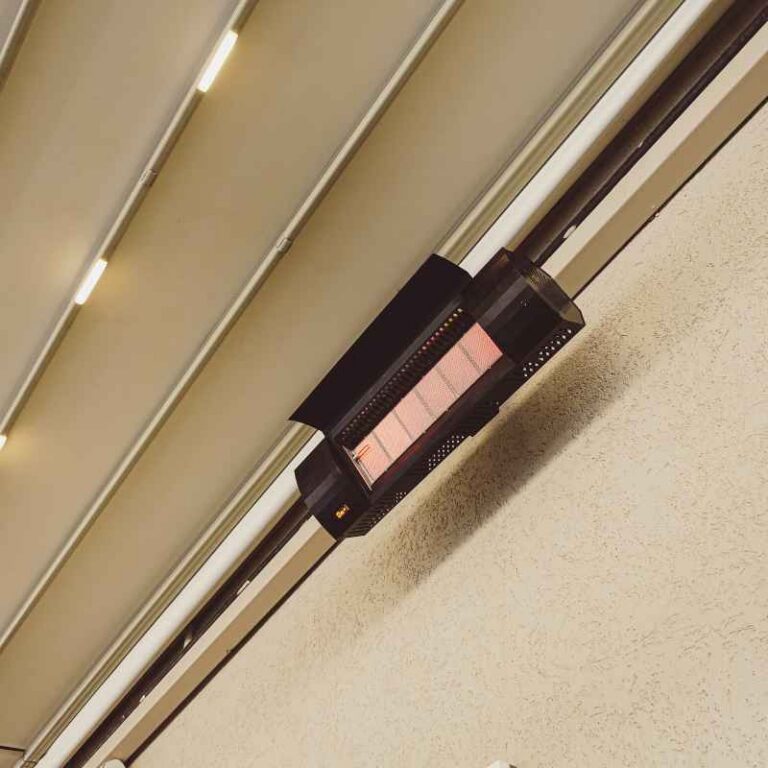
Ventless heaters use either infrared or blue flame technology to warm a room without needing an outdoor vent. Infrared heaters emit radiant heat, warming objects and people directly. Blue flame heaters use convection, heating the air which then circulates. Both have pros and cons regarding efficiency, heat distribution, safety, and cost.
Understanding Infrared vs. Blue Flame Ventless Heaters
Ventless heaters offer a handy way to add warmth. You can put them in garages, workshops, or even as a backup for your main heating. They don’t need a big, costly setup like a traditional furnace.
But inside this category, there are two main players: infrared and blue flame. They sound similar, but how they work is quite different.
Think of it this way: heat comes in a few forms. Infrared heat is like the sun’s warmth. It travels in rays.
These rays hit objects, like your furniture or you, and make them warm. It’s a direct kind of heat. You feel warm almost right away when you stand in its path.
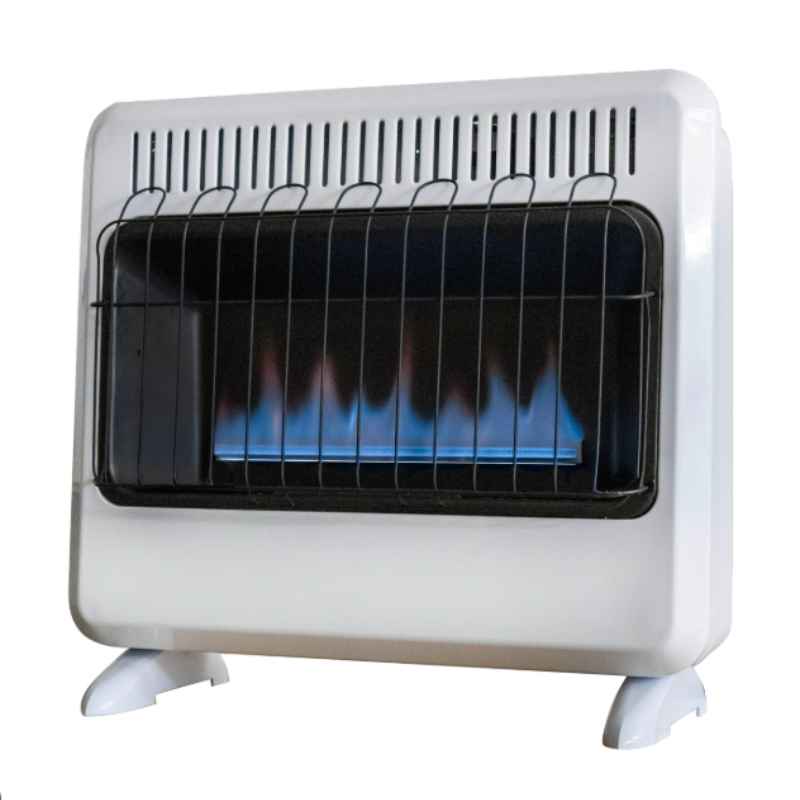
Blue flame heaters work more like a regular heater. They burn fuel. This burning creates a blue flame.
This flame heats up the air around it. Then, a fan pushes this warm air out into the room. This process heats the air itself.
The warm air then moves around the room. This is called convection. It’s like how a radiator works, but without the water.
So, one sends out warmth rays, and the other heats the air. This core difference affects many things about them. It changes how fast you feel warm.
It changes how evenly the room heats up. It also impacts safety and how much fuel they use.
How Infrared Ventless Heaters Work
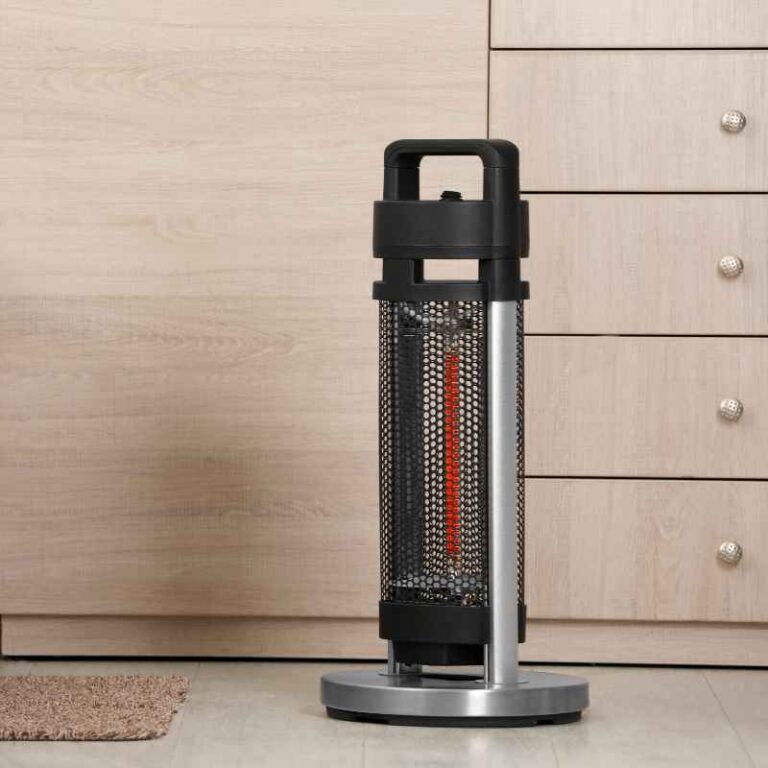
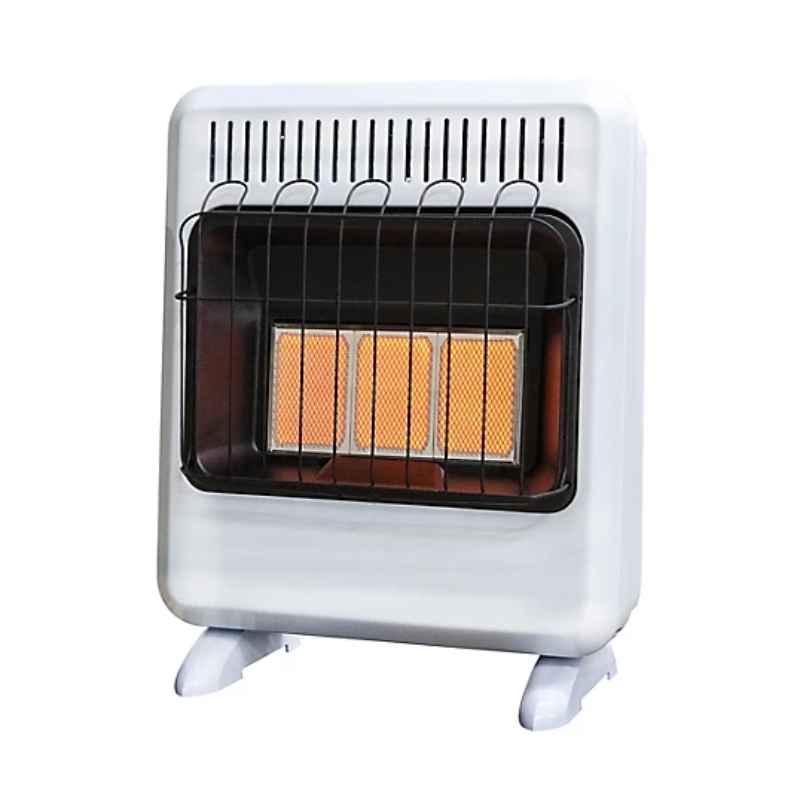
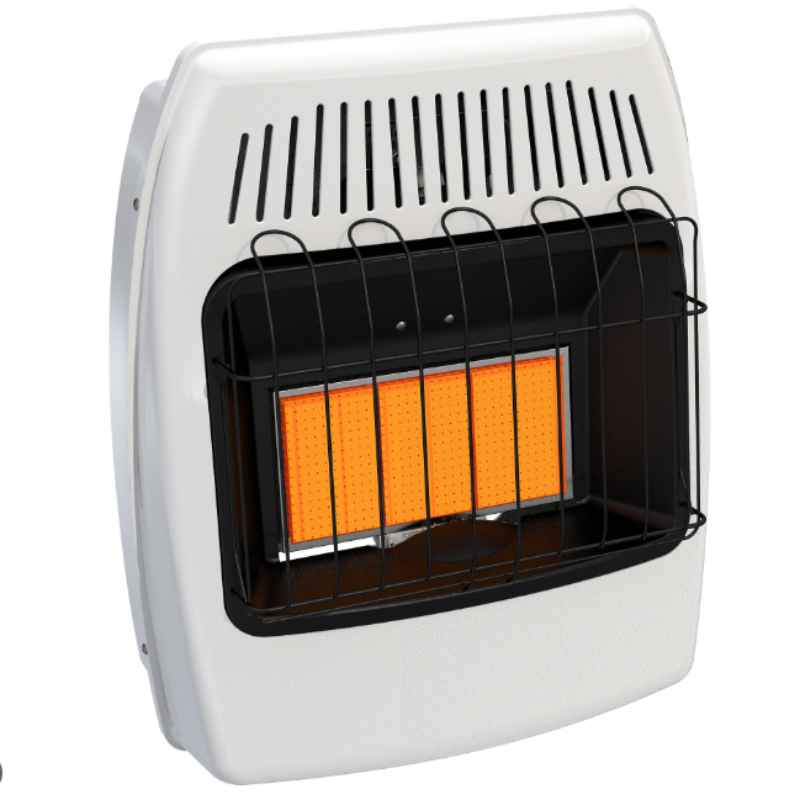
Infrared heaters are often called radiant heaters. They use a heating element. This element gets very hot.
It then gives off heat in the form of infrared waves. These waves are like light, but you can’t see them. They travel through the air until they hit something.
That something could be a wall, a chair, or you.
When the infrared waves hit an object, they transfer their energy. This energy makes the object’s molecules vibrate faster. This is what we feel as heat.
The air itself isn’t heated much. The heat is focused on the things in its path. This is why you can feel warm even if the air temperature is still cool.
These heaters are great for specific areas. If you’re working at a workbench, you can point the heater at yourself. You’ll feel warm there.
But the rest of the room might still be chilly. It’s like standing in a patch of sunlight on a cool day. You feel warm where the sun hits you.
They come in different forms. Some are electric. Others use propane or natural gas.
For ventless gas models, the fuel burns. This burning process also produces some byproducts. These need to be managed carefully.
That’s why safety features are so important for any ventless heater.
One big advantage is that infrared heat is often felt almost instantly. You don’t have to wait for the whole room’s air to get warm. This can make them feel more efficient for spot heating.
You’re warming what you need, when you need it.
How Blue Flame Ventless Heaters Work
Blue flame heaters work by burning fuel. They typically use propane or natural gas. The fuel is mixed with air.
This mixture is ignited. It creates a clean-burning, blue flame. This is where the “blue flame” name comes from.
The flame is hot. It heats a metal surface or a ceramic burner.
The heat from the flame warms the air that passes over it. This heated air then rises. A small fan, or natural convection, helps this warm air spread into the room.
This is a convection heating process. The whole room’s air gets gradually warmer.
Because they heat the air, blue flame heaters are good at raising the overall temperature of a room. If you want to make a whole garage or a large basement feel cozy, this type of heater is often a good choice. The heat is distributed more evenly through the air.
The flame itself is a key part. A clean blue flame means good combustion. This is important for efficiency and for minimizing harmful byproducts.
If the flame turns yellow or orange, it might mean there’s not enough air or the burner needs cleaning. This can lead to less efficient heating and more fumes.
These heaters need a certain amount of oxygen to work. This is why they are not recommended for very small, sealed-off spaces. They also produce water vapor as a byproduct of combustion.
This can add humidity to the air. In cold, dry climates, this can be a minor benefit. But in humid areas, it might not be ideal.
Ventless Heater Key Differences at a Glance
Type:
Infrared: Radiant heat waves.
Blue Flame: Convective heat (heats air).
Heat Feeling:
Infrared: Immediate, direct on objects/people.
Blue Flame: Gradual, air warms up.
Best For:
Infrared: Spot heating, workshops, quick warmth.
Blue Flame: Whole room heating, garages, basements.
Air Usage:
Infrared: Minimal impact on room air. Uses some oxygen for combustion if gas-powered.
Blue Flame: Uses room air for combustion, releases some moisture.
Comparing Heat Distribution
How well a heater spreads warmth is a big deal. Nobody likes having one part of a room hot and another part freezing. This is where infrared and blue flame heaters show their differences.
Infrared heaters are like a spotlight of heat. They send out waves in a specific direction. So, if you’re sitting directly in front of an infrared heater, you’ll feel nice and toasty.
The area around you will be warmer too, because the waves warm up nearby objects.
However, if you move to the side, or behind the heater, you might not feel much warmth at all. The heat doesn’t really spread out into the air to warm the whole space. This is great if you only need to warm yourself or a specific spot.
But if you want the whole garage to be comfortable, an infrared heater might leave some areas cold.
Blue flame heaters, on the other hand, are all about heating the air. They warm up the air around the burner. Then, this warm air rises and moves around the room.
This creates a circulation of warm air. It’s a more gentle, even heating process. Over time, the entire room will reach a more consistent temperature.
Think of it like this: an infrared heater is like a campfire. You feel the heat directly when you’re close. A blue flame heater is like a heated room.
The air itself is warm everywhere.
So, for a workshop where you’re always moving around different tools, an infrared heater might be good. You can point it where you’re working. But for a basement you want to use as a second living area, a blue flame heater would likely give you more even comfort.
Energy Efficiency and Fuel Consumption
When you’re looking at heaters, especially gas ones, how much fuel they use is important. It affects your bills. It also affects how long they can run.
Both infrared and blue flame ventless heaters can be efficient, but their efficiency works in different ways.
Infrared heaters can be very efficient for their intended use. Since they heat objects directly, you feel the warmth quickly. This means you might not need to run them for as long as a convective heater to feel comfortable.
You’re not wasting energy heating air that just escapes or doesn’t reach you.
For example, if you’re only in the garage for an hour to work on a project, an infrared heater can warm you up fast. You can turn it off when you’re done. You haven’t spent time warming up empty space.
This targeted heating can save fuel.
Blue flame heaters need to heat the air in the room. This can take longer. They might use more fuel over a longer period.
However, if your goal is to maintain a steady temperature in a larger space for many hours, they can be very effective. They heat the whole volume of air.
The actual fuel consumption depends on several factors. This includes the heater’s BTU (British Thermal Unit) rating, how well it’s made, and how long you run it. Higher BTU means more heat, but also more fuel use.
A well-maintained heater will always run more efficiently.
It’s also worth noting that gas heaters burn fuel. This process uses oxygen from the air. For ventless heaters, this happens within the living space.
While both types use fuel, the way they release byproducts and consume oxygen can differ slightly.
Efficiency Tips for Ventless Heaters
Insulation Matters: Both types work best in well-insulated spaces. Heat loss makes any heater work harder.
Room Size: Match the heater’s size (BTU) to the room. Too small won’t heat well. Too big wastes fuel.
Use Intelligently: For infrared, aim it at people. For blue flame, set a target temperature and let it cycle.
Maintenance: Clean burners and check fuel lines yearly. A clean heater is an efficient heater.
Sealing: Seal air leaks around windows and doors. Less drafts mean less heat escapes.
Safety Considerations
Safety is always the top priority with any heating device. This is especially true for ventless heaters, because they operate inside your home or living space. Both infrared and blue flame models have safety features, but they operate differently.
Infrared heaters, because they heat objects directly, can pose a burn risk if you touch the hot surface. Many have protective grates, but direct contact should be avoided. They also produce combustion byproducts if they are gas-powered.
These need a way to escape. This is why most gas ventless heaters recommend some minimal ventilation.
Blue flame heaters also use combustion. They burn fuel and release heat, some moisture, and small amounts of carbon monoxide. Modern units have safety systems.
These often include:
- Oxygen Depletion Sensor (ODS): This automatically shuts off the heater if oxygen levels in the room drop too low. This is critical for preventing carbon monoxide buildup.
- Tip-Over Switch: This will turn the heater off if it is accidentally knocked over.
- Thermostat: Helps prevent overheating.
Even with these safety features, it’s vital to use them correctly. Never use a ventless heater in a bedroom or a small, completely sealed room. Always ensure there is some fresh air exchange.
Check the manufacturer’s instructions for minimum room size and ventilation requirements. Consumer safety groups, like the National Fire Protection Association (NFPA), offer guidance on safe heater use.
The amount of heat output (BTU) also plays a role. An overpowered heater can cause a room to get too hot too quickly, leading to discomfort or safety issues. An underpowered one might run constantly, increasing fuel use and potential for issues.
I remember one winter, I was trying to warm up my father’s older garage workshop. He had a gas heater that looked like an older model blue flame heater. I didn’t realize how much moisture it was adding to the air.
Everything felt damp. I also noticed a slight smell that made me a bit uneasy. It made me research ventilation and safety more.
I learned that even “ventless” means minimal fresh air intake is often still needed. That experience really hammered home the importance of understanding how these heaters work and their limitations.
Safety Checklist for Ventless Heaters
Read the Manual: Always follow the manufacturer’s specific instructions.
Ventilation is Key: Ensure some fresh air can enter the room. Crack a window slightly if needed.
Room Size: Use the heater only in rooms larger than recommended by the manufacturer.
Carbon Monoxide Detector: Install and regularly test a CO detector in any room where a fuel-burning appliance is used.
Clearance: Keep flammable materials at least 3 feet away from the heater.
No Bedrooms: Never use ventless heaters in sleeping areas.
Regular Checks: Inspect for damage, leaks, or unusual smells before each use.
Installation and Setup
One of the main draws of ventless heaters is their easy installation. You don’t need to run pipes through walls or a roof. This makes them appealing for many people.
For electric infrared heaters, setup is usually very simple. You might just need to plug them into a suitable outlet. Some larger ones might need mounting on a wall or ceiling.
Always ensure the electrical circuit can handle the heater’s power draw.
Gas-powered infrared and blue flame heaters are also designed for easy setup. They typically connect to a propane tank or a natural gas line. You’ll usually connect a hose from the heater to the gas source.
The connection needs to be secure to prevent leaks.
Many people set up propane heaters with a standard 20-pound propane tank, like those used for backyard grills. You might need an adapter hose for some models. If you have a natural gas line, you’ll connect directly to that.
It’s often recommended to have a qualified professional make gas connections if you’re not comfortable or experienced.
Once connected, you’ll typically follow a startup procedure. This usually involves turning on the gas, then pressing an igniter button. The pilot light or main burner will light.
You then set your desired temperature or heat level.
Placement is also part of setup. For infrared heaters, place them so they point towards the area you want to heat. For blue flame heaters, place them in a central location to help air circulate.
Always check the manual for specific placement guidelines regarding walls and other objects.
What I found helpful when setting up my first gas ventless heater was to actually assemble it outside first. I connected the propane tank and ran it for a few minutes there. This helped me check for any leaks and get familiar with the startup process without worrying about fumes inside.
It gave me peace of mind before bringing it into the garage.
Cost of Operation
The cost to run a heater depends on a few things. It’s about the fuel type, the heater’s efficiency, and how much you use it.
Electric infrared heaters use electricity. The cost depends on your local electricity rates. They can be quite efficient for spot heating.
But if you run them for a long time to heat a large area, electricity bills can add up.
Gas-powered heaters (propane or natural gas) use fuel that is often cheaper per BTU than electricity. Propane prices can vary quite a bit. Natural gas prices are usually more stable and generally cheaper than propane.
A blue flame heater that heats a whole room might use fuel steadily. If it runs for many hours, the fuel cost will be ongoing. An infrared heater, if used for short bursts to warm a person or a specific task area, might use less fuel overall because it’s used less continuously.
Let’s consider an example. Suppose you need to warm your hands while working in a cold garage for an hour. An infrared heater pointed at your hands might do the job quickly.
You might use a small amount of propane. If you used a blue flame heater to warm the entire garage to a comfortable temperature for that hour, it might use more fuel because it’s heating the air and all the objects in it.
However, if you want to spend a whole Saturday afternoon in the garage, and the blue flame heater keeps the whole space at a steady 65 degrees, that might feel more comfortable and efficient in the long run than trying to keep moving an infrared heater. It really comes down to how you plan to use the heater.
It’s also good to think about the lifespan of the fuel. A large propane tank might last a whole season for occasional use, or just a few days for heavy use. Keeping track of your fuel levels is part of managing operating costs.
Fuel Cost Comparison (General)
Electricity: Can be higher per BTU, but convenient and no fumes. Best for intermittent, small-area heating.
Propane: Generally cheaper per BTU than electricity. Prices fluctuate. Good for portability (tanks).
Natural Gas: Often the cheapest fuel source per BTU. Requires a permanent gas line connection.
Efficiency Matters: A more efficient heater, regardless of fuel type, will cost less to run.
Environmental Impact and Byproducts
When we talk about ventless heaters, especially those that burn fuel, we should also consider their impact on the environment and the air quality inside our homes or garages. They all produce byproducts of combustion.
For both infrared and blue flame gas heaters, the main byproducts are carbon dioxide (CO2) and water vapor. Carbon dioxide is a greenhouse gas, but the amounts from a small heater are tiny compared to industrial sources. The water vapor can increase humidity.
As mentioned, this can be a good thing in dry climates but a problem in humid ones.
The biggest concern is carbon monoxide (CO). This is a colorless, odorless gas that is very dangerous. It’s produced when fuel doesn’t burn completely.
This is why having a clean-burning blue flame is important. Also, why proper ventilation, even if minimal, is recommended.
Infrared heaters that are electric produce no combustion byproducts. They only use electricity. So, from an indoor air quality perspective, electric infrared heaters are the cleanest option.
Gas-powered ventless heaters are designed to minimize harmful emissions. Modern units have safety features like Oxygen Depletion Sensors (ODS) and high-efficiency burners. These are meant to ensure that the combustion is as complete as possible and that the heater shuts off if air quality becomes unsafe.
However, no fuel-burning appliance is completely emission-free when used indoors. It’s crucial to understand this. The U.S.
Environmental Protection Agency (EPA) and other health organizations strongly advise caution with any indoor fuel-burning appliance. This is why we always talk about ventilation and carbon monoxide detectors.
I was reading about some older ventless heaters and how they weren’t as efficient or as safe as today’s models. They released more byproducts. It made me appreciate the engineering improvements that have gone into making modern units safer.
But it also reinforced that “ventless” doesn’t mean “no impact.”
Which One Is Better for Your Needs?
Deciding between an infrared and a blue flame ventless heater really comes down to what you need them to do.
Choose an Infrared Ventless Heater if:
- You want to heat a specific spot or person quickly.
- You need heat in an area where you don’t stay for long periods, like a small workshop bench or a camping tent.
- You want to feel warm almost instantly.
- You are less concerned about heating the entire air volume of a room.
- You prefer an electric option for zero combustion byproducts indoors.
Choose a Blue Flame Ventless Heater if:
- You want to raise the overall temperature of a larger room, like a garage or basement.
- You need more even heat distribution throughout the space.
- You plan to spend longer periods in the heated space and want consistent warmth.
- You don’t mind a gradual warming of the air.
- You have a natural gas line available or are comfortable using propane tanks.
Think about the space. Is it a huge garage you want to make comfortable for weekend projects? A blue flame might be better.
Or is it a small corner where you do car maintenance, and you just need to warm your hands and tools? An infrared might be perfect.
Also consider the fuel. If you don’t have natural gas access, you’ll be looking at propane or electricity. Propane tanks can be refilled or exchanged.
Electric heaters need a sufficient power outlet.
And remember safety. Both types require careful use. But if indoor air quality is your absolute top concern, and you can use electricity, an electric infrared heater is the safest bet for producing no combustion gases indoors.
Frequently Asked Questions
Are ventless heaters safe to use indoors?
Ventless heaters can be safe when used correctly and according to manufacturer instructions. Always ensure adequate ventilation, use a carbon monoxide detector, and never use them in bedrooms or small, unventilated spaces. Modern units have safety features like oxygen depletion sensors.
Do blue flame heaters add humidity to the air?
Yes, blue flame heaters produce water vapor as a byproduct of combustion. This can increase the humidity in a room. In dry climates, this can be beneficial, but in humid areas, it might make the air feel damp.
How much fresh air do I need for a ventless heater?
Manufacturer recommendations vary. Generally, some minimal fresh air exchange is needed. This could mean cracking a window or door slightly.
Check your heater’s manual for specific guidelines on room size and ventilation.
Which type of ventless heater is more energy efficient?
Both can be efficient depending on use. Infrared heaters are efficient for spot heating because you feel warmth quickly. Blue flame heaters are efficient for warming entire rooms over time.
Fuel type (natural gas, propane, electricity) and usage patterns greatly affect overall cost.
Can I use a ventless heater as my main heat source?
While they can supplement heat, ventless heaters are generally not recommended as the sole heat source for a primary living space. They are best suited for garages, workshops, basements, or as backup heat. Relying solely on them can pose safety risks and may not provide adequate, consistent warmth.
What is the difference between infrared and radiant heat?
Infrared heat is a type of radiant heat. Radiant heat travels in waves, warming objects and people it directly touches, much like the sun’s warmth.
Conclusion
Choosing between an infrared and a blue flame ventless heater is about matching the technology to your specific needs. Infrared offers fast, direct warmth for targeted areas. Blue flame provides more even, whole-room heating through convection.
Both can be valuable tools for adding comfort where you need it. Always prioritize safety, understand how they work, and follow all instructions for a warm and secure space.
Sponsored / affiliate links. As an Amazon Associate I earn from qualifying purchases. I may earn additional commission from eligible campaigns.