Are Ceramic And Infrared Heaters The Same Thing? Compared
It’s easy to get lost in the world of home heating. You see terms like “ceramic heater” and “infrared heater.” They sound similar, don’t they? Many people wonder if they are the same thing.
This can make choosing the right heater feel confusing. Let’s clear this up together. We’ll look at what makes them different.
This way, you can pick the best one for your home.
Ceramic and infrared heaters are not the same. Ceramic heaters use a heating element within a ceramic plate to warm air, which is then circulated. Infrared heaters emit radiant heat waves that directly warm objects and people, much like sunlight. The way they produce and deliver heat differs significantly.
Understanding Ceramic Heaters
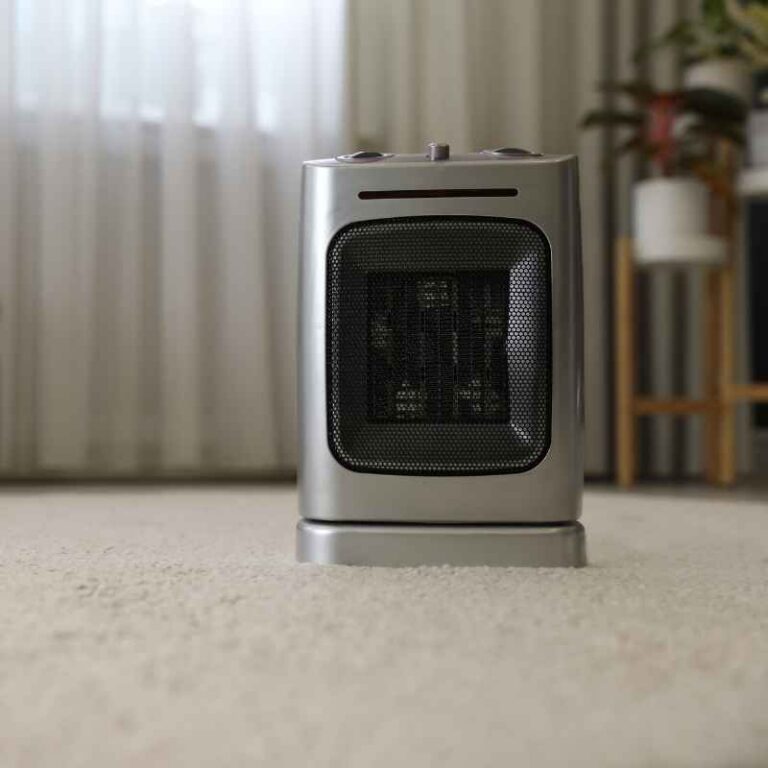
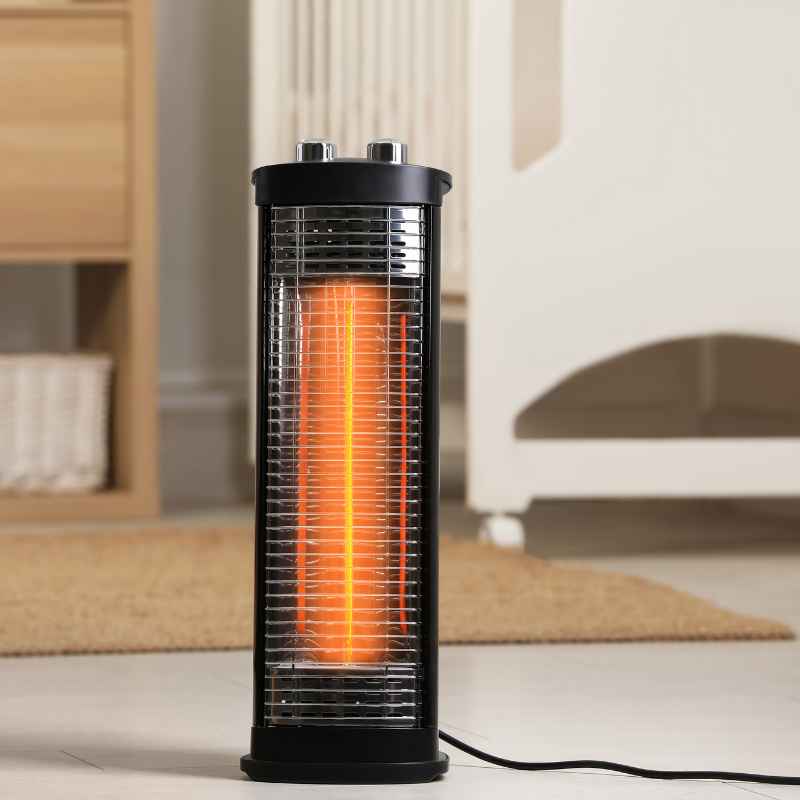
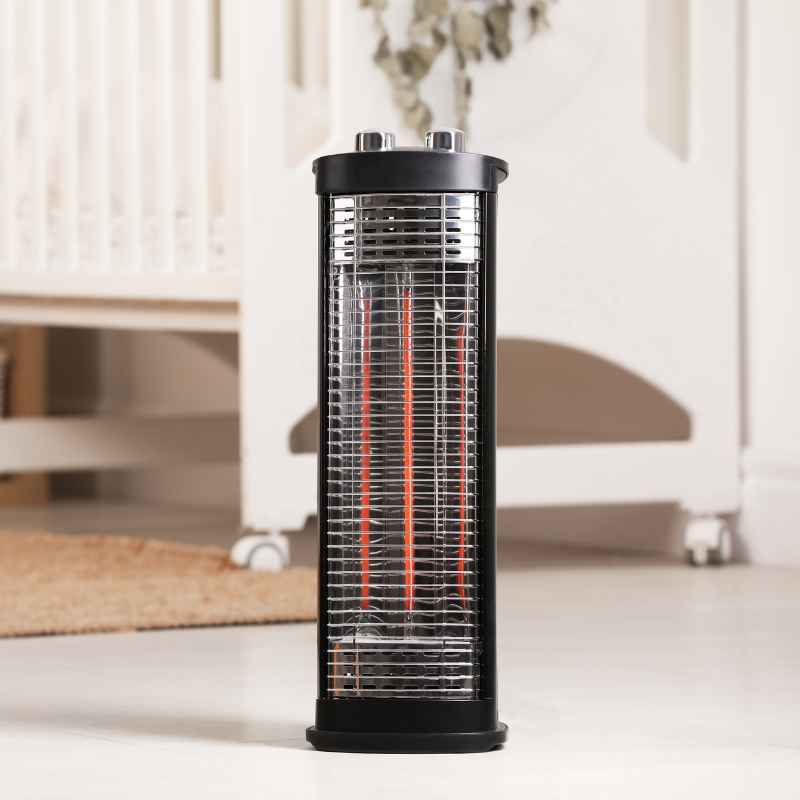
A ceramic heater works in a pretty straightforward way. Inside, it has a heating element. This element is often a metal coil.
This coil gets hot. It’s usually surrounded by or attached to a ceramic plate. This ceramic material is good at holding heat.
It also helps spread the heat evenly. When the heating element gets hot, it warms up the ceramic plate. The heater then has a fan.
This fan blows air across the hot ceramic plate. The air gets warmed up. Then, the fan pushes this warm air out into the room.
So, the main idea is that a ceramic heater warms the air. Think of it like a mini furnace for a small space. The warm air rises and circulates.
This is called convection heating. It’s a very common method for heating rooms. Because it heats the air, it can take a little while for a whole room to feel warm.
The fan noise is also something to consider. Some fans can be a bit loud. But many modern ones are quite quiet.
The ceramic plates themselves also help. They don’t get as scorching hot as some older heating elements. This can make them a bit safer.
Especially in homes with pets or small children. The heat is generally gentle. It’s not an intense, direct heat.
It’s a soft warmth that fills the space. This makes them good for living rooms or bedrooms. Places where you want a consistent, comfortable temperature.
The process is simple: electricity heats a coil, the coil heats ceramic, ceramic heats air, fan blows warm air.
How Infrared Heaters Work
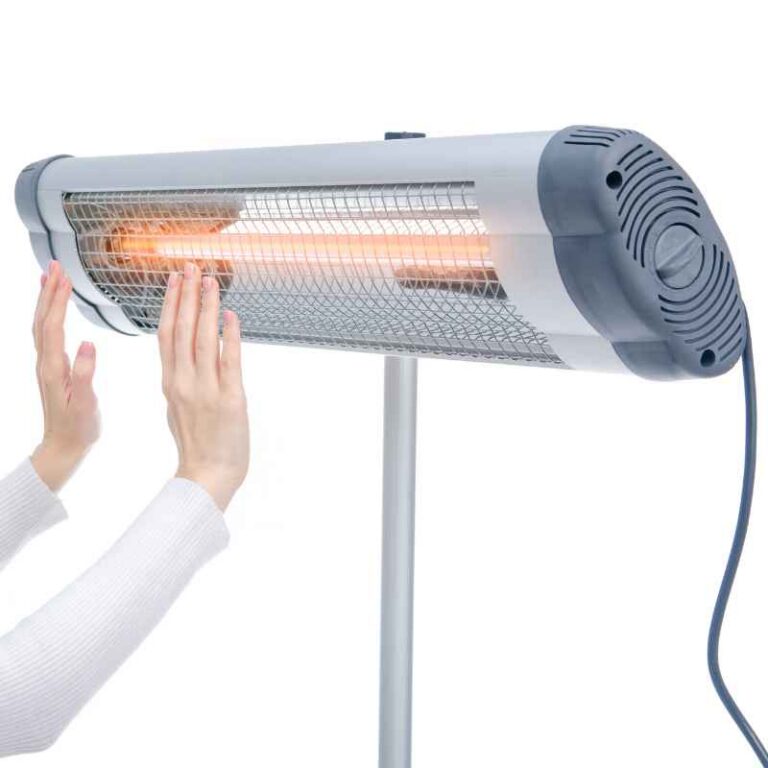
Infrared heaters work in a completely different way. Instead of heating the air, they heat objects directly. Think about standing in the sun.
You feel warm even if the air around you is cool. That’s because of infrared radiation. Infrared heaters produce these same kinds of rays.
These rays travel through the air. They don’t heat the air itself. When they hit an object – like a person, a table, or a wall – they transfer their energy.
This makes the object warm.
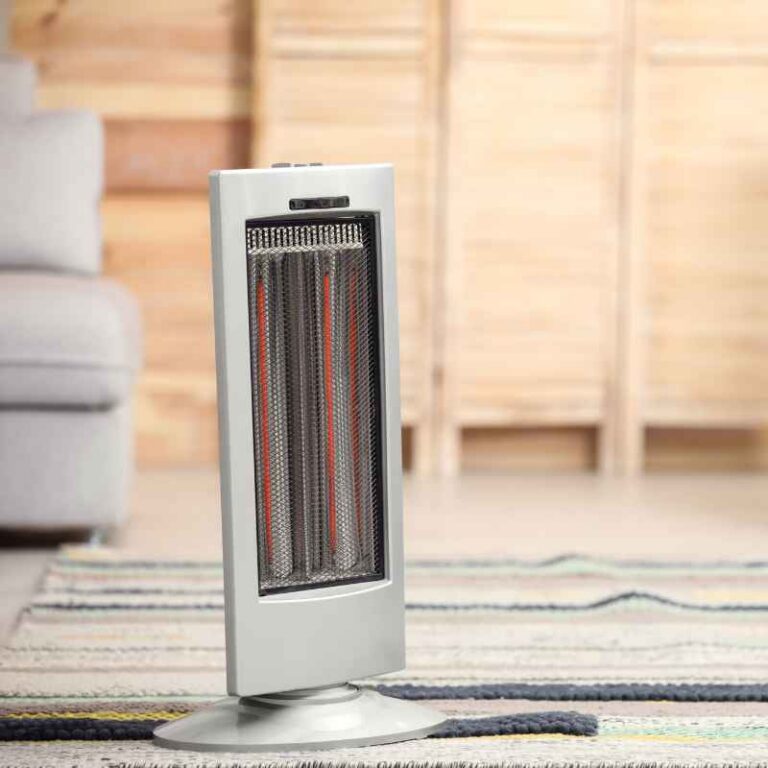
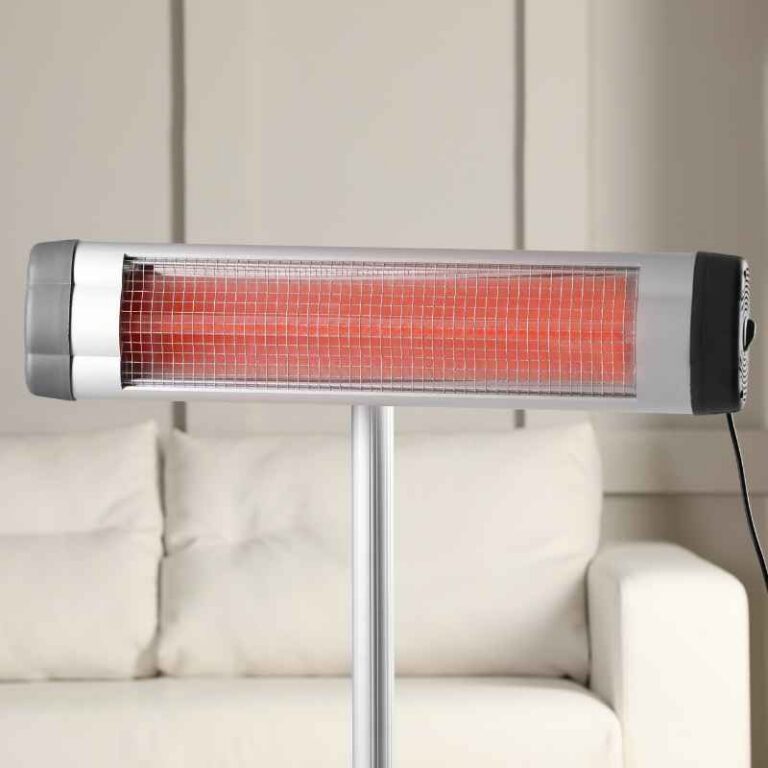
The heating element in an infrared heater is often a quartz tube or a metal element. This element gets very hot. It emits infrared waves.
These waves are a form of light we can’t see. But we can feel them as heat. These heaters usually don’t have fans.
They rely on radiant heat. This means the heat is directional. If you’re in the path of the rays, you feel warm.
If you step out of the path, you might feel cooler air.
This direct heating has some cool advantages. Since it doesn’t heat the air first, you feel the warmth almost instantly. This can make them feel more efficient.
They are also very quiet. No fans means no fan noise. This is great for bedrooms or quiet offices.
Another point is that they don’t dry out the air as much. Because they aren’t blowing hot air around. This can be better for people with dry skin or breathing issues.
The infrared heater warms you, not just the room.
Ceramic vs. Infrared: Key Differences
- Heating Method: Ceramic heats air (convection). Infrared heats objects directly (radiation).
- Speed of Warmth: Ceramic takes time to warm the air. Infrared provides instant warmth.
- Noise: Ceramic heaters often have fans and can be noisy. Infrared heaters are usually silent.
- Air Quality: Ceramic can dry air. Infrared generally doesn’t affect air moisture.
- Heat Distribution: Ceramic warms the whole room gradually. Infrared warms specific areas or people.
Comparing the Benefits: Ceramic
Ceramic heaters are popular for good reasons. One big plus is their safety. As mentioned, the ceramic plates tend to be cooler than exposed metal coils.
This reduces the risk of burns if someone touches the heater. Many models also have safety features. These include tip-over protection and overheat shut-off.
This gives peace of mind, especially with kids or pets around. They are also very good at providing consistent, background heat.
They are excellent for heating up a room evenly. If you want your whole bedroom to be cozy, a ceramic heater does that well. They don’t create hot spots or cold drafts, unlike some other heating types.
Most models are also portable. You can easily move them from room to room. This makes them versatile.
You can heat the living room during the day. Then move it to the bedroom at night.
Their effectiveness is tied to how well they circulate air. A good fan in a ceramic heater will distribute warmth efficiently. Many newer models have thermostats.
You can set a desired temperature. The heater will cycle on and off to maintain it. This helps save energy.
It also keeps the room from getting too hot or too cold. The warmth feels soft and natural. It’s not an intense blast of heat.
This makes them comfortable for general living spaces.
Comparing the Benefits: Infrared
Infrared heaters shine when you want quick, targeted warmth. Stepping into a room with an infrared heater, you feel warm almost immediately. This is fantastic for spaces you use only occasionally.
Or when you only need to warm yourself, not the entire room. Imagine sitting at your desk on a chilly morning. An infrared heater pointed at you will keep you toasty.
It uses less energy this way than heating the whole room.
Their silent operation is a huge benefit. For light sleepers or those who need a quiet workspace, this is ideal. No humming or whirring fans.
Just gentle warmth. They are also great for people who suffer from dry air. Because they don’t blow air, they don’t stir up dust or dry out your sinuses.
This can lead to a more comfortable breathing experience. The heat feels like natural sunlight. It penetrates your skin a bit.
Some people find this type of heat more pleasant. It feels less like being blasted by hot air and more like being naturally warmed. They can be very energy efficient for spot heating.
You can turn down your main thermostat. Then use an infrared heater just where you need it. This can lead to noticeable savings on your energy bills.
They are also very low maintenance. Typically, there are no filters to change and no parts to wear out quickly. Just wipe them clean.
Infrared Heater Use Cases
- Home Offices: Warm just your workspace without heating the whole house.
- Bedrooms: Provide quiet, comfortable warmth without drying the air.
- Garages/Workshops: Heat your immediate area when you’re working on projects.
- Bathrooms: Quickly warm up before or after a shower.
- Living Rooms: Target the area where you sit to save energy.
Real-World Context: Where They Fit Best
The choice between a ceramic and an infrared heater often comes down to how you plan to use it. Think about your home and your needs. For instance, if you have an open-plan living area, a ceramic heater might be better.
It can help warm the air throughout the large space. It provides a steady, even temperature. This is great for family gatherings or just relaxing on the couch.
In a small, drafty bedroom, an infrared heater might be the winner. It will give you instant warmth without making the air feel dry. And the quiet operation won’t disturb your sleep.
If you have pets that like to snuggle up on the floor, an infrared heater can warm them directly. Ceramic heaters might make the air warmer, but the floor might still feel cool.
Consider your climate too. In very cold regions, you might need a primary heating source. These portable heaters are often supplemental.
They are best for topping up heat in specific rooms. If you live in a milder climate, one of these heaters might be enough for all your heating needs. Especially if you focus on heating only the rooms you use.
I remember one winter, our main furnace broke. We used a couple of ceramic heaters to keep the main living areas warm until repairs. They did a decent job, but the edges of the room stayed cooler.
What about efficiency? Both can be efficient, but in different ways. Ceramic heaters are efficient at warming a volume of air.
If you need a whole room warm, they do that. Infrared heaters are efficient at warming people and objects. If you only need to warm yourself, they are more efficient.
It’s about matching the technology to the task. Don’t try to heat a large, open garage with a small ceramic heater. It will run constantly and still feel cold.
Likewise, don’t expect an infrared heater to make your whole basement feel like a sauna.
Ceramic Heater Use Cases
- Living Rooms: General heating for comfort.
- Bedrooms: Steady, even warmth throughout the night.
- Nurseries: Gentle, consistent heat.
- Small Apartments: Supplementing central heat or heating a single room.
- Offices: Keeping a small office at a comfortable temperature.
What This Means for Your Home
So, are they the same? No, they are quite different. Understanding this difference is key to choosing wisely.
If you want to warm up a whole room evenly and gradually, a ceramic heater is likely your best bet. It’s like turning up the thermostat for that specific space. The heat will spread out.
It will make the air feel warm all over. This is great for family activities or when you’re just lounging around the house.
If you need fast, targeted warmth for yourself or a small area, an infrared heater is usually the better choice. It’s like having your own personal sunbeam. You feel the warmth instantly.
This is perfect for sitting at your desk, reading a book in a favorite chair, or warming up a chilly bathroom quickly. No need to wait for the air to heat up. You get immediate comfort.
Think about the noise factor. If you’re sensitive to sound or need a quiet environment, infrared is the way to go. Ceramic heaters, with their fans, can create a consistent background hum.
While many are quiet, it’s still something to consider for bedrooms or home offices. Also, think about air quality. If you suffer from dry air or allergies, infrared can be gentler.
Ceramic heaters can sometimes make the air feel drier because they circulate and heat it.
The decision really boils down to your priorities. Do you want a cozy, evenly heated room? Or do you want instant, personal warmth?
Ceramic heaters are about ambient heat. Infrared heaters are about direct heat. Both have their place in keeping a home comfortable.
And both can be good choices depending on the situation. They are different tools for different jobs in your quest for warmth.
Quick Tips for Choosing and Using
When looking at ceramic heaters, check for safety features. Look for certifications like UL or ETL listed. This means they’ve met safety standards.
Also, check the wattage. Higher wattage generally means more heat, but also higher energy use. Many have adjustable thermostats.
This is a big plus for saving energy. Make sure the fan is reasonably quiet if noise is a concern for you.
For infrared heaters, consider the range of the heat. How far does it project? Does it have an adjustable thermostat or just an on/off switch?
Some have multiple heat settings. Look at the materials. Are they durable?
Some are designed to look like furniture or decor, which can be nice. Again, safety features are important. Even though they don’t heat air, the elements get very hot.
Ensure they have guards or protective grilles.
Placement is key for both. For ceramic heaters, place them where they can circulate air freely. Don’t block the vents.
Keep them away from curtains or furniture that could be a fire hazard. For infrared heaters, point them directly at the area you want to warm. Don’t stand too close.
They can feel very intense up close. Always read the manufacturer’s instructions. They will give you specific advice for your model.
Usage Safety Checklist
- Placement: Keep heaters away from flammable materials (curtains, paper, furniture).
- Clearance: Ensure adequate space around the heater for air circulation (ceramic) or direct heat (infrared).
- Power Source: Plug directly into a wall outlet. Avoid extension cords if possible, or use heavy-duty ones.
- Supervision: Never leave heaters unattended, especially with children or pets.
- Tip-Over Protection: Ensure your heater has this feature (especially ceramic) and test it.
- Overheat Protection: Most modern heaters have this. Make sure it works.
- Wet Areas: Do not use heaters in bathrooms or very damp areas unless specifically designed for them.
Frequently Asked Questions
Can I use a ceramic heater to heat my entire house?
No, ceramic heaters are typically designed for supplemental heat in individual rooms. They are not powerful enough to heat an entire house, especially in colder climates. They are best for warming specific spaces.
Does infrared heat dry out the air?
Generally, no. Infrared heaters warm objects directly through radiant waves. They do not heat or circulate air like ceramic heaters do.
This means they are less likely to cause the air to feel dry.
Are infrared heaters safe for pets?
Yes, infrared heaters can be safe for pets. They provide a gentle warmth that pets can enjoy. However, just like with humans, ensure your pet cannot directly touch the hottest parts of the heater.
Some models have protective grilles.
Which type of heater is more energy efficient?
It depends on the usage. Ceramic heaters are efficient at warming a room’s air. Infrared heaters are efficient at warming people and objects directly.
For spot heating, infrared is often more energy efficient. For whole-room heating, ceramic can be efficient if sized correctly.
Can I use both ceramic and infrared heaters in the same room?
Yes, you can use both types in the same room, but it’s usually not necessary or efficient. You might use a ceramic heater for overall room warmth and an infrared heater for direct personal comfort. However, they serve different primary purposes.
How long does it take for a ceramic heater to warm a room?
It varies based on the room size, the heater’s wattage, and the outside temperature. A small room might feel warmer in 15-30 minutes. Larger spaces will take longer.
The fan circulates warm air, so it’s a gradual process.
Are infrared heaters expensive to run?
Infrared heaters can be very cost-effective for spot heating because they warm you directly. This means you don’t need to heat the entire room or house. Their running cost depends on their wattage and how long you use them, but they are often cheaper than heating a whole space with a central system.
Conclusion
So, the mystery is solved! Ceramic and infrared heaters are distinct technologies. They offer different ways to bring warmth into your life.
Ceramic heats the air around you. Infrared warms you and the things you touch directly. Each has its own set of pros and cons.
Your ideal choice depends on what you need. Focus on how you’ll use it. Then pick the heater that best fits your comfort and your home.
Sponsored / affiliate links. As an Amazon Associate I earn from qualifying purchases. I may earn additional commission from eligible campaigns.