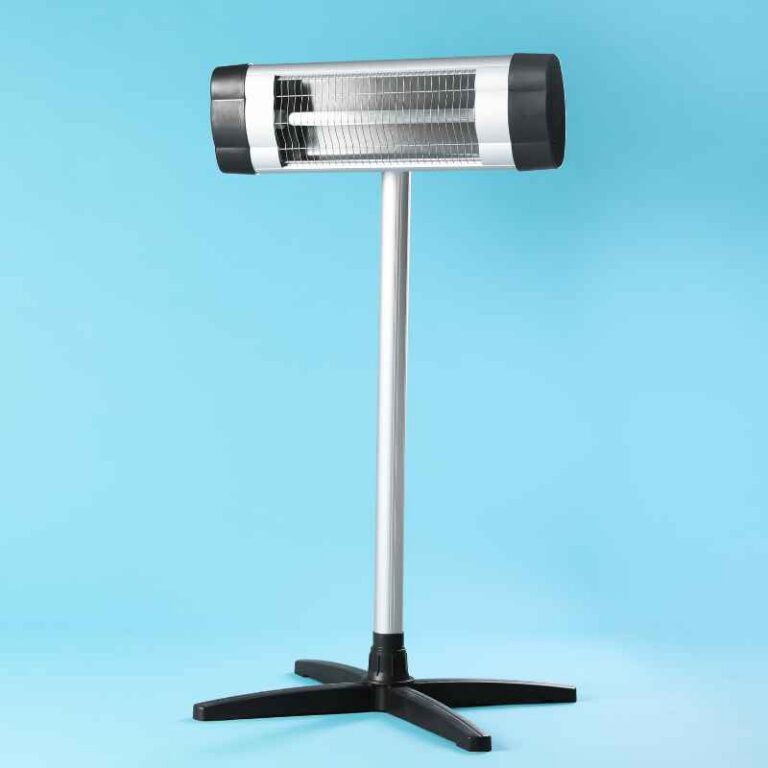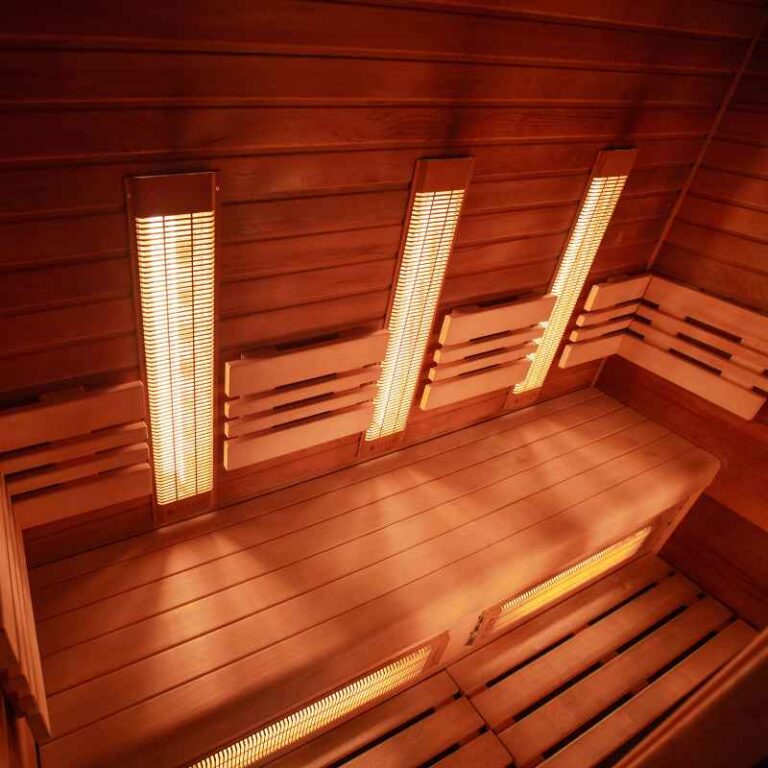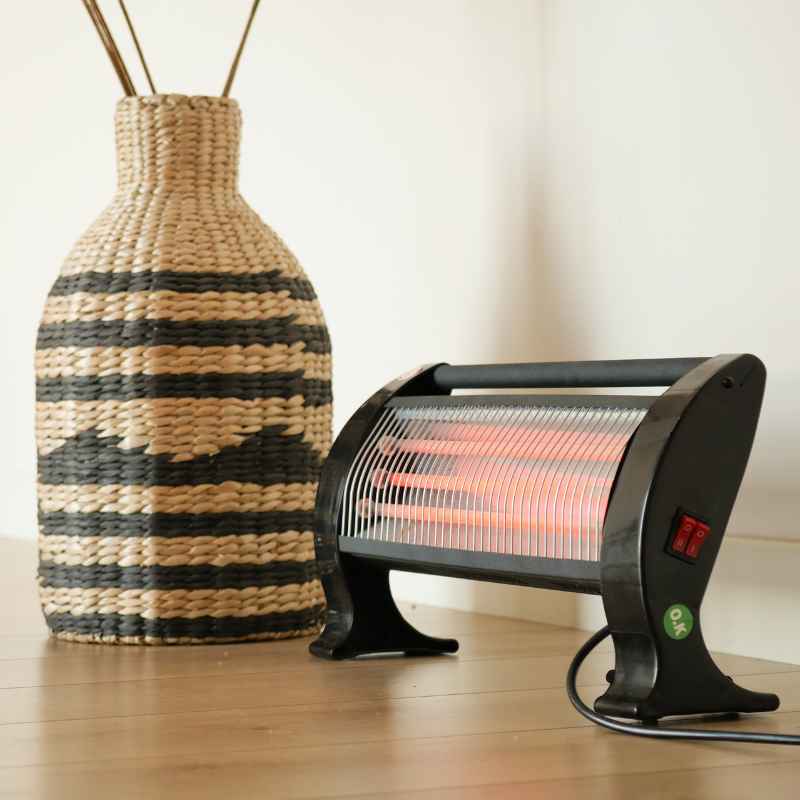
Why Don’T Infrared Heaters Dry Out The Air? Here’S Why
It’s a common worry when the cold air bites: will using a heater leave your home feeling like a desert? You might have heard that some heaters dry out the air. But what about infrared heaters?
Many people wonder if these special heaters will also make the air feel dry and uncomfortable. Let’s dive in and find out the real reason why infrared heaters don’t typically dry out your air.
Infrared heaters do not dry out the air because they warm objects directly using radiant heat, rather than heating the air itself. This process mimics natural sunlight, leaving the air’s moisture content largely unchanged.
The Science of Infrared Heat
Infrared heaters work in a unique way. They don’t heat the air around them. Instead, they send out waves of infrared radiation.
Think of it like the sun’s warmth. When the sun shines on you, you feel warm. That warmth comes from infrared rays.
It’s not because the air itself got hotter.
These rays travel through the air. When they hit objects in the room, like your furniture, walls, or even you, they are absorbed. This absorption turns the infrared energy into heat.
So, the objects get warm first. Then, these warm objects release a little bit of heat back into the air. This makes the room feel cozy and comfortable.
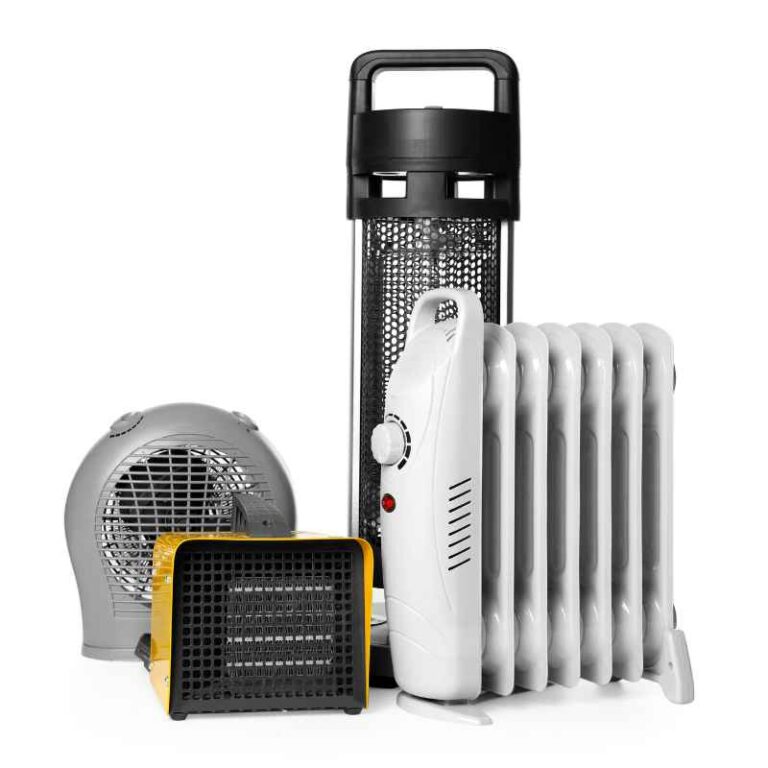
Other types of heaters, like convection heaters, work differently. They heat the air directly. They draw in cool air, warm it up, and then push the warm air out.
This constant heating and circulating of air can cause the air to lose moisture. This is why those heaters can make your home feel dry.
But infrared heaters bypass this air-heating step. The heat is sent directly to where it’s needed. This is a key difference.
It’s why your skin might feel warmer near an infrared heater, even if the room air temperature isn’t super high.
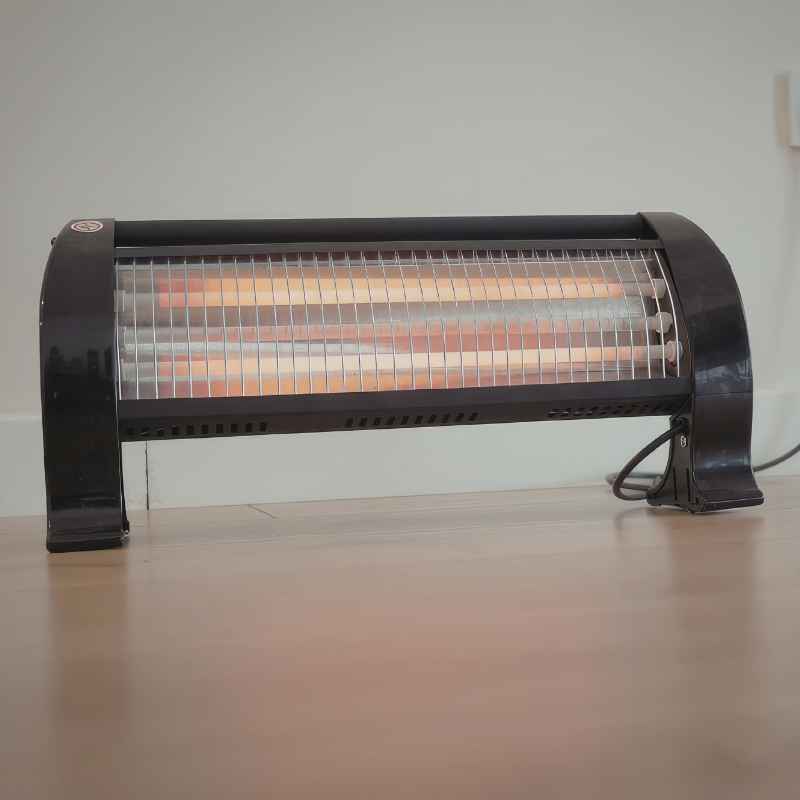
My Own Brush with Dry Air Dread
I remember my first winter in a new apartment. The heating system was old. Every time I turned it on, the air felt thick and dry.
My skin started to feel tight. My throat felt scratchy. I even woke up with a stuffy nose some mornings.
It was miserable. I started researching ways to humidify the air. Humidifiers added another chore to my list.
Plus, I worried about mold. It felt like a losing battle. Then, a friend told me about infrared heaters.
I was skeptical. Could a heater actually not dry out the air? I decided to try one for my living room.
The difference was amazing. It felt warm and toasty, but my skin didn’t feel like parchment. It was a game-changer for my comfort.
That’s when I really understood the magic of radiant heat.
Infrared Heater vs. Other Heaters: A Quick Look
Radiant Heat (Infrared):
- Warms objects and people directly.
- Heat feels instant.
- Does NOT significantly dry out air.
- Good for spot heating or large, open spaces.
Convection Heat:
- Warms air.
- Air circulates to heat the room.
- Can make air feel dry.
- Good for heating entire rooms evenly.
How Objects Get Warm
Let’s think more about how objects get warm from an infrared heater. The heater emits invisible infrared light. This light travels in straight lines.
When this light hits a solid surface, like your sofa or a wooden table, the molecules in that surface start to vibrate faster. This increased vibration is what we feel as heat.
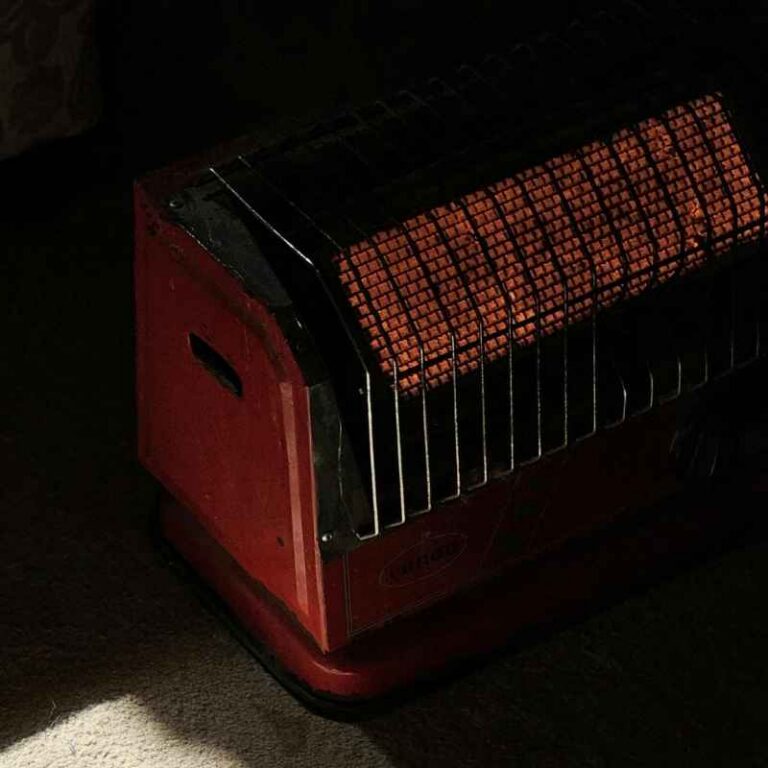
It’s like when you stand near a warm fireplace. The logs themselves aren’t heating the air much. The heat you feel is the infrared energy radiating from the glowing embers.
Your body absorbs this energy and gets warm.
Because the air itself isn’t the primary medium being heated, its moisture content remains mostly untouched. The air molecules aren’t being forced to move faster or escape. They just sit there, potentially warmed slightly by the objects that got heated.
This is why infrared heat can feel so comfortable. It’s a more natural kind of warmth. It doesn’t strip the air of its humidity.
This is a big plus for people who are sensitive to dry air. It can help with dry skin, irritated eyes, and sore throats.
The Role of Humidity in Comfort
Humidity plays a big role in how comfortable we feel. When the air is too dry, our bodies lose moisture more quickly. This can lead to dry skin, chapped lips, and static electricity.
Our nasal passages and throats can also become dry, making us more prone to colds and infections.
On the other hand, very high humidity can also feel uncomfortable. It can make the air feel sticky and heavy. It can also encourage mold and mildew growth in our homes.
The ideal humidity level for most homes is between 40% and 60%. Infrared heaters help maintain this balance. By not aggressively drying out the air, they allow the existing humidity to stay in the room.
This creates a more pleasant living environment.
This is especially important in winter. Outdoor air in the winter is often very dry. When we bring that cold air inside and heat it with a convection heater, it becomes even drier.
An infrared heater helps to counteract this effect. It provides warmth without making the problem worse.
Why You Don’t Feel the Air Moving
Observation: You don’t usually feel a draft or strong air currents from an infrared heater.
Reason: Infrared heaters work by radiation. They don’t rely on moving air to transfer heat. This is different from fans or convection heaters that create airflow.
Benefit: This gentle heating helps maintain indoor air quality and avoids that dry, blown-air sensation.
Understanding Different Types of Infrared Heaters
Not all infrared heaters are the same. They come in various forms. You might see them as small portable units.
Others are larger wall-mounted or ceiling-mounted panels. Some are even built into outdoor patio designs.
The core principle remains the same: they emit infrared radiation. The wavelength of this radiation can vary. Some heaters emit short-wave infrared.
This is very intense and heats things up quickly. It’s often used in industrial settings or for fast spot heating.
Others emit medium-wave or long-wave infrared. These are gentler. They provide a more soothing and consistent warmth.
These are the types most commonly found in homes for general comfort heating.
The design of the heater also matters. Ceramic elements, quartz tubes, and metal coils are common. Each type generates infrared heat.
The quality and efficiency can differ. But the fundamental way they interact with the air does not change.
Regardless of the specific design, the goal is always to transfer heat to surfaces and people. This direct transfer is the key to their non-drying nature. They are not trying to make the air itself hot.
They are making the objects in the room warm.
Real-World Scenarios Where Infrared Heat Shines
Think about a chilly morning in your garage. You need to work on a project. You don’t want to heat the whole garage, just yourself.
An infrared panel there would warm you up quickly. It wouldn’t make the dusty air feel even drier.
Or consider a large, open-plan living space. Heating the entire volume of air can be very inefficient. An infrared heater aimed at your seating area provides direct warmth.
It feels cozy without wasting energy heating empty space. This also means less air movement and less chance of drying the air.
Even in bathrooms, infrared heaters can be useful. They provide quick warmth when you step out of the shower. This immediate heat on your skin is pleasant.
It doesn’t leave the air feeling heavy and damp, which is good for preventing condensation issues.
Many people with sensitive respiratory systems find infrared heat to be a lifesaver. The lack of dry air means fewer breathing problems. It’s a more comfortable way to stay warm during the colder months.
Infrared Heat: Myth vs. Reality
Myth: Infrared heaters dry out the air just like other heaters.
Reality: Infrared heaters warm objects directly, not the air. This means they don’t typically reduce air moisture.
Myth: You can’t feel heat from an infrared heater unless the air is hot.
Reality: You feel the radiant heat on your skin. The air temperature is secondary.
Myth: Infrared heaters are only for outdoor use.
Reality: They are very effective and popular for indoor heating, especially for targeted warmth.
When is it Okay to Worry About Dry Air?
While infrared heaters are great for avoiding dry air, it’s still good to know what’s normal. Sometimes, even with an infrared heater, you might feel a little dryness. What could cause this?
Low Outdoor Humidity: If the outside air is extremely dry (common in winter in many U.S. regions), it will naturally pull moisture from your home. Even an infrared heater might struggle to completely combat extremely low absolute humidity.
Poor Ventilation: If your home isn’t ventilated well, trapped air can sometimes feel dry, especially if it’s naturally low in moisture. Opening a window for a short period can help refresh the air.
Other Appliances: Some other appliances in your home might contribute to drying the air. Things like very efficient stoves or even some types of dehumidifiers (if accidentally left on) can impact humidity.
Personal Sensitivity: Some people are simply more sensitive to slight changes in humidity than others. What one person finds perfectly comfortable, another might notice.
The Heater Itself: While rare, a very old or poorly functioning infrared heater might not be emitting heat efficiently. However, the core mechanism of not drying air still applies.
Check your home’s humidity levels. You can buy a small, inexpensive device called a hygrometer. It tells you the actual humidity percentage in your room. If it’s consistently below 30%, you might want to look into a humidifier.
But for most users of infrared heaters, this isn’t a common problem.
Simple Checks for Air Dryness
Feeling: Dry skin, chapped lips, static shocks.
Observation: Waking up with a sore throat or dry nose.
Home Signs: Wood furniture or floors showing tiny cracks.
Measurement: Use a hygrometer to see the humidity percentage (aim for 40-60%).
Tips for Maximizing Comfort with Infrared Heat
To get the most out of your infrared heater and ensure maximum comfort, consider these simple tips:
- Positioning is Key: Place the heater so it faces the area you want to warm. Aim it at people or seating areas. This direct warming is its strength.
- Understand the Lag: Remember that objects need time to absorb the heat. The room might not feel instantly warm like with a blast of hot air. Give it a few minutes.
- Combine if Needed: For very large or drafty spaces, you might consider using an infrared heater for direct warmth along with another mild heating source. But often, a properly sized infrared heater is enough.
- Seal Drafts: To help retain any heat and maintain humidity, check for drafts around windows and doors. Weatherstripping can make a big difference.
- Don’t Over-Dry: Resist the urge to crank up any heater (even an infrared one) to extreme temperatures. Find a comfortable setting and maintain it.
Using an infrared heater is about a different approach to comfort. It’s about embracing a more natural way of warming your space. It works with your environment, not against it.
Frequently Asked Questions About Infrared Heaters and Air Dryness
Do infrared heaters use a lot of electricity?
Infrared heaters use electricity to generate heat. Their energy use depends on their wattage and how long you run them. Many people find them efficient because they heat objects and people directly, meaning you might use them for shorter periods or at lower overall room temperatures for comfort.
Always check the wattage and compare it to your needs.
Can I use an infrared heater in a bedroom?
Yes, many people use infrared heaters in bedrooms. They provide a gentle, quiet warmth that doesn’t dry out the air, which can be very beneficial for sleep. Ensure the heater is placed safely away from bedding and curtains.
Always follow the manufacturer’s safety guidelines.
How quickly do infrared heaters warm up a room?
Infrared heaters don’t heat the air directly. They heat objects and people. You’ll feel the warmth on your skin almost immediately once the heater is on.
However, it takes a little longer for the objects in the room to absorb enough heat to raise the overall ambient temperature. So, while you feel the heat fast, the entire room’s air temperature might take a bit longer to climb.
What is the difference between radiant heat and infrared heat?
Radiant heat is a broad term for heat transferred by electromagnetic waves. Infrared heat is a specific type of radiant heat. Infrared radiation is invisible to the human eye, but we feel it as warmth.
So, all infrared heat is radiant heat, but not all radiant heat is infrared.
Are infrared heaters safe for pets and children?
Infrared heaters can be safe when used properly and according to manufacturer instructions. The surface of some heaters can get hot. It’s important to keep them out of reach of small children and pets, or use protective guards if available.
Always ensure they are placed on a stable surface and away from flammable materials.
How do I know if my infrared heater is working correctly?
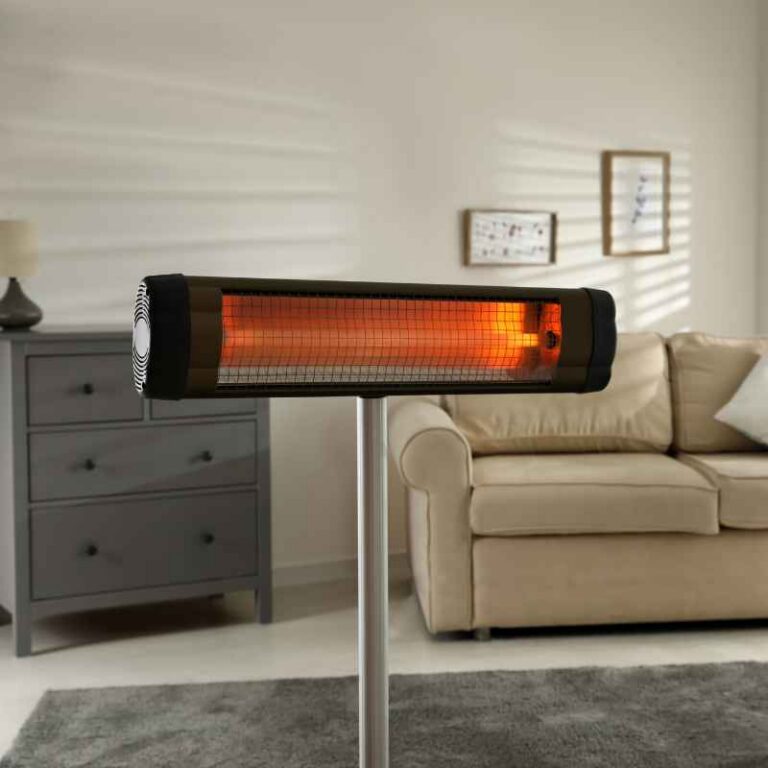
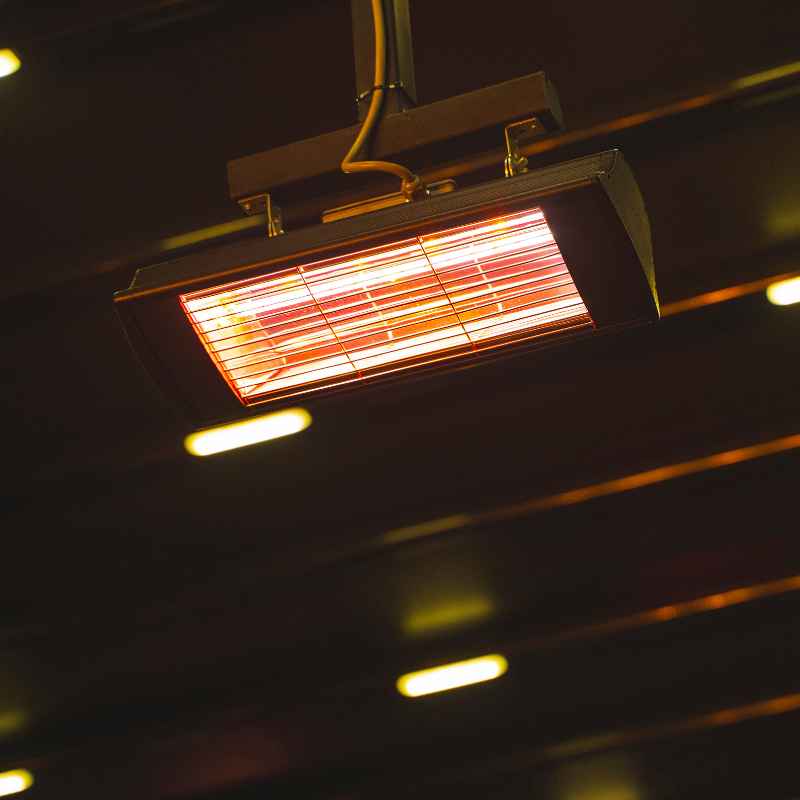
A properly working infrared heater will emit a warm glow (often reddish or orange) from its heating element. You should feel a distinct warmth on your skin when you are in front of it. If it’s not producing heat or seems to be taking an unusually long time to warm up objects, consult the user manual or contact the manufacturer.
The Gentle Warmth of Radiant Heat
So, the answer is clear: infrared heaters do not dry out the air because of how they operate. They warm objects, not the air itself. This process mimics natural sunlight.
It provides a comfortable, non-drying warmth. This makes them an excellent choice for keeping your home cozy during cold weather without the discomfort of dry air.
Sponsored / affiliate links. As an Amazon Associate I earn from qualifying purchases. I may earn additional commission from eligible campaigns.