Are Infrared Heaters Better Than Oil Filled Radiators?
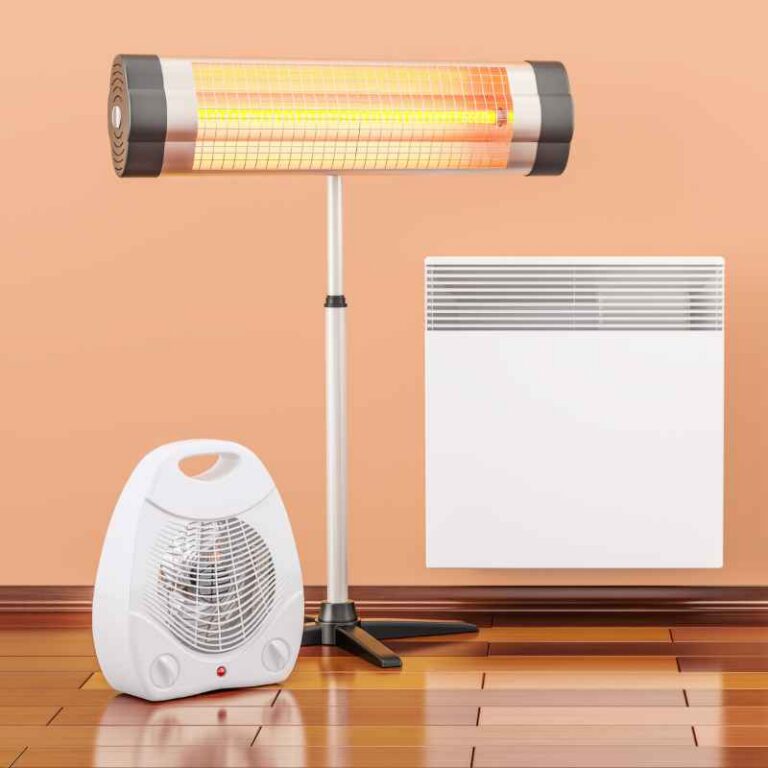
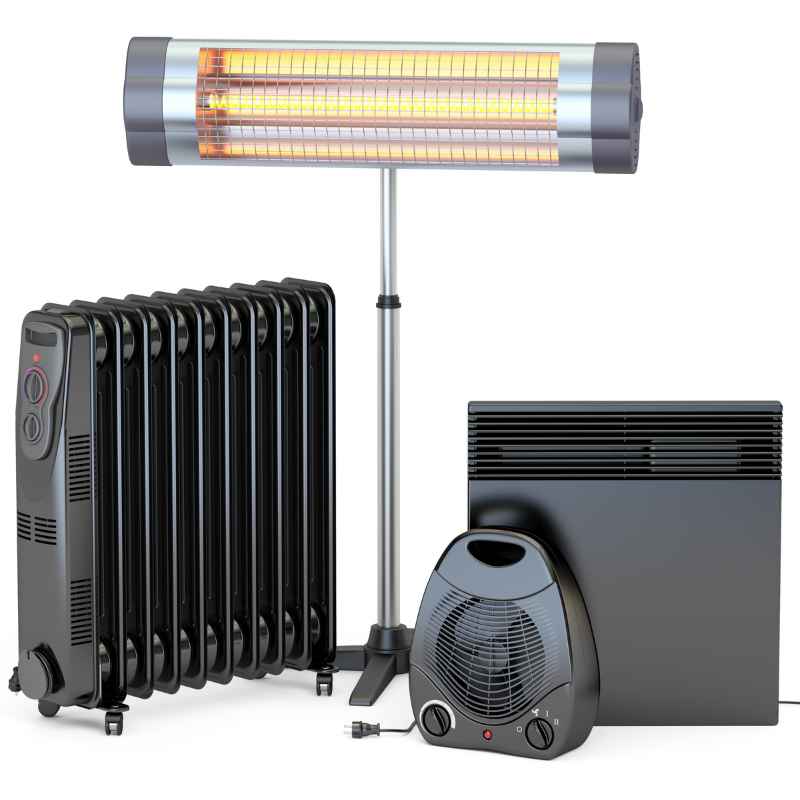
Infrared heaters warm objects directly using radiant heat, like the sun. Oil-filled radiators heat the air around them, which then circulates to warm a room. Both have pros and cons for efficiency, speed, and cost.
Understanding How They Heat
To truly compare these two types of heaters, we need to look at how they create warmth. It’s not just about a hot element inside. The method of heating changes everything about the experience.
Think about standing in the sun on a cool day versus standing in a gust of warm wind. Both feel warm, but the source and how the heat reaches you feels different. Infrared heaters and oil-filled radiators work on these different principles.
Infrared heaters work by emitting infrared radiation. This is a type of light wave that our bodies and objects absorb. When these waves hit you, your skin absorbs the energy.
This makes you feel warm almost instantly. It’s like the difference between a campfire heating your face directly and a fan blowing warm air at you. The heat from a campfire is immediate and focused.
Infrared heat is similar. It doesn’t waste energy heating the air first. It heats what it “sees.”
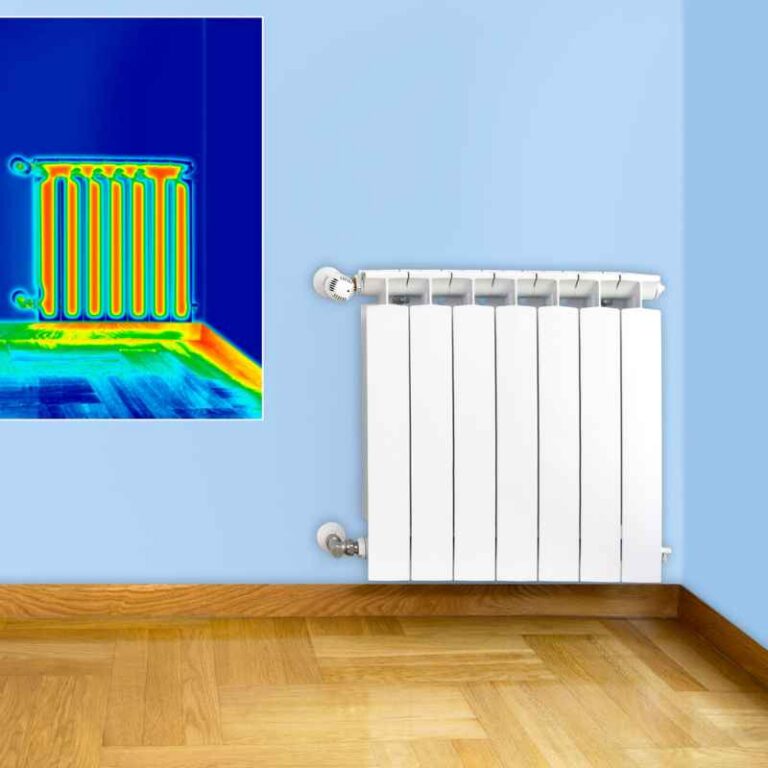
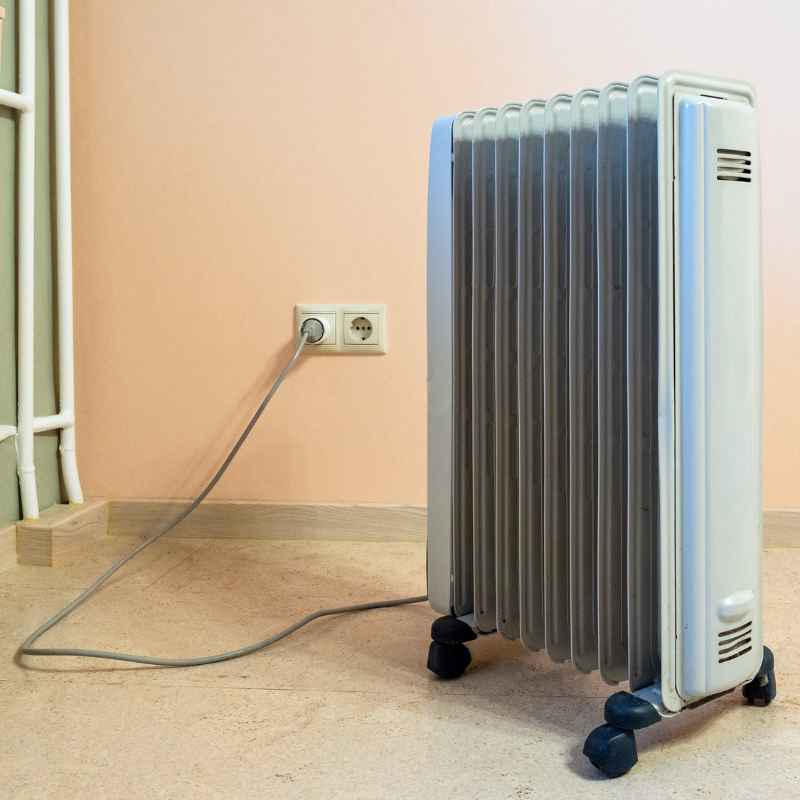
Oil-filled radiators, on the other hand, work by heating oil inside a sealed metal casing. This oil then heats the metal fins of the radiator. The radiator’s hot surface warms the air that touches it.
This warm air rises. It then cools as it moves through the room. Finally, it sinks back down to the radiator to be heated again.
This creates a gentle, circulating current of warm air. It’s a slower process. But it can make a whole room feel evenly warm over time.
Infrared Heater Basics
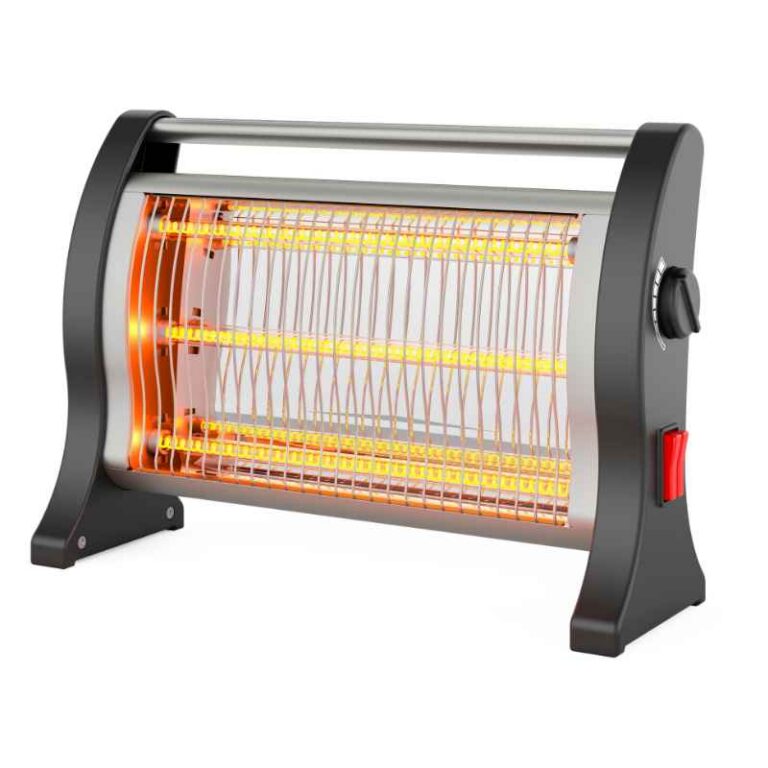
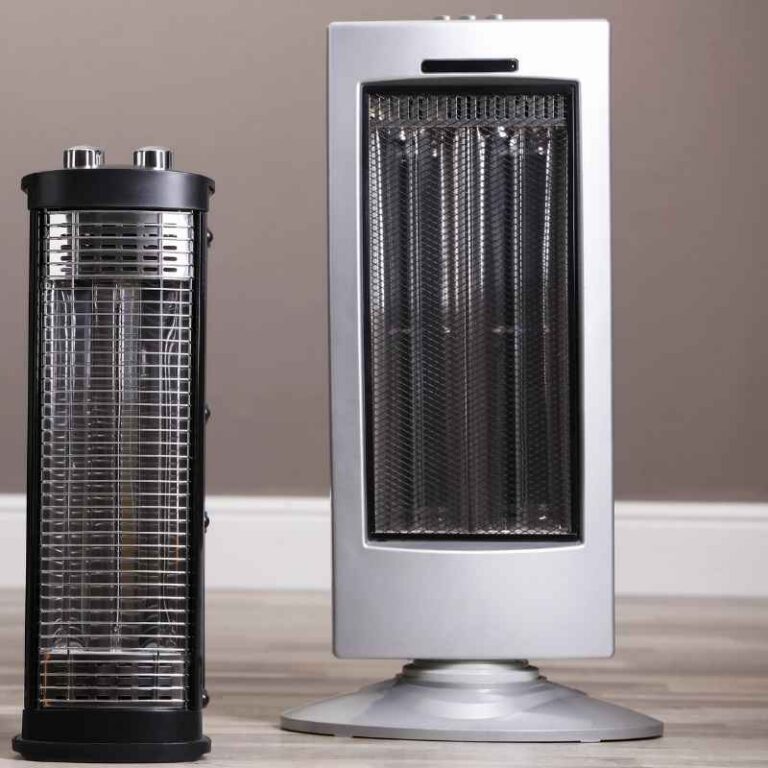
Infrared heaters are pretty neat. They use a special element that glows when it’s hot. This element sends out invisible infrared rays.
These rays travel through the air. They don’t heat the air itself much. Instead, they heat surfaces they hit directly.
This includes you, your furniture, and your walls. It’s like the warmth from a sunny window on a cold day. You feel the heat right where the sunbeam lands.
The biggest plus here is speed. When you turn an infrared heater on, you start feeling its warmth within seconds. You don’t have to wait for a whole room to heat up.
If you’re sitting in front of it, you’ll feel the benefit right away. This makes them great for spot heating. You can warm up a specific area where people are sitting.
This is very different from how other heaters work.
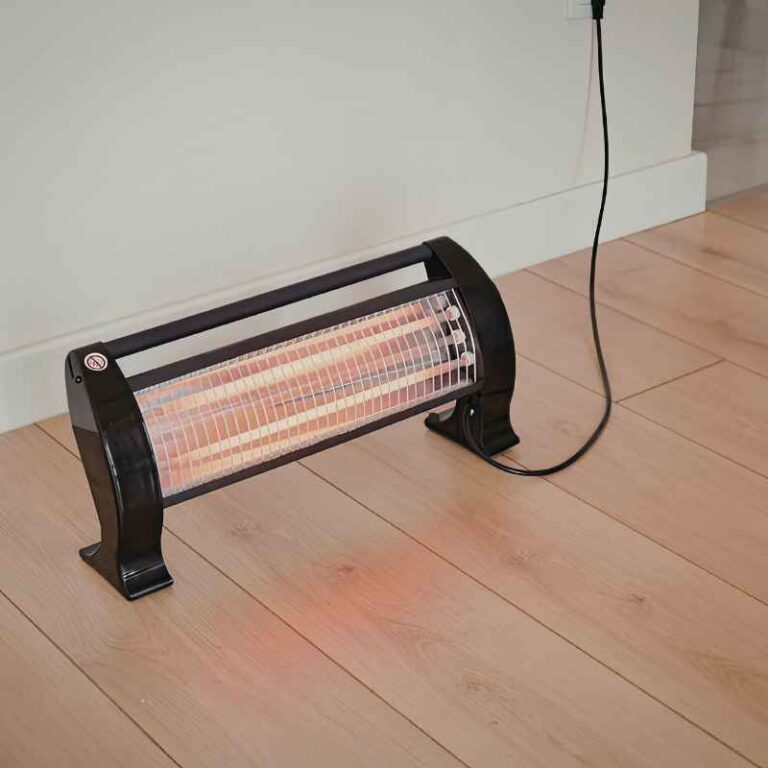
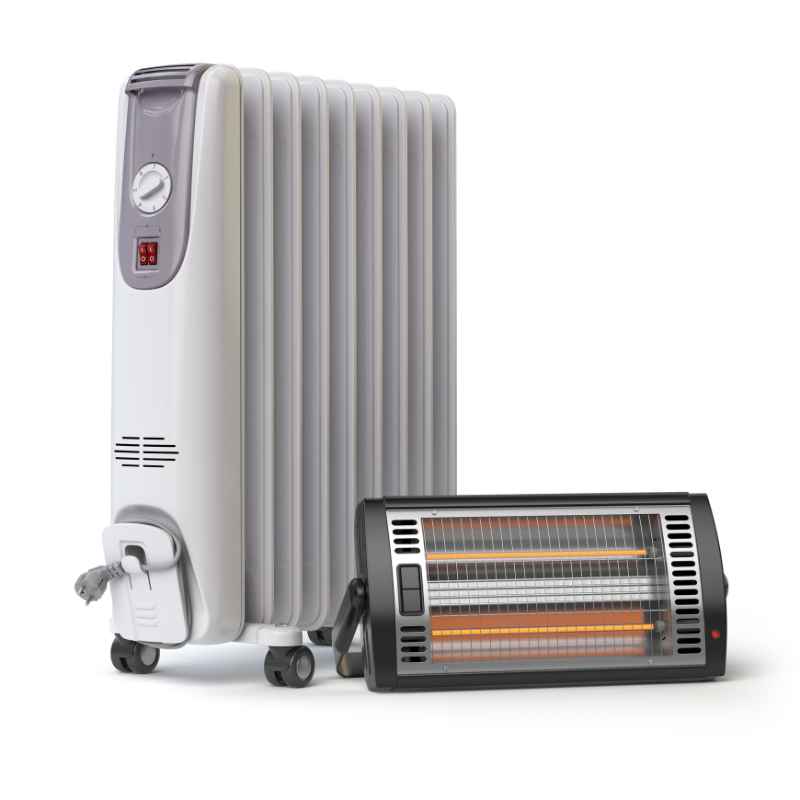
There are a few main types of infrared heaters. Some are small, portable units you can move around. Others are larger, fixed units, like wall-mounted or ceiling-mounted panels.
Some are even designed to look like decorative lamps. The technology behind them is quite simple. It’s all about that radiant heat transfer.
The intensity of the heat depends on the wattage of the heater and how close you are to it. Just like standing closer to a fire makes it hotter.
Oil-Filled Radiator Basics
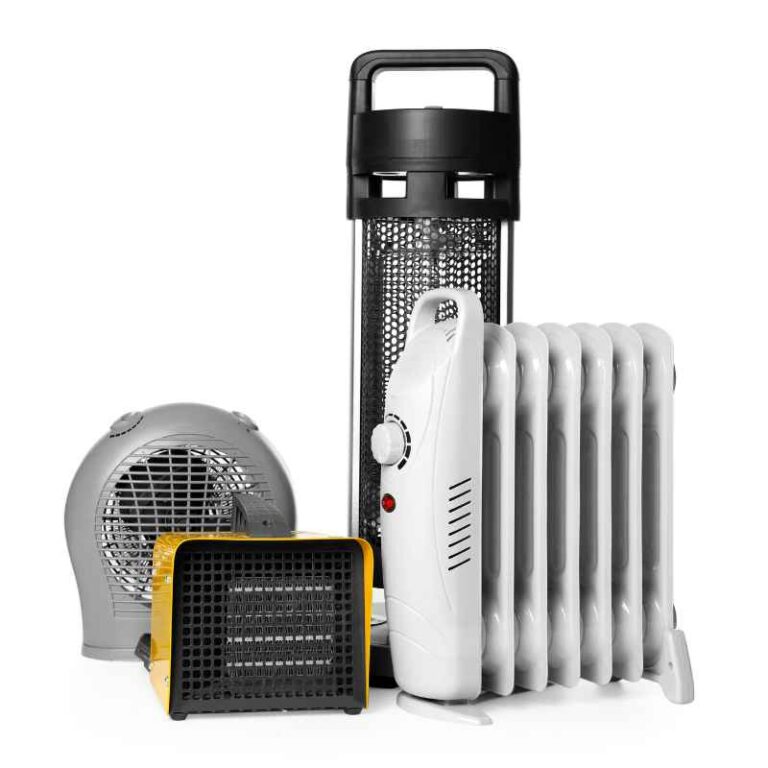
Oil-filled radiators have been around for a long time. They are often called “convection heaters” because they heat the air. Inside the metal radiator is a special type of oil.
This oil is sealed in and never needs to be replaced. When you plug the heater in, an electric element heats the oil. The hot oil then transfers its heat to the metal casing of the radiator.
The radiator’s surface gets warm. It then heats the air right next to it. This warm air becomes lighter.
It rises up. As it moves into the cooler parts of the room, it gives off its heat. The air then cools down.
It becomes heavier and sinks back towards the floor. This cooler air is drawn back into the radiator to be heated again. This creates a constant cycle of air movement, known as convection.
This process is much slower than infrared heating. It takes time for the oil to heat up. It also takes time for the air to circulate and warm the entire room.
However, once the room is warm, oil-filled radiators can maintain that temperature very steadily. They often have thermostats. These allow you to set a specific temperature.
The heater will cycle on and off to keep the room at that level. They also tend to be very quiet. You won’t hear a fan noise, just a gentle hum or click when the thermostat engages.
Heat Distribution and Feel
The way these heaters spread warmth is a major difference. Infrared heaters are very direct. They send heat waves outwards in a specific direction.
Imagine a spotlight of warmth. If you are in the path of these waves, you will feel warm. If you step out of the path, you will no longer feel that direct heat.
This is great for personal comfort. You can feel warm even if the air in the room is not very hot.
This direct heating means that objects in the room get warm. Your couch, your desk, even the floor can absorb the infrared energy. This can make the room feel warmer overall, even if the air temperature is only slightly raised.
It’s an efficient way to heat specific areas. You aren’t wasting energy trying to heat empty spaces or air that’s just going to float away.
Oil-filled radiators, however, focus on heating the air. They don’t emit direct radiant heat. They warm the air around them.
This warm air then rises and circulates. This process gently warms the entire room. It’s a more gradual and even heat.
Instead of a hot spot, you get a consistent, comfortable temperature throughout the space. This is often described as a more “cozy” or “all-encompassing” warmth. You don’t feel a draft from the heater itself.
The air just feels pleasantly warm everywhere.
The “feel” of the heat is quite distinct. With infrared, it’s an instant, almost sun-like warmth on your skin. It feels immediate.
With an oil-filled radiator, it’s a softer, more ambient warmth. It builds up over time. You might not even notice it working directly, but you’ll feel comfortable.
It’s the difference between feeling a sunbeam on your face and being in a perfectly heated greenhouse. Both are warm, but they hit you differently.
Speed of Heating
When it comes to getting warm quickly, infrared heaters are the clear winners. You can feel the heat from an infrared heater almost instantly after turning it on. This is because the infrared rays travel at the speed of light.
They reach your skin and start warming you up right away. There’s no waiting period. This is a huge advantage if you’re coming in from the cold and want to feel comfortable fast.
Think about a chilly morning. You walk into your living room. You want to feel warm now, not in 30 minutes.
An infrared heater can provide that immediate relief. You can direct the heat towards your usual spot on the couch or your desk. You’ll feel cozy within moments.
This is a major benefit for people who only need to heat a specific area for a short period.
Oil-filled radiators take their time. First, the electric element needs to heat the oil inside. Then, the hot oil heats the radiator’s fins.
Next, those fins heat the surrounding air. Finally, the warm air needs to circulate through the room. This whole process can take anywhere from 15 minutes to an hour or more, depending on the size of the radiator and the room.
You won’t get that instant blast of heat. It’s a slow and steady approach.
So, if your priority is rapid warmth, especially for a small area, an infrared heater is likely the better choice. If you’re looking to warm up an entire room over time and don’t mind a bit of a wait, an oil-filled radiator can do the job, but it’s not built for speed.
Speed Comparison: Infrared vs. Oil-Filled
Infrared Heaters:
- Instant Heat: Feel warmth in seconds.
- Spot Heating: Ideal for immediate comfort in a specific area.
- Fast Relief: Perfect for those who need warmth right away.
Oil-Filled Radiators:
- Slow Heat: Takes time to warm up (15 mins to 1 hour+).
- Room Heating: Designed for gradual, even temperature rise.
- Steady Comfort: Once warm, they hold heat well.
Energy Efficiency and Running Costs
This is where things get really interesting. When we talk about energy efficiency, it’s not always straightforward. It depends on how you use the heater.
Infrared heaters are often seen as more efficient for spot heating. Because they heat objects and people directly, they don’t waste energy warming up the air that might escape through cracks or openings. If you only need to heat yourself, sitting in front of an infrared heater can be very efficient.
You’re essentially using less energy to achieve personal comfort. The heat is delivered directly to you. This means you can often set the thermostat lower in the room.
Or you might even be able to turn off central heating in that area. This can lead to significant savings on your electricity bill. A 1500-watt infrared heater used for a few hours might cost less than a similarly powerful oil-filled radiator running for the same time if you’re only heating a small zone.
Oil-filled radiators, on the other hand, work by heating the air. This means they need to run longer to warm up a whole room. This continuous air heating can use more electricity over time, especially if the room isn’t well-insulated.
However, they are very good at maintaining a consistent temperature. Once the room is warm, they cycle on and off. This can be more energy-efficient for keeping a larger space at a steady warmth for many hours.
The key is matching the heater to the task. For quick, targeted warmth, infrared wins on efficiency. For sustained, even heating of a whole room, an oil-filled radiator can be efficient if used wisely.
Think about how you’ll use it most. Will you be sitting in one spot for hours? Or do you need to warm up quickly when you enter a room?
It’s also worth noting that the wattage of the heater matters. A higher wattage heater will use more electricity but will also heat more powerfully or faster. Look at the energy ratings on the appliances.
Compare the cost per hour of running them based on your local electricity prices. Most portable electric heaters range from 750W to 1500W or even 2000W. A 1500W heater running for 8 hours will consume 12 kWh.
At $0.15 per kWh, that’s $1.80 per day for that single heater.
Safety Features and Considerations
Safety is always a top concern when choosing a heater. Both infrared heaters and oil-filled radiators have different safety features. Oil-filled radiators are generally considered very safe.
Because the heating element is submerged in oil, there’s no open flame. The outer casing gets warm, but it’s usually not hot enough to cause immediate burns. However, they can still get hot enough to cause discomfort or minor burns if touched for an extended period.
Many oil-filled radiators come with built-in safety features. These include tip-over protection. If the heater is knocked over, it will automatically shut off.
They also have overheat protection. If the unit gets too hot, it will also shut down. The sealed nature of the oil means there’s no risk of leaks or spills that could be dangerous.
They don’t dry out the air as much as some other types of heaters, which is nice for comfort and health.
Infrared heaters also have safety features. Many have tip-over switches, just like oil-filled models. However, the heating element in an infrared heater can get very hot, and the front grill can be extremely hot to the touch.
This is a key difference. If you have very young children or pets, this can be a bigger concern. You need to ensure there’s adequate clearance around the heater.
You want to prevent them from touching the hot surfaces.
Some infrared heaters also have safety screens or guards. These help prevent direct contact with the hottest parts. However, radiant heat can still be intense.
It’s important to follow the manufacturer’s instructions for placement and use. Never cover an infrared heater with anything, as this can be a fire hazard. The radiant heat can also potentially damage certain delicate materials if placed too close.
When comparing, think about your specific living situation. If you have little ones or curious pets, the cooler exterior of an oil-filled radiator might offer more peace of mind. If you’re careful and mindful of placement, an infrared heater can be perfectly safe.
Always check for certifications like UL or ETL, which indicate the product has met safety standards.
Safety First: Key Features
Oil-Filled Radiators:
- Sealed heating element (no open flame).
- Generally cooler exterior surfaces.
- Tip-over protection common.
- Overheat protection common.
- No risk of spills or leaks.
Infrared Heaters:
- Heating element can get very hot.
- Front surfaces can be extremely hot.
- Tip-over protection common.
- Overheat protection common.
- Requires careful placement around children/pets.
- Avoid covering the unit.
Noise Levels
If you value peace and quiet, the noise level of your heater is important. Oil-filled radiators are known for being virtually silent. The only sounds you might hear are a soft click when the thermostat turns on or off.
There are no fans involved in circulating the air. This makes them ideal for bedrooms, quiet offices, or any space where you want to minimize noise distraction.
The gentle convection process is completely silent. This is a big advantage for many people. You can sleep soundly or focus on your work without any annoying hums or whirs.
The absence of fan noise also means less dust is circulated. This can be a benefit for allergy sufferers.
Infrared heaters can vary in noise levels. Some of the simpler, radiant-panel models are also very quiet. They only produce a soft click when the heating element cycles on and off.
However, some infrared heaters use a fan to help distribute the heat more widely or quickly. If your infrared heater has a fan, you will hear fan noise. The level of noise can range from a gentle whisper to a noticeable hum.
If you’re looking at an infrared heater, check the product specifications for noise levels. If silence is a priority, you’ll want to opt for a fanless infrared model. Or you might lean towards the oil-filled radiator.
For most people, the quiet operation of an oil-filled radiator is a significant plus. It contributes to a more peaceful and relaxing environment.
Durability and Lifespan
When you invest in a heater, you want it to last. Both infrared and oil-filled radiators are generally built to be durable. Oil-filled radiators, with their sealed construction and fewer moving parts, often have a very long lifespan.
The oil inside doesn’t degrade over time. The metal casing is usually robust. Many people report their oil-filled radiators lasting for 10, 15, or even more years with proper care.
The main things that could go wrong are issues with the electrical components like the thermostat or the heating element. However, these are usually very reliable. The lack of internal fans means less wear and tear on mechanical parts.
This contributes to their longevity. They are a solid, dependable heating solution.
Infrared heaters can also be quite durable. The quality can vary more depending on the brand and model. A well-made infrared panel heater can last for many years.
The heating elements themselves are designed for longevity. However, if your infrared heater has a fan, that fan is a mechanical part that can eventually wear out and need replacement. The ceramic or quartz elements used in some models can also be fragile if dropped or mishandled.
For sheer long-term durability with minimal fuss, the oil-filled radiator often has an edge due to its simpler, sealed design. They are built for sustained performance. However, a high-quality infrared heater from a reputable brand can also offer many years of reliable service.
It really comes down to the build quality of the specific unit you choose.
Portability and Size
When choosing a heater, consider where you’ll use it and if you’ll need to move it. Oil-filled radiators often come on wheels. This makes them reasonably portable, though they can be quite heavy.
Once they are filled with oil, they are not meant to be tipped over or moved frequently. You typically set them up in a room and leave them there for the season.
They can be a bit bulky. Their fins take up space. You need to make sure you have enough room to position them safely.
Because they heat the air, placing them near a drafty window can help them work more effectively. They are designed to sit there and do their job quietly and steadily.
Infrared heaters come in a wider range of sizes and styles. Many are designed to be very compact and lightweight. Small personal infrared heaters can sit on a desk or tabletop.
Larger panel heaters can be mounted on walls or ceilings. This makes them very versatile. Some portable infrared heaters are easy to pick up and move from room to room as needed.
You can take the warmth with you.
The portability of infrared heaters is a big advantage for some users. If you only need to heat a specific area temporarily, like your home office during the day and your living room in the evening, a portable infrared heater is a great option. You can carry it where you need it.
It doesn’t require a dedicated spot for the entire winter. The variety of designs also means you can find one that fits your decor or space constraints.
Size and Movement: Where They Fit
Oil-Filled Radiators:
- Weight: Can be heavy due to the oil.
- Mobility: Often on wheels, but not designed for frequent moves.
- Size: Can be bulky, requires dedicated space.
- Placement: Best in a fixed location for consistent heating.
Infrared Heaters:
- Weight: Varies, many are lightweight and portable.
- Mobility: Easy to move between rooms as needed.
- Size: Wide range of compact to larger panel options.
- Placement: Versatile, can be placed on floors, tables, walls, or ceilings.
Types of Rooms Best Suited
The best choice often depends on the room you want to heat. Oil-filled radiators excel in rooms where you want consistent, gentle warmth for long periods. Think of bedrooms, living rooms, or studies.
They are excellent for maintaining a comfortable ambient temperature. If you’re looking to keep a room at a steady 70°F all day, an oil-filled radiator is a great choice.
Their slow, steady heating is perfect for making a space feel cozy. They don’t have fans, so they won’t create drafts or blow dust around. This makes them ideal for spaces where air quality or quiet is important.
They are also good for rooms that tend to lose heat quickly. Once they heat up the thermal mass of the room (walls, furniture), they can help maintain that warmth.
Infrared heaters are fantastic for areas where you need quick, targeted heat. Garages, workshops, or patios are great examples. If you’re working in your garage on a cold Saturday morning, an infrared heater can make you feel warm quickly without having to heat the entire garage.
They are also useful for heating a specific seating area in a larger room. For instance, if you often sit in one particular armchair to read, an infrared heater directed at that spot can provide immediate comfort.
They are also great for rooms where you don’t spend a lot of time. A small bathroom you use for a few minutes in the morning can be quickly warmed up with an infrared heater. You don’t need to heat the whole bathroom for an hour.
You just need quick warmth when you need it. So, for sustained comfort, think oil-filled. For immediate, targeted warmth, think infrared.
The Role of Insulation
No matter which type of heater you choose, good insulation makes a huge difference. If your home is poorly insulated, any heater will struggle. Heat will escape quickly.
You’ll end up running your heater more often. This means higher energy bills. It also means you might not ever get as warm as you’d like.
For oil-filled radiators, insulation is key to their efficiency. A well-insulated room will hold the heat generated by the radiator for much longer. This allows the radiator to cycle off more frequently.
You’ll use less energy to maintain a comfortable temperature. Think of it like a thermos. A well-insulated thermos keeps your coffee hot for hours.
A well-insulated room keeps the heat generated by your radiator for hours.
Infrared heaters can offer some benefit even in less insulated spaces. Because they heat objects directly, the objects themselves can retain some of that heat. However, if the air temperature is dropping rapidly due to poor insulation, the overall comfort level can still be affected.
The direct heat might feel great for a moment, but if the surrounding air is frigid, you’ll still feel the chill.
So, before you even buy a heater, consider your home’s insulation. Check your windows and doors for drafts. Adding weatherstripping or caulk can make a big difference.
Insulating your attic and walls is a more significant project but offers the biggest returns in terms of comfort and energy savings. A good heater works best when it’s not fighting a losing battle against the cold escaping your home.
What if I need to heat a large space?
Heating a large space efficiently can be a challenge. Both infrared and oil-filled radiators have limitations here. Oil-filled radiators are designed for smaller to medium-sized rooms.
Trying to heat a very large open-plan living area or a gymnasium with a single oil-filled radiator would be ineffective. It would take a very long time, and the heat might not reach all corners.
For large spaces, you often need multiple heaters or a more powerful heating system. If you were to use oil-filled radiators, you would need several of them strategically placed. This could become quite expensive in terms of initial purchase and running costs.
The gradual heating process might not be able to keep up with heat loss in a very large, uninsulated area.
Infrared heaters can be used for large spaces, but again, it’s about strategy. You wouldn’t typically use one small portable infrared heater to warm an entire warehouse. However, industrial-grade infrared heaters are designed for these applications.
They are much larger and more powerful. For a large living area, you might use several infrared panel heaters mounted on walls or ceilings. You could also use a few powerful portable infrared heaters.
The benefit of infrared in a large space is that you can zone heat. You can direct the heat only to the areas where people are. This can be more efficient than trying to warm the entire volume of air.
For example, in a large hall, you might only need to heat the seating area where an event is taking place. Infrared can achieve this effectively.
However, for consistent, whole-space heating of large areas, central heating systems are usually the most practical and efficient solution. If you’re looking to supplement central heating or heat a specific zone within a large space, both types of heaters can play a role, but their application differs.
When to Choose an Infrared Heater
You might lean towards an infrared heater if:
- You need heat instantly.
- You want to heat a specific spot or person, not a whole room.
- You use a room for short periods and need quick warmth (e.g., a bathroom in the morning).
- You want to save energy by heating only the occupied zones.
- You have a garage, workshop, or outdoor space that needs targeted heating.
- You prefer the “sun-like” direct warmth.
- Portability is a major factor, and you need to move your heater often.
- You want a heater that is often more compact and easier to store.
I remember needing to warm up my home office quickly during a particularly cold spell. The central heating just wasn’t cutting it, and I was wearing three layers. I got a small infrared panel heater and mounted it on the wall above my desk.
The difference was amazing. Within a minute, I felt that pleasant warmth on my face and hands. I could finally focus on my work without shivering.
It felt like a personal sunshine spot, and it didn’t heat up the whole room unnecessarily.
When to Choose an Oil-Filled Radiator
You might find an oil-filled radiator to be a better fit if:
- You want to heat an entire room evenly.
- You need a steady, consistent temperature over many hours.
- Quiet operation is a top priority (e.g., for a bedroom).
- You prefer a more gentle, ambient warmth.
- You have young children or pets and want a safer exterior surface.
- You want a heater that is generally very durable and has a long lifespan.
- You value simplicity and low maintenance.
- You have a room that is well-insulated and can hold heat well.
My grandmother had an old oil-filled radiator in her living room that she used for years. It was always on during the winter months. The room always felt so cozy and inviting.
You never felt a draft. The heat was just there, soft and constant. It wasn’t instant, but once it was going, it was wonderfully comforting.
It never made a sound, so you could easily chat or read without distraction. It just worked, reliably, for decades.
Making the Final Decision
The “better” heater isn’t a one-size-fits-all answer. It truly depends on your specific needs and how you plan to use the heater. Both types have their strengths.
Infrared heaters offer speed and targeted warmth. They are energy-efficient for spot heating. Oil-filled radiators provide steady, quiet, and even heating for whole rooms.
They are often considered safer for homes with children or pets.
Consider the size of the room. Think about how quickly you need it to warm up. What’s more important: instant heat on your skin or a gentle warmth all around?
How critical is quiet operation? What’s your budget for both the purchase and the ongoing electricity costs? Do you have little ones or pets to consider?
By thinking through these questions, you can make an informed choice. It’s about finding the right tool for the job to keep your home warm and comfortable. Don’t just pick the cheapest option.
Pick the one that best suits your lifestyle and your home.
Frequently Asked Questions
Are infrared heaters safe for pets?
Infrared heaters can be safe for pets if placed properly. The heating element and front grill can get very hot. Ensure there is adequate clearance. Pets should not be able to touch the hot surfaces. Always follow manufacturer guidelines. Look for models with safety grates. A tip-over switch is also a good safety feature.
Can I use an oil-filled radiator in a bathroom?
Generally, it’s not recommended to use oil-filled radiators or most portable electric heaters in bathrooms due to the risk of moisture and water. However, some models are specifically designed for bathroom use and have higher safety ratings (e.g., IPX4). Always check the manufacturer’s specifications and local electrical codes. Never place a heater where it can fall into a tub or shower.
Do infrared heaters dry out the air?
Infrared heaters do not dry out the air as much as some other types of heaters, like convection heaters with powerful fans. They heat objects and people directly. This means they don’t need to heat and circulate large volumes of air, which can reduce humidity. The radiant heat itself does not remove moisture from the air.
Which type of heater uses less electricity?
It depends on how you use them. For heating a specific spot or person, infrared heaters can be more energy-efficient because they deliver heat directly. For heating an entire room evenly over a long period, an oil-filled radiator can be efficient if the room is well-insulated and the thermostat is set appropriately. Always check the wattage and compare the cost per hour of use.
How close should I sit to an infrared heater?
You can feel the warmth from an infrared heater almost instantly. The ideal distance depends on the heater’s wattage and your personal preference. Generally, you can sit or stand within 3 to 6 feet to feel the direct radiant heat. If you are too close, it might feel uncomfortably hot. If you are too far, you may not feel much warmth.
Do oil-filled radiators smell?
New oil-filled radiators may have a slight initial odor when first heated up. This is normal and usually dissipates after the first few uses. Once broken in, they should not produce any noticeable smell. If you notice a persistent strange smell, check for any signs of leaks or damage, and consult the manufacturer. The oil itself is odorless.
Conclusion
Deciding between an infrared heater and an oil-filled radiator comes down to your comfort needs and living space. Infrared delivers quick, targeted warmth, great for immediate personal comfort. Oil-filled radiators provide gentle, steady, and quiet heating for whole rooms.
Consider your room size, insulation, and how you value speed versus ambient warmth. Both can be effective, but matching the right technology to your situation ensures the coziest results.
Sponsored / affiliate links. As an Amazon Associate I earn from qualifying purchases. I may earn additional commission from eligible campaigns.