Are Oil-Filled Electric Radiators Hazardous Waste?
In short, while the oil inside oil-filled electric radiators is generally not classified as acutely hazardous waste, the entire unit, especially when old or damaged, often requires special disposal due to its mixed materials and potential for leaks. It is best to check with local waste management authorities for specific guidelines in your area.
Key Takeaways
- The heating oil itself is typically not considered acutely hazardous waste, but can pose environmental risks if leaked.
- Old or damaged oil-filled radiators are often classified as e-waste or bulky waste, requiring specific disposal methods.
- Local regulations play a significant role in determining how oil-filled electric radiators should be handled at the end of their life.
- Recycling options are often available for these units, preventing them from ending up in landfills.
- Always consult your local waste management services for the most accurate and up-to-date disposal instructions.
What is an Oil-Filled Electric Radiator?
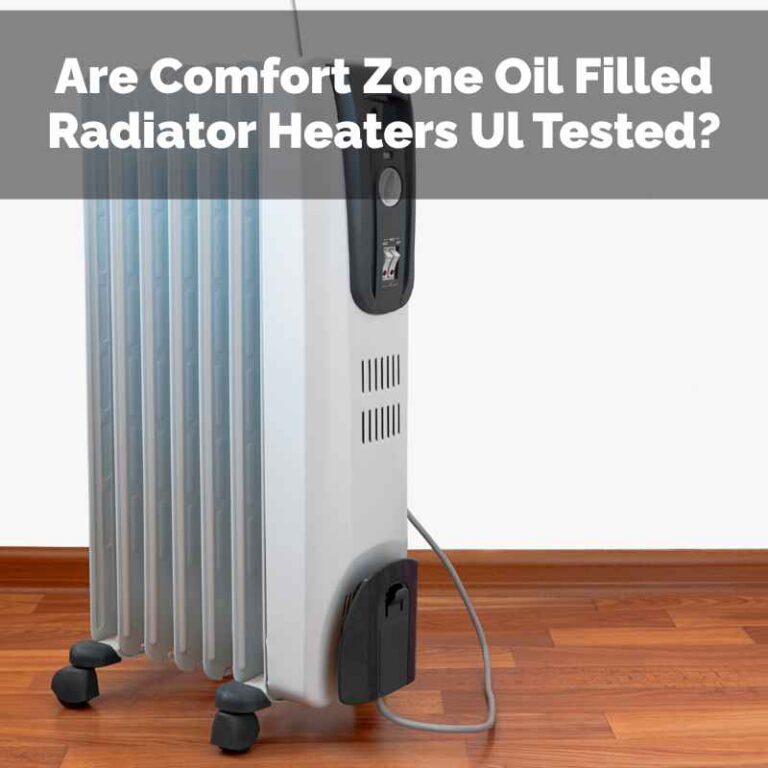
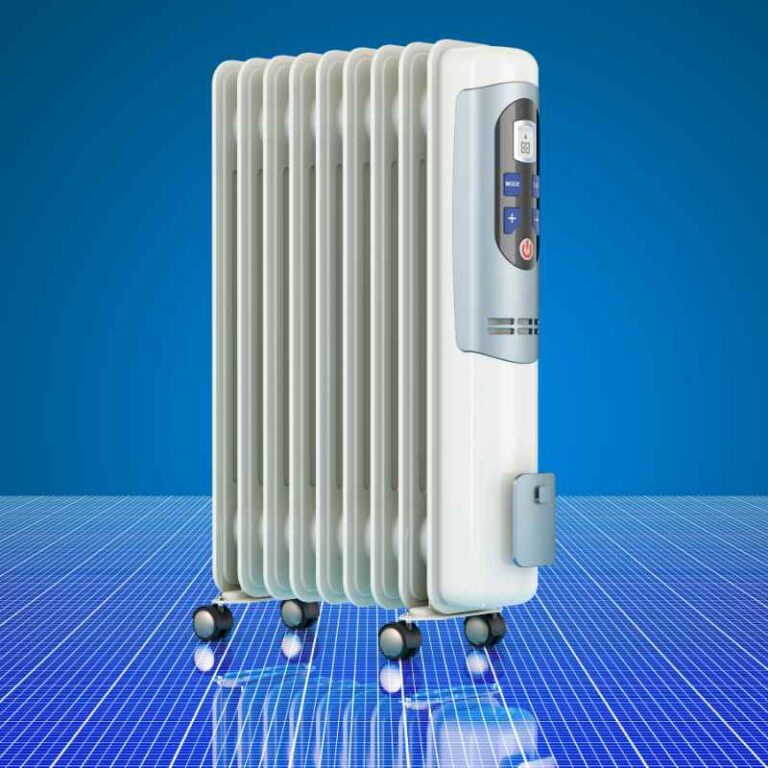
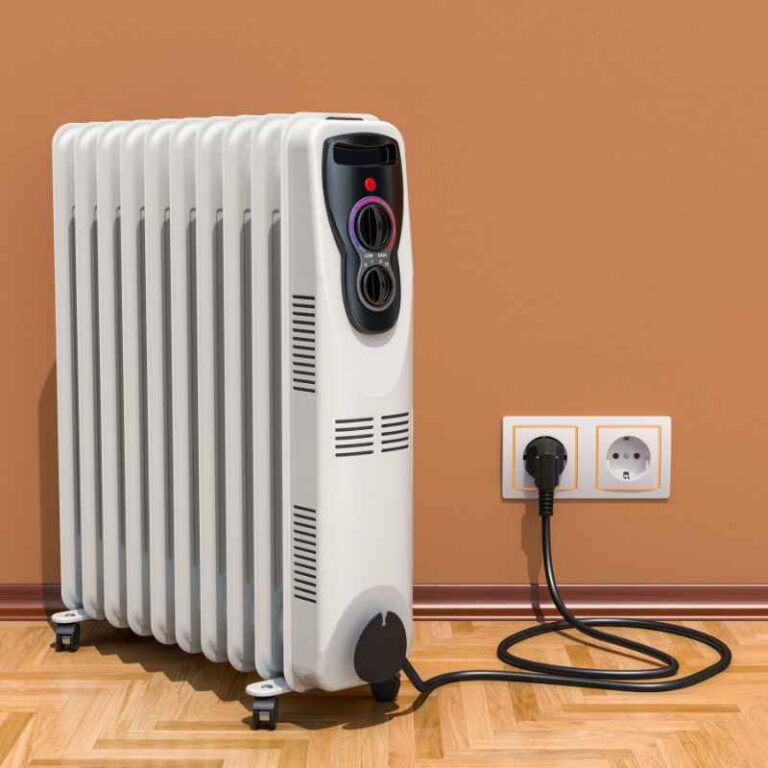
An oil-filled electric radiator, often called an oil-filled heater or column heater, is a type of portable electric heater that uses oil as a heat reservoir. It works by passing electricity through a heating element submerged in a specialized heat transfer fluid, typically a mineral oil. This oil heats up and then circulates within the sealed metal columns of the radiator.
The heated oil then transfers its thermal energy to the metal fins of the radiator, which in turn heats the surrounding air through convection and radiation. This method provides a steady, radiant heat that can be more comfortable and less drying than forced-air systems. The oil acts as a thermal battery, storing heat and releasing it gradually even after the unit is turned off, which can lead to more consistent room temperatures and potentially lower energy consumption in some scenarios.
These radiators are popular for their quiet operation, portability, and the gentle, ambient warmth they provide. They are often used as supplementary heating in rooms that are difficult to heat with a central system, such as garages, basements, or poorly insulated areas. Their enclosed design also makes them a safer option in homes with children or pets, as the outer surfaces usually don’t become as dangerously hot as some other types of electric heaters.
- Mechanism: Electric heating element heats oil, which circulates to warm the radiator’s columns.
- Heat Transfer: Primarily through convection and radiation for a gentle, even heat.
- Oil Type: Specialized, non-conductive heat transfer fluid, usually mineral oil.
- Operation: Quiet and stable, ideal for continuous heating.
- Safety Features: Often include tip-over switches and overheat protection.
- Energy Efficiency: Can be efficient due to heat retention, but depends on usage patterns.
Understanding the “Oil” Component
The “oil” inside these radiators is not the same as everyday cooking oil or automotive motor oil. It’s a specific type of heat transfer fluid, usually a refined mineral oil with a high flash point and excellent thermal stability. This means it can withstand high temperatures without igniting or degrading significantly over time.
The oil is sealed within the radiator and is not meant to be removed or replaced by the user.
Because the oil is contained within a sealed system, the risk of direct exposure or leakage during normal operation is minimal. However, like any mechanical device, damage or wear can lead to leaks. If the oil does leak out, it can pose a fire hazard if it comes into contact with a hot surface or ignition source, and it can also be an environmental concern if it enters waterways or soil.
The quantity of oil in a typical radiator is relatively small, often ranging from a few ounces to a couple of pounds, depending on the size and model. While a small leak might seem insignificant, improper disposal of the entire unit, particularly if it contains this oil, is where the hazardous waste classification often comes into play, not necessarily because the oil itself is inherently toxic in small, contained amounts, but due to the potential for environmental contamination and safety risks associated with disposal.
Composition of the Oil
- Type: Typically a light mineral oil or a synthetic heat transfer fluid.
- Properties: High flash point (resistant to ignition), high boiling point, low viscosity for circulation.
- Purpose: To efficiently absorb, store, and transfer heat.
- Sealed System: Designed to remain inside the radiator for its lifespan.
- Degradation: Minimal degradation under normal operating conditions.
When is an Oil-Filled Radiator Considered Hazardous Waste?
The classification of an oil-filled electric radiator as hazardous waste typically depends on its condition and local environmental regulations, rather than solely on the presence of the heat transfer oil. Generally, intact and functional units are not considered hazardous waste. However, several factors can lead to this classification:
Firstly, if the radiator is damaged and leaking oil, the spilled oil can contaminate soil and water, making it a potential environmental hazard. While the oil itself might not be acutely toxic, its volume and the nature of the container (which is now compromised) can lead to a hazardous waste designation. Secondly, many jurisdictions classify electronic waste (e-waste) as hazardous or requiring special handling.
Oil-filled radiators, being electrical appliances with mixed materials (metal casing, heating element, plastic components, and oil), often fall under e-waste regulations when they are no longer functional.
Older units, especially those manufactured before stricter environmental standards were in place, might contain materials that are now considered hazardous. Furthermore, improper handling during disposal can turn a non-hazardous item into a problem. For instance, if the radiator is crushed or broken apart before being properly assessed, the oil can be released, leading to contamination and a hazardous waste scenario.
Therefore, the key isn’t always the oil itself, but the potential for environmental harm and the appliance’s status as electronic waste.
| Condition/Factor | Hazardous Waste Potential |
|---|---|
| Intact and functional | Low (usually handled as bulky waste or recycled) |
| Leaking oil | High (oil contamination risk) |
| Damaged casing | Moderate to High (potential for leaks, e-waste classification) |
| Electronic waste status | High (often requires special e-waste disposal) |
| Age of unit | Moderate (older units may contain less regulated materials) |
This table highlights that the primary concerns are leaks and the overall classification as an electronic device that needs special disposal.
Disposal Options: What to Do with Old Radiators
When an oil-filled electric radiator reaches the end of its operational life, it’s crucial to dispose of it responsibly. The first step is always to contact your local waste management authority. They can provide specific instructions tailored to your area’s regulations, which can vary significantly from one municipality to another.
Some may have designated drop-off sites for bulky waste or e-waste, while others might offer curbside pick-up services by appointment.
Recycling is often the most environmentally sound option. Many electronics recycling centers accept oil-filled radiators. These facilities are equipped to safely drain any residual oil and dismantle the unit for material recovery, such as metals and plastics.
Check with local recycling programs or search for “e-waste recycling near me” to find suitable locations. Some retailers that sell new heaters might also offer take-back programs for old appliances, so it’s worth inquiring when you make a purchase.
Avoid simply throwing the radiator in your regular trash bin. This can lead to improper disposal, potential environmental contamination from oil leaks, and fines if your municipality has strict rules against discarding such items. If the unit is still functional but you no longer need it, consider donating it to a local charity or selling it second-hand, which extends its lifespan and keeps it out of the waste stream altogether.
Warning: Never attempt to open or drain the oil from the radiator yourself unless you are trained and have the proper equipment and disposal plan. Improper handling can lead to spills, environmental damage, and potential fire hazards. Always rely on professional disposal services or recycling centers.
Recycling Centers and E-Waste Programs
- Identify Local Facilities: Search online for “e-waste recycling centers,” “appliance recycling,” or “hazardous waste disposal” in your city or county.
- Check Accepted Items: Confirm that the facility accepts oil-filled electric radiators. Some may have specific categories for heaters or bulky electronics.
- Understand Fees: Some recycling centers may charge a small fee for accepting certain items, especially e-waste.
- Prepare the Unit: Ensure the radiator is intact and not actively leaking. Some facilities may require it to be drained by their professionals.
- Transportation: Plan how you will transport the unit to the recycling center, as they can be bulky and heavy.
- Manufacturer Take-Back: Investigate if the original manufacturer offers any mail-in or drop-off recycling programs.
Environmental Impact of Improper Disposal
Improper disposal of oil-filled electric radiators can have several negative environmental consequences. The primary concern is the release of the heat transfer oil into the environment. If leaked, this oil can contaminate soil and groundwater.
While mineral oil is biodegradable, large quantities can harm ecosystems, disrupt soil structure, and pose a threat to aquatic life if it reaches waterways.
Beyond the oil, these radiators are composed of various materials, including metals (steel, aluminum), plastic, and electronic components. When landfilled, these materials take up valuable space. The metals can corrode over time, and plastics can persist for hundreds of years, potentially leaching microplastics.
Furthermore, valuable resources that could be recovered through recycling are lost when these items are simply thrown away.
The manufacturing process for these radiators also consumes energy and resources. Responsible disposal through recycling allows for the recovery of materials like steel, which can be melted down and reused to create new products, reducing the need for virgin materials and the energy associated with their extraction and processing. Therefore, preventing these appliances from ending up in landfills is a critical step in promoting a circular economy and minimizing our environmental footprint.
Important: E-waste is a growing global problem. Roughly 53.6 million metric tons of e-waste were generated worldwide in 2019, and only about 17.4% of that was formally recycled, according to the Global E-waste Statistics Partnership. Proper disposal of appliances like oil-filled radiators contributes to reducing this growing stream.
Alternatives to Disposal
Before considering disposal, it’s worth exploring alternatives that can extend the life of your oil-filled electric radiator or reduce the need for new heating solutions. If the radiator is malfunctioning, consider whether a repair is feasible. Sometimes, a simple issue like a faulty thermostat or a loose connection can be repaired by a qualified technician, saving you the cost of a new unit and preventing waste.
If the radiator is still in good working condition but you no longer need it, donating it is an excellent option. Many charities, community centers, or thrift stores accept working appliances. This can provide much-needed warmth to someone else and divert a perfectly good item from the waste stream.
You can also list it on online marketplaces for sale or free to someone in your local community who might need it.
For those looking to replace an old radiator, consider energy-efficient alternatives. Modern electric heaters often incorporate advanced features like smart thermostats, timers, and better insulation to reduce energy consumption. When purchasing a new unit, look for energy efficiency certifications.
Choosing a durable, well-made appliance can also mean it lasts longer, reducing the frequency of disposal and its associated environmental impact.
Donation and Resale Checklist
- Verify Functionality: Ensure the radiator heats effectively and all safety features are working.
- Clean Thoroughly: Wipe down the exterior and any dust buildup.
- Check for Leaks: Make sure there are absolutely no oil leaks before donating or selling.
- Include Manual (if available): Provide any user manuals or operating instructions.
- Assess Condition: Be honest about any cosmetic damage.
- Contact Donation Centers: Call ahead to confirm they accept this type of appliance.
- Online Listings: Take clear photos and write an honest description for resale platforms.
Frequently Asked Questions
Are oil-filled radiators safe to use in homes with pets or children?
Yes, oil-filled electric radiators are generally considered one of the safer types of electric heaters. Their outer surfaces heat up but rarely become dangerously hot to cause severe burns, unlike some other electric heater types. The enclosed design also means there are no exposed heating elements, reducing the risk of accidental contact and fire.
However, always keep them a safe distance from flammable materials and ensure cords are not a tripping hazard.
What is the lifespan of an oil-filled electric radiator?
The lifespan of an oil-filled electric radiator can vary significantly depending on the quality of the unit, how frequently it’s used, and how well it’s maintained. Generally, a well-made and properly used radiator can last anywhere from 10 to 20 years. Issues like thermostat failure or internal component wear are common reasons for them to stop working effectively before the heating element or oil system degrades.
Can I refill the oil in an oil-filled radiator if it leaks?
It is strongly advised NOT to attempt to refill the oil in an oil-filled radiator yourself. These units are designed with a sealed system filled with a specific type of heat transfer fluid. Trying to open it and add oil can be dangerous due to potential leaks, fire hazards, and the risk of using the wrong type of fluid, which could damage the unit or be unsafe.
If the radiator is leaking, it’s usually a sign that the unit is compromised and should be decommissioned and disposed of properly.
How can I check if my local waste facility accepts oil-filled radiators?
The best way to check is to visit your local municipality’s or county’s waste management department website. Look for sections on “Bulky Waste,” “E-waste,” “Appliance Recycling,” or “Household Hazardous Waste.” You can usually find contact numbers or email addresses to inquire directly. Many facilities also have online search tools or downloadable guides detailing what items they accept and how they should be prepared.
What are the main environmental concerns with discarded oil-filled radiators?
The primary environmental concerns are the potential leakage of the heat transfer oil, which can contaminate soil and water sources, and the disposal of mixed materials (metals, plastics, electronic components) in landfills. These materials can take a very long time to decompose and can leach harmful substances into the environment. Proper recycling helps recover valuable materials and prevents these contaminants from entering the ecosystem.
Final Thoughts
Ultimately, while the oil inside is generally not the primary hazardous component, deciding how to dispose of an oil-filled electric radiator involves considering its status as an e-waste item and the potential environmental risks if damaged. Always prioritize checking with your local waste management services for the most accurate disposal guidelines. Opting for recycling or proper e-waste disposal ensures these appliances are handled responsibly, minimizing their impact on the environment and conserving valuable resources for future generations.
Sponsored / affiliate links. As an Amazon Associate I earn from qualifying purchases. I may earn additional commission from eligible campaigns.