Oil Filled Radiator: Do You Need to Replace the Oil?
Oil filled radiators are popular for their quiet operation and consistent, gentle heat, making them a cozy addition to many homes. However, a common question that arises for owners is whether the internal oil ever needs to be replaced, much like the oil in a car. This post will clarify the maintenance requirements and address the longevity of the oil within these heating units.
In short, the oil inside a sealed oil filled radiator does not typically need to be replaced during its lifespan. It’s designed to be a permanent component, transferring heat efficiently without degradation. Replacement is only necessary if the unit is damaged or leaks.
Key Takeaways
- The oil in oil filled radiators is sealed and permanent, designed for the unit’s lifetime.
- Oil serves as a heat transfer medium, ensuring consistent and silent warmth.
- Replacement is generally unnecessary unless the radiator is physically damaged and leaks oil.
- Proper care ensures the radiator functions efficiently for many years without oil changes.
- Potential leaks are rare and usually indicate a manufacturing defect or severe external damage.
What is an Oil Filled Radiator and How Does It Work?
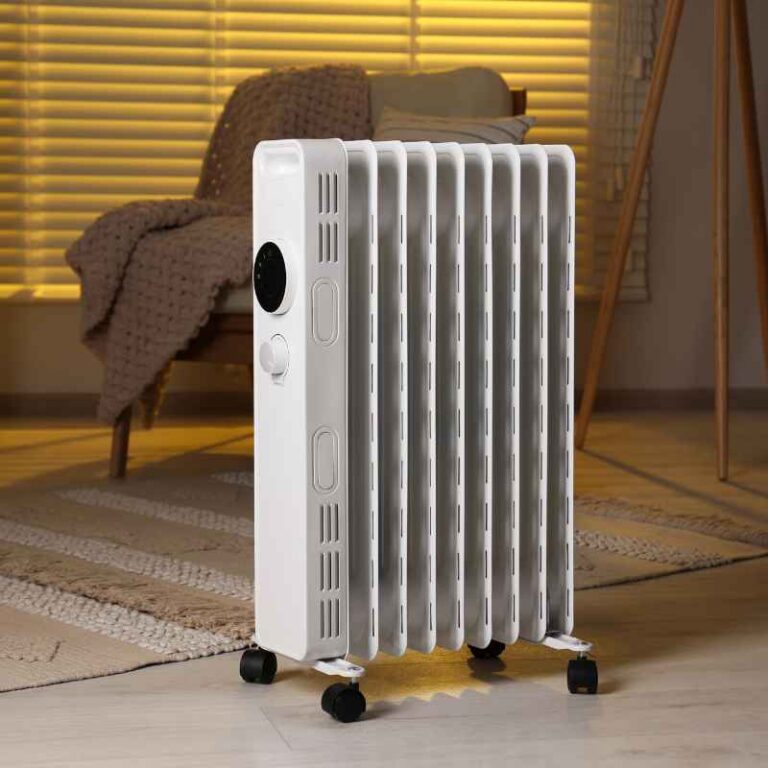
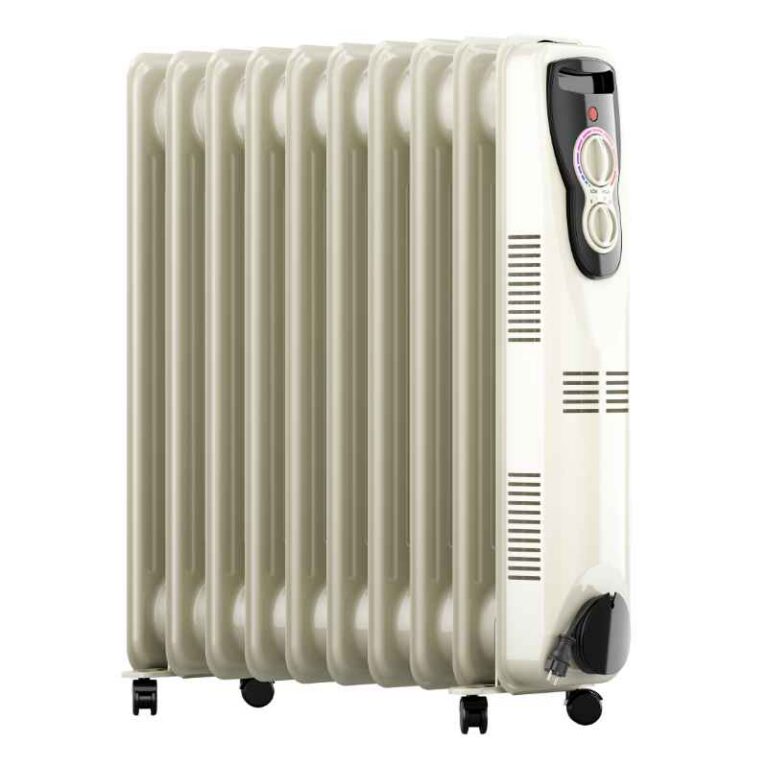
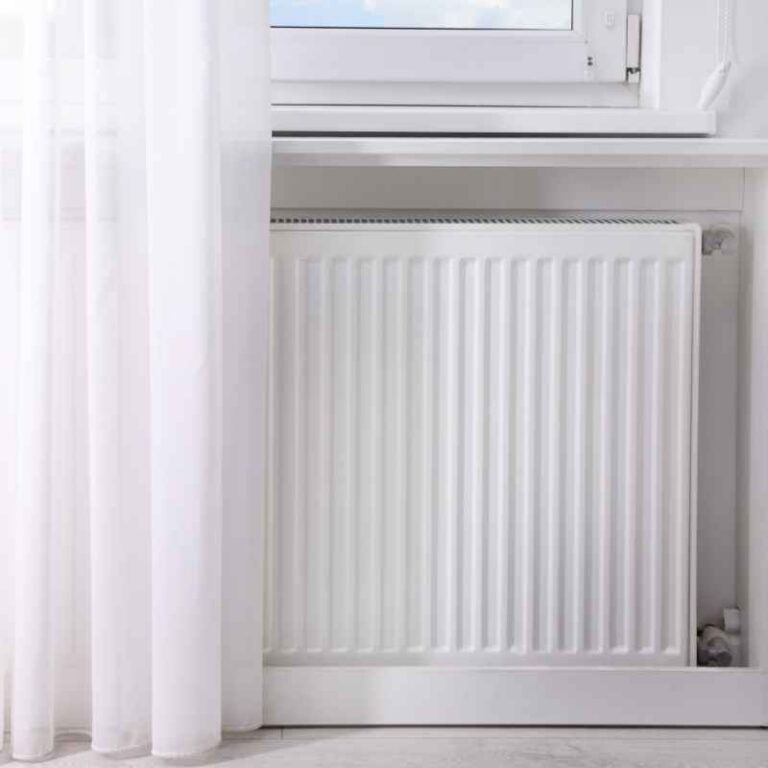
An oil filled radiator, also known as an oil-filled electric heater or oil column heater, is a type of portable electric heater. It consists of a metal casing with internal fins or columns. Inside these columns is a special type of heat-resistant oil, which is sealed within the unit.
When the radiator is plugged in and turned on, an electric heating element heats the oil.
The heated oil then circulates through the internal columns of the radiator via convection. As the oil heats the metal casing, the casing radiates heat into the room. This process is inherently silent because there are no moving parts like fans.
The oil’s high specific heat capacity means it can absorb and retain a significant amount of heat, allowing the radiator to continue emitting warmth for a short period even after it has been switched off, providing a gentle and sustained heat.
The oil used is typically a mineral oil, often a refined transformer oil or a similar dielectric fluid. This type of oil is chosen for its ability to withstand high temperatures without breaking down or vaporizing, its non-conductive properties (important for electrical safety), and its efficient heat transfer capabilities. This design ensures that the heating element is always immersed in the fluid, preventing overheating and damage to the element itself.
- Heating Element: An immersed electrical resistance coil that generates heat.
- Heat Transfer Fluid: Specially formulated oil that circulates and carries heat.
- Fins/Columns: Metal structures that maximize surface area for heat radiation.
- Thermostat Control: Allows users to set and maintain a desired room temperature.
- Power Cord: Connects the radiator to a standard electrical outlet.
- Indicator Light: Shows when the unit is powered on and heating.
- Tip-Over Switch: A safety feature that automatically shuts off the unit if it’s knocked over.
Why You Don’t Need to Replace the Oil
The fundamental reason oil filled radiators don’t require oil replacement is their sealed-system design. Unlike an engine oil change, where oil degrades over time due to combustion byproducts, extreme pressures, and high temperatures, the oil in an electric radiator operates in a much more stable environment. The oil is heated by a simple electrical element and circulates within a closed loop, protected from contaminants that would cause degradation.
Manufacturers design these heaters with the expectation that the oil will remain effective and functional for the entire operational life of the appliance. The oil is chosen for its stability and longevity under consistent thermal cycling. Its primary role is to act as a medium to carry heat from the element to the radiator’s surface, and it performs this role without being consumed or significantly altered.
Think of it like the coolant in a closed-loop central heating system in a house – it circulates and transfers heat but isn’t meant to be replaced periodically.
The oil’s properties, such as its boiling point and viscosity, are crucial for efficient and safe operation. If the oil were to break down, it could lead to reduced heating performance, potential overheating of components, or even a failure of the unit. Therefore, manufacturers select oils that are engineered to resist these degradation factors.
The sealed nature of the unit prevents evaporation, oxidation, or the ingress of moisture, all of which are common causes of fluid degradation in less contained systems. This engineering ensures that the oil remains a reliable heat transfer medium for years, if not decades.
How Oil Transfers Heat in the Radiator
The heat transfer process within an oil filled radiator is a continuous cycle driven by convection. When the thermostat calls for heat, the electric element inside the radiator heats up. This heat is immediately transferred to the surrounding oil.
As the oil closest to the heating element becomes hotter, it becomes less dense and rises.
This rising hot oil then travels up through the internal columns of the radiator. As it reaches the cooler upper parts of the radiator, it begins to cool down. As the oil cools, it becomes denser and sinks back down towards the heating element.
This continuous circulation of oil, with hot oil rising and cool oil sinking, creates a convection current. This current effectively distributes the heat generated by the element throughout the entire volume of oil within the radiator.
The warmed oil then heats the metal casing of the radiator. The fins on the exterior of the radiator are designed to increase the surface area exposed to the room air. This larger surface area allows for efficient radiant and convective heat transfer into the surrounding space, warming the room without noise or drafts.
The oil’s ability to hold heat means that even when the element cycles off, the stored thermal energy in the oil and metal continues to radiate warmth into the room for a period, providing a comfortable and consistent heating experience. This stable thermal transfer is why the oil’s integrity is paramount and why it’s designed to last.
| Comparison: Heat Transfer Mechanisms | Oil Filled Radiator | Fan Heater |
|---|---|---|
| Primary Heat Transfer | Radiant and Convection (via oil) | Convection (forced by fan) |
| Noise Level | Silent | Audible fan noise |
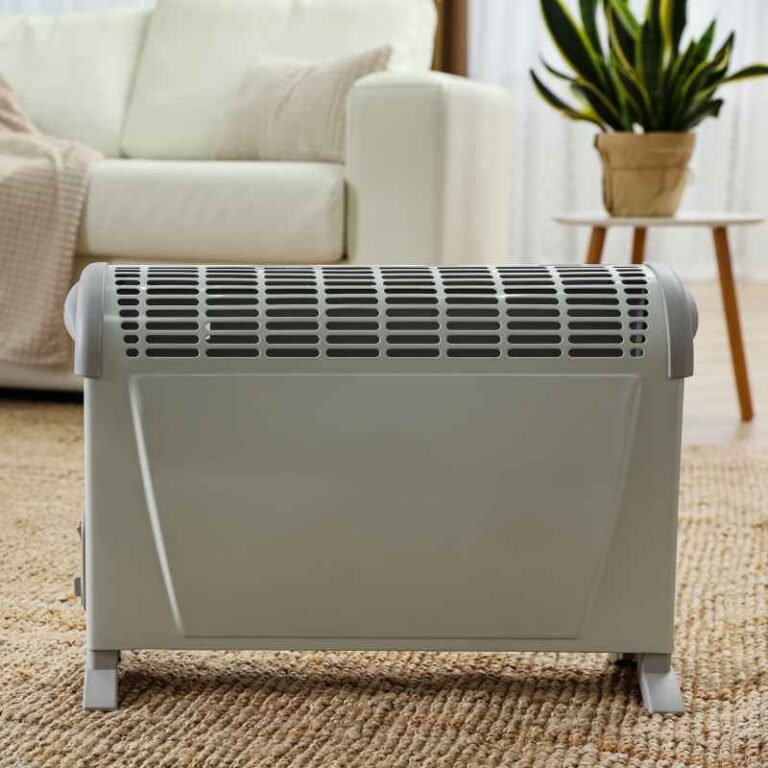
| Heat Distribution | Gentle, consistent, pervasive | Quicker, but can create drafts and uneven heating |
| Warmth Persistence | Longer residual heat after shut-off | Heat dissipates quickly once fan stops |
This table highlights the key differences in how oil filled radiators and fan heaters distribute heat, emphasizing the silent and persistent warmth provided by oil-based systems.
Signs of a Problem (and When Oil Might Be Compromised)
While the oil itself is designed to last indefinitely within the sealed unit, there are signs that might indicate an issue with the radiator’s internal components or seals. The most obvious sign of a problem is an oil leak. If you notice oily residue on the radiator’s exterior, or on the floor beneath it, this is a clear indication that the seal has failed.
Another potential issue could manifest as inconsistent or reduced heating. If the radiator takes much longer to heat up, or doesn’t seem to get as hot as it used to, it could theoretically point to a problem with the oil’s heat transfer properties or a partial blockage within the internal columns, though this is exceedingly rare. However, most modern oil filled radiators are so robustly designed that such issues are almost unheard of during normal use.
The heating element or thermostat failing is far more common than oil degradation.
If a leak does occur, it’s generally recommended to discontinue use of the radiator. While the oil used is typically non-toxic and formulated to be safe, a leak means the unit is compromised, and its continued operation could be unsafe or ineffective. Furthermore, oil leaks can be messy and pose a slip hazard.
In such cases, replacing the entire unit is usually the most practical and safest solution, rather than attempting to repair a compromised sealed system.
Warning: Never attempt to open an oil filled radiator yourself to “check” or “replace” the oil. These units are sealed for safety and efficiency, and tampering can lead to leaks, electric shock, or damage to the appliance.
What to Do If Your Radiator Leaks Oil
Discovering an oil leak from your oil filled radiator can be concerning, but it’s important to react calmly and prioritize safety. The first and most crucial step is to immediately unplug the radiator from the power outlet. Do not try to operate it further, as a leak can compromise its electrical safety and potentially lead to further damage or fire hazards.
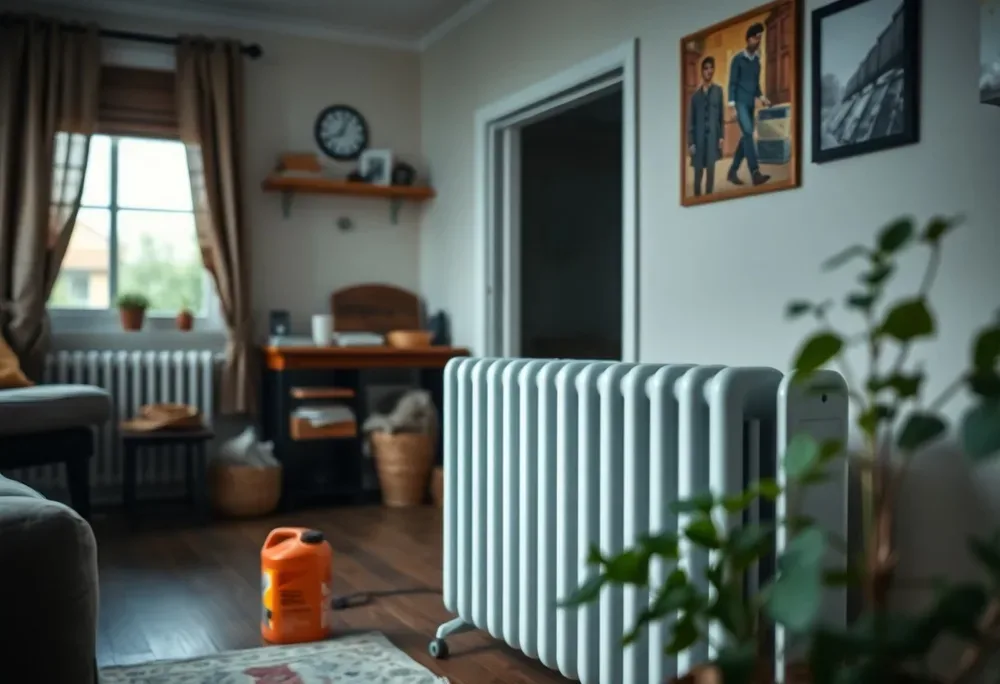
Once unplugged, allow the radiator to cool down completely. Then, place absorbent materials like old towels, paper towels, or rags underneath and around the affected area to catch any further drips. If the leak is significant, you might want to carefully move the radiator to an area where any mess can be easily cleaned up, such as a garage or a room with easily washable flooring, being careful not to spread the oil.
Cleanup is essential. Use an appropriate degreaser or a strong detergent and hot water to thoroughly clean the spilled oil from the floor and any affected surfaces. Be cautious as oil can make surfaces very slippery.
For the radiator itself, if it has leaked a substantial amount of oil, it is generally not recommended to try and repair it. The seals are often factory-integrated, and a DIY repair is unlikely to be successful or safe. Most manufacturers consider a significant oil leak a sign that the unit has reached the end of its serviceable life, and replacement is the safest course of action.
| Leak Cleanup Checklist | Action |
|---|---|
| Immediate Safety | Unplug the radiator immediately. |
| Cool Down | Allow the unit to cool completely before handling. |
| Containment | Place absorbent materials under and around the unit. |
| Surface Cleaning | Use degreaser and hot water to clean spills thoroughly. |
| Disposal | Dispose of the damaged radiator responsibly according to local regulations. |
Following these steps ensures a safe and effective cleanup process after an oil leak from your radiator.
Maintaining Your Oil Filled Radiator for Longevity
Proper maintenance for an oil filled radiator is straightforward and primarily focuses on keeping the unit clean and ensuring its external integrity. The most important aspect is regular dusting and cleaning of the exterior surfaces, including the fins and columns. Dust buildup can insulate the radiator, reducing its heating efficiency and potentially leading to overheating of external components.
A soft cloth or a vacuum cleaner with a brush attachment can be used to remove dust.
Ensure that the power cord and plug are always in good condition. Check for any fraying or damage before each use. Store the radiator properly when not in use, ideally in a dry place where it won’t be subjected to physical impact.
Avoid storing heavy items on top of the radiator, as this could potentially damage the casing or seals over time.
Always place the radiator on a stable, level surface away from flammable materials. The tip-over safety switch is a crucial feature, but preventing it from being knocked over in the first place is ideal for the longevity of the appliance. By following these simple care instructions, you can ensure your oil filled radiator continues to provide safe and efficient heating for many years without ever needing to worry about the internal oil.
Tip: Regularly dust your oil filled radiator with a soft cloth or use a vacuum cleaner’s brush attachment to maintain optimal heat output and prevent dust buildup on the fins.
Frequently Asked Questions
Do I need to refill the oil if it seems low?
No, the oil in a sealed oil filled radiator is designed to be a permanent component and should not need refilling. If you suspect the oil level is low, it indicates a leak, and the unit should be unplugged and assessed for damage or replaced.
Can the oil in an oil filled radiator catch fire?
The specialized oil used in these radiators has a very high flash point and is designed to withstand high temperatures without igniting. The sealed nature of the unit further prevents exposure to open flames or excessive oxygen, making fire a highly unlikely hazard under normal operating conditions.
What kind of oil is used in oil filled radiators?
Typically, a high-quality mineral oil, often similar to transformer oil, is used. This oil is chosen for its excellent heat transfer properties, thermal stability at high temperatures, and non-conductive electrical properties, ensuring safe operation.
How long do oil filled radiators typically last?
With proper care and in the absence of damage or leaks, oil filled radiators are known for their durability and can last for 10 to 15 years or even longer. Their simple design with no moving parts contributes to their long lifespan.
Is it safe to use an old oil filled radiator?
As long as the radiator is in good physical condition, shows no signs of leaks, and all electrical components (like the cord and plug) are intact, it is generally safe to use an older oil filled radiator. Always perform a visual inspection for any damage before plugging it in.
Final Thoughts
In summary, the oil within your oil filled radiator is a permanent fixture, designed to provide consistent, silent heat for the life of the appliance. You will not need to worry about oil changes or refills under normal circumstances. Focus instead on keeping the exterior clean and ensuring the unit remains undamaged to maximize its lifespan and efficiency.
Sponsored / affiliate links. As an Amazon Associate I earn from qualifying purchases. I may earn additional commission from eligible campaigns.
 Fuller Brush Wood Floor Easy Clean Mist with Sprayer – 24 oz Gentle Cleaner with Vinegar for Hardwood & Laminate Floors – Removes Dirt, Dust & Stains – Safe for All Wood Finishes (Bottle with Sprayer)
 Fuller Brush Wood Floor Easy Clean Mist – 24 oz Gentle Cleaner with Vinegar for Hardwood & Laminate Floors – Removes Dirt, Dust & Stains – Safe for All Wood Finishes (Pack of 1)