How Much Does A 600W Oil-Filled Radiator Cost To Run Daily?
It’s that time of year again. The air is getting crisp, and the thought of a cozy room is super appealing. You might be looking at a smaller space heater, like a 600-watt oil-filled radiator, to keep things warm.
They seem simple enough. Plug it in, turn it on, and enjoy the heat, right? But then a little voice in your head starts to whisper, “What about the electric bill?” It’s a very common worry.
You want to be comfortable, but you also don’t want to be shocked when your monthly statement arrives. Let’s break down exactly how much it costs to run one of these little heaters, day by day. We’ll look at what makes the price go up or down.
By the end, you’ll know what to expect.
A 600W oil-filled radiator, running for 24 hours straight at an average US electricity rate of $0.16 per kWh, would cost approximately $2.30 per day. However, this is a maximum figure. Actual daily costs are usually much lower because the heater cycles on and off, maintaining a set temperature rather than running continuously. Factors like local electricity rates, thermostat settings, and room insulation greatly influence the final price.
Understanding Your 600W Radiator’s Energy Use
A 600-watt oil-filled radiator is a pretty small heater. Its wattage tells you how much power it uses. Wattage is like the engine size of your car.
A bigger number means it uses more energy. So, 600 watts means it uses 600 joules of energy every second. This is a key number for figuring out costs.
But it’s not the only thing.
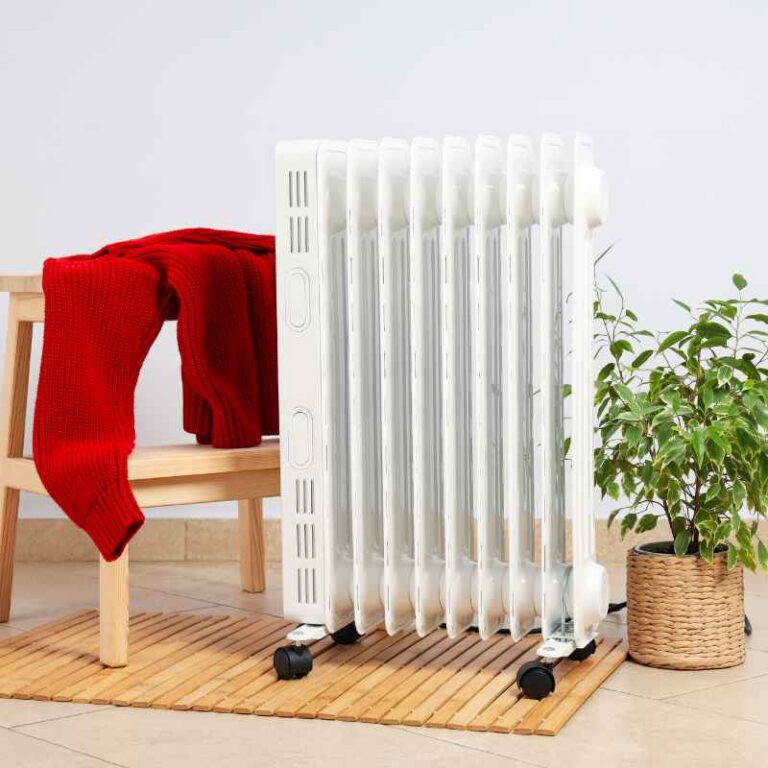
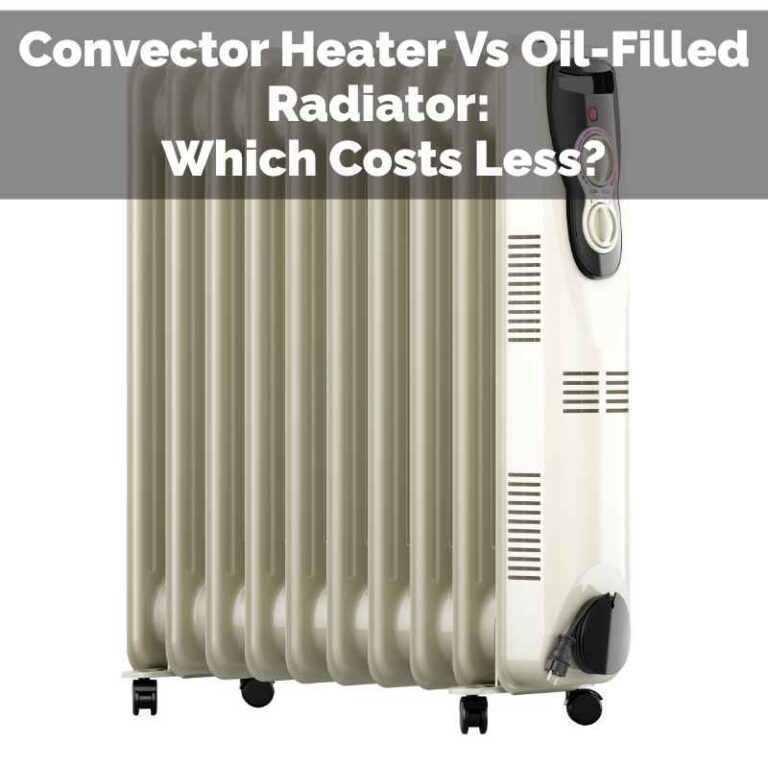
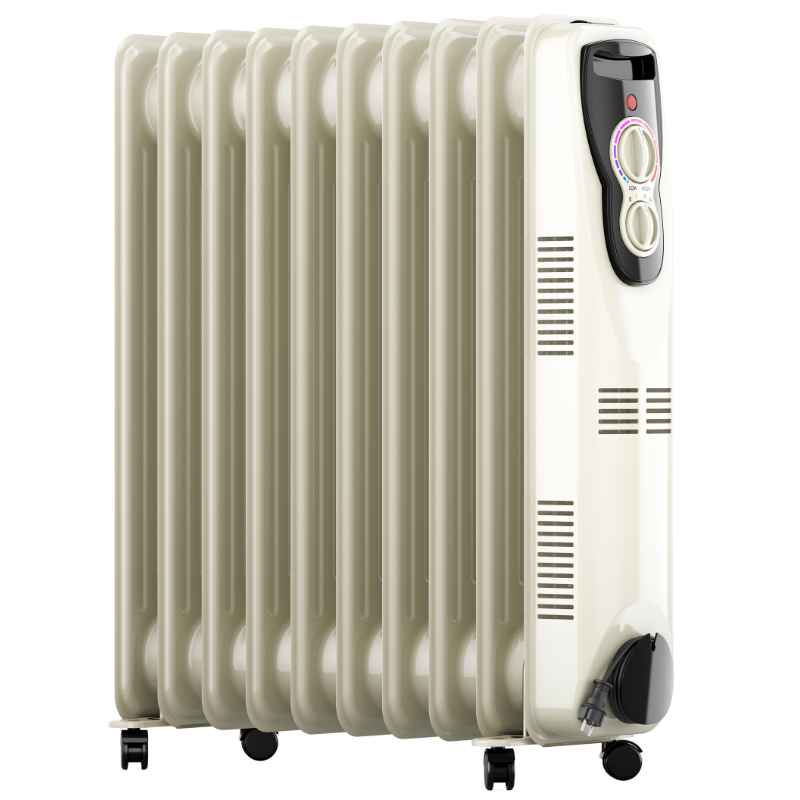
Oil-filled radiators are different from other heaters. They have a sealed tank with special oil inside. When you turn it on, an electric element heats the oil.
This oil then heats up the metal fins of the radiator. The heat slowly spreads into the room. This slow release of heat is why they are good at keeping a room warm for a long time.
They also tend to be quieter than fan heaters.
The wattage (600W) is the maximum power it can use. It doesn’t always use all 600 watts all the time. Most of these heaters have a thermostat.
You set the temperature you want. The heater turns on when the room gets too cold. It then turns off when it reaches your set warmth.
This cycling on and off saves a lot of energy. It’s like how your refrigerator turns on and off to keep food cold.
How Watts Become Kilowatt-Hours
Electric companies don’t charge you by the watt. They charge you by the kilowatt-hour (kWh). A kilowatt is 1,000 watts.
So, a 600W heater is 0.6 kilowatts. To find out how many kilowatt-hours you use, you multiply the power in kilowatts by the number of hours you use it.
For example, if your 600W heater ran for one full hour, it would use 0.6 kW * 1 hour = 0.6 kWh. That’s the basic math. Now, let’s figure out the cost.
The cost of electricity changes depending on where you live. The U.S. average is about $0.16 per kWh.
This number can be higher or lower. Some states have much cheaper power. Others have more expensive power.
You can usually find your exact rate on your electric bill. Let’s use the average for our calculations. For every 1 kWh used, it costs about 16 cents.
So, if your 600W heater ran for a full hour, it would cost: 0.6 kWh * $0.16/kWh = $0.096. That’s about 10 cents for one hour of continuous use. That doesn’t sound too bad, right?
But most people don’t run a heater non-stop for hours on end. That’s where the thermostat comes in.
Quick Cost Snapshot: 600W Radiator
Power Usage: 600 Watts (0.6 Kilowatts)
Cost per Hour (Continuous Use): ~10 cents (using $0.16/kWh)
Key Factor: Thermostat usage dramatically lowers actual cost.
The big question is, how long does it actually run each day? This is the part that changes the price the most. If you set it to a comfortable 70°F, it will heat the room and then shut off.
It will stay off until the temperature drops a few degrees. Then it kicks back on to warm things up again.
In a well-insulated room, it might only need to run for a few minutes every half hour. Or maybe only 10 minutes out of every hour. This means it might only run for 4-8 hours out of a 24-hour day.
This is a huge difference from running 24 hours straight.
What Affects Your Radiator’s Daily Running Cost?
There are several things that play a role in how much your little heater actually costs to run each day. It’s not just about the wattage. Think of it like planning a road trip.
Your car’s MPG is important, but so is the speed you drive, the terrain, and traffic.
Here are the main players:
- Your Local Electricity Rate: This is the biggest factor. Some places have very cheap power. Others have power that costs a lot more. It’s super important to check your bill.
- Thermostat Settings: A higher temperature means the heater runs more often and for longer periods. A lower temperature means it runs less.
- Room Size and Insulation: A small, well-sealed room will hold heat much better. A large, drafty room will lose heat quickly. This makes the heater work harder.
- Outside Temperature: On a very cold day, your heater will have to work harder to keep the room warm compared to a milder day.
- How Often You Use It: Are you running it all day, or just for a few hours in the morning and evening?
- Other Heat Sources: Does the sun shine into the room during the day? Do you have other electronics that give off heat?
Let’s dig into these a bit more.
The Power of Your Electricity Rate
As we said, the price of electricity varies a lot. In May 2024, the average residential electricity price in the U.S. was about 16.8 cents per kilowatt-hour.
But this is just an average. Here are some examples:
- Louisiana: Around 12.5 cents per kWh
- California: Around 22.0 cents per kWh
- New York: Around 20.0 cents per kWh
- Texas: Rates can vary widely, but often around 14.0 cents per kWh
See how different that is? If you live in Louisiana and pay 12.5 cents/kWh, your 600W heater running for one hour costs: 0.6 kWh $0.125/kWh = $0.075, or 7.5 cents. If you live in California and pay 22 cents/kWh, that same hour costs: 0.6 kWh $0.22/kWh = $0.132, or about 13.2 cents.
So, the first step to knowing your cost is knowing your rate. Look at your electric bill. It will show you the price per kWh you are paying.
Finding Your Electricity Rate
Locate your monthly electricity bill.
Look for a line item that says “Price per kWh,” “Energy Charge,” or similar.
Note the exact dollar amount (e.g., $0.1681).
This is the number you’ll use for your own cost calculations.
Thermostat Settings: The Real Daily Driver
This is where the real savings happen. A 600W heater is not designed to run constantly. Imagine you set your thermostat to 70°F.
The heater will turn on, and the room temperature will start to climb. Once it hits 70°F, the heating element turns off. The oil inside is still warm, so it will keep radiating heat for a while.
As the room cools down, the thermostat senses it. When it drops to, say, 67°F, the heater turns back on to bring it back up to 70°F. How often this cycle happens and how long the heater is actually on depends on many things.
But it’s rarely 24 hours a day.
In a small, well-insulated bedroom, a 600W radiator might only need to run for about 10-15 minutes every hour to maintain a temperature. Over 24 hours, that’s only 4 to 6 hours of actual run time. That’s a massive difference from 24 hours!
Let’s do some math with this scenario. Say you have a 600W heater running for an average of 6 hours a day. Using the U.S.
average rate of $0.16/kWh:
Total kWh used per day: 0.6 kW * 6 hours = 3.6 kWh.
Total cost per day: 3.6 kWh * $0.16/kWh = $0.576, or about 58 cents.
Now, compare that to the $2.30 for running 24 hours straight. That’s a huge difference! Even if it ran for 10 hours a day, the cost would be: 0.6 kW 10 hours $0.16/kWh = $0.96, or about 96 cents.
Still less than a dollar a day.
The key here is that the thermostat is your friend. It prevents constant energy use. You should feel comfortable with a 600W radiator for supplemental heat in a small space, as long as you use its thermostat wisely.
Contrast Matrix: Radiator Use Scenarios
| Scenario | Actual Run Time (Estimated) | Daily Cost (Approx. $0.16/kWh) | Notes |
|---|---|---|---|
| Continuous Use (Maximum): 24 Hours | 24 hours | ~$2.30 | Unrealistic for typical home use. |
| Moderate Use: Small, insulated room, 10 hrs/day | 10 hours | ~$0.96 | Common for overnight or evening use. |
| Efficient Use: Small room, 6 hrs/day | 6 hours | ~$0.58 | Good for supplemental heat for a few hours. |
| Minimal Use: Room maintaining temp, 3 hrs/day | 3 hours | ~$0.29 | Heater cycles on briefly to maintain warmth. |
Room Size and Insulation: The Heat Leaks
Think about your house like a mug of hot coffee. If the mug is made of thick ceramic and has a lid, the coffee stays hot longer. If it’s a thin paper cup with no lid, it cools down fast.
Your room is the same. A small room (like a bathroom or small home office) needs less heat. A large living room needs more.
A room with good insulation, like thick walls, double-pane windows, and no drafts, will keep the heat inside. A room with single-pane windows, leaky doors, or thin walls will lose heat quickly.
If your room loses heat fast, the thermostat will tell the radiator to turn on more often. This means more energy use and higher costs. For a 600W radiator, it’s best suited for small spaces.
Think of a dorm room, a small office, or a small bathroom. Trying to heat a large, open-plan living area with only a 600W heater won’t work well and will cost more than you think because it will struggle to keep up.
Checking for drafts is easy. On a windy day, feel around your windows and doors. You might feel cool air coming in.
Seal these up with weatherstripping or caulk. This simple step can make a big difference in how much your heater needs to run.
Outside Temperature and Other Heat Sources
This one is pretty obvious. If it’s 20°F outside, your heater will have to work much harder to keep your room at 70°F than if it’s 40°F outside. The bigger the difference between the inside and outside temperature, the more heat escapes your home.
Also, consider other things that add heat to a room. If you have computers, TVs, or even a lot of people in the room, they all give off some heat. The sun shining through a south-facing window on a clear winter day can add a surprising amount of free warmth.
These factors can reduce how often your heater needs to kick on.
Personal Experience: The Overlooked Draft
I remember one particularly cold February. I was working from home in my small study. I had a 600W oil-filled radiator.
It was set to my usual comfortable 70°F. I figured it was using next to nothing to keep my small room cozy. My electric bill arrived, and I was a bit surprised.
It was higher than I expected for just that one little heater.
I started to investigate. I knew the radiator wasn’t running constantly. I could hear it cycle on and off.
I checked the thermostat settings. Everything seemed normal. Then, one windy afternoon, I felt a cold breeze near my desk.
I traced it to an old, slightly warped window frame. There was a small gap where cold air was sneaking in all day, and warm air was escaping.
I quickly grabbed some old towels and stuffed them into the gap temporarily. The next day, I went to the hardware store and got some inexpensive weatherstripping and caulk. I spent an hour sealing up that window.
The difference was amazing. The radiator started cycling much less often. I could actually feel the room holding the heat better.
That experience taught me a huge lesson. The heater’s wattage is just one piece of the puzzle. How well your home keeps the heat in is just as important, if not more so.
That little 600W radiator, even though it’s low power, was working overtime trying to fight that draft. Fixing the draft was far cheaper than paying for the extra electricity it was burning.
Calculating Your Specific Daily Cost
Now that we’ve looked at all the factors, let’s put it together. You can calculate your own estimated daily cost. You’ll need two key pieces of information:
- Your electricity rate ($ per kWh).
- An estimate of how many hours per day your radiator actually runs.
To estimate the run time, you can do a simple test. For a day or two, when you’re home, keep an eye on the heater. Note down roughly how many minutes out of each hour it is on.
Or, if it’s easier, just estimate how many total hours you think it’s actively heating. For a small, well-insulated room set to a comfortable temperature, 4-8 hours of actual run time per day is a good starting point for many people.
Formula:
Daily Cost = (Radiator Wattage / 1000) Estimated Daily Run Hours Your Electricity Rate ($/kWh)
Let’s try an example:
- Radiator Wattage: 600W
- Estimated Daily Run Hours: 7 hours
- Your Electricity Rate: $0.18/kWh (This is higher than the U.S. average)
Calculation:
(600 / 1000) 7 $0.18
0.6 7 $0.18
4.2 * $0.18 = $0.756
So, in this example, the daily cost is about 76 cents. This is still very reasonable for keeping a small space warm.
Your Personal Cost Calculator
Step 1: Find your electricity rate (e.g., $0.16/kWh).
Step 2: Estimate your radiator’s daily run time (e.g., 6 hours).
Step 3: Use the formula: (600 / 1000)
Example: (600/1000) 6 $0.16 = $0.58
Write your estimated daily cost here: $
Understanding “Phantom Load” and Standby Power
It’s worth mentioning that even when your heater is “off” but plugged in, it might still use a tiny amount of power. This is often called “phantom load” or “standby power.” For simple heaters like oil-filled radiators, this amount is usually very, very small, often less than 1 watt.
So, while it technically uses power, the cost is negligible for a 600W radiator. You don’t need to worry about unplugging it when it’s not in use to save significant money. The main cost comes from when the heating element is actually active.
Real-World Context: Where a 600W Radiator Shines
A 600-watt oil-filled radiator isn’t meant to be the primary heat source for your whole house. They are fantastic for specific situations:
- Small Rooms: Perfect for a home office, a nursery, a small bedroom, or a bathroom. It can provide cozy warmth without overheating the space.
- Supplemental Heat: If your main heating system doesn’t quite reach a certain room, or if you only need a little extra warmth in the morning or evening, it’s ideal.
- Zone Heating: Instead of heating your entire house to a high temperature, you can heat only the rooms you are using. This can be more energy-efficient.
- Temporary Warmth: Need to warm up a garage workshop for a few hours? A small radiator is a good option.
Think of it as a personal comfort device. It’s for adding a bit of cozy warmth to a specific, smaller area. It’s not a replacement for your central heating system in most homes.
Common Scenarios for Use
- The Home Office: Many people have small offices at home. If the office is a bit chilly, a 600W radiator can make it much more comfortable for working.
- The Basement Room: Basements can often be cooler. A small radiator can make a finished basement den or guest room more inviting.
- The Bathroom: Especially in older homes, bathrooms can get quite cold. A small radiator can make your morning routine much more pleasant.
- The Camper Van or Tiny Home: For very small living spaces, a 600W radiator can be an effective way to maintain a comfortable temperature.
What This Means for You: When is it Too Much?
So, when should you be concerned about the cost of running a 600W oil-filled radiator?
When to Worry (or Re-evaluate):
- If it’s running constantly: If you notice your radiator is on almost all the time, day and night, even with a moderate thermostat setting, there’s likely a problem. This could be poor insulation, a draft, or the room might simply be too large for a 600W heater. This constant running will lead to higher costs than expected.
- If your electricity bill is surprisingly high: Compare your bill to previous months or the same month last year. If there’s a significant jump that you can’t explain, and you’ve been using the heater more, it might be a factor.
- If you need to heat a large space: A 600W heater is simply not designed for large rooms or open-plan areas. If you’re trying to heat a living room with high ceilings, you’ll spend a lot more on electricity, and the room might still not feel warm enough.
When it’s Probably Fine:
- Supplemental heat for a small space: If you use it for a few hours a day in a small, well-insulated room and the thermostat cycles it on and off, the daily cost will likely be less than $1 per day, often much less.
- Occasional use: If you only turn it on for an hour or two when you really need it, the cost will be minimal.
Simple Checks:
- Feel for drafts: Run your hand around windows and doors.
- Check your insulation: If you have an attic or basement, look at the insulation there.
- Monitor the heater: Pay attention to how often it cycles on and off.
- Know your rate: Always have your exact electricity price per kWh handy.
Quick Scan: Radiator Cost Indicators
| Indicator | Meaning | Action |
|---|---|---|
| Radiator runs 24/7 | High energy use, likely inefficient. | Check for drafts, room size, insulation. |
| Thermostat cycles frequently | Normal for maintaining temp. | Adjust thermostat if too warm. |
| Room feels warm quickly | Efficient heating. | Consider reducing run time. |
| Unexpected bill increase | Heater might be a contributing factor. | Review heater usage and insulation. |
Quick Fixes and Tips for Efficient Use
To keep the costs down and get the most out of your 600W radiator, here are some tips:
- Use the Thermostat Wisely: Don’t set it higher than you need. A few degrees can make a difference in run time.
- Seal Your Space: Address drafts around windows and doors. This is one of the most effective ways to save energy.
- Use it in the Right Size Room: Stick to small rooms where it can heat effectively and maintain temperature without constant effort.
- Close Doors: Keep the door to the heated room closed to prevent heat from escaping into colder areas.
- Use Timers (if available): Some radiators have built-in timers, or you can use an external plug-in timer. Set it to turn off when you leave the room or go to sleep.
- Consider a Smart Plug: Some smart plugs can monitor energy usage and allow you to set schedules, giving you more control.
- Clean the Radiator: Dust can sometimes affect how efficiently it radiates heat. A quick wipe down can help.
- Combine with Other Heating: If your main heat is on a lower setting, the radiator can provide targeted warmth without using as much energy as a powerful standalone heater.
These small adjustments can collectively add up to noticeable savings over time. It’s all about making the heater work smarter, not harder.
Frequently Asked Questions
How much does a 600W oil-filled radiator cost to run for 8 hours a day?
If your electricity rate is $0.16 per kWh, running a 600W radiator for 8 hours would use 4.8 kWh (0.6 kW 8 hours). At $0.16/kWh, this costs approximately $0.77 per day (4.8 kWh $0.16/kWh).
Is a 600W oil-filled radiator energy efficient?
Oil-filled radiators are generally quite efficient for their type of heating. They provide steady, even heat and their thermostats help regulate energy use. Their efficiency also depends heavily on how well your room is insulated and how much you use it.
Can a 600W radiator heat a small room?
Yes, a 600W oil-filled radiator is typically designed to heat small to medium-sized rooms effectively, especially when used as supplemental heat or in well-insulated spaces.
What is the difference between 600W and 1500W heaters in terms of cost?
A 1500W heater uses more than double the power of a 600W heater. Therefore, if both run for the same amount of time at the same electricity rate, the 1500W heater will cost more than double to run.
How can I find out my exact electricity cost per kWh?
Your exact electricity cost per kWh is listed on your monthly electricity bill. Look for the energy charge or price per kilowatt-hour.
Do oil-filled radiators use less electricity than fan heaters?
Wattage is the key factor. A 600W oil-filled radiator uses the same amount of electricity per hour as a 600W fan heater. However, oil-filled radiators often provide more consistent, radiant heat, which can feel more comfortable at a slightly lower thermostat setting, potentially saving energy over time.
Conclusion
Running a 600W oil-filled radiator day by day is generally quite affordable, especially when compared to larger heaters or if you’re trying to heat your whole home. The biggest factors are your local electricity rate and how long the heater actually runs thanks to its thermostat. By keeping it in a small space, ensuring good insulation, and using its thermostat wisely, you can enjoy cozy warmth without a huge hit to your wallet.
It’s a practical tool for personal comfort in specific areas.
Sponsored / affiliate links. As an Amazon Associate I earn from qualifying purchases. I may earn additional commission from eligible campaigns.